In the heart of Andalusia, expect time to slow down and the flamenco beat to pick up.
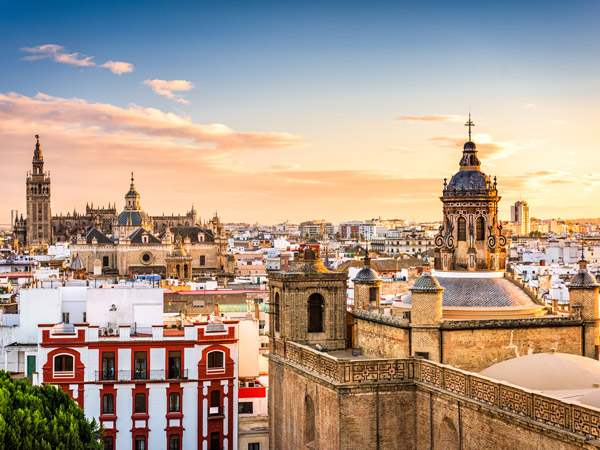
While it might not get the number of visitors that Barcelona or Madrid receives, Seville has to be one of the best – and most stunning – cities to visit on the Iberian Peninsula.
Visigoth, Muslim and Spanish-Christian cultures have all made their mark on this city, contributing to the renowned Seville’s unique aesthetic. And with fame among travellers for sunny days spent sipping sangria and nights in crowded flamenco and tapas bars, what’s there not to like?
From streets perfumed with bitter orange trees to endless, untroubled gardens, here is what to see, do and eat in Seville.
Getting to Seville
Seville is in southern Spain in the Andalusian region. The closest airport is Seville (SVQ) Airport. From there, it’s a 15-minute taxi ride, or a short bus ride, to the city centre.
If you are coming from Madrid, the train takes you around three hours and the bus around six hours. From Barcelona, the train is six hours.
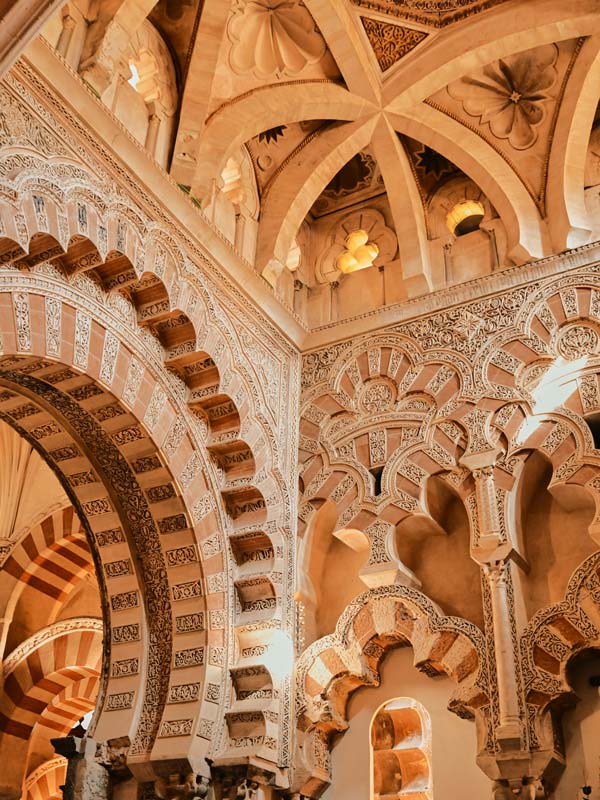
While in Seville, you can also spend a day or two in the nearby town of Córdoba to check out its Moorish architecture, in particular the red and white arches of the Mosque-Cathedral of Córdoba.
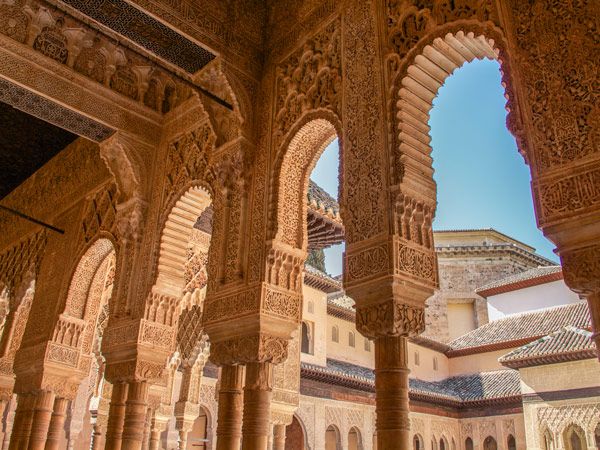
Further afield, Granada – home to the Alhambra palace – is three hours by car or three-and-a-half hours by high-speed train.
Top tips for visiting Seville
A top Seville travel tip is to book your trip here off-peak in spring, late autumn or winter, and consider spending at least four days here to appreciate the sights while taking a chance to slow down in this relaxed city. Events like Semana Santa (Holy Week) or Feria de Abril (April Fair) might see prices rise.
Another tip before you arrive is to learn a few Spanish phrases or download Spanish on your Google Translate app, as English is not spoken by everyone – particularly by waiters running to take your tapas order during the lunch rush hour.
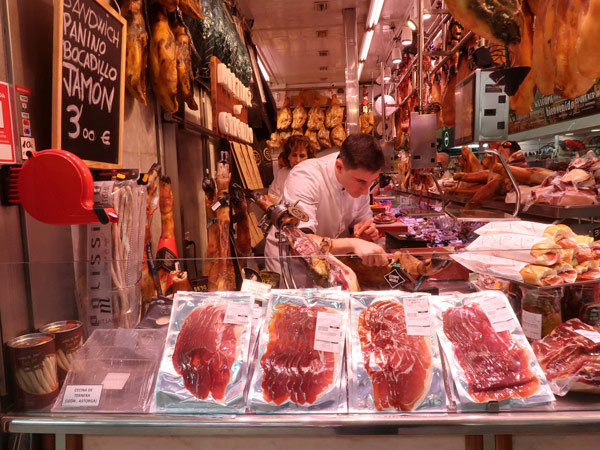
Also, go with the flow. One resident bocadillo shop owner gave me this underrated insider tip as he spread mouth-wateringly fatty and salty morcilla onto fresh bread: “Sit and enjoy your lunch instead of eating on the go – it’s not Madrid! Here people relax, enjoy and take it slow."
Things to do in Seville
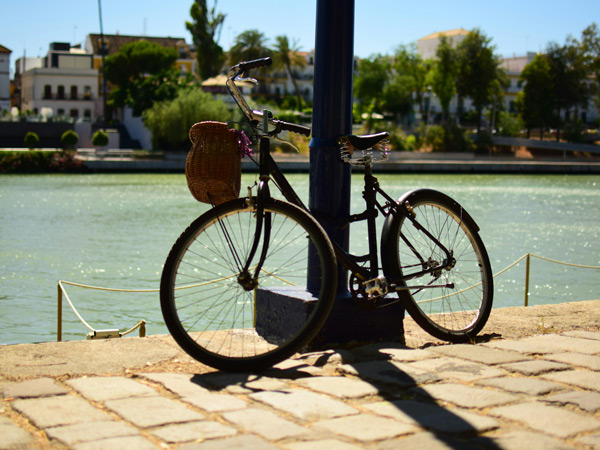
The best way to explore Seville is a stroll as the city is very walkable. Otherwise, ride-sharing apps like Uber, tram, bus and bicycle rental, are available.
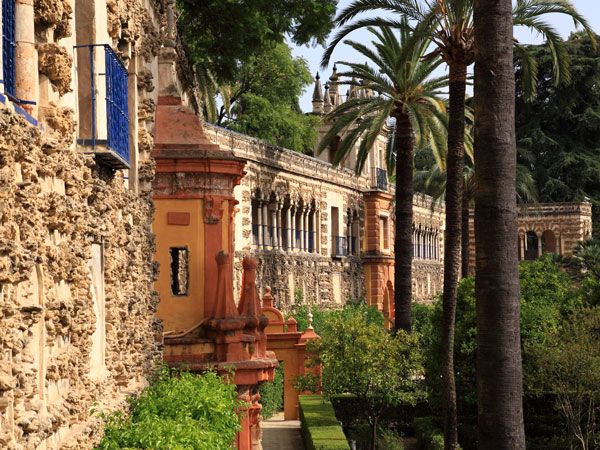
Royal Alcázar of Seville
On your first day in Seville, you will see the winding queue for those who have booked – or are looking to book – the Royal Alcázar of Seville. You might think, as I did, is a visit to these Moorish gardens worth it?
One thousand per cent. Minimise the wait to get into these unfolding, serene gardens and Mudéjar-style (Gothic-meets-Islamic aesthetic style) rooms by booking a time slot for Alcázar ahead of time. Make sure to bring your ID (I didn’t make the rules).
Seville Cathedral
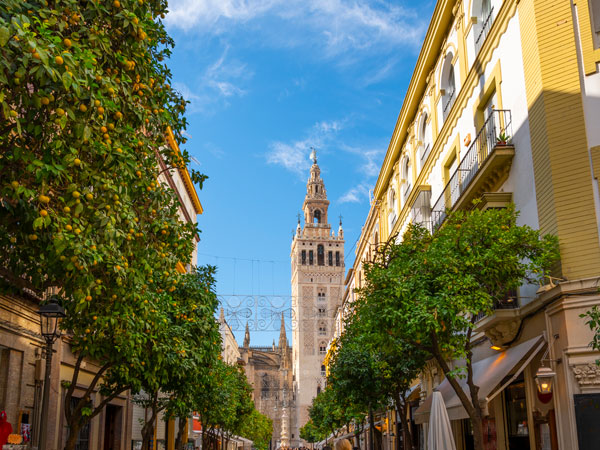
It isn’t hard to spot the Seville Cathedral, or Catedral de Sevilla, from here. If it wasn’t literally opposite the gardens, the Giralda bell tower – once a minaret when the Christian place of worship was a mosque – is over 100m tall.
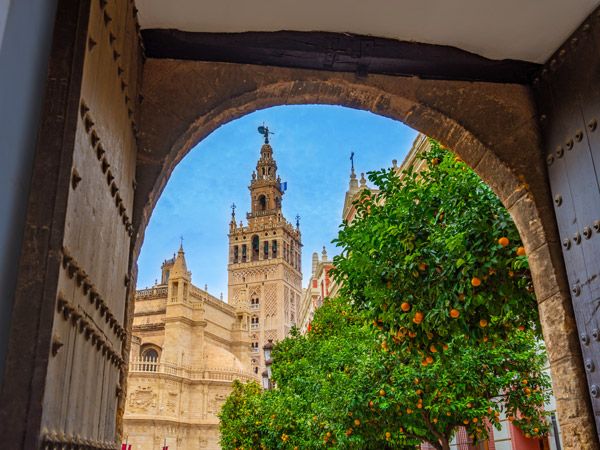
Again, if you want to visit this grand mosque turned gothic cathedral, it is best to book ahead.
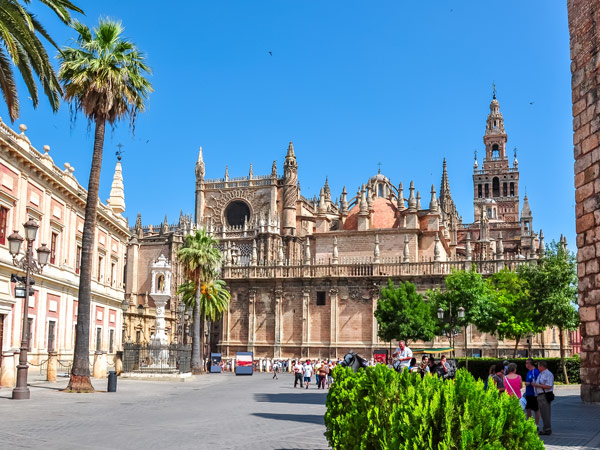
Barrio de Santa Cruz
Along with the outside of the Cathedral and the Royal Alcázar, most Seville walking tours will take you into the narrow streets of Barrio de Santa Cruz, the old Jewish quarter.
Plaza de España
From here, you may make your way past the opulent 1920s King Alfonso XIII Hotel, the old Royal Tobacco Factory, where Carmen from the opera ‘Carmen’ was supposed to be a cigarrera girl and end at the Plaza de España.
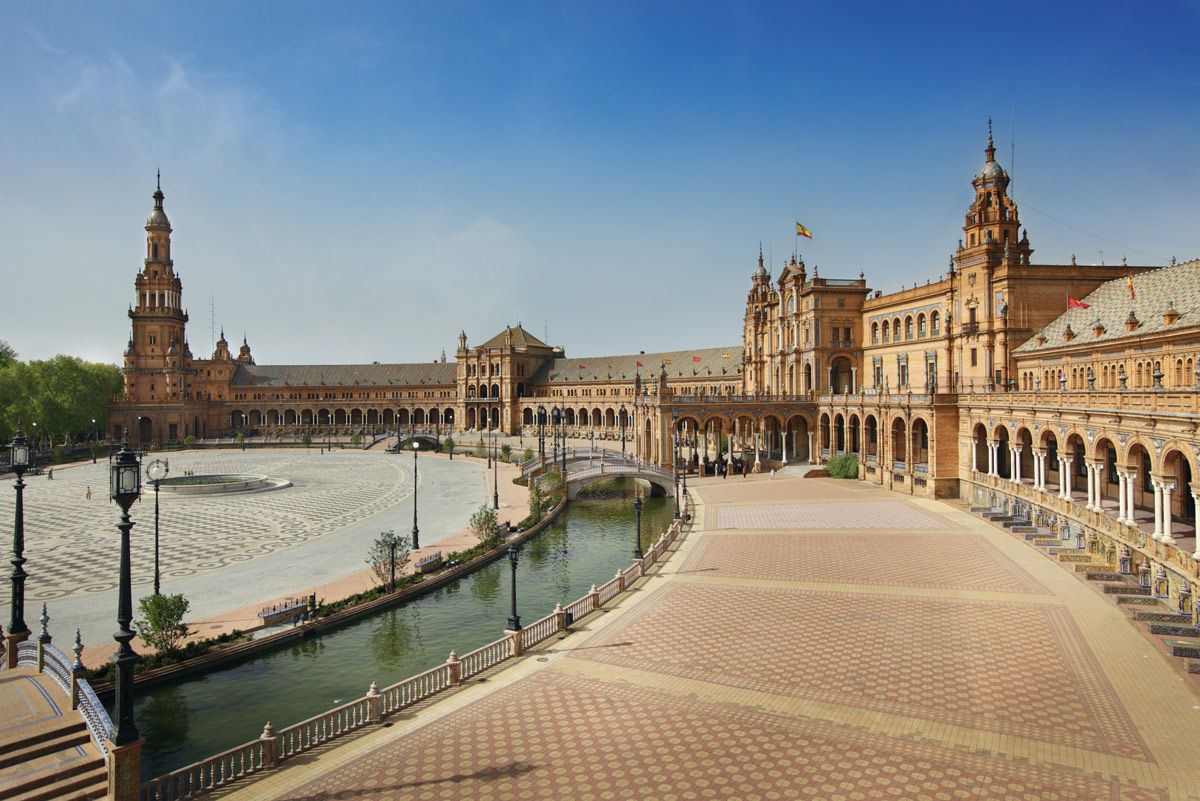
You undoubtedly will find the square, with the sun-sparkled moats lining the pavements spotted with honeymooners on boats sailing under the bridges, fountains and its wonderful pastiche of Neo-Mudéjar, Art-Deco and Spanish Baroque and Renaissance-style grand buildings.
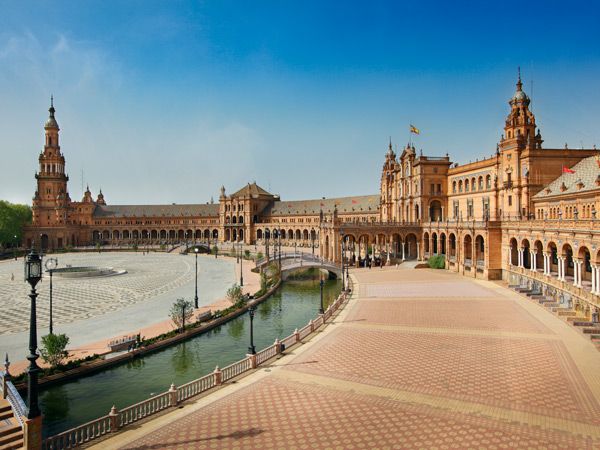
But the Plaza de España is still a place of civic interaction, be that locals spending the morning relaxing with their families or protesting local laws.
Parque de María Luisa
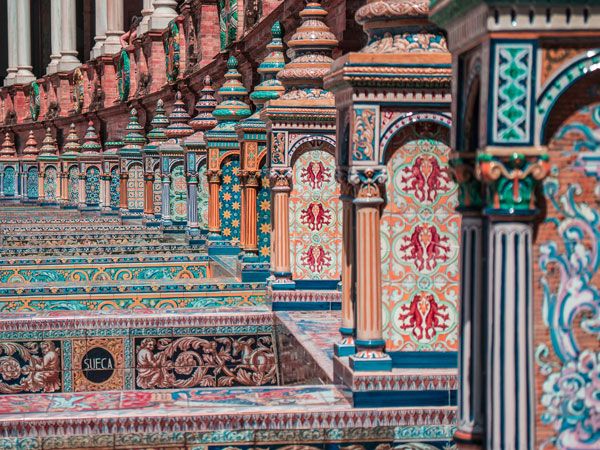
Afterwards, take a break from the heat at the seriously underrated and under-visited Parque de María Luisa a few minutes’ walk away. It is a true paradise, with Mudejár-style archways, glowing tiled benches, whimsical fountains shaped from everything from frogs to birds, and afternoons spent on soft grass underneath orange trees.
Setas de Sevilla
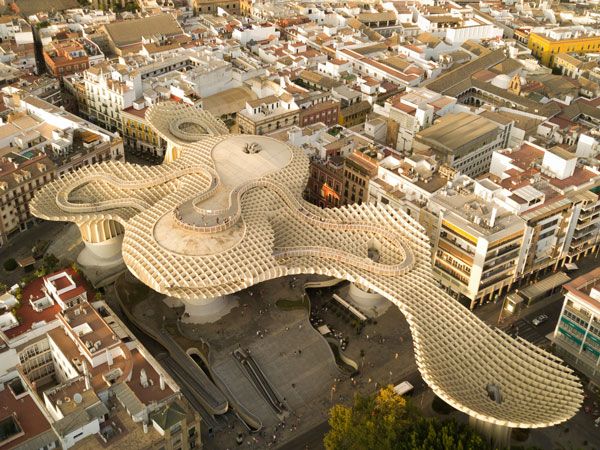
At sunset, make your way to the Setas de Sevilla – commonly known as Las Setas or The Mushrooms.
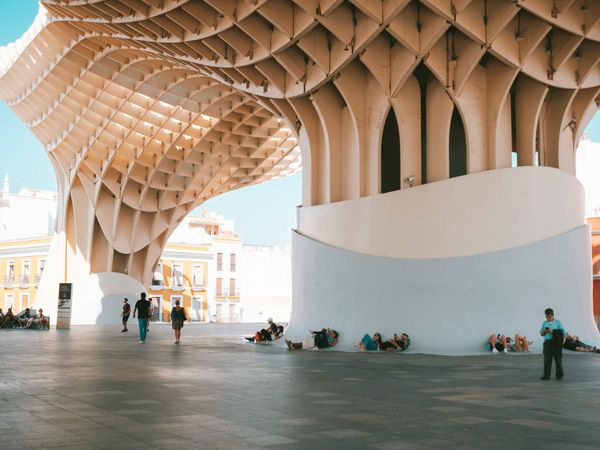
While you can drop cash to ascend one of the world’s largest wooden sculptures and watch the sunset from the top, one of my favourite things to do here was to sit with a beer and watch the twisting sails turn nectarine shades of orange-pink from below.
Watch a flamenco show
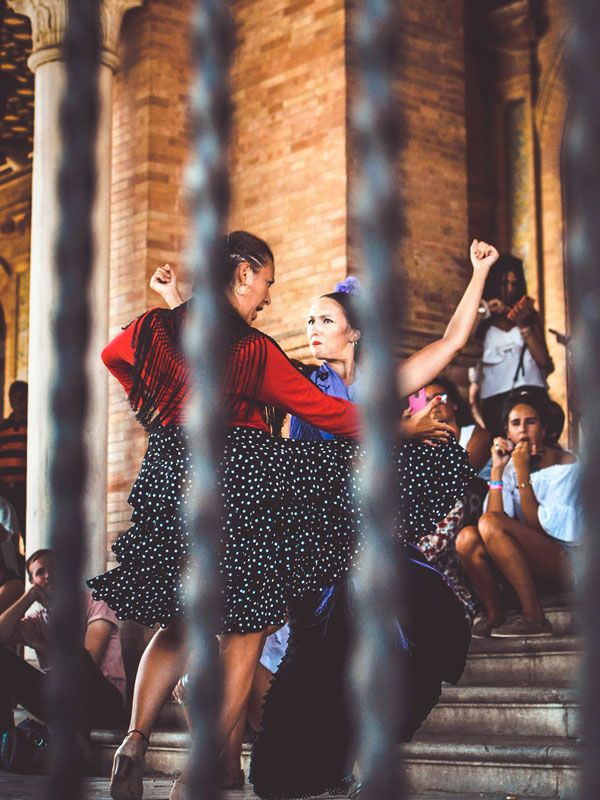
Now, it’s time for flamenco. Originally a tradition that emerged from the gitano or Romani-Andalusian culture, it has become inseparable from Seville. Today, watching a flamenco show at one of the city’s tablaos (flamenco bars) is the top cultural and nightlife experience in Seville and the wider Andalusia region.
These experiences range from tablaos like the hidden away La Carbonería bar, where entry to the old coal warehouse is simply a promise to buy a drink and not take photos, to ticketed flamenco venues.
Best places to eat in Seville
Oftentimes, the best thing to do on a Seville itinerary is chill in a square to eat and drink with new friends you’ve met in this warm city.
What to eat and drink in Seville?
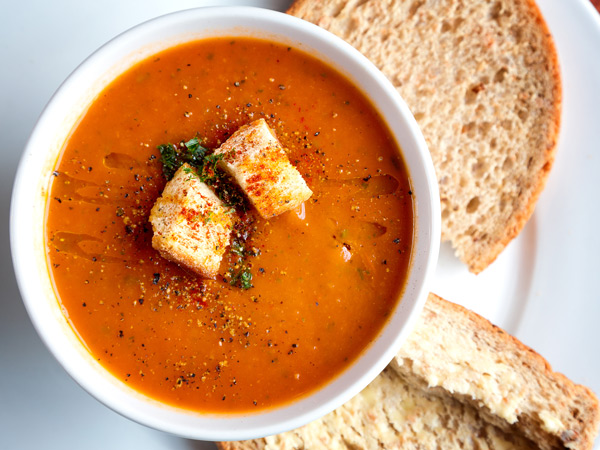
Any Seville food guide will stress the importance of trying out gazpacho and salmorejo (cold tomato soups), plates of rabo de toro (bull’s tail) and espinacas con garbanzos (spinach and chickpeas).
There is also tapas: including cured Jamón ibérico, the egg-based huevos a la flamenca, fried and marinated fish, ensaladilla rusa (potato salad), the ever-popular croquetas and many more dishes than you could ever possibly try.
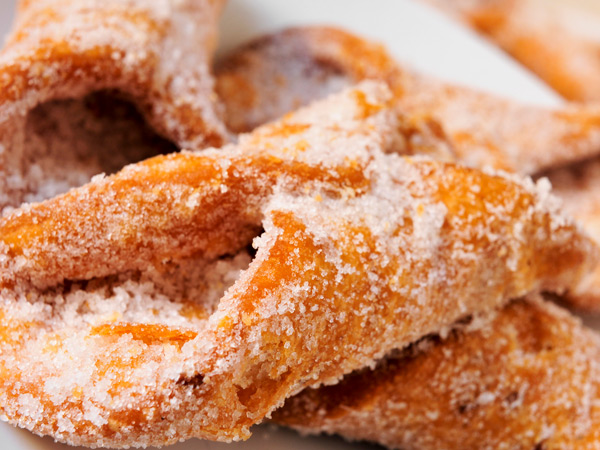
For a sweet treat, you have to try pestiños, a deep-fried dough flavoured with orange, lemon and aniseed-flavoured olive oil, which is thought to be related to Moorish cuisine.
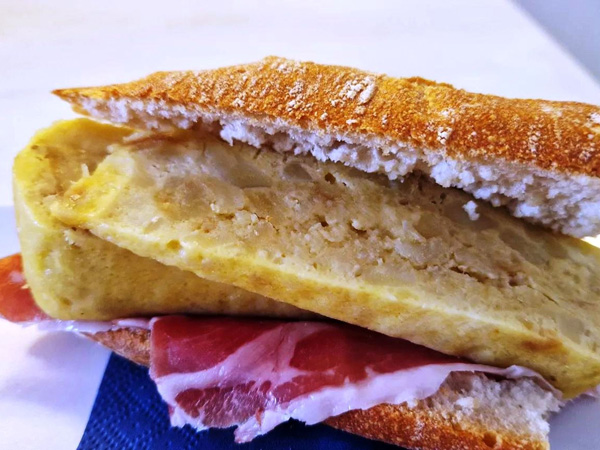
If you’re on the go, there are plenty of bocadillo (sandwich) shops. Try to get one that is made fresh in front of you, rather than stacked up in the window.
To drink there is the sherry-based manzanilla, which is often mixed with lemonade, becoming rebujito. Alternatively, tinto de verano is a popular mix of red wine and lemonade – as opposed to the world-famous sangría: a jug of fruity wine, lemons, oranges and seasonal fruits, as well as a soft drink and a touch of liquor.
For something a little different, try the strong and sweet vino de Naranja or orange wine.
Weekly travel news, experiences
insider tips, offers, and more.
Where to eat and drink in Seville?
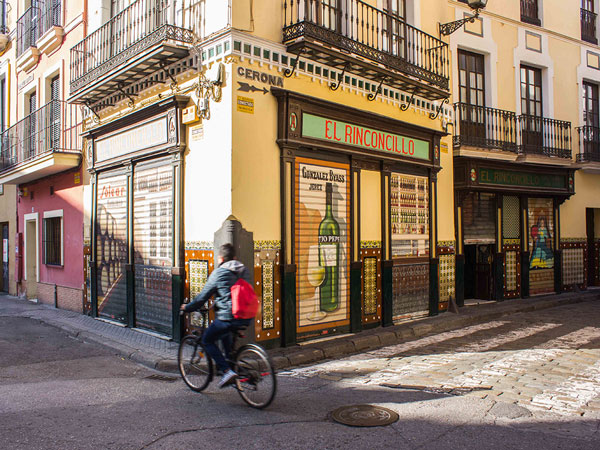
Dating back to 1670, El Rinconcillo is well worth the hype. This tapas bar meets restaurant is the oldest in the city, with tables and standing room available.
Around a minute’s walk from the Catedral de Seville and the Alcázar Gardens, is Bar Casa Morales. Close to major attractions, the crowded bar, fast service of the dozens and dozens of different tapas, and fast turnover of old men patrons being enthusiastically greeted with cheek kisses by the staff before settling in with a lunchtime feed, is a total vibe.
For something a bit calmer and more intimate, Bar Alfalfa restaurant is one of the top-rated in the city. It can be hard to get in though: its compact nature means limited seating.
Note, Sevillenas eat late, with tapas places heaving up until around 11pm and often closing an hour or two later.
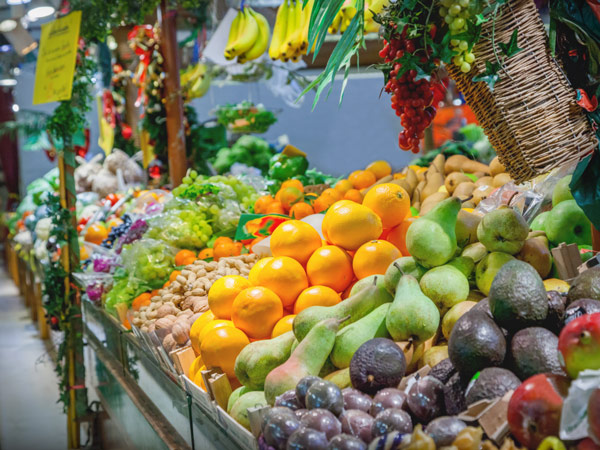
If you want to cook for yourself – or just have a coffee in a truly southern Spanish environment – stop by Mercado de Triana or Mercado Feria. The former is across the bridge in the up-and-coming, more local-neighbourhood Triana neighbourhood, while the Mercado Feria is near Las Setas.
For drinks, pick up and throw a Seville orange blindfolded, and you’ll hit a good bar. The best thing to do is take a stroll, perhaps ending up somewhere like the club and bar-spotted Alameda de Hércules square and pick what takes your fancy.
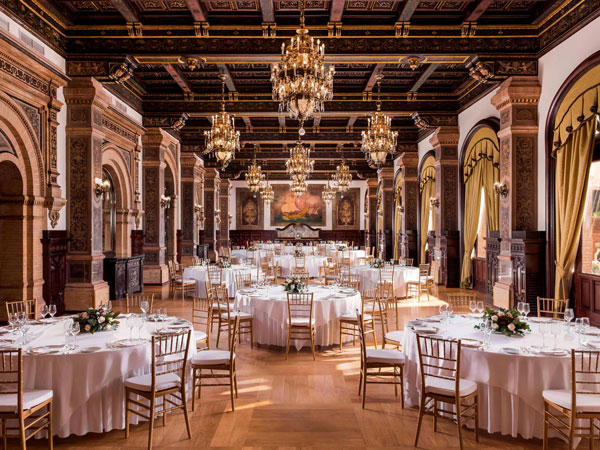
If you’re determined to have an impressively upmarket drink, the pricey-per-night Hotel Alfonso XIII – a luxury accommodation popular with celebrities such as Brad Pitt and Madonna – serves less pricey drinks.
Where to stay in Seville
Seville is home to some of the most romantic and historical accommodations around, with palatial architecture centring on Mudejár-style marble courtyards, complete with water fountains and tropical-looking potted plants.
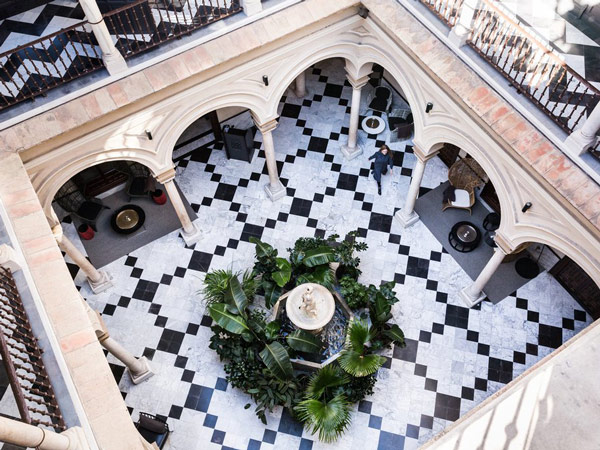
Take Hotel Palacio de Villapanes, a Small Luxury Hotels of the World member. The once 18th-century palace, where the shield of the former family impresses on you the building’s long history as you climb the marble-like staircase to the upper floors.
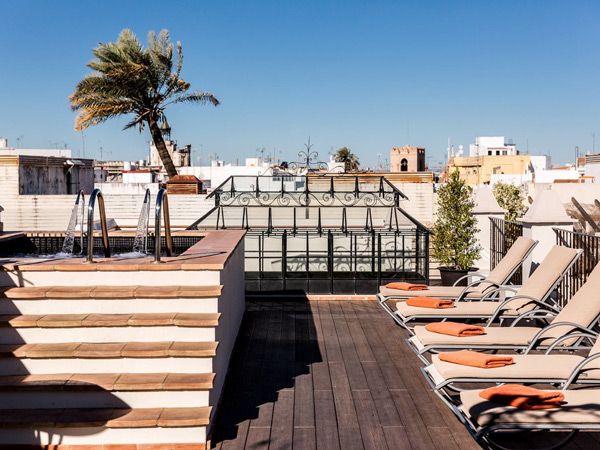
When it comes to kicking back at the luxury hotel, there are plenty of delicately rendered options, and you will need at least a two-night stay to appreciate them all with the respect they deserve.
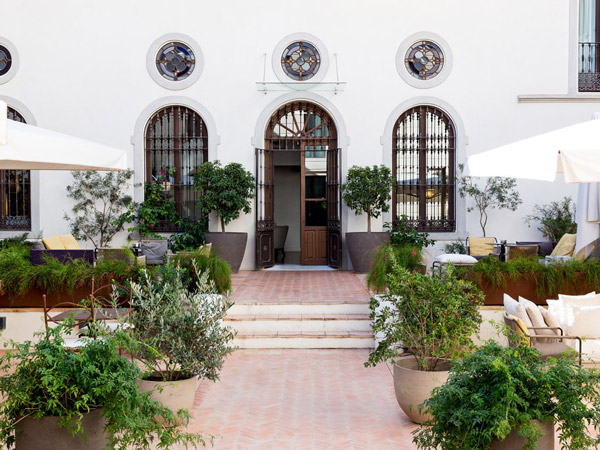
First, there is the intimate and unusual courtyard downstairs, where a whole wall is embedded with whorls of soft pink and white shells. Tables for two – or one with a good book – are scattered underneath.
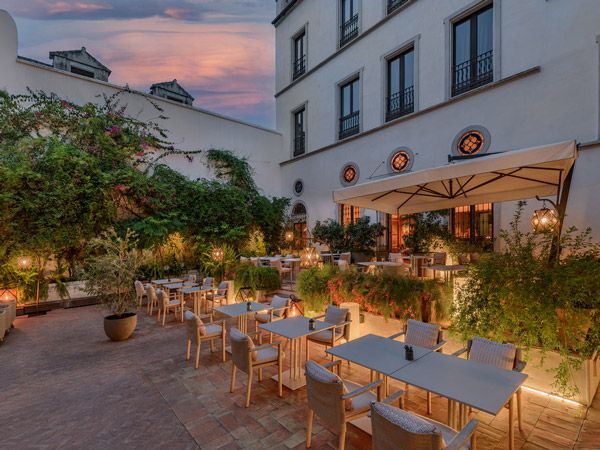
Next to the bar – with its 18th-century polished wood floors, deep pink walls, velvety cushions, and distressed mirror-lined alcove room – is a larger outdoor space for bigger groups, and a rooftop pool with views over the entire city.
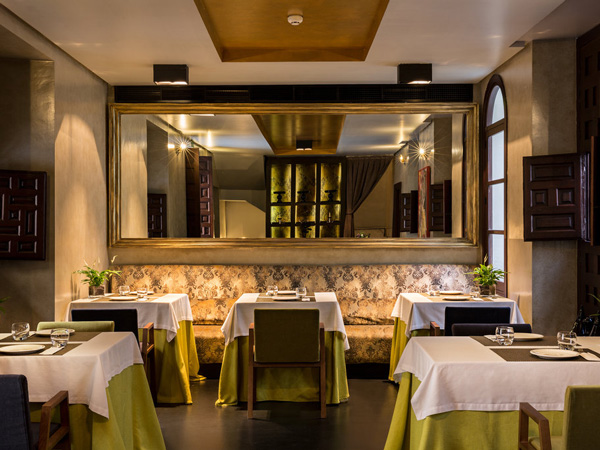
The boutique hotel has 50 rooms that range from deluxe to palace and luxury. And if you’re lucky enough to be here during Holy Week, some rooms even look over the celebrations at Plaza Jesús de la Redención, right underneath their windows.
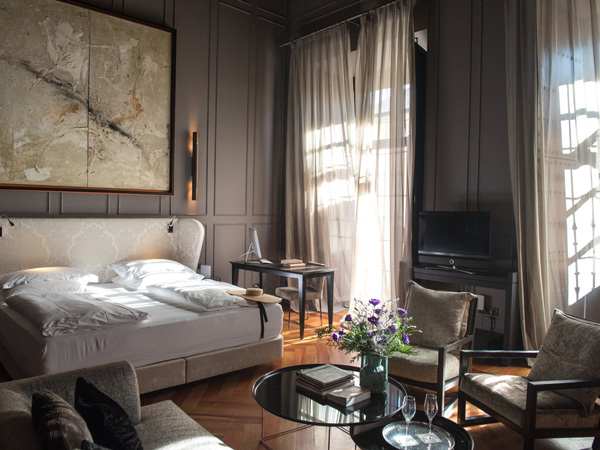
The writer was hosted by Small Luxury Hotels of the World and Tourism Spain.
Want to see more stories from International Traveller in your Google search results?
- Click here to set International Traveller as a preferred source.
- Tick the box next to "International Traveller". That's it.