
We love Las Ramblas and La Sagrada Familia, but it’s time to venture into new territory.
Despite other Spanish cities competing for our affection, Barcelona continues to bewitch us. From its beaches up all the way into the hills and the city in between, there is so much to spend your time doing.
To help you experience as much as you can, we’ve laid out the top things to do in Barcelona.
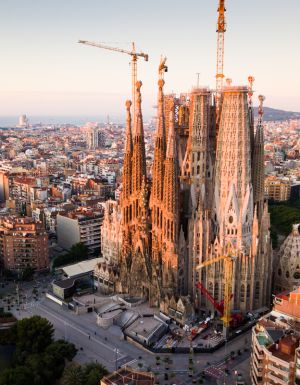
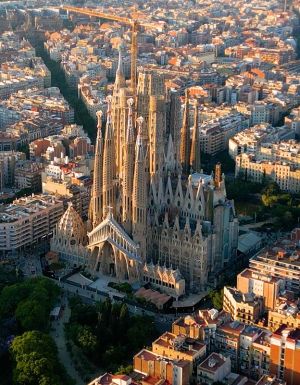
1. Savour La Sagrada Familia
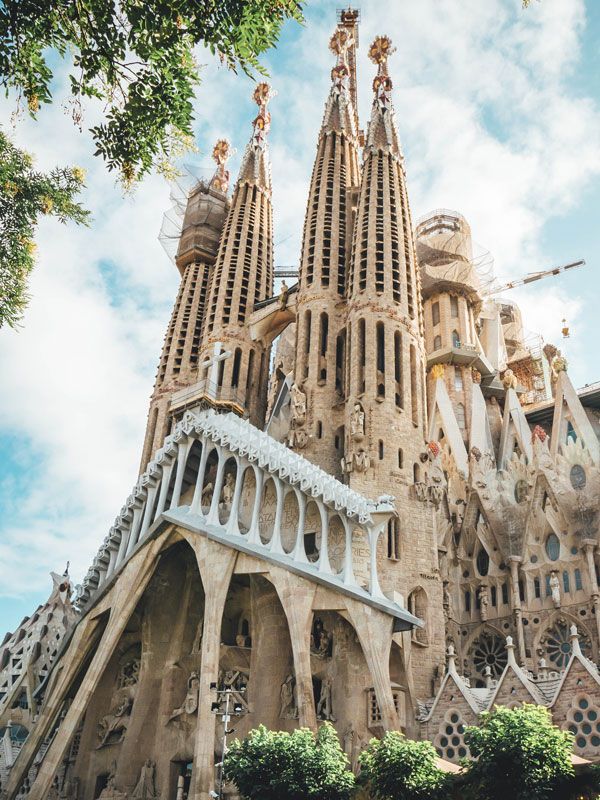
It may be the obvious pick, but La Sagrada Familia still deserves to top any list. Building of this giant Catholic church began in 1882 and the beloved son of Barcelona, the architect Antoni Gaudí, took over the work soon after. Infamously, the construction is still ongoing.
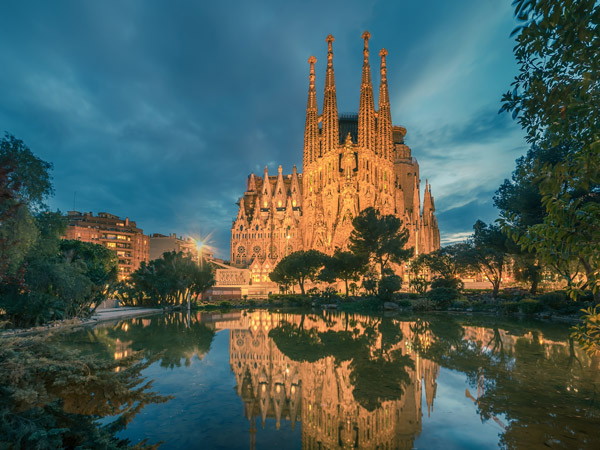
While you can check out the soaring pointed steeples and fiddly and intricate facades from the outside, inside the rainbow of lights and angular columns are a sight to behold. Make bookings in advance.
2. Stroll in Park Güell
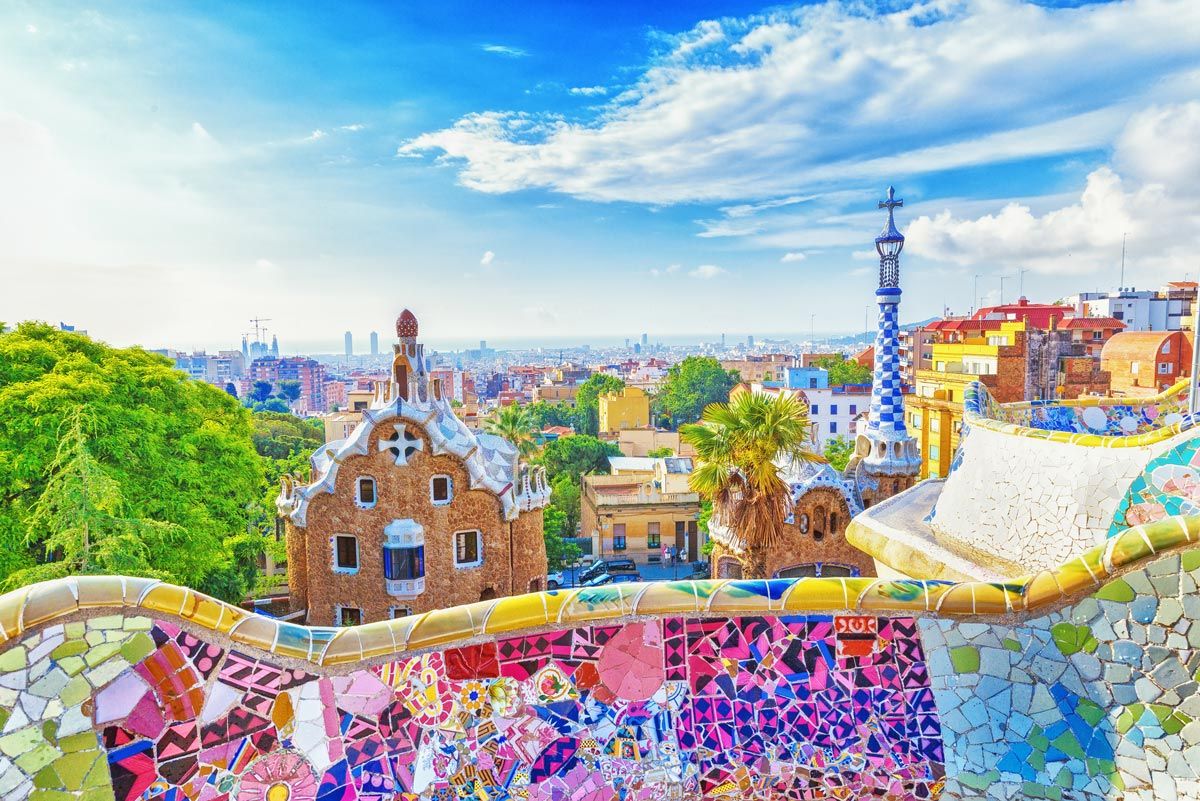
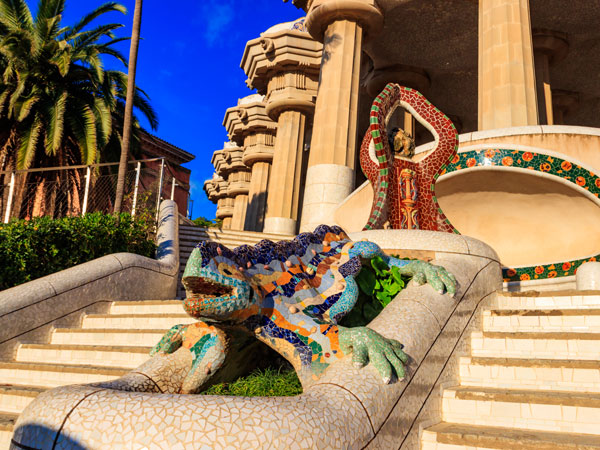
Gaudí’s other most famous work in Barcelona is Park Güell, which is perched at La Salut in Gràcia. Across its gardens, you can sit by the bright mosaic shards of Plaça de la Natura, wander in its curving viaducts of stone, and relax among the plant life of the Austria Gardens.
Like La Sagrada Familia, Park Güell displays Gaudí’s unique interpretation of naturalism meets art nouveau and is a UNESCO World Heritage site. The cost of entry is approximately €10 ($16.50) and is subject to availability.
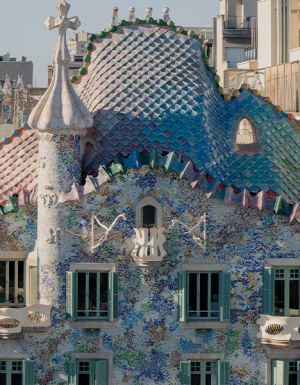
3. Don’t neglect Gaudí’s other work
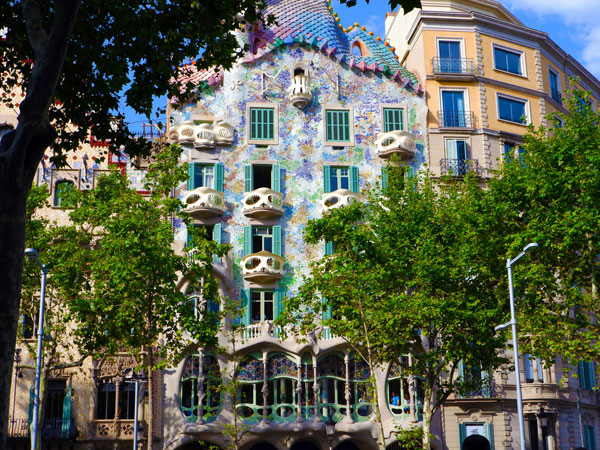
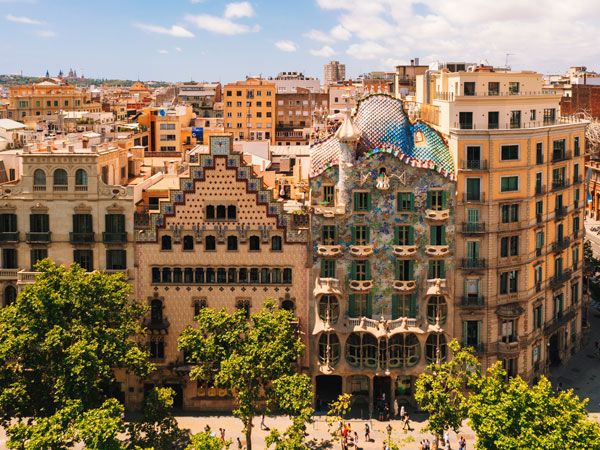
Gaudí left his mark all over Barcelona. There’s the organic, skeletal shape of Casa Batlló with its glowing facade of stone, glass and ceramics.
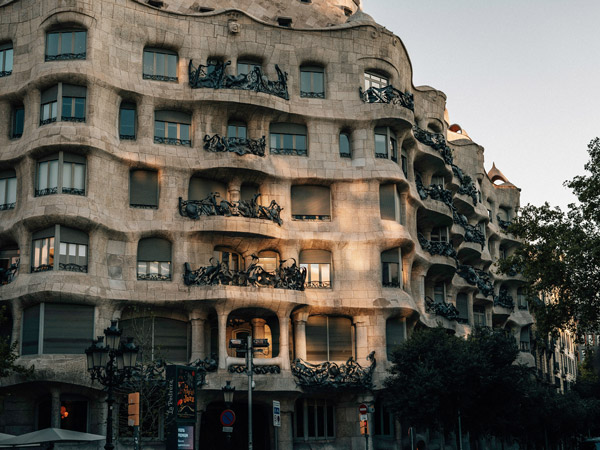
And Casa Milà, or La Pedrera, is recognisable by its rolling waves of stone.
Then there’s Casa Vincens, the first work by Gaudí, and one of the least-known displays of his architectural brilliance, making for a relaxed afternoon gazing on the decorative paper mâché dates and flowers, glowing windows and rainbow-lined circular wall fountain.
4. Try seasonal Catalan food
Most ‘to do in Barcelona’ lists will have eating paella and tapas at the top. But why not make the food of Catalonia, the region Barcelona is in, a priority? In winter, book a calçotades feast, where you dip a type of mild onion (called calçots) into bowls of salsa. Bibs and gloves are provided for the inevitable spillage.
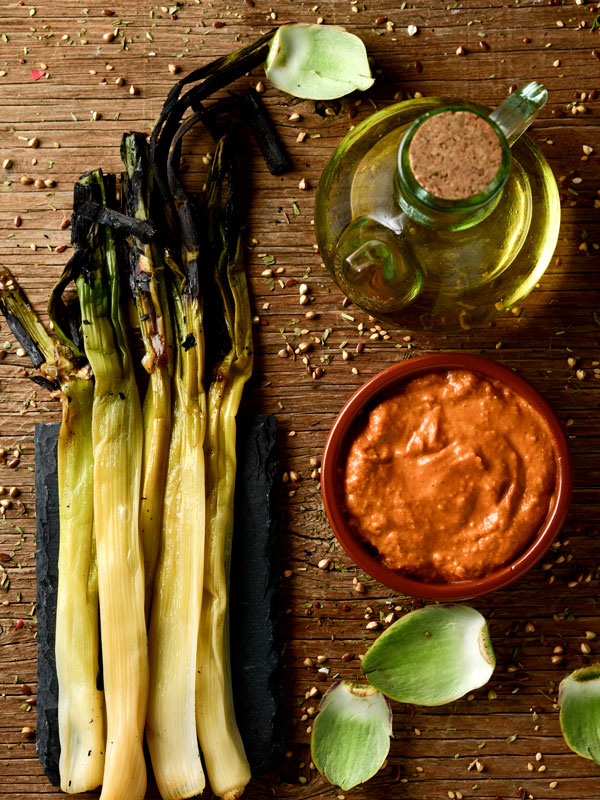
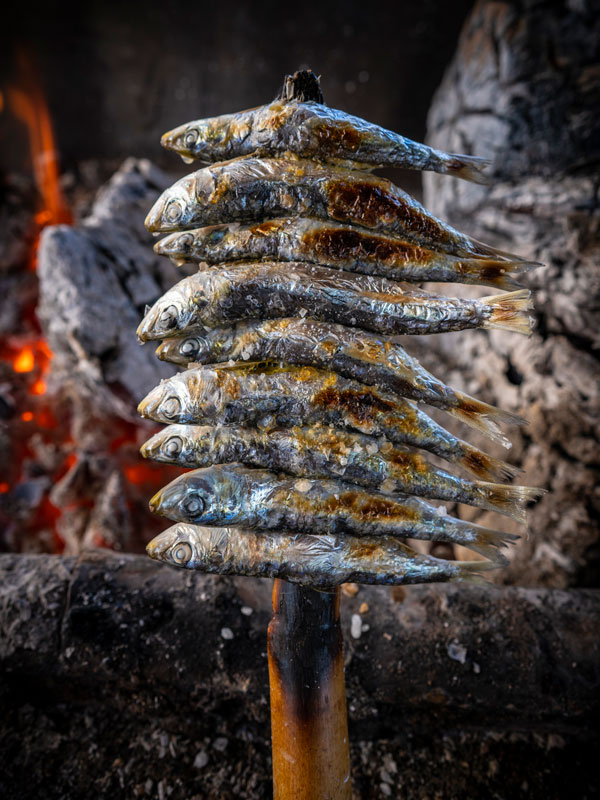
When Easter arrives, the La Mona de Pascua cake, which is usually served with decorative chocolate and figures, is on the table. In summer, barbecued sardines can be found everywhere.
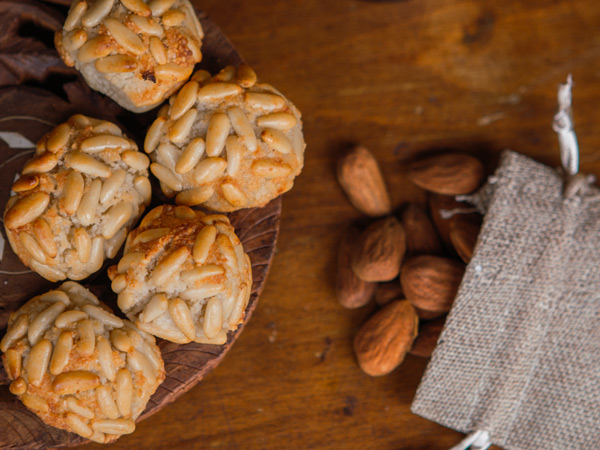
The traditional feast of chestnuts, panellets (balls of almond paste covered in pine nuts) and sweet potatoes are at the feast of La Castanyada on Halloween.
All year round you can order La Bomba in tapas bars, a ridiculously scrummy Catalan treat that consists of a potato croquette, beef mince with aioli and brava sauce.
5. … and Spanish food
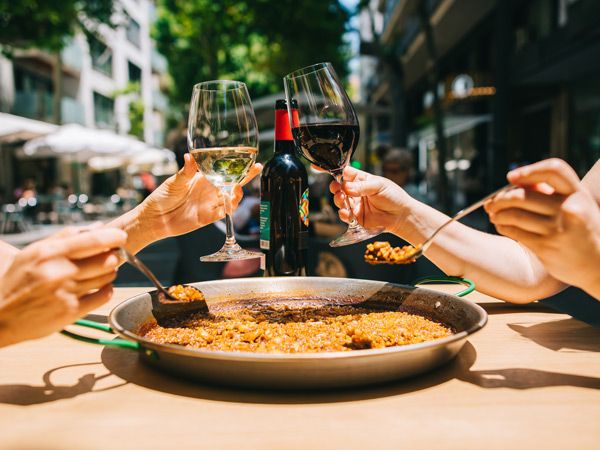
Listen. Just because it is not from the specific region of Catalonia, doesn’t mean we don’t want to have food from other Spanish regions. Seafood paella from Valencia, croquettes that originated in France and empanadas that are thought to be from Galicia are all delicacies we can’t help but devour most of the time we’re in Barcelona.
6. Sip on some Cava
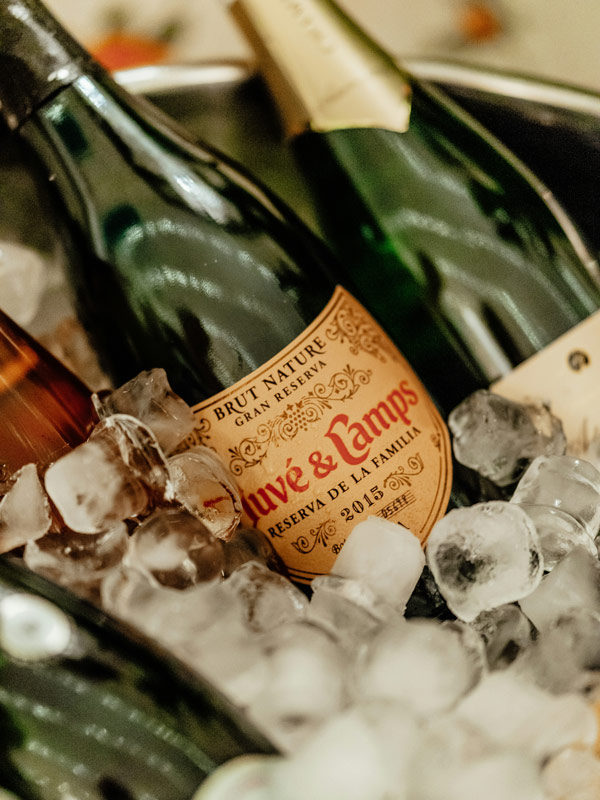
The French town of Champagne has Champagne, the Italian village of Prosecco has Prosecco and Catalonia has Cava. Whether it’s accompanying a long tapas lunch or drunk as a pre-dinner treat, this sparkling white made in the traditional method is the way to go.
7. Share time over a vermouth aperitif
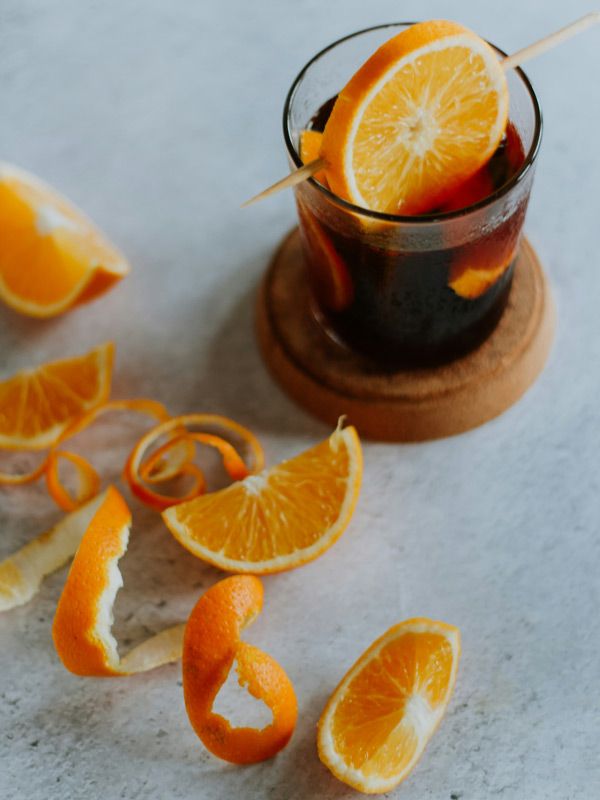
Having a drop of vermouth at midday when it’s time to ‘fer un vermu’, or ‘do a vermouth’, is a cherished tradition in Barcelona. Served on the rocks with a slice of orange and olives, this beloved botanical and herb-tasting drink is also acceptable as a warm-up to dinner.
8. Get lost in the galleries
If you wish to revel in the works from what is considered by many to be the greats of 20th-century Spain, Barcelona has you covered. The Museu Picasso – or Picasso Museum – has an enormous number of the late artist’s works. Over at the Joan Miró Foundation, you can find many pieces from the Barcelona-born artist, which cover his artistic journey from surrealism to fauvism and expressionism.
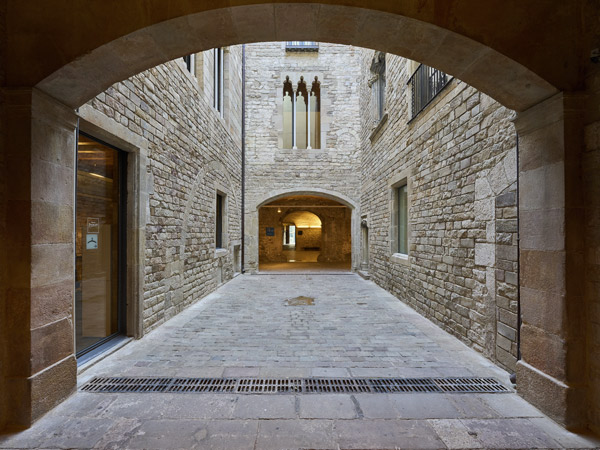
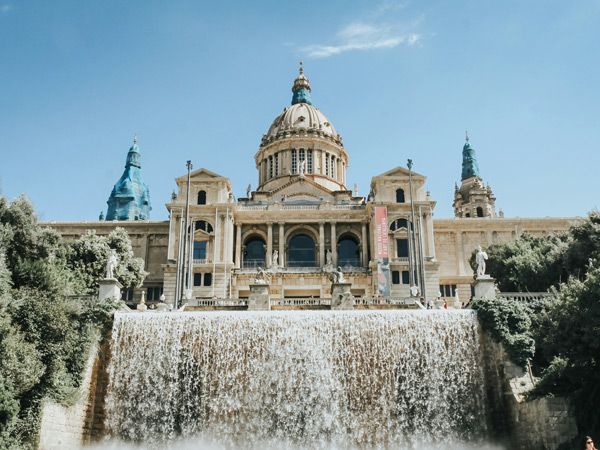
The Museu Nacional d’Art de Catalunya (MNAC) is home to a wide range of Catalan art and design from the late 1800s to early 1900s, as well as one of the world’s most impressive collections of Romanesque art.
9. Ramble on Las Ramblas
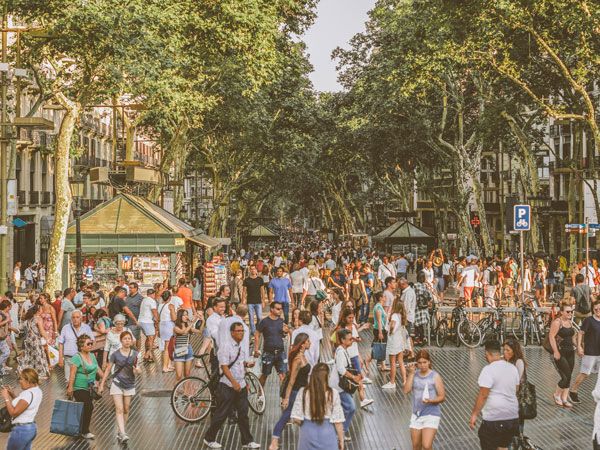
A tree-lined street that takes in Barcelona’s main thoroughfare from Plaça de Catalunya, Las Ramblas is well-known for its ornate buildings, paveside cafes and restaurants and exuberant atmosphere.
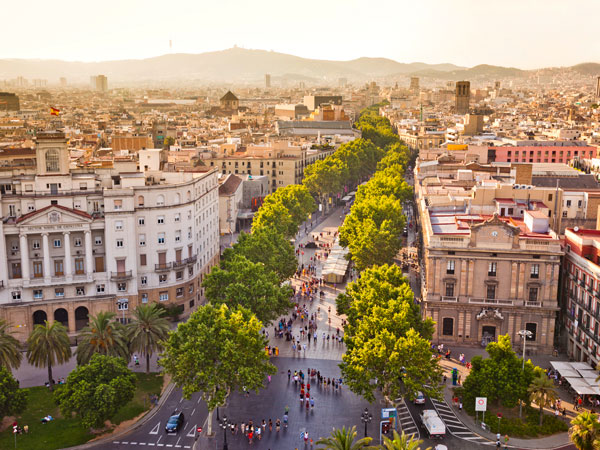
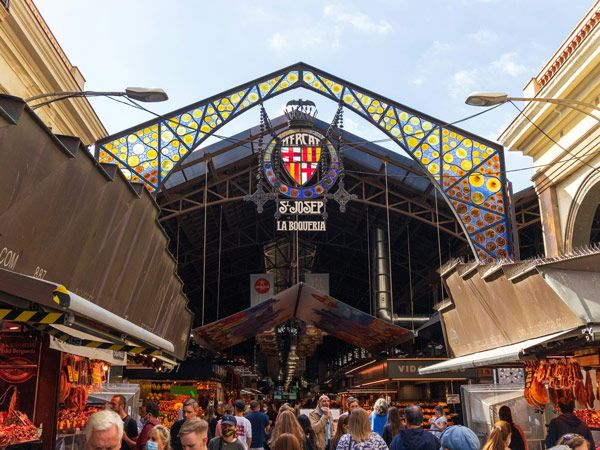
While it can get busy in tourist season (and you definitely should keep your eye on your pockets), sights like a mosaic by Joan Miró and La Boqueria market, make it well worth seeing.
10. Feast at a food market
Speaking of La Boqueria, the world-famous food market that is massively popular with visitors today, has roots that go back centuries. While the food here is far pricier than you’d get in a local tapas bar, the place is buzzing and a good place to see everything all at once’.
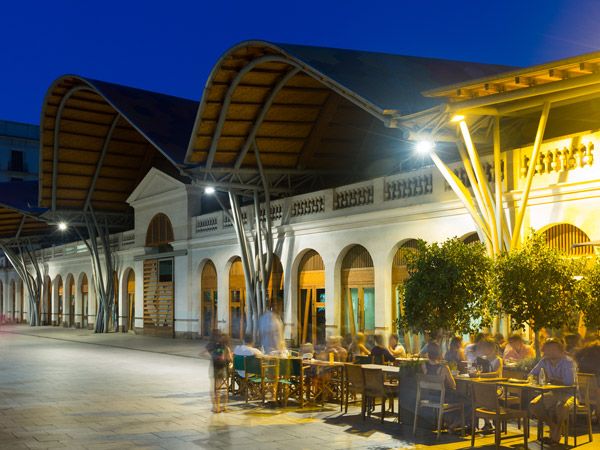
If you want a low-key market, the Santa Caterina Market has a more local feel, with better prices and a smattering of restaurants.
11. Go (not too) wild in the Gothic Quarter
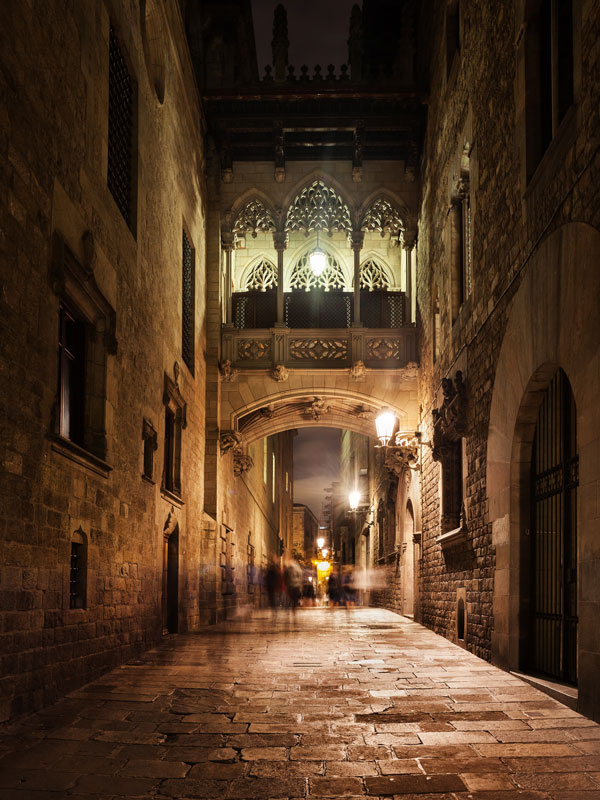
The Barri Gòtic is one of the oldest parts of the city. It isn’t hard to believe this when you’re surrounded by narrow, winding streets, so tall and slim it can almost feel like the sky is about to be blocked by ancient buildings.
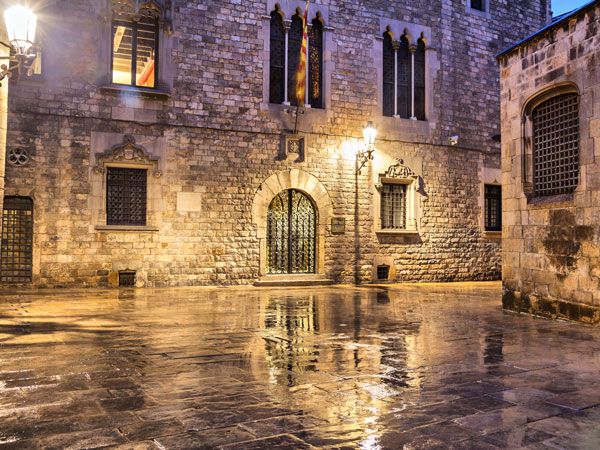
With so much to see, like the El Call Jewish neighbourhood, the Catedral La Seu of Barcelona and of course, Las Ramblas, a visit here at least once is a must.
If you go out here at night though, watch out for pickpockets. As one Barcelona resident put it: “Pickpockets in Barcelona go after the weak and the drunk".
12. Barcelona Cathedral
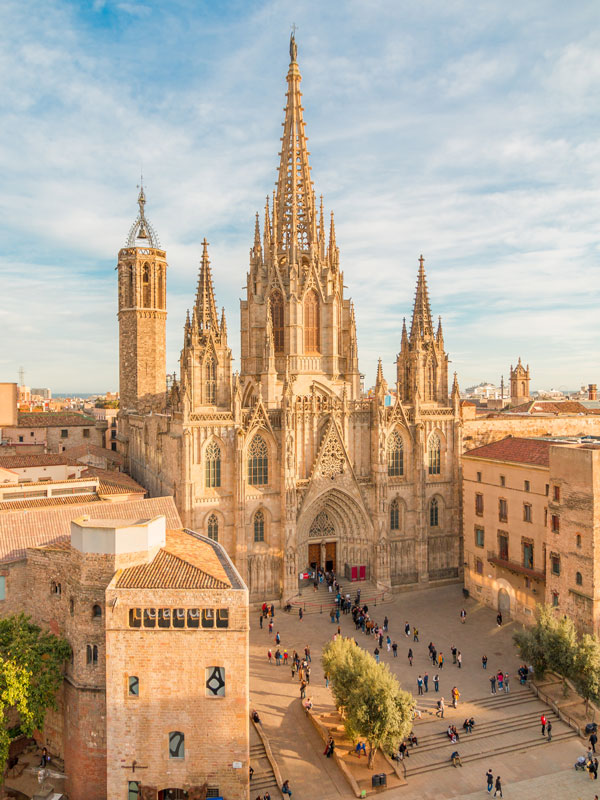
While not as famous as La Sagrada Familia, the Catedral La Seu of Barcelona (also known as Barcelona Cathedral) is far older. Built way back in the 13th century, visitors today can check out this historical cathedral’s distinctive Catalan Gothic style and Romanesque interiors.
You can even take a moment in its palm-tree-lined garden, complete with an orange tree, fountain and white geese swimming calmly in the courtyard’s pond.
Weekly travel news, experiences
insider tips, offers, and more.
13. Relax at a plaça in Gràcia
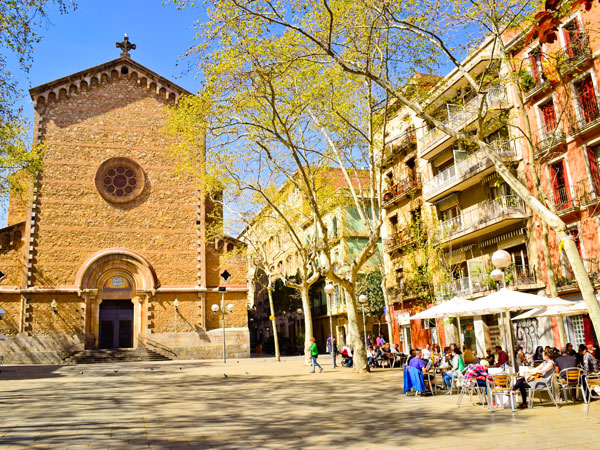
The neighbourhood of Gràcia is one of the prettiest and most laid-back areas to spend a day or two soaking up the local culture. Spend an afternoon sitting at a little table in the shade of a tree in a square, such as the Plaça del Sol, Plaça de la Virreina or Plaça de la Vila de Gràcia.
Once you have a bomba and a cold glass bottle of Coca-Cola at your elbow, pull out a book and listen out for soft guitar music from street buskers.
14. Sift through at the flea market
A flea market that is a jumble sale in the truest sense of the word, Mercat dels Encants has been a place of trade for around 700 years.
Today, at what is thought to be one of Europe’s oldest markets, 300 or so stallholders pull at the threads of your attention with everything from electronic instruments, underpriced leather jackets, rare decorative arts and old dolls, to one-of-a-kind antiques, scraps of lace, haberdasheries and abandoned books. Bring your energy and leave with a unique souvenir.
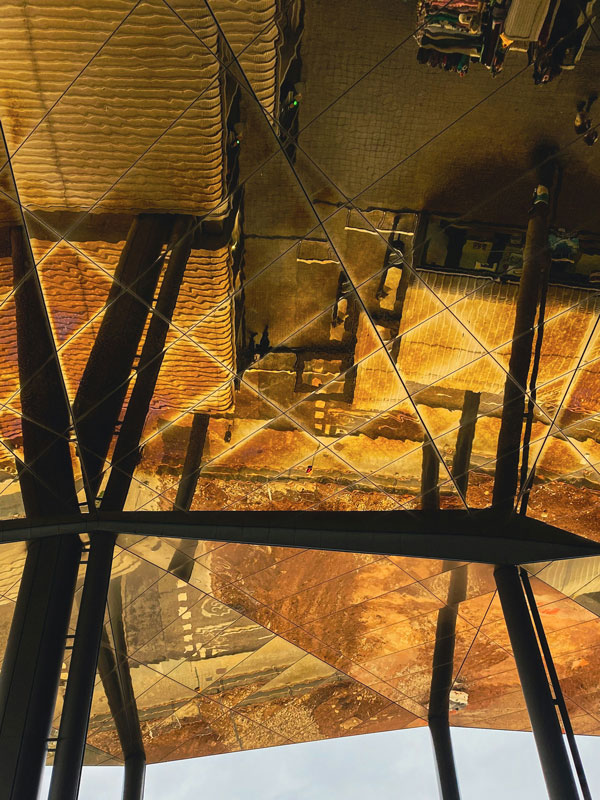
15. Climb the mountain of Montserrat
Want a day away from the busyness of Barcelona? The mountain of Montserrat has hypnotising crags and oddly shaped stone massif, which in some lights looks like sandcastles.
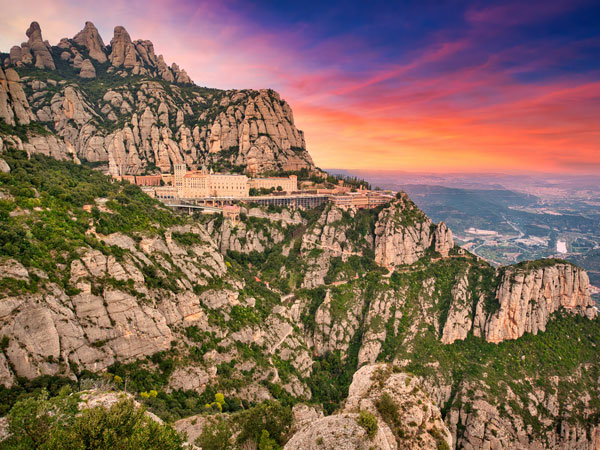
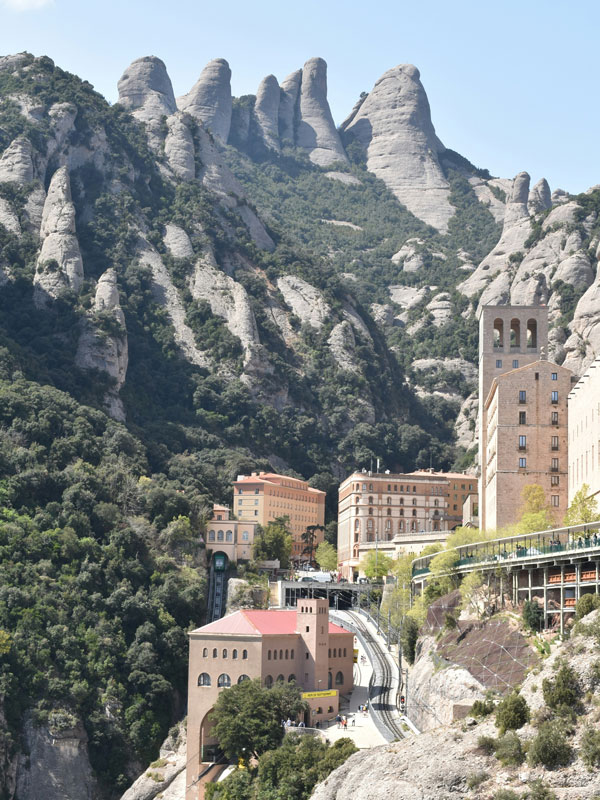
It is accessible via an hour train ride from Plaça España station, with a ride up the rack railway to the Benedictine Monastery Santa Maria de Montserrat. Afterwards (if you have the energy) take the cog railway up to the summit to try out some of the hiking trails.
16. Take the Cable Car to Montjuïc
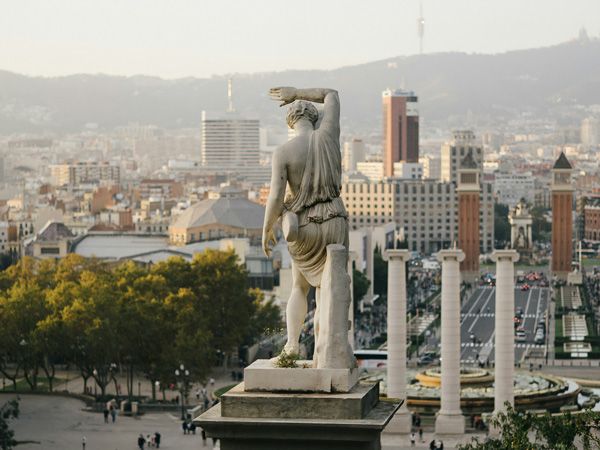
Closer to the city itself is the hill of Montjuïc. While nowhere near as impressive in size or geological value as the Montserrat mountain range, Montjuïc offers some impressive views over the city and out to the harbour on a clear day. Up here, you can explore the 17th-century Castle of Montjuïc, the Fundació Joan Miró and the Museu Nacional d’Art de Catalunya.
17. Party at a seasonal festival
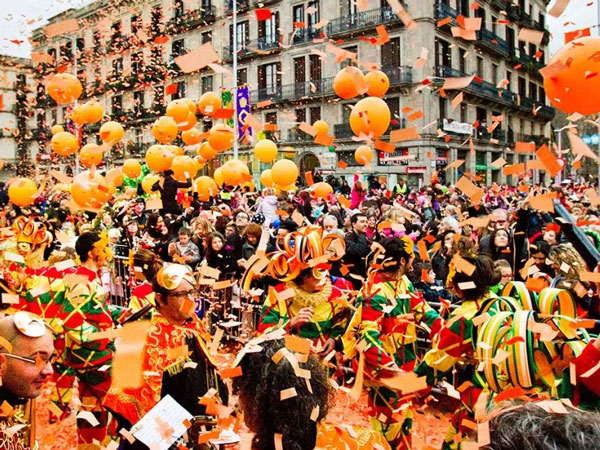
If you time your visit right, you can experience some wild festivities including the Santa Eulàlia Festival: the winter festival of Barcelona. In districts like the Barri Gòtic, giant puppets totter on human legs, disguised as fantastical shapes like dragons, saints, kings and farm animals.
Another festival, Carnaval, sees celebrations all over Spain, seven weeks after the first full moon. In Barcelona, you will see masked figures in every costume imaginable, celebrating and dancing around the parade led by the rambunctious El Rei Carnestoltes, or The Carnival King. In short, check the festive calendar before you book your Barcelona trip.
18. Create time for live music
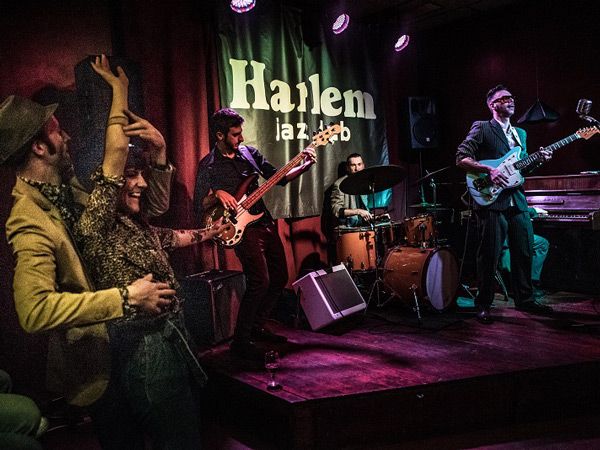
Live music is a must for anyone looking to get closer to the heart and lifeblood of those who live in the city. Look for it in small bars and local venues like the Soda Acústic jazz bar in Gràcia, the Jamboree performance club in the Gothic Quarter and the music festivals of Harlem Jazz Club in the old town.
19. Recover at the beach
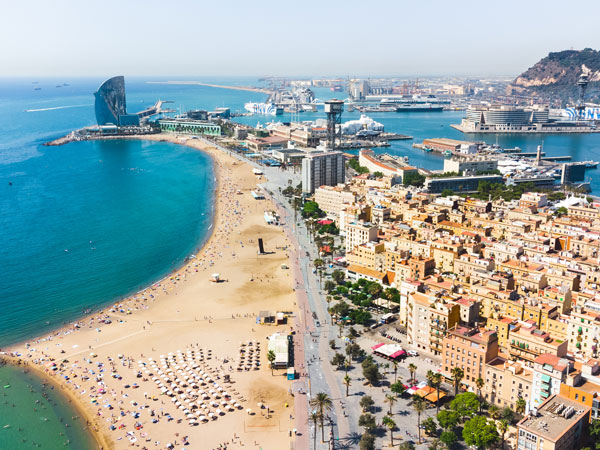
After all that, it’s time for a siesta. And if it’s not too hot at the traditional 2pm slot, make for the sand to swim, sleep and repeat. Among the most famous are Barceloneta Beach and Sant Sebastià Beach, and the LGBTQIA+ and family-friendly town of Sitges, further afield from town.
The writer travelled as a guest of Turisme de Barcelona.
Want to see more stories from International Traveller in your Google search results?
- Click here to set International Traveller as a preferred source.
- Tick the box next to "International Traveller". That's it.