hero media

Why Granada is Spain’s most underrated city

Granada is a Spanish city that so often falls under the radar when travellers head to the Mediterranean country, but not for long.

Spain is one of the top travel destinations in the world, attracting visitors from all over, at any time of the year. Most travellers will have Madrid and Barcelona on their itinerary, maybe Valencia, Seville and Ibiza too. But Granada in the country’s south is often left off.

Granada has a complex history which is shown in the vast, jaw-dropping architecture, the cuisine, and the overall culture of the city. There’s an energy to Granada’s streets, packed with bars, student dives, bohemian cafes and intimate flamenco clubs, and it’s this as much as the more traditional sights that leaves a lasting impression. Here’s why it’s Spain’s most underrated city, and trust us, you’ll be adding it to your bucket list immediately.

Granada was under Moorish rule for around 800 years

In AD 711, large parts of the Iberian Peninsula (now known as Spain) were brought under Muslim control, and these parts were called al-Andalus. al-Andalus had a mixed population of Christians, Muslims, and Jews.
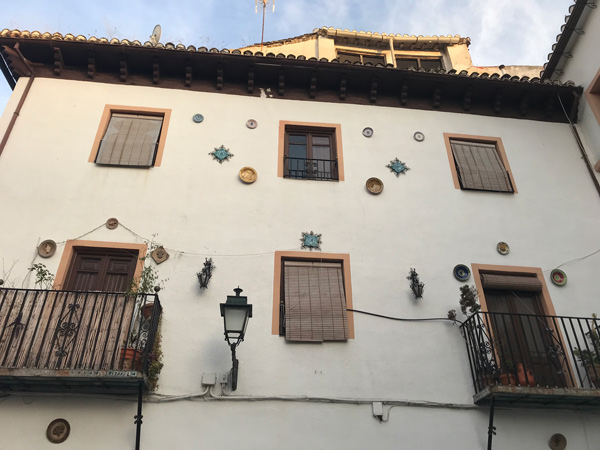
Moorish buildings in the Albaicin. (Image: Emily Murphy)
Moorish buildings in the Albaicín. (Image: Emily Murphy)

Over the course of centuries, Granada’s architecture has been influenced by four major styles – Moorish, Renaissance, Gothic and Baroque. The city’s most impressive buildings date from the period of Arabic rule and the subsequent Catholic epoch which started after the Moors were displaced in 1492. From the dazzling majesty of the Alhambra to the awe-inspiring churches and the subtly elegant palaces, the city of Granada is indeed quite fitting the status of an architectural hub.
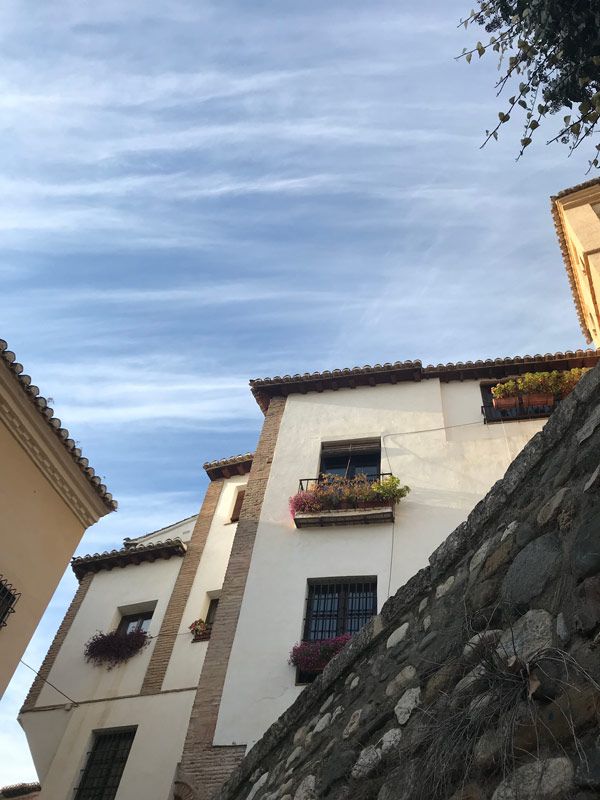
Buildings in Granada, Spain. (Image: Emily Murphy)
The buildings have very distinct styles. (Image: Emily Murphy)

The Alhambra

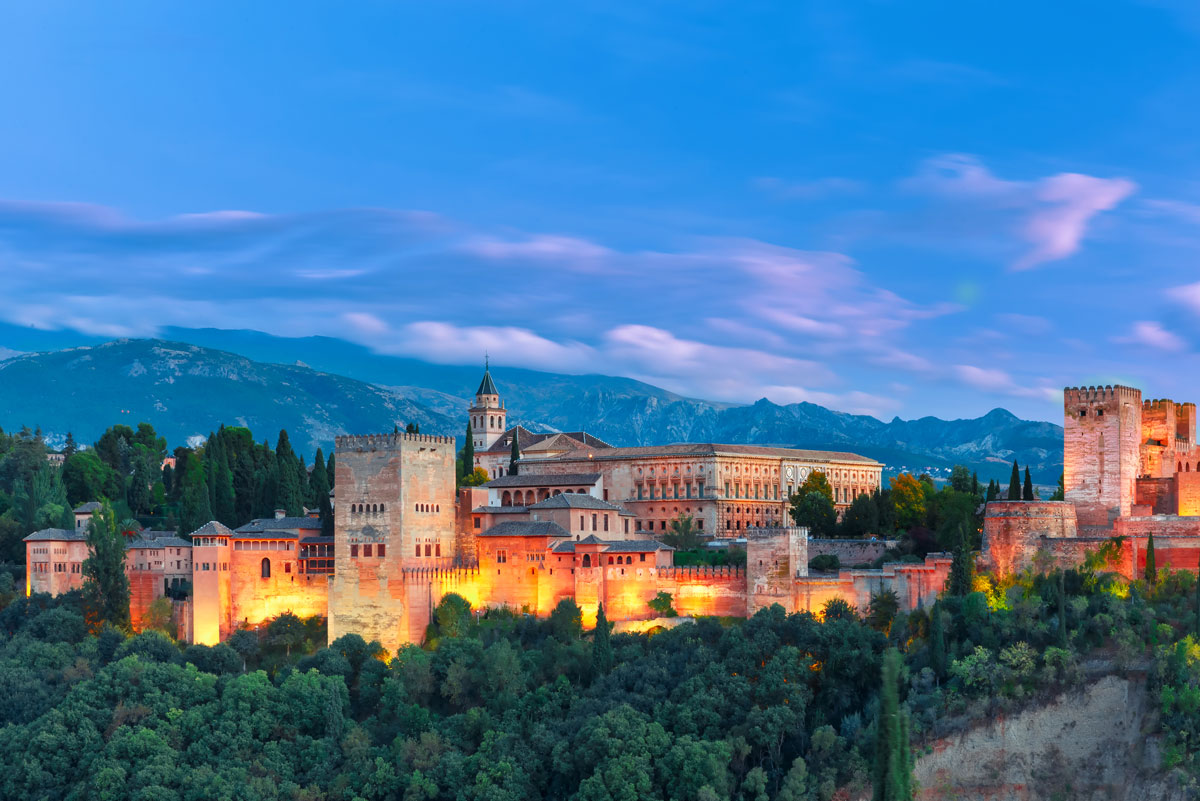
The Alhambra is a UNESCO World Heritage-listed site built by the Moorish rulers in the 13th century. The 140,000 square-metre site looms over the city no matter where you are and is next-level impressive.
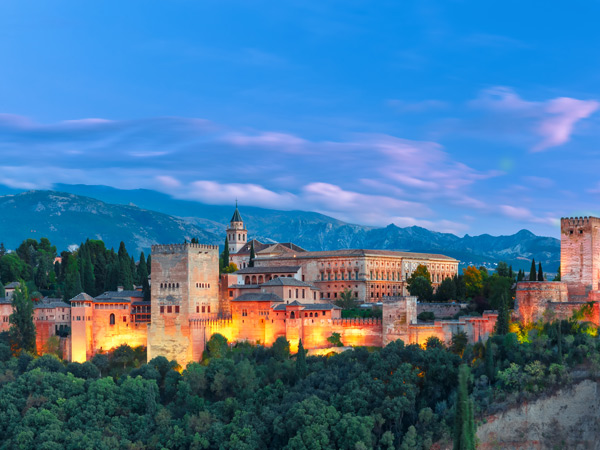
Alhambra during evening blue hour in Granada, Andalusia, Spain
The Alhambra is an architectural masterpiece.

There are three distinct parts of the Alhambra: The Nasrid Palaces, the Generalife and the Alcazaba, and it’ll take you about three hours to see everything properly. Just remember to book your tickets in advance because The Alhambra has daily limits for visitors.
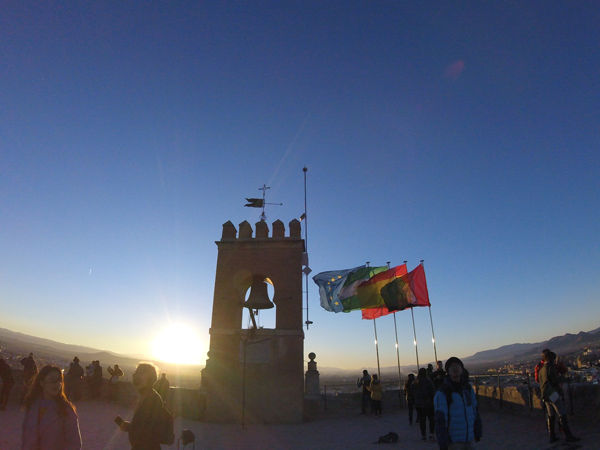
Sunset at the top of the Alhambra. (Image: Emily Murphy)
Watch the sunset at the top of The Alhambra. (Image: Emily Murphy)

You can wander completely on foot

Granada is a city best explored on foot, as its narrow streets can often lead to the discovery of unexpected gems off the beaten path. Apart from discovering secret corners in the Albaicín such as the Cuesta de los Chinos, you can also wander around the charming streets of the Realejo neighborhood or around the caves of the Sacromonte. Just be prepared for the hills!
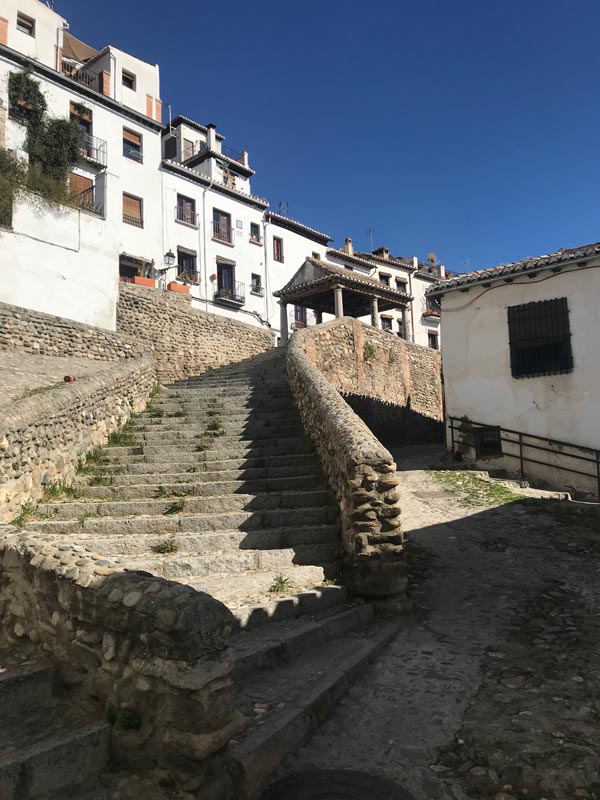
Staircase in the cobblestoned streets of Granada. (Image: Emily Murphy)
There are lots of stairs and hills in the cobblestoned streets. (Image: Emily Murphy)

The melting pot is evident in the cuisine

With the 800-year Moorish influence, it’s needless to say, you can still find evidence of this heritage today. It’s not only in the language and architecture of the city but also in the gastronomy. Arabic influences strike a surprising balance with native traditions. You’ll notice this balance in the typical food in Granada. Back in the times of the Spanish Inquisition, showing that you embraced Christianity was crucial. And the easiest way to prove it was by eating pork! As eating pork is not a part of Islam or Judaism, the ingredient started to spring up in Spanish dishes, one of which is the local favourite dish, Plato Alpujarreño, which comes from the mountain villages of Las Alpujarras. It usually contains potatoes, fried eggs, cured ham, blood sausage (morcilla), sweet peppers and chorizo.
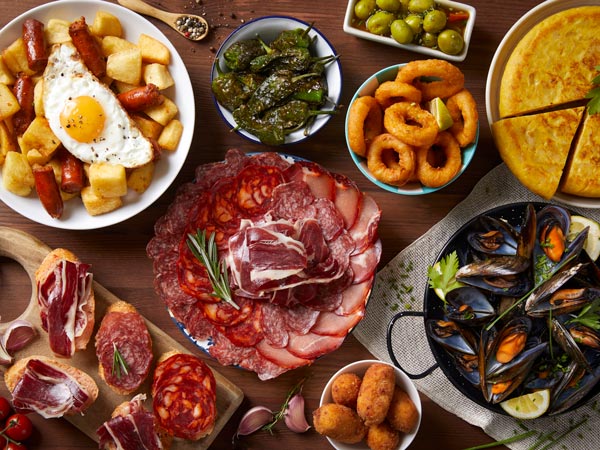
A table with typical Spanish food seen from above on a wooden table
Jamon is popular in the cuisine, which traces back to the Spanish Inquisition.

The Sierra Nevada is right there

At the Sierra Nevada Mountain range, you’ll find the highest peaks in continental Spain. There are more than 15 mountains with an altitude of over 3,000 metres and rivers and streams that extend for 90 kilometres. Populated for more than 2,000 years, the Sierra Nevada is the perfect place for witnessing humans and wildlife co-existing in the high mountains.

In winter, it’s a great place to ski or enjoy the snow in the park. You can even see as far as Morocco on a clear day. Make sure you stop by Las Alpujarras while you’re there too, these unique hamlets have retained their traditional architecture – terraced clusters of grey-white box-shaped houses with flat clay roofs.
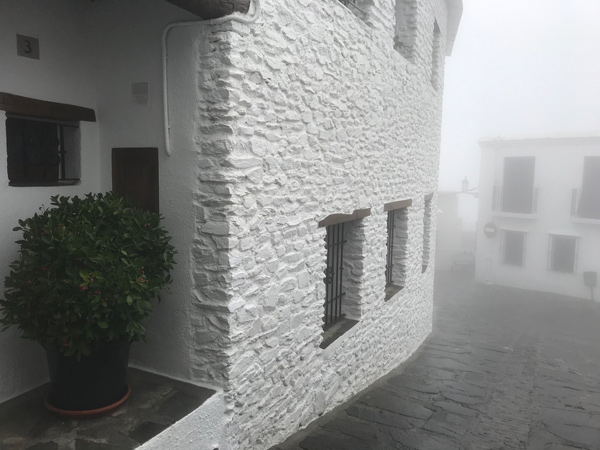
Misty cottages in Las Alpujarras. (Image: Emily Murphy)
The traditional architecture of Las Alpujarras has been retained. (Image: Emily Murphy)

Weekly travel news, experiences
insider tips, offers,
and more.

Granada is one of the birthplaces of Flamenco

Many of Granada’s best flamenco shows are located in the old Roma gypsy district of Sacromonte up in the hills, high above the city. Venta El Gallo is celebrated for being the birthplace of the local Zambra style of flamenco. To add to the magic, it is performed in an old traditional cave home, with its white-washed walls and decorative copper pots giving it a very rustic and local feel.

Flamenco show at Venta El Gallo. (Image: Emily Murphy)
Venta El Gallo is the birthplace of the local Zambra style of flamenco. (Image: Emily Murphy)

You can eat for free in most tapas bars

Yes, you read that right! In most tapas bars in Granada, with each beer, wine or soft drink you order, you’ll receive a hot or cold tapa to accompany it. Often light tapas such as olives, jamon or manchego cheese drizzled with olive oil, but some bars even opt for flaming chorizo or garlicky snails.

Spanish food Iberico ham sandwich, Spanish bocadillo de jamon Iberico and red wine
You’ll get free tapa at lots of bars.

Want to see more stories from International Traveller in your Google search results?

  1. Click here to set International Traveller as a preferred source.
  2. Tick the box next to "International Traveller". That's it.
hero media

What the European heatwave means for your summer travel plans

Temperatures are soaring this summer, breaking records across Europe and the UK. 

Euro summer is a feeling like no other. But when a heatwave hits? The dream trip quickly turns into a sweaty mess. Extreme heat is sweeping Europe and the UK this week, with record-high temperatures impacting travel plans across the continent.

And while Australian summers are typically hotter in absolute temperature, many European cities aren’t equipped for high temperatures, resulting in unbearable weather.

Why is it so hot in Europe?

Signs of a hot summer loomed in May, when the mercury hit unprecedented spring highs. Now, extreme high temperature warning alerts have been issued in countries such as Spain, Italy, France, England, the Netherlands and Germany.

France saw its hottest day on record on Wednesday, with an average temperature of 30°C across the day and night. This surpasses the average temperature for June, which is 15°C to 25°C. Dozens of people have died, including 40 from drowning.

In Spain, 212 deaths have been linked to the heatwave.

The UK recorded its hottest June day ever on Wednesday with temperatures soaring to 36.1°C. In an article published by the Met Office – the UK’s national meteorological service – Professor Stephen Belcher CBE, Met Office Chief Scientist, shared his concerns about June’s heat. “To see temperatures like this in the UK in June is sobering. Events like this bring home the implications of climate change, with very high temperatures and humidity bringing significant health implications from heat stress, as well as impacts to a range of sectors such as transport, energy and water supply,” he said.

Heatwaves are becoming increasingly common in Europe and the UK, neither of which is prepared for such extremes. The World Meteorological Organization reported that in 2025, at least 95% of Europe experienced above-average annual temperatures and that the continent was heating up twice as fast as the global average.

How travel is impacted

A pharmacy sign displaying 40 degrees Celcius
A pharmacy broadcasting local weather data. (Credit: Getty/Dragoncello)

During a heatwave, power grids, water systems and transport networks can be affected, resulting in disrupted itineraries for travellers. In France, power outages have left thousands without electricity and early closures have been implemented for two of Paris’s biggest attractions, the Eiffel Tower (early afternoon rather than late at night) and the Louvre (two hours early). Eurostar cancelled its London to Paris and Paris to London services from the 22nd to the 25th, and major UK rail companies have been advising travellers to avoid using trains where possible, or to travel during early hours.

If a heatwave is predicted, being flexible with your itinerary and having fully refundable/changeable tickets is key, as extreme heat can force the cancellation of outdoor activities, impact rail and flight services and change the opening hours of sites and eateries.

Why does summer in Europe often feel hotter than summer in Australia?

people swimming in the Canal Saint-Martin in Paris
People swimming in the Canal Saint-Martin in Paris to cool off. (Credit: Rachael Thompson)

With some of the highest UV levels in the world, Australians are no strangers to the heat, adapting well to intense weather. But our infrastructure is largely equipped to withstand soaring temperatures with climate-responsive passive design, refrigerated air conditioning or evaporative coolers, as well as swimming spots aplenty.

Buildings in Northern and Western Europe and the UK, however, are constructed to retain heat and handle frosty winters. The lack of universal air conditioning means it generally feels hotter even though the temperature on your app might not look it. During a heatwave, it can feel like you’re in a sauna as cities act like heat traps.

How to stay cool and prepare for another heatwave

Relief is expected across Europe and the UK later this week, but more heatwaves are still possible in the coming months. Summer heat typically peaks in July and August.

Public transport often doesn’t have air conditioning, and buses in particular can be swelteringly hot. If you’re heading outside or your accommodation has no air conditioning, it’s worth buying a spray bottle and a handheld fan from a pharmacy or tourist stand. Check ahead of time if restaurants and cafes have air conditioning and make a booking in advance. The highest temperatures typically hit between 3pm and 6pm, so aim to head outdoors outside of these hours.

Rising temperatures invite travellers to enter a more intentional era of seeing the world. Now more than ever is the time to embrace lower-impact “coolcations” and off-season getaways.