hero media

Your port guide to Barcelona

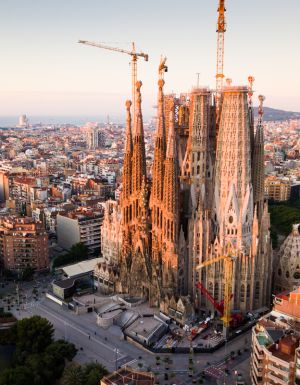
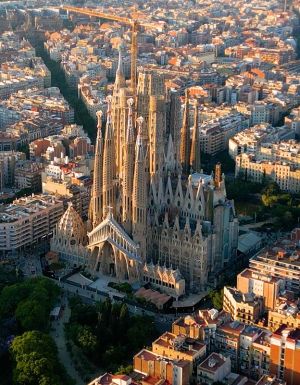
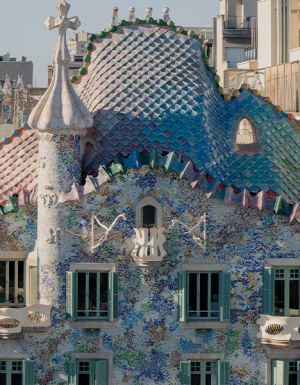
Renowned for its vibrant culinary scene, museums dedicated to great artists and Antoni Gaudí architecture, the capital of Catalonia is popular for good reason.

All the major cruise lines sail from Port de Barcelona, where there are seven cruise terminals. There is a blue shuttle, the Cruise Port Shuttle Bus, that runs between the piers and city centre in 10 minutes.

Much has been written about overtourism in Barcelona so choose a cruise in the shoulder or winter season to avoid summer crowds. Viking Cruises offers a 16-day Malta, Morocco and the Mediterranean sailing in December, which begins and ends in Barcelona aboard the 930-guest Viking Neptune. The sailing includes such ports as Casablanca, Seville, Algiers and Rome.

Meanwhile, Celebrity Cruises’ nine-night Italian Riviera and France round-trip itinerary from Barcelona aboard the 3260-guest Celebrity Ascent takes in Nice, Santa Margherita, Florence, Rome and Naples.
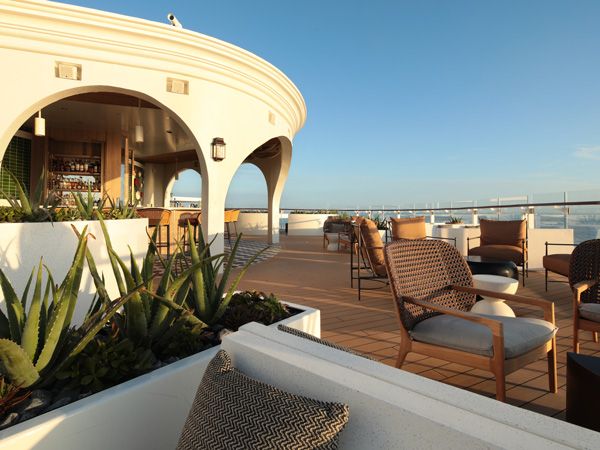
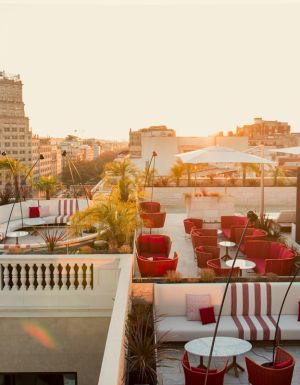
the Sunset Bar at Celebrity Ascent
Come by Celebrity Ascent’s Sunset Bar for a sundowner. (Image: Michel Verdure)

Barcelona highlights

Most first-time visitors to Barcelona will gravitate towards La Rambla – one of the world’s greatest boulevards. Look up to admire the architecture of the Gran Teatre del Liceu and look down to appreciate the giant yellow, red and blue Joan Miró mosaic on the footpath.
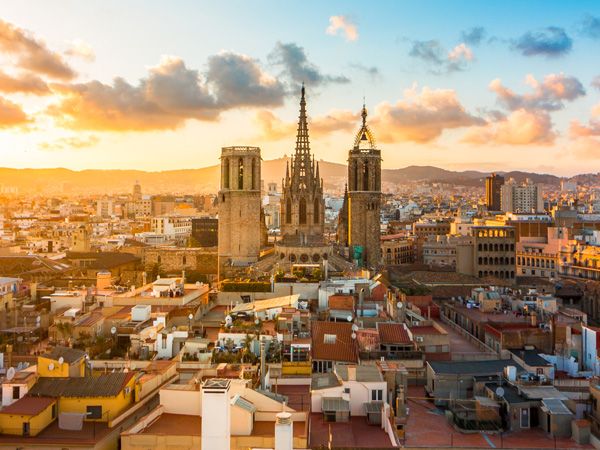
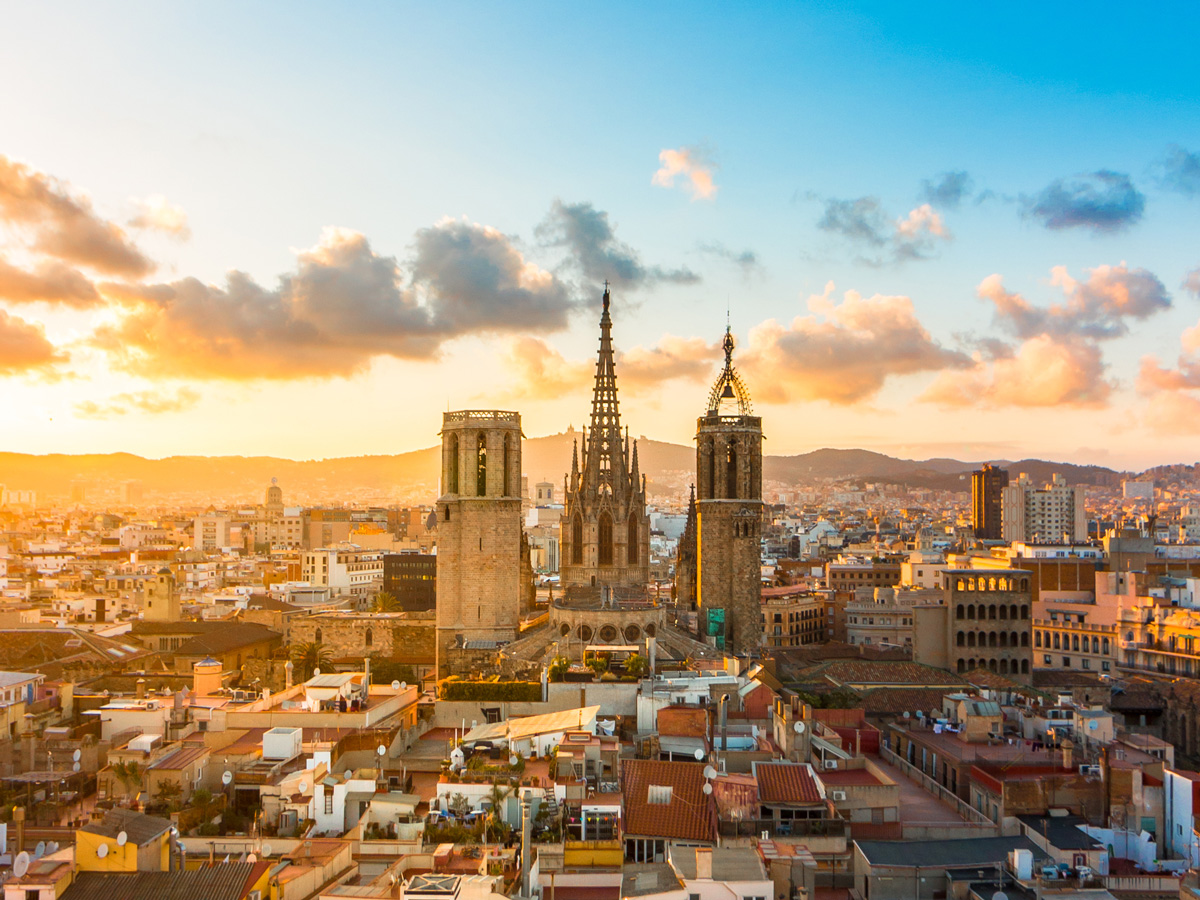
Barcelona, Spain
Check out Barcelona’s iconic Gothic Quarter. (Image: Maxim Morales via Getty Images)

Of course, you will want to browse the 19th-century food market La Boqueria. From there, wander towards the nearby Gothic Quarter. here in the narrow streets, you’ll find the best of Barcelona’s Gothic architecture, and Old City cafes and bars.

Then, ramble over to the Picasso Museum and Moco Museum next door, featuring some of the greatest hits of modern art from Banksy to Basquiat.
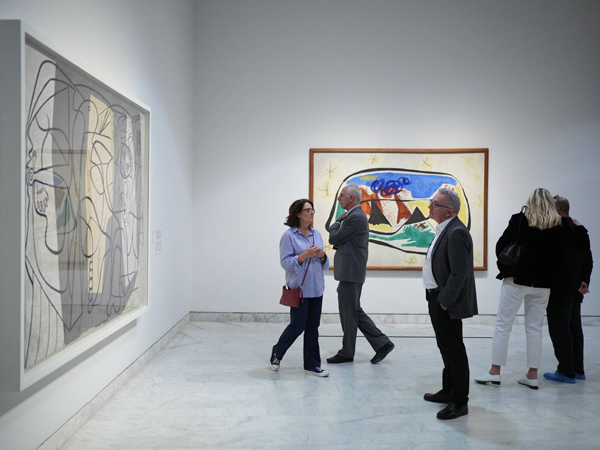
visitors browsing through the Barcelona Picasso Museum
See the joint Miró and Picasso exhibition at the Barcelona Picasso Museum.

Mercat dels Encants

Make your way to the glorious flea market Mercat dels Encants, also known as Mercat Fira de Bellcaire. Open Mondays, Wednesdays, Fridays and Saturdays, there are 500 stalls to peruse for books, vinyl records and vintage fashion. It’s a great place to chat with locals. Head here for opening at 9am, there’s coffee onsite.

Casa Vicens

Don’t line up at La Sagrada Família if time is tight. Visit Casa Vicens instead.
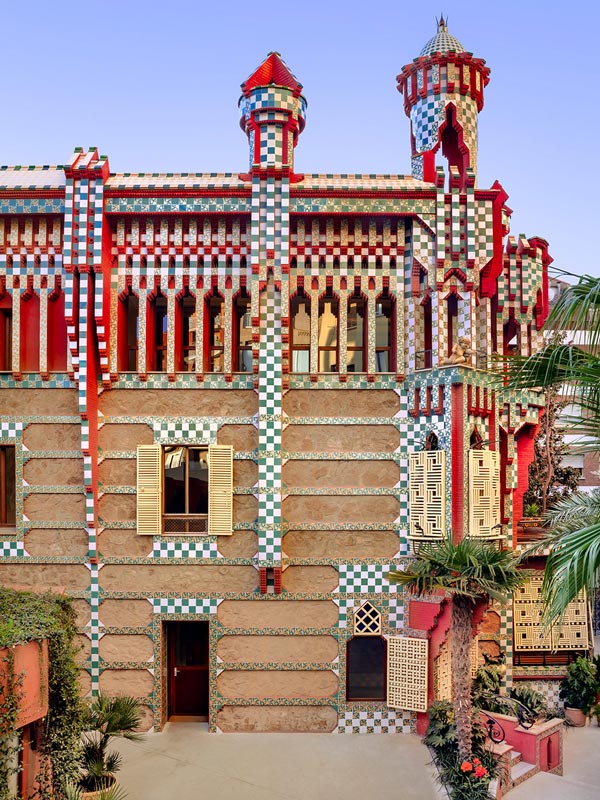
the exterior of Casa Vicens in Barcelona
Casa Vicens was the first home of Antoni Gaudí in Barcelona. (Image: David Cardelus)

The first home by the great architect of modernism was built between 1883 and 1885 and is tucked away on a side street of the Gràcia district. The UNESCO World Heritage-listed house opened as a museum in 2017.
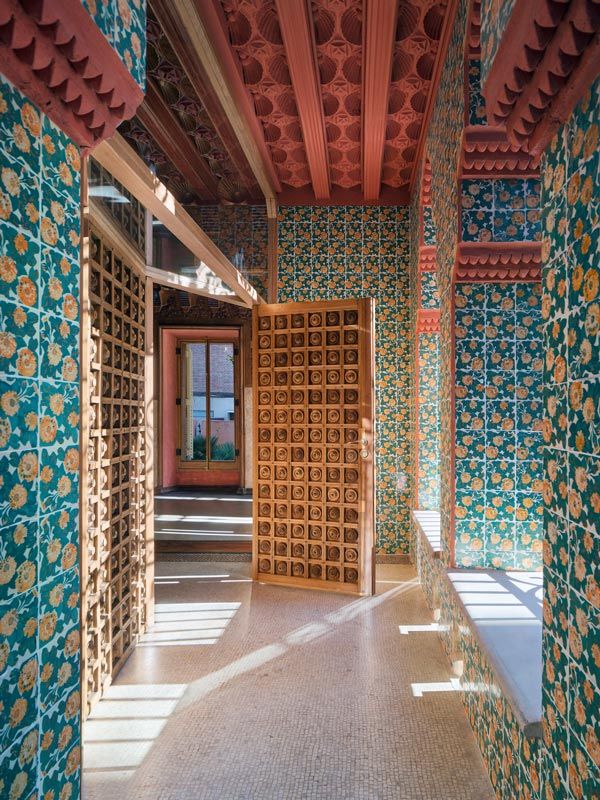
the interior of Casa Vicens in Barcelona
The modernist house is Gaudí’s notable masterpiece. (Image: Pol Viladoms)

Casa Mila is also worth checking out: the last private residence designed by Gaudí is located on Passeig de Gràcia. Step inside for the price of coffee by heading upstairs to El Cafè de la Pedrera.

Where to eat and drink in Barcelona

Aborigens

Book in a food or wine tour with Aborigens for an in-depth journey into Catalan cuisine curated by two passionate journalists. Options range from tapas tours to day trips out of Barcelona for wine tasting and truffle and mushroom hunting. The company can also tailor tours to satisfy your deepest culinary pleasures.

Weekly travel news, experiences
insider tips, offers,
and more.

Bar Cañete

Come dinner, book at the delightfully designed Bar Cañete, which offers deliciously fresh seafood such as razor clams, tuna tartare and Galician baby scallops.

Bar Brutal

Make your way to Bar Brutal where there’s a wall of wine with 700 selections to sample. The music here is worth lingering late into the night for.

Barcelona accommodation

Radisson Blu 1882

Named for the year construction began on Antoni Gaudí’s La Sagrada Família, Radisson Blu 1882 offers exceptional rooftop views of the one-of-a-kind cathedral. There are also bikes to explore Barcelona’s sights and a rooftop swimming pool.

Hotel Arts Barcelona

Prefer views of the Med? Book the five-star Hotel Arts Barcelona, which has two pools overlooking the sea and restaurant Enoteca Paco Pérez, which has two Michelin stars.
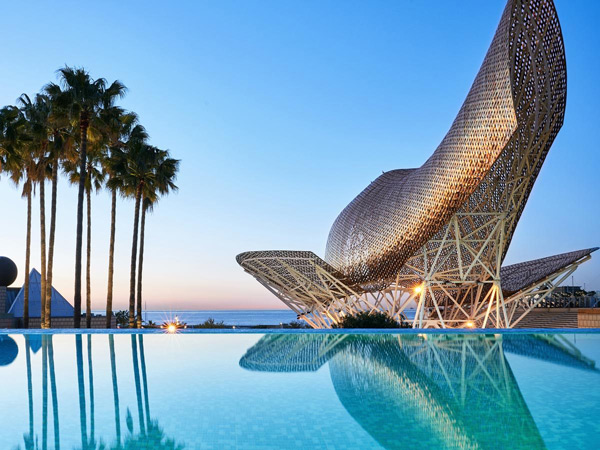
the infinity pool at Hotel Arts Barcelona
Cool off at the stunning infinity pool in Hotel Arts Barcelona.

Chic&Basic Born Boutique Hotel

Housed in a former palace, the aptly named Chic&Basic Born Boutique Hotel offers well-designed simple rooms (think: crisp white bedding and high ceilings) at a decent price. 

Want to see more stories from International Traveller in your Google search results?

  1. Click here to set International Traveller as a preferred source.
  2. Tick the box next to "International Traveller". That's it.
hero media

What the European heatwave means for your summer travel plans

Temperatures are soaring this summer, breaking records across Europe and the UK. 

Euro summer is a feeling like no other. But when a heatwave hits? The dream trip quickly turns into a sweaty mess. Extreme heat is sweeping Europe and the UK this week, with record-high temperatures impacting travel plans across the continent.

And while Australian summers are typically hotter in absolute temperature, many European cities aren’t equipped for high temperatures, resulting in unbearable weather.

Why is it so hot in Europe?

Signs of a hot summer loomed in May, when the mercury hit unprecedented spring highs. Now, extreme high temperature warning alerts have been issued in countries such as Spain, Italy, France, England, the Netherlands and Germany.

France saw its hottest day on record on Wednesday, with an average temperature of 30°C across the day and night. This surpasses the average temperature for June, which is 15°C to 25°C. Dozens of people have died, including 40 from drowning.

In Spain, 212 deaths have been linked to the heatwave.

The UK recorded its hottest June day ever on Wednesday with temperatures soaring to 36.1°C. In an article published by the Met Office – the UK’s national meteorological service – Professor Stephen Belcher CBE, Met Office Chief Scientist, shared his concerns about June’s heat. “To see temperatures like this in the UK in June is sobering. Events like this bring home the implications of climate change, with very high temperatures and humidity bringing significant health implications from heat stress, as well as impacts to a range of sectors such as transport, energy and water supply,” he said.

Heatwaves are becoming increasingly common in Europe and the UK, neither of which is prepared for such extremes. The World Meteorological Organization reported that in 2025, at least 95% of Europe experienced above-average annual temperatures and that the continent was heating up twice as fast as the global average.

How travel is impacted

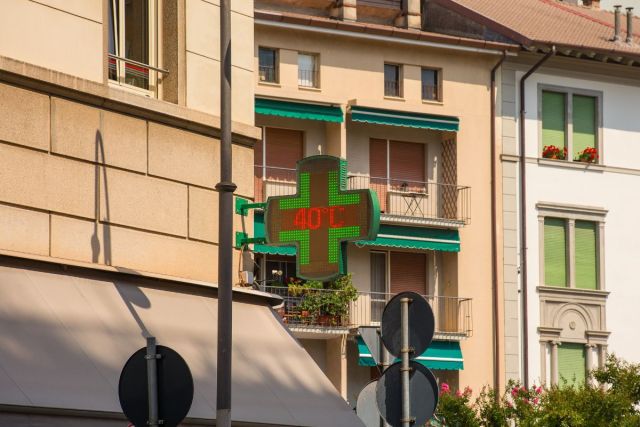
A pharmacy sign displaying 40 degrees Celcius
A pharmacy broadcasting local weather data. (Credit: Getty/Dragoncello)

During a heatwave, power grids, water systems and transport networks can be affected, resulting in disrupted itineraries for travellers. In France, power outages have left thousands without electricity and early closures have been implemented for two of Paris’s biggest attractions, the Eiffel Tower (early afternoon rather than late at night) and the Louvre (two hours early). Eurostar cancelled its London to Paris and Paris to London services from the 22nd to the 25th, and major UK rail companies have been advising travellers to avoid using trains where possible, or to travel during early hours.

If a heatwave is predicted, being flexible with your itinerary and having fully refundable/changeable tickets is key, as extreme heat can force the cancellation of outdoor activities, impact rail and flight services and change the opening hours of sites and eateries.

Why does summer in Europe often feel hotter than summer in Australia?

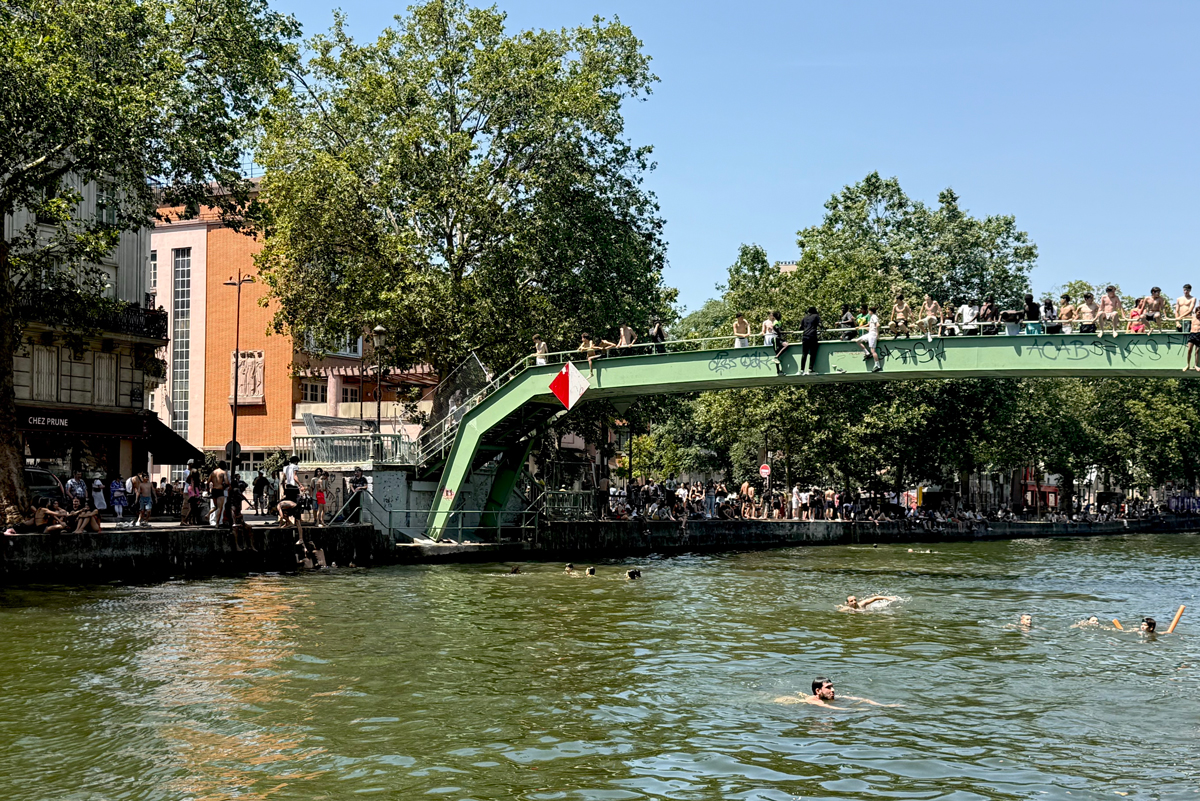
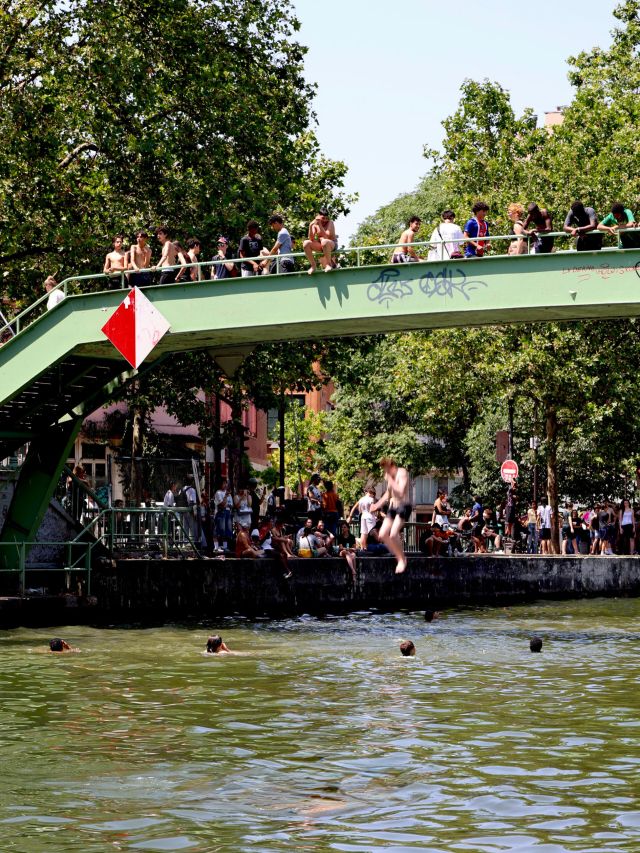
people swimming in the Canal Saint-Martin in Paris
People swimming in the Canal Saint-Martin in Paris to cool off. (Credit: Rachael Thompson)

With some of the highest UV levels in the world, Australians are no strangers to the heat, adapting well to intense weather. But our infrastructure is largely equipped to withstand soaring temperatures with climate-responsive passive design, refrigerated air conditioning or evaporative coolers, as well as swimming spots aplenty.

Buildings in Northern and Western Europe and the UK, however, are constructed to retain heat and handle frosty winters. The lack of universal air conditioning means it generally feels hotter even though the temperature on your app might not look it. During a heatwave, it can feel like you’re in a sauna as cities act like heat traps.

How to stay cool and prepare for another heatwave

Relief is expected across Europe and the UK later this week, but more heatwaves are still possible in the coming months. Summer heat typically peaks in July and August.

Public transport often doesn’t have air conditioning, and buses in particular can be swelteringly hot. If you’re heading outside or your accommodation has no air conditioning, it’s worth buying a spray bottle and a handheld fan from a pharmacy or tourist stand. Check ahead of time if restaurants and cafes have air conditioning and make a booking in advance. The highest temperatures typically hit between 3pm and 6pm, so aim to head outdoors outside of these hours.

Rising temperatures invite travellers to enter a more intentional era of seeing the world. Now more than ever is the time to embrace lower-impact “coolcations” and off-season getaways.

Your Port Guide To Barcelona - International Traveller