The Amazon has an outsized reputation: vast, remote, unknowable. But forget the Hollywood version. A luxury river expedition in its pristine Peruvian waters led by local naturalist guides will soon have you feeling like it’s your own backyard.
There should be a word for the feeling that hits when you step onto the tarmac of somewhere you’ve never been before. When the atmospheric conditions of somewhere new infiltrate all your senses at once. Here, now, the night air is swollen with humidity and I taste it as I breathe in – sweet, swampy and deep green. A huge orange moon is hung low in the sky, presiding over a rainforest domain. I’ve landed in the Amazon. A neon butterfly dances a path through the beige baggage hall and I ascribe a talismanic quality to it: a messenger sent from the jungle to portend my wild adventure to come.
Welcome to the jungle
It’s approaching dusk the next day when I arrive in Nauta, a small riverside town south of Iquitos (the Peruvian Amazon’s biggest city that I’d flown into last night, accessible only by air and river) to embark on our cruise. We pull up at the pier as the light is fading and a storm is brewing. Within moments we are loaded into a skiff and cast out to the river. The water swallows us whole. “Welcome to the Amazon!" our naturalist guide Juan Luis Ihuaraqui Silva cries with a jubilation in his voice that tells us he’s home. And, for the next four nights, so are we.
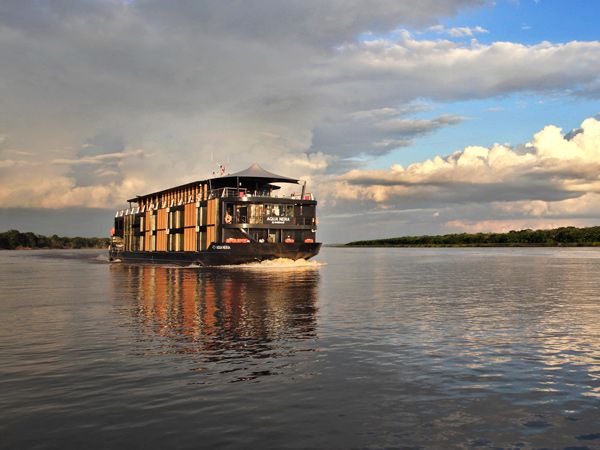
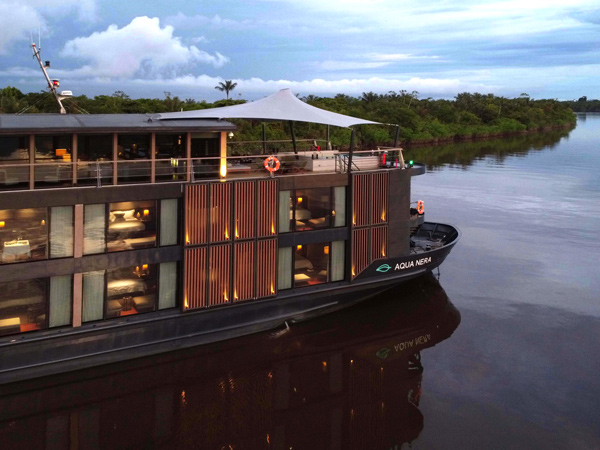
We pull up alongside Aqua Nera, Aqua Expeditions’ newest river ship. Built in 2020, it is one of two to sail the Amazon (the luxury cruise line also plies the waters of the Mekong, Galápagos and East Indonesia).
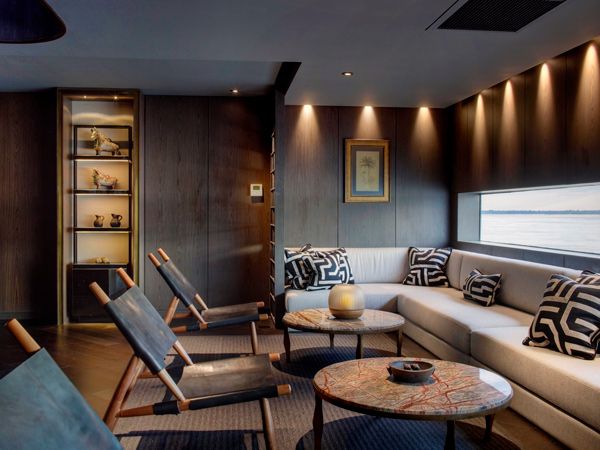
Brought to life by Noor Design with the feel of a boutique hotel, this intimate ship takes its name, and its sleek, dark lines, from the black-water creeks we will explore this week in tributaries of the mighty river.
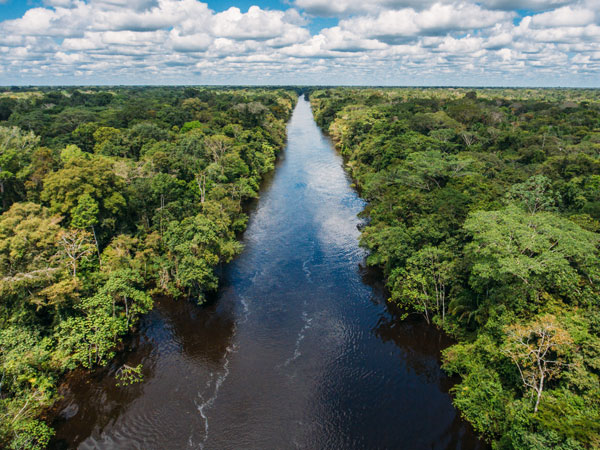
The word ‘Amazon’ alone is potent. It conjures up thoughts of somewhere so vast and remote that it is wholly unknowable. But not without cause. South America’s Amazon basin spans an area nearly twice the size of India and encompasses the single largest remaining tropical rainforest in the world.
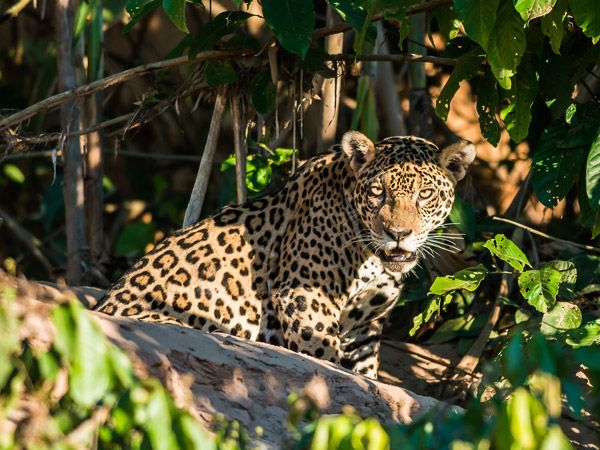
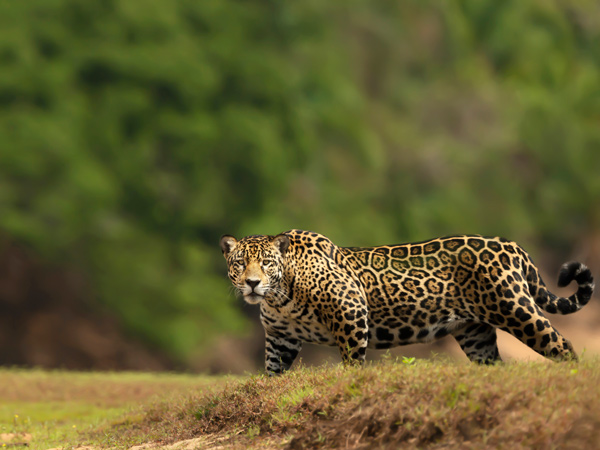
It is cleaved by its river, the largest in the world by water volume, which stretches across nine countries and territories of the continent. Its staggering ecology harbours one in 10 known species on the planet and is the last remaining refuge for some of the world’s endangered species including jaguars, pink river dolphins and harpy eagles.
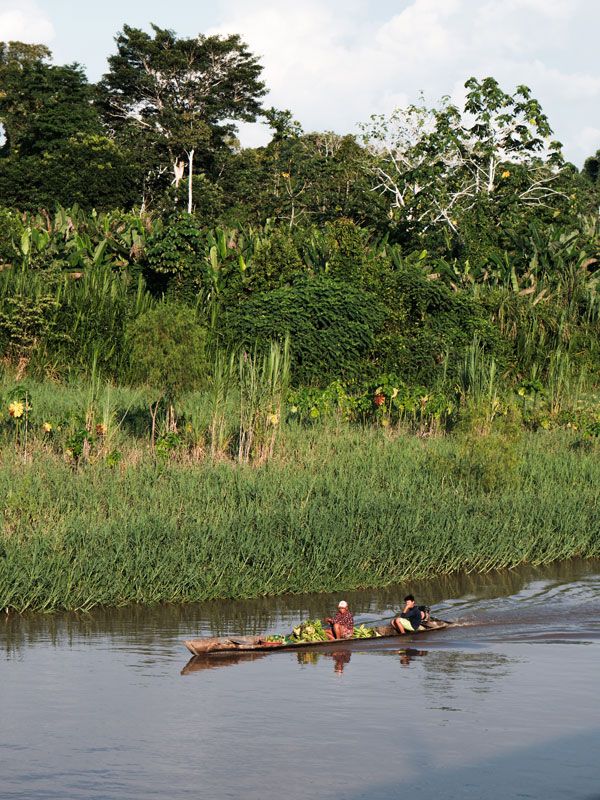
In the context of Peru, the Amazon is huge, too. More untouched and less industrialised than in neighbouring Brazil (which contains about 60 per cent of the Amazon within its borders), the Peruvian Amazon occupies 60 per cent of Peru’s territory (but a much smaller percentage of its population). Pacaya Samiria National Reserve itself, where we will venture, is one of the largest protected natural areas in the country.
It’s for these reasons that, in the early 1990s, Jeff Bezos named his new online retailer Amazon: to reflect the scale of his ambition. But for all its unfathomable size, an hour in a boat with one of our two naturalist guides who know this stretch of the river like the back of their hands disabuses me of the notion that the Amazon is unknowable. In this vast place with such an outsized reputation, we find many moments of intimacy. Days are punctuated by these on-water excursions that see us slip out of Aqua Nera onto our waiting skiffs.
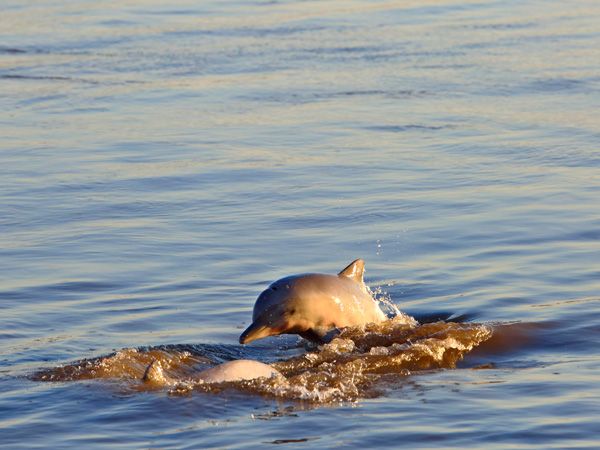
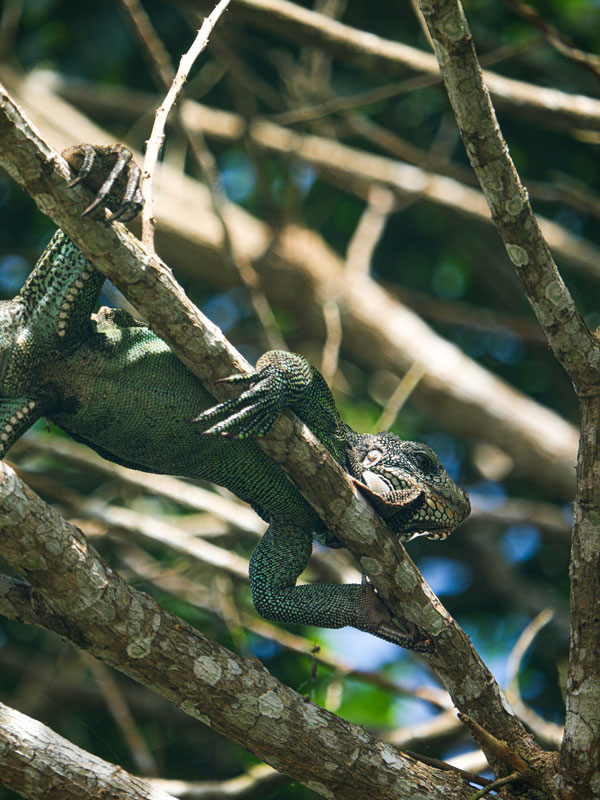
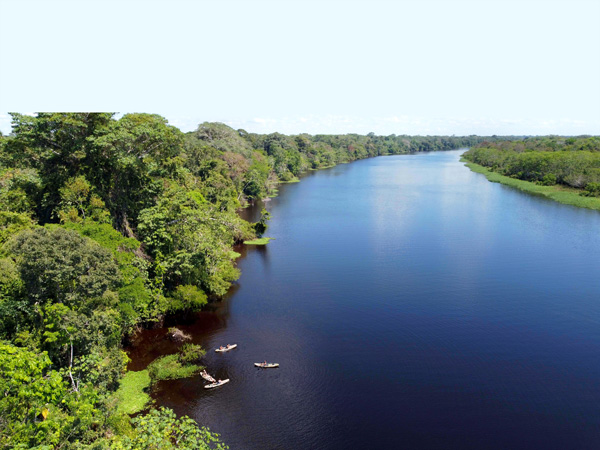
On day one we set out at first light as great egrets take flight and settle softly in the marshes. Fishermen check their nets for the morning’s breakfast catch. We keep our eyes trained on the water, watchful for river turtles, manatees and the Amazon’s famous pink dolphins. And upwards, too. We hug the bank and glide slowly until we spot an iguana and then a three-toed sloth lounging upside down in its tree. We meditate on both. We see the clear dividing line between the Amazon’s famously muddy water and its tannin-rich black water. And the stains on the trees that signal the high-water line; snowmelt in the Andes causes the Peruvian Amazon’s rivers to rise and fall between two distinct seasons.
I’m here at the start of the high-water season, floating among forest canopies, wildlife even closer. But the river will rise higher yet. We nose into creeks that you can walk into during low-water season – through wild grass submerged and strewn with water lilies and pink morning glories. And we listen for noises. The melodious sound that rings like a coin in a well is in fact the call of the russet-backed oropendola, the so-called ‘drop-water bird’.
Changing tides
Out on the water, in the thick of nature, it’s hard to imagine anything has ever changed here. But of course it has. One of our two guides, Alejandro Enriquez Aguilar, or Alex, provides a mud map of events over the last 150 years that have caused a shift in the mentality of the Amazon. First came the rubber boom in the late 19th century, then the missionaries, then the oil companies and then formal education in the late 20th century – a double-edged sword, says Alex, that threatens the fragile culture here that’s passed down verbally, as teenagers leave their communities to pursue secondary education in the cities.
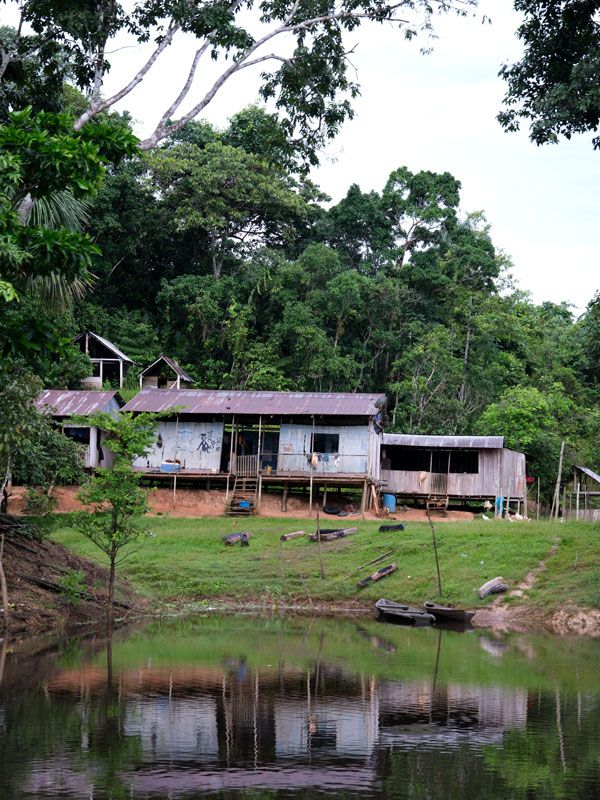
Most recently, the boom of Peruvian gastronomy has helped shape the economy. Over the past decade or so, the country has emerged as a culinary hotspot, with restaurants in Lima commonly featured on the World’s 50 Best Restaurants list – Central held last year’s top spot. And that means more demand for Amazonian flavours.
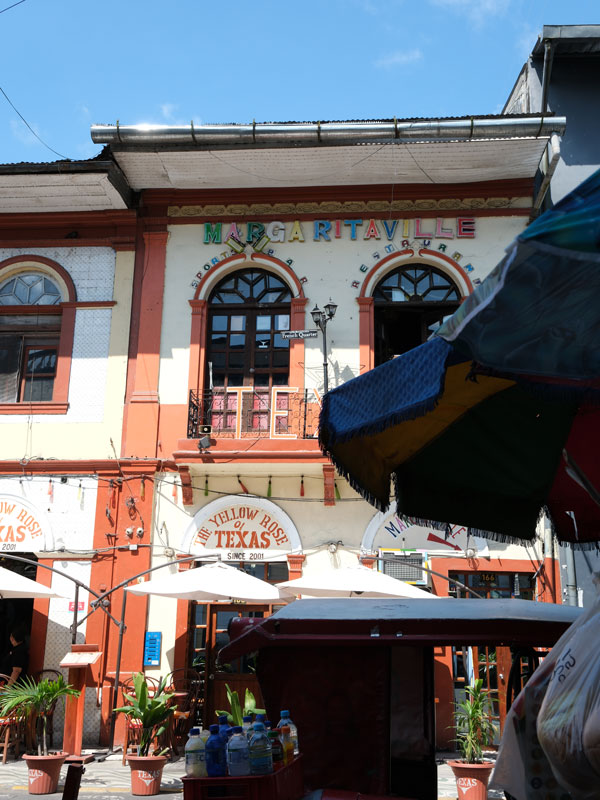
“It has given people the opportunity to sell in a massive way," says Alex. “They make income now, not only from fishing, but also selling exotic fruits to the big markets. The demand for Amazon products is getting higher and higher and the economy of the Amazon people is getting better." Yucca plants, bananas and ayahuma, the durian-like ‘monkey’s food’ that locals never eat themselves but is used as a delicacy in Lima restaurants.
“In dialect, it’s called stinky head or dead head," says Alex. “To be honest, I wouldn’t pay anything for that fruit!"
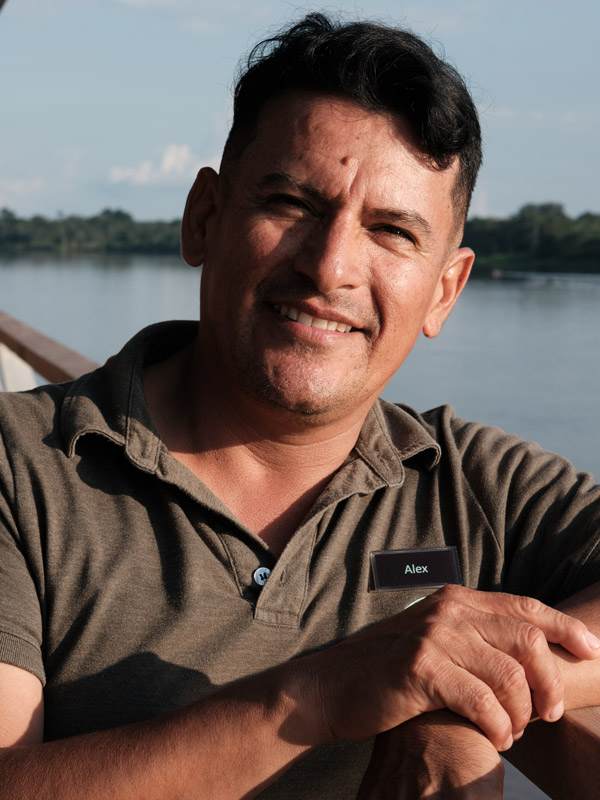
Alex is from the Arabela ethnic group and comes from a village six days by boat from Iquitos, where his grandfather was a shaman. Named Raynaama, or river kid, he too had wanted to become a shaman – he possesses the kind of quiet, worldly intelligence that makes it seem that he can intuit more than is tangible – but left his village when he was young to seek other life opportunities.
He spent the years between 1989 and 2011 working up and down the river with an anthropological group searching for more ethnic groups of the Amazon – which number more than 350 in total, with around 50 in Peru, plus many different dialects and beliefs. With the exception of a three-year stint spent working on documentaries with National Geographic and Discovery Channel, he has been with Aqua Expeditions since 2014. I ask Alex what he wants people to know about the Amazon, so shrouded in mystery and preconceptions. “We’re not as disconnected as people think," he says. “The Amazon is changing. Now is the time to come."
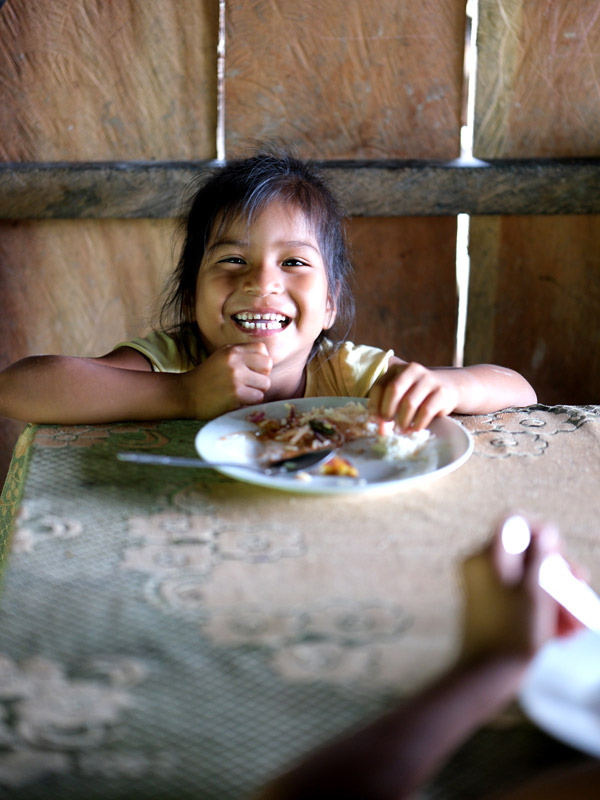
Life and renewal
We take the opportunity to venture into the jungle on land the water hasn’t yet reached, but will soon be flooded and navigable only in a dugout canoe. The nature on display ranges in scale.
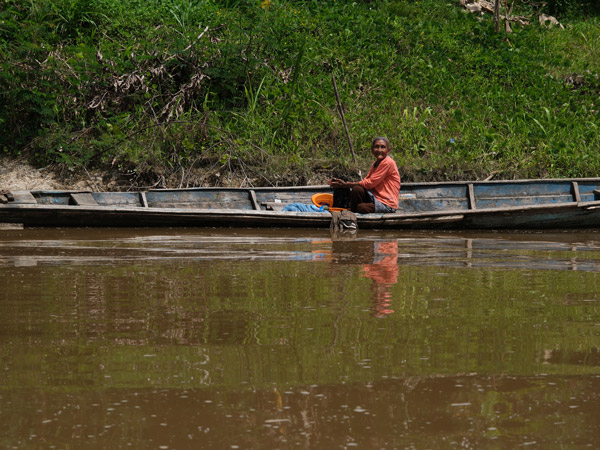
From the tiny leaf-mimicking frog that perches on Alex’s fingertip and the leafcutter ants that roam up to 500 metres looking for specific leaves to bring back to their nests, where they will convert them to fungus to feed on. “Wow, this is beautiful – teamwork," exclaims Alex upon seeing a procession hard at work. To the livid red roots of a wasai tree, which indicate its medicinal properties. And the so- called macho tree, which is shaped like a phallus and contains chemical compounds for fertility.
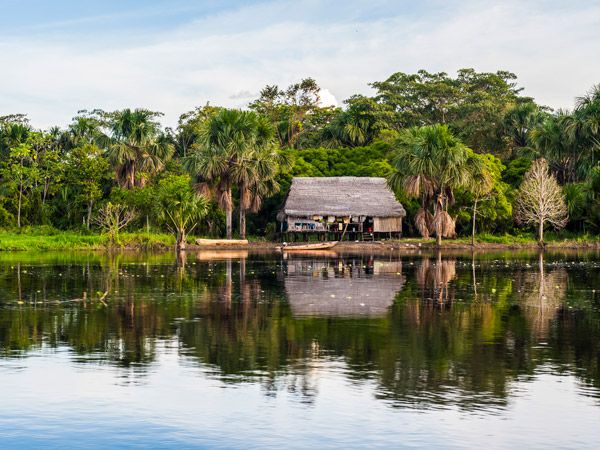
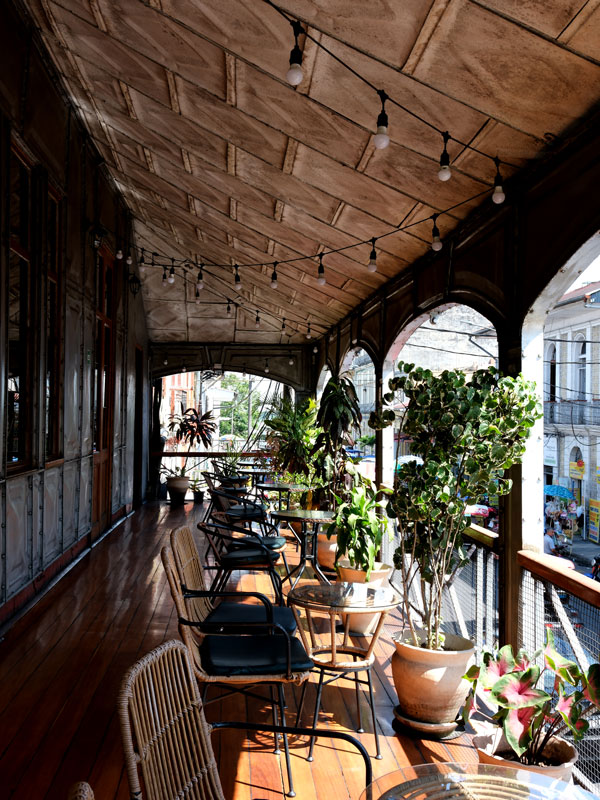
The sticky sap of the rubber tree makes the mind boggle at the fever it induced in the 19th century after tyre pioneer Charles Goodyear invented vulcanisation. A 25-year boom ensued that first industrialised parts of the Amazon and saw jungle cities such as Iquitos spring up and prosper with Belle Époque buildings that look as strangely out of step today as perhaps they ever did.
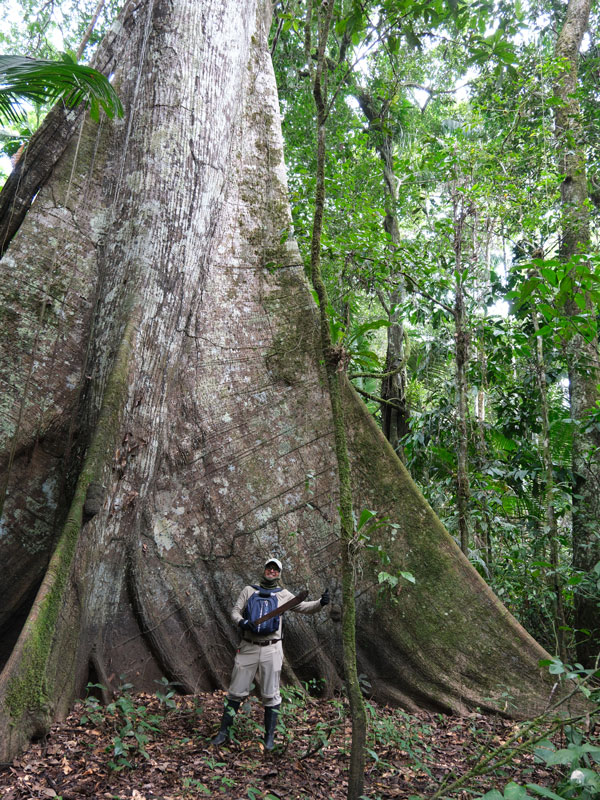
And to the mighty: the giant kapok tree – which can reach 60 metres in height – is the largest in the Amazon and used for ayahuasca ceremonies. We stand in awe at its foot while the plant in question curls around its mighty trunk. Ayahuasca means ‘vine of the soul’ in Quechuan. A revered plant in the Amazon, ayahuasca is used as a psychoactive brew across all aspects of life by all ethnic groups. It is administered by shamans – central figures of any community who act as spiritual leaders, healers and experts in natural medicine.
“The whole jungle is a drug store. We have very interesting plants here that can help with modern times," says Alex. “Lots of medicine we have here in the Amazon is now being used in Western medicine." Ayahuasca is being explored for its potential to treat post-traumatic stress disorder. “It’s amazing what it can do."
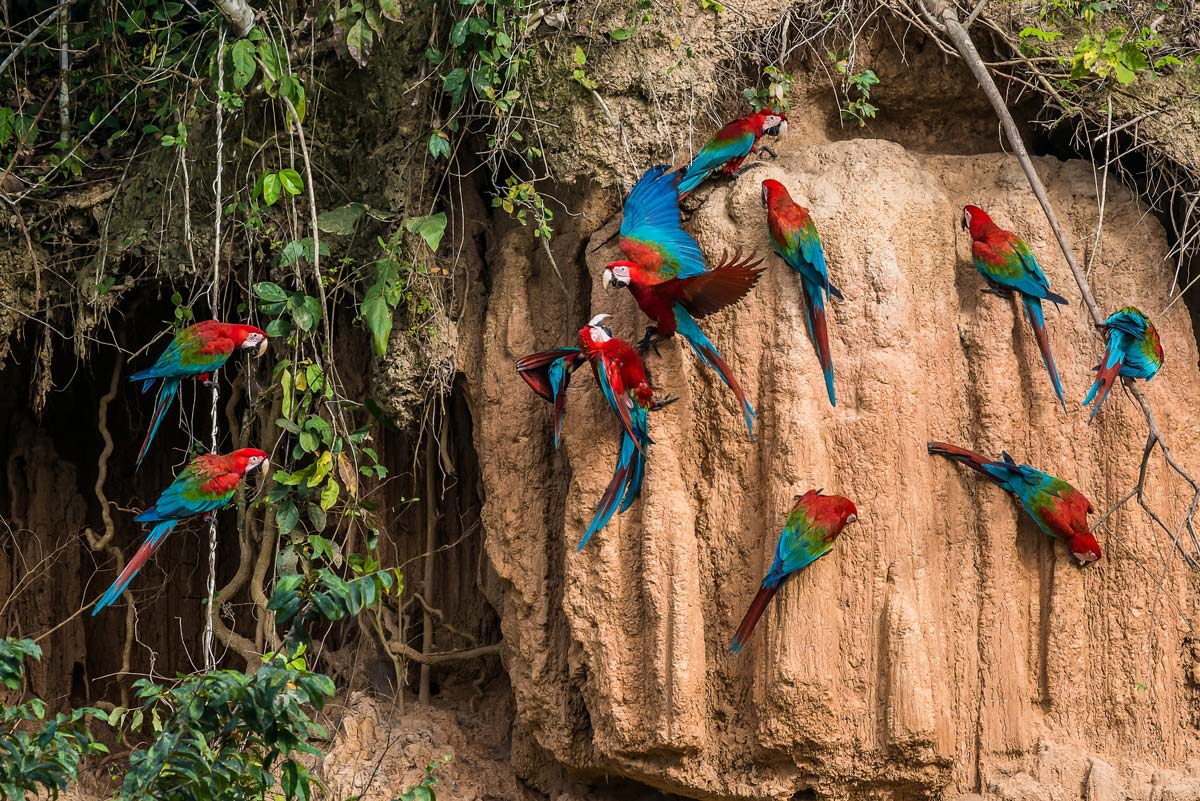
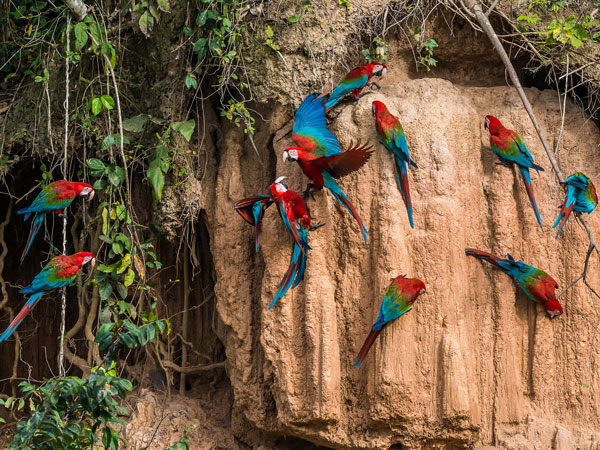
Life spins quickly in this fast-propagating, potent ecosystem where everything protects itself with toxins that animals know to neutralise with a lick of clay. Matters of survival, health, virility and fertility are highly valued. “Being healthy is very important on the Amazon," says Alex. And having lots of children demonstrates how healthy you are.
River life
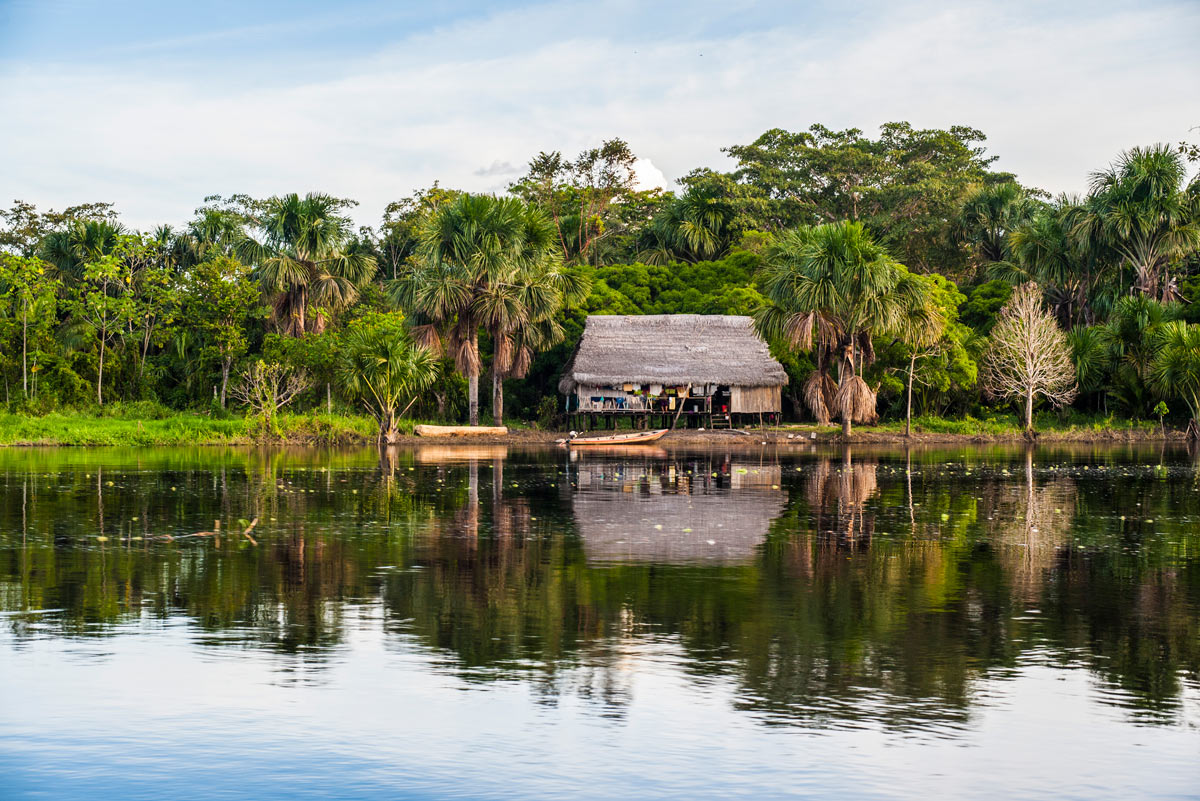
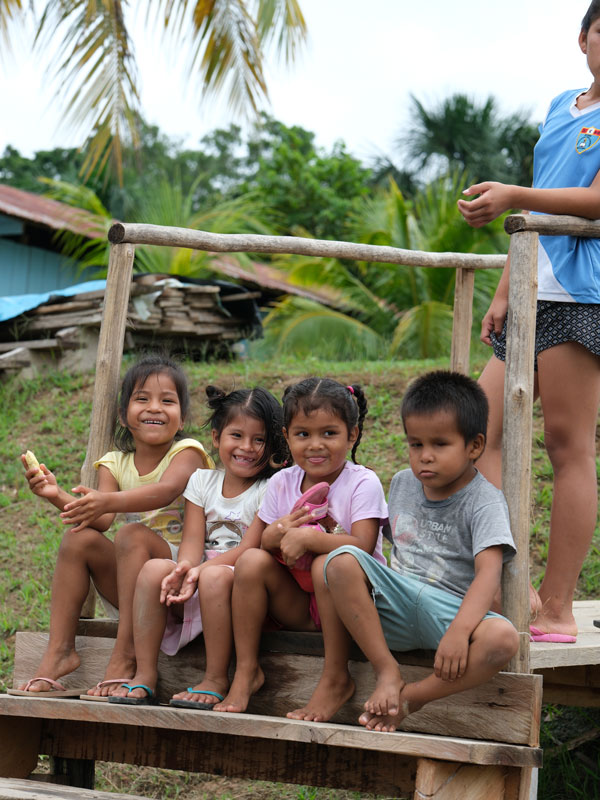
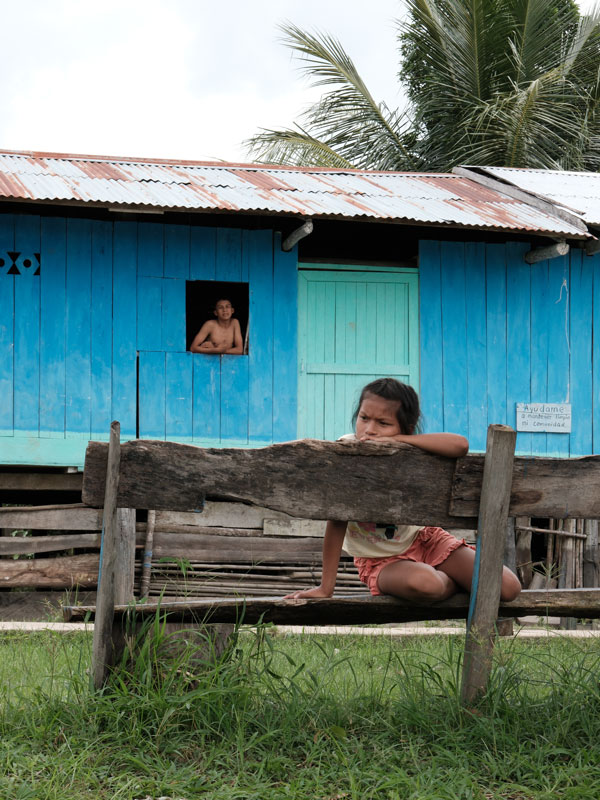
There is so much local life on the river. We don’t pass another tourist boat but river taxis instead. Families commuting under the shade of a red umbrella. Boats piled high with bananas. Aqua Nera visits different villages for excursions along its route and works with these communities in a mutually beneficial partnership whereby, for example, produce is purchased for the ship’s menus.
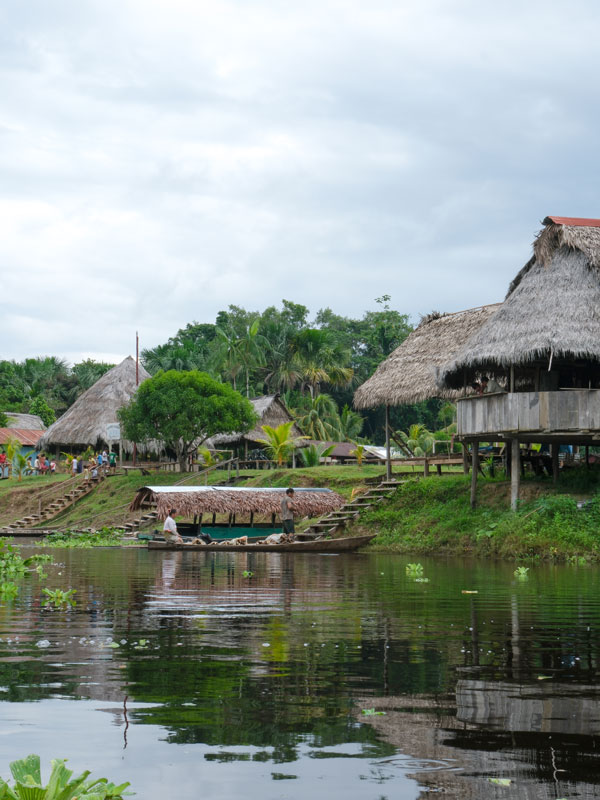
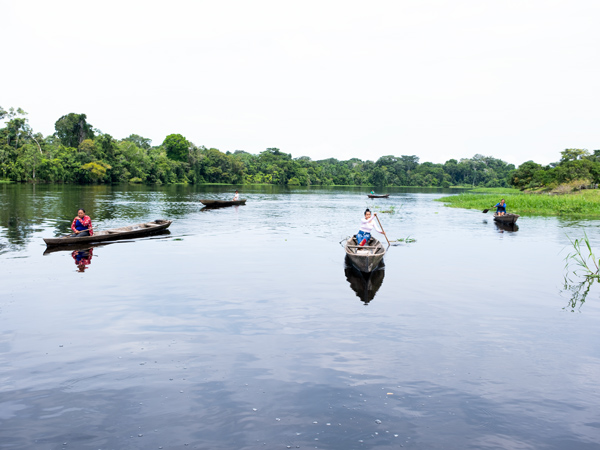
“We work together," says Juan Luis. “It’s teamwork between the company and the local people." On our journey, we visit Bolivar, where we are welcomed into homes and cast out into secret creeks in dugout canoes: paddling together with villagers through sun-dappled jungle tunnels as dragonflies flit all around.
There are places upriver where visitors are not welcome, says Alex. But you wouldn’t know that here. The trip busts more stereotypes. “There’s the Hollywood version of the Amazon, and then there’s the Amazon," says Juan Luis whenever anyone asks him about piranhas. I test the theory when I jump off the boat and into the river on my guides’ assurances. The tannic water is silky and mild. Black on the surface and clear on closer inspection, it’s only once you’re in that you spot the malbec-red glow. The most surprising thing about plunging into the Amazon is not flesh-eating fish but the feeling that you’re swimming in red wine.
The jungle symphony
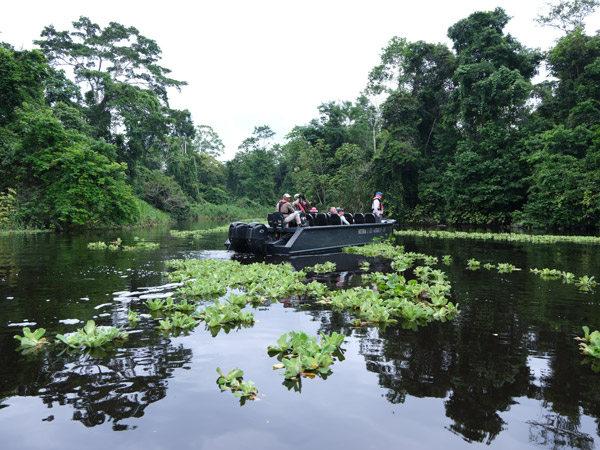
On an evening excursion with Juan Luis, we glide into the fading light as the swallows take flight. We hear the tick-tick-tick of grasshoppers and the kissing noise of a squirrel monkey. The braying cry of a horned screamer, otherwise known as a donkey bird. We look for anacondas and tarantulas in the ficus vine and huge, glossy philodendron leaves drip into the water.
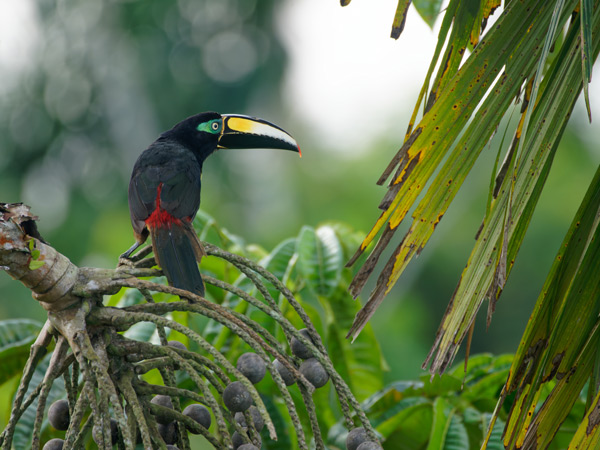
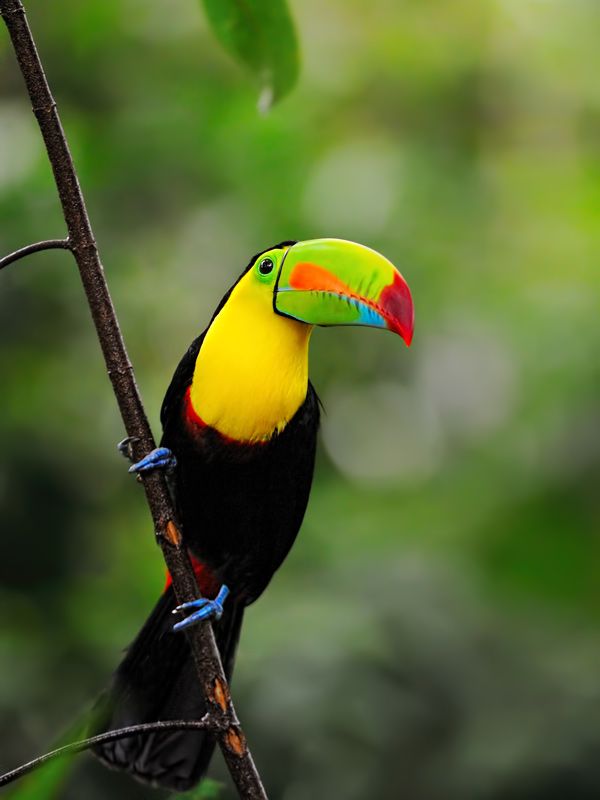
As we turn down a creek – a white-throated toucan flashing across our path – we stop the boat. “We’re going to be quiet for a couple of minutes to listen to the jungle symphony," says Juan Luis, whose grandfather was also a shaman. I close my eyes and let the sound bath wash over me: the twittering, clicking, cricking, rattling, plopping, ribbeting and jangling of all life.
Then we hurtle back in the dark through a corridor of cabbage lilies as night hawks glide overhead and fishing bats swoop along beside us in synchronisation. Aqua Nera waits for us like a beacon.
Life onboard
For all these moments of intimacy we find with Alex and Juan Luis that make me feel as if the Amazon is my own backyard, there is intimacy onboard Aqua Nera, too. A welcome refuge after wild excursions, on each return we are handed a cold towel and refreshment such as camu camu, made from a fruit that grows wild around the river and contains 50 times more vitamin C than an orange. With the exception of our delightful cruise director Galia Garay Guzman, who is from Lima, the warm and friendly crew are exclusively from the Peruvian Amazon. Guests onboard are a mix of ages and have travelled from countries as diverse as Mexico, Chile, Jamaica, Austria and the USA. We mingle over ceviche and pisco sour-making demos and come together at mealtimes, the intimate dining space naturally lending itself to conviviality.
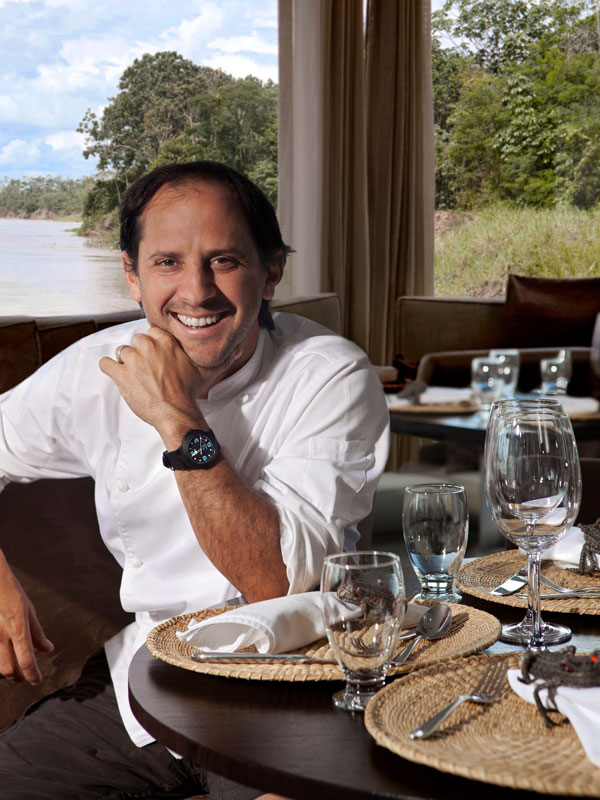
Flavours sing of the Amazon. The menu is designed by Pedro Miguel Schiaffino, a celebrated Peruvian chef known for shining the spotlight on Amazonian ingredients and who runs chef-hosted departures throughout the year.
With 70 per cent of all ingredients sourced locally, dishes might include plantain and yucca gnocchi and grilled paiche (a giant freshwater fish) with huatia potatoes. Plates could feature farina made from cassava root or a purée of snakefruit from the wild-growing aguaje palm. During each meal, chef Jonathan Jorge Reategui Villamar chats to diners to decode these ingredients.
The entire ship feels like your own comfortable and elegant living space. My suite with its day bed poised at the floor-to-ceiling window to take in the river views.
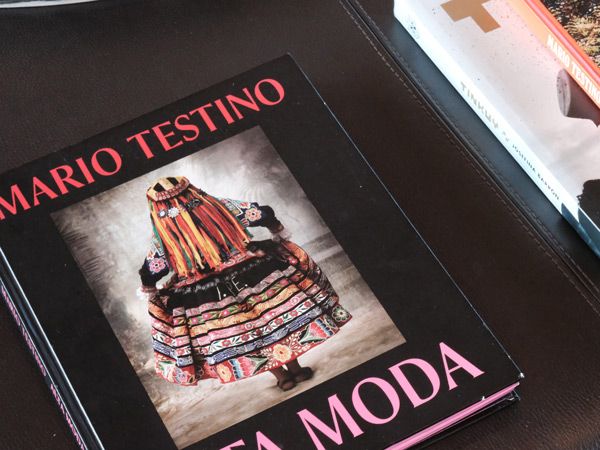
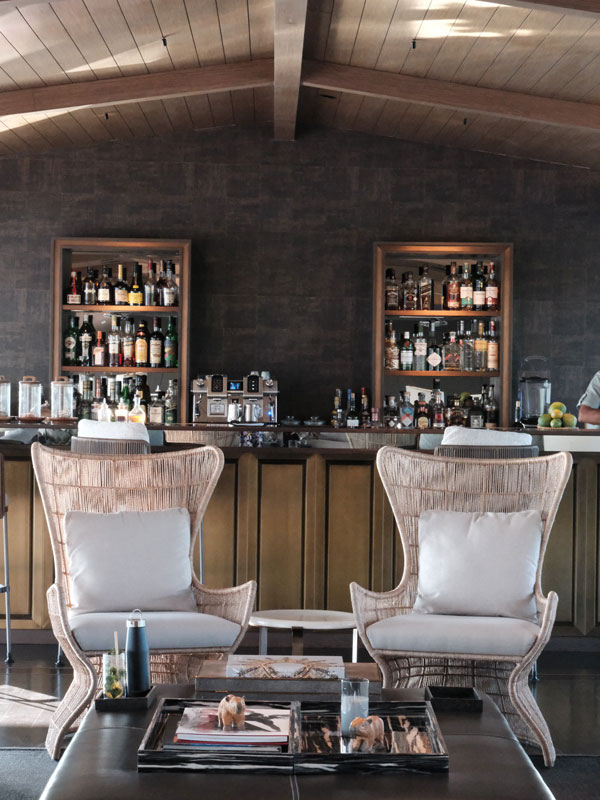
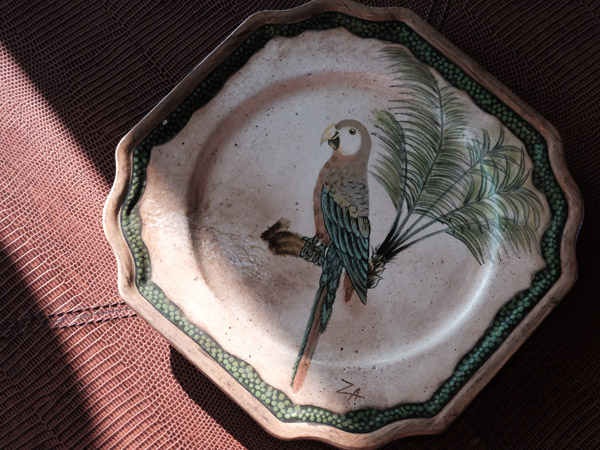
The lounge with vintage ceramics and books that reflect Peruvian culture – such as the work of fashion photographer Mario Testino.
And the type of well-stocked bar you’d like to become a regular at, manned by Robinson Bollet Celis, who has been part of the Aqua team for 15 years.
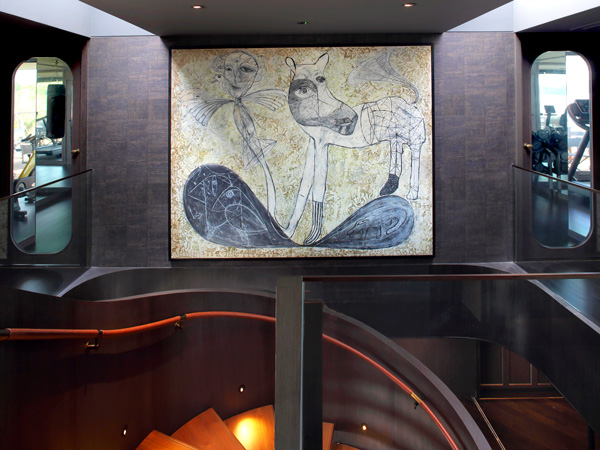
And then there’s the pool. At the DoubleTree by Hilton Hotel in Iquitos the night before my departure, I had met a Melburnian couple at the end of a month-long trip in which they’d cruised to Antarctica, tangoed in Argentina and now ventured into the jungle here in Peru. The heat, mosquitoes and their treehouse accommodation with its too-many steps had defeated them and they’d cut their time short.
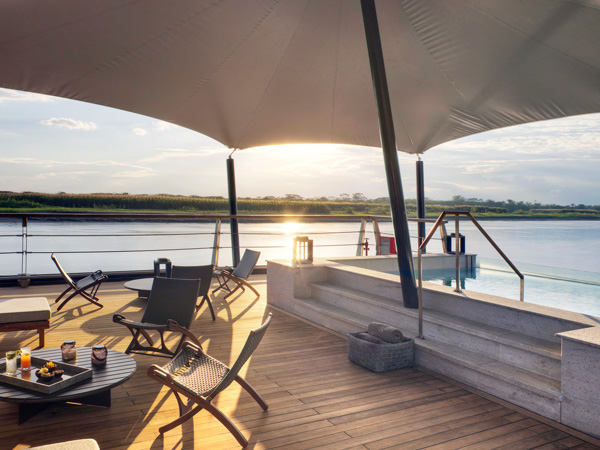
Two days later, I’m at the bow of the ship in the cool of the plunge pool while Aqua Nera ploughs the wide, brown river. As it stirs up a delicious light breeze, I think of the couple and what a difference it would have made if they’d landed here instead. I can’t imagine any better way to experience the Amazon than from this floating sanctuary.
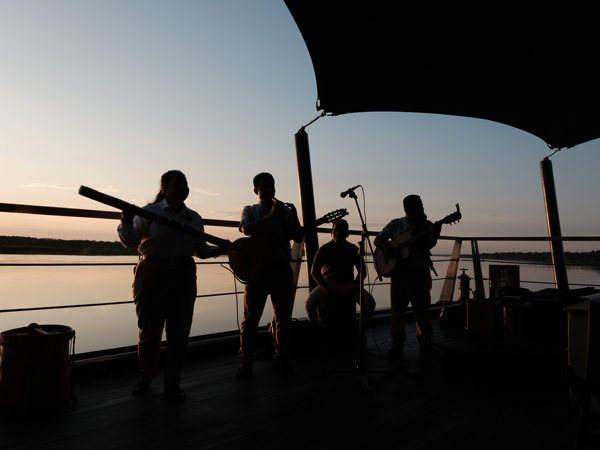
We spend one magical evening on deck with the ship’s house musicians, the Chunky Monkey Band. Their spirit infectious, the crew perform Peruvian rhythms as we sip pisco sours against a fiery Amazon sunset. Juan Luis is playing drums in the band. After our trip, he’s off to a festival two days upstream. I’m tempted to join him.
Weekly travel news, experiences
insider tips, offers, and more.
Here comes the rain
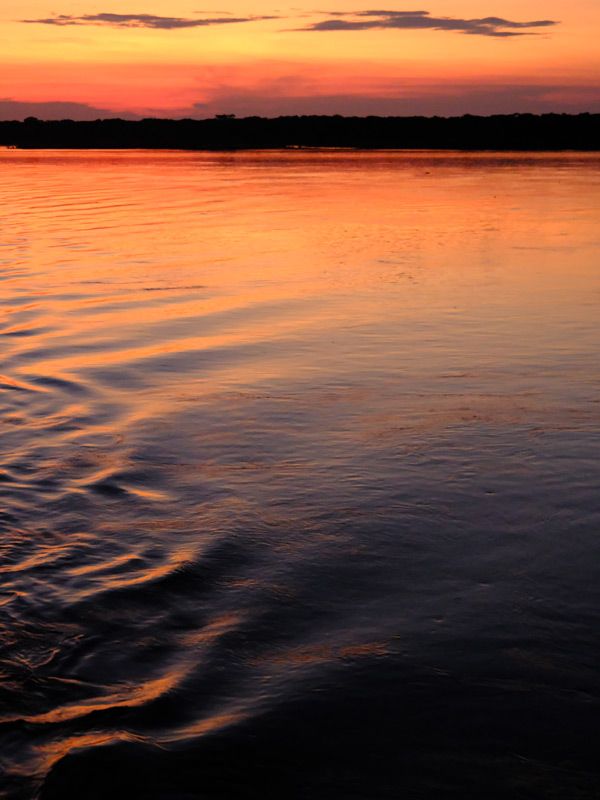
The rain had so far eluded us in the rainforest. We’d never caught up with the storm that threatened us on our first night as we boarded Aqua Nera. And I’d stood on the deck with shivers down my spine as the ship sailed into the inky black and lightning cracked across the horizon. The sky had, over these past few days, seen various moods: bruised and swollen. Brilliantly blue. That pinch-yourself sunset the night before. On our final excursion, the rain finally finds us.
If there’s any better feeling than flying along a tributary of the Amazon with the elements in your face – the earthy scents of the rainforest, all sweet and sour and heady, intensified in the wet – it’s being met by a cocktail boat en route. While a small group of five of us had been exploring a hidden floating meadow with Juan Luis – all lime green illuminated against a darkening sky – the rest of the guests in the second skiff with Alex had spent the last 10 minutes watching a full display of acrobatic pink dolphins. We pull up alongside and the bar crew from the ship spring into action. It feels only right when Robinson hands me a Dark and Stormy.
Getting there
Latam Airlines flies to Iquitos, Peru, from Sydney and Melbourne via Santiago de Chile and Lima.
Playing there
Aqua Expeditions offers three-, four- and seven-night Amazon itineraries onboard Aqua Nera, with 2024 rates starting at $7000 per person in double occupancy and including meals, beverages, laundry, all excursions, Pacaya Samiria entrance fee and more. Itineraries are also offered on sister ship Aria Amazon.
Want to see more stories from International Traveller in your Google search results?
- Click here to set International Traveller as a preferred source.
- Tick the box next to "International Traveller". That's it.