
From traditional remedies courtesy of Mother Earth to Michelin-starred restaurants cementing the country’s culinary clout, a visit to the diverse South American country of Peru caters to every travel taste.
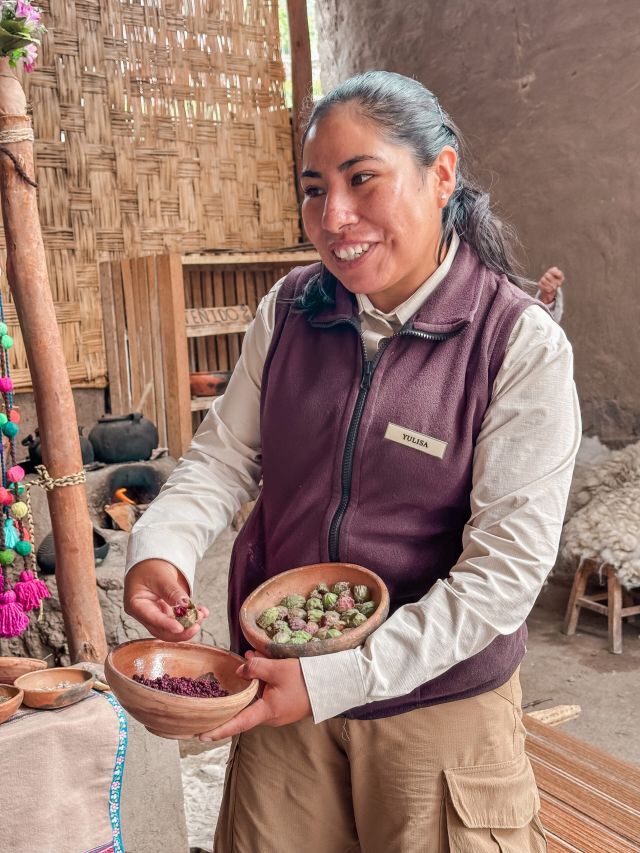
We use natural medicine," Yulisa Oxa tells us. She’s our local guide, showing us around the communities and mountains of Peru’s Colca Valley. “If it’s serious the shaman might recommend hospital, but until then he treats with plants and animals."
Natural medicine like muña tea, a delicious blend of mint and coca leaves to aid with altitude sickness. Or chewing quinoa ashes, which act as an anaesthetic. There’s also sanky (sandato cactus fruit) for good liver health. Or the chipchipa plant, used for controlling diarrhoea (but also delicious in chilli sauce, Yulisa assures us). Perhaps also guinea pig soup, which locals will tell you produces healing collagen in the body.
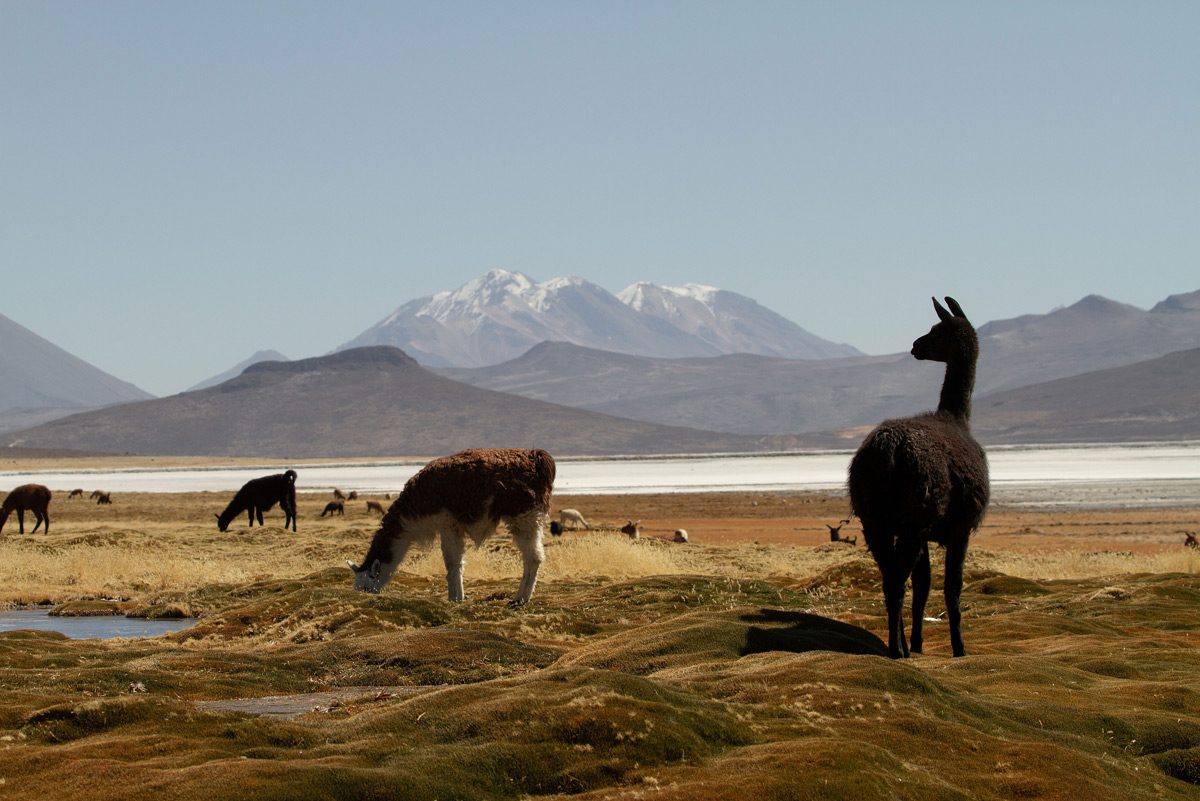
Sometimes, these remedies might be more of an offering. Every May requires an offering of three coca leaves covered with llama fat and quinoa, topped off with a dried llama foetus for Mother Earth, according to our guide. If these gifts are well received, it’s thought maize will start to grow. If not, it is back to the offering drawing board.
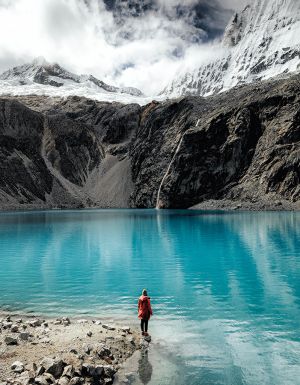
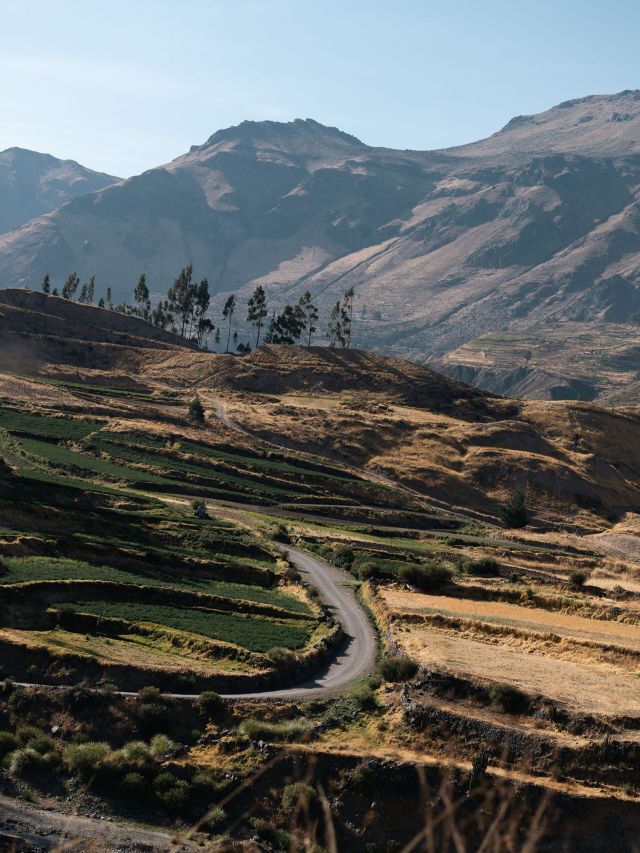
This valley – made up of 14 traditional towns and communities nestled in the misty Andes Mountains, snow-capped and covered in a yellow blanket of ‘chitty chitty’ flowers – is the last stop on our Abercrombie & Kent tour.
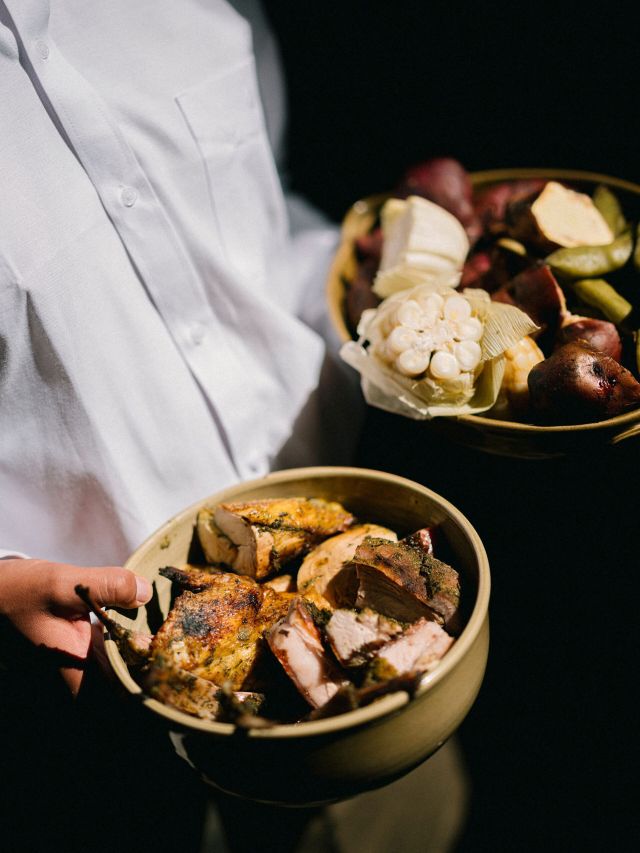
I don’t have to convince anyone that Peru knows what it’s doing when it comes to food. Lima has been widely celebrated as one of the best gastronomic capitals in the world for decades. What I wasn’t expecting from this diverse country was just how much its culinary offerings and local produce form the heartbeat and identity of its locals.
On the streets in Lima
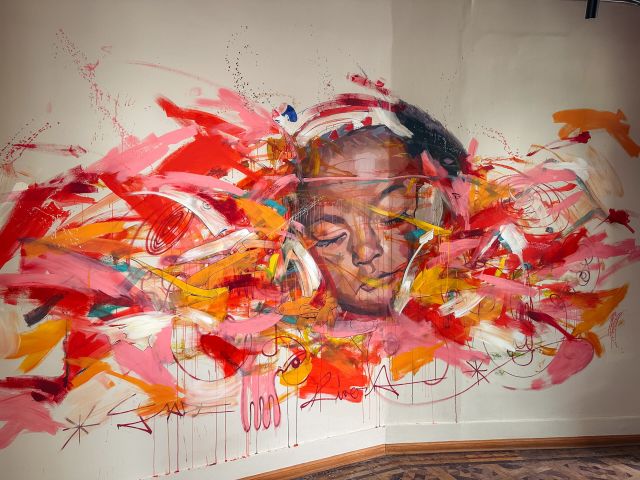
We begin our journey in Lima. Two things can be said about this capital city with absolute certainty: locals will bemoan the regular blanket of mist. And it has some of the best food in the world.
Here, the traffic may be terrible, but the true soundtrack is birdsong, from the sweet trills of sparrows to the strange frog-like croaks of the morning doves. It’s a Garden City after all, where high rises are hard to find but lush green parks are not. Suburbs such as Barranco are bursting with creative energy – drawing artists, poets and musicians since the mid-2000s.
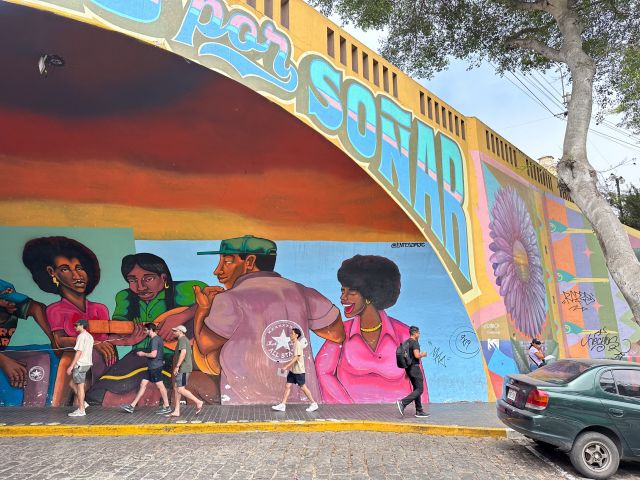
But the true passion of Lima’s people? It’s the hidden restaurants, tabernas, speciality coffee shops, chocolatiers and Michelin-starred restaurants, many of which we are shown by local chef Patrick Whuking.
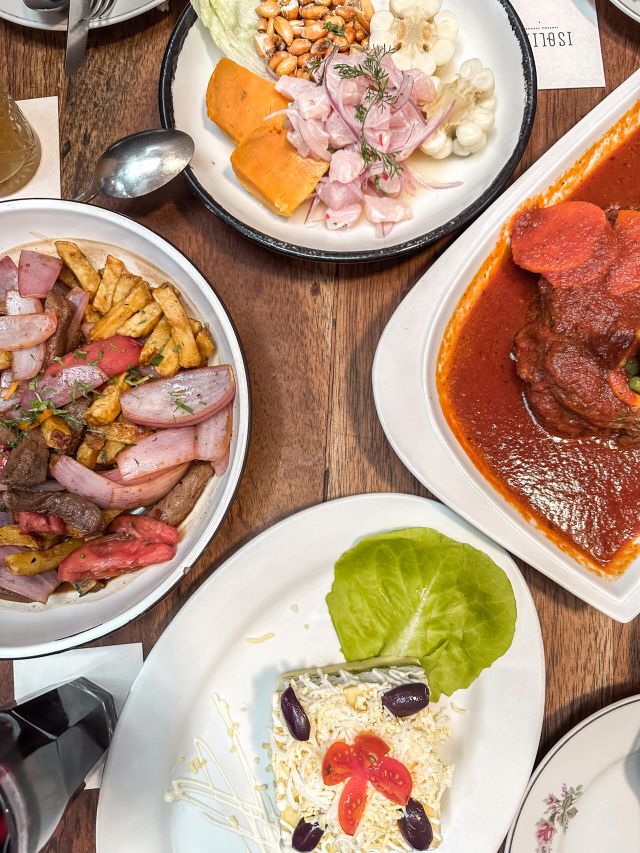
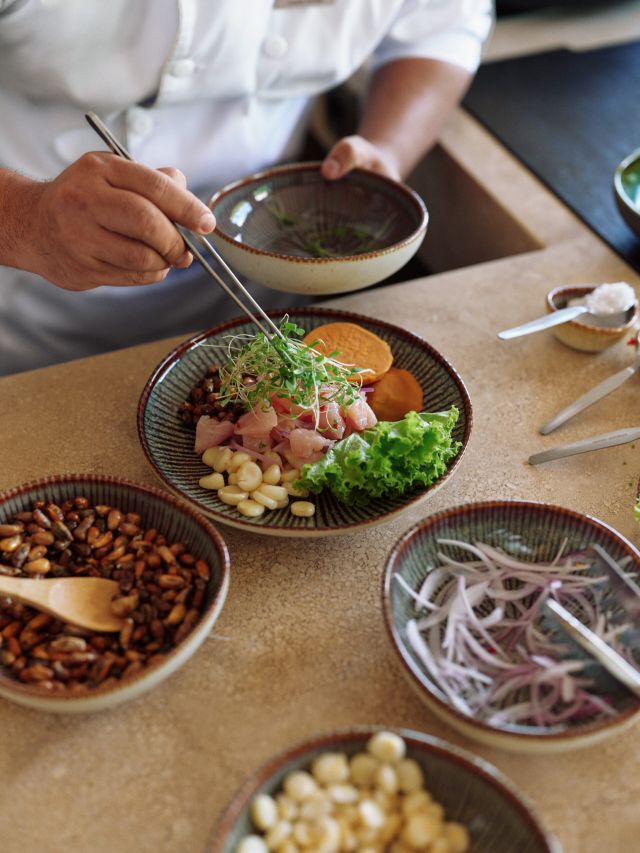
With one of the largest Chinese and Japanese immigrant populations in South America, Peru’s national creole cuisine has evolved to incorporate elements of it all. Think Chinese-style fried rice topped with baked plantain – which is exactly what we try at popular restaurant Isolina, along with a feast of other authentic and hearty creole dishes. It’s all washed down with chicha morada, a non-alcoholic corn and fruit drink that is strikingly similar to sangria. Over the course of the day, we also taste locally sourced chocolate and coffee at El Cacaotal, and create our own pisco sours under the watchful eye of the head bartender at Lima’s only Relais & Châteaux hotel, Hotel B.
The true Lima experience, though, is stepping into writer and student hang, Juanito de Barranco bar. Once a corner store by day and neighbourhood bar by night, it’s been passed down the same family line since 1937. Today, the menu is limited – you come here for beer and deli sandwiches – but what they do, they do incredibly well. While it’s quiet when we arrive on a Friday afternoon, Patrick assures us that by nightfall, the place will be standing room only.
Exploring the Amazon
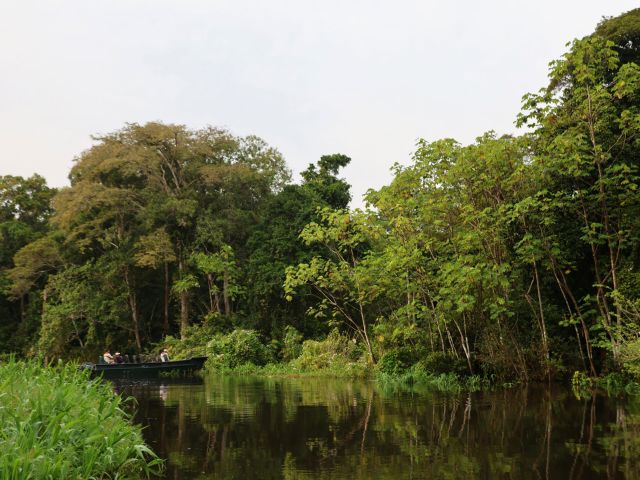
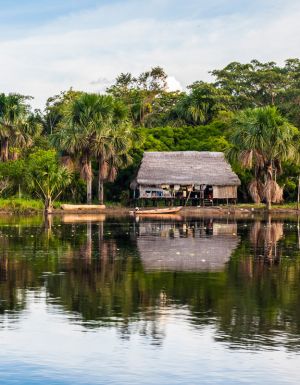
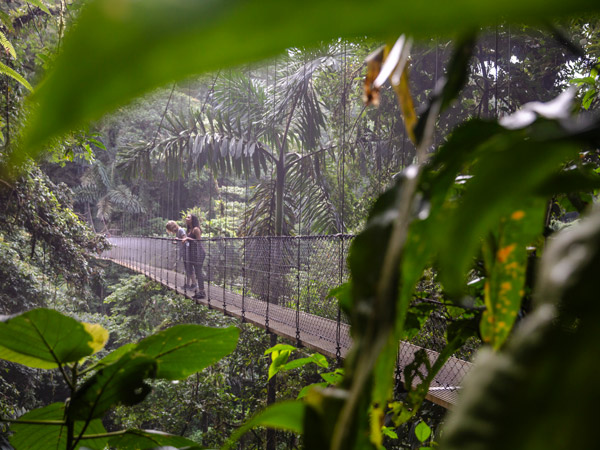
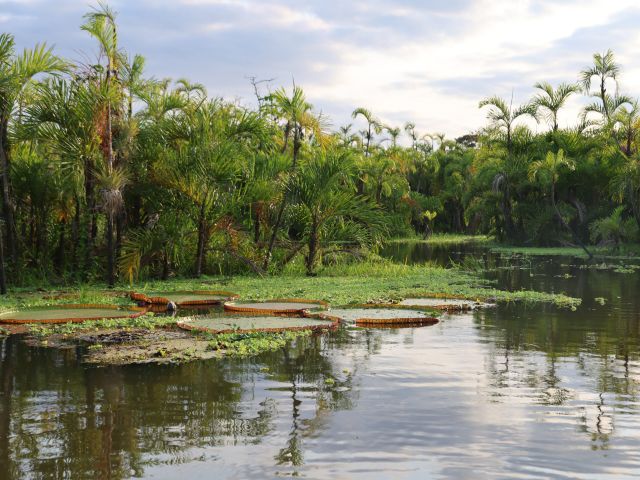
The very next day, we find ourselves drenched by the intense humidity of the Amazon. At any given moment, this jungle is teeming with life. And the closer you look, the more layers of busyness are found.
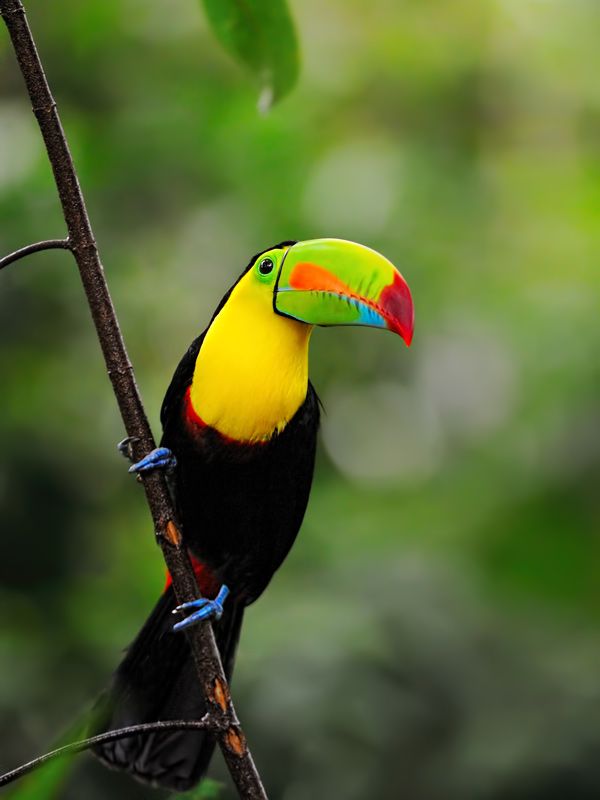
Thousands of species of birds, mammals, reptiles, amphibians and fish all call this place home. It’s a cacophony of life, and that’s before you even start counting bugs or plants.
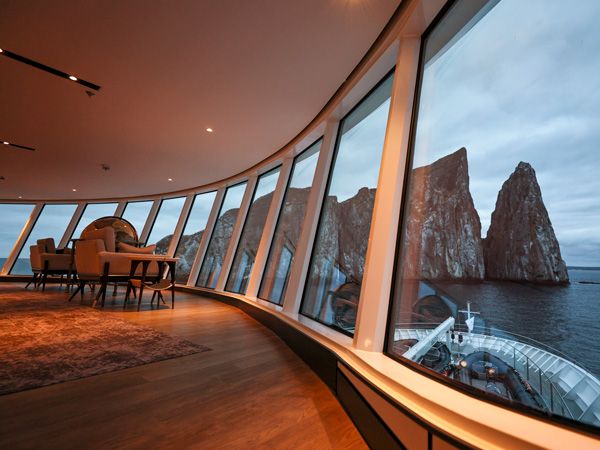
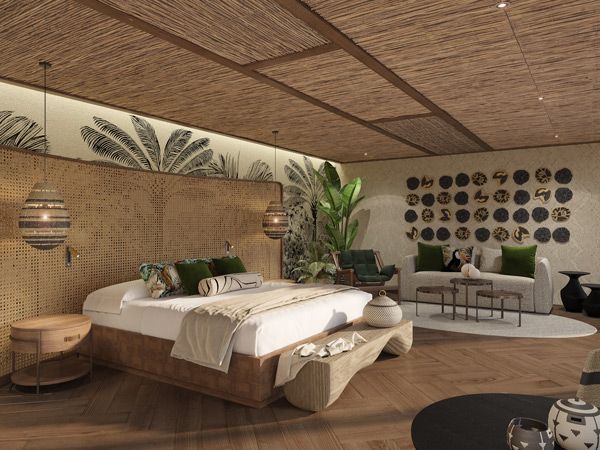
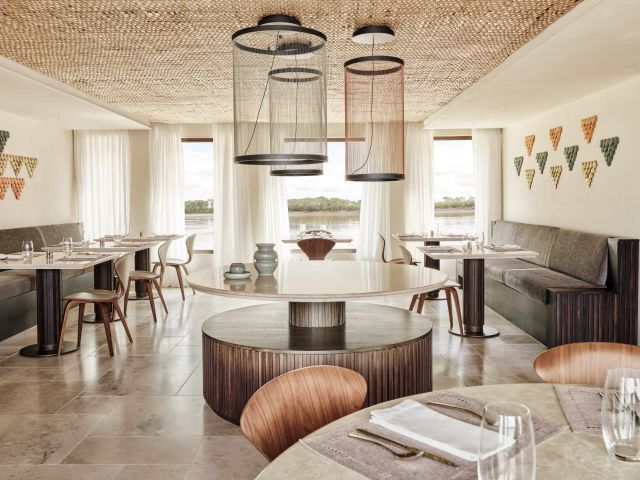
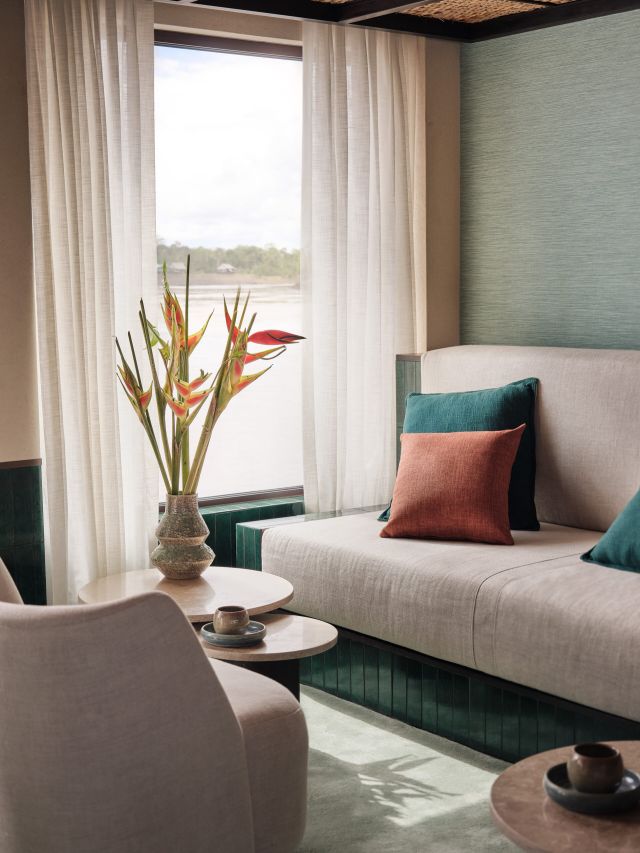
It’s a vibrancy I can see from the floor-to-ceiling windows of my room aboard newly launched riverboat Pure Amazon, an A&K Sanctuary. And also, one we’ve been exploring on thrice daily excursions by skiff and on foot.
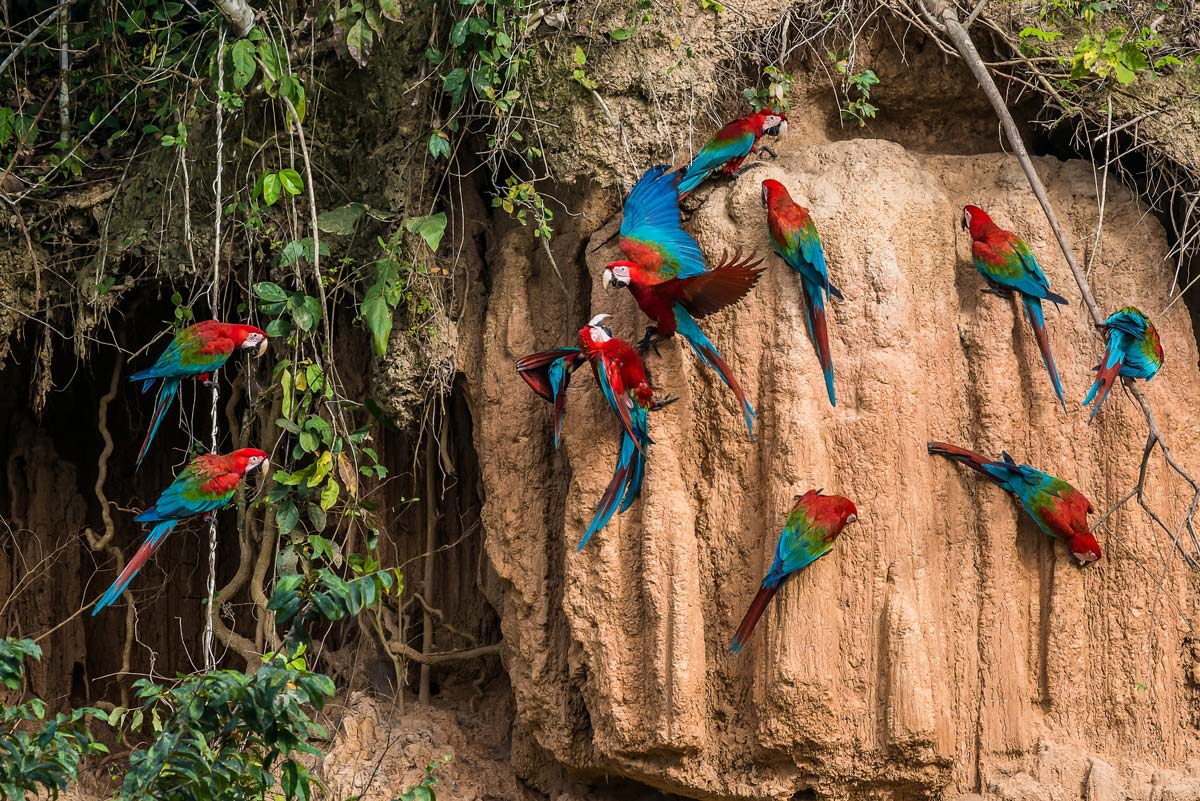
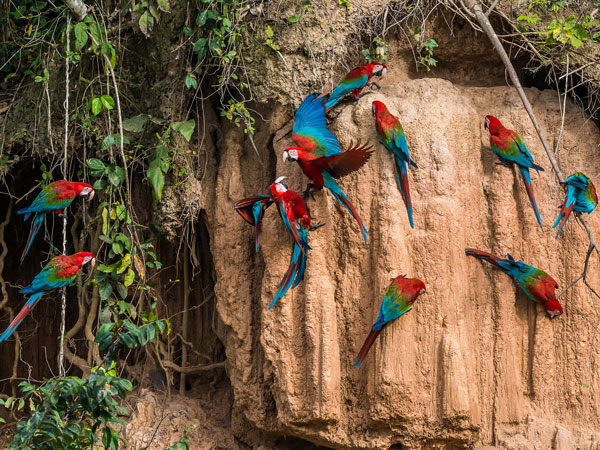
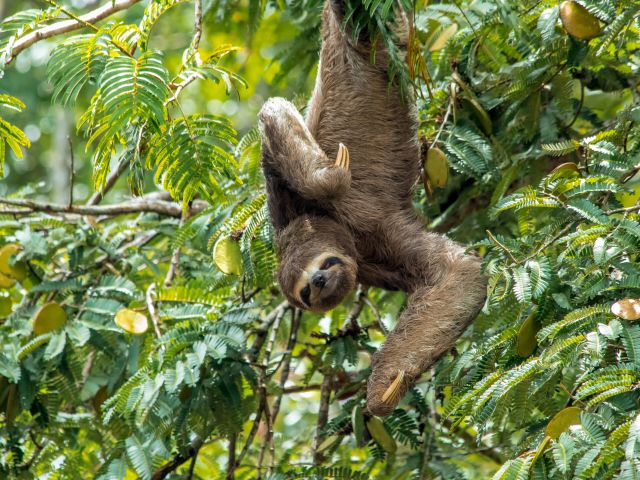
The number one lesson you’ll learn here, though, is that the jungle simply doesn’t care about your bucket list. While I arrived here with all the same hopes as the next traveller, it took four full days’ exploration and the expertise of our local naturalist guides – Javier Arbildo and Victor Manuel Ramirez Arevalo – to find them: sloth (check), macaws (check), piranhas (check), anteaters (check and check), and pink and grey dolphins (check, check, check).
Both men grew up in different Amazonian villages, and their firsthand knowledge of the jungle, its creatures and natural medicines are better than any encyclopedia. Despite the absolute thrill of animal sightings, it’s learning about the role that the latter plays in everyday life that proves most impressive.
On day two, mosquitoes swarm us, finding the tiny patches of skin I missed with my vigorous bug repellent application. We are walking in the middle of Earth’s largest natural pharmacy. About 25 per cent of all modern Western pharmaceuticals are derived from the plant species that thrive in the Amazon. And traditional Indigenous remedies make use of so much more – to feed, to heal and to hunt.
“I was treated with this by my dad when I was quite young," says Victor, stopping next to an ojé (ficus) tree. Its trunk is decorated with deep gashes, cut by locals to retrieve the healing sap inside. It was this sap, containing parasite-fighting enzymes, that Victor’s father would feed him when he was struck ill from drinking river water.
“I grew up in the Amazon," he tells us after a question about our afternoon activity for the day: swimming in the river. “I spent so much time swimming in the water. But I have all of my fingers, all of my toes."
It’s just one of the many ways local communities make use of the land around them. Later, meeting members of the Chingana Community, we are shown many more. Plantains, papaya, grapefruit trees and beehives are all farmed to take into town and sell once a month. The proceeds go towards helpful modern inventions, such as boots and fishing nets.
“I used to walk about 20 minutes [carrying] a big bunch of bananas – in the sun, in the rain. It’s not easy," Javier tells us about his own upbringing in July 28, a community named after Peru’s Independence Day.
Elsewhere, we’re shown dried pampas grass used for fencing. Then a table laid out with the day’s catch: barracuda and catfish.
“My father used to hunt by making his own traps," Javier shares, while local kids pile into the back of a parked moto taxi behind him, one boy with a cheeky grin jumping in the front seat and mimicking driving noises.
“A big log covered in sticks and a piece of banana would catch a rodent. Bigger animals needed a shot gun. When he’d come home with something big, all the relatives would celebrate. But if it was just a small bird, they would be disappointed."
We stop for a while to watch one man as he roasts fariña (milled wheat) for his family on a large stove, using banana leaves to retain the heat.
Later, back in the air conditioning of Pure Amazon, we’re served camu camu again, a tasty pink drink the staff regularly remind us is full of antioxidants and vitamin C to delay the signs of ageing.
History in the Colca Valley
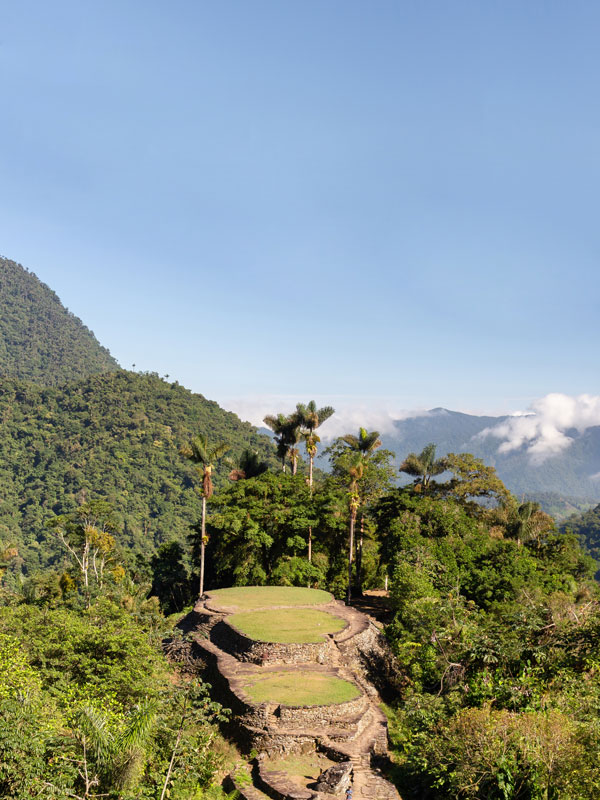
Back in the Colca Valley, our small group makes its slow and steady way up to Chimpa Fortress, ruins left from 1200 AD. Above us, seven condors start to soar, a rarity for this time of year. But Yulisa has spotted their mark, a cow carcass on the mountainside.
The path may be steep, but it’s only about two kilometres long. Yet the altitude forces us to stop at every turn, puffing like we’re running a marathon – except Yulisa, of course. She uses these frequent breaks to hand out coca leaves for chewing and tell us more about the area.
Right before the fortress, a pre-Inca map is carved into stone. It plans out the terraced mountainsides that spread out below us, a farming practice that slows down erosion. These same terraces are still used today, tidied up every two years by local families. Right now, with my burning lungs, I’m not sure how they ever managed it.
Once we reach the top – about 5000 metres above sea level – Yulisa casually points to the other side of the canyon below us (the fourth deepest in the world), to a small town directly across on the other mountain. “That’s my village," she laughs when we marvel out loud at how unaffected she is.
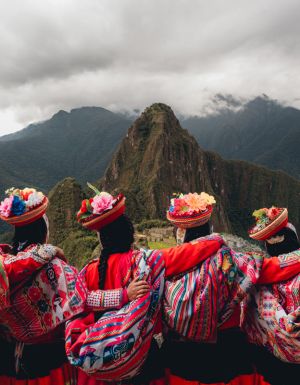
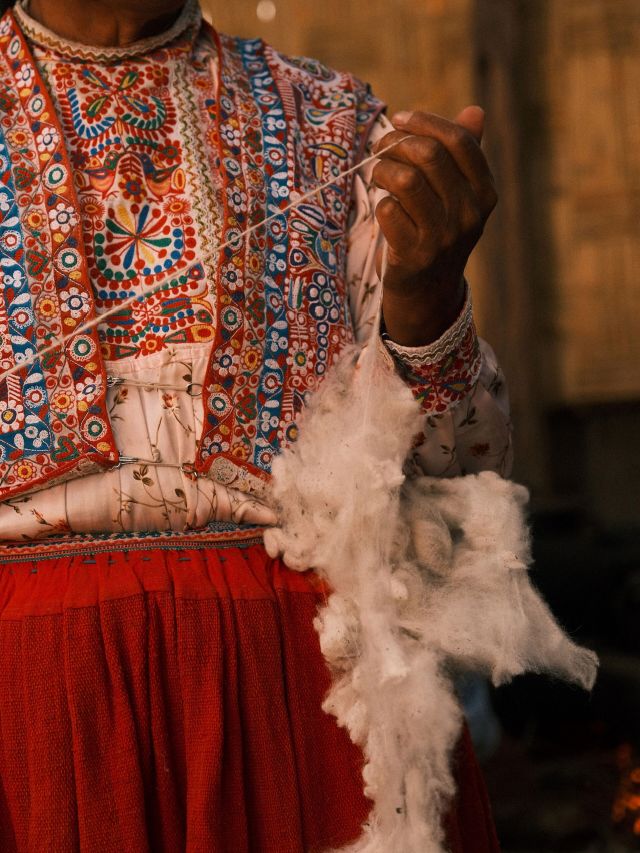
Later on this final leg of the trip, we will see the 500-plus- year-old ruins at Uyo Uyo, and learn how local villagers craft the highest quality llama fur into clothing and accessories using llama bone needles. I can’t help myself; a soft and cosy poncho is an irresistible souvenir.
In Peru, everything that grows has a purpose. Whether that be for gastronomic pleasure in Lima, for sustenance, medicine and housing in the Amazon, or to curry favour with Mother Earth in the Colca Valley.
Weekly travel news, experiences
insider tips, offers, and more.
The details
Getting to Peru
Fly to Lima via Chile’s Santiago from Sydney or Melbourne wih qantas and Latam airlines.
A&K Ultimate Peru by River and Rail journey
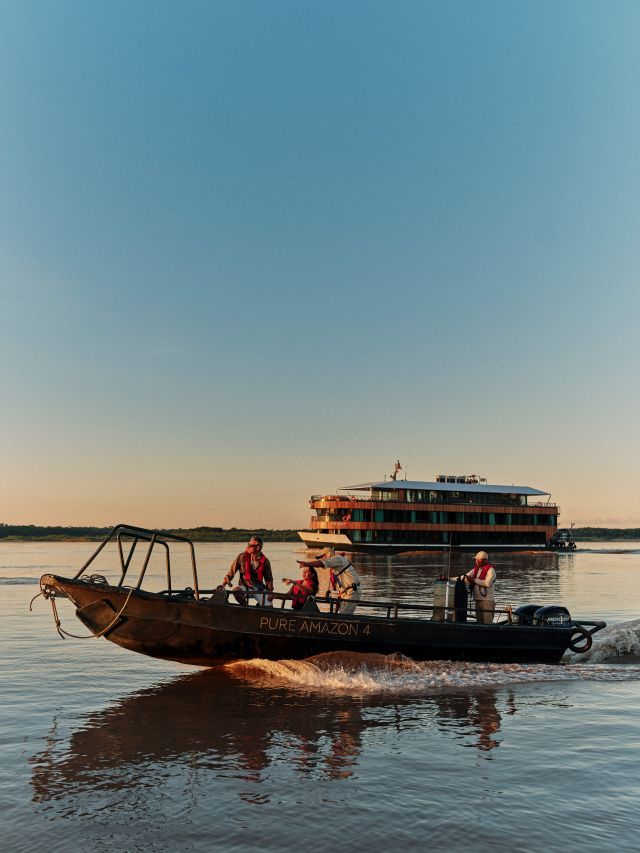
Experience Pure Amazon, an A&K Sanctuary on Abercrombie & Kent’s Peruvian Amazon Cruise (5 Days) from $9310. Join the Ultimate Peru by River and Rail journey to explore Lima, Pure Amazon and Arequipa over 14 days from $29,480. Or let A&K’s team of experts create a private bespoke trip uniquely designed for you, to add on destinations such as the Colca Valley.
Excursions might include eating your fill on a walking tour with a local chef through the artsy suburb of Barranco. Exploring the Amazon via skiff, kayak and foot, meeting locals along the way.
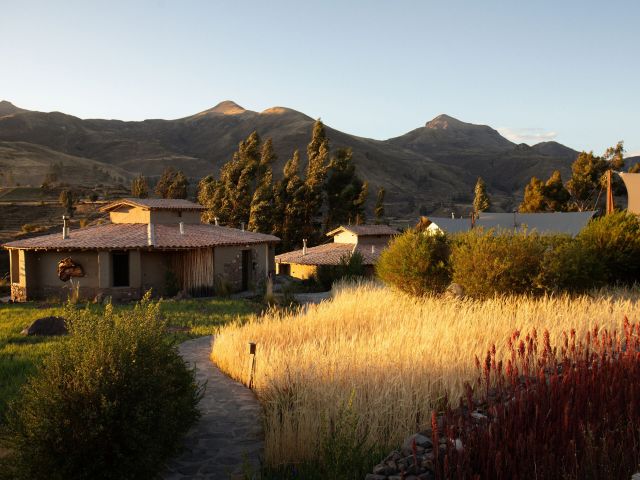
Soaking in the beauty of Arequipa for a day between the Amazon and the Colca Valley (internal flights are available). And choosing from a range of included tours at PUQIO, from scenic treks to visiting ancient ruins and learning local crafts.
Want to see more stories from International Traveller in your Google search results?
- Click here to set International Traveller as a preferred source.
- Tick the box next to "International Traveller". That's it.