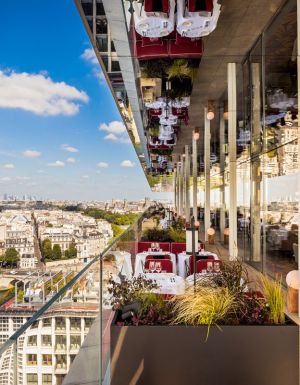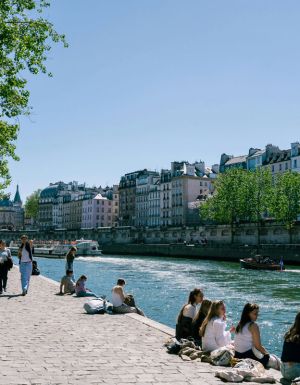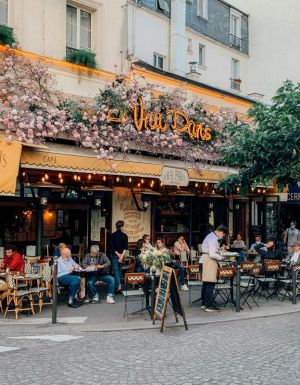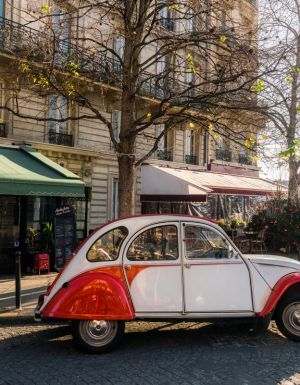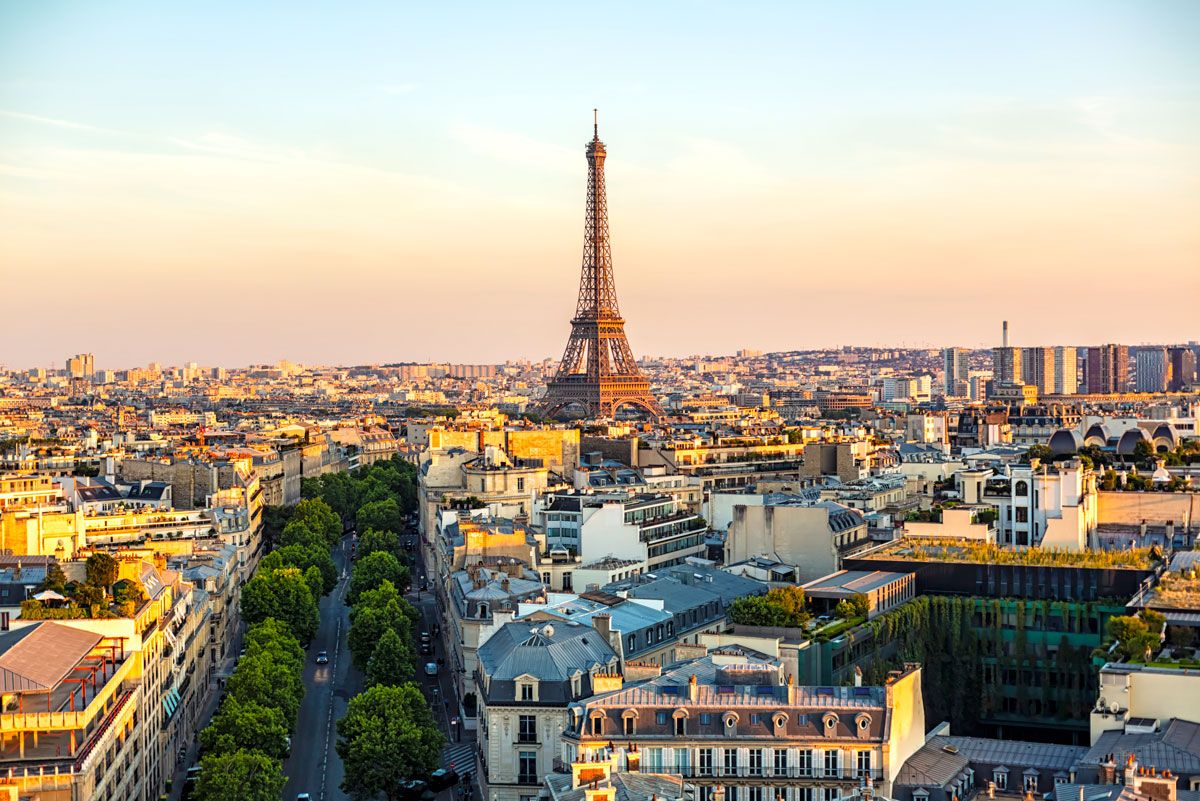
The French capital has made incredible progress towards reaching its goal of becoming carbon neutral by 2050.
The seeds for greening the City of Light were planted in 2007 when Le Plan Climat de Paris was adopted. The French capital has been actively reducing its carbon footprint ever since to be as sustainable a city as possible.
As mayor of the city that gave its name to the 2015 Paris Climate Accords, Anne Hidalgo has pledged that the French capital will be carbon neutral by 2050. Featured in TIME magazine in 2020 as one of the world’s 100 most influential people, Mayor Hidalgo has been described by Al Gore as “the kind of leader who demonstrates how local action can solve the climate crisis". Mayor Hidalgo has made it her mission to transform the City of Light into a cleaner and healthier place to live and visit since she came to office in 2014.
Almost a decade on, British group Essential Living published a report in June 2023 that named Paris ‘The Greenest City in Europe’ with a whopping 530 parks, gardens and squares. Around 30 urban farms provide food for Paris and there are at least 1500 beehives in the city.
Greening the City of Light
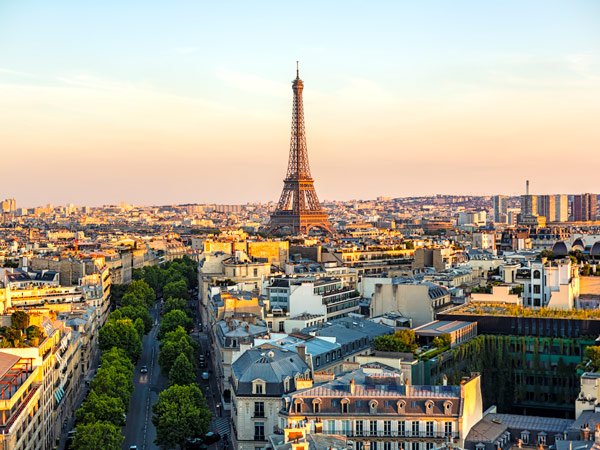
More than 300 new green spaces are planned for the French capital and Parisian lawmakers last year approved the planting of 170,000 trees by 2026. The creation of four new urban forests near landmarks such as the Hotel de Ville and Opera Garnier will also help combat air pollution and reduce the effects of rising temperatures. Mayor Hidalgo will also transform the Avenue des Champs-Élysées into an ‘extraordinary garden’ by 2030, reducing motor traffic to one lane each way.
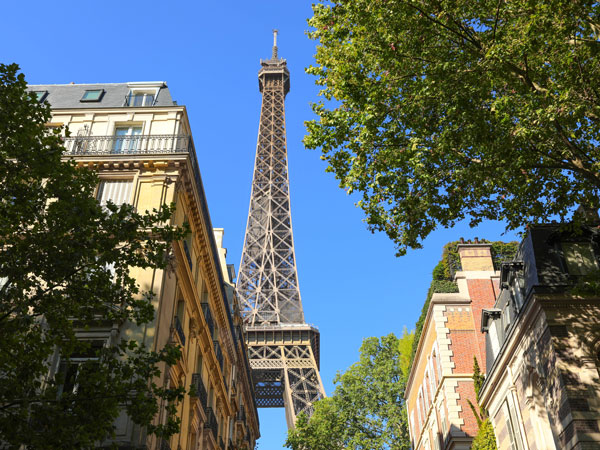
Hidalgo is passionate about making Paris more pedestrian and bike-friendly as well. The French politician closed the busy Rue de Rivoli to private car transport and has created some 1000 kilometres of cycling trails throughout the city. The Parc Rives de Seine offers 10 hectares of cycling and walking routes on the Rive Gauche (Left Bank) and Rive Droite (Right Bank).
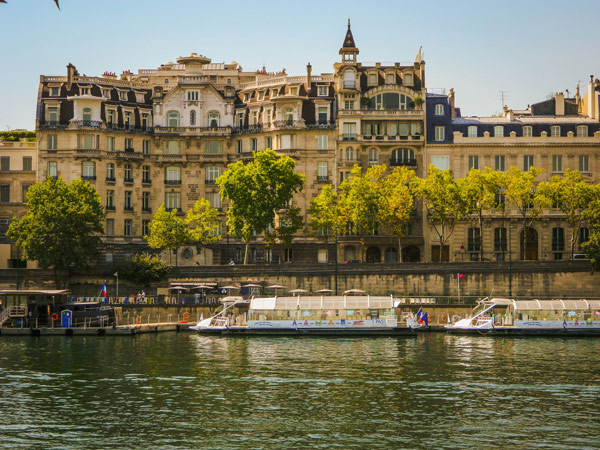
Every first Sunday of the month is a car-free day in Paris, where cars are banned on the Champs-Élysées and in the first four arrondissements. In addition, the city has 435 electric car-charging stations and 1200 fountains and water-refilling spots.
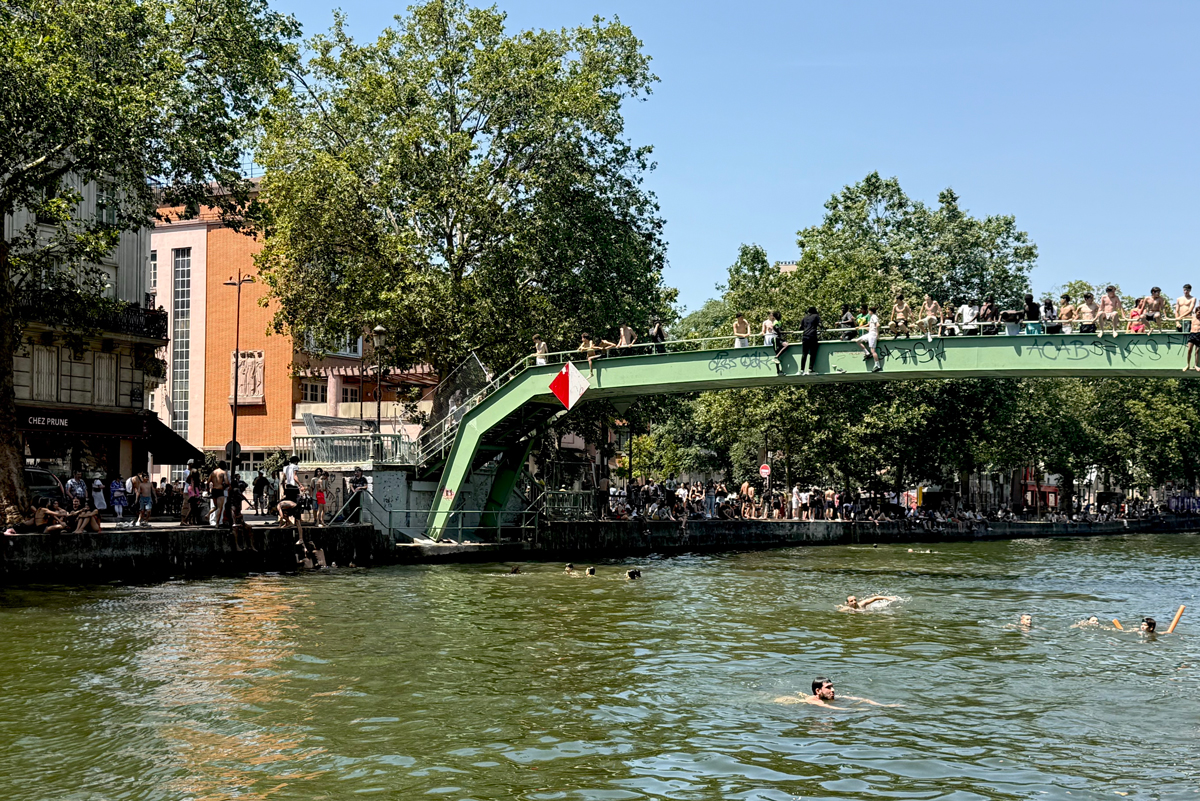
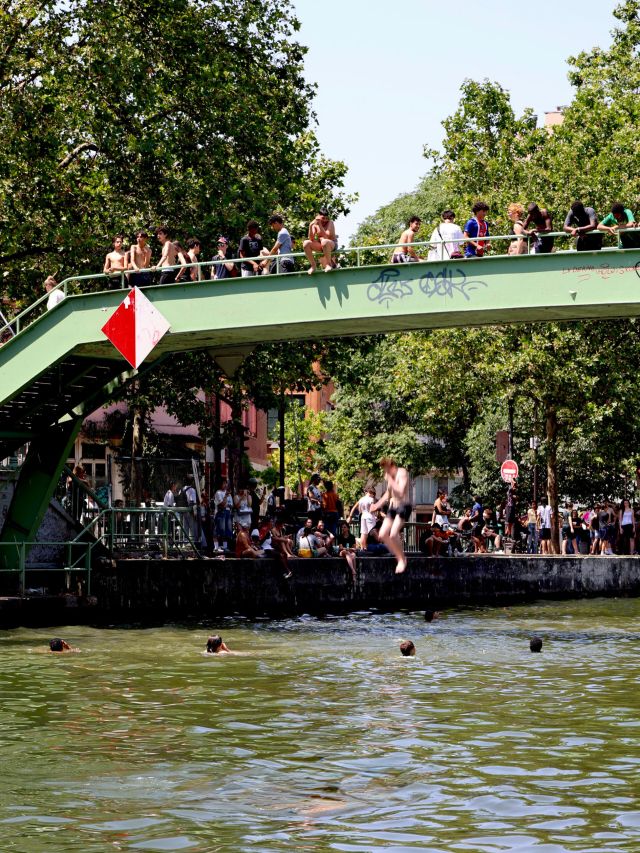
Hidalgo has also spearheaded a new $2.2 billion sewerage infrastructure project to clean up the Seine in the lead-up to the Paris Olympics when triathletes and marathon swimmers will compete in the river. From 2025, people will be able to swim at three supervised riverside bathing spots: at Bras Marie near the 4th arrondissement; near the Parc de Bercy in the 12th; and Bras de Grenelle in the 15th.
Eco-friendly ways to explore
Life in the slow lane
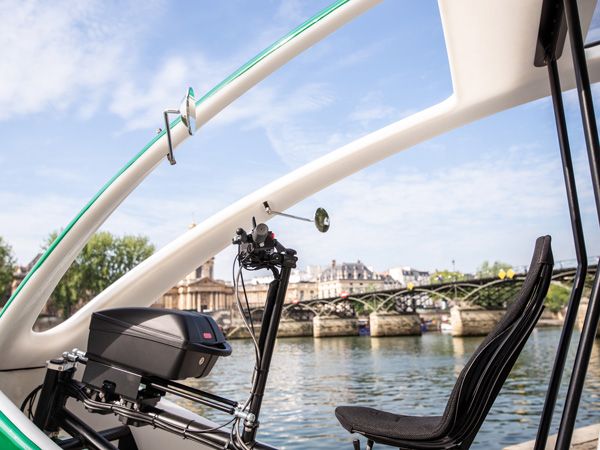
Turtle provides environmentally sustainable city transfers on enclosed electric tricycles, which are often cheaper and faster than taxis. It also offers fresh city perspectives on Emily in Paris, Napoleon and Left Bank-themed set-jetting tours.
Get on your bike
To rent your own bike, check out the Greater Paris Vélib’ Metropole bike-sharing service, which provides self-service mechanical (green) and electric (blue) bikes for hire at 24-hour stations dotted across Paris. Passes range from 45 minutes to three days.
A sense of the Seine
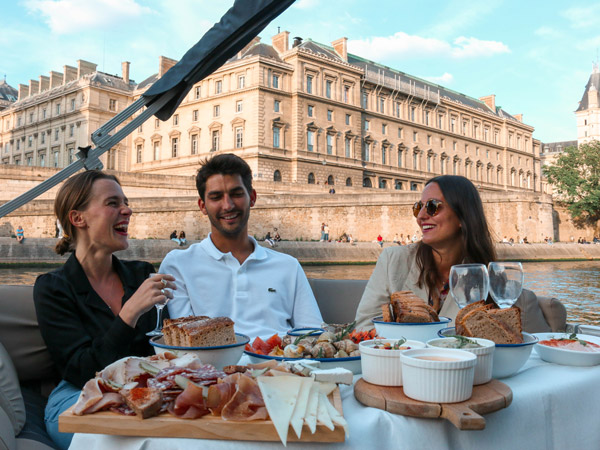
Green River Cruises offers private cruises along the Seine for six to 12 people on whisper-quiet electric pontoon boats.
Green scene
Nothing says ‘green Paris’ more than its 200 remarkable trees, as classified for factors including age, uniqueness or social role. Take a self-guided walking tour to discover some beauties such as Paris’s oldest tree, a black locust, in the 5th’s Square René Viviani.
Sustainable stay
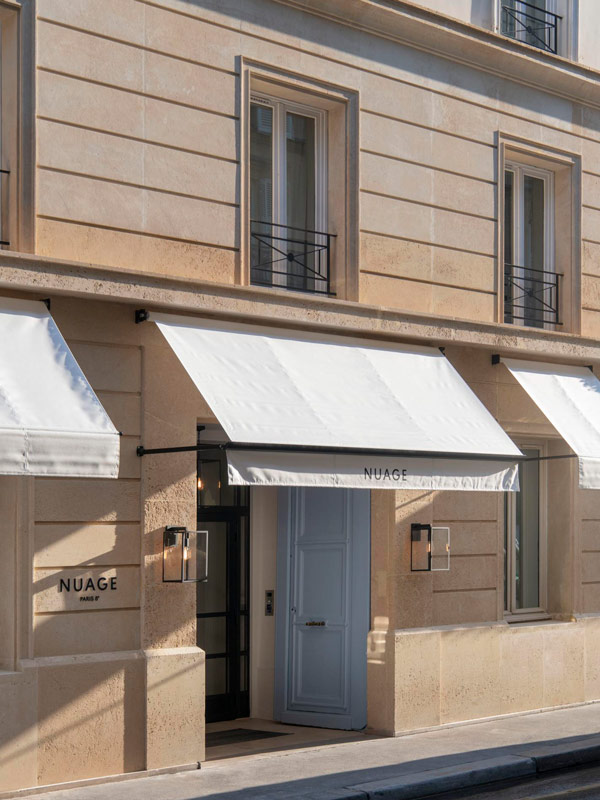
The small family-owned Nuage hotel, near the Champs-Élysées, has transformed into an eco-responsible establishment.
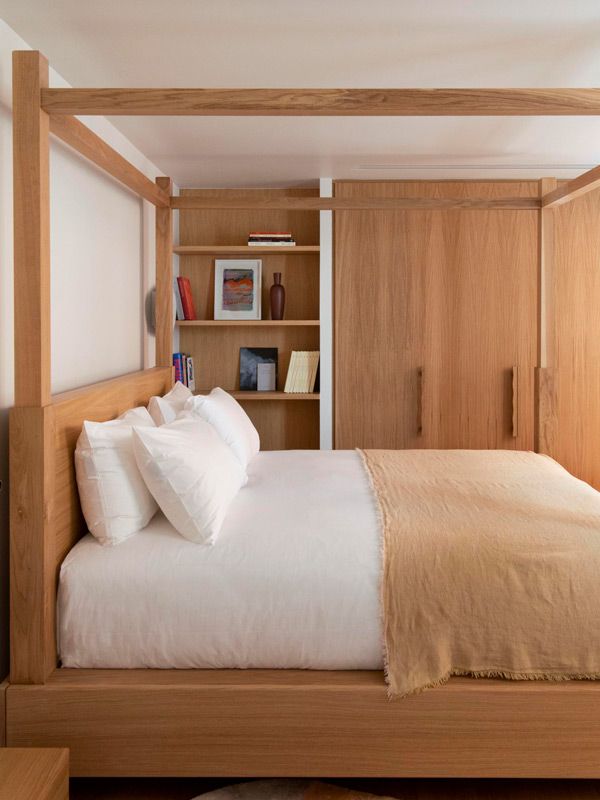
The timber-toned rooms are decked out with vintage furniture; the toiletries and drinks are made in France; market-fresh goodies adorn the breakfast table; and cleaning products are chemical-free. Owner Olivier Breuil has even penned Slow Paris, a guide to insider tips on how to savour Paris like a local.
Weekly travel news, experiences
insider tips, offers, and more.
Healthy eating and drinking
In the spotlight
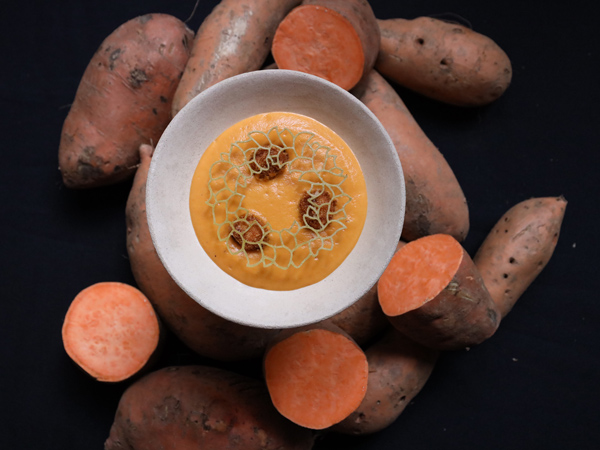
Chef Josselin Marie, who earned his stripes at Hôtel Plaza Athénée and Ritz Paris, now runs one of the most eco-responsible restaurants in the city: La Table de Colette is tucked away down a side street near the Panthéon in the 5th arrondissement.
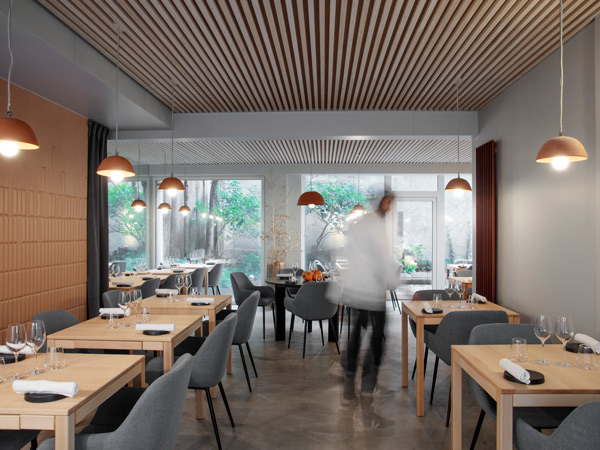
You’ll feel good about the fact his team hand-make every element of every dish with local seasonal produce, limit waste, use green electricity and plant trees to ensure the restaurant’s carbon neutrality; each dish carries information about its carbon footprint. But you’ll keep coming back for his exquisite umami-rich dishes where meat and fish are used to give flavour to vegetables rather than being the main attraction.
Democratic dining
Multi-Michelin-starred French-born chef Alain Ducasse may be better known for his luxe establishments. But the latest addition to his restaurant stable is Sapid, a 95 per cent vegetable-based restaurant in the edgy 10th arrondissement. This is the place to go for delicious and affordable refectory-style food where the seasonal ingredients are top notch, but costs are reduced with guests serving themselves and clearing their own dishes.
Lay of the land
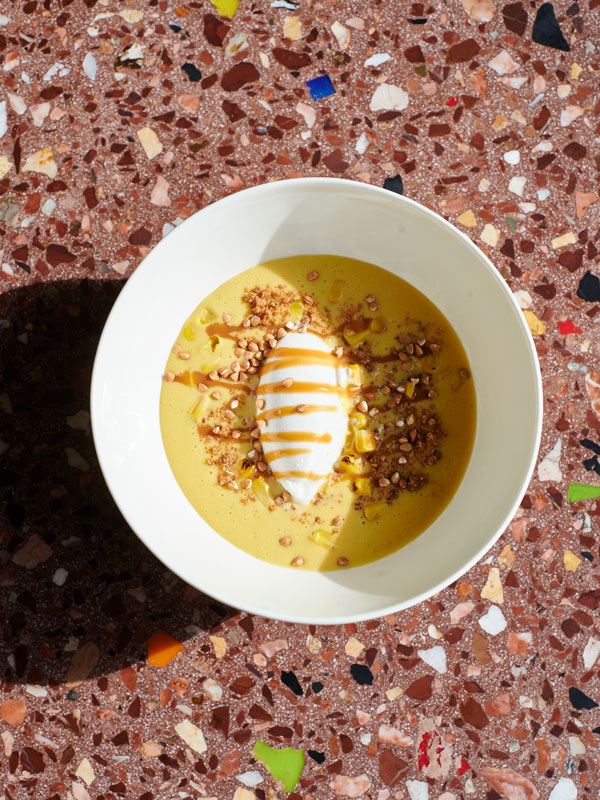
The affordable Kitchen Ter(re), not far from the Sorbonne on Boulevard Saint-Germain, offers a remarkable selection of pasta dishes using flour from low-gluten, highly nutritious ancient grain varieties alongside deeply flavoured stocks made from Italian and Asian ingredients.
All-organic markets
Shop at these all-organic markets for healthy picnic food or ingredients to cook at your Airbnb: the Saturday morning Marché Biologique des Batignolles in the 17th; La Halle Aubervilliers in the 19th; and the Sunday morning Marché Biologique Raspail in the 6th arrondissement.
Want to see more stories from International Traveller in your Google search results?
- Click here to set International Traveller as a preferred source.
- Tick the box next to "International Traveller". That's it.