Europe is a huge continent, packed with a myriad of cultural experiences to have. We’ve created a shortlist, so you don’t have to.
1. Cruise the Danube
Travelling with: Emily Murphy
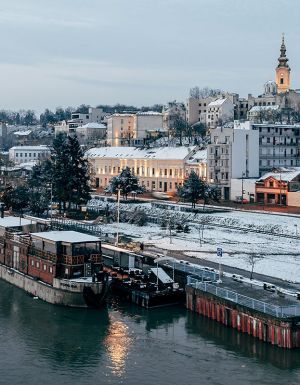
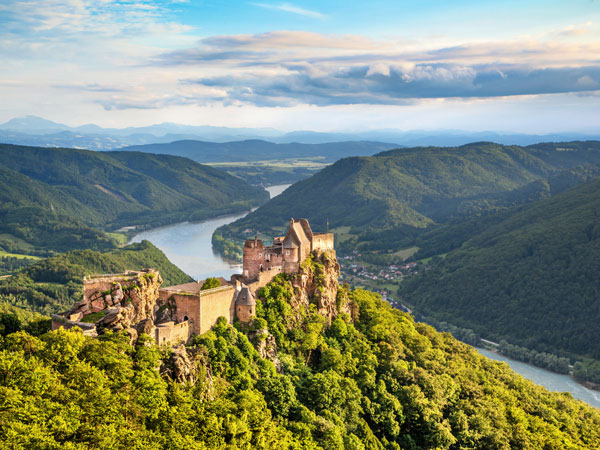
Flowing 2850 kilometres through 10 countries, the Danube River has been a vital artery for centuries, witnessing the rise and fall of empires. Traversing through the cultural hubs of Vienna, Bratislava and Budapest, among others, a cruise on the Danube offers unparalleled views of the medieval fortresses, ancient Roman ruins and grand Habsburg palaces along the way. On Tauck’s immersive Danube River cruises, there are even more opportunities to experience the richness of the region, with guided tours and exclusive access to certain sites, including a private imperial evening at Palais Pallavicini in the Austrian capital.
2. Go cycling in Amsterdam
Travelling with: Megan Arkinstall
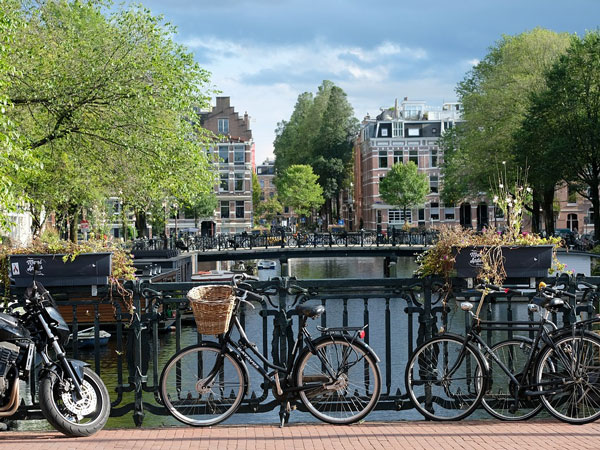
In a country where bikes outnumber humans, it’s like cycling is built into the Dutch DNA. There are some 400 kilometres of bike paths in Amsterdam, crisscrossing over some of its 1200-plus bridges, alongside historic canals lined with crooked, gable-roofed houses and through the pretty countryside and villages just outside the city. Join a guided tour to cycle between must-see landmarks such as the 17th-century Canal Ring, Rijksmuseum – home of the Dutch masters Rembrandt, Vermeer and Van Gogh – and the green oasis that is Vondelpark.
3. Visit Berlin’s UNESCO-listed Museum Island
Travelling with: Carla Grossetti
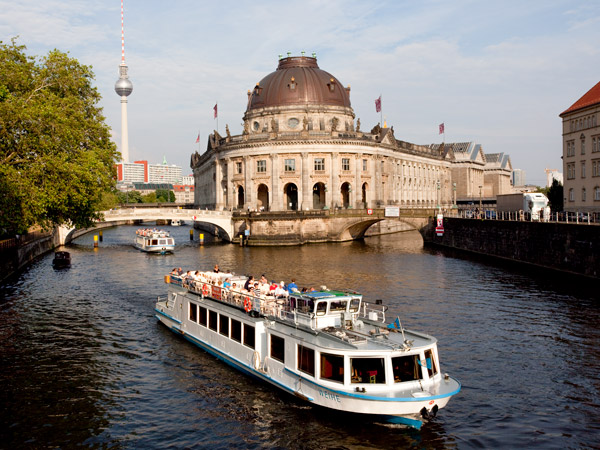
Cross a footbridge in the heart of Berlin and you will find yourself standing on Spreeinsel (Spree Island), home to five world-famous museums. Berlin’s Museum Island receives top billing as the German capital’s ‘grand work of art’ and one of Europe’s most important UNESCO sites. Together, the museums cover art, history and culture, and make for a magnetic journey into the past, dating back to the time of the Prussian rulers with the opening of the Altes Museum in 1830. Five museums were established on the site over the next century, with the aim being to connect each museum and its collections via an Archaeological Promenade. The cathedral-like quiet within each museum prompts a meditation on culture and humanity.
4. Experience the art of Slovenian printmaking
Travelling with: Lola Mendez
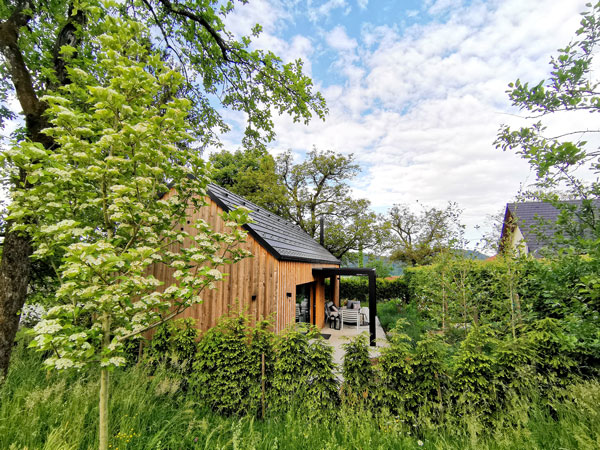
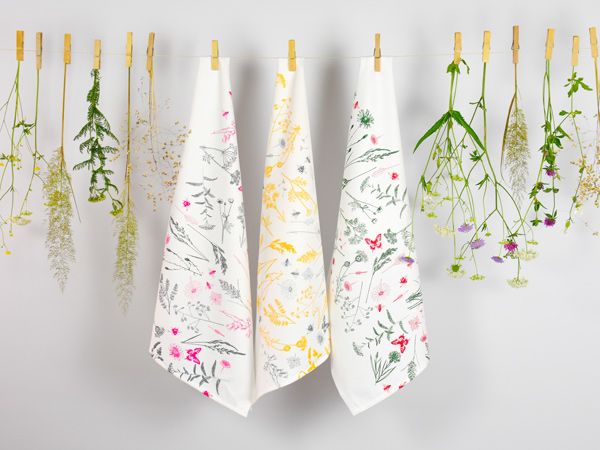
In a leafy village just outside Ljubljana, craftswoman Saša Drobnič Škrjanec spends her days screen-printing silks in her family’s ancestral barn. From here, she runs JAGABABA home textiles, a brand that creates fabrics and homewares adorned with motifs inspired by her grandmother’s garden: bees, hens, fruit, peonies and other local flora.
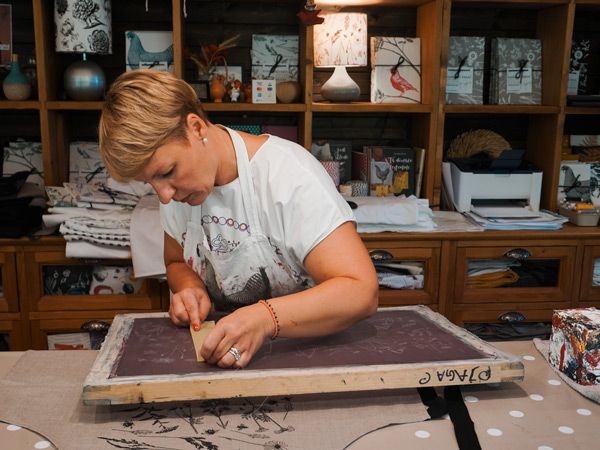
Saša’s crafts continue the legacy of Slovenian printmaking that boomed in the mid century, but with a pastoral twist. Guests at JAGABABA can partake in a workshop to print their own keepsakes. I get to work decorating an apron while Saša’s husband serves glasses of local wine. It’s an intimate family affair, which leaves me with a souvenir of Slovenia’s rich arts heritage and unforgettable bucolic beauty.
5. Take a World Heritage-listed train journey through the Swiss Alps
Travelling with: Kee Foong
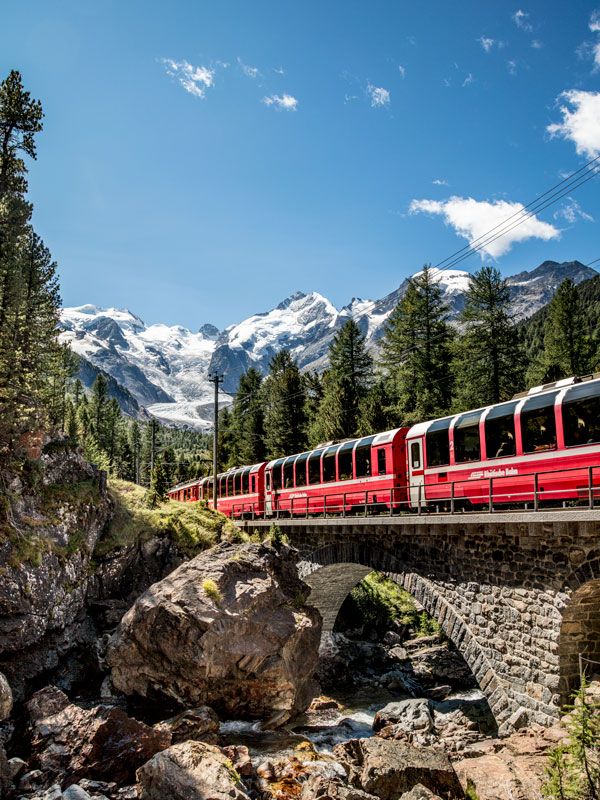
In a country blessed with a ton of beautiful train journeys, the ride must be truly special to achieve World Heritage status. Which is what the Bernina Express offers. The service, operated by the Rhaetian Railway, is a four-hour marvel of engineering along some of the highest and steepest rail lines in Europe.
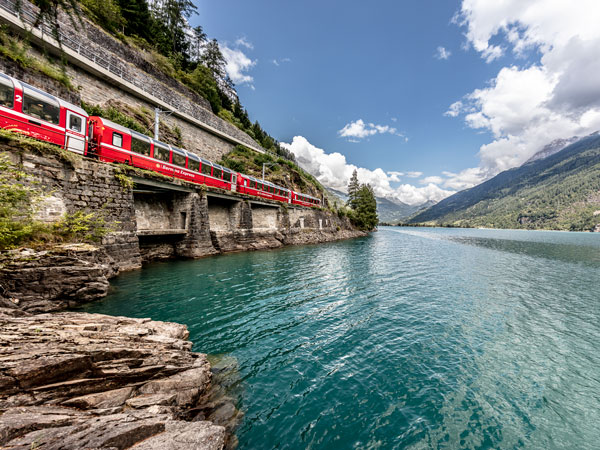
It takes in 55 tunnels and 196 bridges as it traverses the Swiss Alps to the Italian border. Depending on the time of year, the distinctive red train passes snow-white fields or emerald-green meadows, glacier-topped mountains, brooding pine forests and shimmering lakes, ending with a grand loop along the Brusio spiral viaduct.
6. Soak in the festive spirit of Europe’s Christmas markets
Travelling with: Carla Grossetti
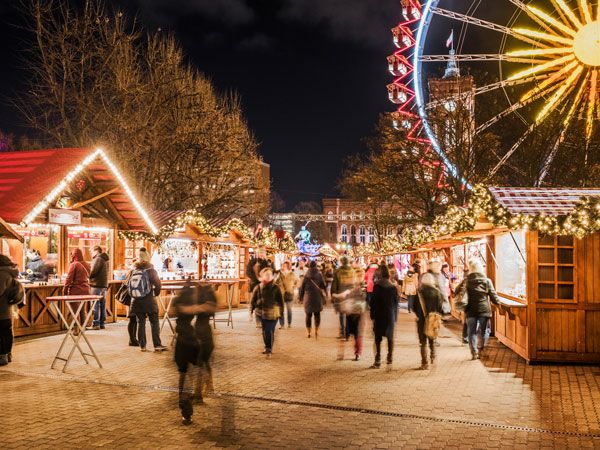
What joy it is to wander the Christmas markets of Europe, where the air is redolent with the sweet smell of glühwein and tiny fairy lights twinkle all around. There are hundreds of markets to choose from around Europe, with enchanting vignettes worthy of prime placement in a snow globe. Be it buying baubles in Budapest, glugging glögg in Gothenburg or belting out Jingle Bells in Berlin, Europe comes into its own at Christmas time. Enjoy the festive season with Albatross Tours, which includes visits to markets in the German cities of Leipzig, Dresden and Nuremberg as well as fairy-tale Prague on its 11-day Bohemian Christmas Markets itinerary.
7. Explore the art nouveau architecture of a Swiss mountain village
Travelling with: Nikki Wallman
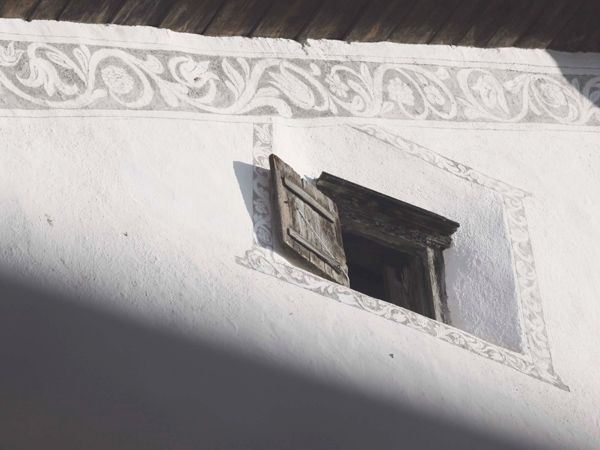
A stay at Belle Époque beauty Grand Hotel Kronenhof in pretty Pontresina opens a window into a lesser-known aspect of local culture: sgraffito. From here, on a personal tour of the village, Pauline Martinet (who’s published a book on the art form) leads me back in time to when sgraffito – decorative designs and motifs carved into wet lime mortar before it dries – spread from Italy to the homes of the Engadin alpine valley around 1650, evolving over the centuries.
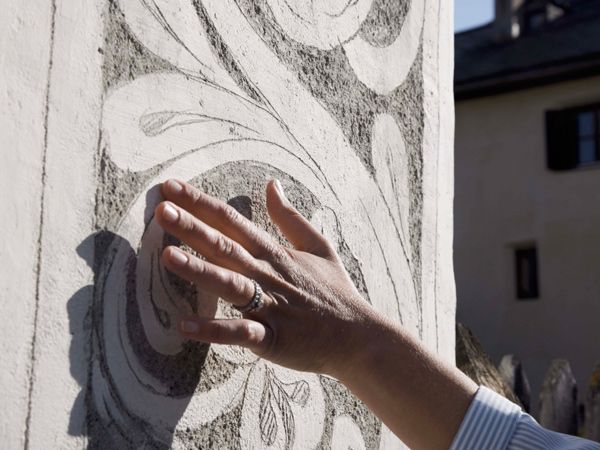
I marvel at floral-ribboned facades and sophisticated geometric cornices; at mythical creatures, childlike renderings of dolphins (thought to symbolise purity, prudence and wisdom) and alpine animals: all admirable attempts to make a diminutive window more grand via the ‘art of illusion’. The staggering Swiss Alps fade into the background as the sgraffito and frescoes whisper of the eternal human desire for pride in one’s place.
8. Learn a lost craft in Transylvania
Travelling with: Elizabeth Whitehead
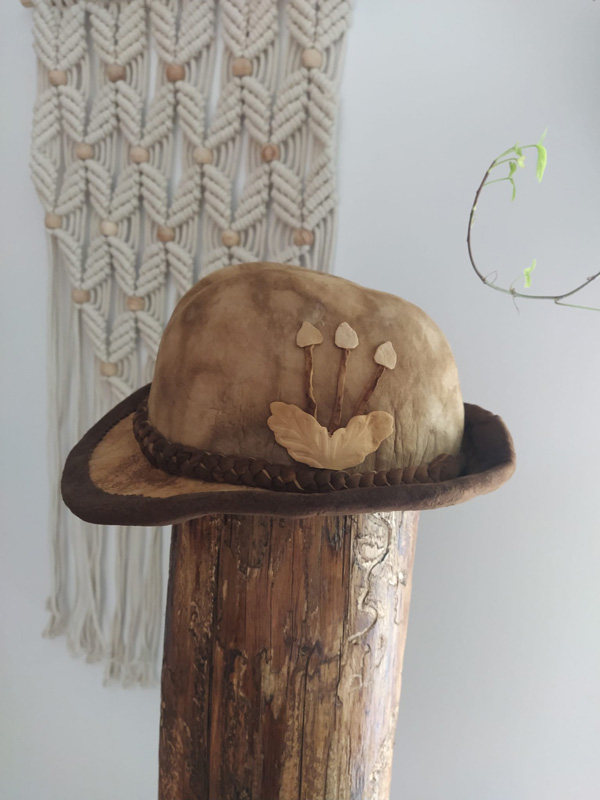
Amadou is an ancient fabric, painstakingly crafted from a bracket fungi that grows on birch trees. Its earliest known owner is none other than Ötzi the Iceman, a 5300-year-old mummy discovered in a glacier with a few fragments of amadou stowed in his pouch. For a small village in Romania, this historic material became a folk tradition, with the lightweight, practical fabric customarily used to make hats. But it’s more than just a whimsical idiosyncrasy of the region. The amadou artisans of Corund, Transylvania, are the last practising craftsmen alive. They continue the art through hosting workshops, mushroom-foraging expeditions and creating a fabulous array of mushroom hats (with some styles decorated with tufts of bear fur or embossed with traditional floral designs). The hope is that by continuing to practise and share it, the craft will live on.
9. Indulge in an endless Italian summer
Travelling with: Carla Grossetti
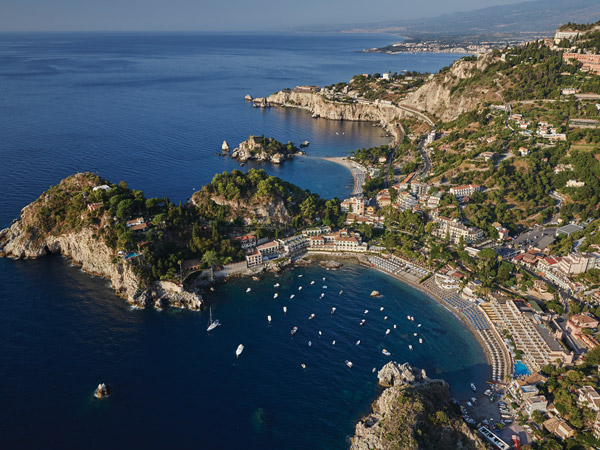
Villeggiatura means ‘resting in pleasant places’. And it’s not just a word; it’s an Italian concept or idea dating back to ancient Rome where the sole purpose of a stay was rest and recreation – more often than not by the sea. Belmond has leaned into this age-old concept we could do well to revive at the new Lido Villeggiatura in Sicily, which is designed to encourage guests to luxuriate in their surrounds and awaken the senses. Detach from daily life and discover the art of villeggiatura at Belmond’s first-ever destination beach club, part of Villa Sant’Andrea, Taormina.
10. Marvel at Malta’s megalithic stones
Travelling with: Lola Mendez
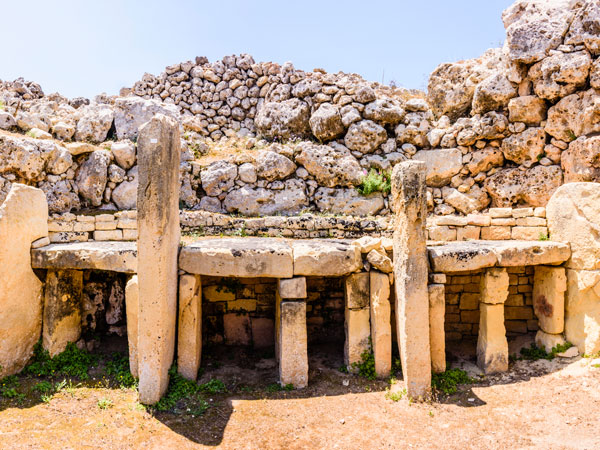
I’m astonished at the enormity of the ancient structure that lies before me on the Maltese island of Gozo. It’s impossibly huge for something built more than 5000 years ago. But there’s a simple explanation for the feat. Local folklore states that a race of giants built the mysterious structures, which is why they named them after the Maltese word for giant, ggant. I feel like an ant in the presence of the sacred archaeological site with limestone megaliths weighing more than 50 tonnes and more than five metres in length. The two Ggantija temples that make up the UNESCO World Heritage site predate Stonehenge, and are the world’s second-oldest religious structures still standing.
11. Embark on a Greek Island adventure
Travelling with: Carla Grossetti
Who doesn’t dream of cruising the Greek Islands? And travelling with boutique Greek operator Celestyal promises the real deal, with access to authentic experiences. That might mean filling filo pastry with spinach and feta during a cooking class at a local family’s spiti (homestead) in Mykonos, walking the crossroads of civilisation on Crete or exploring the fishing villages of Milos.
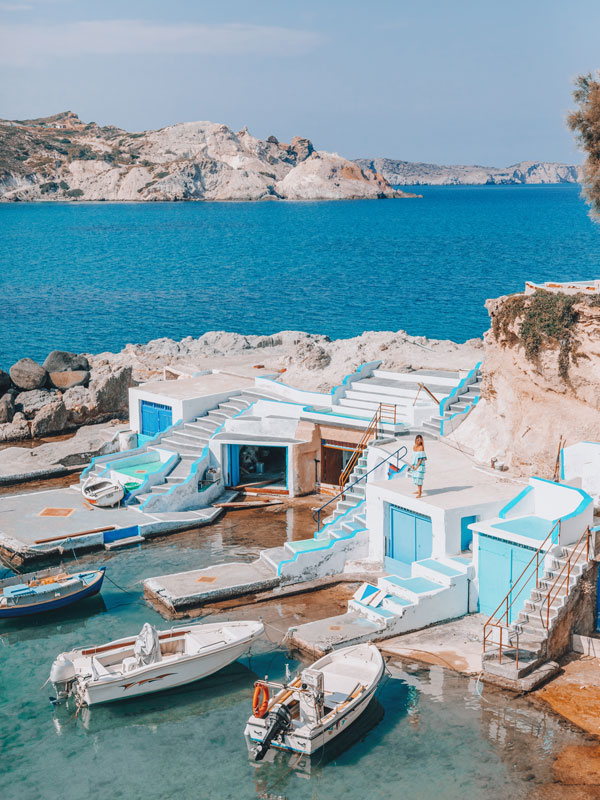
Its new raft of National Geographic experiences also includes observing a cumulus nimbus of bees swarming back to their colony at the Bee Museum of Rhodes and discovering the history of the Olympic Games on a day tour in Athens.
12. Witness the Vatican at dawn
Travelling with: Megan Arkinstall
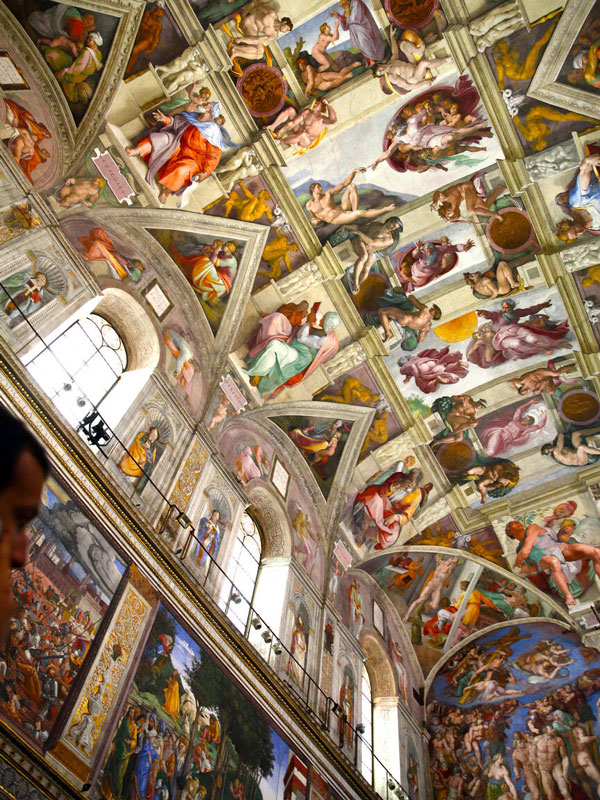
Exclusive access doesn’t get much better than the dawn tour run by Hotel de la Ville Rome, during which its guests accompany the clavigeri (key keepers) of the Vatican Museums as they make their morning rounds of one of the world’s most important religious and cultural sites.
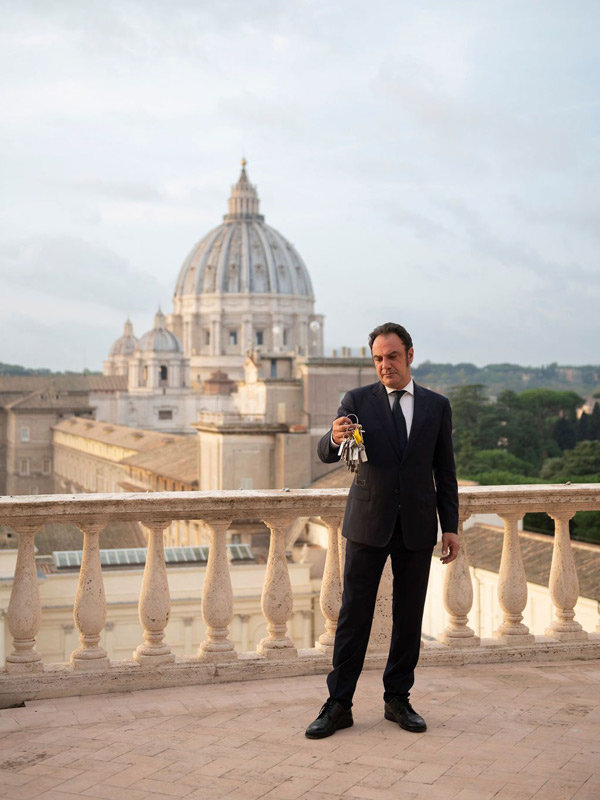
As you walk along with the custodian of about 3000 keys – opening door after door, window after window – you’ll see priceless masterpieces and artefacts as well as the famous Sistine Chapel, without another soul around.
13. Walk the streets of Pompeii
Travelling with: Emily Murphy
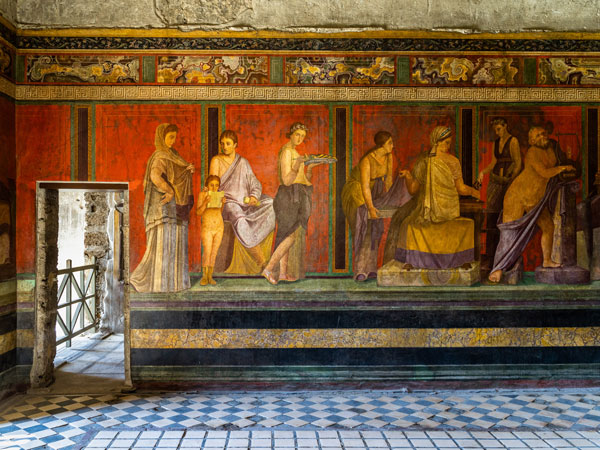
The city frozen in time is an archaeological treasure that fosters a unique and vivid connection to the past. When Mt Vesuvius erupted almost 2000 years ago, Pompeii was enveloped in volcanic ash and pumice, preserving the city as a living museum that encapsulates ancient Roman life as it was in 79 CE.
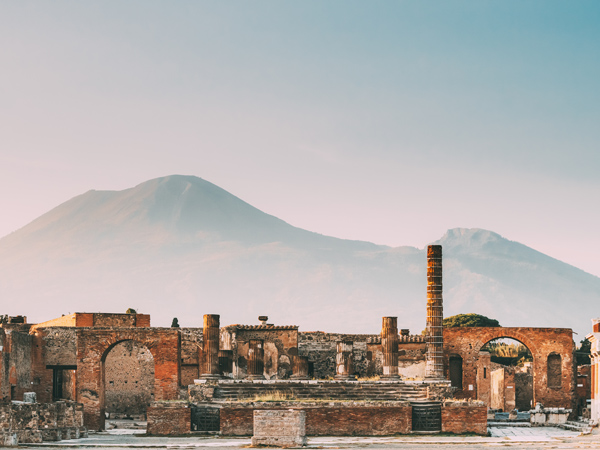
Connect with the past on a level so few destinations offer by walking Pompeii’s streets, observing its well-preserved homes, temples, baths, artefacts and even the remains of its inhabitants; a poignant reminder of the human tragedy that unfolded.
14. Ancient wonders and contemporary culture in Athens
Travelling with: Imogen Eveson
Antiquity and modernity live side by side in Athens, the timeless Greek capital that – as the birthplace of democracy, philosophy and Western civilisation – has long been a cultural epicentre. Travellers today can explore its ancient wonders from the Acropolis, which stands sentinel above the city, to the sprawling Agora marketplace.
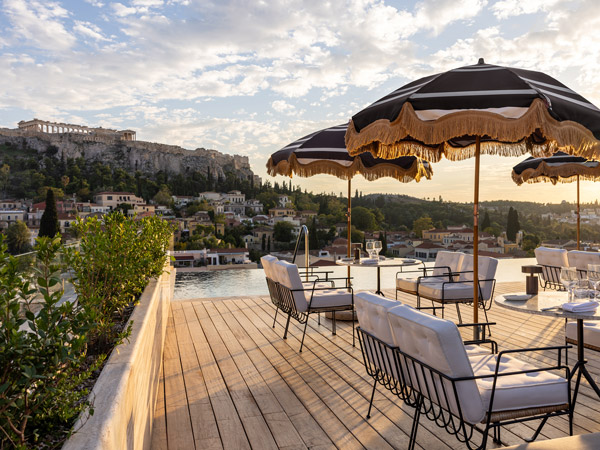
Ever a place of reinvention, Athens also buzzes with contemporary culture: from cutting-edge art galleries like The Intermission and hidden rooftop bars to hip hoods such as Piraeus, the city’s gritty port turned enclave of cool with warehouses and factories converted into creative spaces. A collection of design-led hotels such as The Dolli at Acropolis, Mona and Shila provide stylish bases from which to delve into it all.
15. Explore the Moorish palaces of Spain
Travelling with: Emily Murphy
Step back in time in Granada, one of Spain’s most intriguing cities, to the sensational 13th-century Alhambra. Here, well-preserved royal palaces, fortresses and gardens offer a glimpse into the life of the Nasrid rulers and the cultural milieu of medieval Spain.
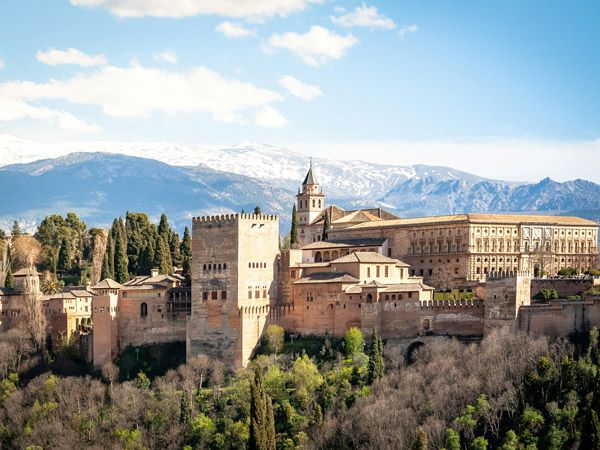
The Alhambra is not only an astounding architectural marvel; it holds an indelible legacy within its walls. A key symbol of the rich and complex history of Andalusia, the Alhambra represents the zenith of Muslim rule in Spain and the transition to Christian dominance; the meeting point of Eastern and Western cultures, where Islamic art and architecture meet with Christian Renaissance influences.
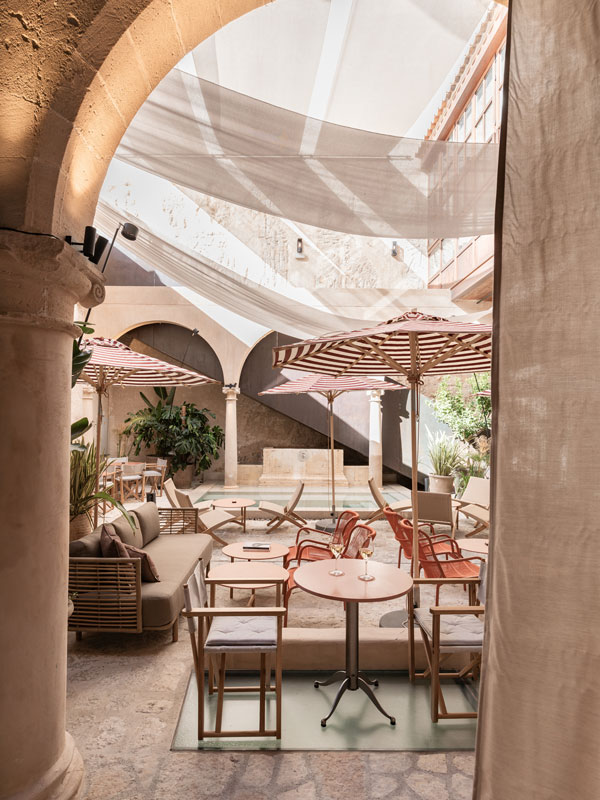
Spain’s Moorish legacy is sprinkled throughout Spain; in Mallorca’s capital, a stay at Nobis Hotel Palma, will see you sleeping in a reimagined Islamic palace.
16. Taste unique Basque Country culture through its cuisine
Travelling with: Elizabeth Whitehead
Located primarily in north-east Spain (edging into France), the Basque Country is home to one of Europe’s oldest living cultures. And nowhere is the region’s unique identity more evident than its cuisine.
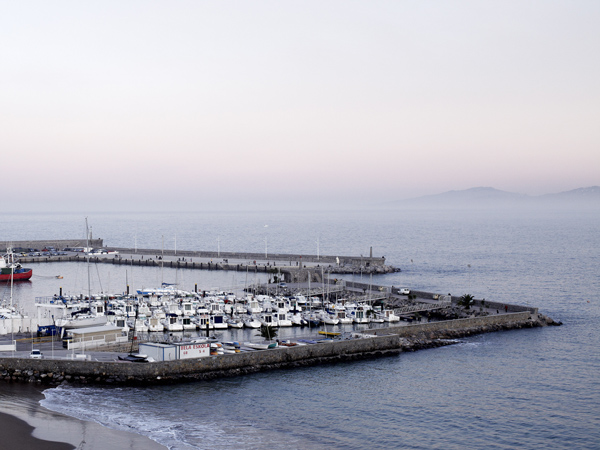
The abundant local bounty is alchemised by culinary talent to produce a Michelin star-studded restaurant scene; the region scored two entries on this year’s list of World’s 50 Best Restaurants with destination diner Asador Etxebarri taking second place and coastal seafood restaurant Elkano coming in at No. 18.
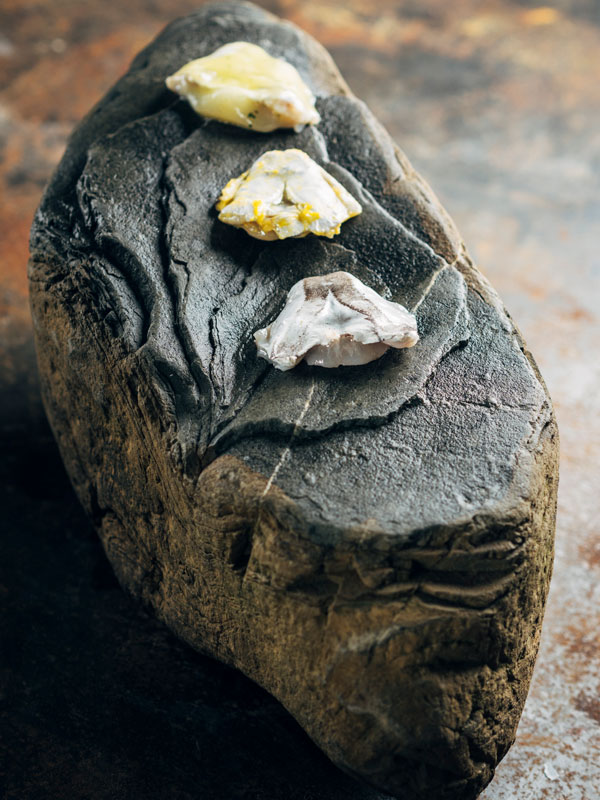
Despite the lofty dining scene, the region is also known for its casual bites. Pintxos are miniature morsels typically consumed at bars. There are thousands of varieties – expect anything from baby eels to grilled peppers and shredded spider crab. Paired with a glass of crisp, slightly sparkling txakoli white wine, there are few better ways to spend an evening.
17. Spend an evening at a fado house in Lisbon
Travelling with: Catherine Marshall
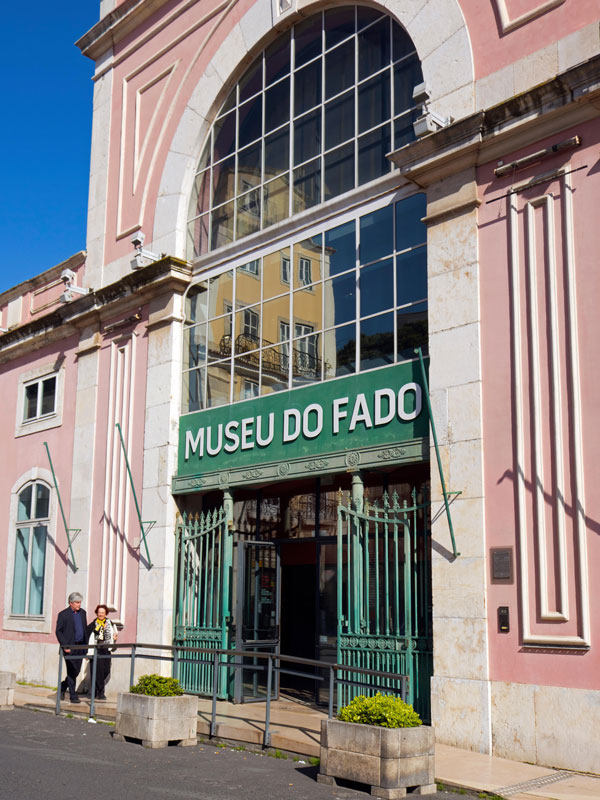
The origins of fado are as slippery as the musical genre’s melancholy, irresolute notes. This UNESCO Intangible Cultural Heritage might have developed in the taverns and brothels of Lisbon’s bohemian neighbourhoods in the early 19th century, or taken root in Portugal’s enduring Afro-Brazilian connection. No matter the genesis, fado remains a soulful expression of love, loss, resignation and resistance. Underscored by chords from the 12-string Portuguese guitar, its lyrics are often melodious recitations of Portuguese poetry. So prized is this national treasure, it’s memorialised at Lisbon’s Fado Museum. The legacy comes alive at night, when those cobblestoned laneways fill with song streaming from the city’s fado houses.
18. Make Portuguese tarts in Lisbon
Travelling with: Quentin Long
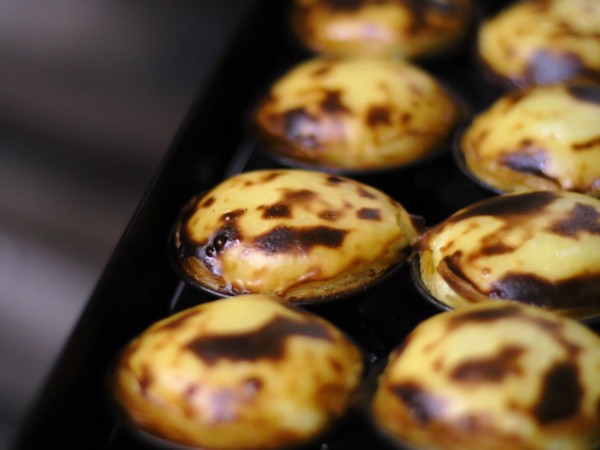
I’m at Lisbon Cooking Academy in the backstreets of the city’s Santa Cruz neighbourhood creating a quintessential piece of Portuguese culture – the pastel de nata. I’m taking the class as part of Avalon Waterways’ pre-departure extension ahead of their cruise along the Douro River cruise.
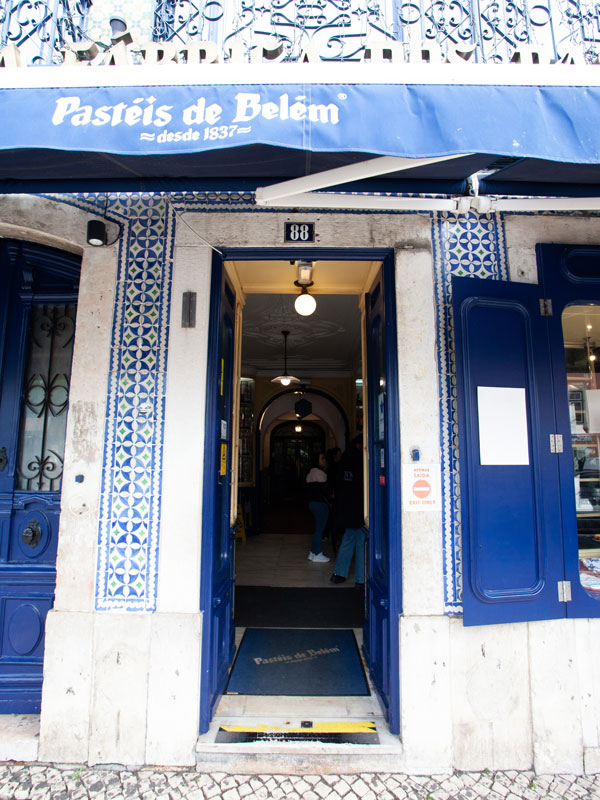
In the three hours it takes to bake these sweet treats, I traverse hundreds of years of history as local chef and teacher, Rita Barbosa recounts the storied origins of the tart.
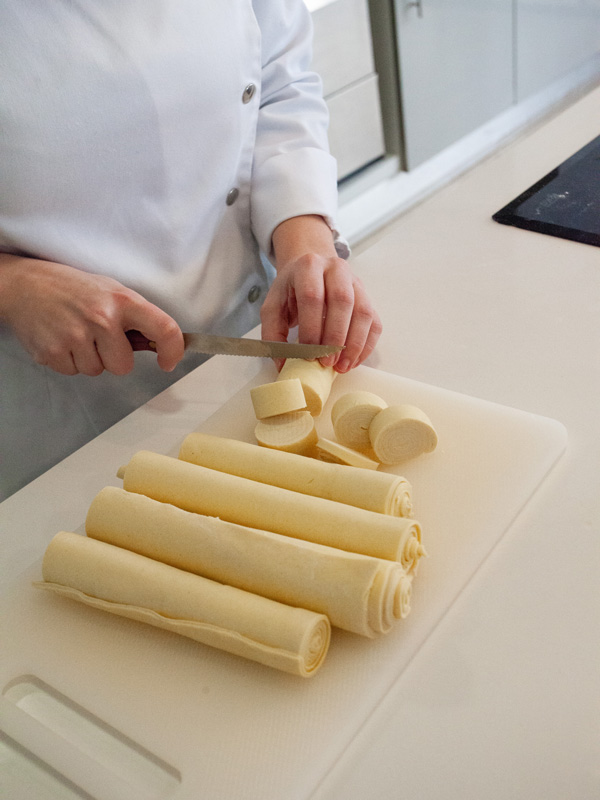
“Egg whites were used in convents to launder habits and vestments. To avoid ungodly waste, the monasteries [used the yolk] to make the custard," she says. Today, the prized original recipe is kept in a Lisbon bank vault, so the method we use is Rita’s best guess. It’s a delicious approximation.
19. Admire high fashion at Paris’s Yves Saint Laurent Museum
Travelling with: Emma Ventura
If the French capital is synonymous with fashion, the name of Yves Saint Laurent is stitched into its culture of couture. In the well-heeled 16th arrondissement of Paris, the elegant mansion that for 30 years served as the base of Saint Laurent’s creativity is today a tranquil homage to a designer who was often ahead of his time.
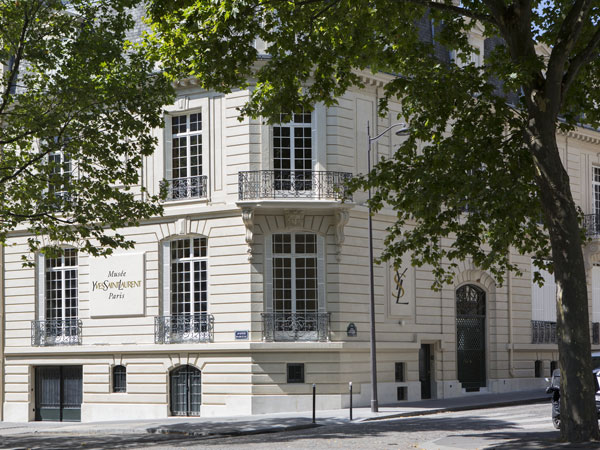
Highlights include rotating exhibitions and famous designs such as the first tuxedo for women, introduced in the 1960s. There are also photographs by the likes of Richard Avedon and Andy Warhol, framed sketches and a time capsule of his airy studio, with artfully scattered notepads, colour swatches, fabric and trim samples.

Weekly travel news, experiences
insider tips, offers, and more.
20. Board a bespoke barge in France
Travelling with: Megan Arkinstall
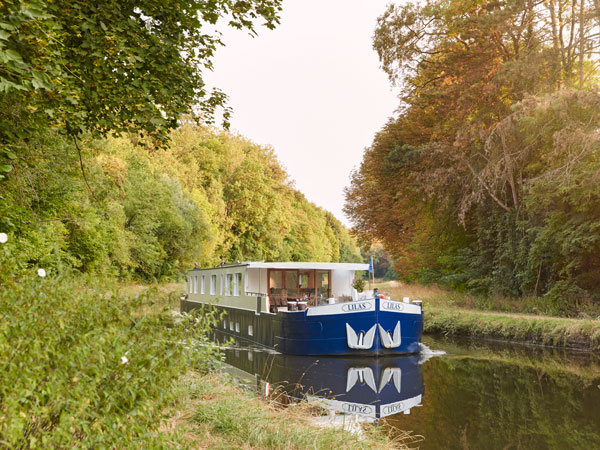
As each hour passes with river cruising, so too does an ever-changing landscape, from verdant vineyards to timeworn villages of half-timbered houses, many steeped in history and legend, distinct culture and cuisine.
There are almost 5000 kilometres of navigable rivers and canals that embody France’s richness and diversity – but most of these are only accessible by flat-bottomed barges, a holiday choice that is gaining popularity, allowing its passengers to visit lesser-known and more authentic pockets of the country.
Les Bateaux Belmond has a fleet of fully staffed luxury barges that cruise in Burgundy, Camargue, Champagne, Canal du Midi and Provence. Le Boat allows guests to be the captain of their own journeys, a choose-your-own spontaneous exploration throughout regions such as Alsace-Lorraine, Brittany, Charente and more.
21. Go behind the scenes at Copenhagen’s Tivoli Gardens
Travelling with: Nikki Wallman
Tivoli Gardens, the truly magical amusement park established in 1843 (inspiring the likes of Hans Christian Andersen and Walt Disney), offers behind-the-scenes tours for guests of the equally magical (and luxurious) onsite Nimb Hotel.
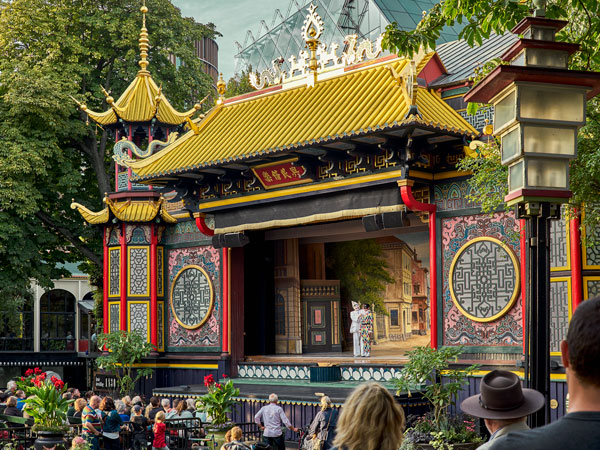
We discovered secrets that day guests will miss: the lost hats hanging on the walls inside the 1914 wooden roller-coaster near a framed photo of former Queen Margrethe (who designs costumes for Tivoli ballets) riding the rails; treading the sloping stage of the glorious, peacock-curtained Pantomime Theatre; observing tidy rows of child-sized bearskin hats – the same type worn by Danish palace guards – belonging to the revered Tivoli Youth Guard. Frivolity and history, escapism and locality; all beautifully wrapped up in fun.
22. Hit Helsinki’s design district
Travelling with: Emma Ventura
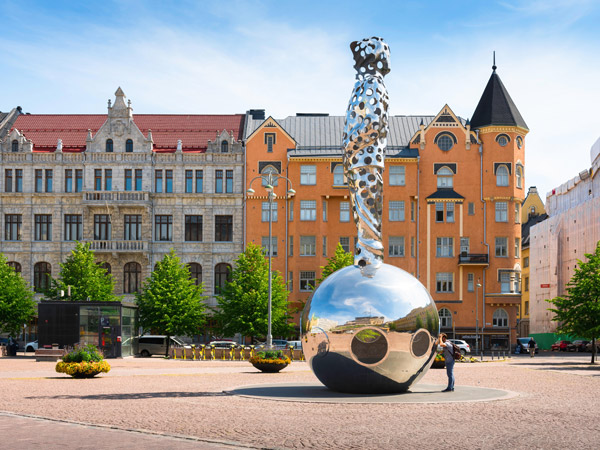
From the furniture of Alvar Aalto to the flamboyant floral prints of Marimekko, Finland has long punched above its weight when it comes to idiosyncratic style. In Helsinki, admitted to the UNESCO Creative Cities Network as a City of Design, a harmonious blend of neoclassical, modernist and Art Nouveau architecture makes its broad, leafy boulevards a joy to behold. To hone your focus, hit the Design District, a network encompassing 25 streets with its own map and more than 150 outlets. Discover galleries, bookshops, boutiques and concept stores – like that of hip homegrown running brand Karhu – while stocking up on all the Iittala glassware your heart desires.
23. Experience Swedish sauna and ocean bath culture
Travelling with: Nikki Wallman
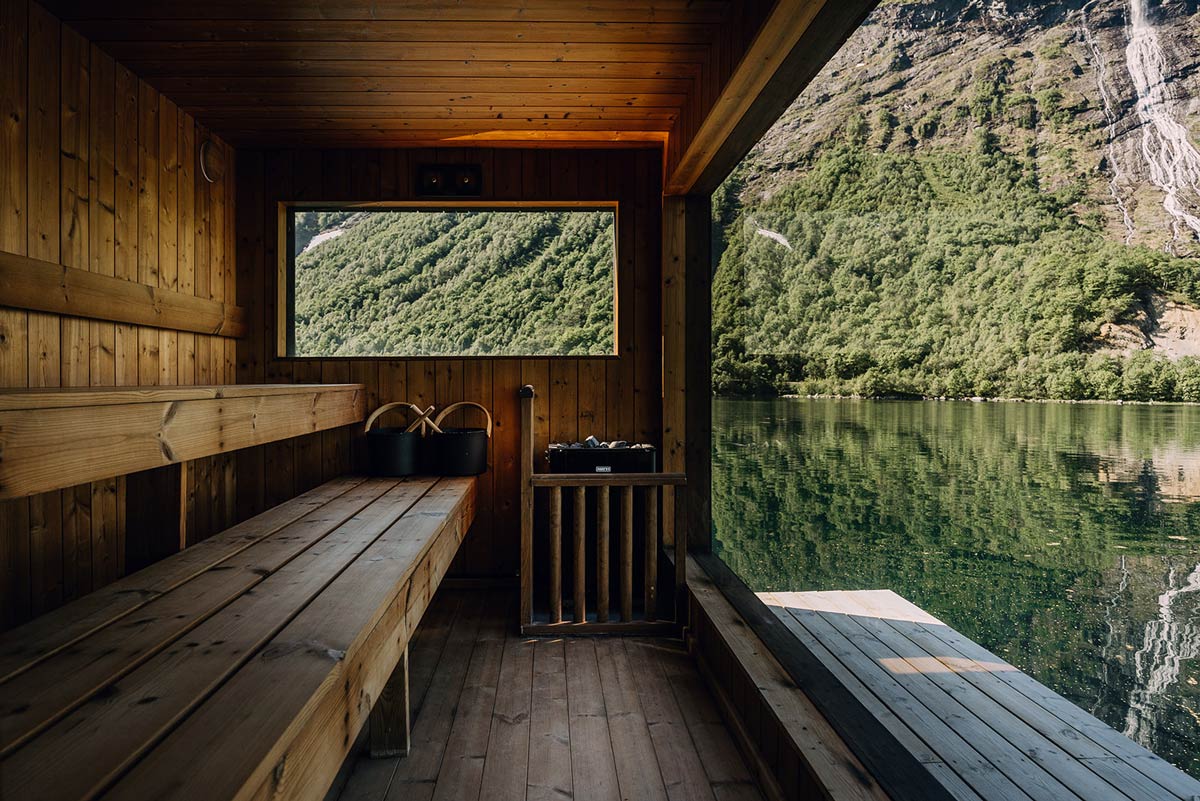
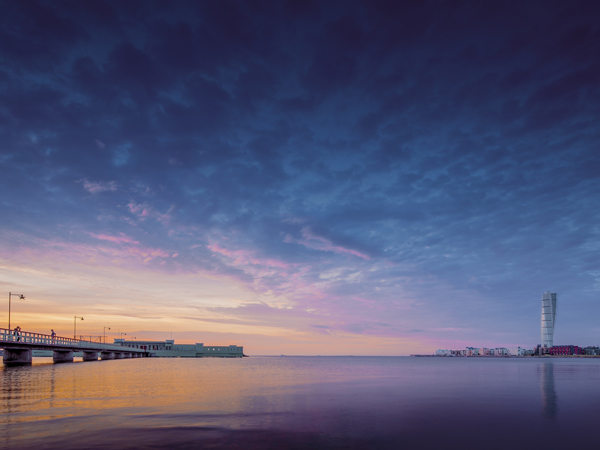
The skies and sea may be gunmetal grey; the air arctic. But amble the wooden boardwalk connecting Malmö’s Ribersborgs Beach to the late 19th-century, pistachio-timbered Kallbadhus and you’ll enter the warmth of its wooden-walled sauna and its embrace of all ages and shapes. It’s a diplomatic, no-fuss Swedish tradition, alternatively soothing and bracing as you slip from sweaty, silent sauna into the bone-chilling sea.
One elegant octogenarian, hair twisted up as she descends magnificently nude into the waters, laughs that it’s “warmer without your bathers". Most go naked – all ages, all shapes, myriad tattoos and scars – in the separate men’s and women’s areas: a powerful lesson in letting go of body angst in pursuit of better living.
24. Hear the stories of Norway’s Hotel Union Øye
Travelling with: Emma Ventura
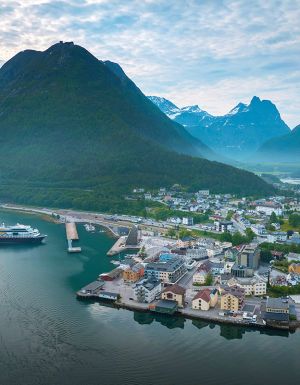
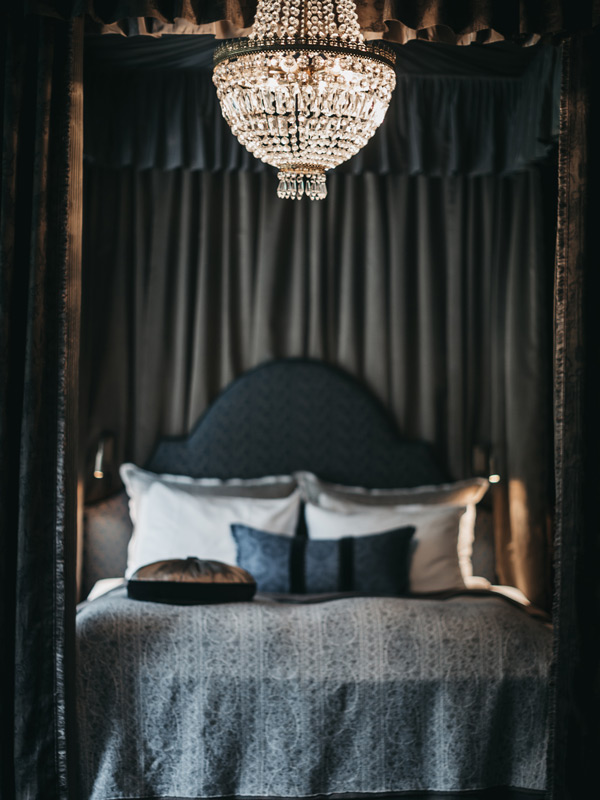
The walls may not talk at Hotel Union Øye, but they don’t need to: storytelling is part of the experience at this historic, unique hotel in western Norway’s fjords.
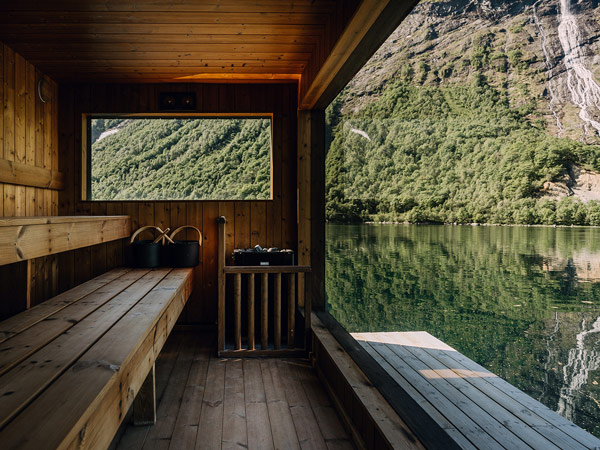
Built in 1891, its Belle Époque heart still beats strong, evoking the time when it was a favourite of writers Karen Blixen and Sir Arthur Conan Doyle, and Kaiser Wilhelm II, the last German Emperor.
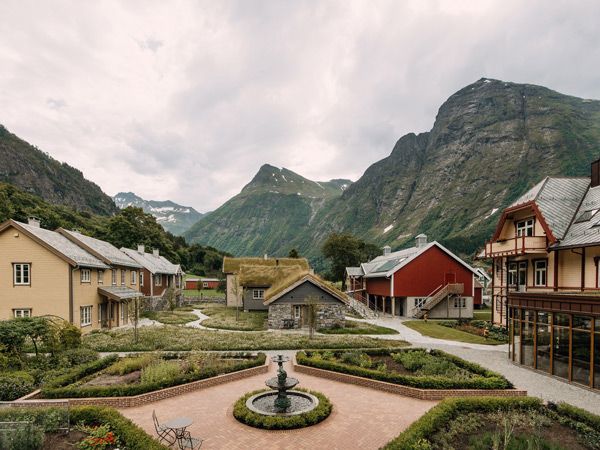
After dinner, once you’re settled fireside, the scene is set as Blixen’s Burberry riding boots and the Kaiser’s golden goblets have been handed around. Expect to be held spellbound as one of the hotel’s local staff relates the tragic love story that prompted the legend of the hotel’s haunting.
25. Go hot spring-hopping in Iceland
Travelling with: Sarah Reid
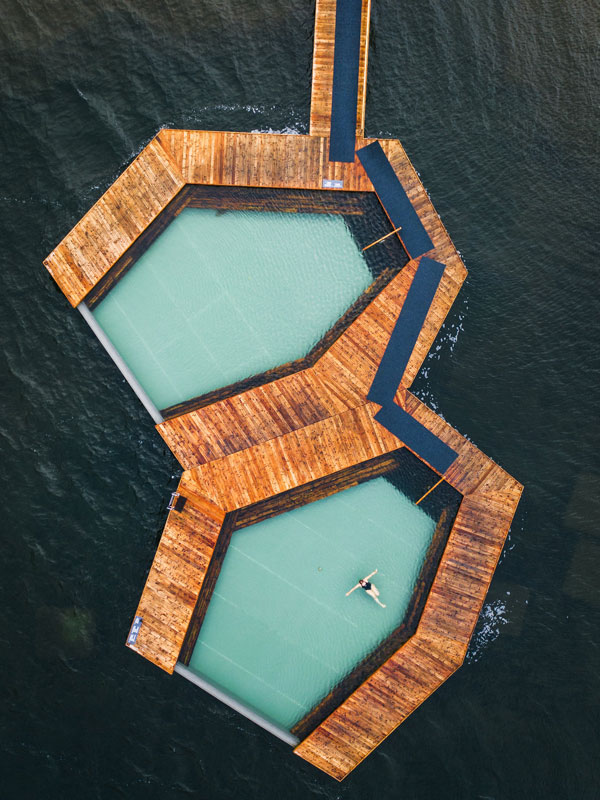
Relaxing in a geothermal pool isn’t only a tourist attraction in Iceland, but also a popular wellness and social activity for locals. There are more than 55 hot springs (locally known as ‘hot pots’) to be uncovered across Iceland, spanning the iconic Blue Lagoon near the capital Reykjavík to the more rustic and remote Hellulaug deep in the Westfjords.
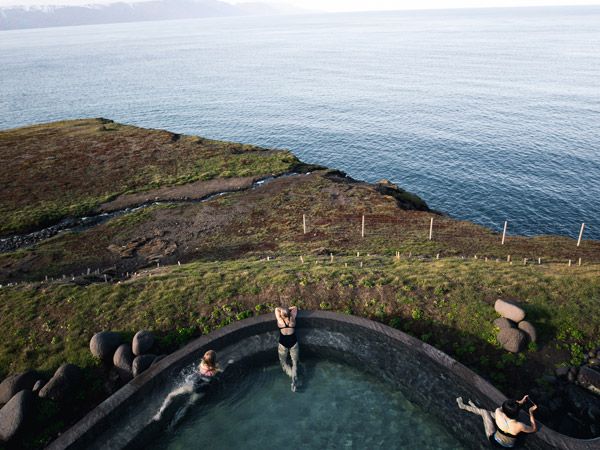
Better yet, a good handful are free to visit. You’re likely to meet more Icelanders, however, at any of the island nation’s 200-odd public pools, which usually have a couple of hot pots and are cheaper to visit than Iceland’s big hot spring complexes.
26. The UNESCO Creative City of Linz
Travelling with: Emma Ventura
Linz is complicated: sweet as the jam-topped torte to which it lends its name; gritty as the graffiti sprayed on its harbour walls. Its riverbanks are studded with gleaming cultural hubs, such as the Ars Electronica Center, a glassy, geometric building dedicated to art, technology and society.
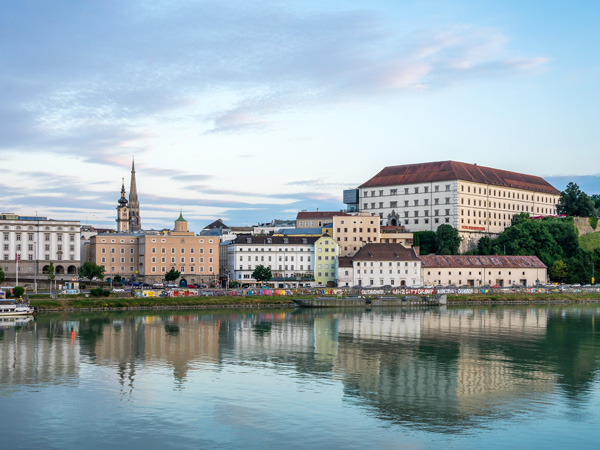
Across the river, the Kunstmuseum Lentos boasts a permanent collection of some 1700 modern and contemporary artworks. The volume of galleries and culture centres makes it little wonder that Linz been named a UNESCO Creative City. Come September, the annual Ars Electronica Festival features brain-popping exhibits, brightening up the city with its trademark mix of traditional and avant-garde.
27. Traverse Türkiye with a female lens
Travelling with: Megan Arkinstall
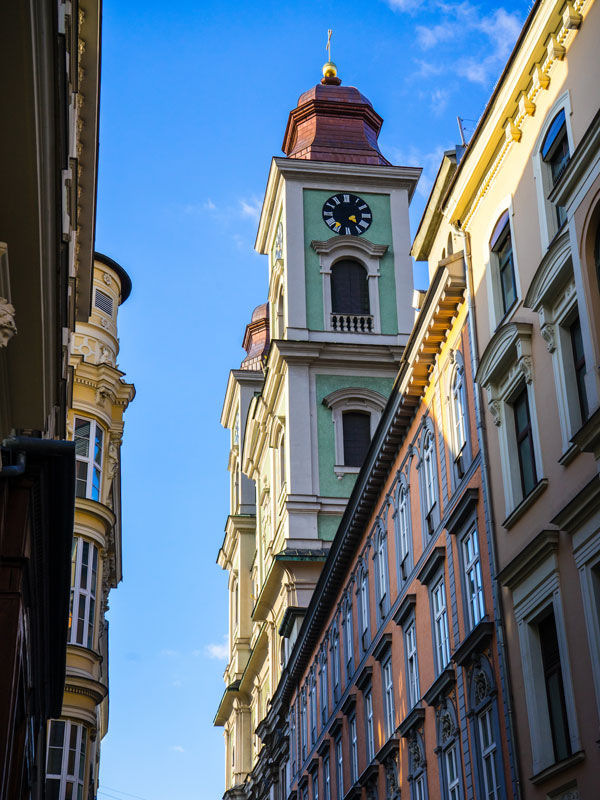
World Expeditions has wrapped up Türkiye’s most iconic experiences and landscapes (a country that spans Europe and Asia) in a 16-day women’s-only tour that promises a deep-dive into the country’s culture, with wellness, wine and women taking centre-stage. Escorted by Turkish-Australian journalist and author Dilvin Yasa, highlights of the itinerary include Cappadocia’s dramatic moonscapes; a cooking class in the honey-coloured village of Göreme; a cruise on the Bosphorus; the ruins of the ancient Roman city of Ephesus; and a dip in the thermal waters of Pamukkale where Cleopatra used to bathe.
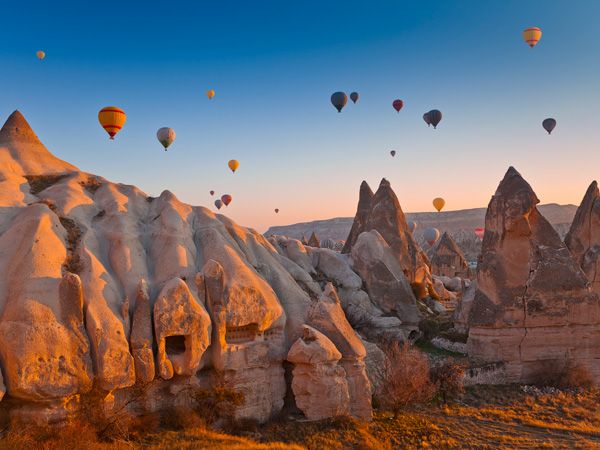
Add to that belly dancing, fortune telling, shopping in 400-year-old markets, sampling local wines, meeting powerhouse local women and volunteering at an animal sanctuary. The enriching tour (departing 22 April 2025) encourages curiosity, rejuvenation and compassion all at once.
This round-up of cultural experiences is part of our curated list of 100 Cultural Experiences, explore the full list here.
Want to see more stories from International Traveller in your Google search results?
- Click here to set International Traveller as a preferred source.
- Tick the box next to "International Traveller". That's it.