A six-day Danube river sailing from Vienna to Prague infused with art and history proves a winning combination when it comes to enriching travel experiences.
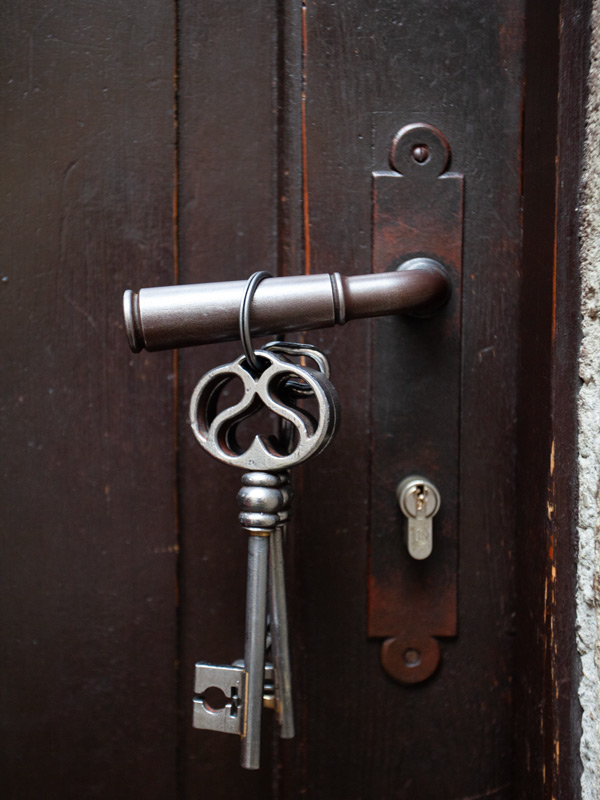
“If you could please wait here, I will just go and get the keys to the castle," says Oldřiška Baloušková with complete nonchalance. No big deal, it’s just how things happen on a Tauck trip: your guide gets the keys to the Český Krumlov Castle, one of the best preserved Baroque and medieval fortresses in the Czech Republic.
That one sentence encapsulates what I believe is the art of travel: context, expertise and access. Travellers are motivated by a desire to learn, experience and feel. But it can be a frustratingly shallow experience if there is a lack of access to the important sights or institutions. Or if that expertise simply provides the information without context and insight. That is what makes my seven nights from Vienna to Prague along the Danube so magical.
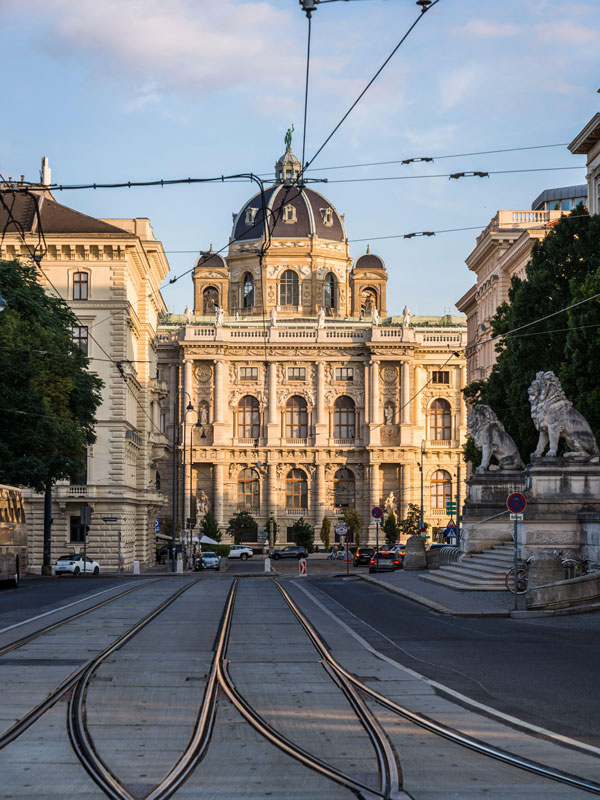
Inside Vienna
This is my third trip to Vienna. Previous visits have been in the height of summer for about four or five days. But the Austrian capital rockets to the top of my must-visit European cities during this 36-hour stay in late autumn. And that’s largely thanks to the guides who provided exclusive access, context and insight.
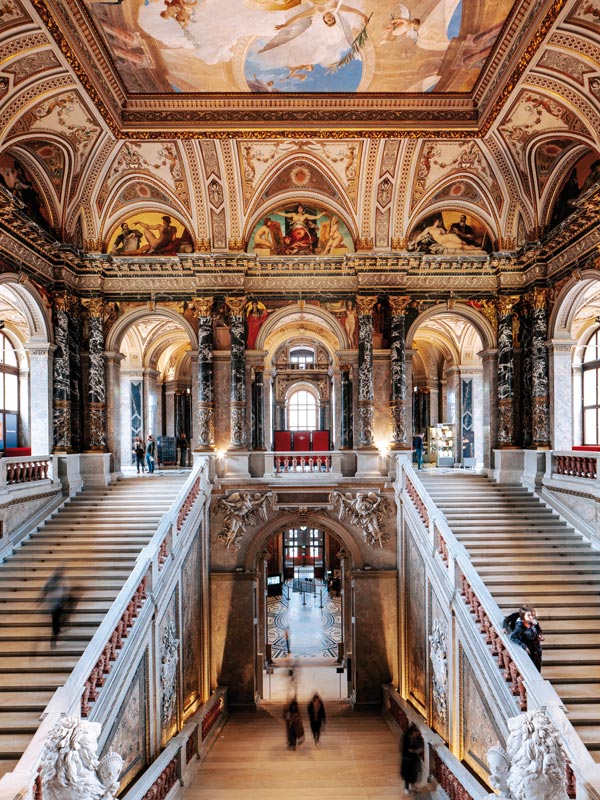
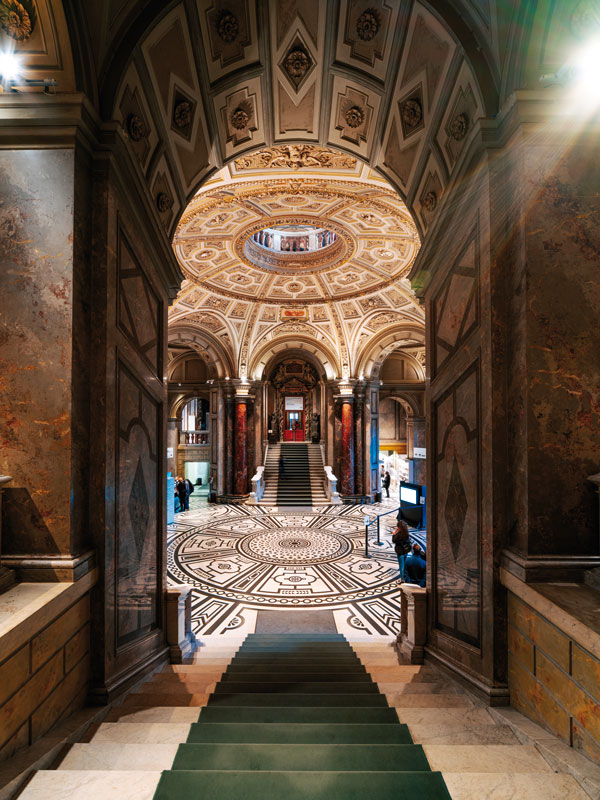
Local expert Maria navigates the thousands of artworks at the Kunsthistorisches Museum Wien so expertly in three hours that I am filled with a new wonder and appreciation for the collection. She has clearly spent many hours navigating the rooms and studying the artworks; my fellow guests and I profit greatly from her previous toil.
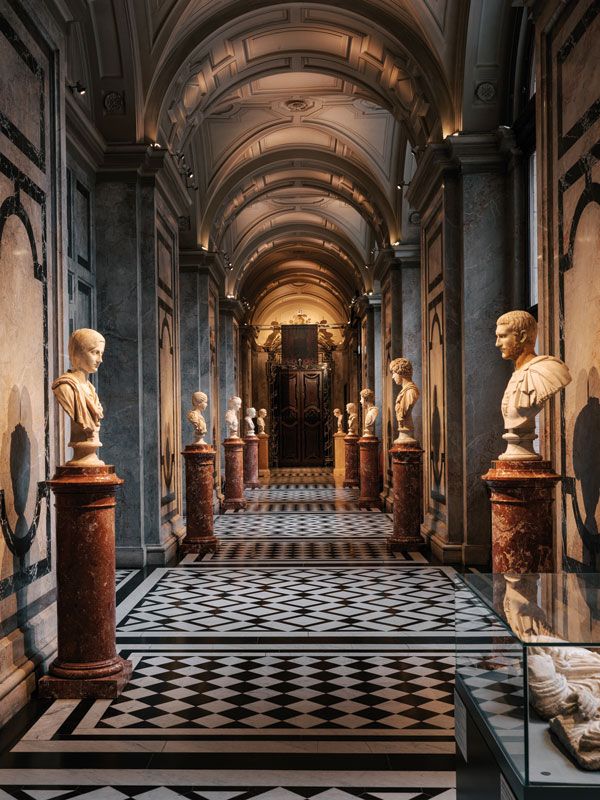
Art lover’s guide
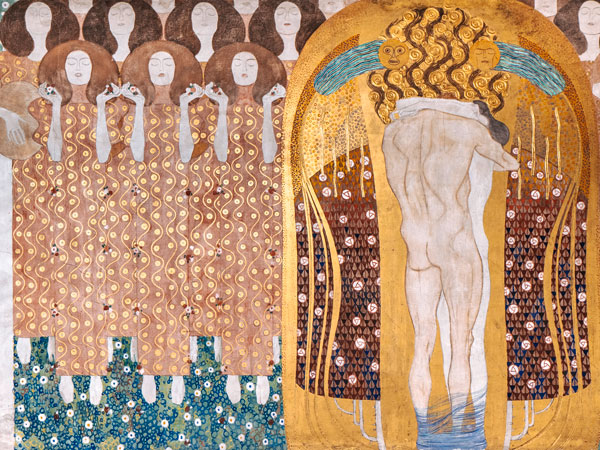
Classic Baroque masterpieces that seemed ridiculously irrelevant in Australian classrooms spring to life: Rubens, Dürer, Brunel, Rembrandt, Caravaggio, Tintoretto, Raffaello, Titian. Maria expertly reveals their mastery, importance and context. Johannes Vermeer’s The Art of Painting is particularly surprising and intriguing.
Only 34 of Vermeer’s works are still in existence and The Art of Painting is not only one of the most well-known and largest, but most treasured by the artist. He never sold it even as his debts mounted.
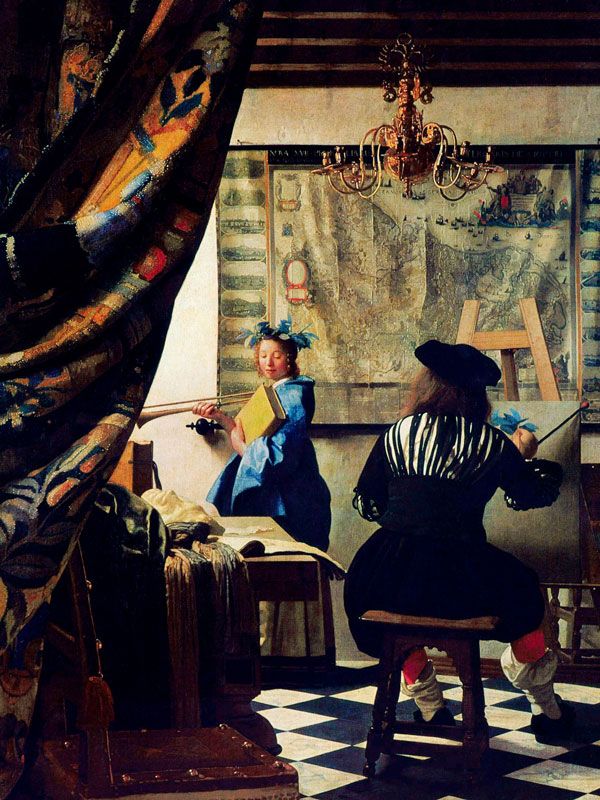
Its provenance is a story in and of itself. Later sold to Hitler for his Führermuseum in Linz, the work was stored in the salt mines as the tide of war turned against the Nazis. The painting was given to the Kunsthistorisches after the Second World War. The family who sold it to Hitler contested its sale after the war and sought restoration, however it was found to be a fair sale (Hitler reportedly paid top dollar for it).
That is the context and insight that makes this travel experience enriching and meaningful. And it lasted for three hours and then for six more days.
River cruise highlights
I haven’t experienced anything that encapsulates the art of travel quite like this cruise does. I don’t say that lightly. The ship itself is wonderful, even if a little overshadowed by the excursions.
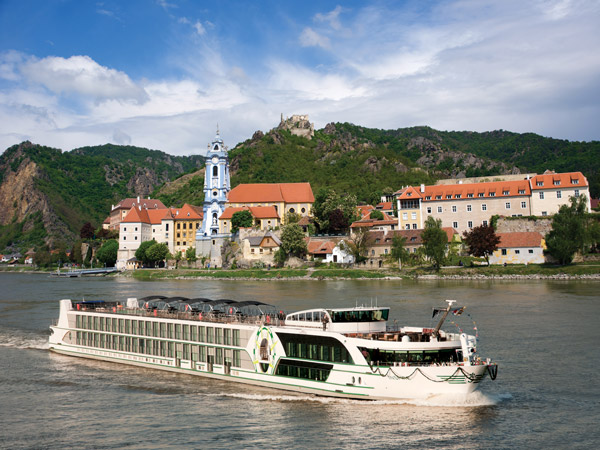
My room is spacious, and I watch the vines, castles, towns and forests glide by with the floor-to-ceiling sliding doors open. The lounge is the social centre, where the knowledgeable tour directors share presentations on the art, culture and history of the communities through which we sail. The bar is always open and, being all-inclusive, pre-dinner Champagne and top-shelf local wine with dinner adds to the wonder. Each dinner is a fine affair and, while lunch onboard is rare (you are typically exploring the town du jour), the buffet has a huge variety, which means the relatively small number of guests all find something that suits their tastes.
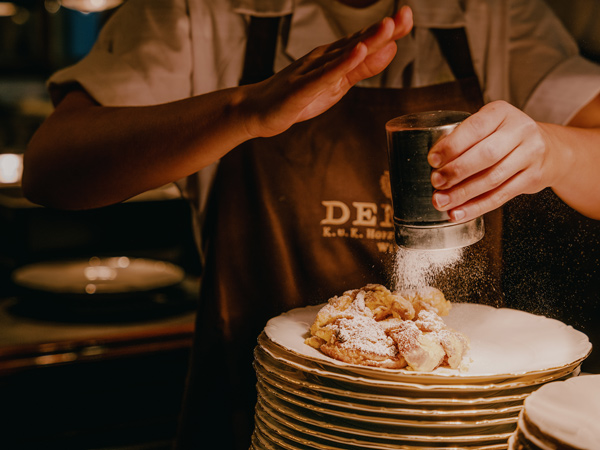
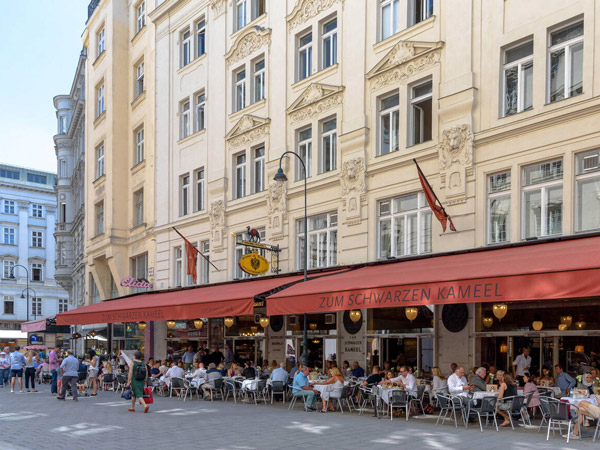
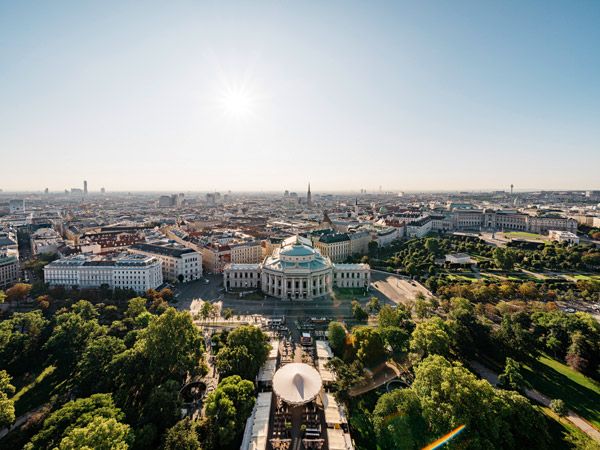
For the time being, Maria bids us farewell and we are welcome to roam the streets of Vienna. I wander back across the Ringstrasse (which I believe to be the grandest boulevard in Europe) and into the medieval centre of the city to re-caffeinate and contemplate at Demel, one of the more historic coffeehouses in Vienna, before feasting at Zum Schwarzen Kameel for lunch. This Viennese institution has been selling food and exotic spices since 1619. That is some history. Lunch is a perfect wiener schnitzel with potato salad washed down with beer and a bottle of Grüner Veltliner.
Dinner in Vienna is another moment of incredible access. The Palais Pallavicini is a Neoclassical palatial residence built between 1782 and 1784 opposite the Spanish Riding School and not open to the public. Tauck guests are given an exclusive tour of this architectural jewel. Sinead, the incredibly knowledgeable tour director, sidles up to tell me how the staircases in these palatial homes are called imperial staircases. They are wide with shallow rise height so women in their hooped ballgowns would appear to float up and down the stairs. I love this constant flow of knowledge.
After a pre-dinner prosecco, we feast on traditional Viennese dishes and wine in the gilded stucco ballroom with fantastic parquetry floors. We are entertained between courses by a chamber orchestra, opera singers and a pas de deux (ballet duet). It is a night of palatial fantasy.
Unlocking the experience
Two days after this unforgettable evening, Oli returns with the keys, and they look exactly like castle keys should: ornate and oversized. The 600-room Český Krumlov Castle is a result of centuries of renovations and additions and is now a collection of 40 buildings constructed from the 12th to 17th centuries.
After Oli unlocks the door, we climb a small set of steps (definitely not an imperial staircase) to enter the colourful and lively Masquerade Ballroom. The Baroque frescoes depict a range of masquerade characters and bend the barrier between fantasy and reality in the candlelit space. So much so, that some guests reportedly had conversations with these portraits before realising why the conversation was relatively one-sided.
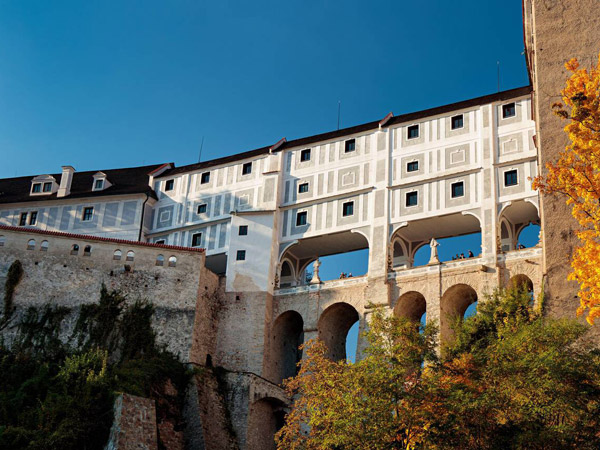
From the ballroom we traverse the Cloak Bridge. The three-storey hallway sits atop an imposing 40-metre-high stone arched bridge that connects the lower castle and ballroom to the upper castle and its greatest feature: the most well-preserved Baroque theatre in the world. The 18th-century set dressings are still in situ and create such an illusion that you can feel how magical a performance would have been to guests who have never experienced electricity, let alone broadcast media.
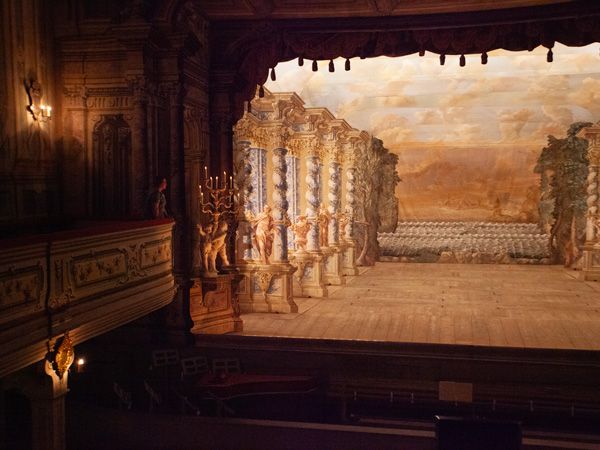
Oli takes us under the stage for exclusive access to the restored machinery. Huge wheels connect to ropes and stages that would have been used to move items and objects around on stage. Some of the machine’s purpose or actions are still a mystery to theatre historians.
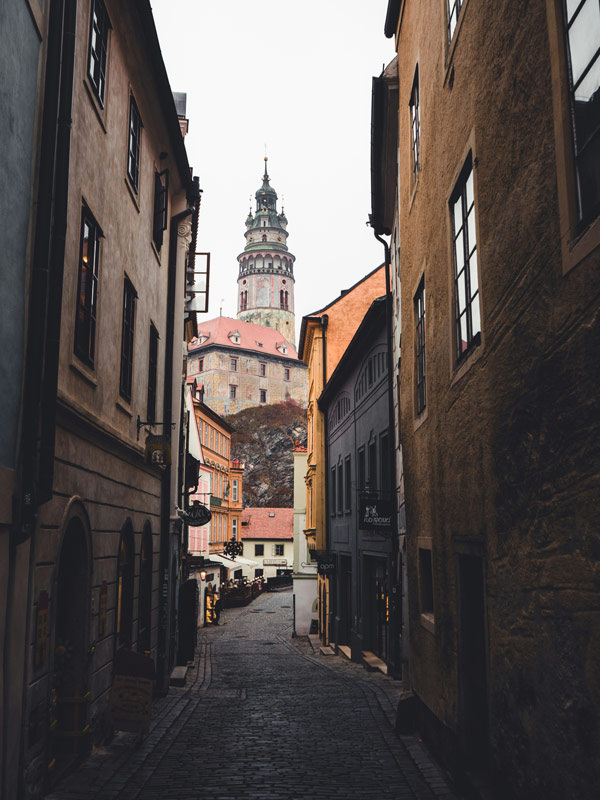
After the castle tour, Oli steers us through the streets of Český Krumlov before leaving us to enjoy lunch in one of the many local restaurants on our own. By retaining elements of Gothic, Renaissance and Baroque eras of history and sliced in two by the bubbling Vlata River before it makes its way to Prague, the town is of such incredible beauty that it’s one of the most visited in the country.
I count my blessings I am here in the first week of November as there are few other visitors and not hordes of sharp-elbowed tourists rushing around. Sure, I visualise how sitting on the banks of the river in the beer garden on a summer’s evening would be sublime. But a feast of pork knuckle, sausages and meat cooked over woodfired coals in the cave-like restaurant is an equally delightful experience that would be wasted in summer.
Weekly travel news, experiences
insider tips, offers, and more.
Small moments
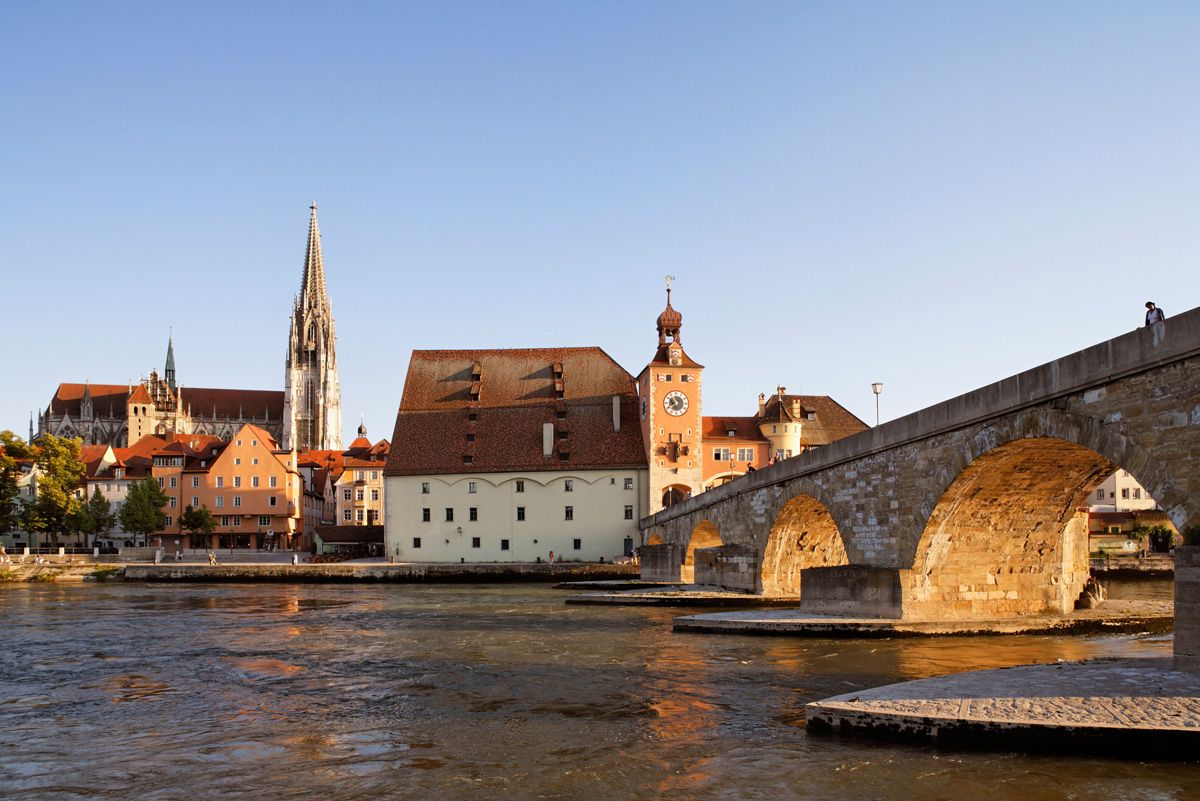
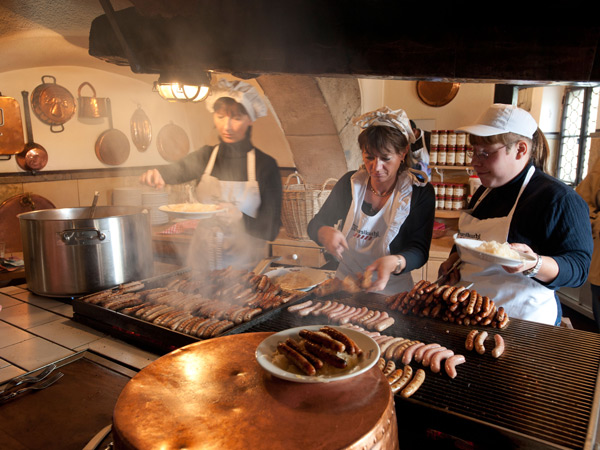
I do get an afternoon of feasting and drinking beer in the sun in Regensburg, a Bavarian city with a gem of a medieval old town. After exploring on yet another highly informative walking tour, I am drawn to the Historic Sausage Kitchen. The small squat building was originally a kitchen to feed the workers on the strategically significant stone bridge across the Danube. Built in the 12th century, the bridge created an important trade route from Venice to the north of Europe and so the city became incredibly wealthy and home to many of Europe’s richest merchants.
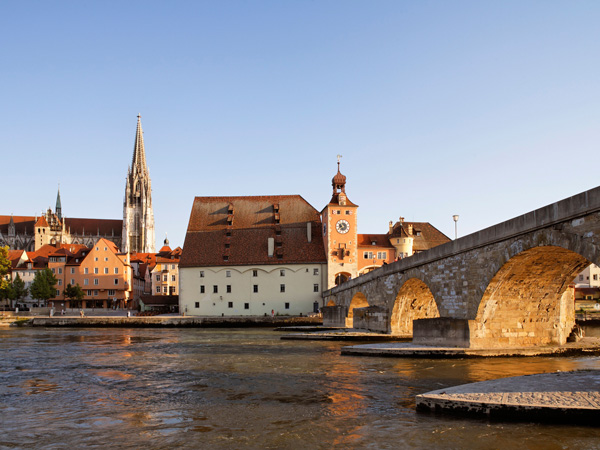
And thankfully, 867 years later, the Historic Sausage Kitchen is still serving food. The small pork sausages are the size of a Mont Blanc pen and come in plates of six, eight or 10 with sauerkraut and baskets of small dinner rolls. The tradition is to smother the sausages in the sweet mustard Regensburg is famous for. Three of us manage to devour 20 sausages and three steins of beer in what is a magical al fresco moment.
I would never have visited Regensburg or Česky Krumlov if left to my own devices. I would never have appreciated the Dutch masters if I wandered the Kunsthistorisches Museum on my own. The key to such a special experience was in the expertise and access of others.
A traveller’s checklist
Tauck runs a full season of river cruises across Europe. You can choose from itineraries that sail along the Danube, Rhine, Rhône, Seine and Douro Rivers.
For more information, visit tauck.com.au
Want to see more stories from International Traveller in your Google search results?
- Click here to set International Traveller as a preferred source.
- Tick the box next to "International Traveller". That's it.