There’s never been a more golden time to explore – and this cruise is key to unlocking the real Norway.
Two colossal glaciers, jagged and mottled in blue, welcome MS Trollfjord to Kongsfjorden, the icy inlet on the mid-west coast of Svalbard. There’s a gentle breeze that carries the distinct roar of ice shearing and tumbling into the Barents Sea below. Here, at 78° north, seabirds outnumber humans hundreds to one, and the only inhabited commune peaks at a population of 120 in the summer. It’s the polar opposite of where the ship began its journey in Bergen just seven days ago.
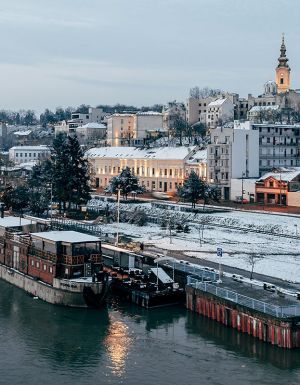
Bergen – known as the gateway to the fjords – is Norway’s second-largest city, with all the conveniences to match: boutiques, restaurants, museums and galleries. Customers fill the seasonal alfresco cafes for utepils (outdoor beers) and dart in and out of the colourful timber buildings lining historic Bryggen. On the edge of town, they line up to catch the Fløibanen funicular for spectacular views out over the fjord city.
Bergen and Svalbard bookend Hurtigruten’s Svalbard Line city-to-wilderness cruises. It’s the perfect showcase of Norway’s diversity, and there’s no better time to experience it than now.
Sailing with Hurtigruten
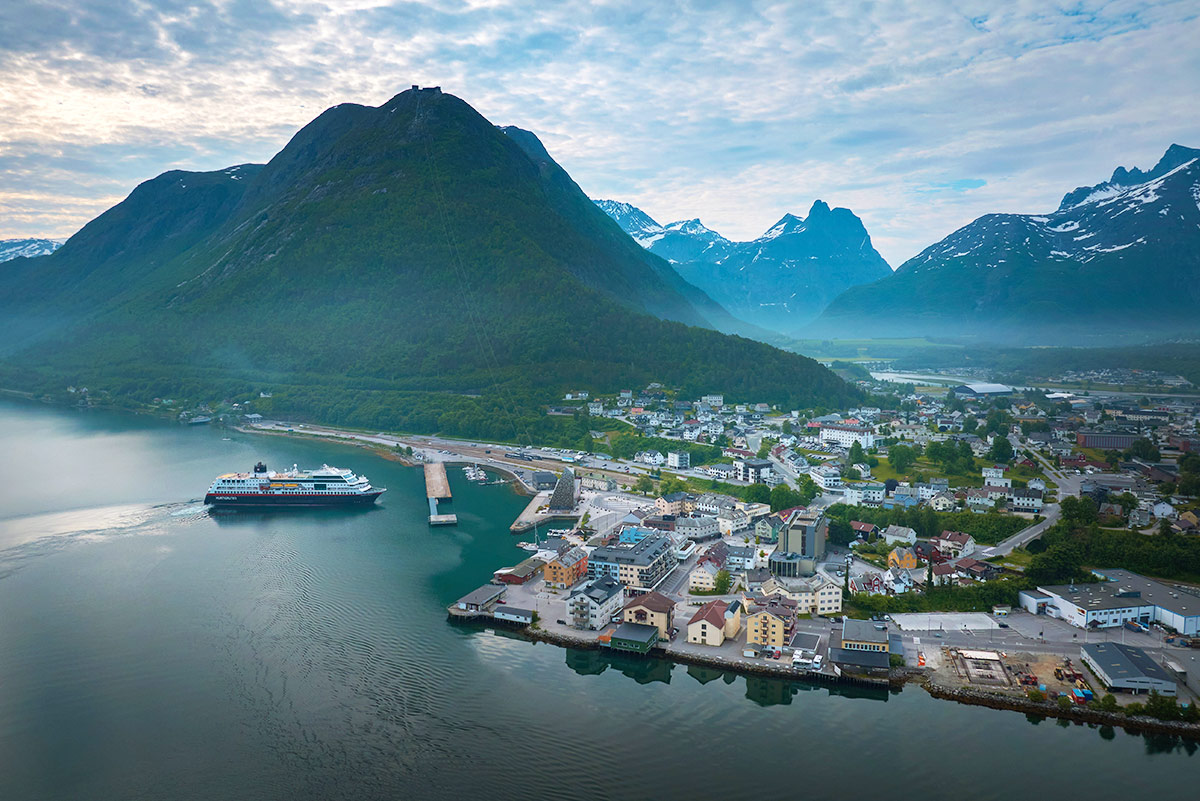
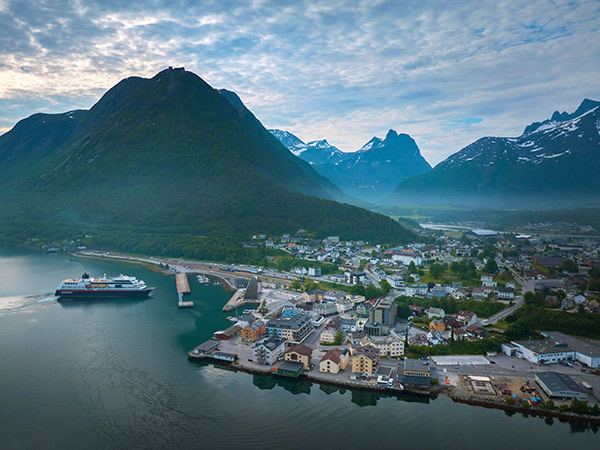
Hugging the coastline from Bergen to the North Cape, the Svalbard Line does what most cruise ships can’t: intimately acquaint guests with the ‘real’ Norway. Where remote villages and postcard-perfect natural landscapes on the mainland and Svalbard peninsula are out of bounds for colossal cruise lines, they’re accessible to the smaller, quieter, battery-hybrid MS Trollfjord.
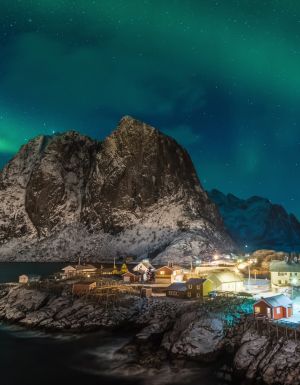
Wisps of cloud hang low on the mountains of the ship’s namesake fjord, as delicate as floss. It’s impossibly beautiful, made even more so by the fact that it’s a usually inaccessible part of the world. It’s the same story on the fishing archipelago of Træna, where sharp peaks dominate the islands’ hearts and white sand beaches stretch out below. Scenery like this is endless, playing out like a nature documentary beyond the ship’s windows. From mid-May until the end of August it’s an epic journey, with midnight sun overhead the minute you cross into the Arctic Circle. The landscapes are illuminated for 24 hours; it’s a golden time for travel.
Before reaching otherworldly Svalbard there’s just one sea day, a palate cleanser on the Barents Sea. It’s the perfect opportunity to discover what’s on board, starting with a morning workout and a restorative sauna, followed by a deep dive into Nordic cuisine.
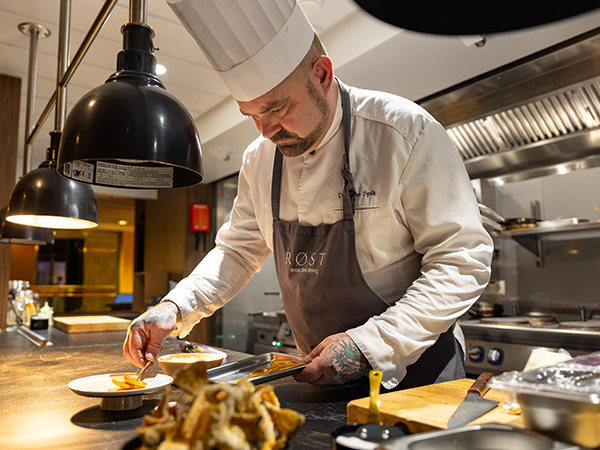
MS Trollfjord’s three restaurants – Flora, Brasserie Árran, and Røst – are hyper-focused on serving local dishes and flavours, sourced from more than 70 farms, fisheries and small-batch artisans along the sailing route. Menus change every other day, reflecting the produce and dishes each region is known for. It’s farm-to-table – or, as it’s known onboard, ‘Norway’s Coastal Kitchen’ – at its finest. The firm and mild flesh of Norway’s prized cod is a gentle introduction – or launch right in with a dish steeped in tradition like a Sámi bidos (reindeer stew) or tangy sild (pickled herring).
When the ship reaches Træna, Norway’s oldest fishing village, Flora’s menu puts the spotlight on seaweed, harvested by the female-owned Lofoten Seaweed. Both come from no more than 250 kilometres to the north.
The Svalbard Line itinerary
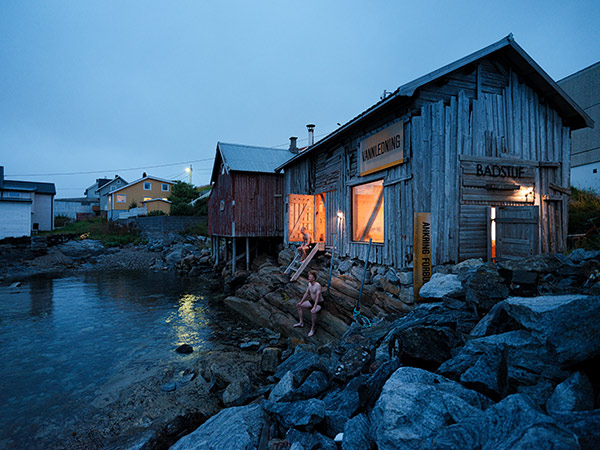
On the ground, the focus is on Norwegian history and culture. A guided walk up to Træna’s Water Tower affords unparalleled views across the island, while a visit to the Peter Dass Chapel – a memorial to those who fought and perished at sea – will sate the art fiend’s appetite. For the brave, an arctic plunge is a must-do; precede it with a stint in the harbour’s floating sauna.
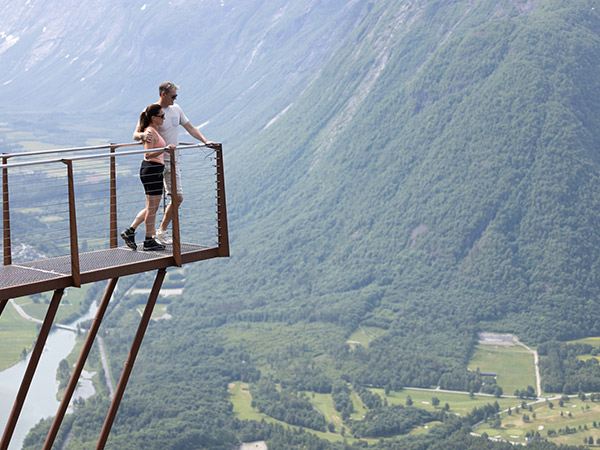
Great views are also a selling point of Åndalsnes. Embrace the Norwegian friluftsliv (free air life) on the 90-minute climb to the Rampestreken viewpoint, from which there’s a ‘hero shot’ panorama of Isfjorden and the countryside below. Exploring the region by The Golden Train on the Rauma Line is much slower-paced but equally as scenic, with photo opportunities of the ‘Harry Potter Bridge’ (aka Kylling bru) and Europe’s highest vertical rock face, Trollveggen, along the way.
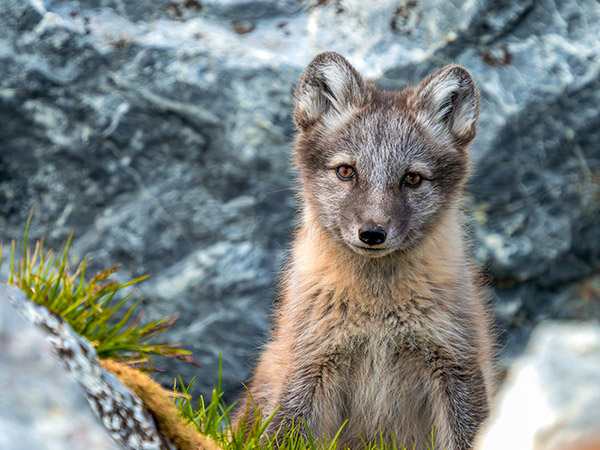
But it’s the landscapes – and wildlife – of Longyearbyen, Svalbard’s ex-coal mining town and main administrative centre, that provide the greatest photo opportunities of all. Gaggles of barnacle geese hold up traffic as they waddle across the road, joining rotund reindeer grazing on a green plot just a few metres from town. They’re backdropped by Svalbard’s colourful timber homes and the sharp peaks of Gruvefjellet.
It’s a different view altogether from the seat of a wheeled husky sled, racing across the valleys just outside Longyearbyen. The rocky outcrops appear almost Mars-like, worlds away from bustling cities and rolling green pastures from where the cruise began.
The details
The northbound route is just one of your journey options aboard Hurtigruten’s Svalbard line. Shake things up by embarking in the Arctic and taking the southbound route, or maximise your time in the northern hemisphere on the 15-day roundtrip of Bergen – Svalbard – Bergen. An optional 13-day tour package combines the northbound voyage, an expedition-style mini cruise on MS Serenissima and a stay at Hurtigruten’s koselig Funken Lodge.
Embrace the golden age of travel and learn more about the Svalbard Line with Hurtigruten.
Want to see more stories from International Traveller in your Google search results?
- Click here to set International Traveller as a preferred source.
- Tick the box next to "International Traveller". That's it.