From its design museums and galleries to its culinary gems, there is no shortage of inspiration to be found in this Scandi capital of cool.
Denmark’s ultra-stylish capital is a wondrous blend of historic charm, sustainability, design innovation and gastronomic ingenuity. Here, good design is a way of life.
Copenhagen is an understated city that doesn’t rely on impressing with flashy monuments or large-scale events. Its appeal lies in its relaxed and approachable urban experience, which draws in discerning travellers, particularly during the summer months.
Long summer days in Copenhagen call for exploring one of the most liveable cities in the world by bike, stopping to see iconic Danish design pieces, scoring vintage finds, savouring fresh produce and relaxing harbourside or enjoying its abundance of green spaces.
Historic buildings harmoniously coexist with modern designs while impressive museums and galleries celebrate both Danish heritage and contemporary innovation. This approach to practical design, paired with a warm, welcoming community, makes Copenhagen an easy and enjoyable city for visitors to navigate.
Day 1: navigating Nyhavn to shopping in Strøget
8am
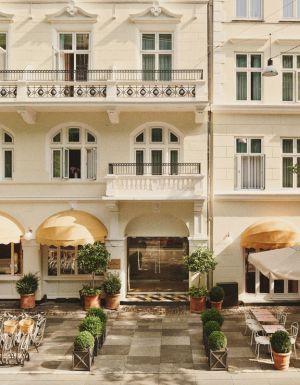
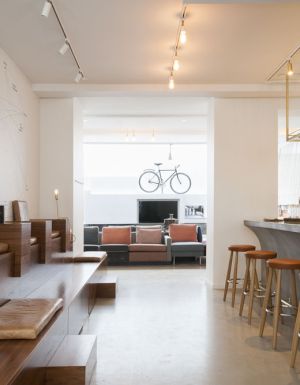
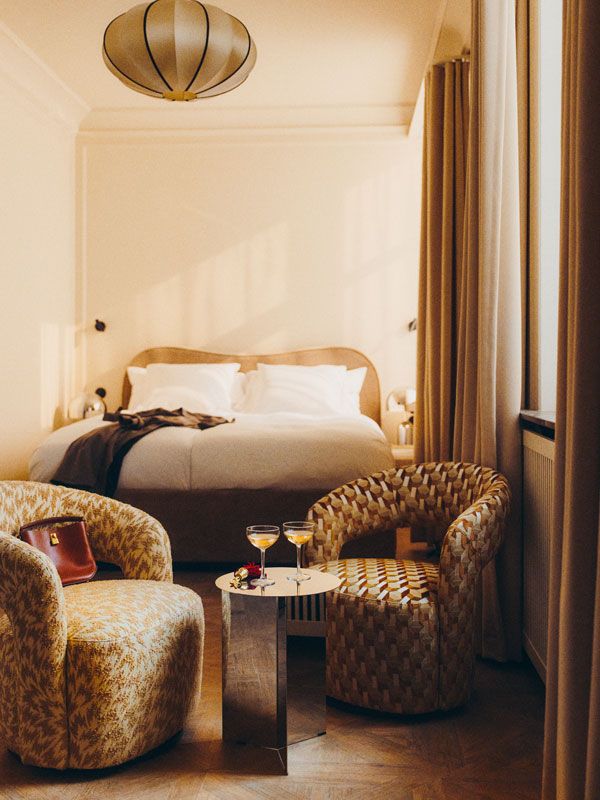
Slow mornings are encouraged in Denmark, made even more indulgent at the Wes Anderson-style Hotel Bella Grande – boutique accommodation nestled on a quiet street in Copenhagen’s Old Town that operates on 100 per cent renewable electricity.
Walk a couple of minutes to Ø12 coffee and eatery to enjoy a hearty Danish-style breakfast featuring a selection of sourdough buns, cheese, jam, whipped butter, yoghurt, soft-boiled eggs and a well-brewed, robust coffee.
10am
Fuelled and ready to go, hire a bike (the quintessential and most enjoyable way to get around) from the front desk and pedal your way to the iconic Designmuseum Danmark.
Built in 1751 as the country’s first public hospital, the city’s leading museum is now dedicated to Danish and international design and crafts. It offers a fantastic overview of Denmark’s design history and its enduring appeal, showcasing mid-century furniture and striking modern pieces.
11:30am
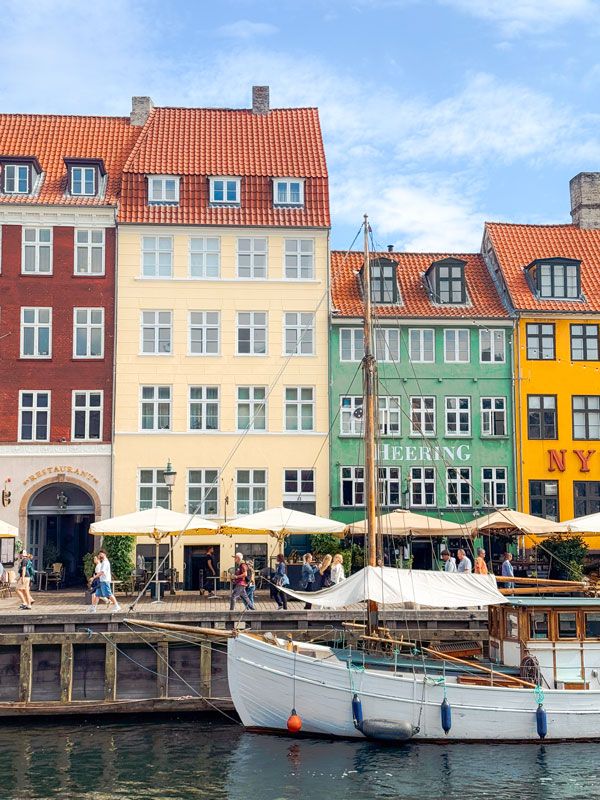
Make your way to nearby Nyhavn for a leisurely stroll along the canal, lined with its iconic colourful townhouses from the 17th and 18th centuries and old wooden ships. Here, you can visit the addresses where Hans Christian Andersen once lived, specifically Nyhavn 20, 67 and 18.
12:30pm
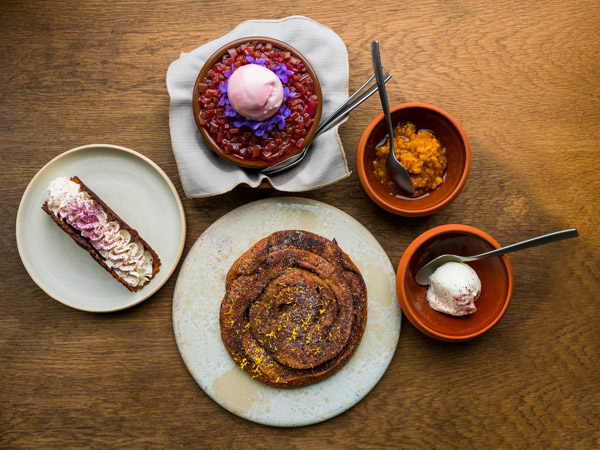
For lunch, reserve a table at the cosy Barr restaurant, which sits along the Nyhavn canal. Helmed by German-born Danish chef Thorsten Schmidt in partnership with René Redzepi, of famed Noma, this quayside eatery celebrates North Sea cuisine.
Seasonal plates such as pickled mackerel with cucumber, unripe stone fruit and fig leaf oil, and a range of smørrebrød (open-faced sandwiches) are to be paired with an impressive selection of cask and bottled beers (the Old Norse word barr does, after all, translate to ‘barley’).
2pm
Strøget, the city’s primary shopping district, is a 10-minute cycle away and at 1.1 kilometres, is one of Europe’s longest pedestrian streets. Must-visit shops include Hay House – a Danish contemporary design brand offering furniture, homewares, lighting and accessories – as well as vintage stores Time’s Up Vintage and Jerome Vintage, which are treasure troves of designer clothing and accessories.
5pm
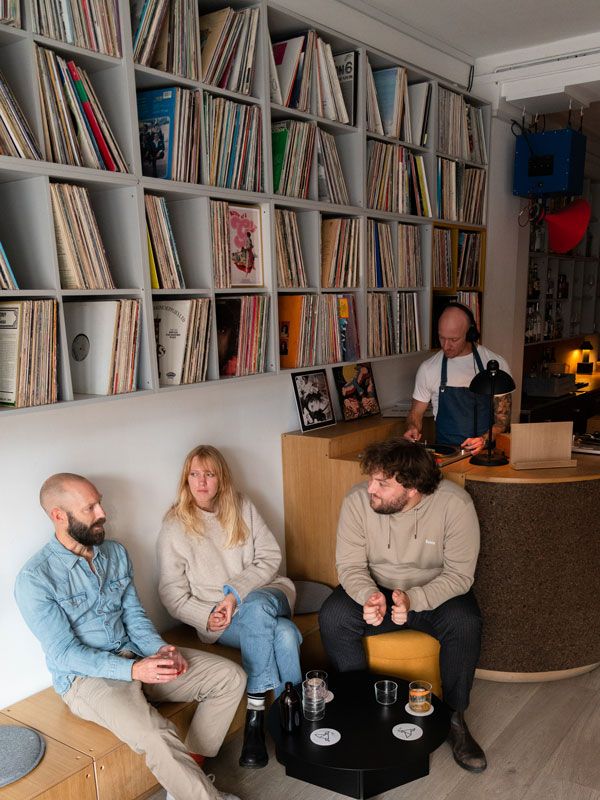
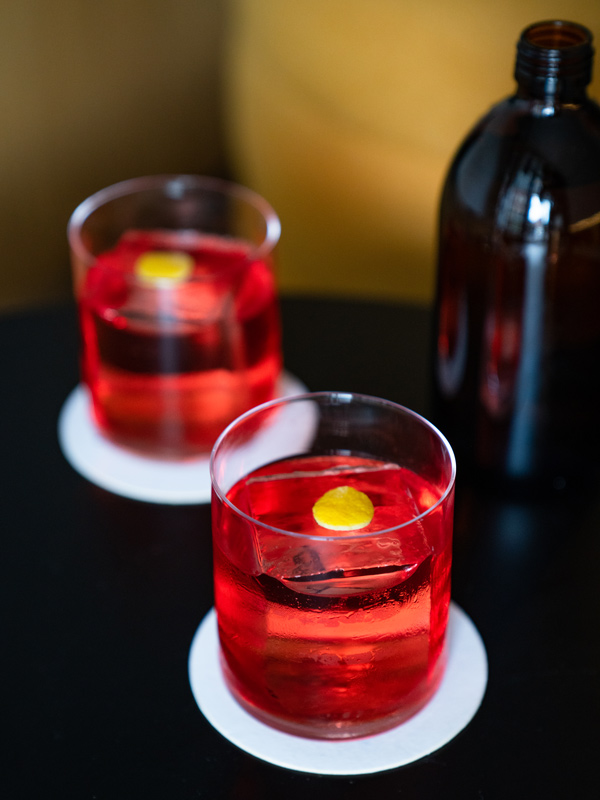
A day on the go calls for an elevated tipple at neighbourhood listening bar Bird in Frederiksberg. The monthly changing menu of bottled cocktails features classics made with a modern twist like the Umeshu Martini or Melon Cream Soda, with the vibes set by the DJ who spins vinyl as you sip.
6pm
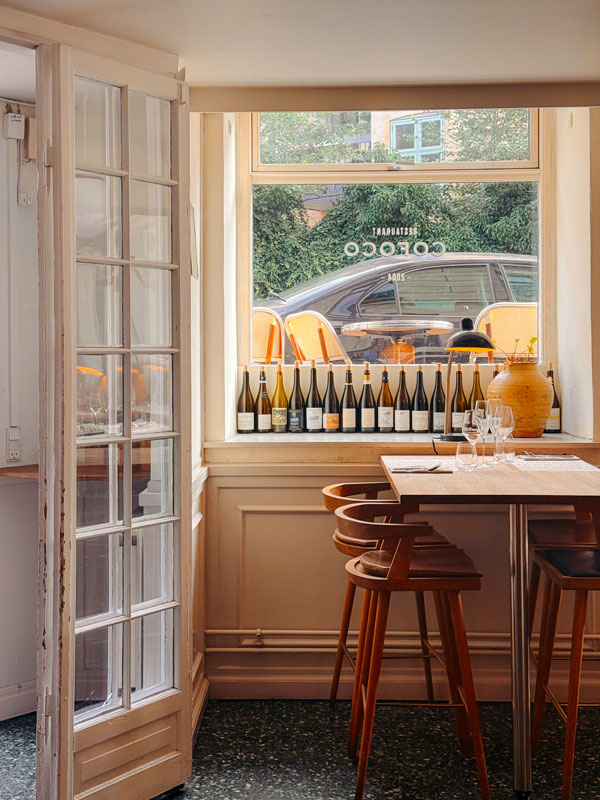
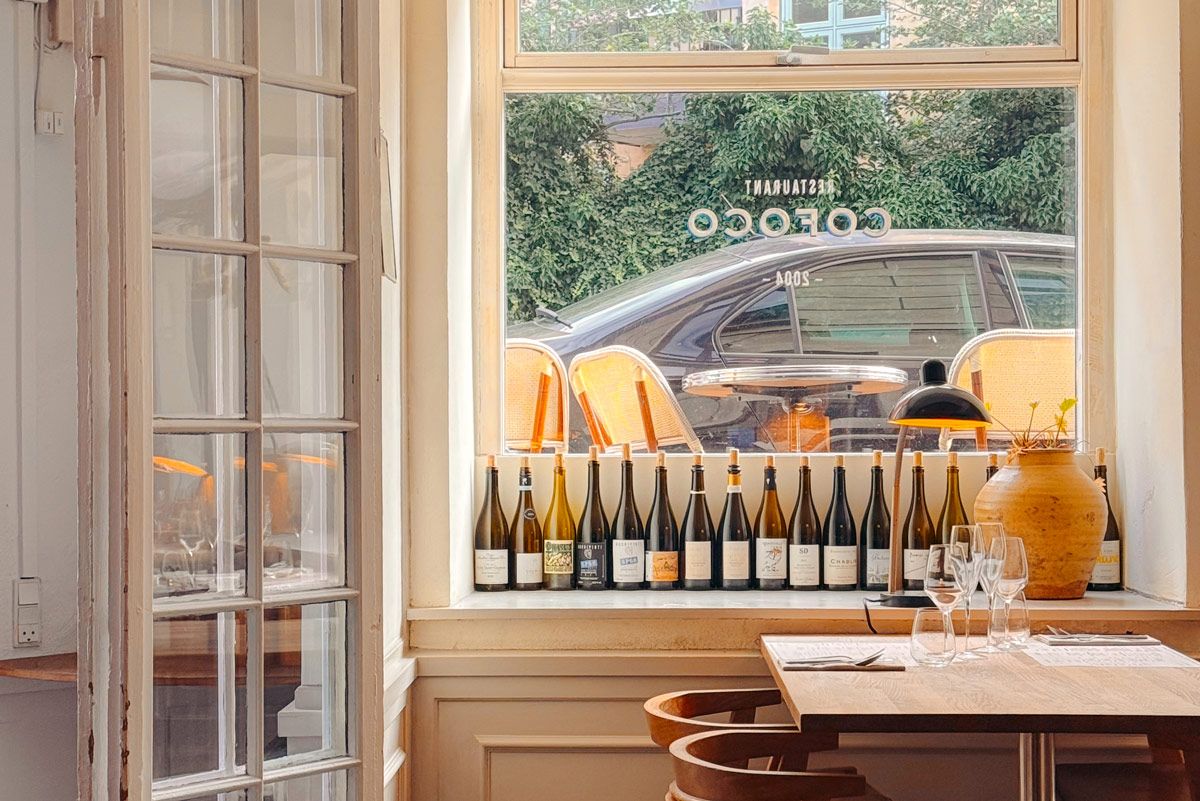
A 15-minute walk takes you to the hotel’s sister venue, Restaurant Cofoco, where fresh plates shine in a rustic yet chic space. The Danish-meets-Mediterranean menu features dishes such as hiramasa kingfish with cucumber, radishes, citrus vinaigrette and nettle oil, and passionfruit sorbet with reduced cream, burnt white chocolate and meringue. The wine list leans towards French and Italian drops.
Day 2: discovering the city’s best food and art
8am
Start the morning fresh with a short stroll to Sankt Peders Bageri, Copenhagen’s oldest bakery, founded in 1652 during the reign of Frederick III. Savour traditional Danish baked goods like the must-try cinnamon rolls known as onsdagssnegl (Wednesday snails).
If they’re not on offer that day, the kardemommesnurrer (cardamom buns) will not disappoint. Then, wander back to the hotel to enjoy a slow start before more exploring.
10am
Jump on a bike and cycle to the Ny Carlsberg Glyptotek, which houses the private art collection of Carl Jacobsen, the son of the founder of Carlsberg Breweries. Inside, admire the extensive collection of sculptures from Egypt, Greece, Rome and the Near East, as well as post-impressionist paintings by artists such as Monet, Renoir, Degas, Cézanne, Van Gogh and Danish Golden Age paintings from Martinus Rørbye, Christen Købke and Jens Juel. The central Winter Garden is a breathtaking subtropical indoor garden with palms, a large fountain and soaring glass ceilings.
Weekly travel news, experiences
insider tips, offers, and more.
Noon
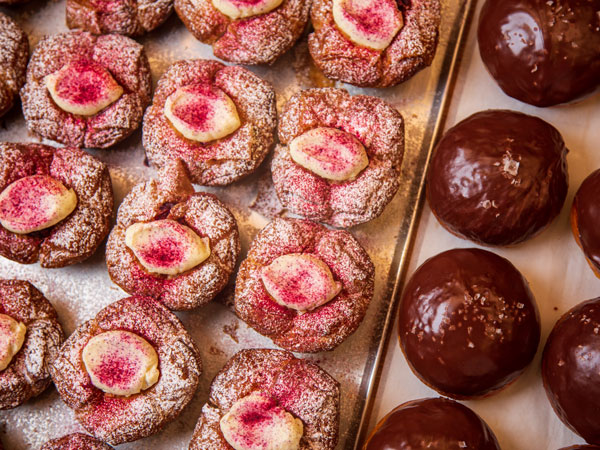
Head for the world-class Hart Bageri, another Noma-adjacent spot. Pick up a beetroot and feta sandwich (made with its popular sourdough) and a spandauer (circular pastry filled with marzipan) before pedalling your way to relax in the lush King’s Garden, the country’s oldest royal garden, right beside Rosenborg Castle.
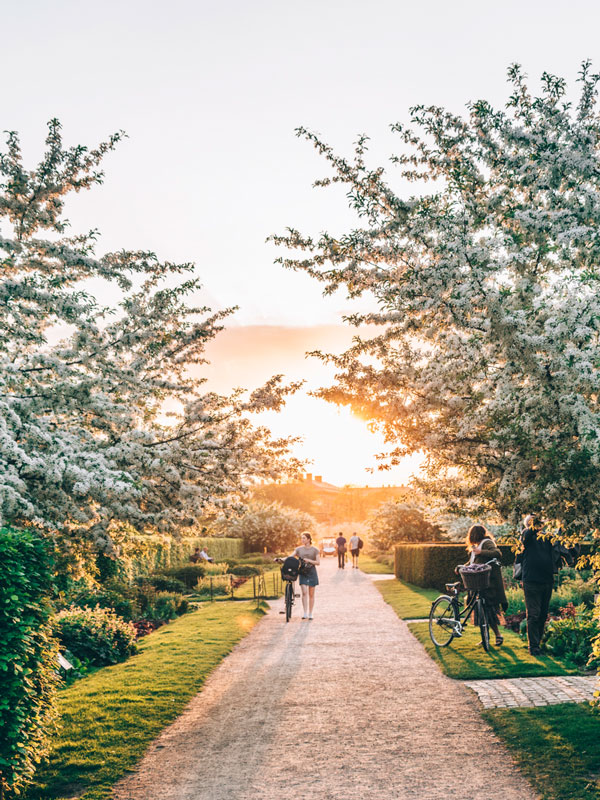
After lunch, head into the Renaissance-era castle, which was built between 1606 and 1634 by King Christian IV, and is home to divine collections including Venetian glass and Flora Danica.
2:30pm
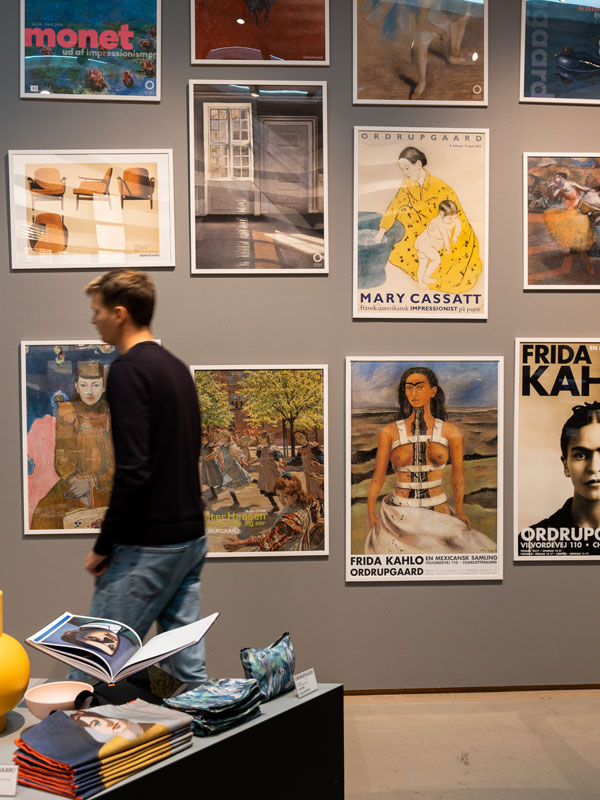
Drop your bike back at the hotel and take a 20-minute Uber north of Copenhagen to discover Ordrupgaard. This state-owned art museum is famed for housing an impressive collection of Danish and French art from the 19th and early 20th centuries from artists such as Monet, Manet, Degas, Gauguin, Renoir and Vilhelm Hammershøi.
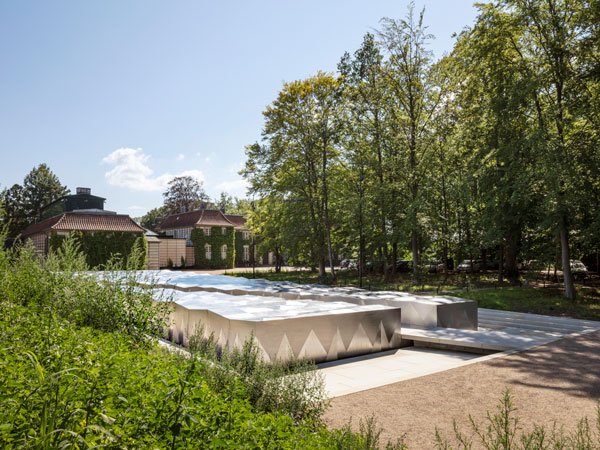
The ultra-modern Zaha Hadid and Snøhetta studio-designed extension is, in itself, worthy of the journey. On weekends, you can also visit architect Finn Juhl’s house next door.
5pm
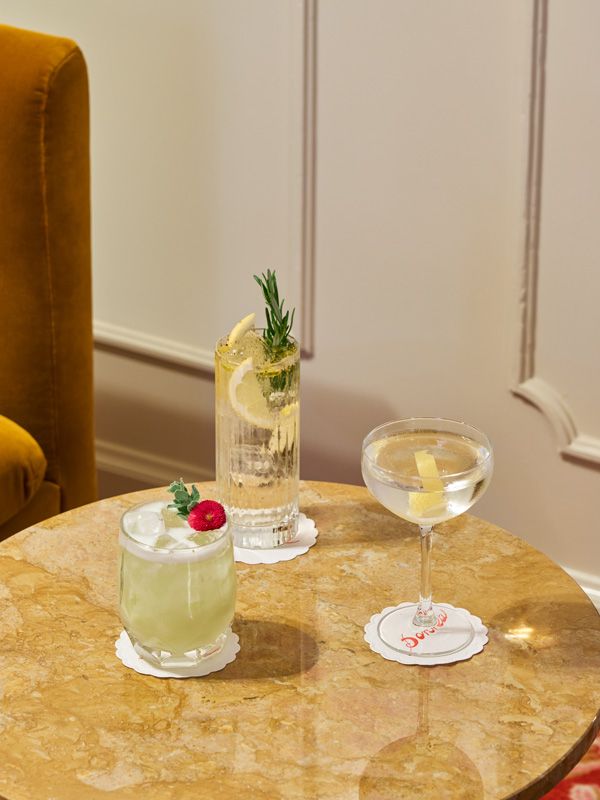
You’ve earned yourself some time to relax at Hotel Bella Grande’s restaurant and bar, Donna. Park yourself under the yellow umbrellas outside and unwind over summer spritzes while people-watching.
7pm
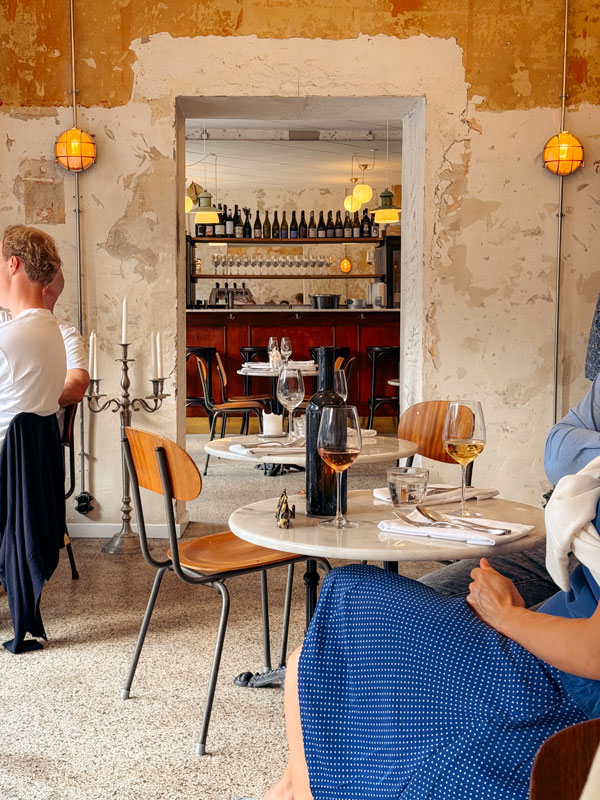
Jump on the metro and make a beeline for hidden gem Bar Moro in the Nørrebro district. A cafe, bar and restaurant in one, expect unfussy yet refined Mediterranean bites with international influences (think langoustine [lobster], piquillo piperade, crouton, bisque and almond oil) served in a modern French-brasserie-style space.
Want to see more stories from International Traveller in your Google search results?
- Click here to set International Traveller as a preferred source.
- Tick the box next to "International Traveller". That's it.