A guide to pairing the Faroe Islands’ classic experiences with unique, off path alternatives.
The Faroe Islands are a captivating wonderland of unspoiled, otherworldly landscapes. This 18-island archipelago, nestled in the North Atlantic Ocean between Scotland and Iceland, is a self-governing nation that has its own language, currency and identity, but officially remains part of the Kingdom of Denmark. It’s far less visited than its neighbours, with just 100,000 to 150,000 visitors annually (a fraction of Iceland’s millions).
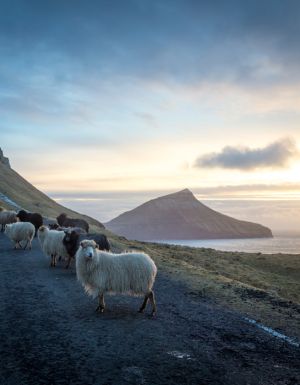
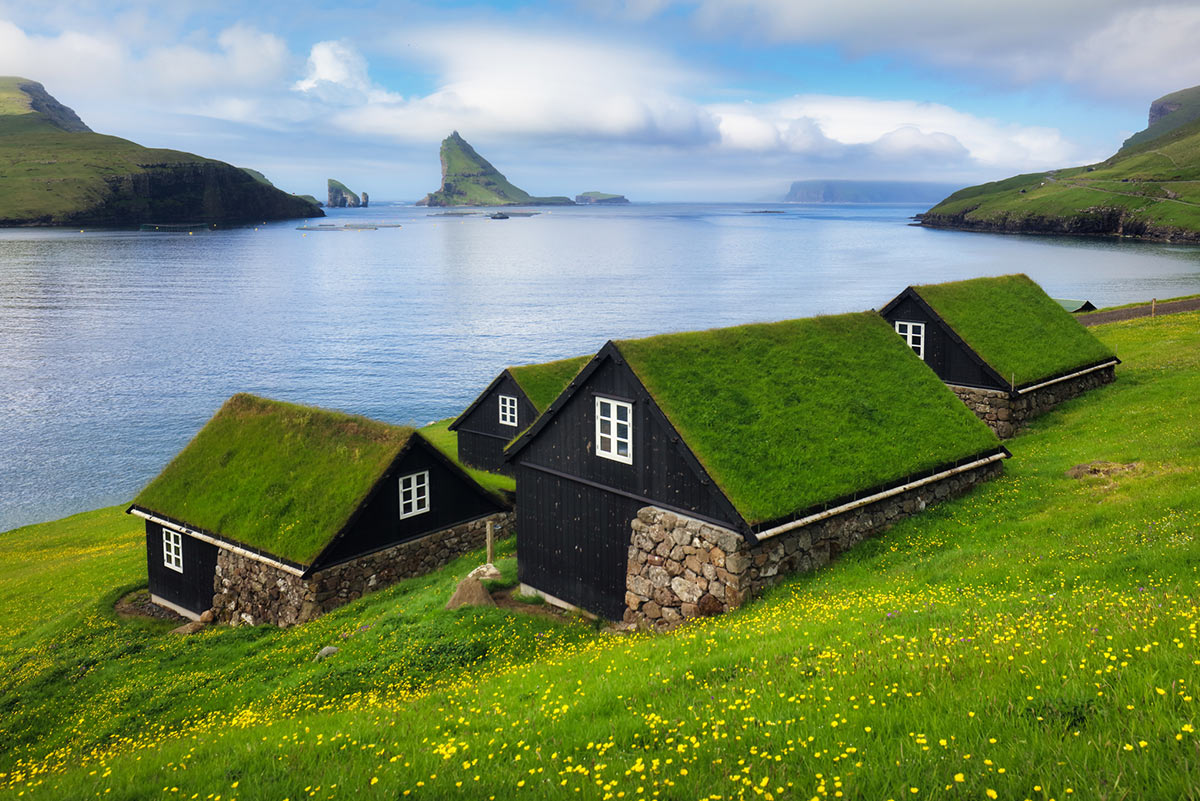
However, tourism is steadily on the rise. Certain sights, like the iconic grass-covered roofs and the shaggy sheep that outnumber the human population, are becoming synonymous with the Faroe Islands.
From the world’s most remote Michelin-starred restaurant to the famous puffin colonies, the Faroe Islands offer plenty of iconic experiences. But as tourism continues to grow, be sure to balance your trip by exploring some of the hidden, off-the-beaten-path gems as well.
Where to eat in the Faroe Islands
Classic: Dine at the world’s most remote Michelin-starred restaurant
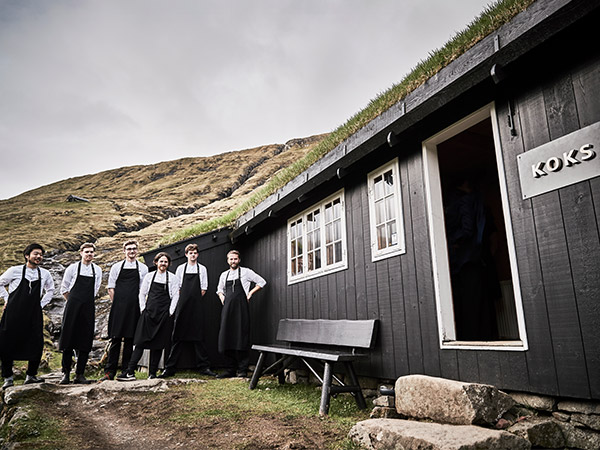
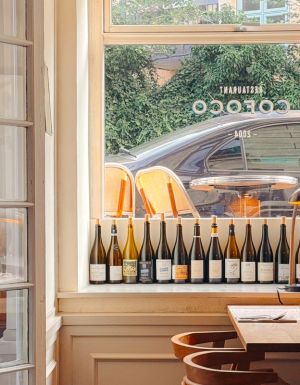
As the most remote Michelin-starred restaurant in the world, KOKS is undoubtedly leading the charge in Faroe’s evolving, fascinating dining scene.
As an island in the middle of the ocean with intense seasons of wind, rain and snow and little farmable land, the people of the Faroe Islands have always relied heavily on the sea and creative preservation methods – fermentation, salting and smoking to name a few – to stretch their food supply.
Head chef Poul Andrias Zisca pays homage to these traditional techniques and ingredients with adventurous menus in a truly immersive, turf-roofed space.
Unique: Feast on the best shoulder of lamb at Áarstova
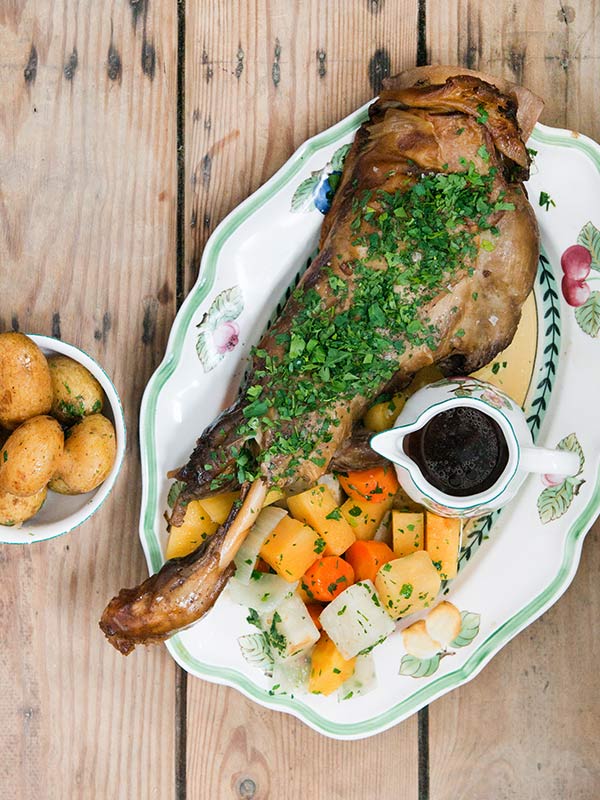
Housed in a charming 18th-century building in Tórshavn, Áarstova feels like dining inside a cosy Faroese story. Known for its signature slow-roasted lamb shoulder – marinated in beer, roasted for 16 hours, and served with root vegetables and rich lamb gravy – it’s a dish locals claim is the best in the country. Life changing. Plus, I can highly recommend the wine pairing.
Exploring nature in the Faroe Islands
Classic: Spot puffins on Mykines Island
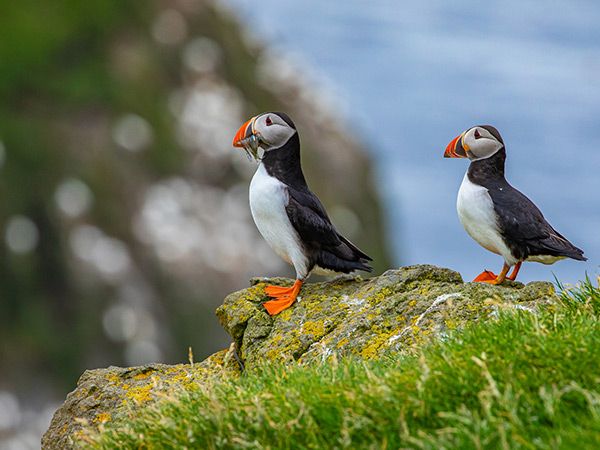
A mecca for outdoor adventure lovers, natural beauty is around every corner, from Múlafossur waterfall to Drangarnir Sea Arch. But nothing captures the imagination like the large colony of puffins that lives on Mykines Island, a small isle in the Faroe’s far west. You can take a boat safari to see these incredibly cute seabirds in their natural habitat.
Please note: Puffins have suffered from irresponsible visitation in recent years so remember to have virðing (Faroese for respect) for the environment. Keep your distance from animals, stay on designated paths and bring all rubbish out with you.
Unique: Paddle through sea caves on a kayaking expedition
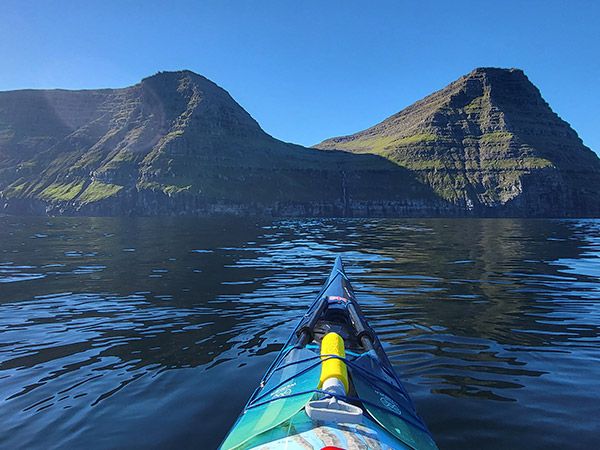
For an intimate encounter with the Faroes’ raw beauty, swap the hiking boots for a paddle. Guided kayak tours reveal hidden sea caves, towering cliffs and isolated inlets inaccessible by land.
For the more seasoned paddler, you can even sign up for an immersive five-day kayaking journey with Southern Sea Adventures – an exploration of sea stacks, colourful villages, lighthouses and wild waterfalls by day, and waterside cabins and home cooked meals by night.
Cultural experiences in the Faroe Islands
Classic: Experience Faroese hospitality with Heimablídni
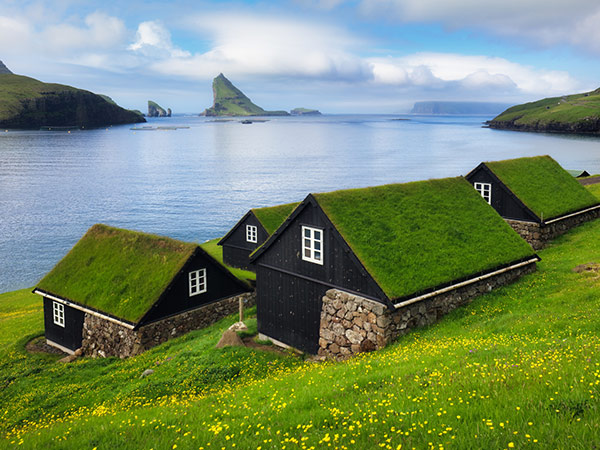
The Faroese are so famous for their welcoming spirit that they have a word for hosting strangers: heimablídni, which translates directly to “home hospitality."
This is a practice where travellers are invited into local homes to experience authentic Faroese food and culture. It’s a classic way to immerse in the island’s traditions, offering a genuine connection with the people and their way of life.
You can enjoy homemade dishes that you’ll have trouble finding in restaurants, such as skerpikjøt (fermented mutton) or ræst kjøt (fermented fish), all while learning about Faroese customs and stories from their hosts. Browse these locally hosted experiences, from farms to fishing boats, at Eat Local.
Weekly travel news, experiences
insider tips, offers, and more.
Unique: Discover Faroese folklore through public sculpture
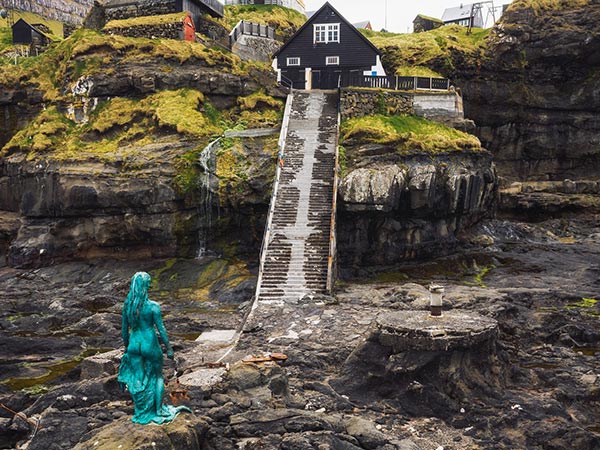
One thing I was not expecting to see in Faroe were all of the beautiful, public sculptures set in unexpected corners of the islands’ stunning landscapes. Many pay homage to the history and legends of the islands.
One of the most famous is the striking bronze statue of The Seal Woman in Mikladalur standing against the crashing waves, immortalising the selkie legend of a seal who sheds her skin to live among humans.
Near the village of Sandavágur, another sculpture known as The Nix tells the Faroese legend of a mythical water horse that, according to legend, lured people into lakes.
The art installation within the Eysturoyartunnilin undersea tunnel, created by Faroese artist Tróndur Patursson, features a striking illuminated steel sculpture depicting people holding hands, linked around the centre of the roundabout. There are many more in Tórshavn inspired by Faroese folklore, such as the “Tarira" who is also called the Elf Girl.
Where to stay on the Faroe Islands
Classic: Sleep in style at Havgrím or Hotel Brandon
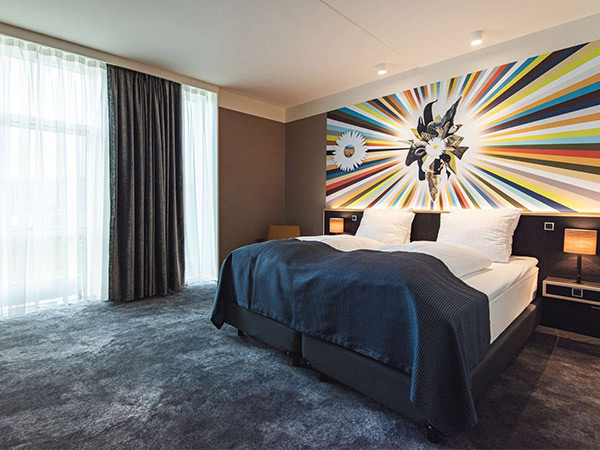
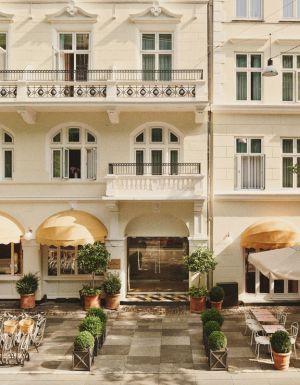
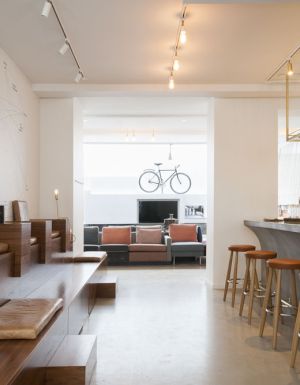
Several new hotels have popped up in Tórshavn, Faroe’s capital and largest town. Two of the best are the modern, stylish Hotel Havgrím, which is located directly on the coast, and sleek Hotel Brandon, slightly larger scale at 32 rooms. These sustainable hotels with all the bells and whistles are both centrally located in walkable Tórshavn.
Unique: Stay local at a bed and breakfast
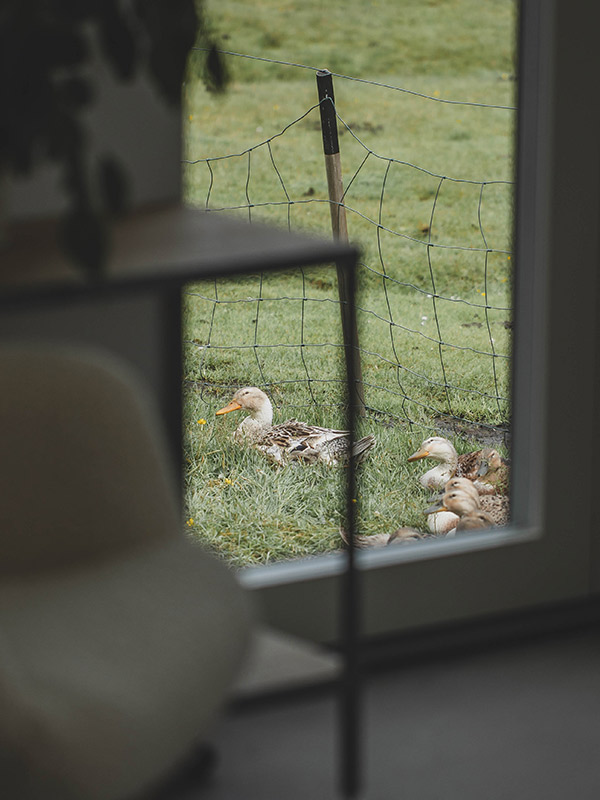
For a more personal touch, bed and breakfasts offer charm and connection in equal measure. These boutique B&Bs offer an immersive option to connect with locals and many also have fabulous, intimate dining inclusions beyond breakfast.
Hanusarstova is a luxury farm stay perched on cliffside pastures, surrounded by grazing sheep and panoramic sea views. Over on Hvalba island, Heima í Stovu welcomes guests into a family-run 1912 home, rich with character and Faroese heimablídni.
Want to see more stories from International Traveller in your Google search results?
- Click here to set International Traveller as a preferred source.
- Tick the box next to "International Traveller". That's it.