hero media

Top 10 wildlife attractions to avoid and why

As part of an ongoing campaign, World Animal Protection have identified the top 10 animal attractions to avoid. Let’s spread the word further.

1. Riding elephants

Why you shouldn’t participate

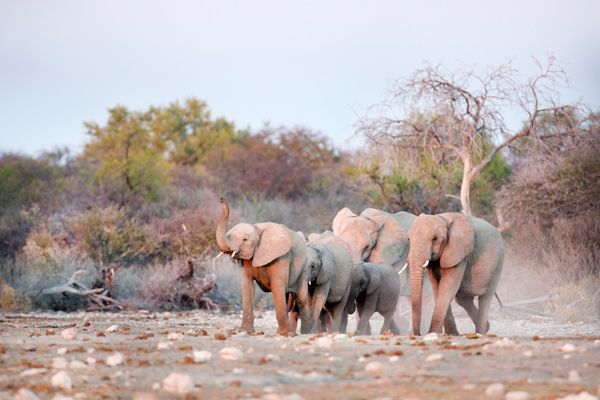
In order to make elephants accept human interaction, performances and rides (which their bodies are not built for), they are usually taken from their mothers as babies and forced through an horrific training process.

This can involve being physically restrained, pain inflicted from a bullhook, and being kept in unsuitable conditions without nutritious food nor water, which damages their physical and psychological wellbeing. Here is advice on how to choose an ethical elephant encounter in Thailand.

See them in the wild

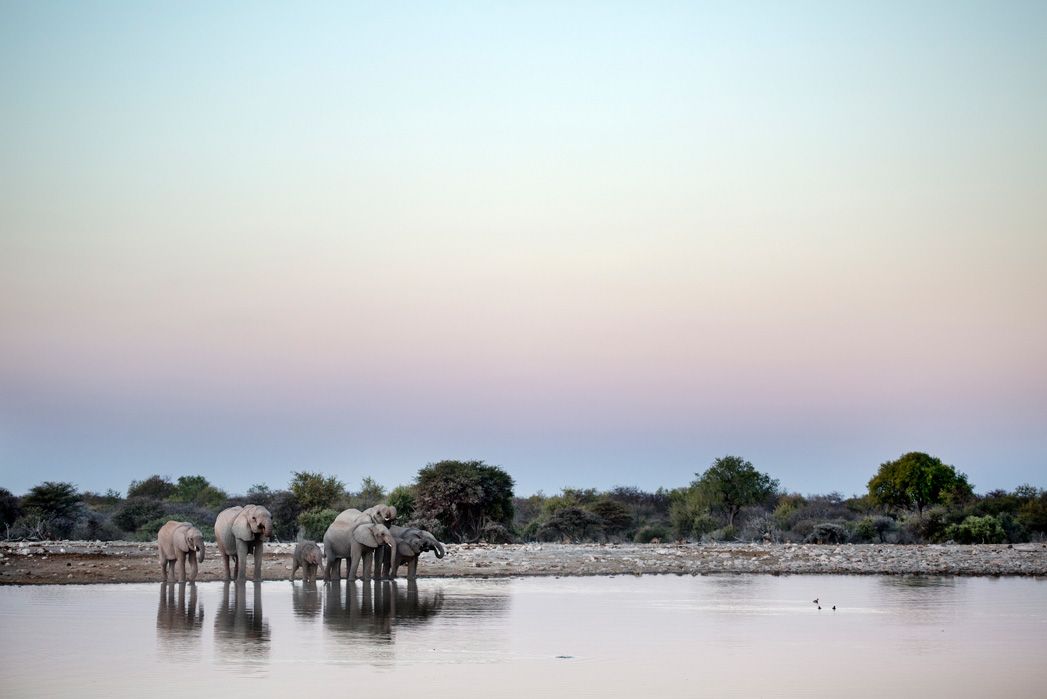
It’s much easier to see the African elephant (as opposed to the Asian elephant) in the wild with the highest numbers found in Botswana, Tanzania, Zimbabwe, Kenya, Zambia and South Africa. The Asian elephant is sadly endangered with wild numbers rapidly declining.
African elephants in the wild
Find the African elephant in the wild in Botswana, Tanzania, Zimbabwe, Kenya, Zambia and South Africa.

2. Touring civet coffee plantations

Why you shouldn’t participate

The world’s most expensive coffee is contributing to the unethical treatment of Asian civets.


Kopi Luwak is made from coffee beans excreted (yes, seriously) by these mongoose-like creatures, but a lot of these coffee plantations (many of which are in Indonesia, including Bali) mass-produce the expensive brew by holding civets in tiny cages rather than harvesting droppings in the wild.

See them in the wild

Wild civets are found in South-east Asia (usually in forests) and Sub-Saharan Africa. If it’s just great coffee you’re after when in Bali, try Revolver Espresso, Petitenget and The Moose Espresso Bar, all in Seminyak.
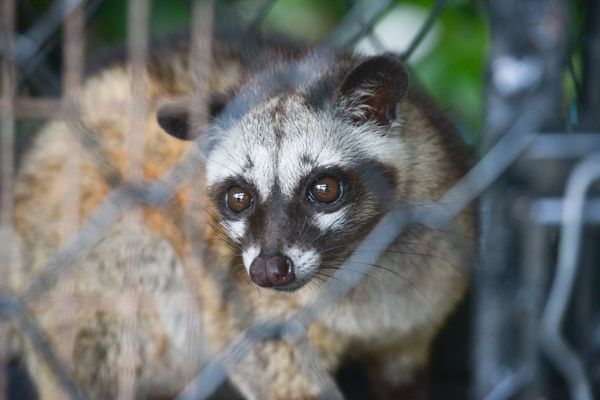
Civiet-Cat
The world’s most expensive coffee is contributing to the unethical treatment of Asian civets.

3. Walking with lions

Why you shouldn’t participate

Mostly in southern Africa, this attraction allows lion cubs to be handled by tourists for photos. These cubs have either been taken from their mothers or are factory-bred and usually punished if they show any natural aggressive behaviour.


When they’re bigger, they’re trained to walk ‘safely’ with tourists, sometimes on leads, or can be sold off to the canned hunting industry. Though some operators offer the chance to volunteer with lions, for the most part these practices do not contribute to conservation.


In the last 50 years, the lion population in South Africa has halved and because captive lions can never be released in the wild (they wouldn’t survive) these numbers are only getting worse.

See them in the wild

Try Maasai Mara National Reserve in Kenya, known as ‘Big Cat Country’; Serengeti National Park, Tanzania; Etosha National Park, Namibia; and Kruger National Park, South Africa.
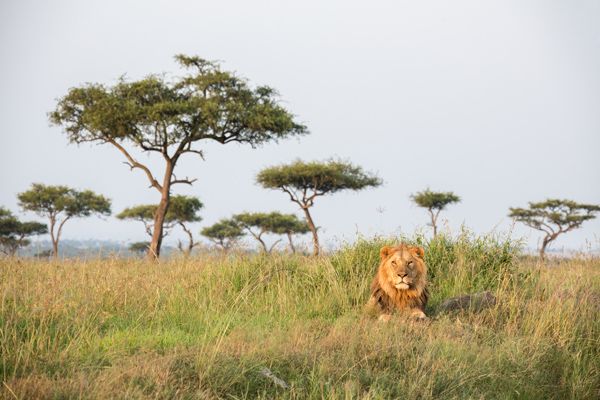
A solo male lion in the Maasai Mara National Reserve in Kenya.

4. Visiting bear parks

Why you shouldn’t participate

Mostly found in Eastern Europe, these parks often keep bears in overcrowded concrete pits and force them to dress up and perform circus tricks.


In the wild, these creatures are usually solitary, so being kept in large groups can be stressful and can result in injuries and death from fighting. You may also see performing bears on the streets of India and China.

See them in the wild

One of the best places to see wild grizzlies, black bears and the rare white Kermode (Spirit Bear) is the Great Bear Rainforest, Canada.
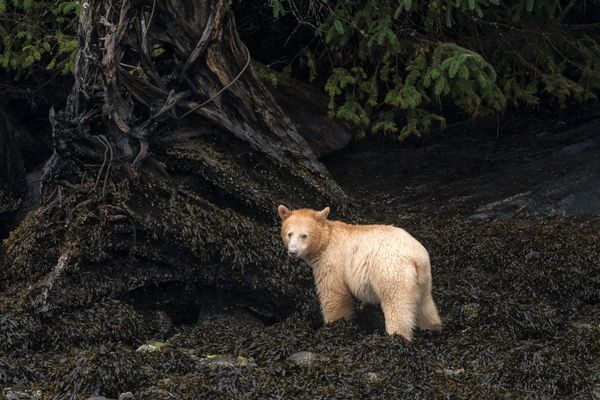
Kermode (Spirit Bear) in the Great Bear Rainforest, Canada
Spot the rare white Kermode (Spirit Bear) in the Great Bear Rainforest, Canada.

5. Performing dolphins

Why you shouldn’t participate

Millions of tourists are often unaware of the cruelty these mammals endure for entertainment. They are often taken from the wild (chased and captured in nets) and transported to their new home; some don’t survive the journey due to stress.


When in captivity, they are often housed in small, sometimes chlorinated, pools. This unnatural environment can see dolphins displaying destructive behaviour such as banging their heads against the pool.

See them in the wild

Kaikoura in New Zealand boasts sightings of large pods of dusky dolphins most of the year.
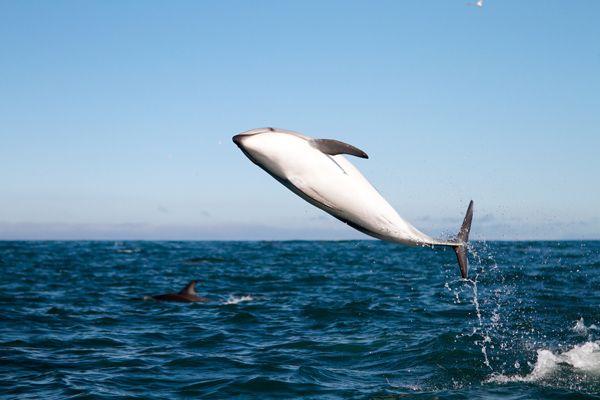
dusky dolphins Kaikoura in New Zealand
Large pods of dusky dolphins can be spotted most of the year in Kaikoura in New Zealand.

6. Taking tiger selfies

Why you shouldn’t participate

For the past 20 years Thailand’s Tiger Temple has claimed its purpose was to raise funds for conservation, but in reality tigers were being bred for entertainment and illegal trafficking.


Their rigorous training regime included punishment, and many were sedated and chained up for selfies and close encounters.


The Tiger Temple was shut down after an investigation found the bodies of 40 adults and 30 cubs preserved in freezers, however, other places offer similar attractions.


See them in the wild

Ranthambore National Park in India is part of Project Tiger (a national conservation initiative) and is famous for its tiger population with safaris dedicated to spotting them.
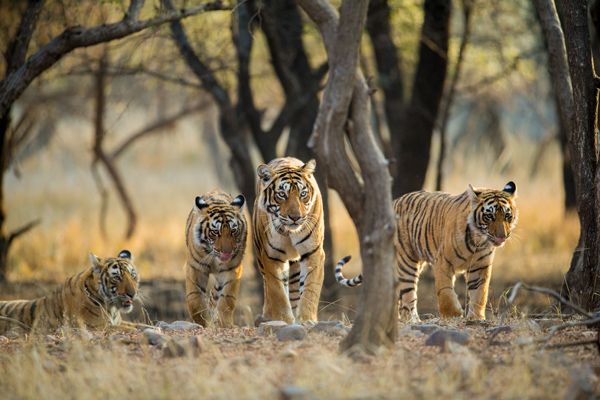
Take a safari in Ranthambore National Park in India
Take a safari in Ranthambore National Park in India and support Project Tiger.

7. Holding sea turtles

Why you shouldn’t participate

The world’s last sea turtle farm is in the Cayman Islands where visitors can hold turtles for photos.


While it seems harmless, this causes them stress and there have been many cases where visitors have dropped or handled the turtles incorrectly, which can cause injuries and death.

Weekly travel news, experiences
insider tips, offers,
and more.

See them in the wild

Our very own Great Barrier Reef is the perfect place to spot six of the world’s seven species of turtles; green and loggerhead turtles are seen frequently.
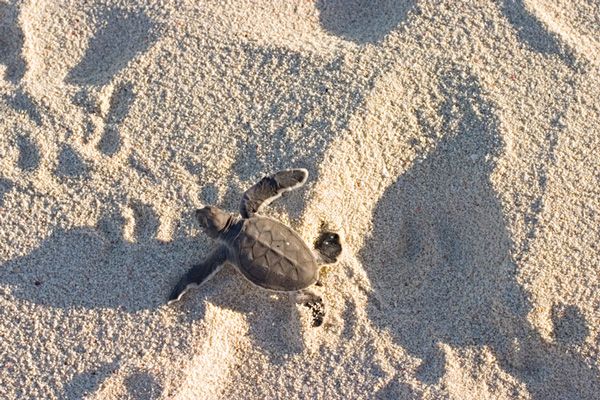
A green sea turtle hatchling in the Great Barrier Reef.

8. Charming snakes

Why you shouldn’t participate

Snake charming may be an ancient practice but it’s also cruel.


Often seen in India, Thailand and the Middle East, snakes are usually captured, their teeth removed, mouths sometimes sewn shut, and venom ducts pierced with needles to incapacitate them. It’s so cruel, India banned it in 1972, but illegal snake charmers are still trading.

See them in the wild

Do you really want to stumble across one in the wild? Not likely.
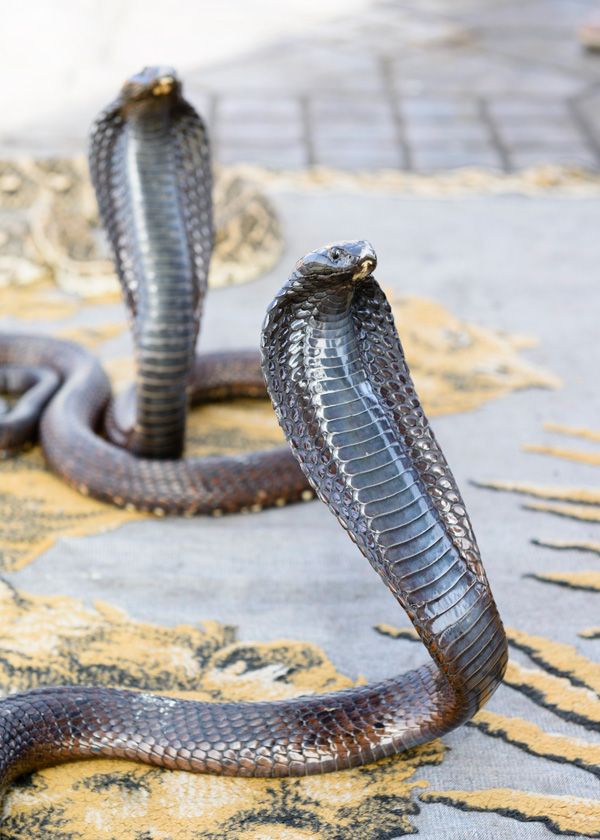
Cobras raised by snake charmers in Marrakech, Morocco.

9. Dancing monkeys

Why you shouldn’t participate

Monkeys, which are used for entertainment in South-east Asia (in particular Thailand), are subjected to abusive training.


When not performing, they are often kept in small cages or on short chains that can become embedded in their skin causing infections.

See them in the wild

You can see many types of monkeys – macaques, Thomas’s leaf monkeys, gibbons and siamangs – in Gunung Leuser National Park, Sumatra, Indonesia.
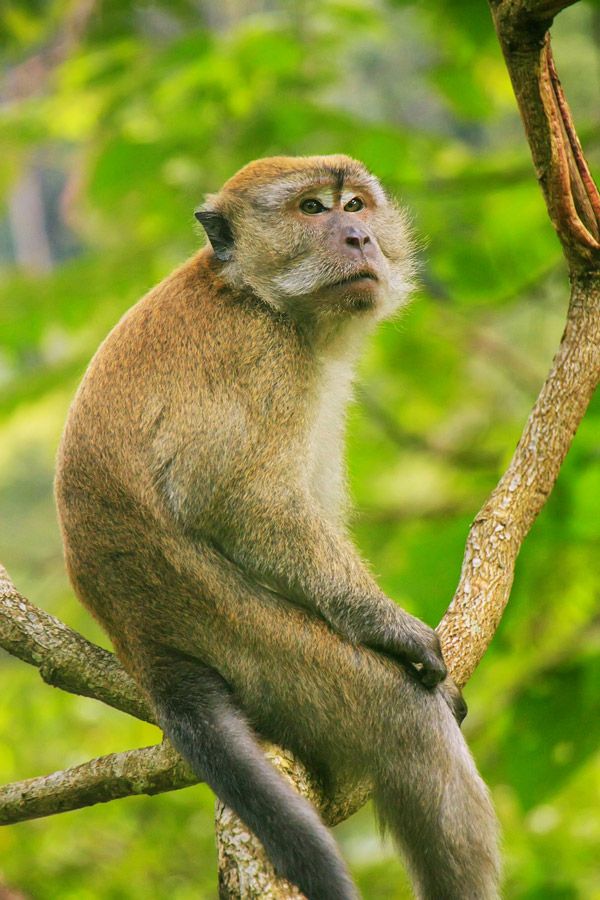
Crab-eating-macaque-Gunung-Leuser-National-Park-Bukit-Lawang-Sumatra-Indonesia
See the crab-eating macaques in Gunung Leuser National Park, Sumatra, Indonesia.

10. Farming crocodiles

Why you shouldn’t participate

Many crocodile farms that operate as tourist attractions breed these animals for meat and leather. The cramped and unnatural spaces, limited food and water can be stressful and many injuries are caused by fighting.

See them in the wild

Australia’s Kakadu National Park is a great place to spot crocs in their natural habitat: try a cruise on Yellow Water Billabong or East Alligator River.
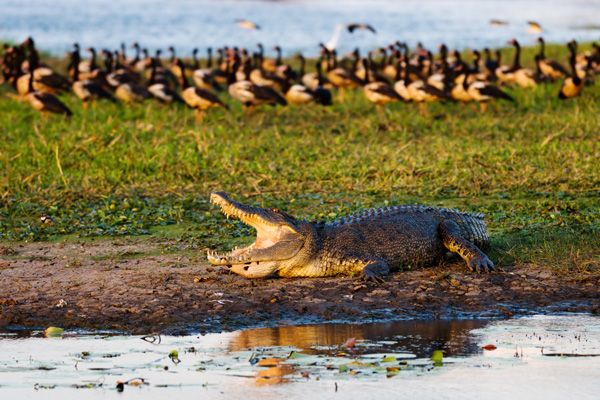
saltwater crocodile can be seen in Kakadu National Park.
The impressive saltwater crocodile can be seen in Kakadu National Park.
For more on ethical and sustainable travel and wildlife experiences visit our Conscious Traveller section.

Want to see more stories from International Traveller in your Google search results?

  1. Click here to set International Traveller as a preferred source.
  2. Tick the box next to "International Traveller". That's it.
Megan Arkinstall
Megan Arkinstall is a freelance travel writer who you’ll often find at the beach, bushwalking or boating with her young family. She loves reliving travel memories through writing, whether that be sipping limoncello in a sun-drenched courtyard of Monterosso or swimming with green turtles in the aquamarine waters of Tropical North Queensland.
View profile and articles
hero media

5 things every hotel needs for a more restorative stay

    Kate Bettes Kate Bettes
    Wellbeing means different things to different travellers. Here’s how to pick a hotel that gets it right for you.

    The best wellness holidays aren’t necessarily spent wrapped in a spa robe. Sometimes they’re found around a dinner table in Cambodia, on a hiking trail in New Zealand or after finally beating jet lag on the other side of the world. The hotel you choose is what makes them happen.

    1. Easy access to good food

    meals from Novotel Bangkok Sukhumvit 20
    Taste delicious meals at Novotel Bangkok Sukhumvit 20.

    One of the quickest ways to derail healthy habits on holiday is to spend half of it working out where to eat instead of digging into the culture around you. Thankfully, Novotel has done much of the hard work already, with chefs building menus that lean into the flavours, ingredients and traditions of each destination.

    In Sihanoukville, Cambodia, Korkor soup – often dubbed ‘Cambodian ratatouille’ – sits alongside raw blue crab dressed with lime and chilli, best enjoyed with views across the Gulf of Thailand.

    In the lovingly chaotic city of Bangkok, the presence of food cranks up the sociability. At Novotel Bangkok Sukhumvit 20, you can settle in with mango sticky rice and stranger-turned-friends beside the pool at Sky on 20 rooftop bar, or bring them along to tackle river prawns and stir-fried crab with holy basil at the buzzing Crab Paradise Dinner Buffet.

    Then Novotel Dubai Al Barsha welcomes you with a laidback twist on the level of indulgence the Middle Eastern city is best known for up on Deck Se7en. Looking towards Burj Al Arab, the rooftop lounge has everything from Mediterranean-style dishes like seabass ceviche to Italian prosecco sundowners.

    At the other end of the scale, in the hills that surround the Novotel Bali Ubud Resort, calm comes from nature. At Siralada restaurant, Balinese traditions shape the menu while thunder rumbles over the surrounding jungle – proving the setting is as nourishing as the food itself.

    While at Novotel Nha Trang, chef Kieu Thi My Hanh and her team showcase Vietnam’s knack for balancing freshness, texture and fragrant herbs. Pho remains a favourite, while seafood salad with pomelo and mango brings those flavours together in one bright dish.

    It’s all an approach backed by partnerships with expert food creators such as Alfie Steiner, whose plant-forward recipes prove healthy food should never taste plain.

    2. Better sleep options

    Novotel Bali Ubud Resort room
    Sleep deeply with Novotel.

    There are few travel experiences more disappointing than arriving in a new country, determined to seize the day, only to fall asleep fully clothed by 3pm.

    For Australian travellers, jet lag is often an unavoidable part of the journey. That’s one reason Novotel runs sleep-focused initiatives that help guests adjust quickly without compromising on health. We’re talking partnerships with Sydney-based sleep specialist Olivia Arezzolo, known for her advice on everything from better sleep habits to beating jet lag, alongside features like pillow menus, in-room yoga content and tailored sleep guidance.

    The sooner you’re operating on local time, the sooner you can get back to more pressing matters – like deciding which spa treatment to book.

    3. More ways to move

    woman hiking around queenstown new zealand
    Stay at Novotel Queenstown Lakeside and explore local hiking trails. (Credit: GettyI mages/ naruedom)

    Every place in the world has its own way of getting you moving: whether that’s hiking up ice-bitten mountains before a sauna or gentle stretching by the pool before a facial. From fitness centres to spas, Novotel recognises that wellbeing rarely looks the same.

    At Novotel Queenstown Lakeside, activity is inescapable. Here, hiking trails, ski fields, bungee jumps, and white-water rafting have made the region famous. The hotel’s location on the shores of Lake Wakatipu means less time spent organising yourself and more time out there experiencing them. To top it all off, you can book a private hot tub for the evening before heading back into the wilderness tomorrow.

    Bali, of course, takes a softer approach. At Novotel Bali Ubud Resort or Novotel Bali Nusa Dua, movement is less about conquering a mountain and more about a dance class between the tropical gardens and lagoon pools. Afterwards, the spa takes over, with traditional treatments like a Lulur body scrub: a combination of rice, turmeric, sandalwood, ginger and jasmine that’ll soothe muscles already relaxed by the Balinese heat.

    4. Better connections

    Novotel Sharm El Sheikh
    Kids will love a stay at Novotel Sharm El Sheikh.

    One of the best things about travel is that it gives your family stories you’ll be telling for years. Novotel helps create them with activities that bring everyone together, whether that’s trying something new, learning a local skill, or simply spending more time together.

    Go for a distinctly Thai twist at Novotel Phuket Vintage Park, where many of the family activities draw on local culture. Kids can try everything from beginner Thai boxing and language lessons to umbrella painting and – a pastime beloved by children the world over – pool foam parties. Everyone is welcome to join in, whether that’s getting splashed, covered in paint, or simply watching their children discover a new side of Thailand during the dedicated Family & Kids Day.

    A different adventure awaits at Novotel Sharm El Sheikh. Kids could be perfectly content with discos, drawing classes and new holiday friends, but the Red Sea has other ideas. Sitting on the edge of Naama Bay, days here might involve snorkelling colourful reefs, taking a boat trip to Ras Mohammed National Park or heading into the desert by quad bike or camel for a Bedouin-style dinner beneath the stars.

    5. Location is everything

    Surin Beach, Choeng Thale, Thalang District, Phuket, Thaiföld
    Explore Phuket’s gorgeous beaches. (Credit: Bence Biczo)

    Everyone’s idea of wellness looks a little different. With more than 600 hotels across 65 countries, Novotel gives guests the freedom to choose the destination that suits them best. Whether that’s a beachside escape in Phuket, an alpine expedition in Queenstown or a city break in Bangkok, there’s a good chance a Novotel isn’t far away.

    All that’s left? Choosing your version of wellbeing.

    Discover stays to inspire your everyday at novotel.accor.com.