hero media

Welcome to the new International Traveller website

Credit: Getty Images/ Ferrantraite

We are finally ready to introduce you to the brand-new International Traveller website.

At the end of 2025, we relaunched Australian Traveller’s website, and today we’re finally ready to reveal the new and vastly improved International Traveller website. The new user experience is intuitive, faster, slicker and more enjoyable. It will make planning your next overseas holiday easier than ever before.

International Traveller – 14 years of bringing you the world

When the world stopped travelling in 2020, we had to press pause on publishing. Thankfully, you were ready and waiting when it was time to bring this beloved brand back again. And while we’ve been out exploring again for some time now, the website was overdue for an upgrade.

The first thing you’ll notice is the new and improved search experience. The AI travel tool isn’t the same as Ask AT yet. But it is just as powerful at surfacing existing content on the website. Ask a question or type relevant keywords into the search bar and all the content we have on the topic will appear in seconds. 

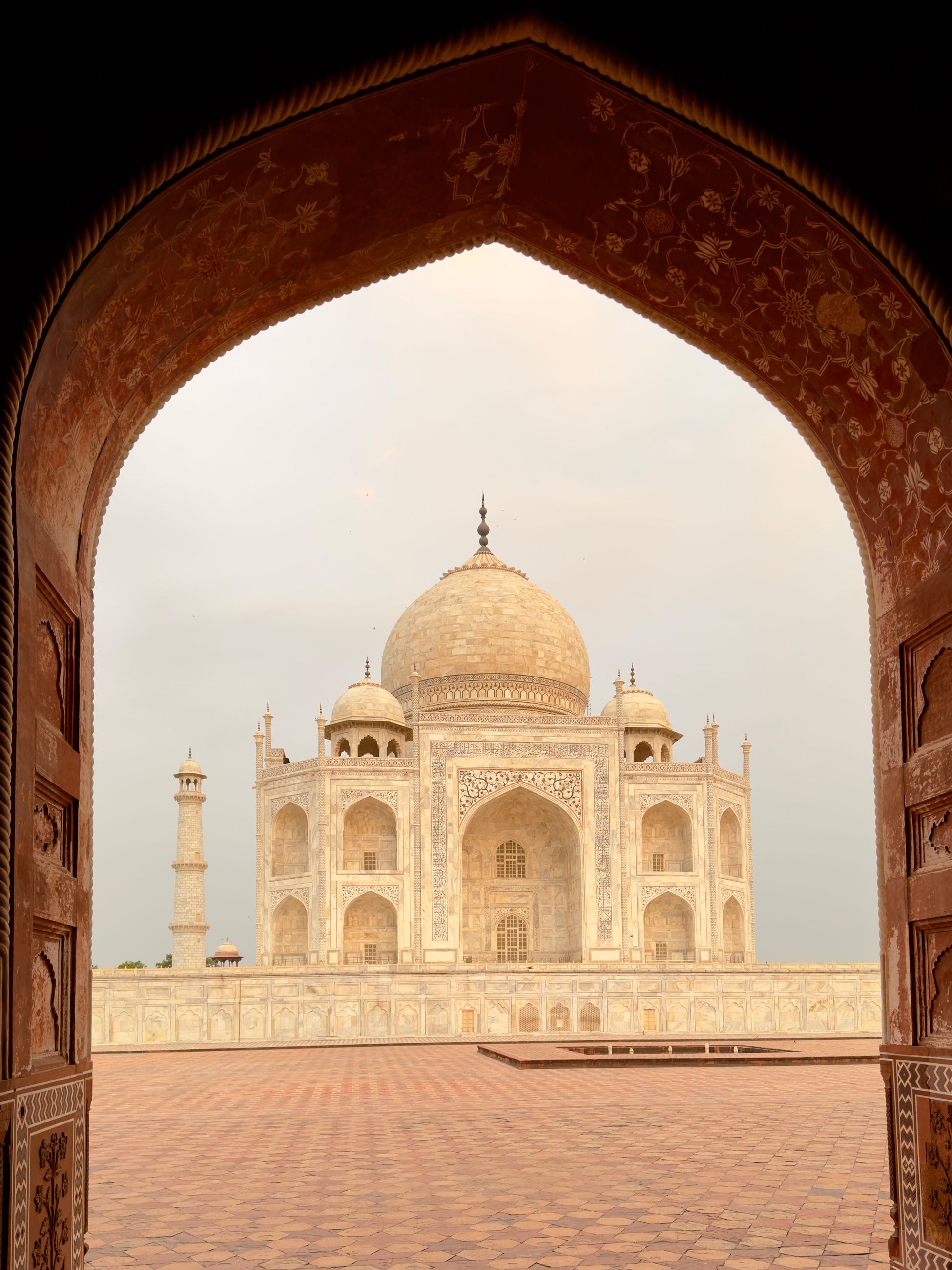
The Taj Mahal shortly after sunrise
A cruise along India’s sacred Ganges with Uniworld takes you to the Taj Mahal. (Credit: Rachael Thompson)
A woman onboard Eastern & Oriental Express, A Belmond Train, through Southeast Asia.
Experience the romance of rail onboard the Eastern & Oriental Express, A Belmond Train, through Southeast Asia. (Credit: Supplied)
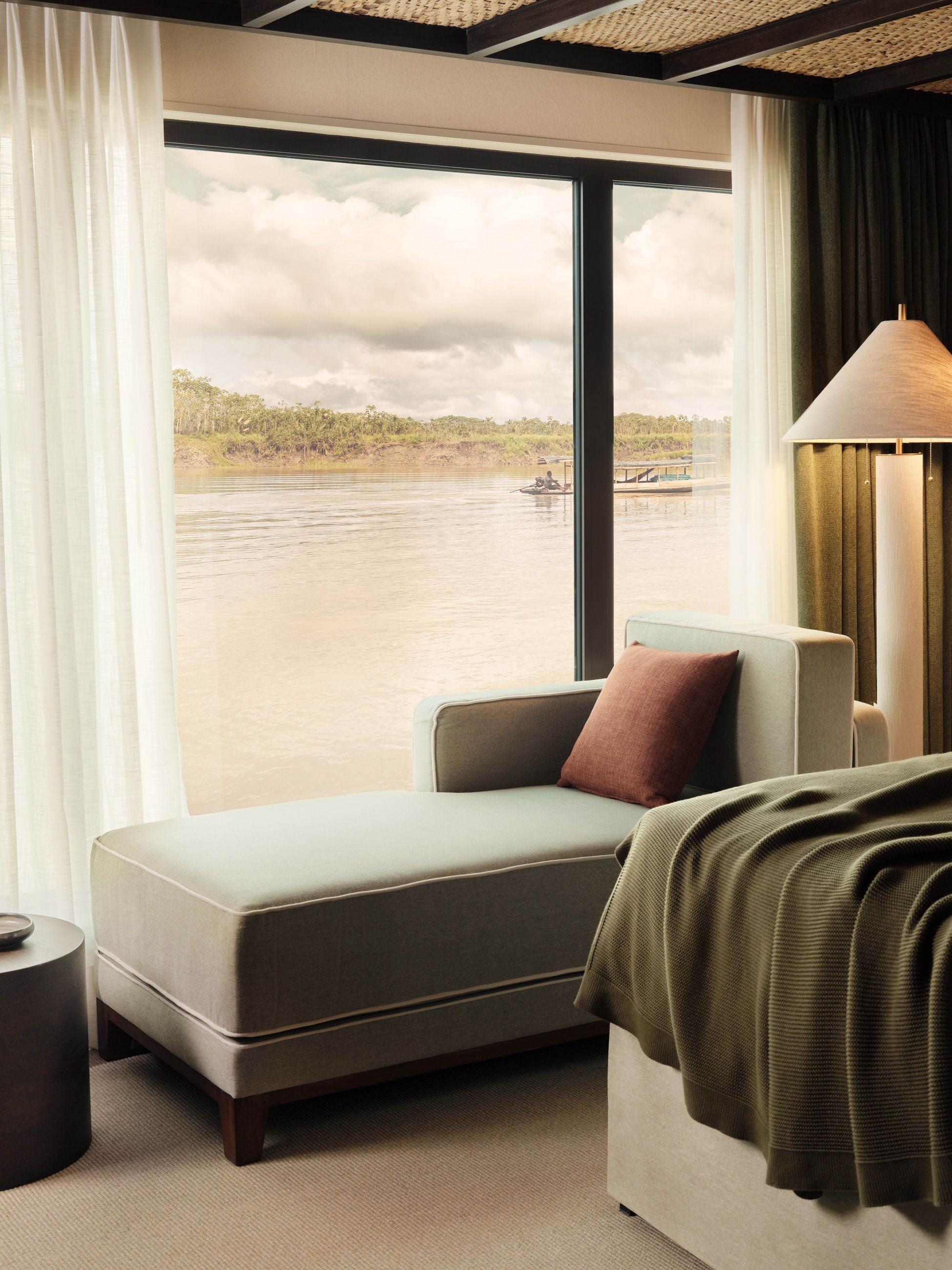
A cabin onboard PURE Amazon, A&K Sanctuary
Explore the Amazon onboard newly launched riverboat Pure Amazon, an A&K Sanctuary. (Credit: Supplied)
Li Qun Roast Duck Restaurant carves duck tableside
Discover how to spend 48 hours in Beijing, moving through its landmarks, hutongs and street-level rituals. (Credit: Natasha Bazika)
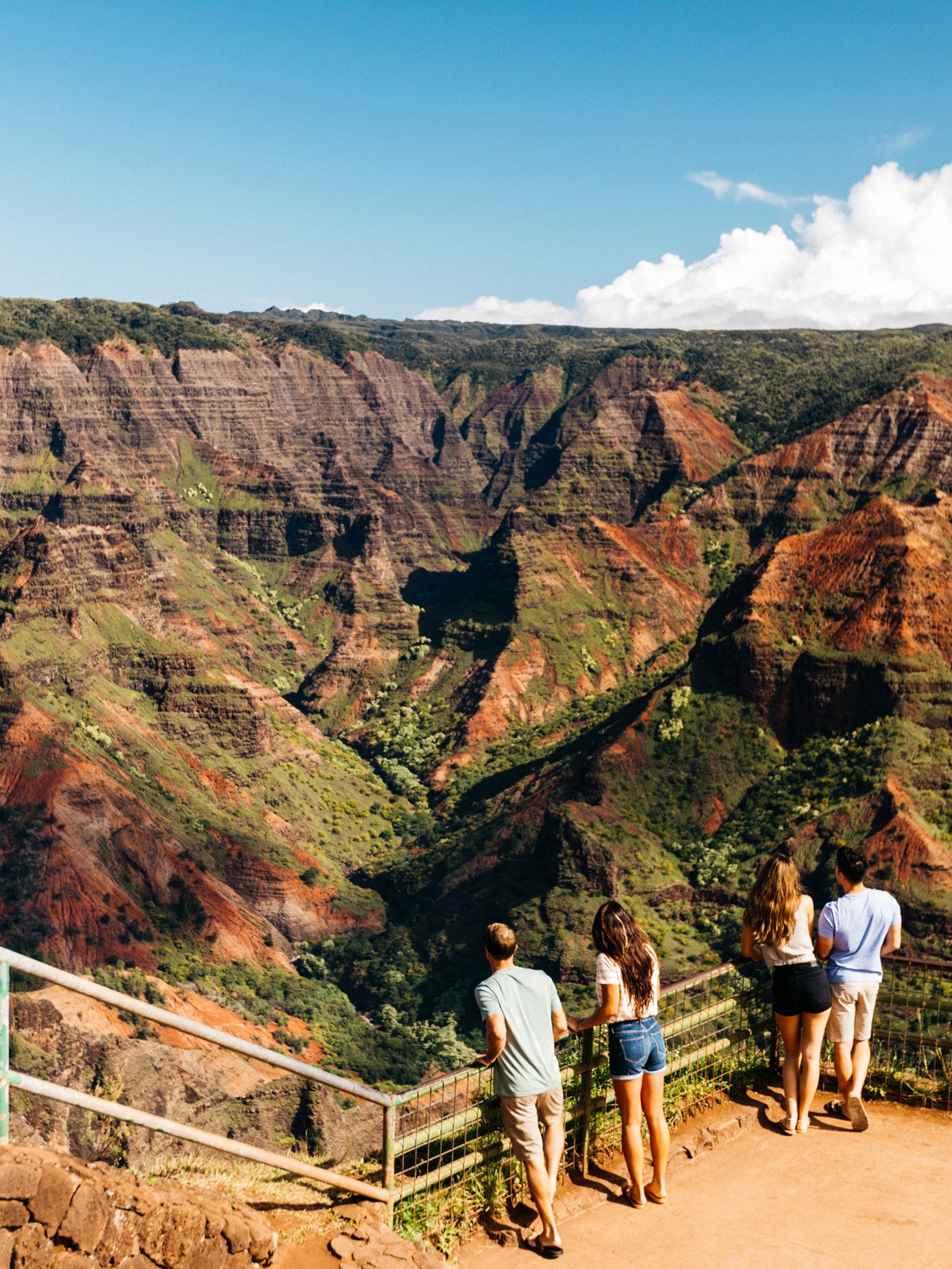
Waimea Canyon – aka the ‘Grand Canyon of the Pacific’.
Hawai‘i’s most spectacular hikes reveal the Hawaiian Islands’ grandeur in ways no road ever could. (Credit: Hawaii Tourism Authority / Ben Ono)
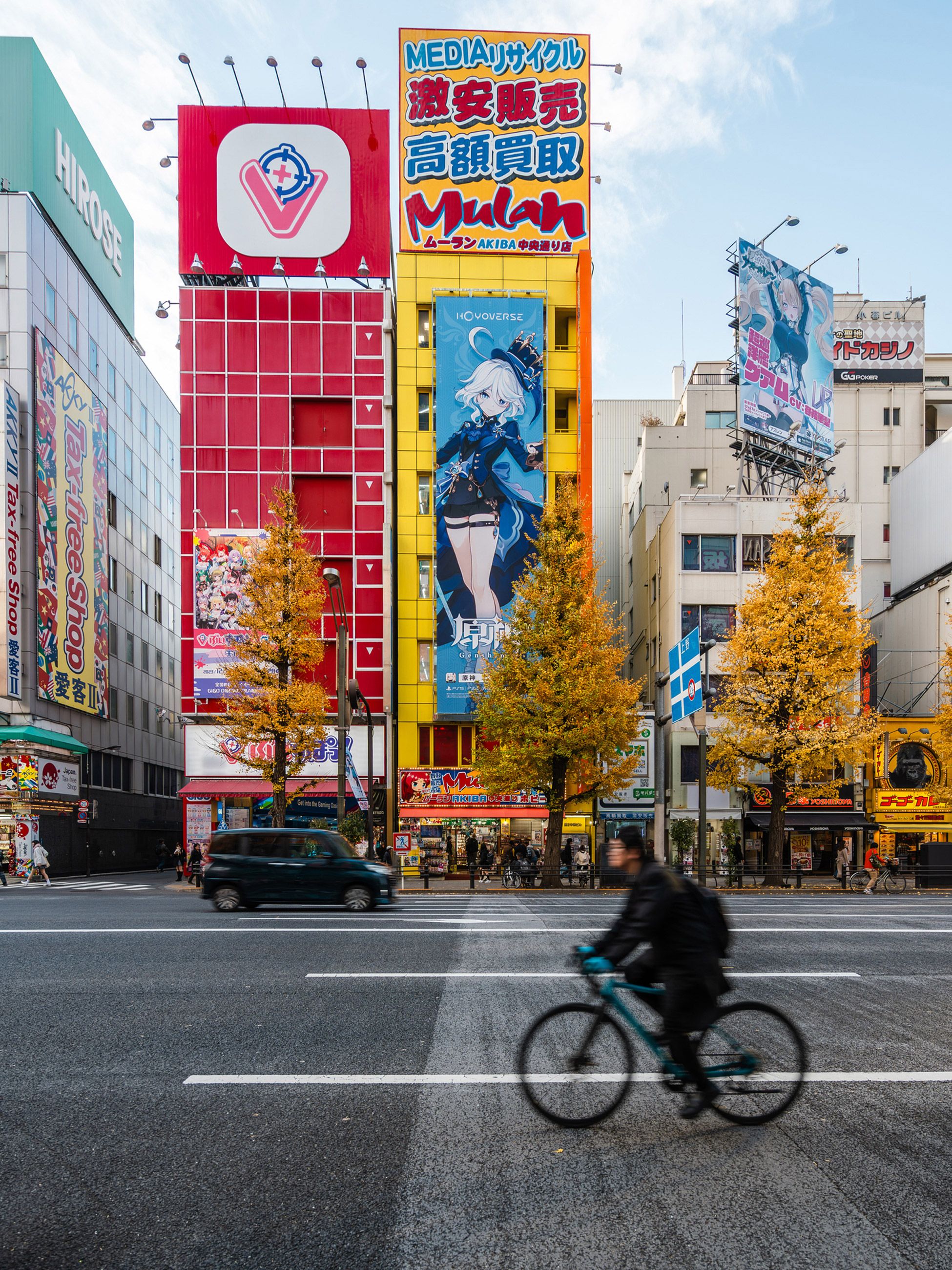
Bike ride through Tokyo city
Golden Gai, Ghibli and ramen hotspots are a few of many must-have experiences in Tokyo. (Credit: Getty/R.M. Nunes)

What else is new? 

When we started this journey, you – the reader – were the focus. We wanted to build you a website that lets you find expert, tried-and-tested travel content however you want. Here is a taste of what else you can find…  

All our travel videos in one place

Discover our dedicated video page, home to more than 80 travel videos filmed by the International Traveller team and trusted travel journalists while on the ground. Now you can find all the videos you’ve previously stumbled across on our social media pages in one place.

From First Look videos of new openings like New Zealand’s TRIBE Auckland Fort Street and the long-awaited Grand Egyptian Museum to one-of-a-kind experiences, such as chasing the Northern Lights in Norway onboard MS Trollfjord with Hurtigruten, to witnessing it snow on the Great Wall of China or the cruise ship with the world’s largest onsen-style bath at sea

Standing at the foot of the Pyramids of Giza, history has finally come home. The Grand Egyptian Museum isn’t just a building – it’s 7000 years of civilisation under one roof, from towering pharaohs to Tutankhamun’s treasures, all framed by the Great Pyramids themselves.

New user features

It’s mobile-first, so searching International Traveller on the go will be incredibly easy – and fast!

We’ve simplified the navigation – you can now search the website via the AI-powered search bar or the more traditional drop-down menu, where you can explore by experience, destination or accommodation. And if you know where you want to go, hit the Explore button to toggle between a list of countries or be inspired by our curated list of popular destinations.

International Traveller’s annual Top 100 lists are now easier to read, with a dedicated index page for previous lists as well as improved navigation through the 100.

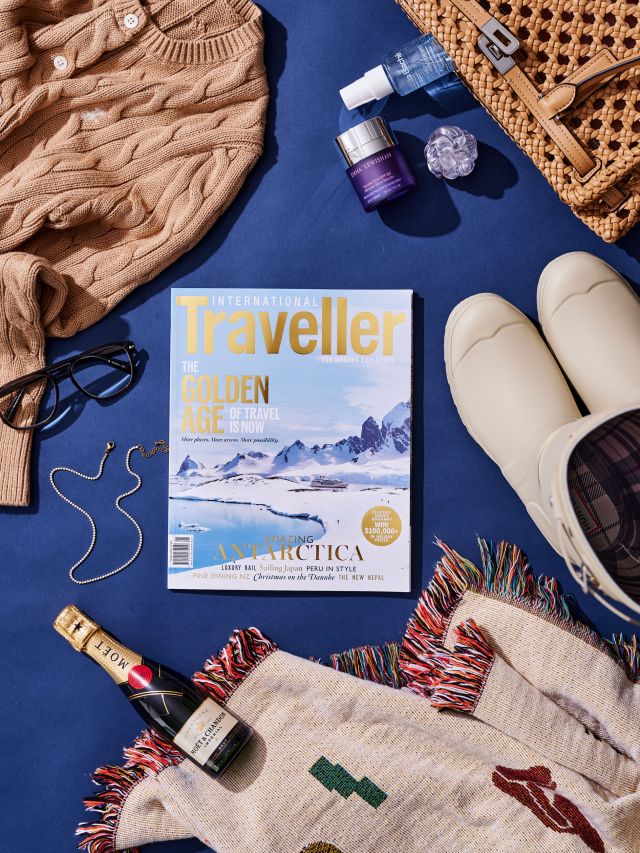
We continue to spotlight our award-winning travel magazine, International Traveller, with a dedicated section on the homepage showcasing the latest edition and how to subscribe to the digital and print editions, from as little as $9.95 a year. 

You can manage your subscriptions online – a dedicated spot to easily sign in to your account and manage your print and digital subscriptions.

IT59 International Traveller Magazine
Subscribe to our award-winning magazine, International Traveller.

New and expanded coverage

Our expanded coverage now includes travel news, opinion and analysis in addition to travel advice, how-to guides and travel trends. 

You’ll also have continued access to the same great worldwide travel content, written by the team at International Traveller and expert contributors on your favourite travel destinations across the globe. If you haven’t already, join our travel community of over 90,000 subscribers and get the latest stories direct to your inbox weekly. Find the link in our footer to sign up.

Enjoy planning your next getaway on the new and improved International Traveller. We hope you love it as much as we do.

Katie Carlin, Head of Content, International Traveller

Want to see more stories from International Traveller in your Google search results?

  1. Click here to set International Traveller as a preferred source.
  2. Tick the box next to "International Traveller". That's it.
Katie Carlin
Katie Carlin is International Traveller's Head of Content and when she’s not travelling or behind her computer, she’s hosting a dinner party (likely cooking an Alison Roman recipe). She joined International Traveller in 2018 and is responsible for leading the editorial team across print, digital, social, email and native content. Her job is to make sure we create content that connects readers to incredible experiences in around the world. In addition to sharing her expertise on travel through industry speaking engagements, Katie appears on Today, A Current Affair and various radio segments. With a BA in Communications majoring in Journalism and a career that has spanned roles at Fairfax Media and Are Media writing for titles such as The Sydney Morning Herald, The Age, and various lifestyle brands, she brings a wealth of experience to her role. Her most impactful trip to date has been spotting polar bears and beluga whales in Arctic Canada.
View profile and articles
hero media

Are we living in a new golden age of travel? Why travellers have never had it so good

We’re always looking back with nostalgia and looking forward with anticipation, but what about now? A century on from the dawn of commercial aviation, travel is more exciting, expansive and responsible than ever before. Here’s why travellers have never had it so good.

In the final episode of the US version of The Office, Andy Bernard says, “I wish there was a way to know you’re in the good old days before you’ve actually left them.”

Nostalgia is a funny thing. It has us longing for the past – lived experiences, personal memories, eras before our time – always viewed through an optimistic lens. The so-called golden age of travel shimmers in our sentimental dreams. Opulent cruise liners with elegant dress codes, romantic railway journeys through unfolding landscapes, first-class air travel with room to stretch and meals served on fine china. Travellers would jet off, sometimes for months at a time, without contact – until a postcard arrived in the letterbox telling tales of cultures unheard of and places unseen.

We can romanticise about this time while we wait in airport security lines alongside other trackie-clad travellers or while we jostle for a photo among the throngs of posing influencers. But when we arrive in far-flung places quickly and safely to see natural and human-made wonders with untold access and a greater understanding, perhaps we ought to wonder: is the golden age of travel now?

Increased access to worldwide destinations

kangaroo route map illustration by Mike Rossi
Flying to London from Sydney on the original Kangaroo Route took five days – a journey Captain’s Choice retraced on their luxury Pioneering Spirit of the Kangaroo Route aviation tour earlier in 2026.

In 1947, it took up to five days to travel from Sydney to London via Qantas – the original Kangaroo Route ‘hopped’ from Australia to the UK via Darwin, Singapore, Kolkata (India), Karachi (Pakistan), Cairo (Egypt) and Tripoli (Libya). The flight replaced arduous month-long sea voyages and connected Australians to the world.

Indeed, the past century has brought untold advancements in transport and connectivity. And no company has seen that more than Cox & Kings. With a history dating back to 1758, organising travel and logistics for the British armed forces, the Royal Family and eventually leisure travel in the post-war era, Cox & Kings is considered the world’s oldest travel company. Product director George Colvin-Slee tells us that to travel from London for a Cox & Kings tour of Egypt in the early 20th century was described as a ‘gruelling journey’. Guests would take an overnight sleeper train to Marseille and a three-day passage through to Alexandria onboard a steamer, just to begin the tour.

golden age of travel
Today we can easily access some of the most remote corners of the world by air, ship, rail, bus or car. (Credit: Mike Rossi)

Even with the expansion of civil aviation in the 1950s providing more accessibility, overseas travel was just a dream for most. The term ‘Jet Set’ was coined to describe the privileged few who could afford to travel by commercial passenger jets. But with the deregulation of the Australian airline industry in the 1990s, air travel became more affordable.

Today, we can travel to London in as little as 17 hours with Qantas, non-stop from Perth. Sixty international airlines operate services in and out of Australia, with more than 500 flights departing our shores every day. You can now fly direct from Melbourne to Santiago, Sydney to Johannesburg, Darwin to Guangzhou. And it’s not only air travel; cruise lines are now venturing into remote pockets of the Earth that were once unthinkable, such as Alaska’s Northwest Passage and Antarctica.

We are fortunate these days that most places in the world are open for business. It hasn’t always been the case: Bhutan was closed to tourists until 1974, Albania was cut off from the world due to its strict communist regime until 1992, and Saudi Arabia only opened to visitors in 2019 and has experienced a tourism boom ever since.

Khiva, Uzbekistan
The walled inner city of Khiva, Uzbekistan. (Credit: Getty/Mlenny Khiva)

The landscape is dynamic and there will always be places that are unsafe to travel. Cox & Kings’ Colvin-Slee argues that “in historic terms, we live in an age of much greater stability”. He suggests the 24-hour news cycle can cause nervousness. “With the Iran conflict, for example, we know exactly what is going on – when ceasefires are on and off, whether negotiations went well. The in-depth, hour-by-hour insight that we now have can have a massive impact on confidence in the travel industry.” The upside to this, however, is the ability to make informed choices about where to travel safely and with whom.

Cox & Kings operates tours in roughly 100 countries across the globe and to some of the world’s most remote and traditionally hard-to-get-to places, such as Uzbekistan and West Africa. “Our customers want to go deeper,” Colvin-Slee says, “[while] looking for security and familiarity within these unfamiliar environments.”

Information at our fingertips

Rishikesh in India
English rock band The Beatles went to Rishikesh to find inner peace. (Credit: Unsplash / Travel With Enfield)

While international travel was previously reserved for the elite, the 1970s saw a shift. Backpacking had become popular, inspired by The Beatles who travelled from the UK to India in 1968 for a few months in search of inner peace. Young, often cash-strapped Aussies who followed in their footsteps along the so-called Hippie Trail were considered fearless and daring. They’d leave home with a backpack, minimal funds and somewhat of a plan, thanks to travel bible Across Asia on the Cheap – the first guidebook written by Lonely Planet co-founders Tony and Maureen Wheeler.

By the 1990s, the gap year had become a rite of passage for most Aussies. Memories of backpacking around Europe or Asia lugging a hefty guidebook and a crinkled paper map, the only communication back home via a payphone and international calling card, are nostalgic for many of us. It was a time when young travellers could embrace freedom and spontaneity, fewer crowds and the wonder of the unknown.

golden age of travel
Travellers today are seeking deeper connections to their destination. (Credit: Mike Rossi)

On the flip side, we likely missed things: a family-owned bakery tucked down an alleyway that served authentic regional pastries; the story of the craftspeople who intricately carved the temple before us; breathtaking scenery outside the train window because we were slightly hungover and had fallen asleep.

By the 2000s, the internet had dramatically changed the travel landscape. When once travel agents were the only experts, these days we are all more informed than ever. We can research destinations – from opening times of attractions and train schedules, right down to the nitty gritty, like the closest laundromat that accepts credit card payments or the best cafes that serve soy milk.

While some despair the loss of the unexpected, unbridled access to information has fuelled our curiosity for travel and heightened our sensitivity to global environments and cultures more than ever. Colvin-Slee agrees that modern travellers are more discerning because they already have in-depth knowledge of a destination. “It’s really important that people continue to build on their curiosity, because it helps with cultural understanding,” he adds. This is especially evident in young travellers, whose gap years look vastly different to days gone by.

Intrepid Travel's olive oil and wine tasting at Molino El Vínculo, Grazalema
Sample organic wines and olive oil on a tasting tour in Molino El Vínculo in Grazalema with Intrepid Travel.

“When people think about travel for young adults, they often imagine big groups, jam-packed itineraries, party nights and touristy experiences,” admits Intrepid Travel’s managing director ANZ, Brett Mitchell. “[But] this generation is far more curious, climate-conscious and culturally connected than any other,” he says.

Intrepid Travel was founded off the back of a 1980s gap year, when Melbourne friends Darrell Wade and Geoff (Manch) Manchester travelled overland from London to Nairobi in a second-hand truck. They realised other travellers wanted to explore the world like they did, away from big travel groups and over-touristed places, and so created group tours that were affordable, flexible and mindful. Intrepid is now one of the largest adventure-led tour companies in the world.

Mitchell says that younger travellers increasingly “prioritise meaningful experiences, deeper local engagement and travel that feels intentional rather than performative”. The company works with local leaders and businesses to create positive impacts on the communities and environments it is travelling through, while providing unforgettable experiences for travellers that are away from the mainstream.

Regenerative travel is the way forward

sustainable travel
The industry must embrace regenerative travel to survive. (Illustration: Mike Rossi)

The world is, quite literally, at our fingertips. But, as Mitchell acknowledges, we’re living in “a complex era, with overtourism pressures in popular destinations and ongoing sustainability challenges that the tourism industry continues to grapple with”.

Intrepid Travel recently announced a series of Uncommon Day Trips, which have been designed to help manage growing visitor demand in Europe’s most popular cities: Barcelona, Paris and Venice. These tours operate in lesser-known neighbourhoods, easing the burden of tourists in busy hotspots, supporting local businesses that would otherwise be overlooked, and fostering meaningful cultural exchange.

Intrepid's walking tour in Alcazar, Spain
A guided visit to the Royal Alcazar of Seville with Intrepid Travel.

Hedda Felin, CEO of Norwegian cruise company Hurtigruten, agrees “travel is a force for good” but the industry must embrace regenerative travel to survive. She admits that, on the environmental front, the cruise industry has a long way to go, reiterating that we’re all more aware of our impact while travelling these days. “People want to travel with companies that minimise their footprint and enhance opportunities for the communities [they travel in],” she says.

Hurtigruten has invested around US$170 million to cut emissions and upgrade to hybrid ships, remove single-use plastics and implement advanced waste-management systems such as a circular economy onboard to reduce food waste. The cruise line completed its first climate-neutral sail in October last year on a battery hybrid ship using biofuel, which was converted from waste, proving that cutting emissions is possible without billion-dollar investments in new ships and infrastructure. “We can do a lot with proven technology today,” Felin says. “The Norwegian coast is very vulnerable, and we have a big responsibility as a national symbol [to protect it].”

Fortunately, sustainability is a baseline expectation these days, given evidence of how greatly the tourism industry affects the environment. However, to combat social and cultural impacts, many leading travel companies are focusing on regenerative travel.

Aurora Borealis above Hamnøy, Lofoten Islands
While cruising Norway with Hurtigruten, witness the spectacular northern lights above the red fishing cabins of Hamnøy in the Lofoten Islands.

For Hurtigruten, Felin says the cruise line wants to show the “real Norway” by travelling to smaller, isolated villages. She says that while these communities are very welcoming, she is “very conscious that we also need to protect and contribute positively.”

Hurtigruten uses local suppliers for its food onboard, shares stories of the Indigenous Sami culture through its products and experiences, and has helped to clean up plastic on Svalbard’s remote beaches and restore underwater kelp forests though The Hurtigruten Foundation.

Regenerative travel is a win-win situation. Paul Christie, CEO of Walk Japan, agrees that there needs to be a strong relationship with local communities, because travel is more about people these days. The walking tour company has always been off-the-beaten track, with its beginnings on the Nakasendo Way in the early 1990s, a route that was relatively unknown at the time. Spreading its tours across the length and breadth of Japan helps with managing overtourism, while distributing the economic and social benefits more equitably.

Mount Ontake in Japan
Mount Ontake is Japan’s second-highest volcano. (Credit: Walk Japan)

“Rural Japan is suffering enormously,” Christie says. “Populations are ageing and declining, but we’ve drawn attention to these areas, and younger generations are starting to move in.” Walk Japan will celebrate its 35th anniversary in 2027 and has earned a solid reputation for regenerating the areas it travels through. As an example, Christie says the company has “taken over farms that the local farmers can no longer sustain, because of age or financial reasons”. It restores the farmlands to walk through or regenerates forest trails, acknowledging it works well for tourism and for the communities. “It’s a multi-faceted, symbiotic relationship,” he adds.

Christie believes travel is about the luxury of experiences, but not in the material sense. “We reveal Japan in all its glory, but not just its physical, also its social and cultural sides,” he explains. “Japan is a lovely destination and I think the biggest attribute is its people.”

Accommodation with a sense of place

Longitude 131° at Uluru
The iconic, five-star Longitude 131° at Uluru offers a luxury stay in the remote red desert.

“People have evolved away from marble and gold taps – that traditional luxury,” says Hayley Baillie, who founded Baillie Lodges with her husband James. “Storytelling and sense of place have become possibly even more important.”

The Australian-born luxury hotel group has recently rebranded as Beckons and expanded globally to share its legacy of luxury lodges and curated travel experiences. CEO Michael Crawford says that Beckons offers “deeper, connected, individualised trips” for its guests in “remarkable environments”. These properties include Longitude 131° at Uluru; Clayoquot Wilderness Lodge on Vancouver Island; and Tierra Patagonia in Chile – places that would have once been very difficult, if not impossible, for travellers to reach.

Beckons Tierra Patagonia from above
The all-inclusive Tierra Patagonia is situated within the windswept Patagonian plains.

Indeed, when it comes to accommodation, Cox & Kings’ Colvin-Slee says modern travellers are spoilt for choice. “Realistically, there would have been one or two international hotels [in a destination] and everything else would have been very spartan,” he says. “Today, in any given destination, there might be 100 options: something that’s boutique, modern or grand and historic.”

Accommodation plays a significant role in travel decisions for modern travellers. And Cox & Kings ensures that its clients stay in places that have history, culture and character. “Of course our clients want comfort, but they would rather stay in a converted monastery than a five-star international property that has bells and whistles,” says Colvin-Slee.

“Quality assurance is much easier these days, too,” he continues. “We can look at photographs and reviews before we leave home.”

The new golden era of travel

golden era of travel
We’re making the case that the golden age of travel is now. (Credit: Mike Rossi)

Travel is no longer about checking off a list of landmarks. It’s about getting a true sense of a destination through its people, their stories, their food and their land.

Fulfilling this type of travel is getting easier. At any time of the day or night, we can search for information, photos, reviews and even ask AI to write our entire itinerary. We can easily access some of the most remote corners of the world by air, ship, rail, bus or car. We can enjoy more meaningful experiences, with exclusive access to places and people – from an after-hours tour led by the museum curator and a candlelit dinner in a family-owned castle to meeting a local artisan who can teach you an age-old craft passed down through generations.

Our desire to travel is influenced by our growing curiosity to learn about the world that we see online every day. Our high expectations are fuelled by our understanding of fragile environments and minority cultures, and what we need to do to sustain them. We want to explore with companies that take action to care for the places and people they depend on to survive.

We might not wear a two-piece suit and pillbox hat as we board the plane. But we are travelling better than any generation before us. Andy Bernard might have been onto something. Perhaps these are the good old days – and we’ll look back on them in decades to come with fuzzy nostalgia.