hero media

Swap these 7 European cities for lesser-known gems

You may want to think twice about these European cities when organising that Euro trip of your dreams.

Europe in summer is stunning. With so many incredible cities, there are countless experiences to be had and memories to be made. But we’re not the only ones who think so.

A recent study by Holidu has revealed the cities in Europe with the most tourists per inhabitant, so rather than fight through the crowds, visit the lesser-known gems that you’ll have all to yourself instead! OK maybe not quite all to yourself, but you get the point.

1. Visit Split instead of Dubrovnik: Croatia

Dubrovnik in southern Croatia came in at the top of this not-so-coveted list, with 36 tourists per inhabitant in peak season. Don’t fret though, because Split brings so much to the table, including a vibing nightlife, pristine beaches and better day trip options!
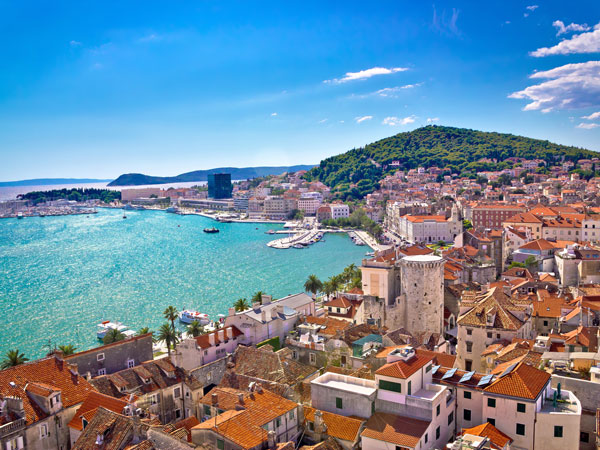
Split waterfront and Marjan hill view
Look over Split from the Bell Tower.

Located along the Adriatic Coast, the dazzling coastal city of Split’s character is found in its charming mix of ancient architecture and modernity, making it a unique place to explore. Accessible by boat or plane, it’s a hub for travellers venturing between the Croatian islands.
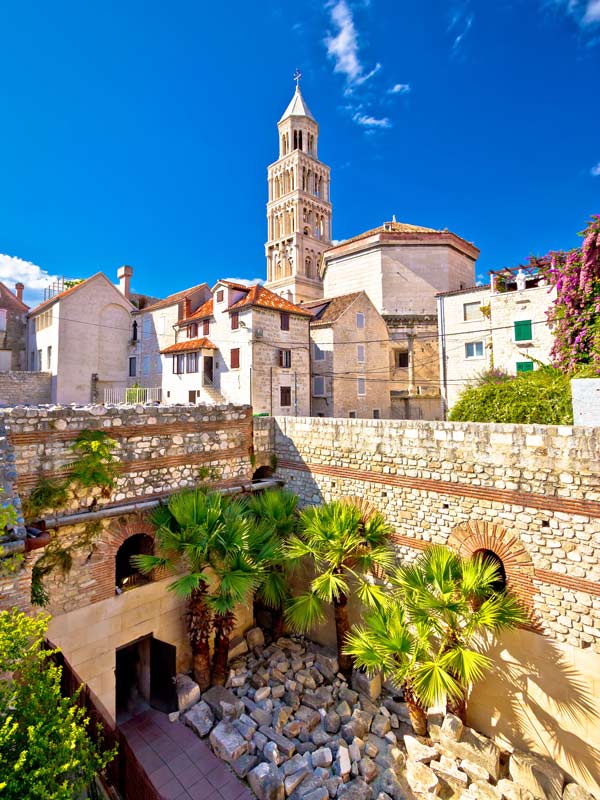
Split historic architecture of Diocletians palace
Split has a mix of ancient architecture and modernity.

2. Visit Verona instead of Venice: Italy

Canals, gondolas, churches, romantic history and pasta. So much pasta. What’s not to like in Italy’s Venice? Well, with 21 tourists per inhabitant, things might get a bit squishy! Opt instead for Verona, Venice’s Shakespearean sibling.
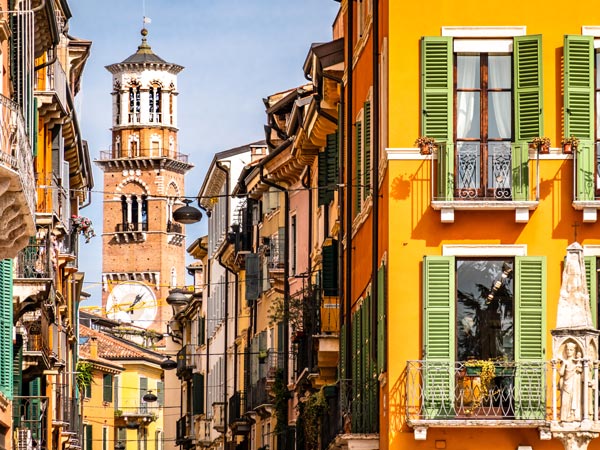
Old town of Verona, Italy
Verona is known as the birthplace of Romeo and Juliet.

Verona’s reputation as a city of romance stems all the way back to Romeo and Juliet, which was, of course, set in Verona. But, whether or not you want to explore the Romeo and Juliet tourist sites or prefer to visit the piazzas, opera venues and museums, you’ll be falling head over heels for Verona.
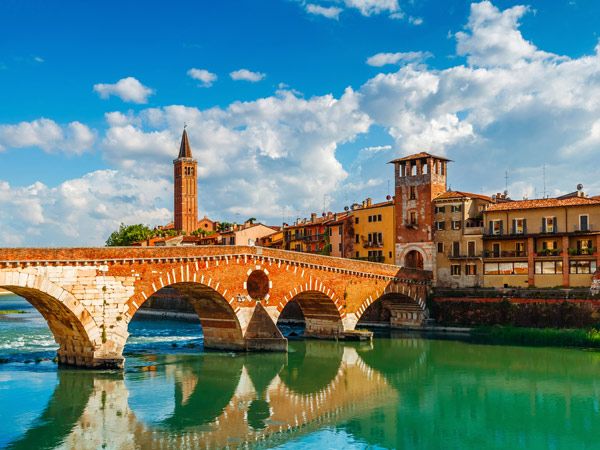
Bridge Ponte Pietra in Verona
Verona is far quieter than Venice.

3. Visit Antwerp instead of Bruges: Belgium

Also coming in with 21 tourists per inhabitant, is Belgium’s beautifully preserved medieval town, Bruges. For a quieter, but just as beautiful destination, look no further than the port city of Antwerp.
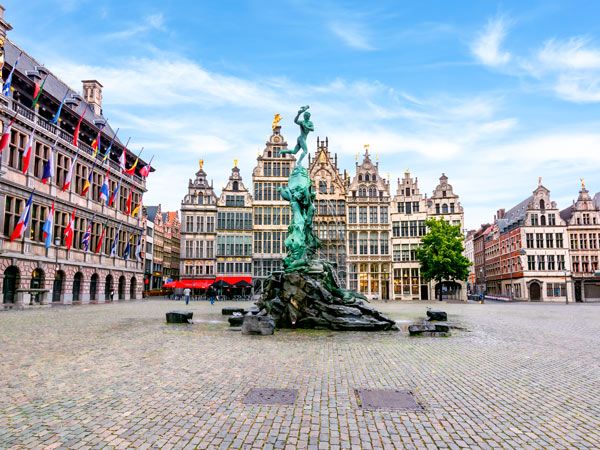
Market square in Antwerp with Brabo fountain, Belgium
The Brabo Fountain in Antwerp is a must-see.

Antwerp is known as the diamond capital of the world and has a reputation for art and fashion. Antwerp first landed on the fashion map back in the ’80s when the so-called ‘Antwerp Six’ featured at London Fashion Week for the first time. The collective of six young designers helped create a reputation for the city for innovative design, fashion and progressiveness.

Since then, Antwerp has grown into somewhat of a ‘capital of cool’ in a country firmly rooted in history, medieval art and trade.
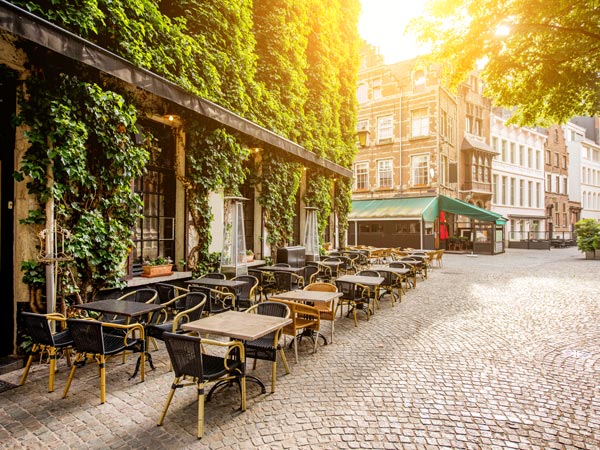
Cafe terrace in Antwerp, Belgium
Take it easy in one of Antwerp’s cafes.

4. Visit Milos instead of Rhodes: Greece

The largest of Greece’s 12 Dodecanese islands on the Aegean’s eastern edge, Rhodes is also its most popular, with 21 tourists per inhabitant. For a more secluded island vibe, head to Milos, which Greeks refer to as the ‘Island of Colours’ because — when viewed from above — it appears as if the seas around the Greek island have been set in emerald-hued resin.

This lesser-known island also has 78 breathtaking beaches to unwind at!
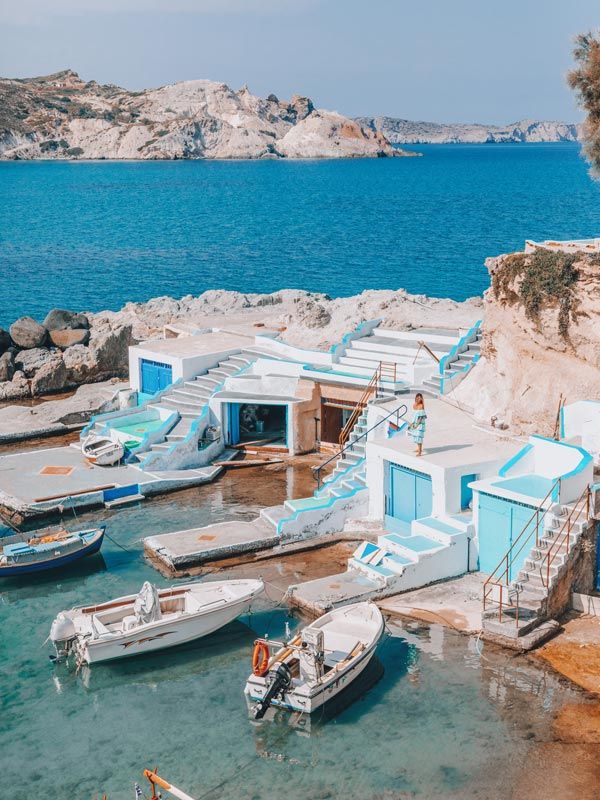
Traditional Greek Fishing Village in Mandrakia Milos island Cyclades Greece
Milos Island is Greece’s hidden gem.

5. Visit Akureyri instead of Reykjavík: Iceland

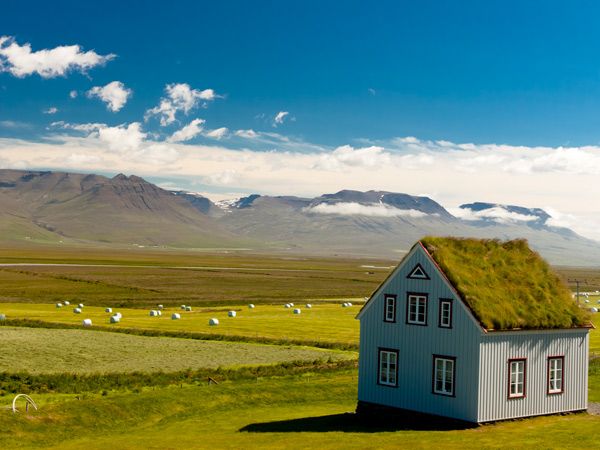
Most people know of Reykjavík in Iceland but not much else, which explains why there are 16 tourists per inhabitant there! Consider going to Akureyri instead, which is renowned for the beauty of both the town itself and its natural surroundings.
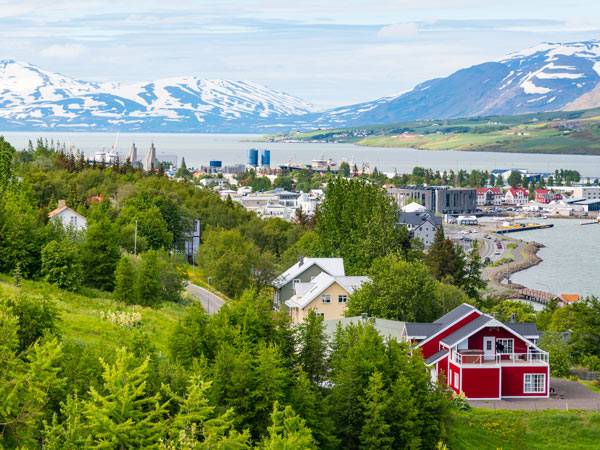
Town of Akureyri in North Iceland
Akureyri is the ultimate Icelandic city.

There are a number of interesting cultural and historical museums in the centre, but the real must-see is the Botanical Garden, which contains almost every plant that grows in Iceland. Depending on when you decide to come, there’s also a good chance you’ll catch one of the town’s many concerts, festivals, and exhibitions.

Summer is the best time to visit Iceland, thanks to the midnight sun and warmer temperatures. Don’t discount winter though – February, March, September and October are the best time to travel to Iceland for the Northern Lights.
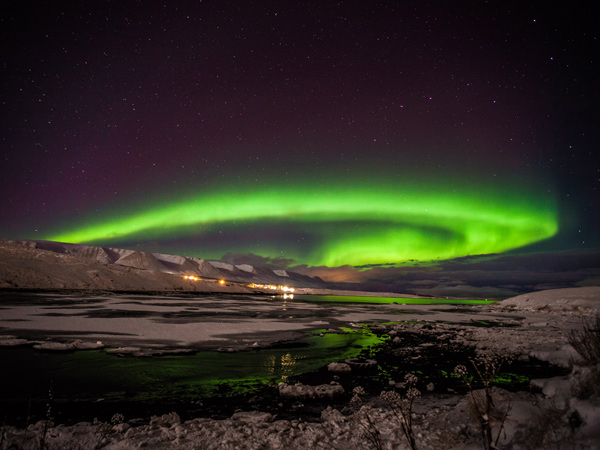
Northern Lights Over Akureyri, Iceland
See the Northern Lights in Akureyri.

Weekly travel news, experiences
insider tips, offers,
and more.

6. Visit Siena instead of Florence: Italy

The second Italian city on the list, Florence, has 13 tourists per inhabitant during peak season. We don’t blame them though, because Tuscany is dreamy! Get your Tuscan fix with Siena, which has the best of Tuscany without the tourists and the high prices.
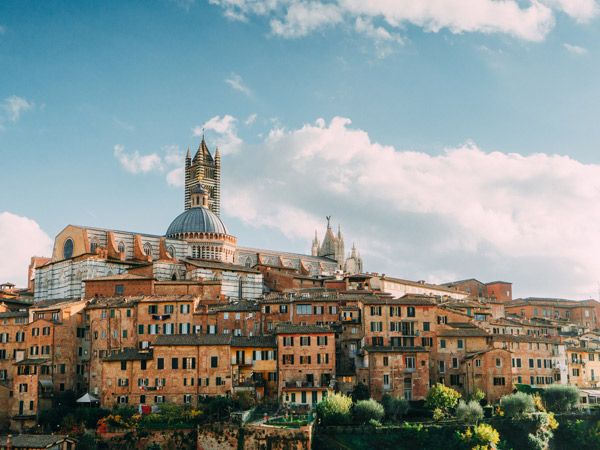
Scenic view of Siena from viewpoint
Siena is a Tuscan dream destination.

Siena’s medieval city landscape is unmatched. Transport yourself right back to the Middle Ages with the sea of terracotta-toned houses, gigantic sights – including Piazza del Campo, the main attraction in Siena – and awe-inspiring scenery.
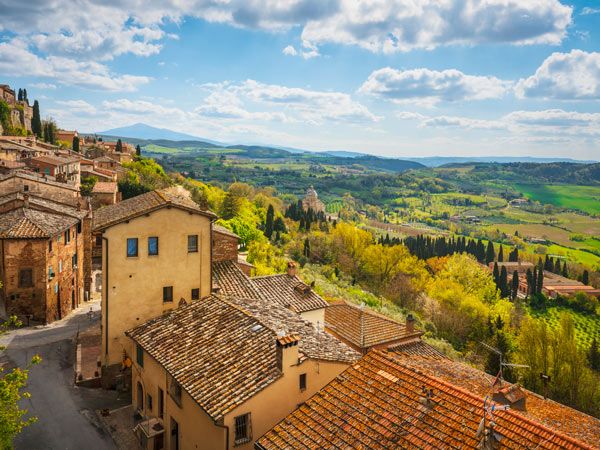
Montepulciano village panoramic view. Siena Tuscany Italy
Tuscany is best experienced sans crowds.

7. Visit Karpathos instead of Heraklion: Greece

Crete is the largest and most populous of the Greek islands, and Heraklion is the most popular region of Crete, located on the eastern side of the island, between Rethymno and Lassithi. With 13 tourists per inhabitant, things can be pretty busy in Heraklion, so it might be worth considering Greece’s best-kept-secret, Karpathos.
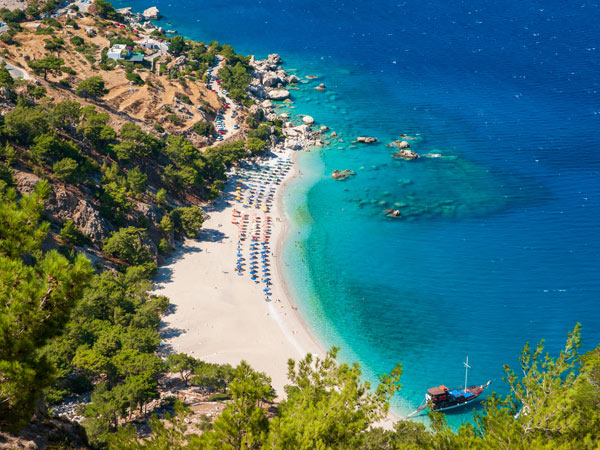
Apella beach Karpathos, Greece
Apella Beach in Karpathos is the perfect spot to unwind.

Situated between Rhodes and Crete, Karpathos is rather secluded, and its natural landscape remains unspoiled with beaches to die for. Only the southern side is developed for tourists and the rest of the island maintains its authentic atmosphere.
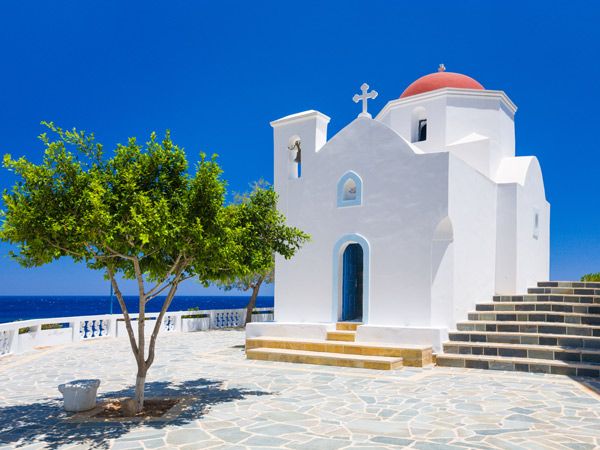
Orthodox church at Kyra Panagia Karpathos island Greece
Explore the authentic Greek atmosphere in Karpathos.

Want to see more stories from International Traveller in your Google search results?

  1. Click here to set International Traveller as a preferred source.
  2. Tick the box next to "International Traveller". That's it.
hero media

What the European heatwave means for your summer travel plans

Temperatures are soaring this summer, breaking records across Europe and the UK. 

Euro summer is a feeling like no other. But when a heatwave hits? The dream trip quickly turns into a sweaty mess. Extreme heat is sweeping Europe and the UK this week, with record-high temperatures impacting travel plans across the continent.

And while Australian summers are typically hotter in absolute temperature, many European cities aren’t equipped for high temperatures, resulting in unbearable weather.

Why is it so hot in Europe?

Signs of a hot summer loomed in May, when the mercury hit unprecedented spring highs. Now, extreme high temperature warning alerts have been issued in countries such as Spain, Italy, France, England, the Netherlands and Germany.

France saw its hottest day on record on Wednesday, with an average temperature of 30°C across the day and night. This surpasses the average temperature for June, which is 15°C to 25°C. Dozens of people have died, including 40 from drowning.

In Spain, 212 deaths have been linked to the heatwave.

The UK recorded its hottest June day ever on Wednesday with temperatures soaring to 36.1°C. In an article published by the Met Office – the UK’s national meteorological service – Professor Stephen Belcher CBE, Met Office Chief Scientist, shared his concerns about June’s heat. “To see temperatures like this in the UK in June is sobering. Events like this bring home the implications of climate change, with very high temperatures and humidity bringing significant health implications from heat stress, as well as impacts to a range of sectors such as transport, energy and water supply,” he said.

Heatwaves are becoming increasingly common in Europe and the UK, neither of which is prepared for such extremes. The World Meteorological Organization reported that in 2025, at least 95% of Europe experienced above-average annual temperatures and that the continent was heating up twice as fast as the global average.

How travel is impacted

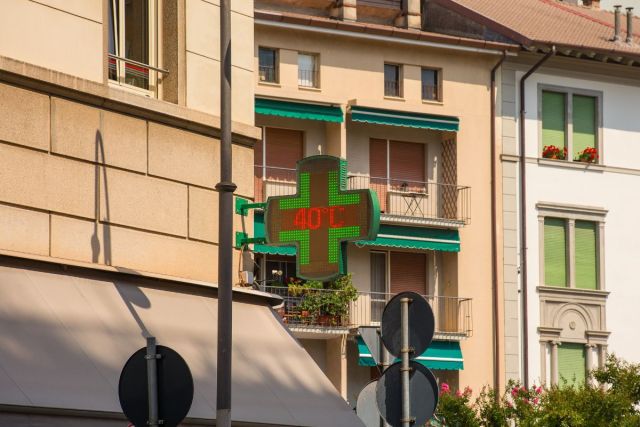
A pharmacy sign displaying 40 degrees Celcius
A pharmacy broadcasting local weather data. (Credit: Getty/Dragoncello)

During a heatwave, power grids, water systems and transport networks can be affected, resulting in disrupted itineraries for travellers. In France, power outages have left thousands without electricity and early closures have been implemented for two of Paris’s biggest attractions, the Eiffel Tower (early afternoon rather than late at night) and the Louvre (two hours early). Eurostar cancelled its London to Paris and Paris to London services from the 22nd to the 25th, and major UK rail companies have been advising travellers to avoid using trains where possible, or to travel during early hours.

If a heatwave is predicted, being flexible with your itinerary and having fully refundable/changeable tickets is key, as extreme heat can force the cancellation of outdoor activities, impact rail and flight services and change the opening hours of sites and eateries.

Why does summer in Europe often feel hotter than summer in Australia?

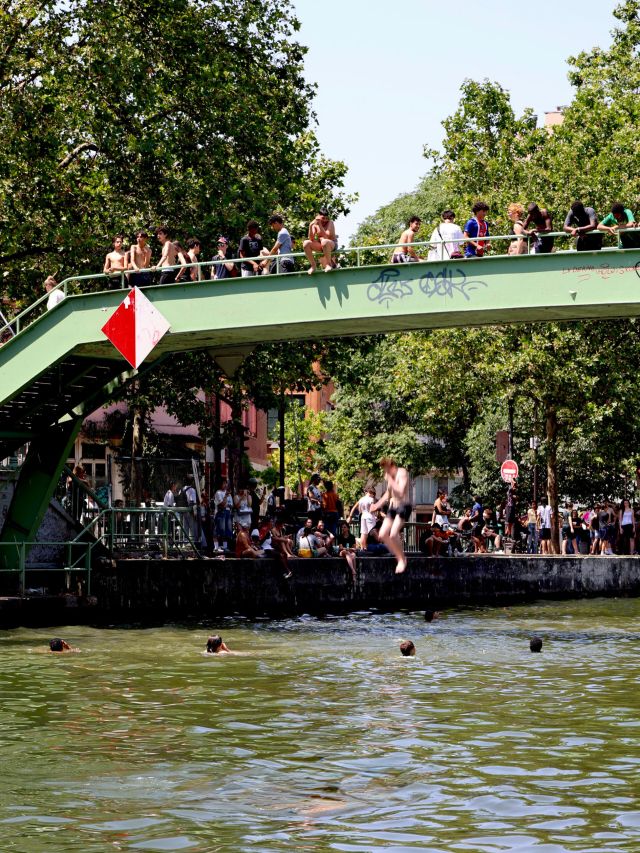
people swimming in the Canal Saint-Martin in Paris
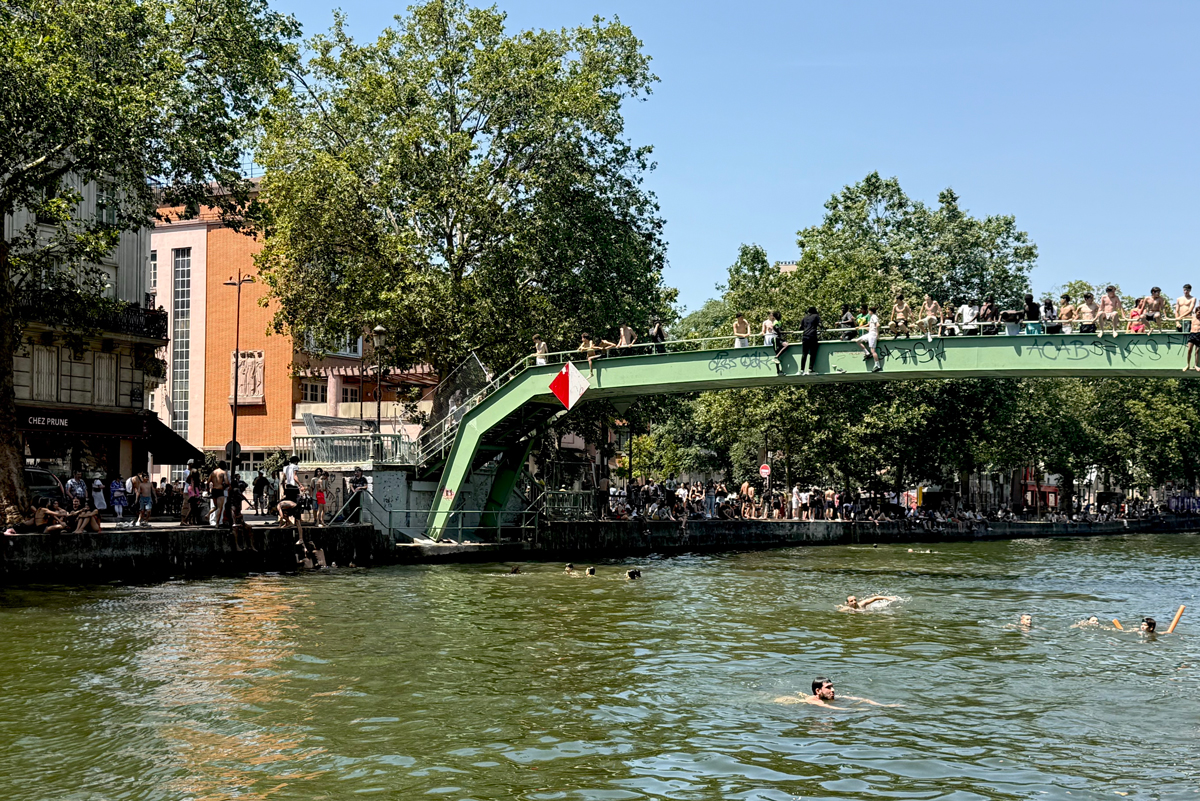
People swimming in the Canal Saint-Martin in Paris to cool off. (Credit: Rachael Thompson)

With some of the highest UV levels in the world, Australians are no strangers to the heat, adapting well to intense weather. But our infrastructure is largely equipped to withstand soaring temperatures with climate-responsive passive design, refrigerated air conditioning or evaporative coolers, as well as swimming spots aplenty.

Buildings in Northern and Western Europe and the UK, however, are constructed to retain heat and handle frosty winters. The lack of universal air conditioning means it generally feels hotter even though the temperature on your app might not look it. During a heatwave, it can feel like you’re in a sauna as cities act like heat traps.

How to stay cool and prepare for another heatwave

Relief is expected across Europe and the UK later this week, but more heatwaves are still possible in the coming months. Summer heat typically peaks in July and August.

Public transport often doesn’t have air conditioning, and buses in particular can be swelteringly hot. If you’re heading outside or your accommodation has no air conditioning, it’s worth buying a spray bottle and a handheld fan from a pharmacy or tourist stand. Check ahead of time if restaurants and cafes have air conditioning and make a booking in advance. The highest temperatures typically hit between 3pm and 6pm, so aim to head outdoors outside of these hours.

Rising temperatures invite travellers to enter a more intentional era of seeing the world. Now more than ever is the time to embrace lower-impact “coolcations” and off-season getaways.