Soak up a Santorini sunset, delve into ancient history in Athens, marvel at the pink beaches of Crete and venture off the beaten path in this seven-day Greece itinerary.
This is the land where wine is often cheaper than water. Where the world’s first democracy began and history’s most epic tales unfolded. Where the Aegean Sea glimmers the purest azure and the sandy beaches inspire a peace as old as time. And don’t forget about the food: world-class olives, pita, tzatziki, gyros.
The question isn’t if you should go to Greece, but when and where do you start? The country boasts 6,000 beautiful islands and thousands of years worth of culture, so it can be a little daunting deciding where to begin and how to fit it all in.
Worry no more, because we are bringing you the ideal seven-day Grecian trip of your dreams. We’ll hit the major attractions, but we’ll also take you off the beaten path. We’ll bask in the glamour of the Mykonos party scene, but also delve into the historic wonders of ancient Athenian architecture. We’ll witness the unmatchable Santorini sunset over the white-and-blue-domed city of Oia and soak in the sun on the pink beaches of Crete. Keep on reading for the trip of a lifetime to the Greek Islands.
Day 1: Athens
One word: Historic
How to get there: The Eleftherios Venizelos International Airport (ATH) can be easily reached from just about any international destination.
We begin surrounded by rich history, countless rooftop restaurants and bustling marketplaces in Athens. From architecture and theatre to democracy and philosophy, this city was a wellspring of unprecedented ideas and culture that powerfully shaped the world as we know it today.
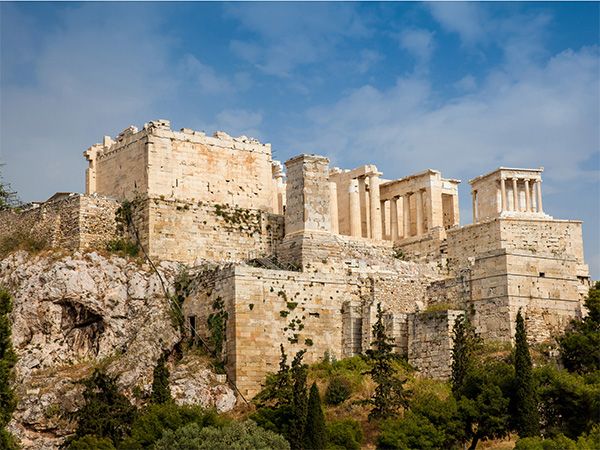
Begin day one by getting the most touristy things out of the way and head to the Acropolis. This famous rocky outcrop overlooking the city of Athens is home to some of the world’s most famous structures, namely the Parthenon. Even a sea of selfie sticks can’t take away from the awe-inspiring beauty of this majestic marble temple. stop by the nearby Acropolis Museum for a refresher in your ancient Greek history if you can’t quite recall everything you learned in school, The Erechtheion is another noteworthy Acropolis temple known for its massive pillars carved in the form of six women.
End your day at the Areopagus, also known as Mars Hill. Just outside the Acropolis, this hill offers an impressive view of the city and an equally impressive history. One of the city’s earliest aristocratic councils met at this spot to discuss ideas and politics. Others revere it as the spot where Paul the Apostle made a speech, as cited in the Bible. Even for those tired out on ancient history for the day, the perfect vantage point to catch the Grecian sunset over the city can’t be missed.
Day 2: Athens
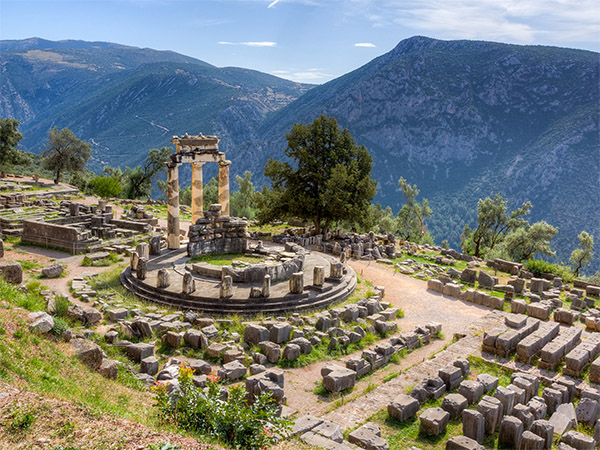
There are just too many millennia of Athenian history to fit in one day. Day two presents the perfect chance to get out of the city on a day trip to Delphi. About a three-hour drive from Athens, Delphi is the home of Apollo’s infamous oracle who was said to interpret messages from the gods and see the future. Ascend the mountains of Delphi to see the temple where she would commune with the higher powers. You can book your own car for this day trip, but we recommend booking a tour to assure easy access to all of the sites the area has to offer.
Alternatively, for those not up for another long day of touring, you could stay in Athens and explore the more modern aspects of the city. Hit the Monastiraki Flea Market for a bustling atmosphere full of mouthwatering Greek food, hand-crafted leather sandals and evil-eye jewellery.
Wander the winding streets of Plaka to find hole-in-the-wall restaurants tucked in alleys and graffiti of Plato’s ancient wisdom.
Day 3: Mykonos
One word: Glamorous
How to get there: The fastest ferry runs from Athens to Mykonos in about two hours. You could also fly into the Mykonos airport (MYK). One-way flights are 90 minutes and hover around $60.
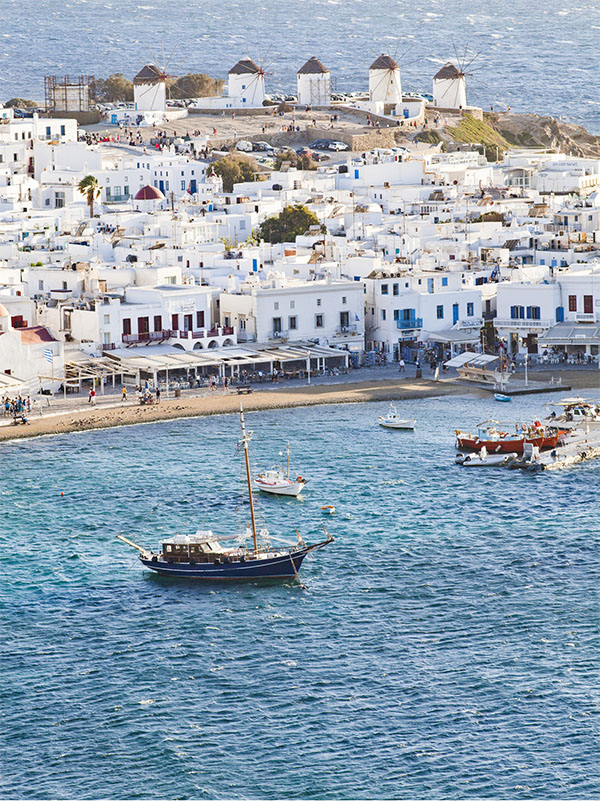
Mykonos evokes images of celebrities sunning on yachts, bars bumping late into the night and the classic white-washed houses that your Instagram-fueled dreams are made of.
By day, explore Mykonos Town (also known as Chora). There is no shortage of local shops, quaint windmills, miniature churches and chic boutiques to hold your interest. Check out Little Venice, where the shops and cafes hover right at the water’s edge, reminiscent of Italy’s water-top city.
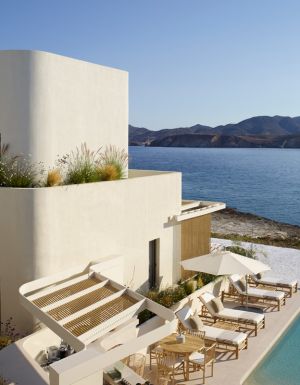
Elia Beach is a beautiful option for those who want some distance between the heart of the action (and the late-night bar music). The Myconian Utopia is an island paradise and great accommodation option, set into the rock overlooking it.
One more thing: don’t forget to grab a drink or two when the sun goes down, in true Mykonos fashion.
Day 4: Milos
One word: Off-the-radar
How to get there: Take a three-hour ferry from Mykonos to Milos. There are also ferries and some flights connecting Milos to Athens and many of the islands in the Cyclades.
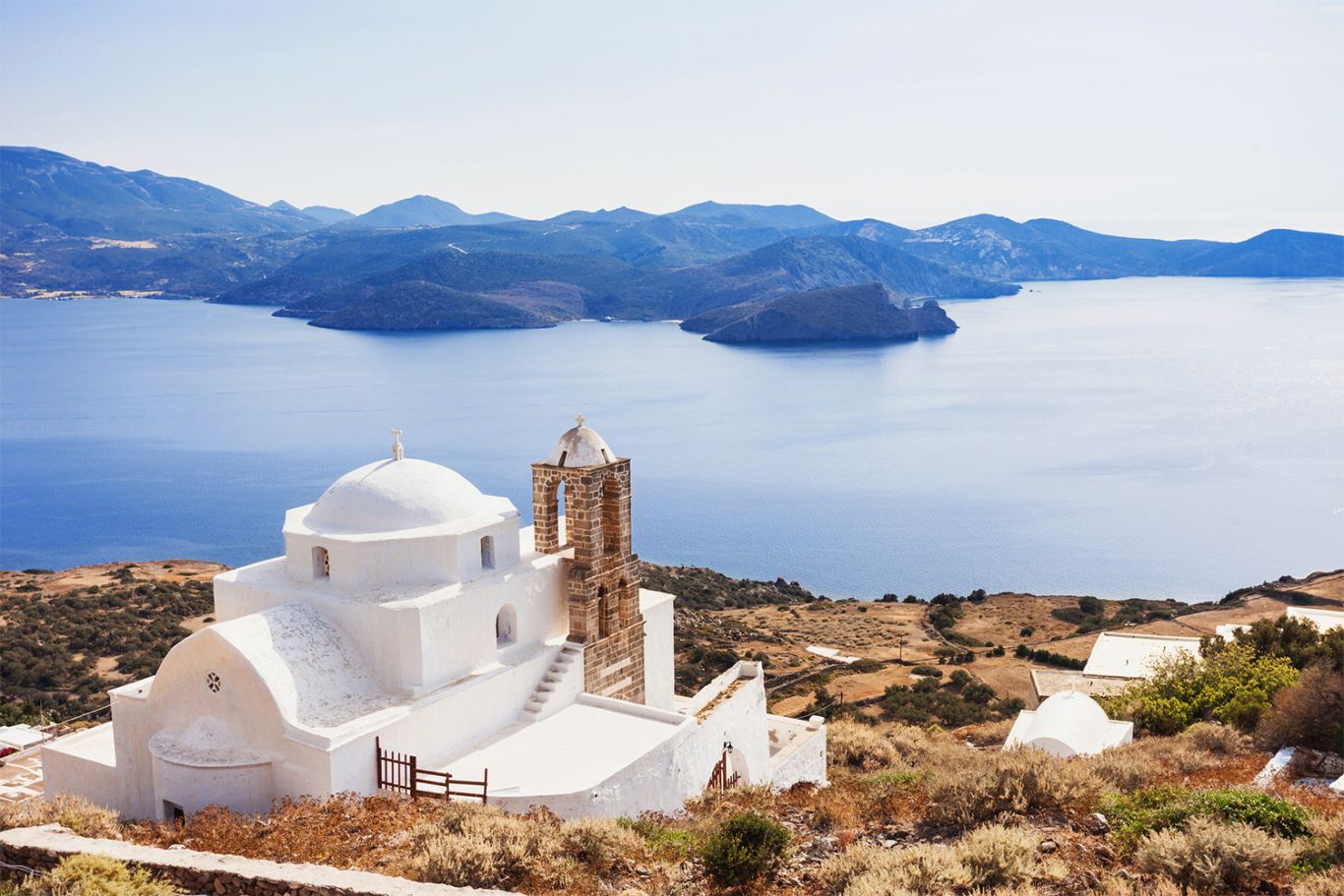
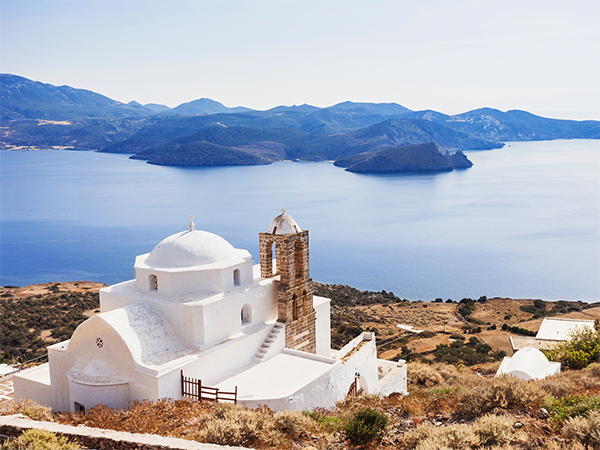
After all of the hustle and bustle of these iconic Greek destinations, it’s the perfect time to stray from the beaten path and discover the underrated island of Milos. The island’s main claim to fame is its title as the discovery place of the Louvre’s famous Venus de Milo. This seems to be one of Greece’s biggest up-and-comers: it’s recently garnered several shout-outs as a ‘hidden gem’ but the crowds have yet to arrive.
You’ll ferry into the town of Adamantus, but don’t stay too long as there’s more to see elsewhere. A top highlight is Sarakiniko Beach, which is actually more of a watering hole, but still a picture-perfect place to swim. The crystal-blue waters meet the volcanic, white-ash rocky shore for a truly stunning (and almost lunar) aesthetic. Dive off the rocks and explore the coast’s hidden caves and coves.
If you fancy seeing a greater extent of the ‘Island of Colours’ as it’s called, a sailing trip around the island is a classic Milos excursion. You’ll duck through coastal caves and see all the white, black and red volcanic cliffs.
Plaka is known as the most beautiful town on the island and a great (but expensive) option for accommodation. We recommend this spot to catch dinner and the sunset as there is no shortage of beautiful white-washed restaurants with stunning views. However, if you want the vantage point with the least tourists, we advise slipping down to the nearby town of Tipiti, home of the island’s historic catacombs.
Day 5: Santorini
One word: Picturesque
How to get there: The ferry from Milos to Santorini takes about three to four hours.
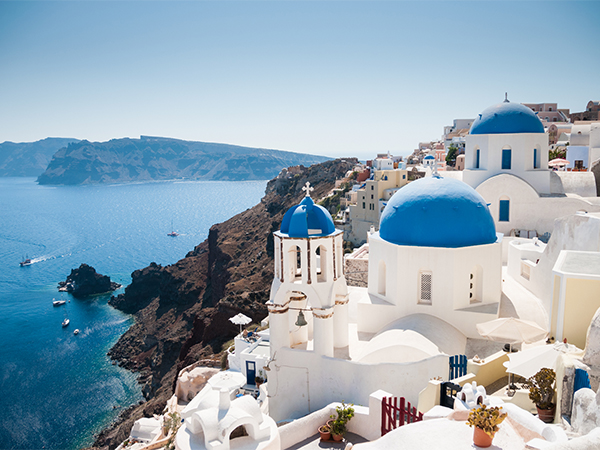
When you picture the iconic look of the Cyclades, the gorgeous town of Oia is probably the snapshot you have in mind. And, trust us, it lives up to the hype.
Our first day in Santorini focuses on the north side of the island. The Caldera trail is a five-hour coastal walk linking the town of Fira and Oia. It’s definitely a time commitment, but you’ll be rewarded by experiencing the coastline of Santorini in an unmatchable, intimate way.
Of course, you could always bus or rent a car (don’t expect parking to be easy) to explore these two beautiful towns. Around every corner is another Gram-worthy sight, from the blue-domed churches to the tassel-adorned donkeys to the hole-in-the-wall shops.
At the end of the day, watching the sunset in Oia is a must. We suggest nabbing a reservation at one of the many rooftop restaurants (Canaves, perhaps?) in order to rise above the throng of amateur photographers in the streets below. It’s a truly magical experience, sipping wine and nibbling feta, as the white walls of Santorini are washed gold at sundown.
You’ll hear the crowd of tourists roar with applause as the sun sinks into the Aegean, because there honestly isn’t a more appropriate reaction to an Oia sunset.
Weekly travel news, experiences
insider tips, offers, and more.
Day 6: Santorini
Day two in Santorini will take you south and away from the major (but must-do) tourist attractions. Renting ATVs for the day can be a really fun, adventurous and accessible way to see more locations with ease. Of course, there’s always the option to bus or rent a car as well.
Itching for another dose of fascinating history? Akrotiri is the archaeological site of a preserved Minoan society from an ancient volcano eruption. Similar to Italy’s Pompeii, this site provides a unique insight into life on Santorini thousands of years ago.
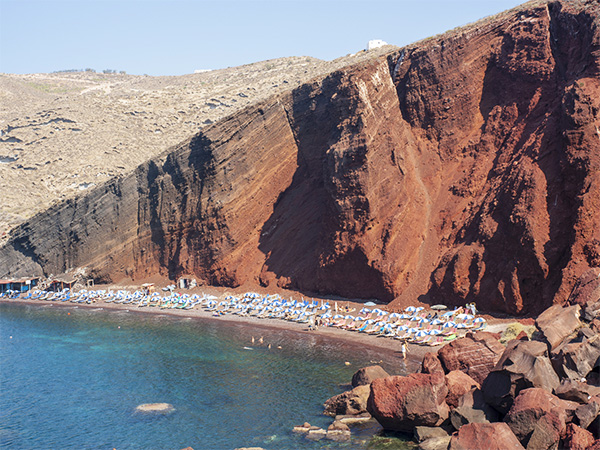
Not far from Akrotiri, the Red Beach is a natural wonder that can’t be missed. Due to the island’s volcanic nature, this beach has rare Mars-like red cliffs and sands. On the way there, why not stop at this Taverna Aeolus, a genuine taverna experience well away from any tourist traps.
The city of Pyrgos is tiny and adorable. Less than 1,000 people live there and very few make a point of exploring this town in favour of the more popular northern ones, making it the perfect place to explore for a look at the authentically local Santorini experience.
Day 7: Crete
One word: Extensive
How to get there: The ferry from Santorini to Heraklion, Crete, runs in just two hours.There are also flights available connecting from Athens.
Crete is Greece’s largest island. Meaning: there is a world of possibilities regarding where to stay and what to do. One day really doesn’t do Crete justice, but we’ll do our best.
You’ll ferry into the city of Heraklion, but we recommend taking the extra journey to Chania as your homebase. Chania is Crete’s second largest city, but debatably its most beautiful. Like any good Greek city, there is a bustling Agora Market full of knick-knacks, a picturesque lighthouse, fascinating ancient architecture and heaps of scrumptious Greek food. Further highlights include the ruins of Kydonia and the Venitian Harbour.
Wondering where to stay? Serenissima is a highly rated boutique hotel located with a great central location.
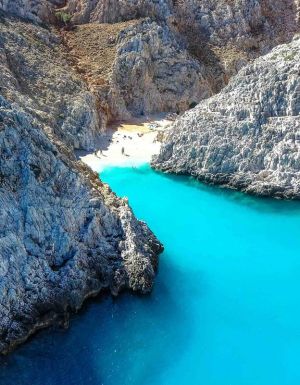
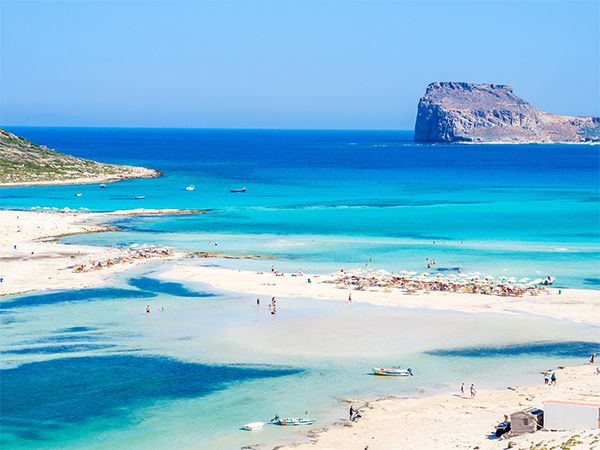
One of Crete’s most distinctive features is its pink beaches, occurring as a natural result of coral mixing with the white sand. Elafonissi Beach typically appears the most pink, but Balos is more accessible from Chania and equally stunning (though less rosy in hue). The places in the world are limited where you can witness this stunning natural clash of aquamarine waters with blushing sand, so don’t miss out.
Want to see more stories from International Traveller in your Google search results?
- Click here to set International Traveller as a preferred source.
- Tick the box next to "International Traveller". That's it.