hero media

Florentine Fare: the history behind this Italian cuisine

International Traveller

Italian food has conquered the world, but the earthy, sometimes austere cuisine of Florence remains largely undiscovered. 

Tuscan transplant Emiko Davies set about changing all that with her tome Florentine: The True Cuisine of Florence


The Florentines, like most Italians, have a very important relationship with their food.

There are rules about what can be eaten when, with what accompaniments and in what particular order.

Seasons and traditions play an important role in the kitchen and you can easily tell the time of year by simply looking at a Florentine menu, bakery window or market stall.
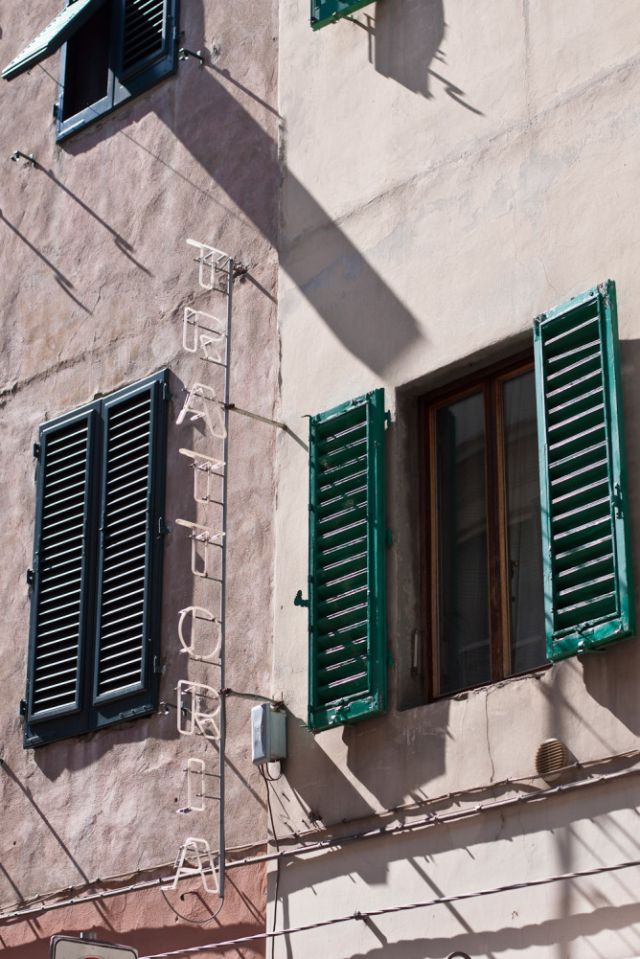
Florence’s side streets are a rabbit warren of restaurants and cafes.


Florentine cuisine is earthy and rustic, at times even austere. Not extravagant, but reliable and modest. Sincere and straightforward. Although simple, it is prepared with pride and care, and makes particularly good use of bread and olive oil, two of the cuisine’s staple ingredients.

With a nod to medieval origins, many dishes reflect the ethos of not letting anything go to waste. The Florentines are masters of thrift, using up what others would normally throw out. They make the most of stale bread, chicken livers, lampredotto (abomasum tripe) and even roosters’ combs – although this once popular Renaissance dish, known as cibreo, is almost extinct today.

All of these ingredients are carefully prepared in characteristically simple ways, unique to Florence, in dishes such as ribollita, crostini di fegatini and lampredotto panini.

Not only are these ingredients a model of economy in the kitchen, but they are also exalted, with these well-known dishes being elevated to hero status in the city.

Florentine food journalist Leonardo Romanelli points out that the only weakness in the local cuisine is dessert.

Missing a sweet tooth, many of Florence’s traditional sweets are either bread-based, such as the autumnal schiacciata all’uva (grape focaccia), pandiramerino (raisin and rosemary buns) and schiacciata alla fiorentina (a yeasted cake dusted with powdered sugar); or they are deep-fried and are strictly a winter Carnival treat, such as cenci and frittelle (rice fritters).
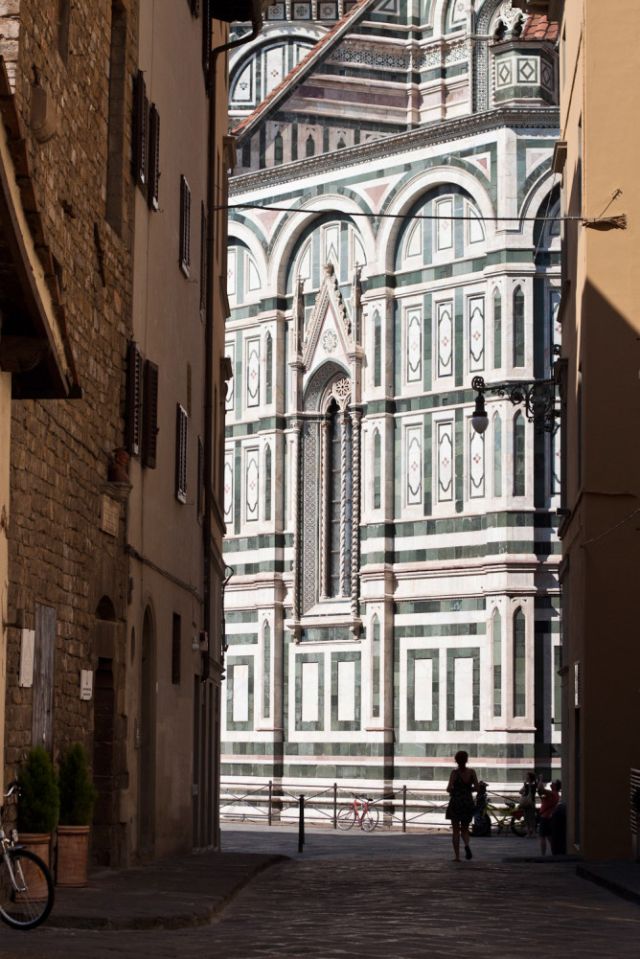
Traditional Florentine cuisine is as old as the city’s Renaissance architecture.


Zuccotto is the closest thing to a proper dessert, resembling a bright pink version of the dome of Florence’s Duomo, with Alchermes-dipped sponge encasing a rich ricotta and chocolate filling. And then there are cantuccini (almond biscotti), the preferred way to end a meal at a Florentine table with a glass of sweet vin santo for dipping and inspiring conversation.

The Renaissance was a period of enormous change, not only in the world of art and architecture, but also in gastronomy.
The same sensibility that was being used in art was influencing dishes in Florentine kitchens, and the subsequent banquets in noble palazzi.

During this time, cooking techniques improved and became more sophisticated, while aesthetics and presentation of food became more important than ever.
Apparently Michelangelo would request seasonal pecorino cheese (known as marzolino cheese) be sent to him from Florence when he was working in Rome.

The discovery of the New World in 1492 also brought a plethora of new and exotic ingredients to experiment with in the kitchen.
These ingredients gave rise to more refined and elegant food.

At the 1469 wedding of Lorenzo the Magnificent (1449–1492) – Florence’s beloved ruler and benefactor to artists such as Michelangelo and Botticelli – there was a deliberately modest public feast, where 400 of the town’s citizens were invited to share in the event.

Three years earlier, for the marriage of Lorenzo’s sister, Nannina, into Florence’s powerful Rucellai family, celebrations were more extravagant, yet still refined.

Fifty cooks fed over 500 people over three days. Boiled tongue and biancomangiare were served at the first course: a delicate dish and enormously popular in the Renaissance, biancomangiare was made with finely pounded, poached chicken breast cooked with almond milk, white bread and sugar until creamy, then garnished with rosewater or spices.
It had a beautifully creamy texture and a delicate but perfectly balanced flavour, and was made using techniques that ensured that it remained perfectly white in colour.
It is a wonderful example of how the culinary arts went through a Renaissance as much as the rest of the arts, taking a giant leap from the rough gruels of the Middle Ages.

This course was followed by roast meats garnished with rosewater, then cold meats and jellied fish, and then a second roast. The food, as characterised by this period and by its leaders, was splendid but not at all over the top.

[Florence’s] unique and unpretentious cuisine remains little known in the gastronomic world – under the shadow of the Tuscan region as a whole, perhaps.

But in the same way that history weaves its way into anything you explore in depth in Florence, so is the cuisine formed by its fantastic history.

This is an edited extract from Florentine: The True Cuisine of Florence by Emiko Davies, Hardie Grant Books, $49.95.

Florence’s best restaurants

Recommended by the exquisite Palazzo Vecchietti Hotel.

  •  Parione
    Traditional dishes just a few steps from the Ponte Vecchio; parione.net
  • Buca Mario
    Established in 1886 and still run by the Pasquetti family, who serve up the ‘show stopper’ thick-cut Florentine steak; bucamario.com
  • Buca Lapi
    The menu here boasts ribollita and tripe, and wild boar with polenta; bucalapi.com
  • Trattoria 13 Gobbi
    House specialties here include rigatonis served in ceramic tureen and beef cut for two served on the stump; casatrattoria.com
  • Cammillo Trattoria
    Order from the daily menu for the best seasonal dishes; Borgo San Jacopo Vecchio, 57R

Want to see more stories from International Traveller in your Google search results?

  1. Click here to set International Traveller as a preferred source.
  2. Tick the box next to "International Traveller". That's it.
hero media

5 things every hotel needs for a more restorative stay

    Kate Bettes Kate Bettes
    Wellbeing means different things to different travellers. Here’s how to pick a hotel that gets it right for you.

    The best wellness holidays aren’t necessarily spent wrapped in a spa robe. Sometimes they’re found around a dinner table in Cambodia, on a hiking trail in New Zealand or after finally beating jet lag on the other side of the world. The hotel you choose is what makes them happen.

    1. Easy access to good food

    meals from Novotel Bangkok Sukhumvit 20
    Taste delicious meals at Novotel Bangkok Sukhumvit 20.

    One of the quickest ways to derail healthy habits on holiday is to spend half of it working out where to eat instead of digging into the culture around you. Thankfully, Novotel has done much of the hard work already, with chefs building menus that lean into the flavours, ingredients and traditions of each destination.

    In Sihanoukville, Cambodia, Korkor soup – often dubbed ‘Cambodian ratatouille’ – sits alongside raw blue crab dressed with lime and chilli, best enjoyed with views across the Gulf of Thailand.

    In the lovingly chaotic city of Bangkok, the presence of food cranks up the sociability. At Novotel Bangkok Sukhumvit 20, you can settle in with mango sticky rice and stranger-turned-friends beside the pool at Sky on 20 rooftop bar, or bring them along to tackle river prawns and stir-fried crab with holy basil at the buzzing Crab Paradise Dinner Buffet.

    Then Novotel Dubai Al Barsha welcomes you with a laidback twist on the level of indulgence the Middle Eastern city is best known for up on Deck Se7en. Looking towards Burj Al Arab, the rooftop lounge has everything from Mediterranean-style dishes like seabass ceviche to Italian prosecco sundowners.

    At the other end of the scale, in the hills that surround the Novotel Bali Ubud Resort, calm comes from nature. At Siralada restaurant, Balinese traditions shape the menu while thunder rumbles over the surrounding jungle – proving the setting is as nourishing as the food itself.

    While at Novotel Nha Trang, chef Kieu Thi My Hanh and her team showcase Vietnam’s knack for balancing freshness, texture and fragrant herbs. Pho remains a favourite, while seafood salad with pomelo and mango brings those flavours together in one bright dish.

    It’s all an approach backed by partnerships with expert food creators such as Alfie Steiner, whose plant-forward recipes prove healthy food should never taste plain.

    2. Better sleep options

    Novotel Bali Ubud Resort room
    Sleep deeply with Novotel.

    There are few travel experiences more disappointing than arriving in a new country, determined to seize the day, only to fall asleep fully clothed by 3pm.

    For Australian travellers, jet lag is often an unavoidable part of the journey. That’s one reason Novotel runs sleep-focused initiatives that help guests adjust quickly without compromising on health. We’re talking partnerships with Sydney-based sleep specialist Olivia Arezzolo, known for her advice on everything from better sleep habits to beating jet lag, alongside features like pillow menus, in-room yoga content and tailored sleep guidance.

    The sooner you’re operating on local time, the sooner you can get back to more pressing matters – like deciding which spa treatment to book.

    3. More ways to move

    woman hiking around queenstown new zealand
    Stay at Novotel Queenstown Lakeside and explore local hiking trails. (Credit: GettyI mages/ naruedom)

    Every place in the world has its own way of getting you moving: whether that’s hiking up ice-bitten mountains before a sauna or gentle stretching by the pool before a facial. From fitness centres to spas, Novotel recognises that wellbeing rarely looks the same.

    At Novotel Queenstown Lakeside, activity is inescapable. Here, hiking trails, ski fields, bungee jumps, and white-water rafting have made the region famous. The hotel’s location on the shores of Lake Wakatipu means less time spent organising yourself and more time out there experiencing them. To top it all off, you can book a private hot tub for the evening before heading back into the wilderness tomorrow.

    Bali, of course, takes a softer approach. At Novotel Bali Ubud Resort or Novotel Bali Nusa Dua, movement is less about conquering a mountain and more about a dance class between the tropical gardens and lagoon pools. Afterwards, the spa takes over, with traditional treatments like a Lulur body scrub: a combination of rice, turmeric, sandalwood, ginger and jasmine that’ll soothe muscles already relaxed by the Balinese heat.

    4. Better connections

    Novotel Sharm El Sheikh
    Kids will love a stay at Novotel Sharm El Sheikh.

    One of the best things about travel is that it gives your family stories you’ll be telling for years. Novotel helps create them with activities that bring everyone together, whether that’s trying something new, learning a local skill, or simply spending more time together.

    Go for a distinctly Thai twist at Novotel Phuket Vintage Park, where many of the family activities draw on local culture. Kids can try everything from beginner Thai boxing and language lessons to umbrella painting and – a pastime beloved by children the world over – pool foam parties. Everyone is welcome to join in, whether that’s getting splashed, covered in paint, or simply watching their children discover a new side of Thailand during the dedicated Family & Kids Day.

    A different adventure awaits at Novotel Sharm El Sheikh. Kids could be perfectly content with discos, drawing classes and new holiday friends, but the Red Sea has other ideas. Sitting on the edge of Naama Bay, days here might involve snorkelling colourful reefs, taking a boat trip to Ras Mohammed National Park or heading into the desert by quad bike or camel for a Bedouin-style dinner beneath the stars.

    5. Location is everything

    Surin Beach, Choeng Thale, Thalang District, Phuket, Thaiföld
    Explore Phuket’s gorgeous beaches. (Credit: Bence Biczo)

    Everyone’s idea of wellness looks a little different. With more than 600 hotels across 65 countries, Novotel gives guests the freedom to choose the destination that suits them best. Whether that’s a beachside escape in Phuket, an alpine expedition in Queenstown or a city break in Bangkok, there’s a good chance a Novotel isn’t far away.

    All that’s left? Choosing your version of wellbeing.

    Discover stays to inspire your everyday at novotel.accor.com.