hero media

8 grand journeys in Southern Europe and the Mediterranean

From a luxury rail journey to an unforgettable journey hiking the Camino de Santiago, you’ll never run out of adventures. Here are 8 amazing trips to experience the best of the Med and Southern Europe.

1. Europe by luxury train

an elegant suite aboard the Venice Simplon-Orient-Express, A Belmond Train
An opulent suite aboard the Venice Simplon-Orient-Express, A Belmond Train. (Image: Helen Cathcart)

To travel on the Venice Simplon-Orient-Express, A Belmond Train, is to relive the golden age of rail travel, but even more luxurious than before. Its 17 ravishingly restored carriages, each with their own story to tell, house opulent suites and cosy heritage cabins lined with exquisite marquetry. Plush dining cars feature original Lalique glass panels and lacquered Chinoiserie walls, while the famous bar sports a grand piano. But it’s the glamorous fellow travellers and disarmingly charming waiters and stewards who bring the experience to theatrical life, serving Champagne and caviar upon boarding, three-course lunches and dinners as you pass through cinematic European landscapes, and cocktails until the last guest goes to bed. Most journeys are one night, to and from fabled cities like Paris, Venice, Budapest, Vienna and Prague. The ultimate journey: five nights from Paris to Istanbul, or vice-versa.

2. Island-hop the Mediterranean
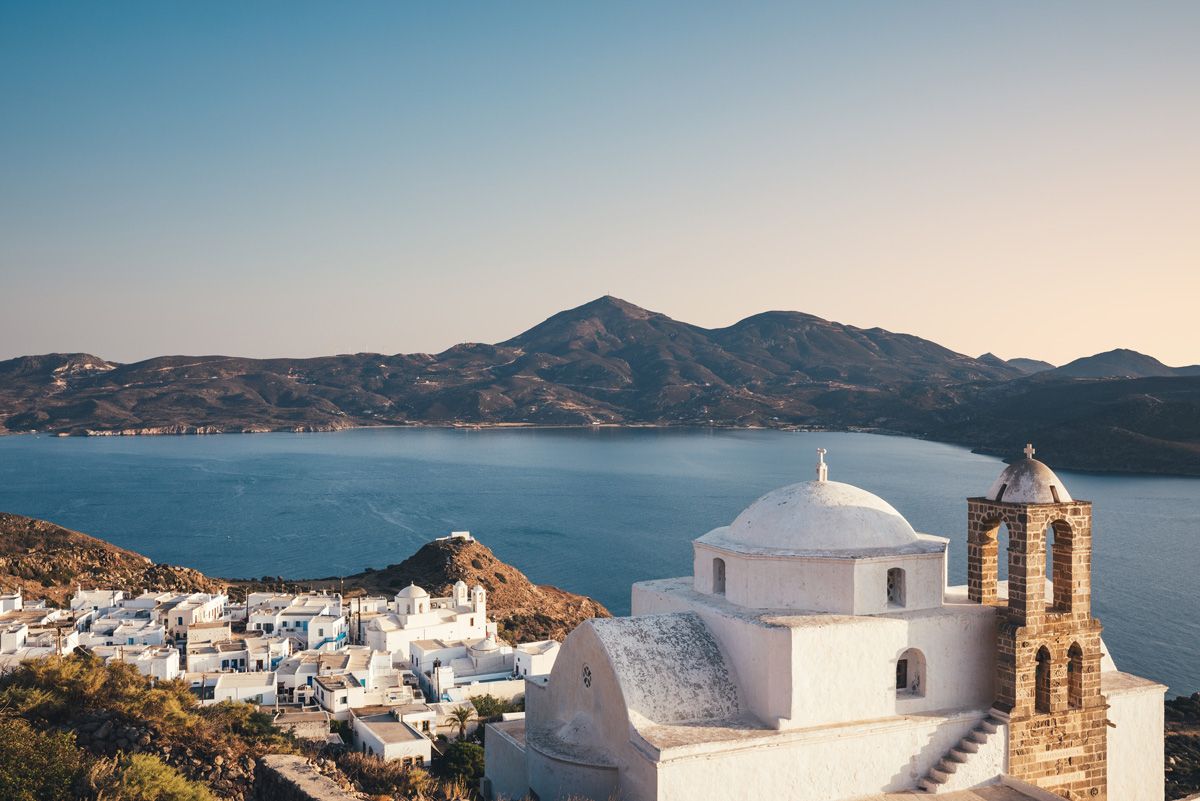
a church on the top of the hill in Milos, Greece
Embark on a Greek odyssey. (Image: Getty/borchee)

Cruising is a magical way to go island-hopping around the Mediterranean. It’s also a great way to gain your bearings. A  Journey of Sunsets in the Cyclades and Bosphorus with Explora Journeys is bookended by overnight stays in Istanbul and Venice. Wander around the whitewashed village of Mykonos. Drop into the sacred isle of Delos. Climb to the top of the hill in Plaka to enjoy sunset views over the Cyclades. And bask in the days at sea in between.

3. Hiking the Dolomites
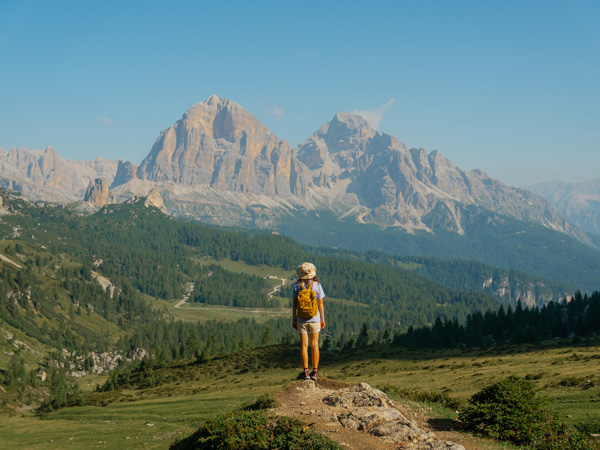
a woman hiking in Dolomites mountains
Hike the Dolomites. (Image: Getty/Oleh Slobodeniuk)

There are many beautiful hiking trails in the boot of Italy, but few are less trodden than the Cammino Retico – so far. Billed as one of Italy’s best new slow travel options, the 170-kilometre-long circuit in the country’s north-east is gaining attention for its stunning mountain landscape and points of interest including Neanderthal fossil grounds and a century-old brewery. Not keen on going the full distance? Check out its just-opened sibling trail, the 80-kilometre Cammino Retico Southern.

4. The Caucasus region
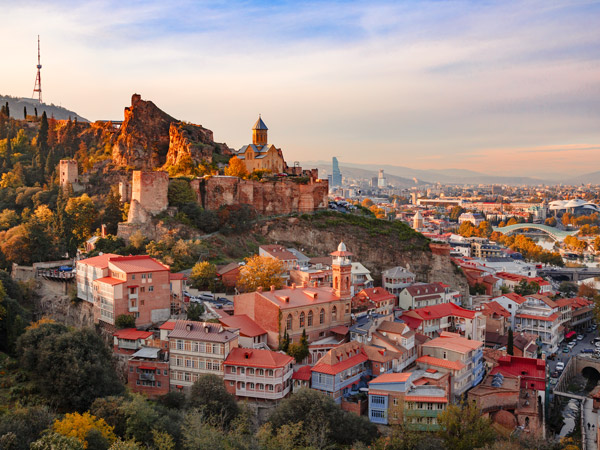
an ancient cavecity in Georgia
Visit an ancient cave city in Georgia.

The Caucasus region is no stranger to visitors as it has facilitated cultural exchanges for centuries on the ancient Silk Road network. Visit the countries where Asia and Europe meet and you’ll find wineries, mountains, monasteries and more. Drink in that rich history with operators like Wendy Wu Tours, which has curated a detailed Georgia, Armenia & Azerbaijan tour. The 24-day adventure begins in Baku, the glittering capital of Azerbaijan, and includes highlights such as a lunch at a family-run winery, a visit to an ancient cave city in Georgia and a masterclass in carving Armenian khachkar (stone).

5. A tour of Türkiye
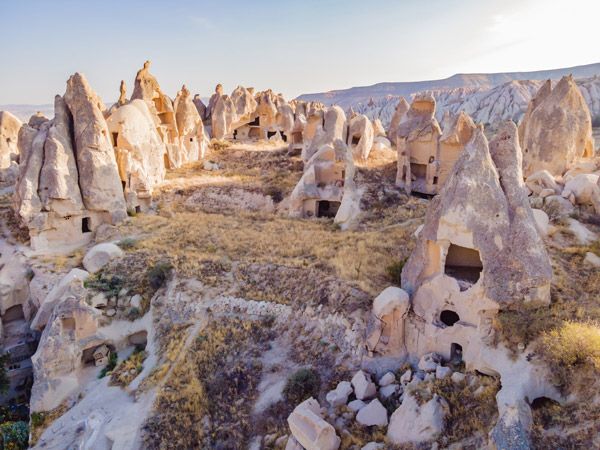
Cappadocia’s cave cities, Turkiye
Cappadocia’s cave houses are in the heart of Anatolia. (Image: Getty/ galitskaya)

If you source your travel inspo from Insta, you might think Türkiye’s main calling cards are the hot-air balloons of Cappadocia. But the nation at the crossroads of civilisations for millennia has long been a captivating place to visit for its art, history and architecture. Wander through Istanbul’s Hagia Sophia, visit Byzantine basilicas and Ottoman palaces, and Cappadocia’s cave cities on Limelight Arts Travel’s 16-day Türkiye: Crossroads of Cultures tour led by trusted scholar Dr Helen Pope.

6. Walk the Camino de Santiago
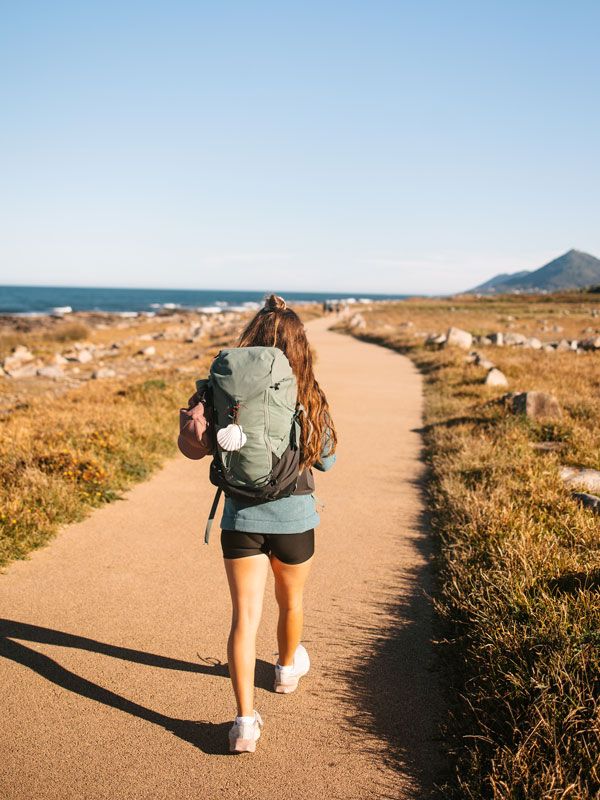
a woman with a backpack walking on the Camino de Santiago
Slow down on the Camino de Santiago. (Image: Getty/Vuk Saric)

Pilgrims have been tracing the Camino de Santiago path from Saint-Jean-Pied-de-Port, France to Santiago de Compostela, Spain for centuries. Those who have had a long-held dream of walking the entire 770-800 kilometres can now do so with UTracks at a more relaxed pace. The extended 58-day format of the Camino Rambler tour invites walkers to complete the route with more time along the trail to explore.

Weekly travel news, experiences
insider tips, offers,
and more.

7. Cruise the Douro River
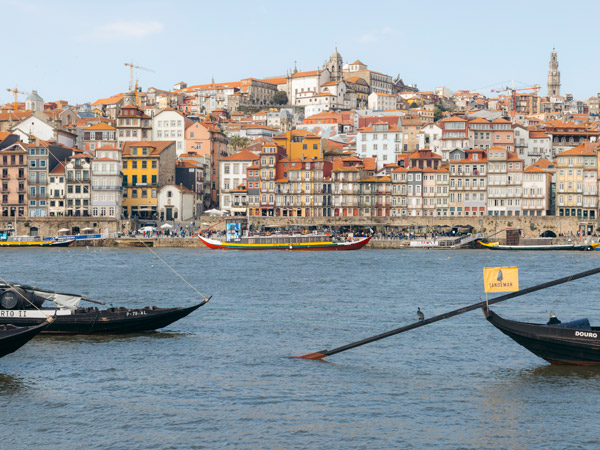
boats passing along the Douro River
Wind and wine along the Douro River. (Image: Lauren de Sousa)

It’s said the Douro River was derived from the Portuguese word dourado, or golden, for the way the sun pours honey over the waterway. Honey lingers on the palate with Porto wine, too. And you can taste this forward flavour on river cruises with AmaWaterways, Tauck and Avalon Waterways, which include visits to celebrated cellar doors and tutored tastings onboard while sailing through the heart of Portugal’s wine region.

8. The Mediterranean island of Malta
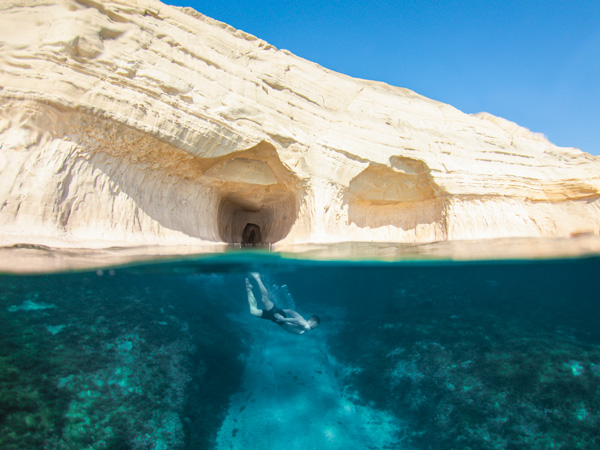
diving into Ta' Marija Cave, Malta
Dive into the pristine waters of Ta’ Marija Cave.

If you took the most fascinating threads of world cultures and braided them all together, you’d end up with a place like Malta. This small Mediterranean island in the maritime crossroads of Europe and Africa holds layers of history: mysterious Megalithic temples that outdate the Pyramids; medieval citadels shaped by Arabic influence; Renaissance architecture housing masterpiece artworks; and 19th-century shipwrecks sunken off the coast, such an attraction for divers that they’re complemented by underwater sculptures like Christ of the Sailors. Making your way around the island is like playing a highlights reel of the past 6000 years.
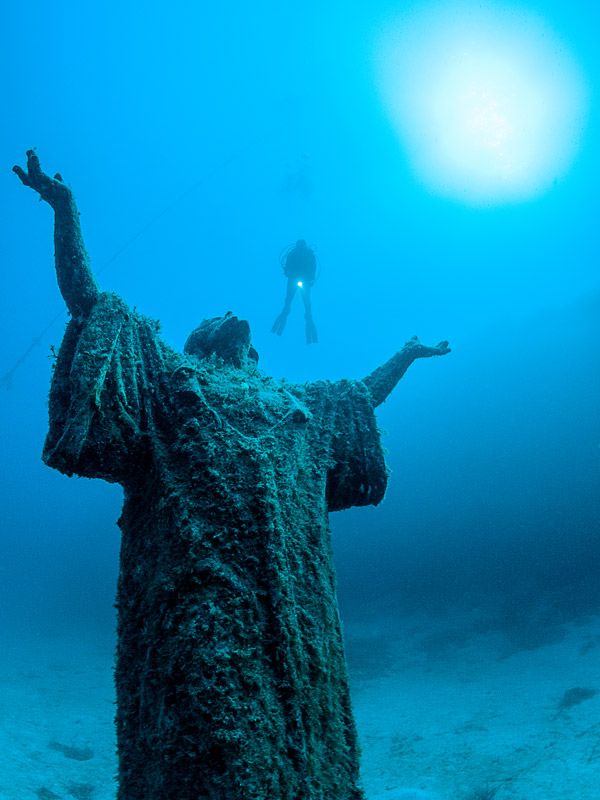
the Christ of the Sailors underwater statue
The underwater statue of Christ of the Sailors. (Image: Visit Malta)

Want to see more stories from International Traveller in your Google search results?

  1. Click here to set International Traveller as a preferred source.
  2. Tick the box next to "International Traveller". That's it.
hero media

What the European heatwave means for your summer travel plans

Temperatures are soaring this summer, breaking records across Europe and the UK. 

Euro summer is a feeling like no other. But when a heatwave hits? The dream trip quickly turns into a sweaty mess. Extreme heat is sweeping Europe and the UK this week, with record-high temperatures impacting travel plans across the continent.

And while Australian summers are typically hotter in absolute temperature, many European cities aren’t equipped for high temperatures, resulting in unbearable weather.

Why is it so hot in Europe?

Signs of a hot summer loomed in May, when the mercury hit unprecedented spring highs. Now, extreme high temperature warning alerts have been issued in countries such as Spain, Italy, France, England, the Netherlands and Germany.

France saw its hottest day on record on Wednesday, with an average temperature of 30°C across the day and night. This surpasses the average temperature for June, which is 15°C to 25°C. Dozens of people have died, including 40 from drowning.

In Spain, 212 deaths have been linked to the heatwave.

The UK recorded its hottest June day ever on Wednesday with temperatures soaring to 36.1°C. In an article published by the Met Office – the UK’s national meteorological service – Professor Stephen Belcher CBE, Met Office Chief Scientist, shared his concerns about June’s heat. “To see temperatures like this in the UK in June is sobering. Events like this bring home the implications of climate change, with very high temperatures and humidity bringing significant health implications from heat stress, as well as impacts to a range of sectors such as transport, energy and water supply,” he said.

Heatwaves are becoming increasingly common in Europe and the UK, neither of which is prepared for such extremes. The World Meteorological Organization reported that in 2025, at least 95% of Europe experienced above-average annual temperatures and that the continent was heating up twice as fast as the global average.

How travel is impacted

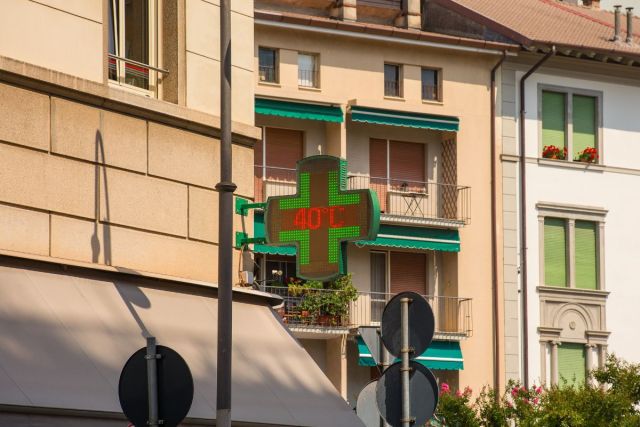
A pharmacy sign displaying 40 degrees Celcius
A pharmacy broadcasting local weather data. (Credit: Getty/Dragoncello)

During a heatwave, power grids, water systems and transport networks can be affected, resulting in disrupted itineraries for travellers. In France, power outages have left thousands without electricity and early closures have been implemented for two of Paris’s biggest attractions, the Eiffel Tower (early afternoon rather than late at night) and the Louvre (two hours early). Eurostar cancelled its London to Paris and Paris to London services from the 22nd to the 25th, and major UK rail companies have been advising travellers to avoid using trains where possible, or to travel during early hours.

If a heatwave is predicted, being flexible with your itinerary and having fully refundable/changeable tickets is key, as extreme heat can force the cancellation of outdoor activities, impact rail and flight services and change the opening hours of sites and eateries.

Why does summer in Europe often feel hotter than summer in Australia?

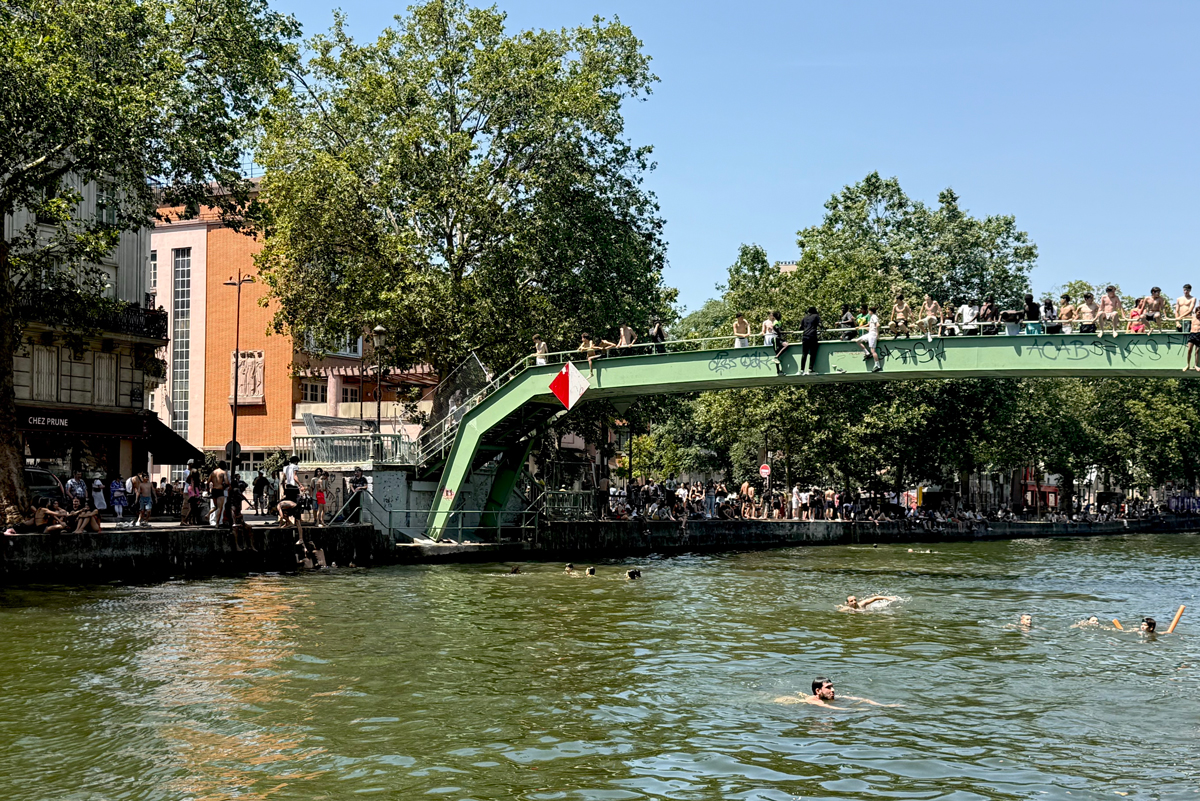
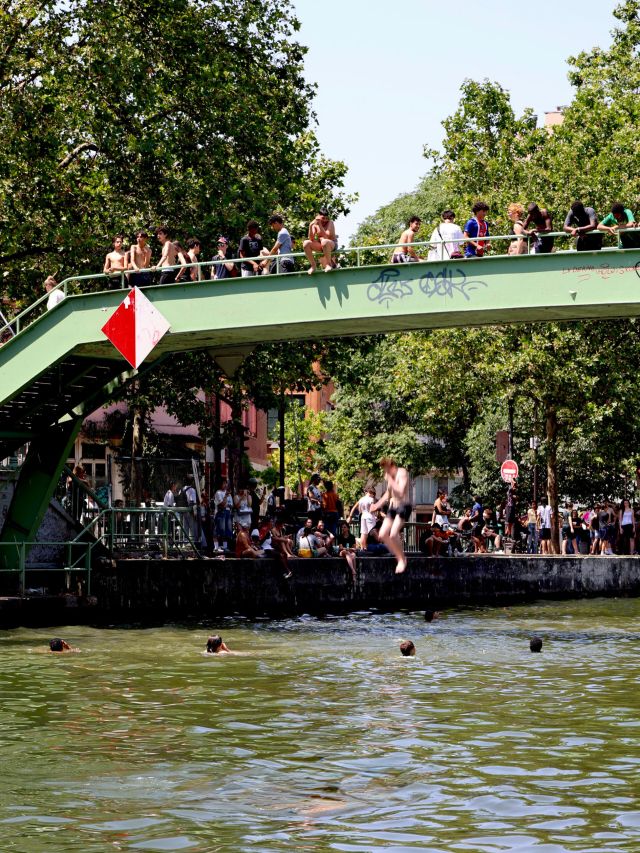
people swimming in the Canal Saint-Martin in Paris
People swimming in the Canal Saint-Martin in Paris to cool off. (Credit: Rachael Thompson)

With some of the highest UV levels in the world, Australians are no strangers to the heat, adapting well to intense weather. But our infrastructure is largely equipped to withstand soaring temperatures with climate-responsive passive design, refrigerated air conditioning or evaporative coolers, as well as swimming spots aplenty.

Buildings in Northern and Western Europe and the UK, however, are constructed to retain heat and handle frosty winters. The lack of universal air conditioning means it generally feels hotter even though the temperature on your app might not look it. During a heatwave, it can feel like you’re in a sauna as cities act like heat traps.

How to stay cool and prepare for another heatwave

Relief is expected across Europe and the UK later this week, but more heatwaves are still possible in the coming months. Summer heat typically peaks in July and August.

Public transport often doesn’t have air conditioning, and buses in particular can be swelteringly hot. If you’re heading outside or your accommodation has no air conditioning, it’s worth buying a spray bottle and a handheld fan from a pharmacy or tourist stand. Check ahead of time if restaurants and cafes have air conditioning and make a booking in advance. The highest temperatures typically hit between 3pm and 6pm, so aim to head outdoors outside of these hours.

Rising temperatures invite travellers to enter a more intentional era of seeing the world. Now more than ever is the time to embrace lower-impact “coolcations” and off-season getaways.