A new ship on Portugal’s Douro River promises to deliver happiness. We embark on the joyous first sailing to see if the commitment is realised.
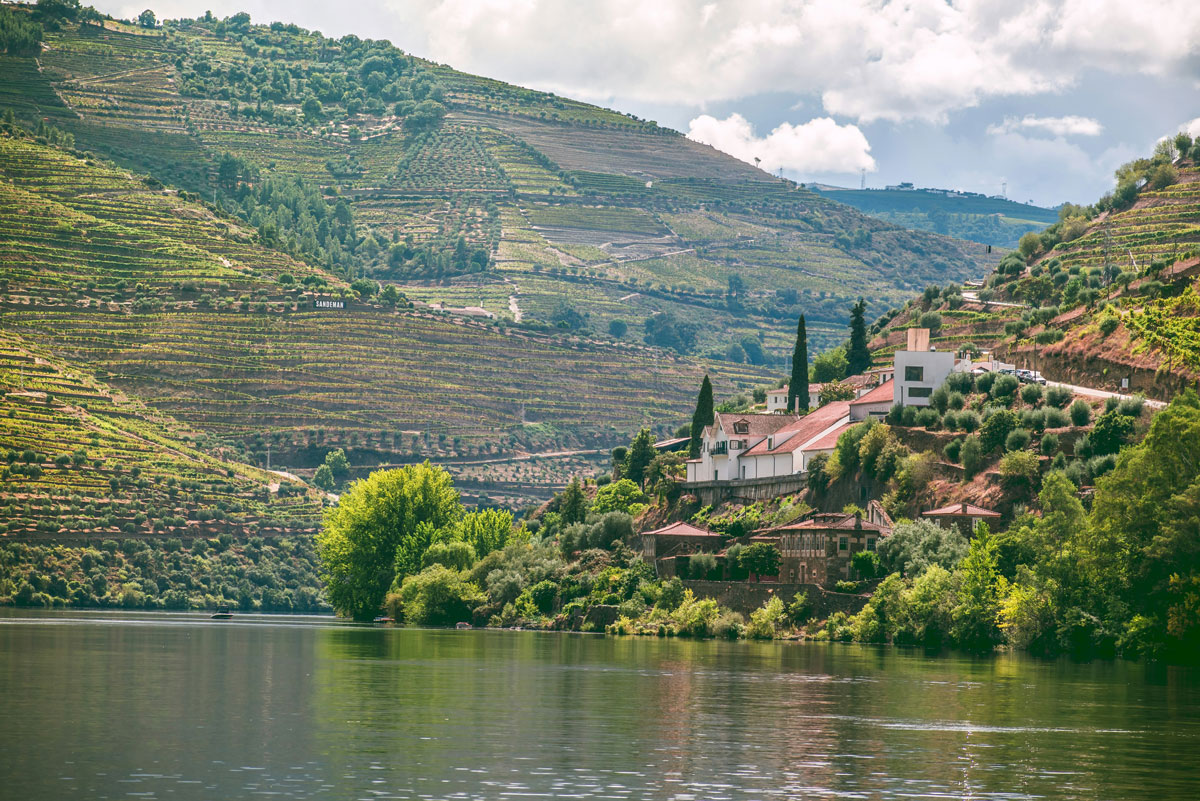
A Douro River cruise has fast become one of the most celebrated river cruises in the world. While the Danube and Rhine will forever be the obvious ‘ultimate’ European highlights, the Douro is distinct for its smaller ships and lesser-known, yet seductive, experiences.
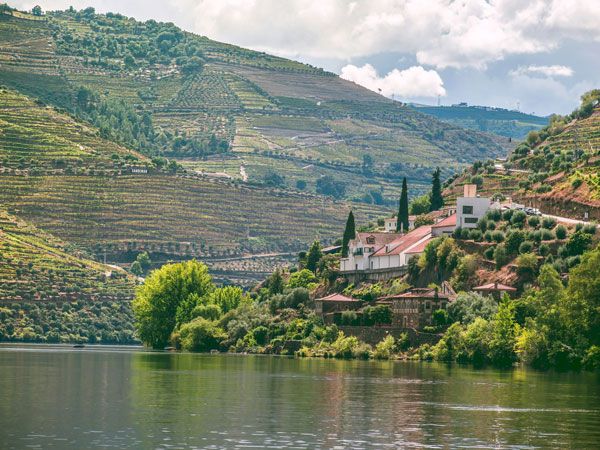
Much like Portugal itself, the Douro is a surprising journey of majesty: stunning hillside vines, medieval villages overflowing with history and, of course, wine.
Arriving in Porto
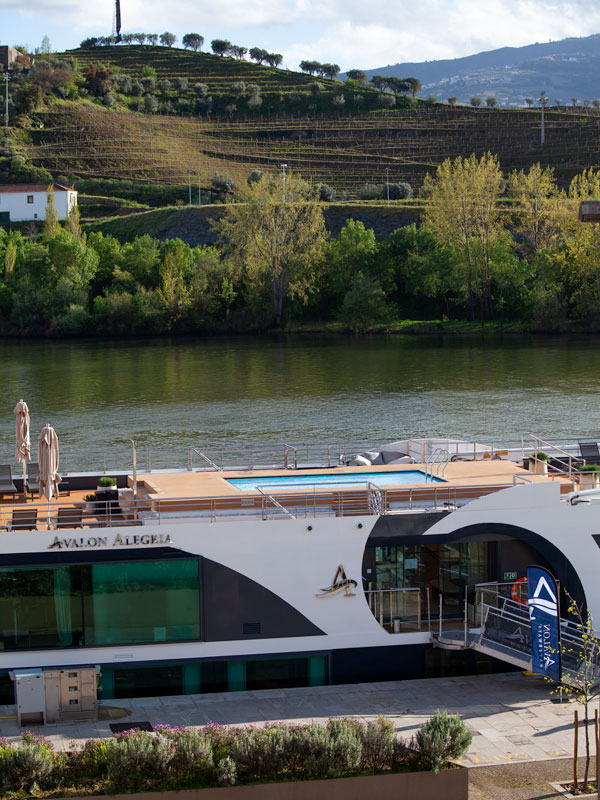
The journey commences in Porto, the country’s second-largest city, famous for the production of the fortified wine it is named for. Unseasonal rain whips in from the Atlantic and twists our umbrellas into unnatural shapes as my fellow travellers and I seek safe haven on the new Avalon Alegria.
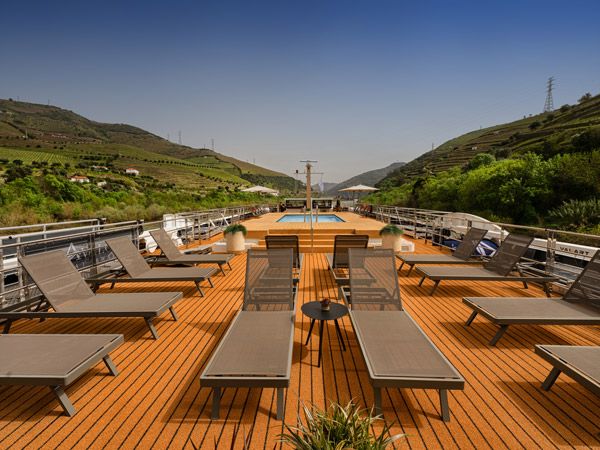
I dance around the heated rooftop pool hoping – ultimately in vain – that some clear sunshine will give me an opportunity to enjoy a little pool time.
This is a first ‘trial’ journey for Alegria and instead of a seven-day round trip from the northern city, we will explore the lower and middle reaches of the Douro in just four, leaving the spectacular and drier final section of the river for next time.
A lesson in history
The ship is as beautiful as you’d expect a brand-new vessel delivered just a week earlier from the local shipyards to be. After shaking off the rain like a golden retriever, I relax into a square sofa in the Panorama Lounge with a celebratory glass of sparkling.
A light buffet lunch of soup and refreshing white cabbage salad with cumin seeds and citrus dressing follows before I am shown to my suite.
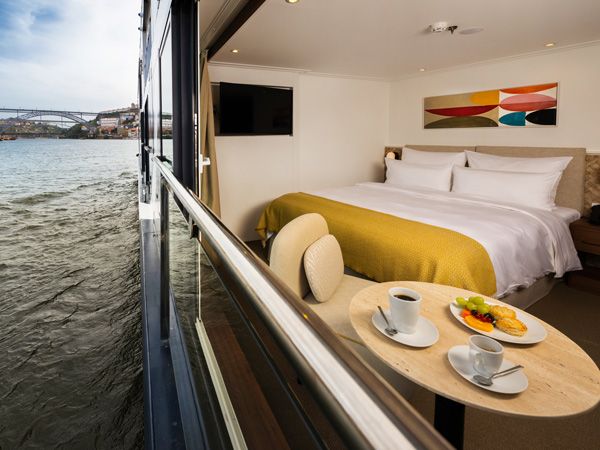
Avalon’s Panorama Suite is spacious with its signature ‘inside-out’ design. Three-metre floor-to-ceiling windows make the most of the views. I sit on the lounge and watch the storm for a while. It is just a bit too wet to slide the windows back, creating the suite’s clever ‘verandah’.
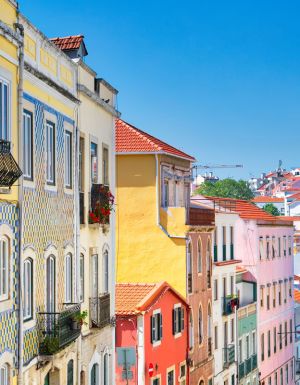
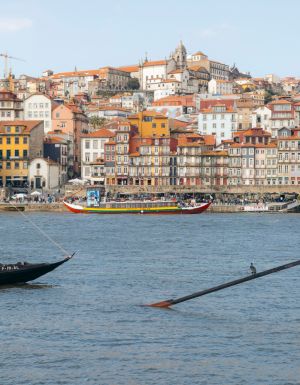
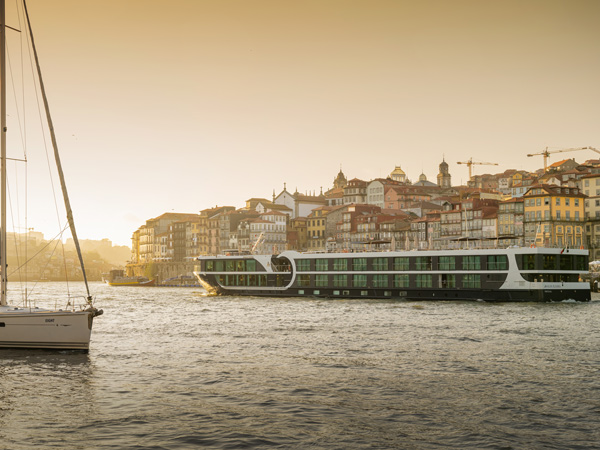
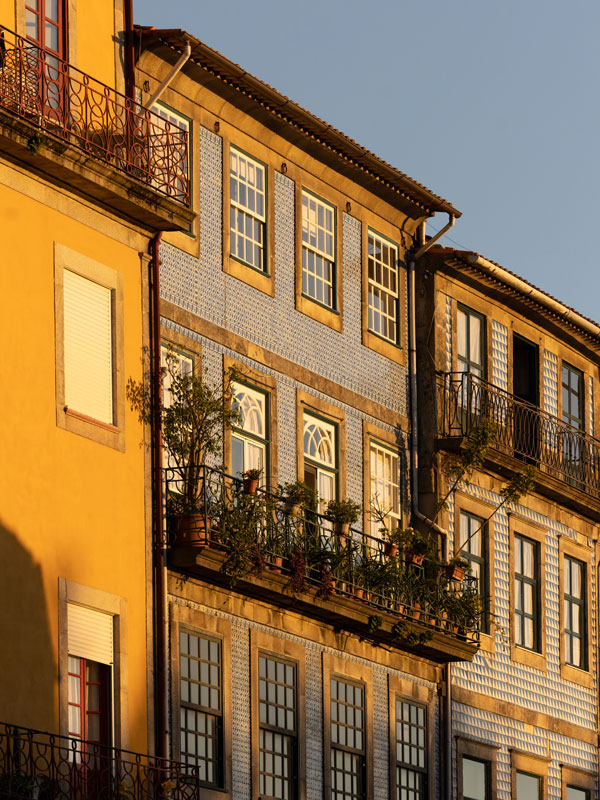
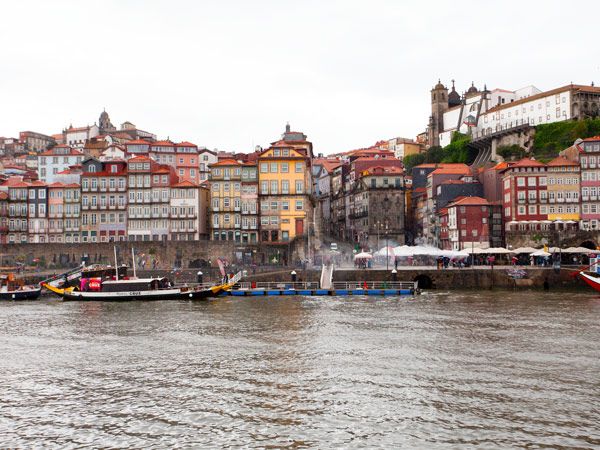
Setting sail, Porto’s old town is revealed in all its medieval glory. Narrow, colourful multi-storey residences cling to the hillside like Lego.
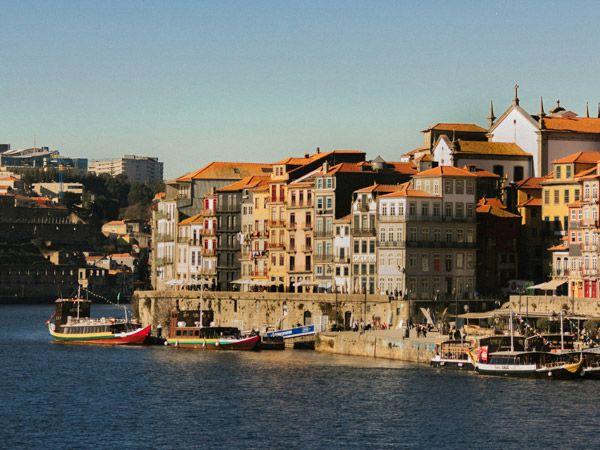
The Bishop’s Palace paternally watches over the city and residences from atop the hill, while an ancient Moorish fort adds a more foreboding reminder that this pretty city has a historically violent underbelly.
The bridges of Porto are the perfect expression of this collage of a city. The famous iron arches of Gustave Eiffel and his student sit alongside Brutalist bridges built in the 1960s during the Salazar dictatorship.
Rabelo boats, the traditional cargo ships used to transfer port wine from the vineyards to warehouses in Port Gaia, ferry visitors on sightseeing tours up and down the river. Each rabelo seems to feature the logo of Sandeman port – a Zorro-like caped figure.
Under the cloak of persistent rain, it all feels positively Sherlock Holmes. The adventure is certainly afoot, and despite the weather, it is all rather exciting.
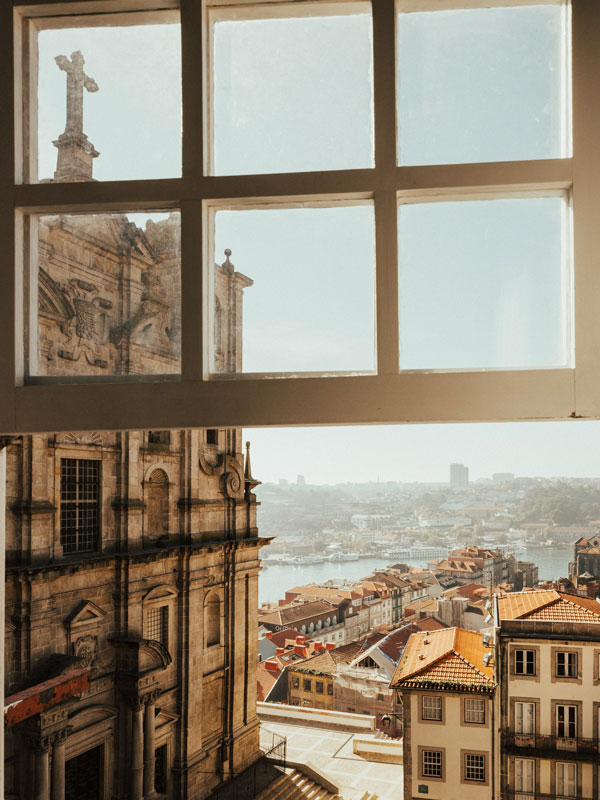
Exploring the riverside city of Guimarães
We wake the next morning in Guimarães, a city known as the birthplace of Portugal. And, considering Portugal is the oldest nation-state in Europe, that is quite something.
Modern-day Portugal has been shaped by a mélange of cultural groups and ruling empires spanning tens of thousands of years. Settled in the first millennium BCE by Iberian tribes and Celtic people, the Carthaginians later took over the Mediterranean coast of the Iberian Peninsula.
The Romans then invaded and conquered, while Carthaginian general Hannibal and his elephants trumpeted through Spain en route to the Alps in 218 BCE. The Visigoths (Germanic people) took up residence between the 5th and 8th centuries CE before the Moors conquered most of the peninsula.
The Reconquista Christian campaign started in the north of the peninsula and led to the establishment of the Kingdom of Portugal in 1139.
Avalon guide Joanna explains all this in far more detail as we drive from Alegria’s port to the medieval town. I follow Joanna down magnificent narrow cobblestone streets, where the ground floors of homes are made of steel grey granite.
The doorways are littered with fresh petals this Easter Sunday, leaving a colourful trail through the city centre. It is the compasso tradition, where a priest visits and blesses the households with a small group of assistants. The householders mark the invocation by throwing fresh petals onto the doorstep.
Meeting local tastemakers
“Life puts stones on your path. You must kick them away and keep going." Maria Manuel Cyrne walks the walk and talks the talk. And she talks: every sentence injected with so much passion and enthusiasm, it seems each ends in an exclamation mark.
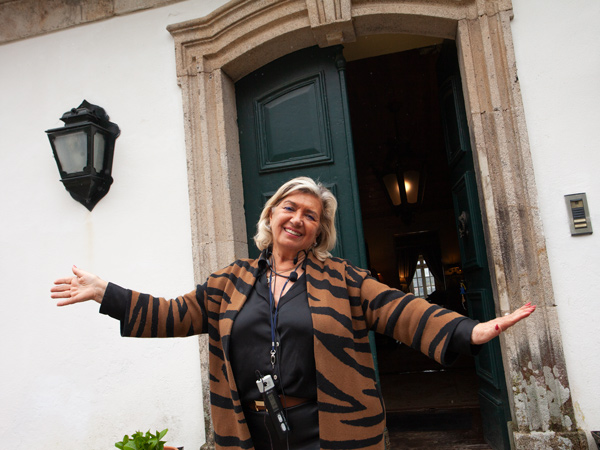
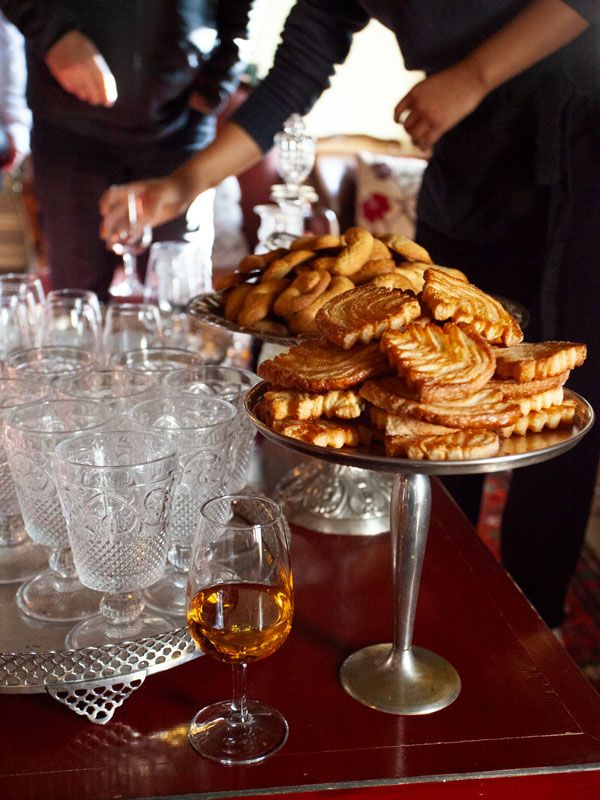
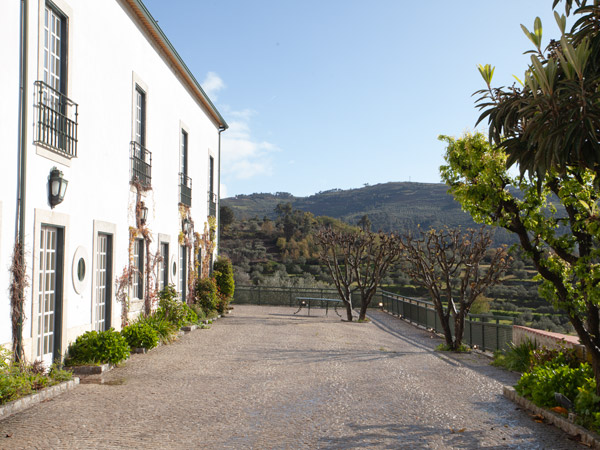
In the next two hours, I am not sure that she draws breath as her story tumbles out of her. We are on a walking tour of Casa dos Viscondes Várzea, her lovely country home, hotel, restaurant, event space, cooking school, formal garden, orchard and vineyard, while our port is generously topped up and sharing trays are piled with sweet pastries and fresh, warm focaccia-like bread. It is an audacious riches-to-rags-to-riches story that is so emblematic of modern Portugal.
As a 22-year-old aristocratic woman in 1974, Maria’s entire life was upended by the fall of the Salazar dictatorship, the failed Republic that followed and subsequent socialist uprising. Her family estate had to be sold and she had to choose a different career; being a countess is not considered a job in a socialist state.
After nearly 20 years as a teacher, Maria started making clothes and landed a contract to produce the wardrobe for TV news anchors, which led to soap operas and then homewares. Somewhere in there, at an age north of 45, she conceived twins at an “incredible clinic in Valencia," she says.
Her clothing business was successful enough for her to buy back the family estate with her fellow aristocratic husband-turned-teacher. Which is where I now sit in front of the fire with a pastry and a freshly refilled port.
Her colourful scarves and blouses are for sale and my fellow travellers are inspired. We all line up to take photos with this inspiring woman who only stops talking long enough to smile for each photo. The farewells take an age as we all give her a hug and express profound gratitude. The queue to pay for new scarves, jumpers and objects adds to the delayed departure.
As we pull away, all waving our enthusiastic goodbyes like a busload of Swifties, her opening words are still ringing in my ears. “I want to share my story and my happiness. I invite you to be happy."
It is not the first time we have been invited to be happy. Our mercurial cruise director, Valentin Gheorghe, is similarly enthusiastic and inspiring. He won’t speak three sentences without one being a joke.
From the first moment in Porto, he informed us “Alegria in Portuguese means happiness. So we are inviting you to make this a happy cruise." Despite the incessant rain, the invitations were accepted every day.
Weekly travel news, experiences
insider tips, offers, and more.
A traveller’s checklist
Getting there
Fly to Lisbon via Dubai with Emirates. Flights depart daily from select Australian capitals.
Staying there
Avalon Alegria has a set eight-day Porto to Porto itinerary. Avalon Waterways also offers an optional three-day pre-cruise tour of Lisbon that includes transfers to Porto.
Want to see more stories from International Traveller in your Google search results?
- Click here to set International Traveller as a preferred source.
- Tick the box next to "International Traveller". That's it.