
This small Portuguese island off the coast of north-west Africa has more to explore than its stunning volcanic cliffs – it’s a chance to rediscover a familial history rich and deep.
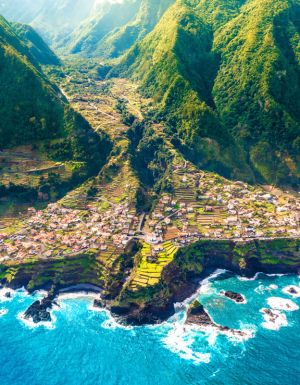
It’s strange to have a connection to a place you’ve never been before. I’m flying over the volcanic mountains of Madeira, the small Portuguese island off the coast of North Africa that I grew up hearing stories about.
My aunt leans over as our plane comes to land at Funchal Airport. “This used to be one of the smallest runways in the world," she recalls. “As a teenager, there were many times our plane had to circle around 12 or so times, just to get the moment and positioning right for landing."
Arriving in the colourful capital city of Funchal
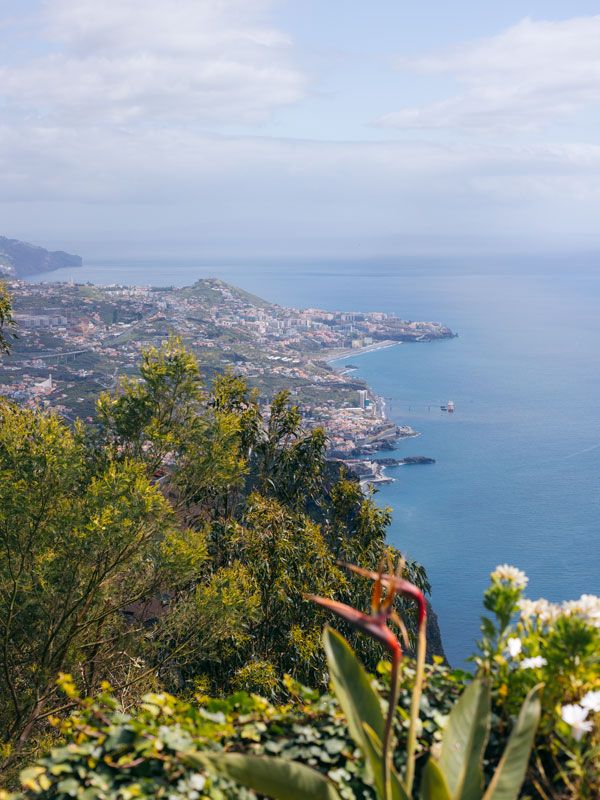
My aunt and father grew up here but moved to Australia with their parents in the 1960s. We’ve come here with my family, including my two-year-old son, to retrace memories, real and inherited. Our adventure begins in the capital of Funchal, a coastal city and Madeira’s main port. The coast kisses cobbled streets and the rugged green mountains serve as the city’s backdrop.
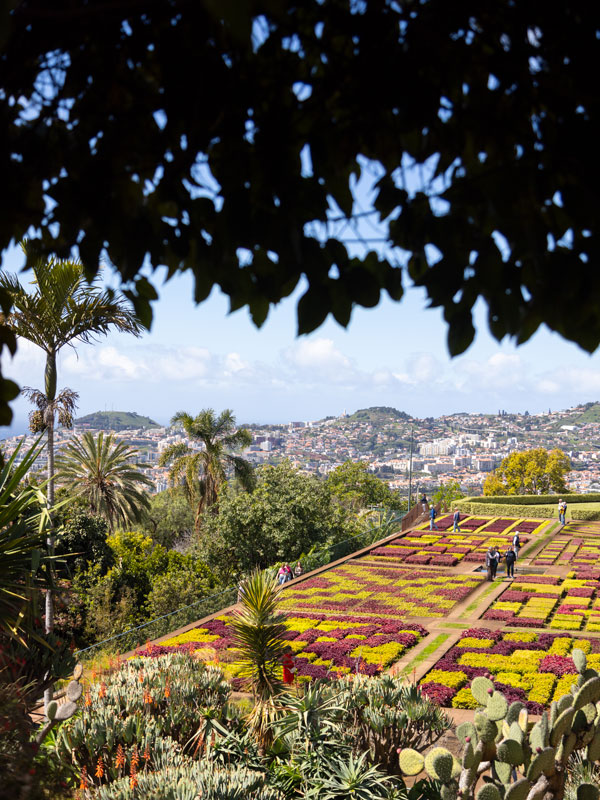
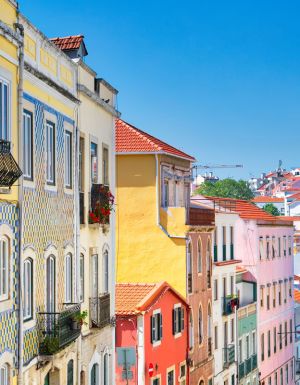
We stumble across alleyways lined with shops and restaurants that spill onto the streets. The thoroughfares bustle with locals and tourists, and historic buildings decorated with beautiful tiles wait around every corner. I look up to see a cable car overhead; it’s making its way to the Botanical Garden tucked into the hillside, with spectacular views of the city. Then we venture into the old town to visit Mercado dos Lavradores.
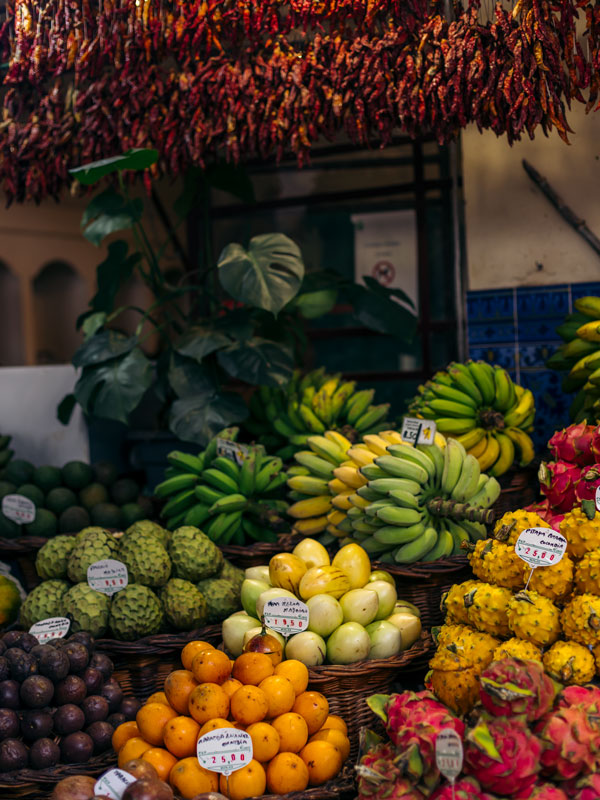
The city’s farmers’ market is a riot of colour and scent, its stalls piled with fresh produce. There are bananas stacked high at almost every stand, which isn’t surprising: with its subtropical climate, Madeira is one of Europe’s significant producers of the popular fruit. My father has often spoken about how most people here have their own banana tree; he did too – a small plantation at the back of their house.
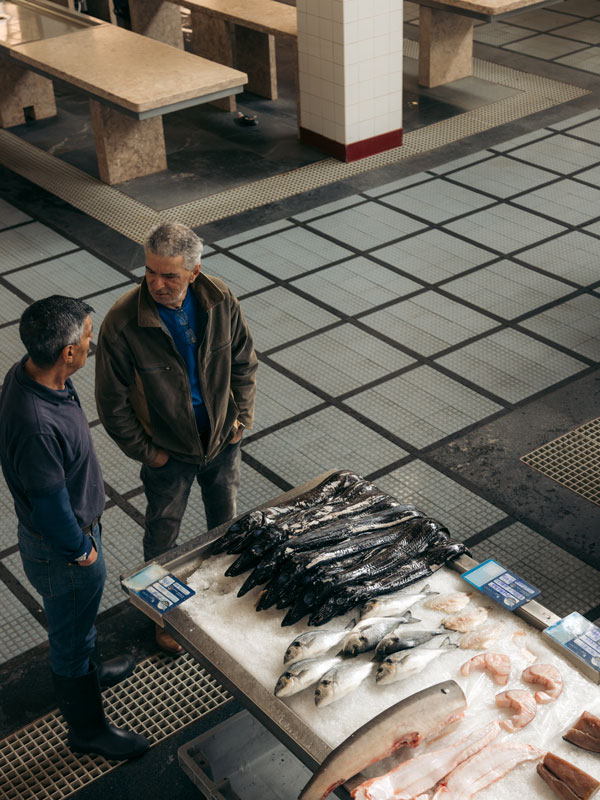
Fishermen display an array of just-caught seafood including Madeira’s iconic espada, or scabbard fish, a rather grotesque-looking black sea dweller found abundantly in the local waters. It’s often served with fried banana and is considered one of the island’s signature dishes. As I always imagined, we encounter bananas everywhere we go.
Back on the streets, we hear gentle laughter followed by the scrape of feet across stone pavement. As the sun goes down, strangers and passersby kick a football between them. It’s hard not to join in – my son especially.
There’s a strong culture of football here, which has a lot to do with Cristiano Ronaldo, who was born in Funchal in 1985. A sense of togetherness flows freely, and I feel the pull of connection.
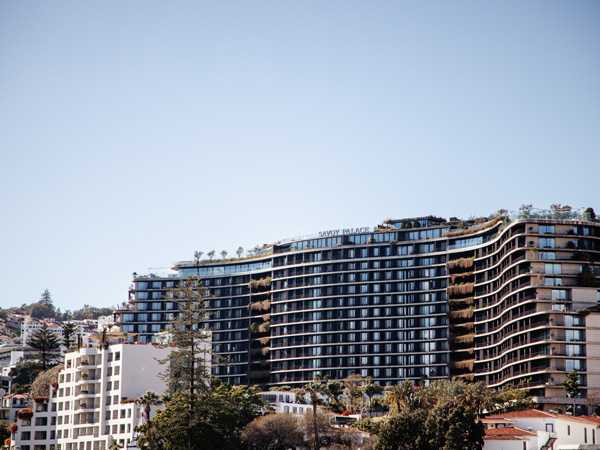
After a long day of sightseeing, we relax with stunning water views in our ocean suite at NEXT hotel, part of the Savoy Signature collection. Just a short stroll into town and close to neighbouring villages, it’s the perfect spot to base ourselves.
The best of Madeira in a day
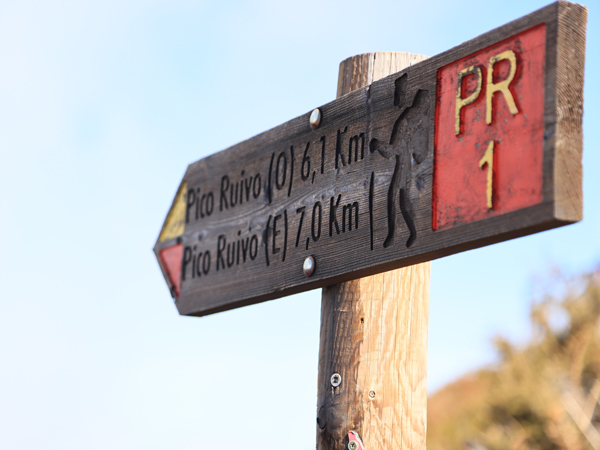
The next morning my aunt and I head out for a sightseeing trip by local taxi, the best way to see the entire island in a day if you’re short on time. Our driver Claudio, a born and bred Madeiran, acts as our tour guide.
Our first stop is the Balcões viewpoint and trail, which runs alongside the Levada da Serra do Faial. We spot the beautiful Madeira chaffinch all along the route, hopping along the path, in and out of trees.
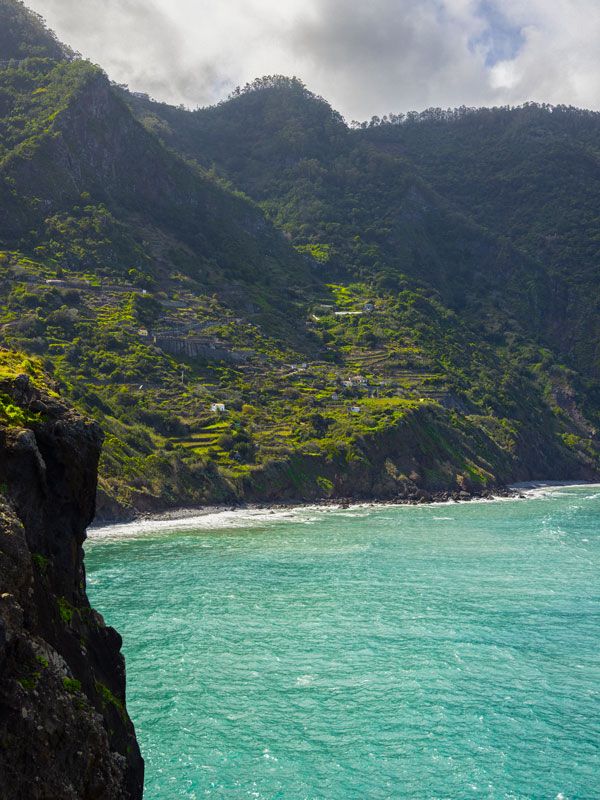
The levadas date back to the early 15th century – narrow irrigation channels designed to transport water from the mountainous north to the drier, sunnier south, where most of the island’s population and agricultural land were once located. Today they are synonymous with the network of spectacular hiking trails that thread their way around the island. From the overlook we see unspoilt views of the green Ribeira da Metade valley below.
On our way back from the trail, Claudio recommends we stop at Flor da Selva to grab a quick bite to eat. We order a local beer served with traditional tremoços (lupini beans). The snack takes me back to my childhood; during family gatherings, rather than eating them, we would pop the beans out of their shells for fun. We also order a sopa de tomate com ovos (Portuguese tomato soup served with egg), which comes highly recommended and doesn’t disappoint.
As we drive around Madeira, we weave in and out of tunnels scattered across the island. Locals often compare the roads to Swiss cheese, with tunnels linking towns and roads snaking through the towering mountains.
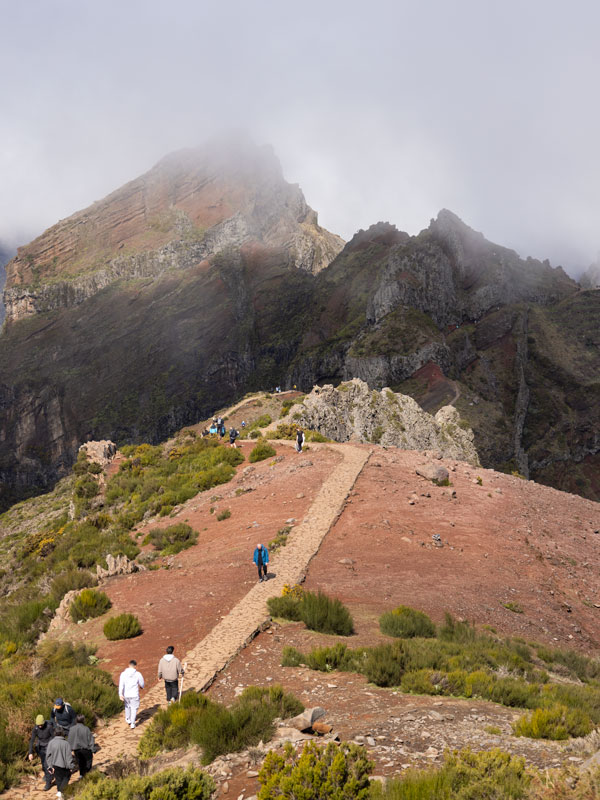
Our next stop is Pico do Areeiro, one of the highest points on the island, and a place I have been dreaming about for many years. I had hoped to trek one of the incredible trails, but sadly fires had ripped through Madeira weeks before our trip, meaning most of the tracks are closed to hikers. Although we are unable to venture far, the clear and beautiful day still offers us the most amazing views.
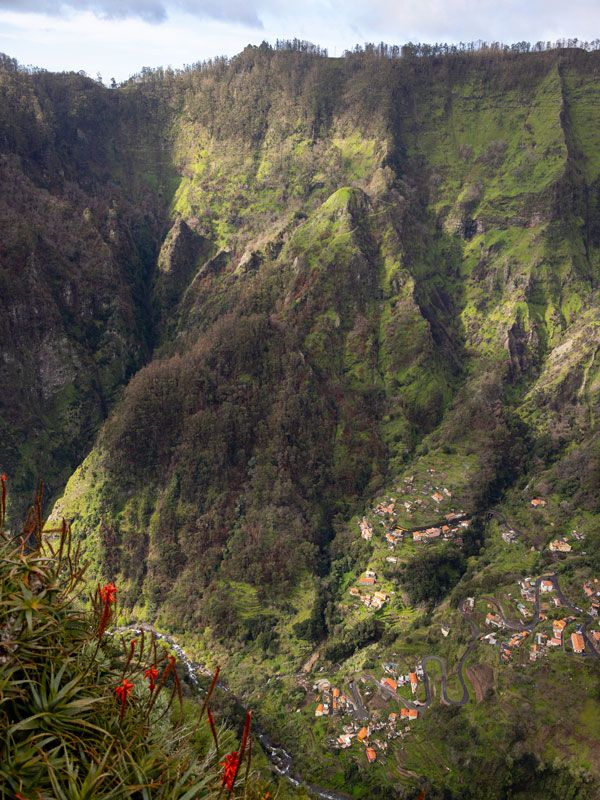
Claudio then takes us to Curral das Freiras, also known as the Valley of the Nuns. This remote village is hidden within an extinct volcano in the heart of Madeira. Its name comes from the 16th century, when the valley was used as a refuge for nuns who had fled terrifying pirate attacks in Funchal.
Tracing family history in the town of Machico
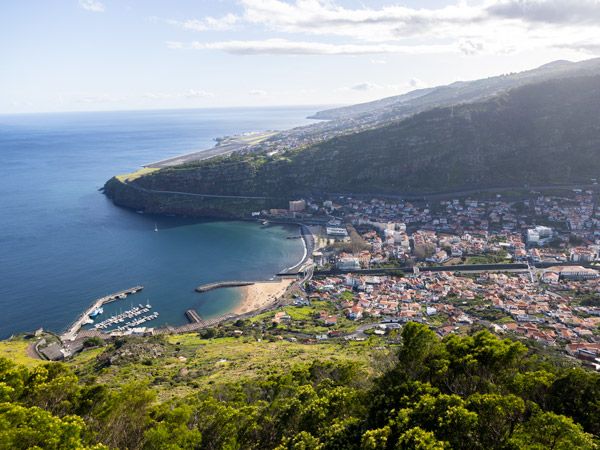
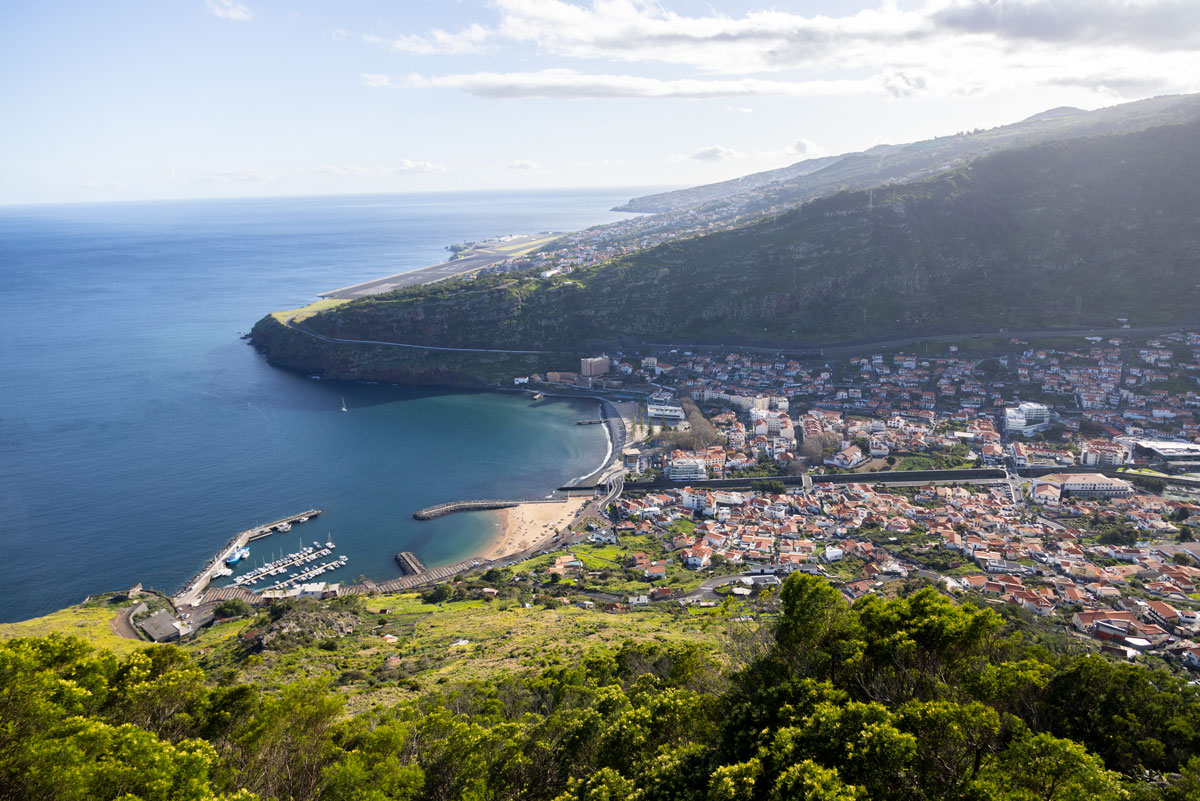
“Our family’s house used to be there." My aunt points to the spot in the city centre. We’re in Machico, Madeira’s second-largest city, located on the south-east of the island, and our final stop for the day trip. It’s where my father and aunt were born and spent their early childhood.
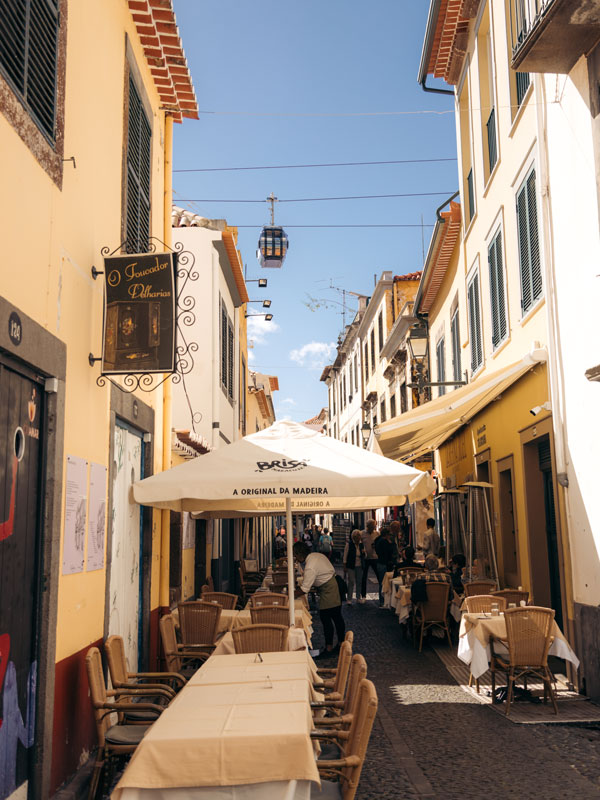
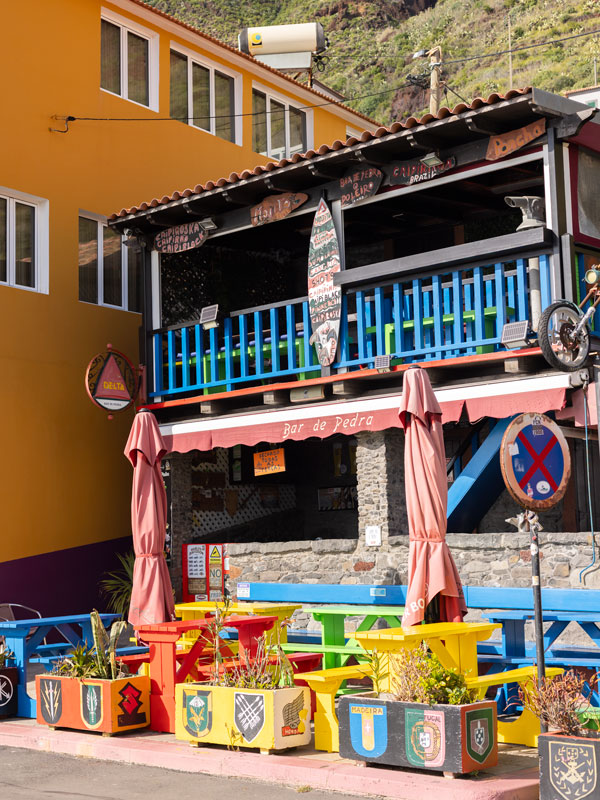
We’d passed their uncle’s place as we drove in, still there, boarded up with the city growing around it. Coloured buildings line the beachfront, with people taking in the last of the sunshine on the sand. Diners slowly fill the restaurants lining the streets in time for dinner.
We make our way up to Miradouro do Pico do Facho viewpoint to take in the full sight of the city. “Our parents had a sugarcane plantation over there." My aunt points to where the Cristiano Ronaldo International Airport now stands. The contrast of the crystal-blue water against the green mountainous coast and the city’s terracotta roofs is spectacular, and I savour this special moment shared with my aunt.

After spending five days in Funchal, we head to our next stop: Paul do Mar, a small fishing village and popular surfing spot on the south-west of the island. It’s a welcome opportunity to soak in the surroundings and slow things down with coastal vibes.
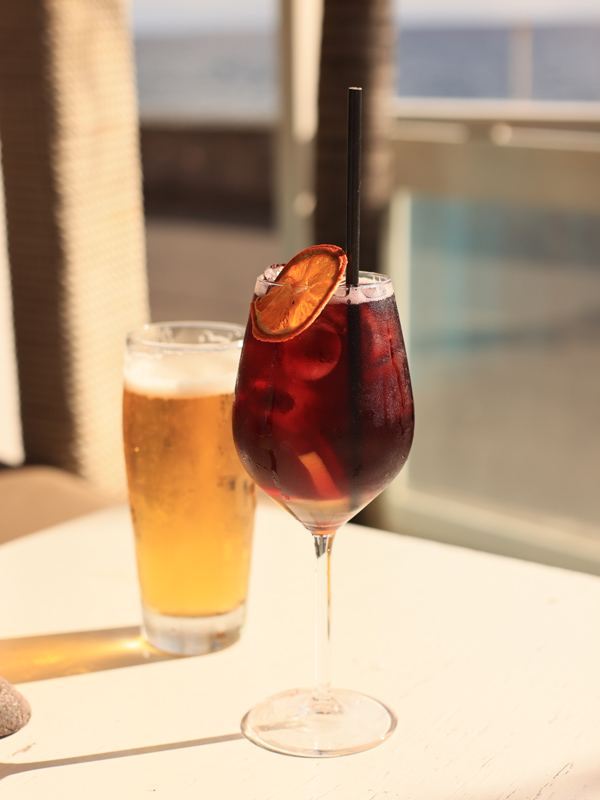
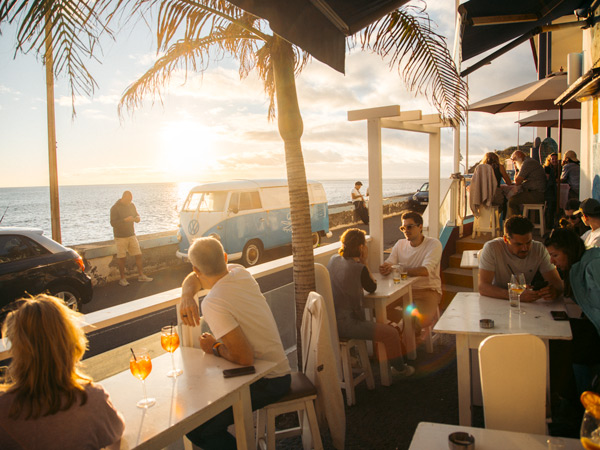
We enjoy sundowners at the local Maktub, a colourful pub filled with surfing memorabilia, travellers’ notes on the wall and flags from around the world. We sip on our cocktails and watch the surfers paddle into the crisp clean waves. Locals and fishermen sit to watch on the stone wall’s edge, catching up on the events of the day.
We reflect on our time here. Sharing this place with my family and my son has been truly special. Experiencing our history, heritage and culture together has added to our family’s story and left a meaningful mark on us all.
Weekly travel news, experiences
insider tips, offers, and more.
Everything you need to know about visiting Madeira
Madeira is a one hour and 45-minute flight from Lisbon, with direct flights into Funchal.
Staying in Madeira
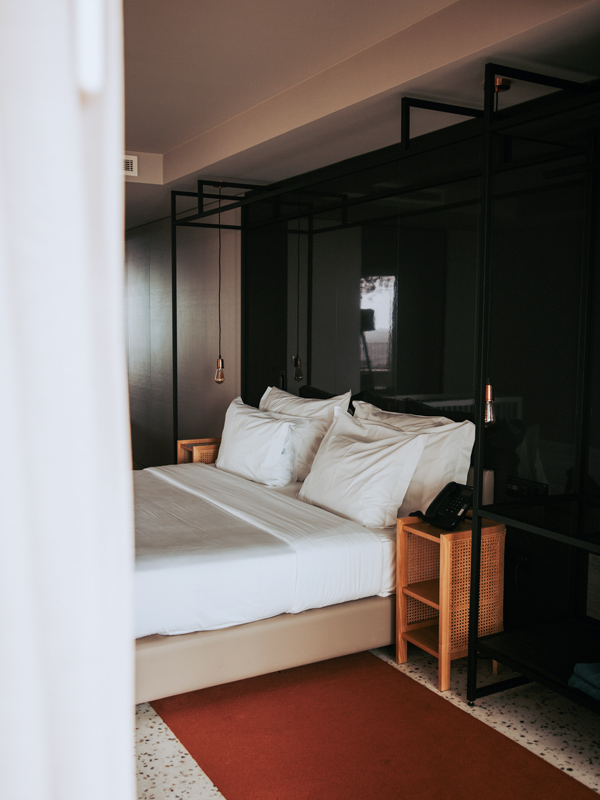
We stayed at NEXT, a sleek, modern hotel that overlooks the ocean. Part of the Savoy Signature collection, it’s walking distance to town, the marina and some incredible restaurants, which are on the same street.
Eating in Madeira
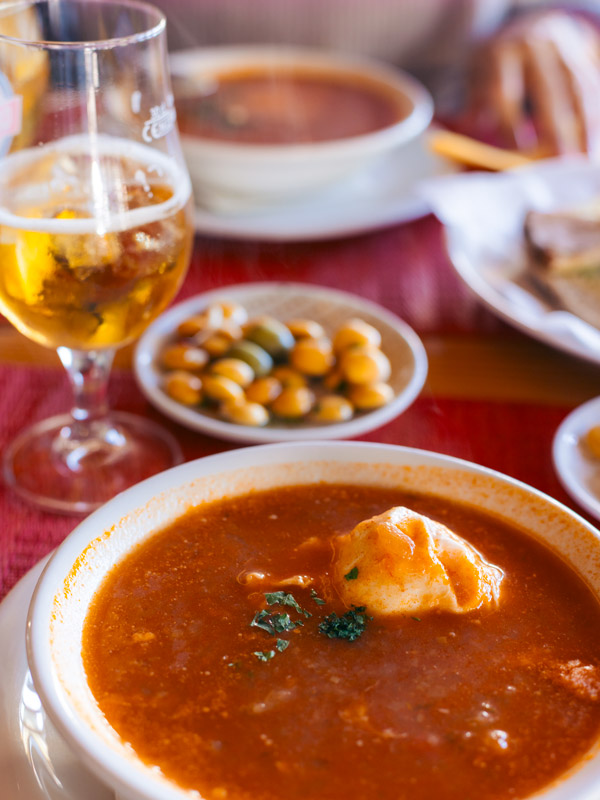
Casal da Penha is a stone’s throw away from NEXT hotel and to be savoured; it’s a quaint little family-run restaurant offering traditional cuisine with a homely feel. And although its interiors may feel a little dated, this restaurant has caught the attention of the Michelin guide, cementing its place as one of the top restaurants in Funchal, without the bells and whistles.
Exploring Madeira
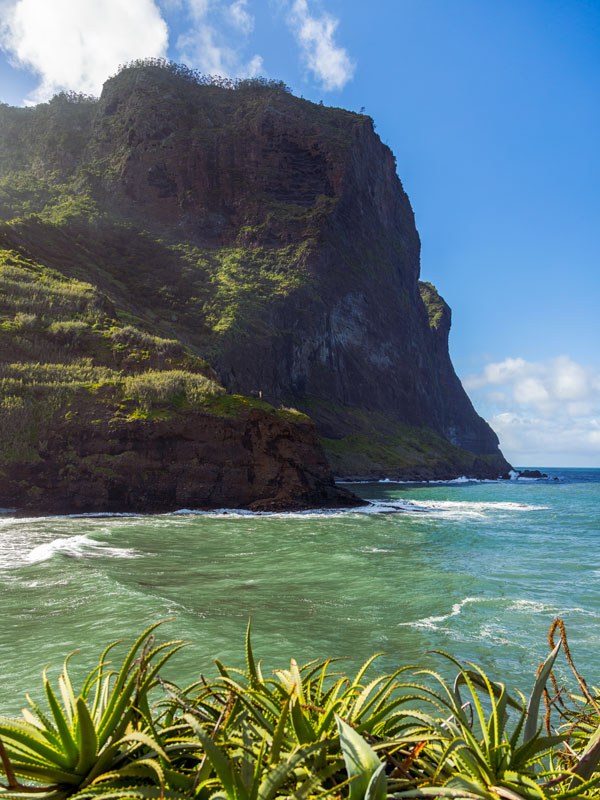
Explore the island by day via local taxi. Start early and you will be able to see the entire island. Some stops not to miss are the volcanic pools of Porto Moniz, which offer crystal-clear water views and spectacular rock formations. The UNESCO-listed Laurisilva within Madeira’s national forest is the largest surviving laurel forest in the world, dating back 40 million years.
Want to see more stories from International Traveller in your Google search results?
- Click here to set International Traveller as a preferred source.
- Tick the box next to "International Traveller". That's it.