hero media

11 things every traveller needs to do in Paris at least once

This comprehensive list of things to do in Paris is all you’ll need to get started.

So, it’s your first time going to Paris. Drink it all in – many people across the world would give anything to relive this experience (myself included).

Seeing the Eiffel Tower sparkle at night, taking that first bite into a croissant that will forever redefine your concept of a croissant, walking lazily down the leafy avenues and soaking in the Parisian magic: all of it is ahead of you.

From enjoying a hot chocolate at Cafe de Flore to seeing a ballet at Palais Garnier, these iconic activities are a great place to start.

1. Enjoy a picnic under the Eiffel Tower

In my opinion, the Eiffel Tower is one of the world’s few famous landmarks that actually lives up to its larger-than-life reputation. When you catch your first glimpse of the tower, it’s pure magic.
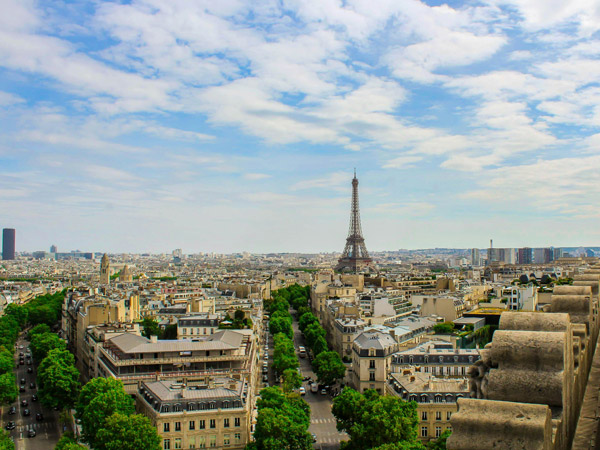
an aerial view of Paris with the Eiffel Tower
Nothing screams Paris like the iconic Eiffel Tower. (Image: Margarida Louro)

The best way to enjoy the monument is in quintessential Parisian style: a picnic. Pack a light blanket and swing by a market (Rue Cler is one of the best in the 7th arrondissement) to grab a fresh baguette, cheese and prosciutto before enjoying your bounty in the grassy lawn by the tower.

picnic in Paris
Prepare a Parisian picnic like a local. (Image: Calvin Shelwell)

2. Cycle through the city with a local guide

Biking is a popular form of transportation in Paris for locals, and it’s also a great way to cover more ground while exploring the city.
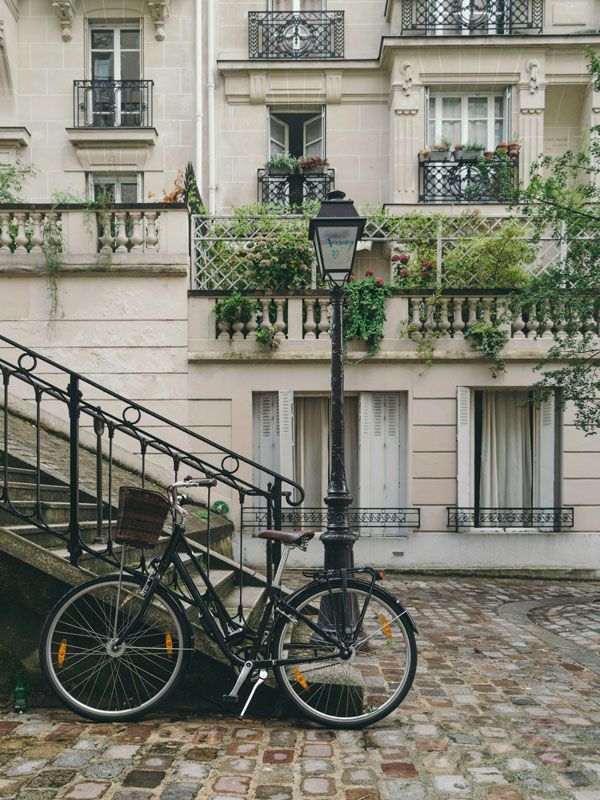
a bicycle on the side of the street in Paris
Cycling is a great way to cover more ground while exploring the city. (Image: John Towner)

On this bicycle tour, a local guide will introduce you to Paris’ most significant historical and cultural landmarks – such as Notre Dame, the Louvre, and the Champs-Elysées – while you get your bearings in the city’s central neighbourhoods.
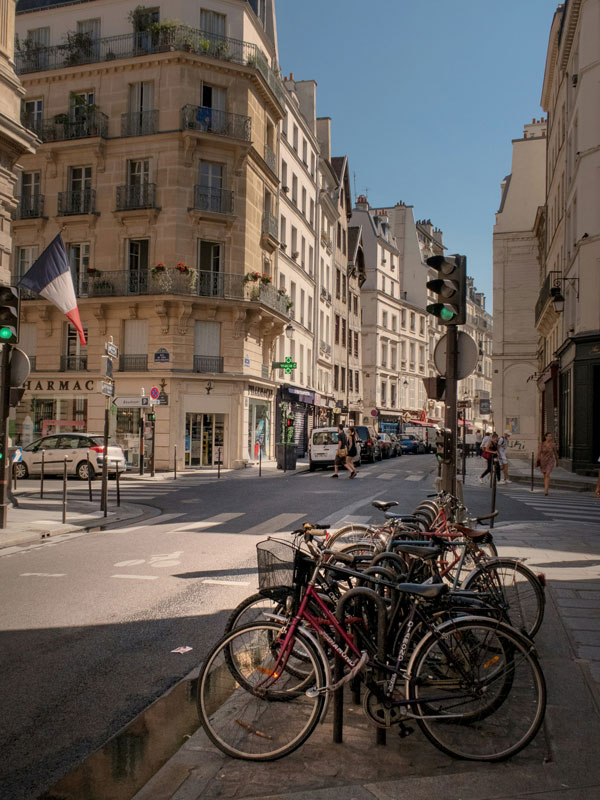
bicycles parked on the side of the road in Paris
Tour Paris by bicycle. (Image: Svetlana Gumerova)

3. Go to a historic jazz club

During the 1920s, Paris became a haven for many American expatriate writers, musicians and artists. This period, often referred to as the “Lost Generation," saw a flourishing of creativity and innovation, with jazz bars serving as important venues for these artists to connect and share ideas.

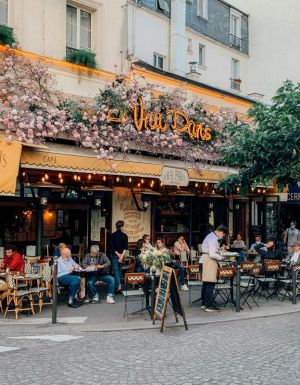
Le Caveau de la Huchette is one of Paris’ oldest, a self-proclaimed “temple of swing" since 1946.
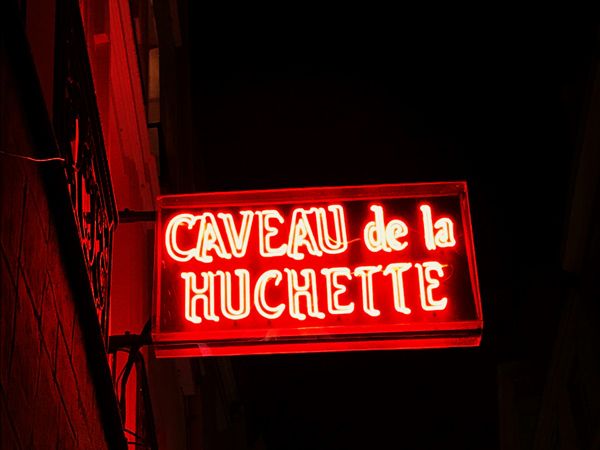
the red signage of Le Caveau de la Huchette
Immerse in the world of jazz at Le Caveau de la Huchette. (Image: Matheus Frade)

4. Take a boat ride down the Seine

A boat ride along the Seine River winds straight through the heart of Paris and offers a romantic new perspective on the city. A dinner cruise is especially idyllic.
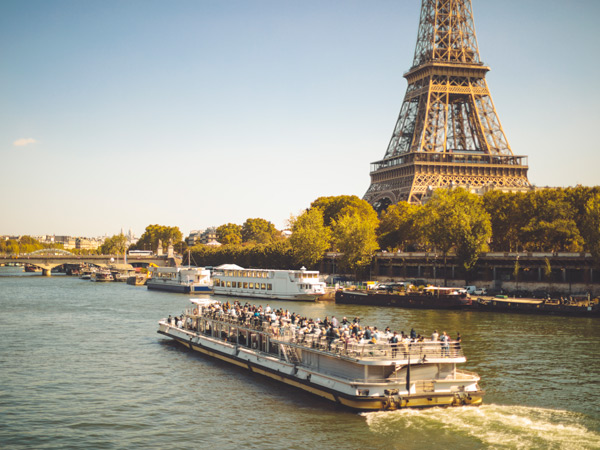
a boat ride in Paris during autumn
Explore Paris from a new perspective. (Image: Eva-Katalin via Getty Images)

You’ll be serenaded by a live singer and sip Champagne as you pass the many riverside monuments like the Eiffel Tower, the Musée d’Orsay and the Conciergerie, lighting up as dusk settles on the City of Light.
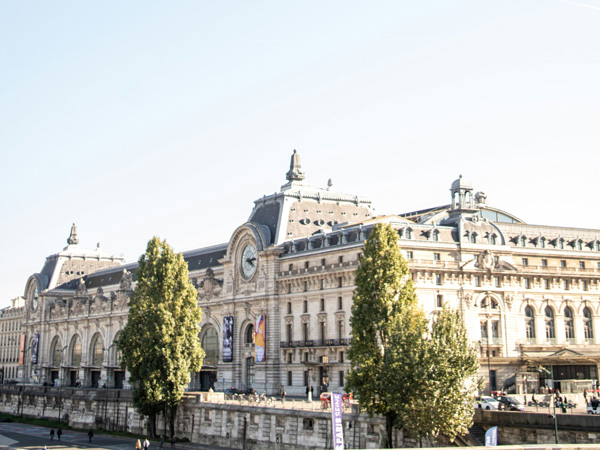
the Musée d’Orsay in Paris
See Musée d’Orsay from the Seine. (Image: Florian Rebmann)

5. Sip hot chocolate at Cafe de Flore

Cafe de Flore has a long history of attracting acclaimed writers, thinkers and artists. Poet and art critic Guillaume Apollinaire was said to coin the term ‘surrealism’ on the terrace. Karl Lagerfeld read Vogue alone for hours at a downstairs table. Ernest Hemingway retired to the comparatively calmer cafe when Café Les Deux Magots across the street grew too hip.
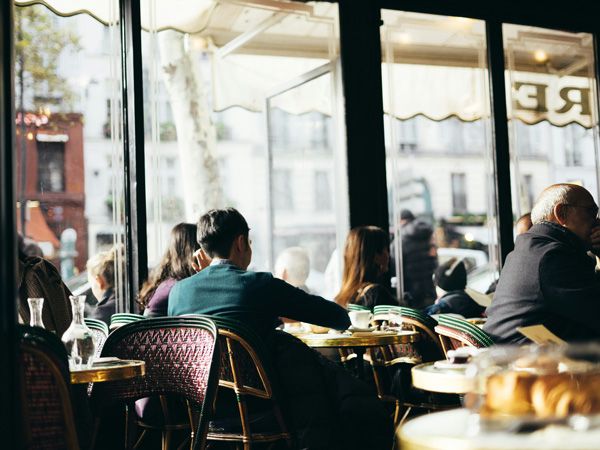
people dining inside Cafe de Flore in Paris
Embrace your creativity at Cafe de Flore. (Image: Valentin Kremer)

The cafe’s classic, Parisian Art Deco style has remained constant through the years, with small tables and bistro chairs pointed to face the street. Just dollop a cloud of whipped cream on your indulgently rich hot chocolate, sit back and watch as Paris passes by.
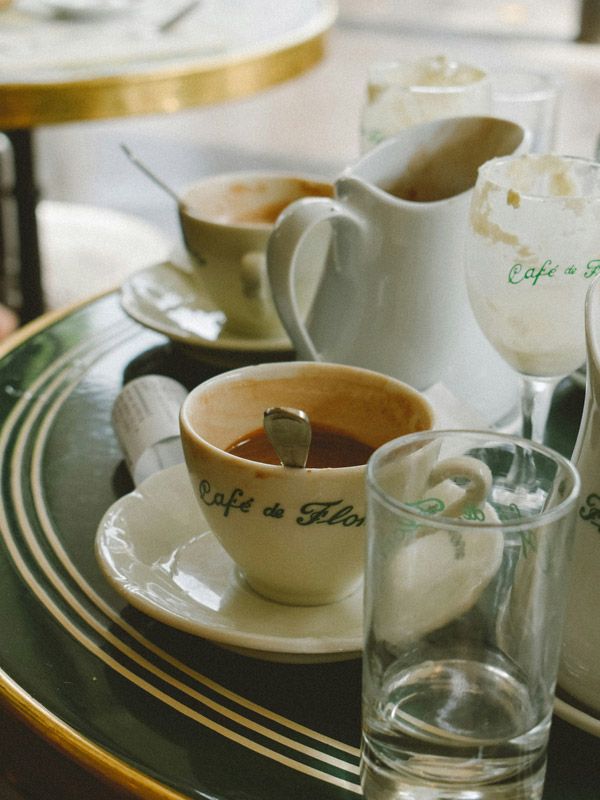
a cup of coffee at Cafe de Flore in Paris
Watch Paris pass by at Cafe de Flore. (Image: Christina Terzidou)

6. See Monet’s expansive water lilies paintings at the Orangerie Museum

The Musée de l’Orangerie is famous for hosting eight gigantic murals of Claude Monet’s famous water lilies, the crown jewel of his 30 years studying the subject in his garden in Normandy. The paintings surround visitors on all sides, making for an immersive experience in Monet’s groundbreaking work.
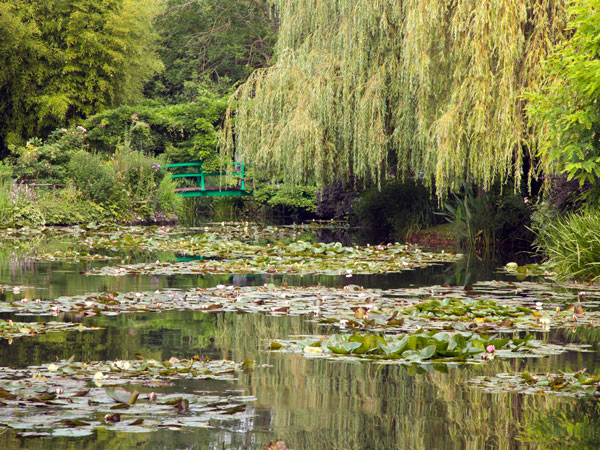
the famous lily pond of the painter Monet
See Monet’s famous water lilies up close at Musée de l’Orangerie. (Image: digitalimagination via Getty Images)

7. Float a boat on the Grand Bassin at Luxembourg Garden

Paris is blessed with an abundance of gorgeous parks (Tuileries is also a must-visit) but stop first at Jardin de Luxembourg to see the Grand Bassin, a large octagonal pond opposite the Palais du Luxembourg.
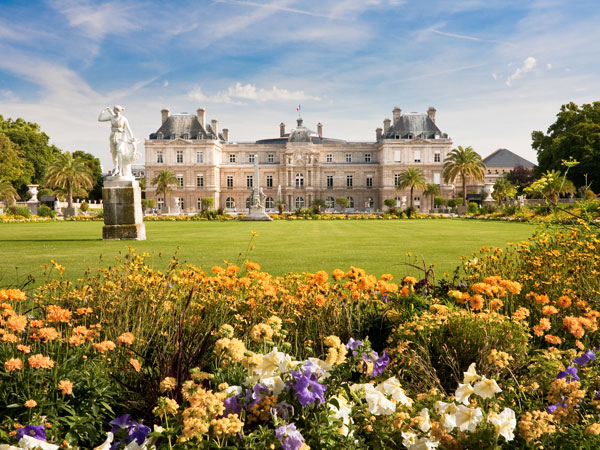
the Jardin de Luxembourg with flowers in the background
The sprawling Jardin de Luxembourg is a beautiful oasis in Paris. (Image: vkovalcik via Getty Images)

At all hours you’re likely to see children running about with long sticks, launching toy wooden sailboats every which way across the water.

There is a stand that rents out the toy boats for those who’d like in on the action – the perfect occupation for little ones while the adults take a seat by the water’s edge to enjoy the park.
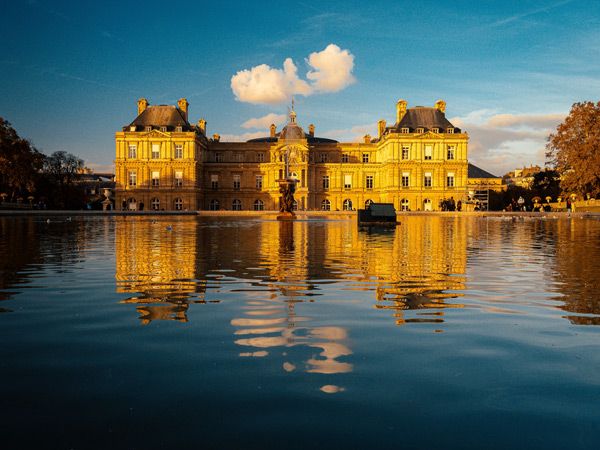
the Luxembourg Palace and the Grand Bassin in Paris, France
You’re likely to see toy wooden sailboats in the serene waters of the Grand Bassin. (Image: Wirestock via Getty Images)

Weekly travel news, experiences
insider tips, offers,
and more.

8. Visit the glittering Palace of Versailles

Just about an hour outside Paris, the Palace of Versailles displays jaw-dropping opulence at every turn. The intricate architecture, the meticulously kept gardens and room after room of golden trimmings will have you marvelling at King Louis XIV’s lavish lifestyle.
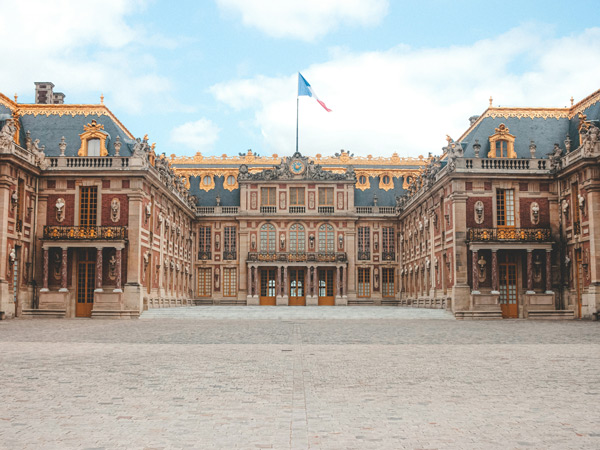
the Palace of Versailles in Paris
The Palace of Versailles displays jaw-dropping opulence at every turn. (Image: Mathias Reding)

9. Hike the steps to Montmartre’s Sacré-Coeur Basilica

Over 300 steps lead to the majestic Sacré-Coeur, a 19th-century basilica perched atop a hill overlooking Paris.
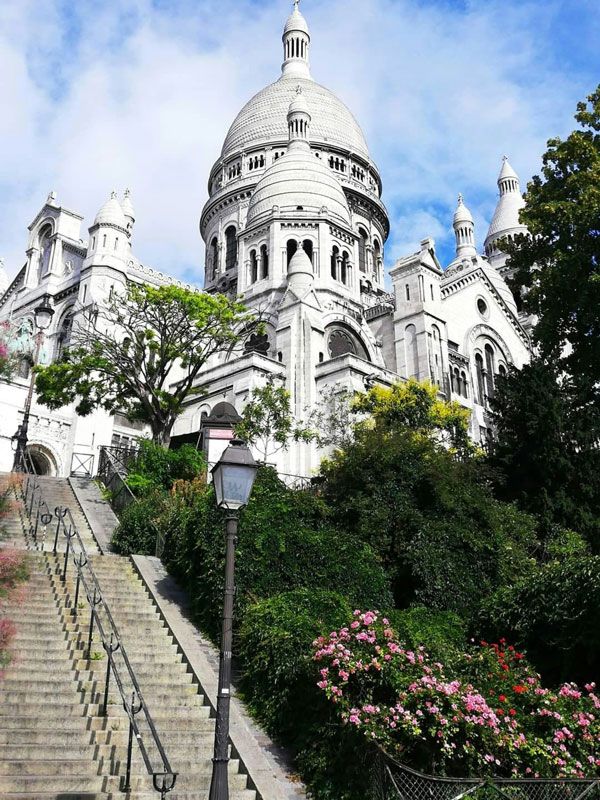
the Sacré Coeur in Montmartre
Sacré-Coeur stands atop Montmartre. (Image: Maryline Waldy)

The views of the city are just as spectacular as the distinctive Romano-Byzantine architecture of the basilica itself, and there’s plenty to explore in the surrounding area of Montmartre as well. The neighbourhood’s current lively and creative atmosphere follows in the footsteps of a long history as a bohemian haven for artists.
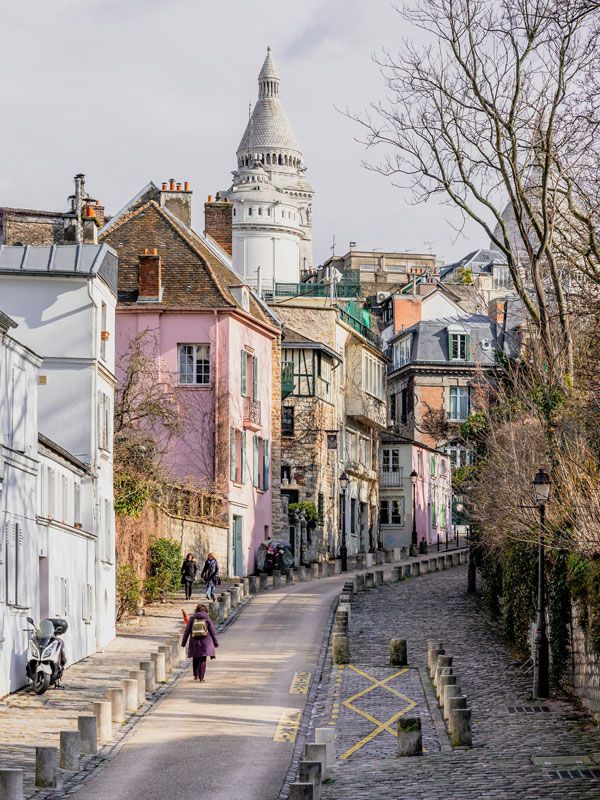
the Montmartre villagae in Paris
Stroll along the cobbled streets in Montmartre. (Image: Jeff Frenette)

10. Explore the Louvre with a private guide

The Louvre Museum is home to approximately 35,000 historical objects on display, over an area of 60,600 square metres.
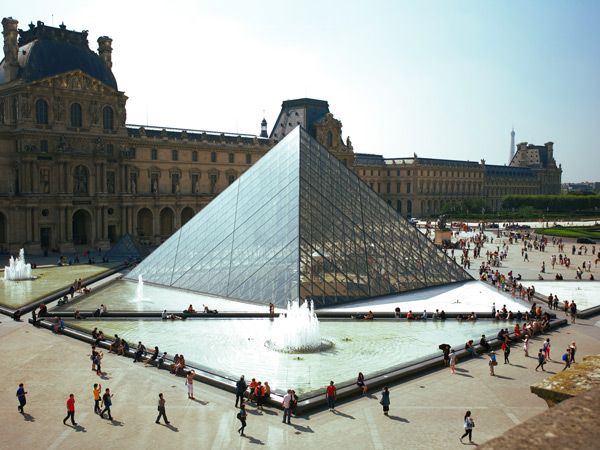
The Louvre in Paris
The Louvre exhibits over 35,000 objects. (Image: Daniele D Andreti)

So many unmissable treasures are buried within its depths – including Leonardo da Vinci’s Mona Lisa and the ancient Greek sculpture Venus de Milo – that you’ll want a guide to ensure you don’t miss a thing.
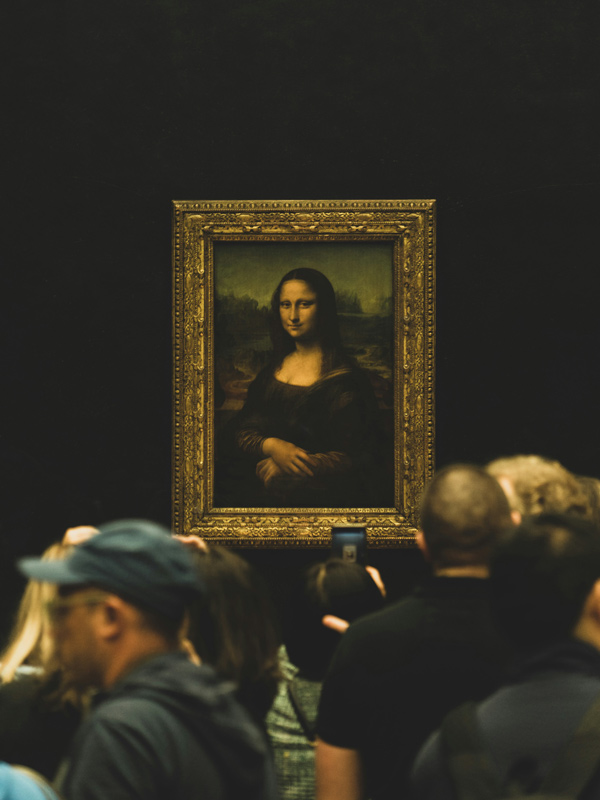
museum visitors looking at Mona Lisa painting
See Leonardo da Vinci’s famous Mona Lisa. (Image: Federico Scarionati)

11. See a ballet at the Palais Garnier

Adorned with gilded statues atop its signature turquoise, domed roof, Palais Garnier is nothing if not iconic. The building was inaugurated in 1875 at the behest of Napoleon III, and every inch of the opera house reflects that ostentatious era with onyx balconies, polished marble, and elaborate ceiling frescoes.
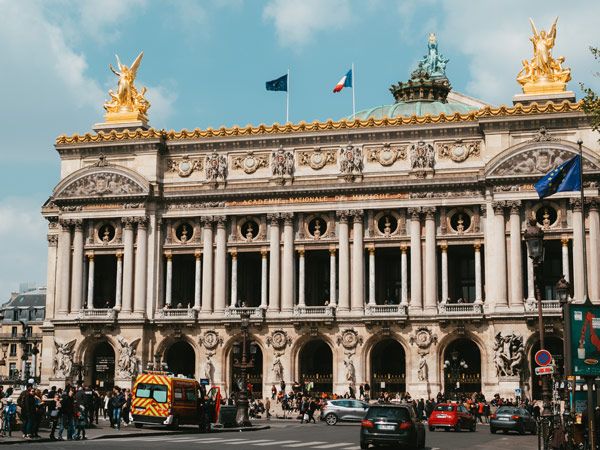
the facade of Palais Garnier
Palais Garnier is nothing if not iconic. (Image: Caleb Maxwell)

Don your best apparel and attend a classical ballet show, like the romantic Giselle or playful La Fille mal gardée, for an elegant and memorable night out.
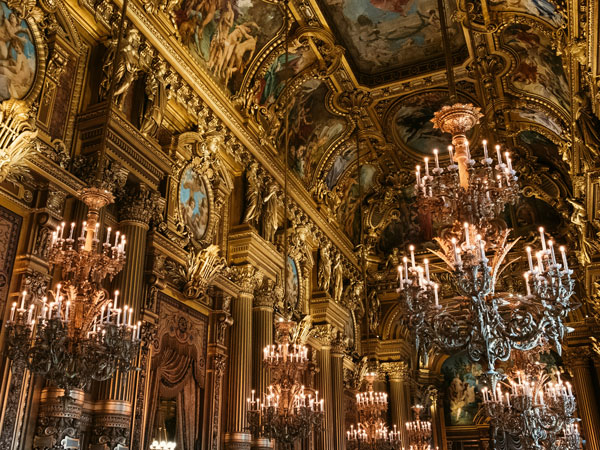
elegant and elaborate ceiling with chandeliers inside Palais Garnier
Every inch of the opera house reflects its ostentatious era. (Image: Caleb Maxwell)
Explore our list of free cultural attractions in Paris, too.

Want to see more stories from International Traveller in your Google search results?

  1. Click here to set International Traveller as a preferred source.
  2. Tick the box next to "International Traveller". That's it.
hero media

What the European heatwave means for your summer travel plans

Temperatures are soaring this summer, breaking records across Europe and the UK. 

Euro summer is a feeling like no other. But when a heatwave hits? The dream trip quickly turns into a sweaty mess. Extreme heat is sweeping Europe and the UK this week, with record-high temperatures impacting travel plans across the continent.

And while Australian summers are typically hotter in absolute temperature, many European cities aren’t equipped for high temperatures, resulting in unbearable weather.

Why is it so hot in Europe?

Signs of a hot summer loomed in May, when the mercury hit unprecedented spring highs. Now, extreme high temperature warning alerts have been issued in countries such as Spain, Italy, France, England, the Netherlands and Germany.

France saw its hottest day on record on Wednesday, with an average temperature of 30°C across the day and night. This surpasses the average temperature for June, which is 15°C to 25°C. Dozens of people have died, including 40 from drowning.

In Spain, 212 deaths have been linked to the heatwave.

The UK recorded its hottest June day ever on Wednesday with temperatures soaring to 36.1°C. In an article published by the Met Office – the UK’s national meteorological service – Professor Stephen Belcher CBE, Met Office Chief Scientist, shared his concerns about June’s heat. “To see temperatures like this in the UK in June is sobering. Events like this bring home the implications of climate change, with very high temperatures and humidity bringing significant health implications from heat stress, as well as impacts to a range of sectors such as transport, energy and water supply,” he said.

Heatwaves are becoming increasingly common in Europe and the UK, neither of which is prepared for such extremes. The World Meteorological Organization reported that in 2025, at least 95% of Europe experienced above-average annual temperatures and that the continent was heating up twice as fast as the global average.

How travel is impacted

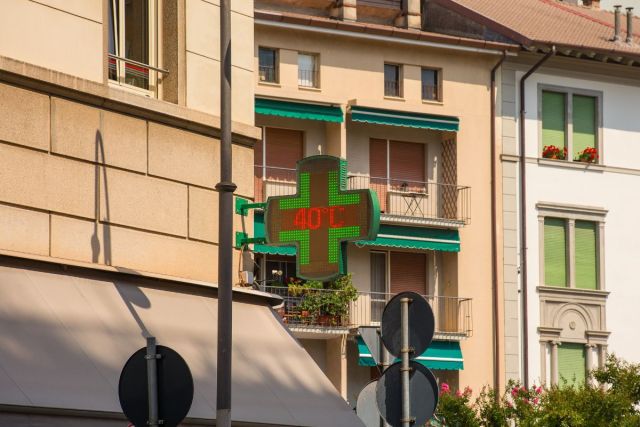
A pharmacy sign displaying 40 degrees Celcius
A pharmacy broadcasting local weather data. (Credit: Getty/Dragoncello)

During a heatwave, power grids, water systems and transport networks can be affected, resulting in disrupted itineraries for travellers. In France, power outages have left thousands without electricity and early closures have been implemented for two of Paris’s biggest attractions, the Eiffel Tower (early afternoon rather than late at night) and the Louvre (two hours early). Eurostar cancelled its London to Paris and Paris to London services from the 22nd to the 25th, and major UK rail companies have been advising travellers to avoid using trains where possible, or to travel during early hours.

If a heatwave is predicted, being flexible with your itinerary and having fully refundable/changeable tickets is key, as extreme heat can force the cancellation of outdoor activities, impact rail and flight services and change the opening hours of sites and eateries.

Why does summer in Europe often feel hotter than summer in Australia?

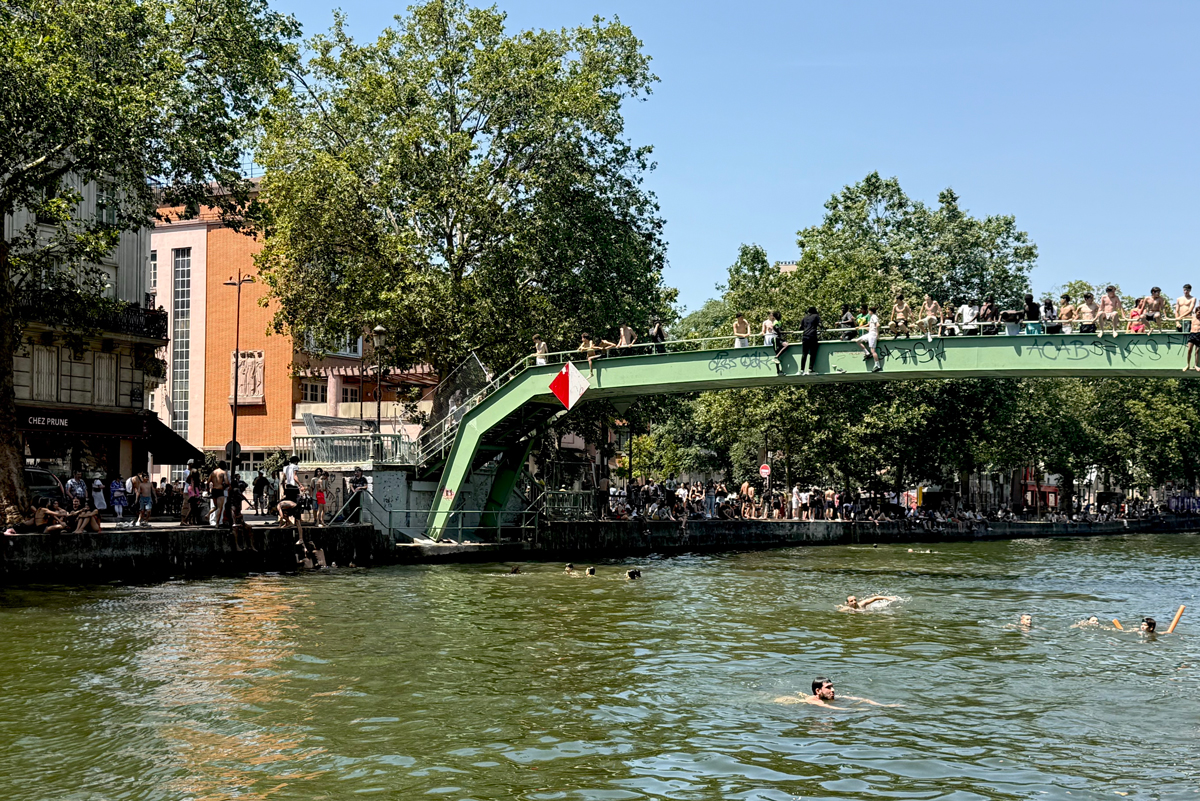
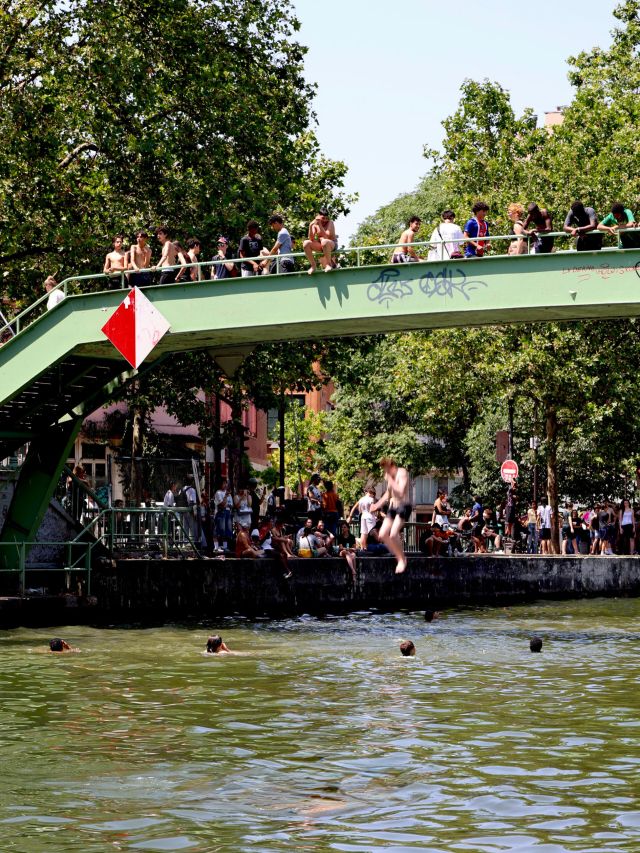
people swimming in the Canal Saint-Martin in Paris
People swimming in the Canal Saint-Martin in Paris to cool off. (Credit: Rachael Thompson)

With some of the highest UV levels in the world, Australians are no strangers to the heat, adapting well to intense weather. But our infrastructure is largely equipped to withstand soaring temperatures with climate-responsive passive design, refrigerated air conditioning or evaporative coolers, as well as swimming spots aplenty.

Buildings in Northern and Western Europe and the UK, however, are constructed to retain heat and handle frosty winters. The lack of universal air conditioning means it generally feels hotter even though the temperature on your app might not look it. During a heatwave, it can feel like you’re in a sauna as cities act like heat traps.

How to stay cool and prepare for another heatwave

Relief is expected across Europe and the UK later this week, but more heatwaves are still possible in the coming months. Summer heat typically peaks in July and August.

Public transport often doesn’t have air conditioning, and buses in particular can be swelteringly hot. If you’re heading outside or your accommodation has no air conditioning, it’s worth buying a spray bottle and a handheld fan from a pharmacy or tourist stand. Check ahead of time if restaurants and cafes have air conditioning and make a booking in advance. The highest temperatures typically hit between 3pm and 6pm, so aim to head outdoors outside of these hours.

Rising temperatures invite travellers to enter a more intentional era of seeing the world. Now more than ever is the time to embrace lower-impact “coolcations” and off-season getaways.

11 Things You Need To Do In Paris - International Traveller