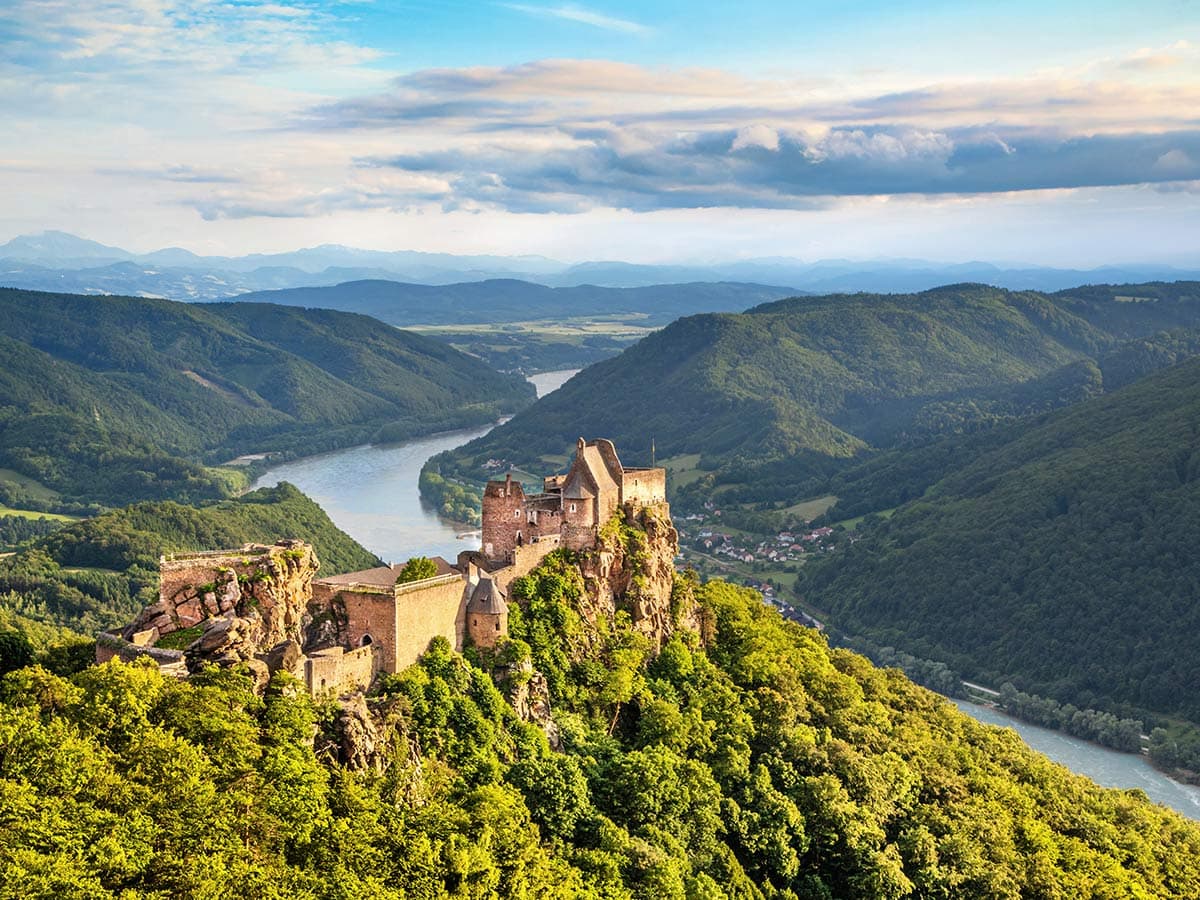

There’s much more to Austria than meets the eye, with some of the best cultural and nature-based experiences found outside the major cities.
Many of Austria’s most beautiful villages, towns and landscapes lie within easy reach of the major cities. To escape the crowds and see another side of Austria, take a day trip – or stay longer – to regions where the pace is slower but the experience no less exhilarating.
1. Salzkammergut
Road trip: 45 minutes from Salzburg/four hours from Vienna
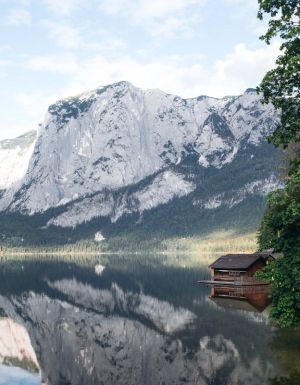
Set between the alps and the foothills, Salzkammergut is a place of striking limestone mountains and calm blue lakes – 76 of them – and is known for its natural beauty and outdoor activities such as hiking, cycling and water sports. You’ll have seen some of it in The Sound of Music, and it is a popular destination for sommerfrische (summer holidays in the countryside).
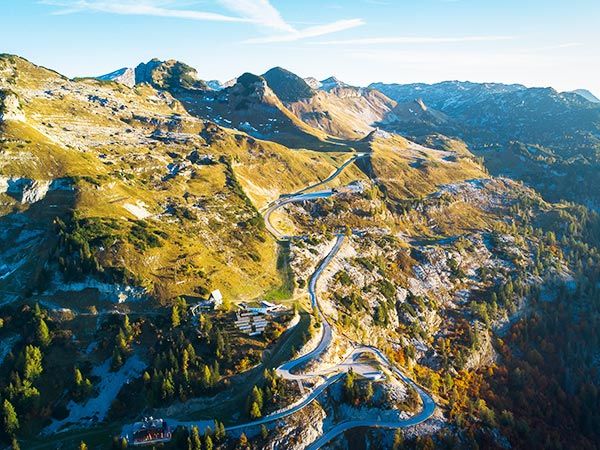
The lakeside village of Hallstatt, a UNESCO World Cultural Heritage site, is often considered the most beautiful in Europe (just ask any Instagrammer). Wander its cobblestone streets, take the three-minute near-vertical funicular ride 838 metres up the mountain behind the village and then a guided underground tour into the world’s oldest salt mine, where the “man in the salt" was found in 1734.
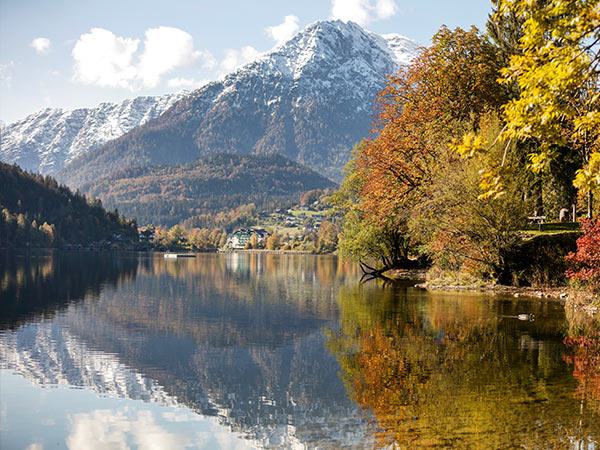
At Lake Altaussee, climb aboard a traditional wooden platte (boat) for a perfect view of the mountains and lake from the calm, shimmering and astonishingly blue waters. It’s easy to see why so many writers have found inspiration here.
The elegant spa town of Bad Ischl, once the summer residence of Emperor Franz Joseph, (together with 22 other municipalities) has been named as a European Capital of Culture for 2024, with a calendar of events running all year.
2. Wachau/Danube Valley
Road trip: one hour from Vienna/two hours from Salzburg
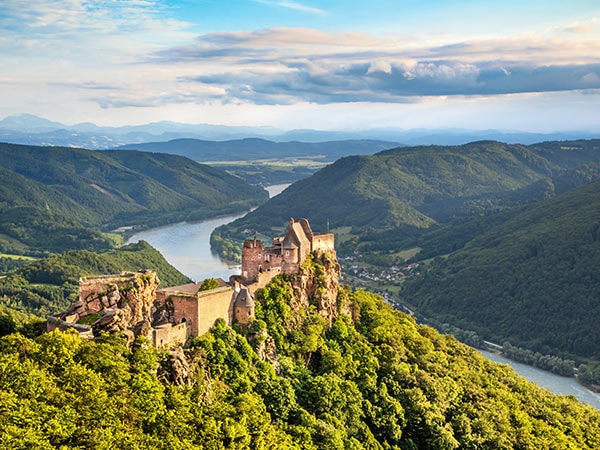
The Danube winds through the Wachau Valley, between the towns of Melk and Krems, in a landscape that has been inspiring artists for centuries and is now a World Cultural Heritage Region. Find a spot overlooking the river, sip a glass of local Riesling or Gruner Veltliner wine, add fresh bread and cheese from local farmers and watch the world go by.
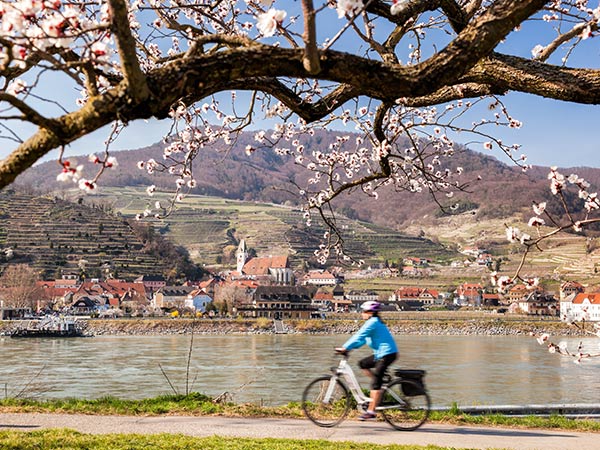
If you are energetic, hit the Danube Bike Trail, which covers 317km, following the river through the villages, vineyards and orchards of the Wachau region – mostly traffic-free. Don’t miss a visit to the magnificent 16th-century Benedictine monastery Melk Abbey, with its Baroque frescos and terraced vineyards overlooking the Danube.
Other must-see stops include the ruins and Abbey Church of Dürnstein, where the English king Richard the Lionheart was imprisoned on his way back from the Crusades, and the 1000-year-old town of Krems, known for its lively arts scene. Check out the Kunstmeile Krems gallery, Austria’s only caricature museum and the wine museum.
3. Arlberg
Road trip: 2.5 hours from Innsbruck (or one hour by train)
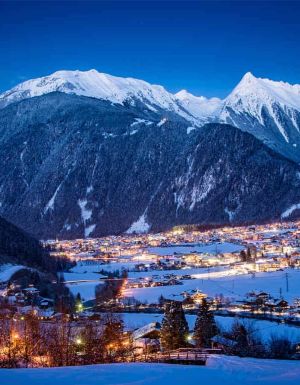
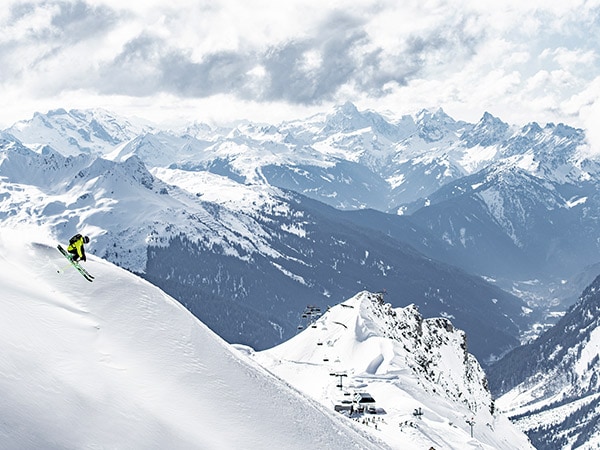
Summer or winter, the Arlberg region is a favourite with the sporty set. Famed for its skiing, it is also a popular hiking region in the summer months. The timeless panorama of alpine scenery has long made this a favourite ski resort region, and the full effect can be enjoyed from St Anton’s Valluga Platform, at 2,811 metres above sea level, where you are at the exact point where the regions of Vorarlberg and Tyrol meet.
A new long-distance hiking trail loop connects the five Arlberg resorts – Lech, Zürs, Stuben, St Christoph and Anton – with 40km of trails and 10km of cable car connections. The best way to tackle the Arlberg Trail is from St Anton, Lech or Stuben, in a clockwise direction. You can choose to hike only certain stages or do the entire loop.
Arlberg is also a cultural hub, with the Arlberg 1800 resort in St. Christoph being home to a contemporary art gallery and a well-used 200-seat concert hall hosting regular jazz and classical music concerts.
4. The Bregenzerwald
Road trip: one hour from Bregenz/two hours from Innsbruck
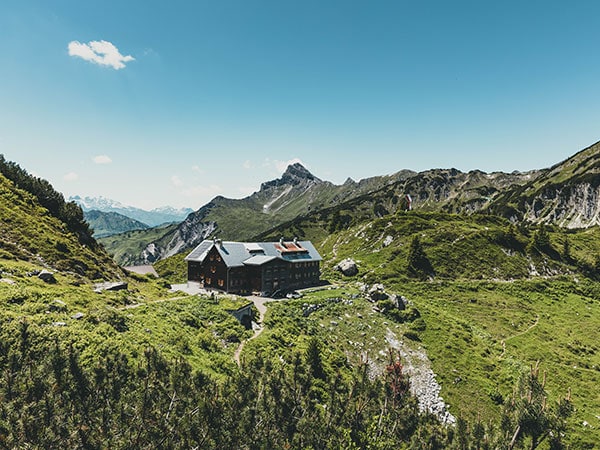
Twenty-three villages make up the Bregenzerwald region, known for its traditional woodwork, handcraft and music. From the ornate traditional wooden houses to the tasty alpine cheese from local farms, it’s easy to feel you are truly part of the Austrian countryside. The people of the Bregenzerwald – called Wälder – are proud of their heritage and it shows.
Time your visit for the annual Schubertiade Schwarzenberg Festival, which celebrates the music of Schubert and other composers, with about 50 events to choose from in June and late August/early September. Shuttle buses transport festival-goers between the villages. Another big event is the Bregenz Festival, which runs for a month in July/August, featuring opera on the world’s largest lakeside stage.
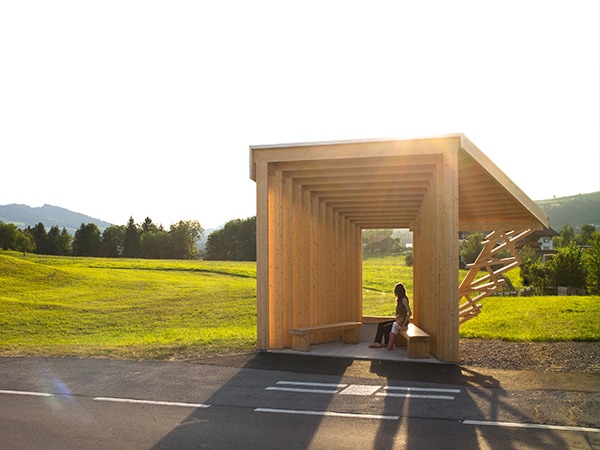
For a quirky twist to your visit, jump on a bus in the village of Krumbach to see the town’s seven bus stops, each one a contemporary design by an architect from a different country and built by the town’s craftsmen. They are works of art.
Weekly travel news, experiences
insider tips, offers, and more.
5. South Styrian Wine Road
Road trip: 2.5 hours from Vienna
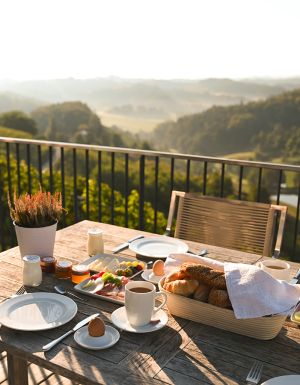
Wandering the wineries of South Styria is one of the most pleasant ways to explore this region, with its rolling vineyards, orchards and pumpkin patches. Take the 70km South Styrian Wine Road to meander through the countryside sometimes called “the Tuscany of Austria" for its mild climate and viticulture.
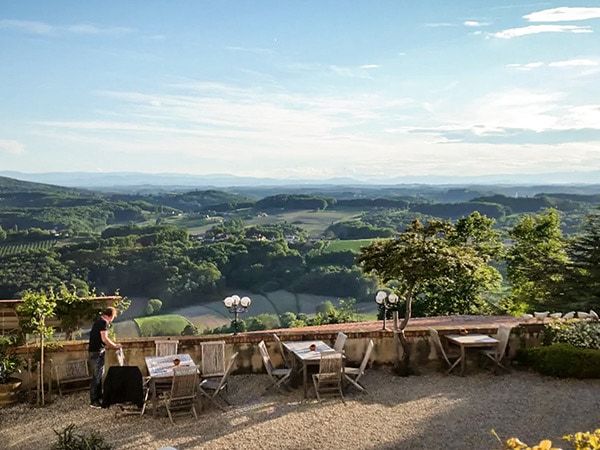
The South Styrian Wine Road links lovely villages and the towns of Ehrenhausen and Leutschach as it winds through the Slovene Hills, near the border with Slovenia. Work up an appetite on some of the hiking or cycling trails, and stop off at one of the many welcoming Buschenschanken (wine taverns) along the way, to taste the Sauvignon blanc the region is famed for and nibble on platters of cold meat. Don’t leave without also sampling (and buying) some of the delicious pumpkin seed oil Styria produces. Sweet tooths will also want to stop off at the Zotter Chocolate factory for some handmade goodies.
For those still needing a city fix, a 40-minute drive will take you to Styria’s medieval capital, Graz, Austria’s second-largest city, on the River Mur.
Where to Stay
Austria’s regions have a host of charming hotels, resorts and family-run properties to choose from. Check out the Austria Hotel Collection to find the perfect match for your travels.
Want to see more stories from International Traveller in your Google search results?
- Click here to set International Traveller as a preferred source.
- Tick the box next to "International Traveller". That's it.