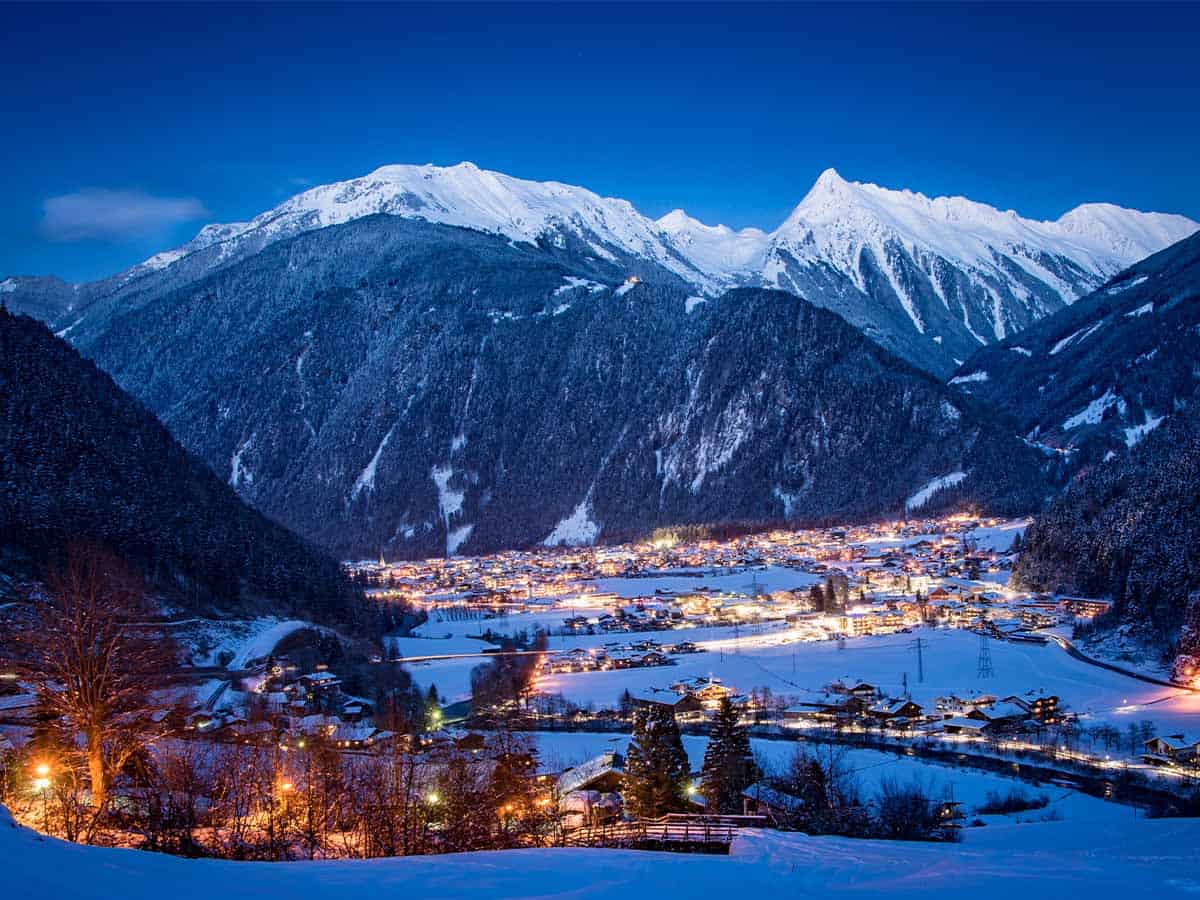
hero media

Austria’s 8 best ski resorts

You only have to hear the name Austria and already you know you’re in for a good time. After all, this is a country synonymous with alpine adventure, a European nation known for its high-quality ski terrain and off-snow facilities.
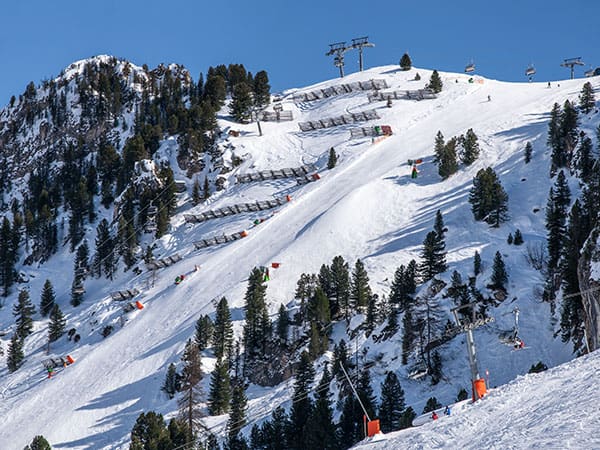
Mayrhofen, Ski Resort in Austria
Skiing in Austria, life doesn’t get much better.

There’s so much on offer in Austria, from hardcore double black diamond terrain to gentle beginner slopes, from family-friendly (and family-run) accommodation to Europe’s best après ski party scene. The only thing you have to worry about is choosing the ski area that’s best for your needs.
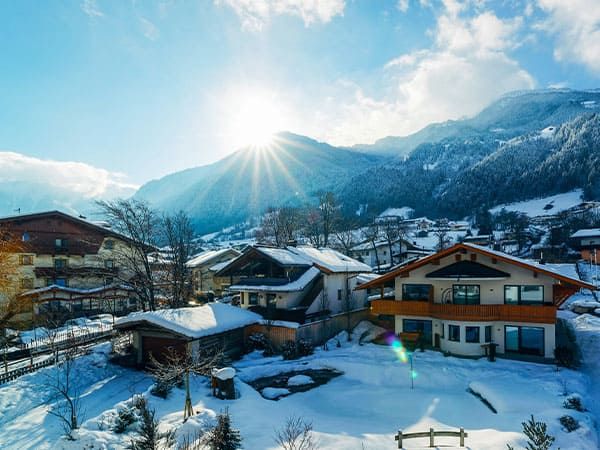
Mayrhofen, Ski Resort Village, Austria
The only thing you have to worry about is choosing the ski area that’s best for your needs.

The 8 best ski fields in Austria

1. St Anton am Arlberg

2. Zug am Arlberg

3. Sölden

4. Kitzbühel

5. Lech Zürs am Arlberg

6. Mayrhofen

7. St Christoph am Arlberg

8. Ischgl

A final note before we hit the slopes: St. Anton, Zug, Lech Zürs and St. Christoph are all part of the same resort; the Arlberg. The villages are connected by ski lifts/slopes – how European!

1. St Anton am Arlberg

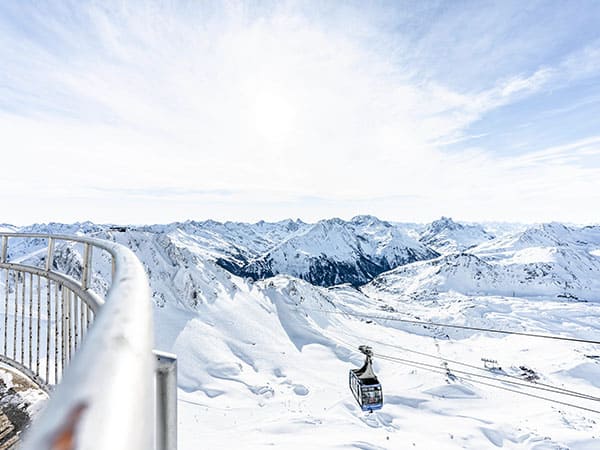
There’s an unwritten rule in St Anton: work hard, play hard. The “work" is some of Europe’s best downhill ski terrain; it’s some serious steep stuff, both off-piste and on. St Anton is the home of the world’s first ski club, and indeed it’s the cradle of skiing as we know it today. If you’re a beginner, this is probably not the spot for you (though there are shuttle buses to nearby interconnected resorts with gentler slopes).
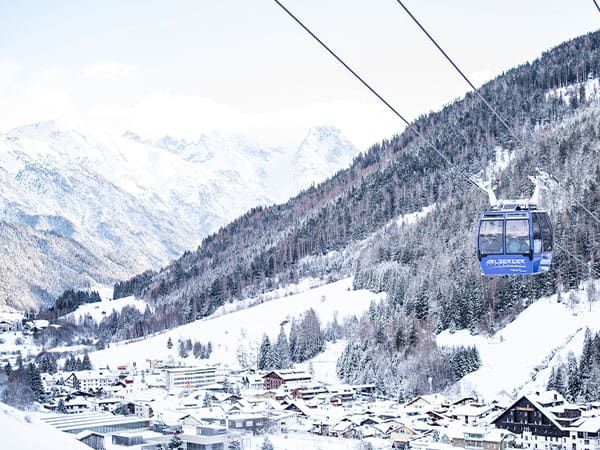
Galzig Cable Car St. Anton am Arlberg Australia
There’s an unwritten rule in St Anton: work hard, play hard. (Image: TVB St. Anton am Arlberg; Patrick Baetz)

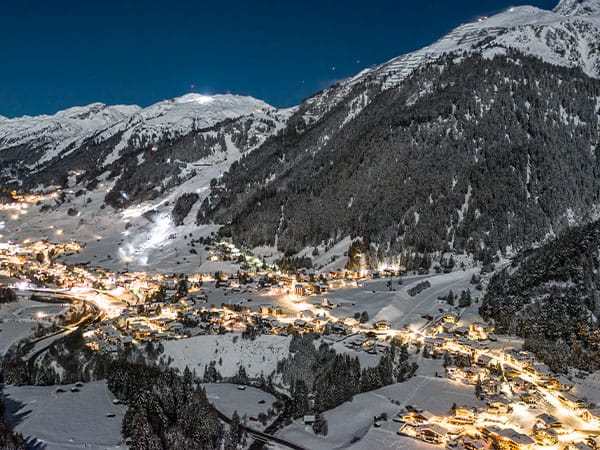
The “play" part of St Anton comes in the form of a riotous après ski scene that would have to be one of the best in the world. Legendary venues such as the MooserWirt and the Krazy Kanguruh throw wild parties every afternoon and evening.
Valluga St. Anton am Alberg Austria
The “play" part of St Anton comes in the form of a riotous après ski scene that would have to be one of the best in the world. (Image: TVB St. Anton am Arlberg; Patrick Baetz)

In terms of accommodation, St Anton has plenty to offer. A highlight is the four-star Mooser Hotel, set at the back of the MooserWirt (though without any of the noise or general ruckus).
St. Anton am Arlberg, Ski Resort in Austria
In terms of accommodation, St Anton has plenty to offer. (Image: TVB St. Anton am Arlberg; Patrick Baetz)

See stantonamarlberg.com.

2. Zug am Arlberg

A small shout-out for the tiny village of Zug, in the famed Arlberg region, which is connected by chairlift, ski run and road to the far more famous likes of St Anton and Lech. Only 150 people call this gorgeous spot home, yet in recent years Zug has transformed itself into a gastronomic hub for those who would like something good to eat after (or during) a big day on the slopes.
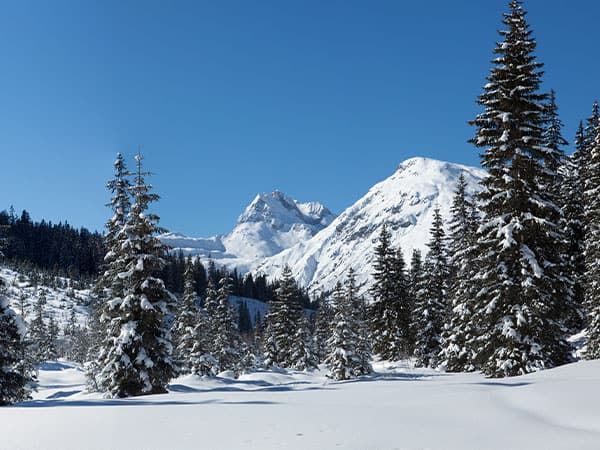
Zugertal Valley. Austria
Zug is in the famed Arlberg region. (Image: Österreich Werbung; Conrad Amber)

Despite its size, the village is home to several restaurants with at least one Gault Millau “toque" – the equivalent of a Michelin star. The highlight of these is undoubtedly the four-toqued Rote Wand Chef’s Table, where Gault Millau Chef of the Year Max Natmessnig serves incredible 19-course degustation meals at a 14-seat, U-shaped bar.

The Zug area also has excellent cross-country skiing opportunities, if you can tear yourself away from the dining tables.
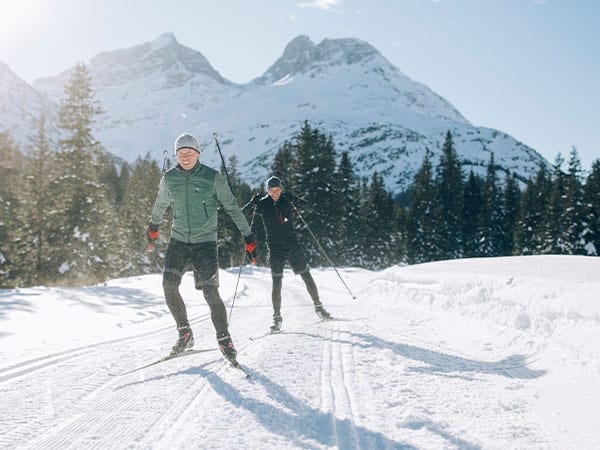
Cross-country skiing Zugertal valley, Austria
The Zug area also has excellent cross-country skiing opportunities. (Image: Lech Zuers Tourismus; Daniel Zangerl)

See lechzuers.com.

3. Sölden

If you’ve seen the Bond film Spectre, you’re already familiar with the biggest drawcard at Sölden: the restaurant ice Q.
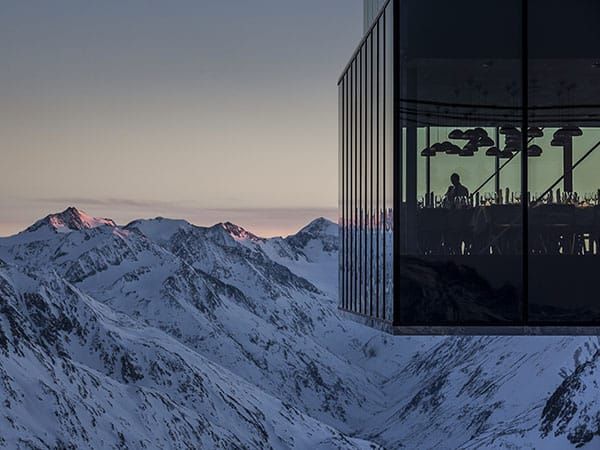
Restaurant IceQ, Solden, Ski Resort Village, Austria
Dine atop a mountain more than 3000 metres above sea level. (Image: Ötztal Tourismus; Rudi Wyhlidal)

Set atop a mountain more than 3000 metres above sea level, ice Q is a spectacular glass cube that commands views over jagged mountaintops as far as the eye can see. It’s also a gourmet, two-toqued restaurant serving what is surely the ultimate in haute cuisine.
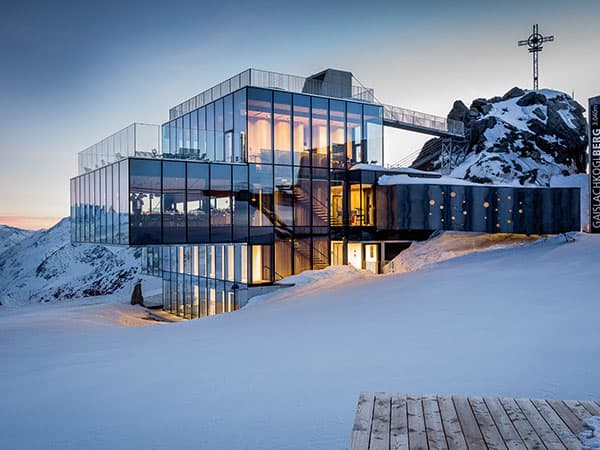
Restaurant IceQ, Sölden, Ski Resort in Austria
Ice Q is a spectacular glass cube that commands views over jagged mountaintops as far as the eye can see. (Image: Ötztal Tourismus; Rudi Wyhlidal)

But Sölden isn’t just about a restaurant. This resort town, about an hour’s drive from Innsbruck, boasts some of Austria’s most reliable snow, including access to a couple of glaciers that allow almost year-round skiing. Though Sölden has hosted multiple FIS Alpine Ski World Cups, it also offers plenty of beginner and intermediate terrain, with 150 kilometres of skiable piste all up.
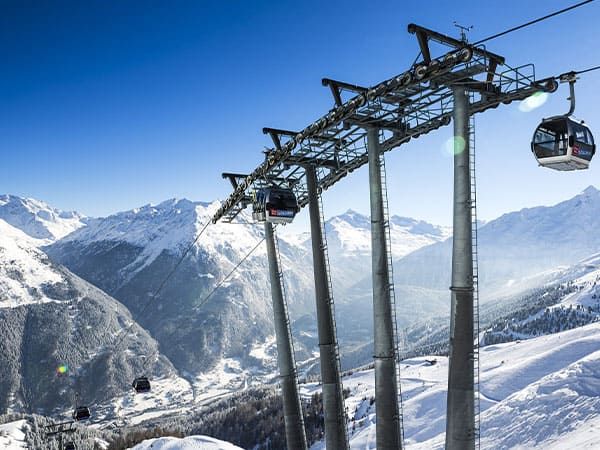
Sölden, Ski Resort Town, Austria
This resort town, about an hour’s drive from Innsbruck, boasts some of Austria’s most reliable snow. (Image: Ötztal Tourismus; Rudi Wyhlidal)

See soelden.com.

4. Kitzbühel

Kitzbühel is an absolute dream. The village itself is fairy tale gorgeous, a lovely town with traditional buildings painted with frescoes and bright hues. This is known as Austria’s most glamourous resort, a place to spot local and international celebrities, to glory in luxury accommodation and high-end dining, or to keep things a little more circumspect with traditional, family-friendly lodge accommodation.
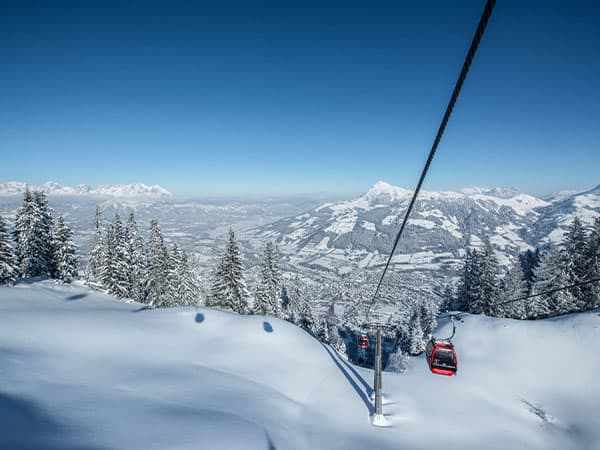
Kitzbuehel landscape, Austria
The village itself is fairy tale gorgeous. (Image: Kitzbuehel Tourismus; Michael Werlberger)

The mountain itself is just as attractive, set in the Alps between Salzburg and Innsbruck, with 170 kilometres of skiable piste ranging from blissfully gentle to hair-raisingly steep. Call into a mountain hut for a drink and meal, then head out on the town after a day on the piste. You can’t go wrong.
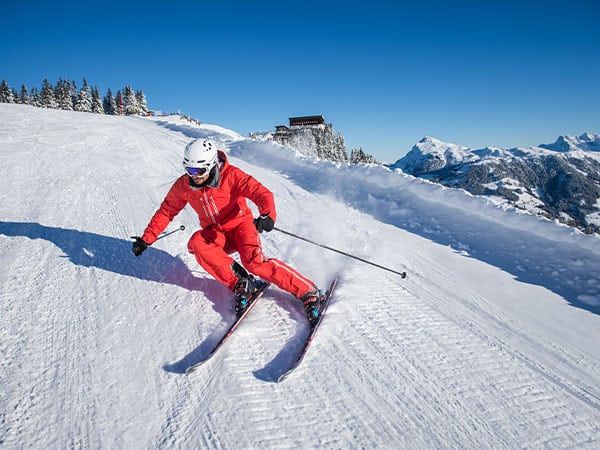
Kitzbuehel Hahnenkamm, Austria
The mountain itself is just as attractive. (Image: Kitzbuehel Tourismus; Michael Werlberger)

See kitzbuehel.com.

5. Lech Zürs am Arlberg

Set in the vast, interconnected Arlberg ski region – along with St Anton, Zug, St Christoph and more – the neighbouring towns of Lech and Zürs are absolute dreams.
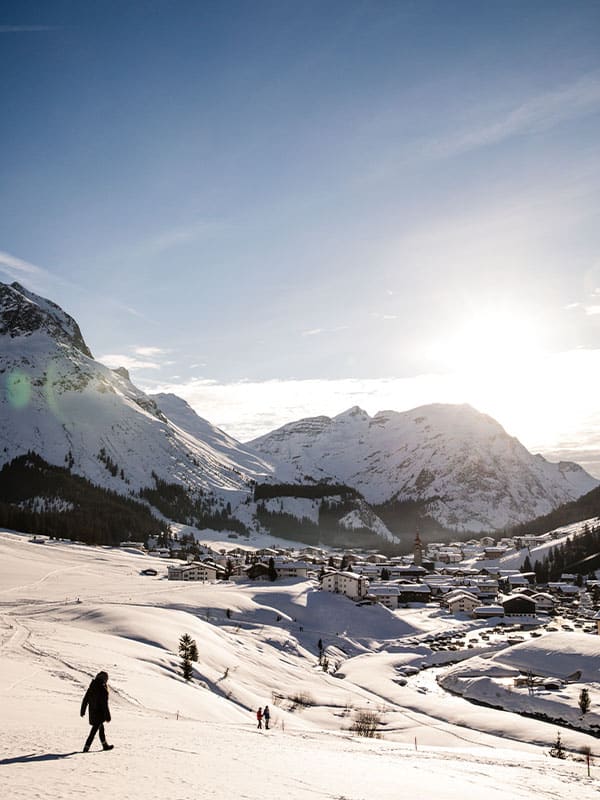
Winterurlaub in Lech am Arlberg, Austria
The neighbouring towns of Lech and Zürs are absolute dreams. (Image: Oesterreich Werbung; thecreatingclick.com)

Lech is a famous playground for royalty and the uber-rich, a stunning little village nestled amid towering peaks, with no shortage of five-star hotels and high-end dining options. Zürs is much the same, if even more exclusive and expensive.
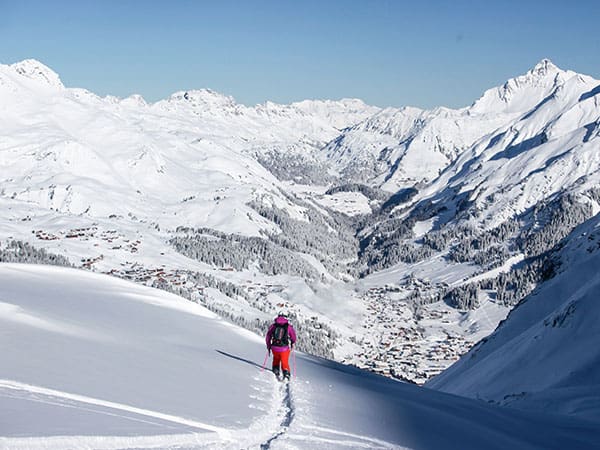
Freeriding, Lech Zuers, Austria
Lech is a stunning little village nestled amid towering peaks. (Image: Lech Zuers Tourismus; Lisa Fail)

The terrain here is extensive and varied, with plenty to suit skiers and boarders of all levels, both on-piste and off. The on-mountain dining and drinking is deservedly legendary, with a huge array of private huts catering to fun-loving crowds. Remember your wallet when you visit here, and remember your sense of joy, too. You’re in for a good time in Lech Zürs.
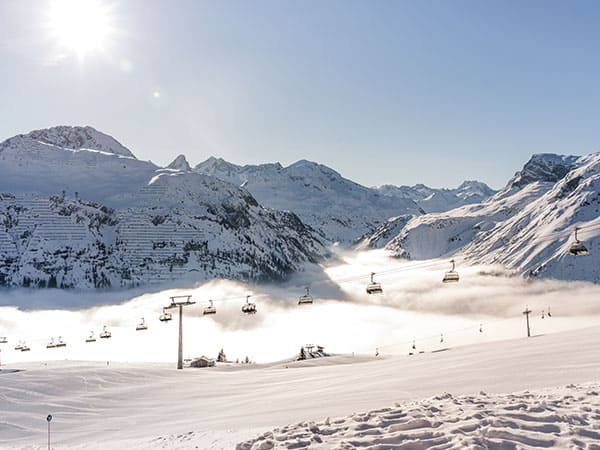
Lech am Arlberg, Ski Resort Village in Austria
The terrain here is extensive and varied, with plenty to suit skiers and boarders of all levels. (Image: Österreich Werbung; thecreatingclick.com)

See lechzuers.com.

Weekly travel news, experiences
insider tips, offers,
and more.

6. Mayrhofen

Snowboarders, rejoice: though Austrian ski fields can often seem a little light on facilities for those riding a single plank, Mayrhofen has you covered. About an hour east of Innsbruck, this extensive resort not only has plenty of open ski fields with reliable snow, but is also home to PenkenPark, a terrain park with six different areas of kickers, rails and boxes, each designed for snowboarders and freestyle skiers of various levels. All are accessible via a dedicated quad-chair.
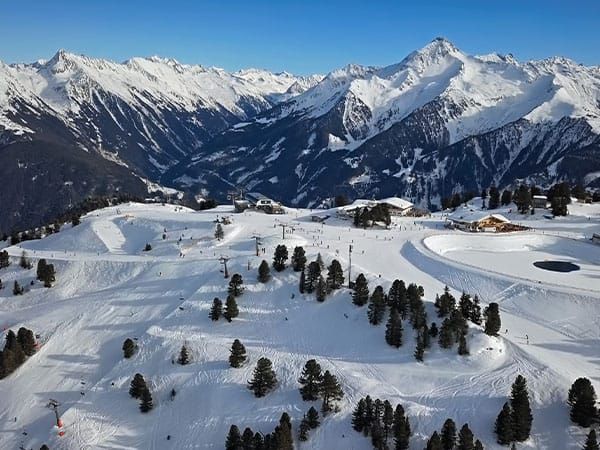
Mayrhofen, Ski Resort Village in Austria
Snowboarders, rejoice: Mayrhofen has you covered.

Known as one of Austria’s best value resorts, Mayrhofen has a host of unique facilities to keep skiers and riders amused, from the Ski Movie Run, where you can video your turns, to three giant slalom courses, all with track timing. There’s also tobogganing, ice-skating, snow-shoeing and more.
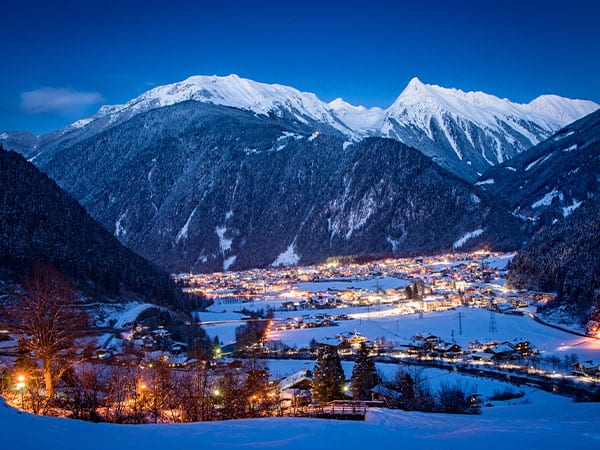
Mayrhofen, Ski Resort Village, Austria
Mayrhofen has a host of unique facilities to keep skiers and riders amused.

See mayrhofen.at.

7. St Christoph am Arlberg

You have to love cosy little St Christoph, once again part of the Arlberg ski area in Austria’s west. This is a small alpine village with a history that stretches back to the 14th century, when a local shepherd built a hospice for hikers. That hospice – Hospiz Alm – still exists, and is the lynchpin of the St Christoph experience as both a five-star hotel and a sprawling restaurant and wine cellar.

From St Christoph, skiers have access to the entire Arlberg resort area via lift and shuttle bus, while the town offers a high-end, boutique experience with a mix of history and modern luxury that’s hard to beat.
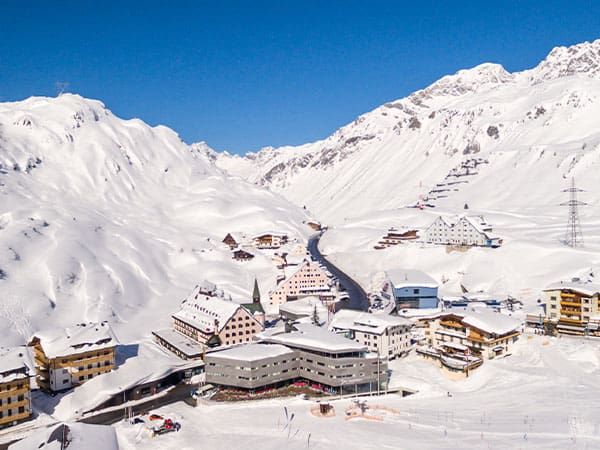
St. Christoph, Ski Resort in Austria
You have to love cosy little St Christoph. (Image: Arlberg 1800 Resort)

See stantonamarlberg.com/en.

8. Ischgl

You could throw a snowball from the Ischgl village and it would almost land in Switzerland. This resort is so close to Austria’s southern border, in fact, that skiers and riders can cross into the neighbouring country for lunch, before heading back down the mountain to their Austrian base. Wild.
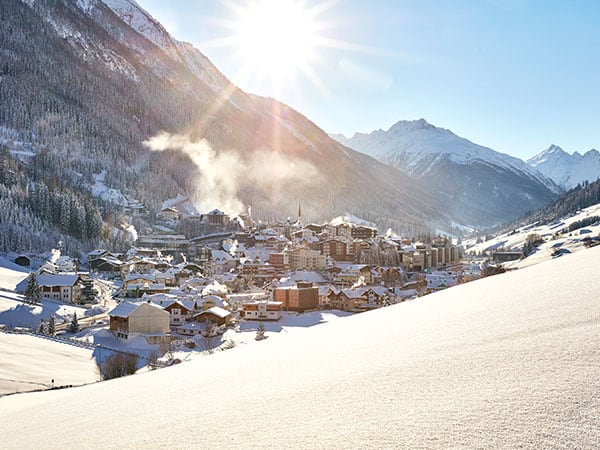
Ischgl, Austria
You could throw a snowball from the Ischgl village and it would almost land in Switzerland. (Image: TVB Paznaun Ischgl)

Ischgl is known for more than just the chance to country-hop, however. This is a great resort for intermediate skiers, with plenty of options both groomed and bumpy; there’s also a heap of expert terrain, and an excellent terrain park. There’s a fairly wild après ski scene that will ensure mornings are a little hazy, too.
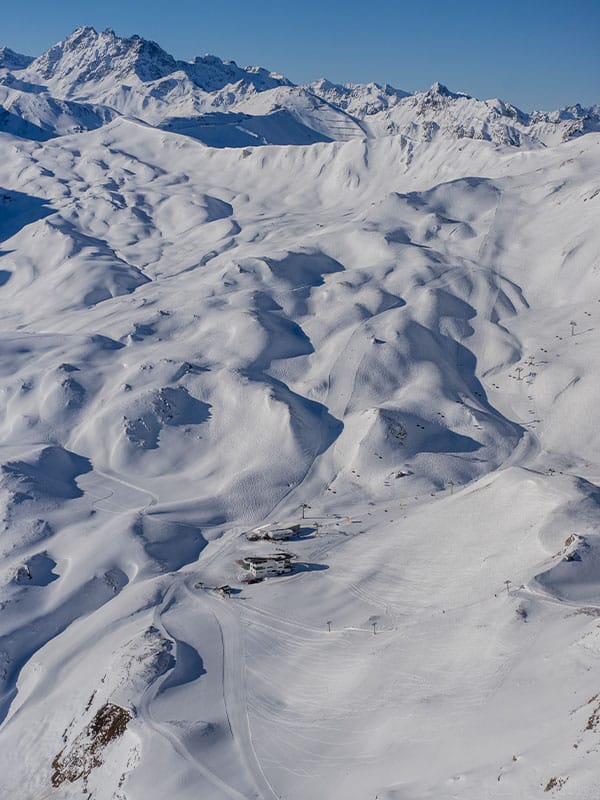
Winterpanorama, Ishgl, Austria
This is a great resort for intermediate skiers. (Image: TVB Paznaun Ischgl)

Want to see more stories from International Traveller in your Google search results?

  1. Click here to set International Traveller as a preferred source.
  2. Tick the box next to "International Traveller". That's it.
hero media

What the European heatwave means for your summer travel plans

Temperatures are soaring this summer, breaking records across Europe and the UK. 

Euro summer is a feeling like no other. But when a heatwave hits? The dream trip quickly turns into a sweaty mess. Extreme heat is sweeping Europe and the UK this week, with record-high temperatures impacting travel plans across the continent.

And while Australian summers are typically hotter in absolute temperature, many European cities aren’t equipped for high temperatures, resulting in unbearable weather.

Why is it so hot in Europe?

Signs of a hot summer loomed in May, when the mercury hit unprecedented spring highs. Now, extreme high temperature warning alerts have been issued in countries such as Spain, Italy, France, England, the Netherlands and Germany.

France saw its hottest day on record on Wednesday, with an average temperature of 30°C across the day and night. This surpasses the average temperature for June, which is 15°C to 25°C. Dozens of people have died, including 40 from drowning.

In Spain, 212 deaths have been linked to the heatwave.

The UK recorded its hottest June day ever on Wednesday with temperatures soaring to 36.1°C. In an article published by the Met Office – the UK’s national meteorological service – Professor Stephen Belcher CBE, Met Office Chief Scientist, shared his concerns about June’s heat. “To see temperatures like this in the UK in June is sobering. Events like this bring home the implications of climate change, with very high temperatures and humidity bringing significant health implications from heat stress, as well as impacts to a range of sectors such as transport, energy and water supply,” he said.

Heatwaves are becoming increasingly common in Europe and the UK, neither of which is prepared for such extremes. The World Meteorological Organization reported that in 2025, at least 95% of Europe experienced above-average annual temperatures and that the continent was heating up twice as fast as the global average.

How travel is impacted

A pharmacy sign displaying 40 degrees Celcius
A pharmacy broadcasting local weather data. (Credit: Getty/Dragoncello)

During a heatwave, power grids, water systems and transport networks can be affected, resulting in disrupted itineraries for travellers. In France, power outages have left thousands without electricity and early closures have been implemented for two of Paris’s biggest attractions, the Eiffel Tower (early afternoon rather than late at night) and the Louvre (two hours early). Eurostar cancelled its London to Paris and Paris to London services from the 22nd to the 25th, and major UK rail companies have been advising travellers to avoid using trains where possible, or to travel during early hours.

If a heatwave is predicted, being flexible with your itinerary and having fully refundable/changeable tickets is key, as extreme heat can force the cancellation of outdoor activities, impact rail and flight services and change the opening hours of sites and eateries.

Why does summer in Europe often feel hotter than summer in Australia?

people swimming in the Canal Saint-Martin in Paris
People swimming in the Canal Saint-Martin in Paris to cool off. (Credit: Rachael Thompson)

With some of the highest UV levels in the world, Australians are no strangers to the heat, adapting well to intense weather. But our infrastructure is largely equipped to withstand soaring temperatures with climate-responsive passive design, refrigerated air conditioning or evaporative coolers, as well as swimming spots aplenty.

Buildings in Northern and Western Europe and the UK, however, are constructed to retain heat and handle frosty winters. The lack of universal air conditioning means it generally feels hotter even though the temperature on your app might not look it. During a heatwave, it can feel like you’re in a sauna as cities act like heat traps.

How to stay cool and prepare for another heatwave

Relief is expected across Europe and the UK later this week, but more heatwaves are still possible in the coming months. Summer heat typically peaks in July and August.

Public transport often doesn’t have air conditioning, and buses in particular can be swelteringly hot. If you’re heading outside or your accommodation has no air conditioning, it’s worth buying a spray bottle and a handheld fan from a pharmacy or tourist stand. Check ahead of time if restaurants and cafes have air conditioning and make a booking in advance. The highest temperatures typically hit between 3pm and 6pm, so aim to head outdoors outside of these hours.

Rising temperatures invite travellers to enter a more intentional era of seeing the world. Now more than ever is the time to embrace lower-impact “coolcations” and off-season getaways.

Austria’s 8 best ski resorts - International Traveller