Asia is full of incredible cultural experiences to be had. From incredible cuisine to art-filled islands, here’s where to dip your toe in across the continent.
1. A journey of Asian gastronomy onboard Silversea
Travelling with: Megan Arkinstall
Travel engages all senses, but the most gratifying way to experience a destination is through taste.
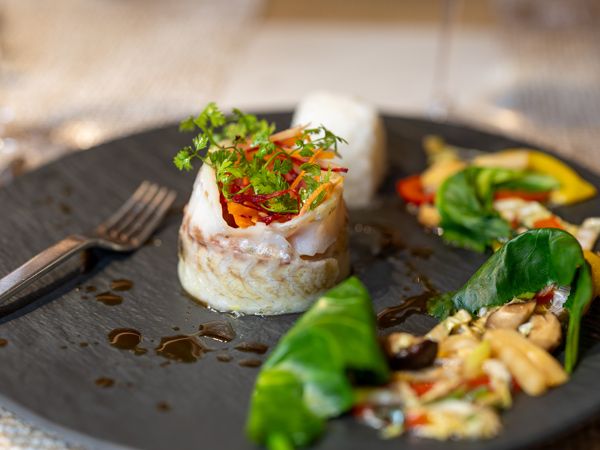
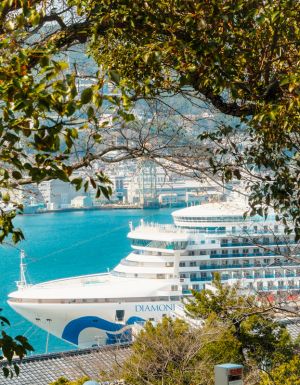
Luxe cruise line Silversea has introduced its S.A.L.T. (Sea and Land Taste) immersive culinary program to its Asian itineraries, weaving the essence of local cuisine into an array of culturally rich experiences, from cooking classes to market tours to meeting local chefs, as it sails everywhere from Hong Kong to Taipei to Seoul and beyond.
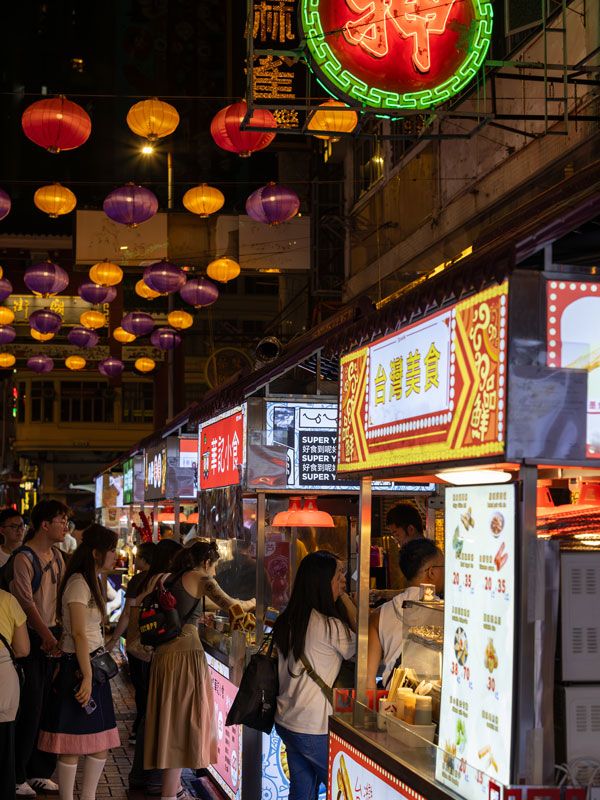
These experiences may include learning how to cook the coastal cuisine of Kerala, meeting the artisans who create Japanese knives and joining a Michelin-starred chef for a tour in Pattaya, all while delving into the history, stories and spirit of each destination through flavours, smells and meals shared among like-minded travellers.
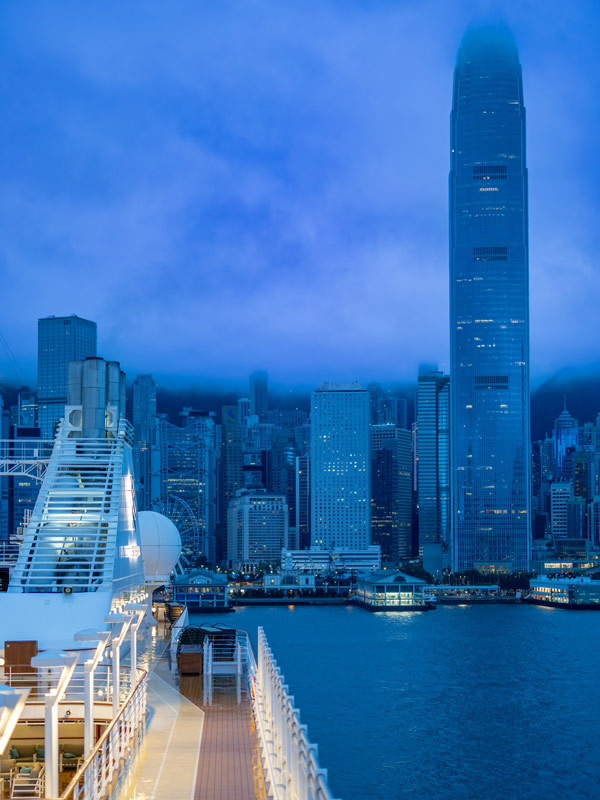
2. Sample Cantonese food at Lingnan House in China
Travelling with: Kee Foong
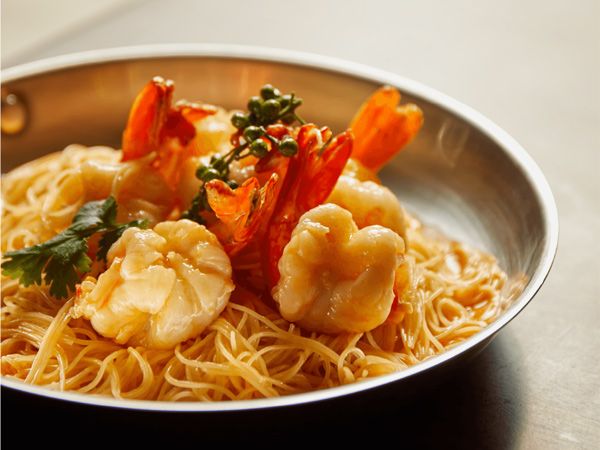
If you’ve ever had dim sum, char siu (barbecue pork) or wonton noodles, then you’ve had Cantonese food. The cuisine, characterised by freshness and lightness, originated in the coastal Guangdong (formerly Canton) province in southern China. Among its best proponents is the Michelin-starred Lingnan House in the Rosewood Guangzhou.
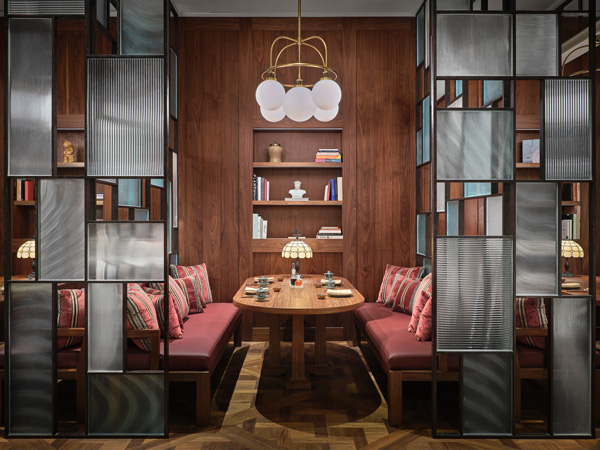
Tuck into favourites such as har gow (shrimp dumplings) and perfectly steamed fish, as well as innovative dishes such as shredded geoduck with black truffle, or an eye-popping roasted goose stuffed with fish maw, which must be ordered ahead. Go with a group, be adventurous, and you’ll be in for a culinary treat.
3. See Hong Kong’s neon lights
Travelling with: Megan Arkinstall
Neon advertisements have illuminated Hong Kong’s night sky since the 1920s, becoming part of the city’s cultural and visual landscape. Although the neon that once tumbled down the city’s stratospheric buildings is steadily disappearing, you can still see it in glowing pockets such as Temple Street Market, Tung Choi Street and Lockhart Road.
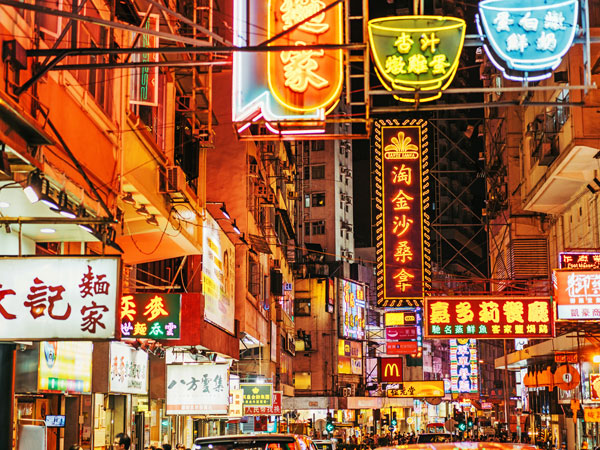
The post-war era saw the handmade practice – of blowing, sculpting and shaping delicate gas-filled glass tubes – competing with mass production. But the making of neon signs is now considered a traditional artform with a new generation of artists keeping it alight. Make your way to M+ museum, which has a permanent exhibition on Conserving Neon Culture with a collection of iconic lights on display.
4. Attend a fire, sake and snow festival in Japan
Travelling with: Lara Picone
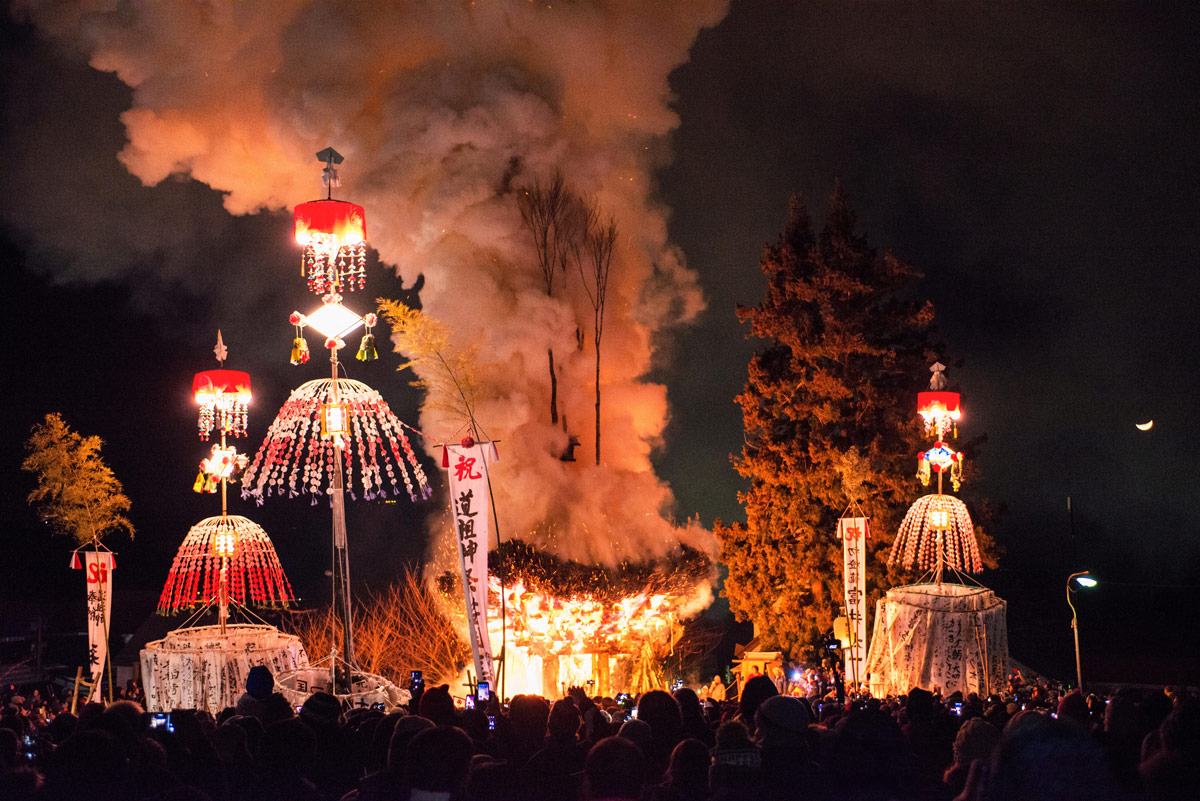
Sake-fuelled firefighting in the name of prosperity is always a good idea. But this isn’t firefighting to extinguish flames. In fact, it’s quite the opposite. A towering shrine becomes the centrepiece of a battle between the town’s menfolk at the 300-year-old Nozawa Onsen Fire Festival, held on 15 January each year in Nagano Prefecture.
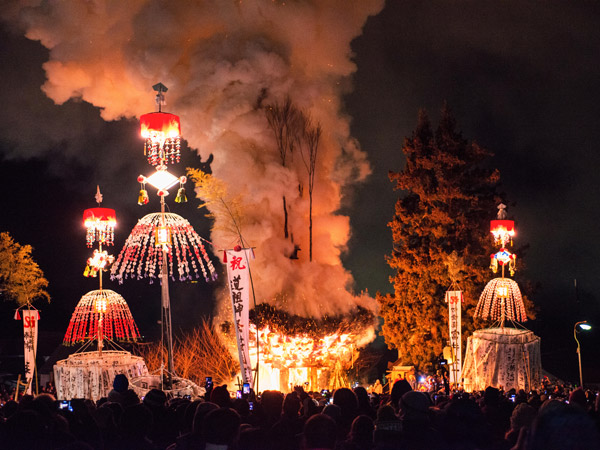
Atop the wooden structure sits Nozawa’s 42-year-old men, while the 25-year-olds below stand guard, exerting much effort to prevent the rest of the male villagers from setting the whole thing alight. Spoiler alert: it gets lit. In more ways than one on account of all involved consuming noteworthy amounts of sake. As the flames rise, the men seated on the pyre endure the heat for as long as possible before jumping to safety. It’s a wild time worth aligning your ski trip with.
5. Visit Japan’s art islands
Travelling with: Megan Arkinstall
Of some 3000 islands within the Seto Inland Sea, a group of 12 remote islands in Kagawa Prefecture have become a pilgrimage for art lovers. Setouchi Triennale was launched in 2010 to revitalise these sleepy island communities. It encouraged emerging artists, reimagined empty, abandoned spaces and has aided the preservation of traditional arts.
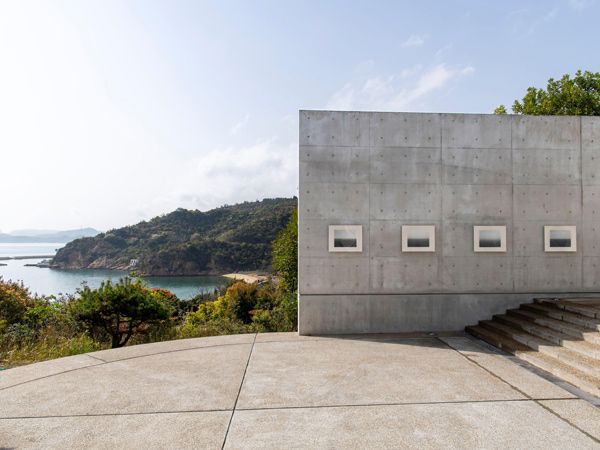
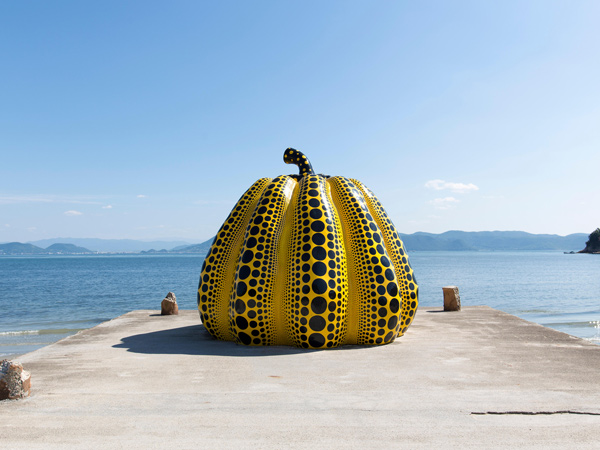
While art is found all over, the once-quiet fishing hub of Naoshima has become an avant-garde cultural hub comprising a collection of museums, installations and outdoor artworks. It’s home to the famed oversized pumpkin sculpture by nonagenarian artist Yayoi Kusama. Visit by boat from the Port of Takamatsu.
6. Spend the night in Japan’s temple town of Koyasan
Travelling with: Megan Arkinstall
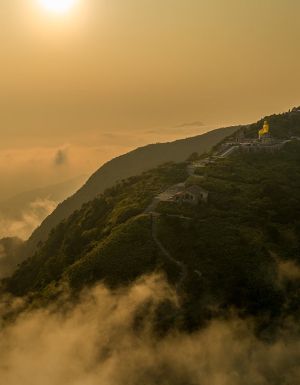
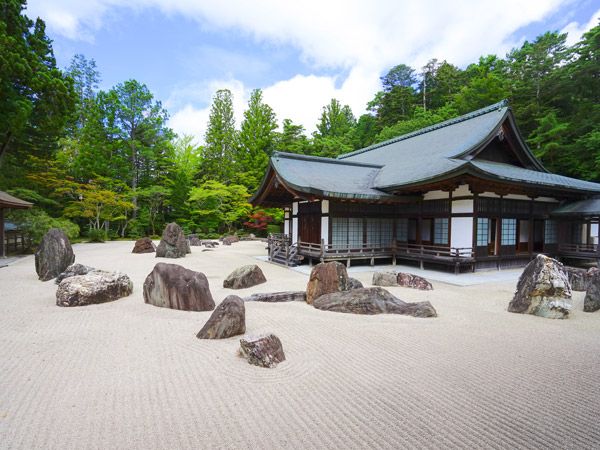
Hugged by eight mountain peaks on a soaring 900-metre plateau, the temple town of Koyasan in Wakayama Prefecture is a spiritual centre for Shingon Buddhism in Japan. Only accessible by train and cable car, the World Heritage site dates back some 1200 years and comprises more than 100 temples, many of which you can stay overnight in.
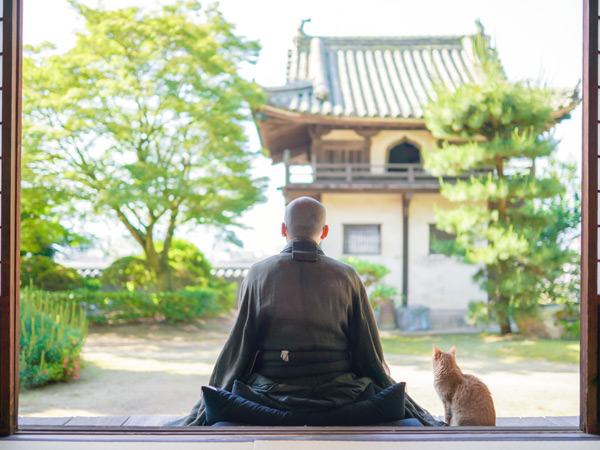
Wendy Wu Tours has included Koyasan in four itineraries where guests overnight in a tatami room, savour shojin ryori (traditional Buddhist cuisine) and rise with the sun to join monks in daily prayers.
7. Sample plov at a homestay in Uzbekistan
Travelling with: Alexis Buxton-Collins
Plov is more than simply a meal in Uzbekistan: it’s a powerful, unifying force. There are more than 50 variations around the country, all with a base of rice, onions, carrots and meat. These are combined in giant cast-iron kazans and the deliciously sweet, oily dish that emerges has fed nomadic shepherds and wandering armies for millennia.
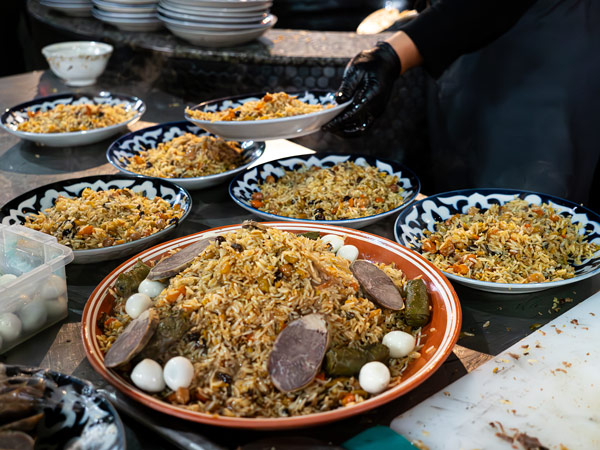
You can find plov everywhere from roadside stalls to high-end restaurants, but the best version you’ll ever taste is at a homestay, where family members carefully tend the fire beneath the kazan before sharing in a lavish banquet. Experience this on Intrepid Travel’s nine-day Uzbekistan Adventure.
8. Marvel at Mongolian throat singing
Travelling with: Dilvin Yasa
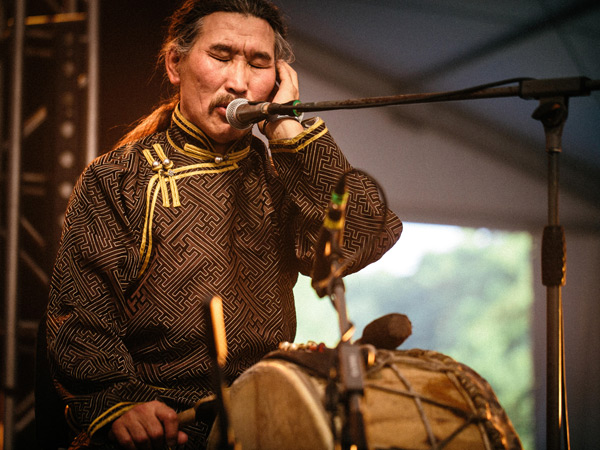
In a packed Ulaanbaatar theatre, there’s a feeling an exorcism may soon be required. On stage, a local vocalist is not only droning a deep guttural hum, but several higher pitched melodies, so that he is essentially a one-man music box.
Soon, the Mongolian throat singing (as this style of vocalisation is known) is complemented by contortionists, classic dancers in vibrant costumes, and – somewhat unnervingly – an orchestra featuring the morin khuur (essentially a vielle, a medieval bowed instrument, with a horse head).
Created in 1989, the renowned Tumen-Ekh Ensemble is all about introducing the wider world to the Mongolian Traditional Arts, making a night at the theatre the perfect start or finish to a Mongolia trip. Can’t get to Ulaanbaatar anytime soon? Check out The Hu band on YouTube for a taste.
9. A foodie tour of Malaysia
Travelling with: Emily McAuliffe
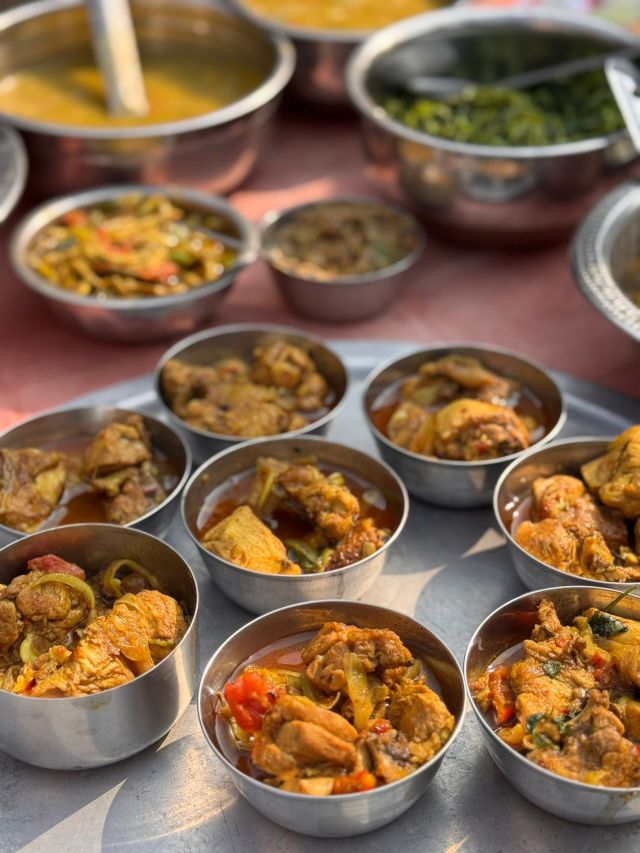
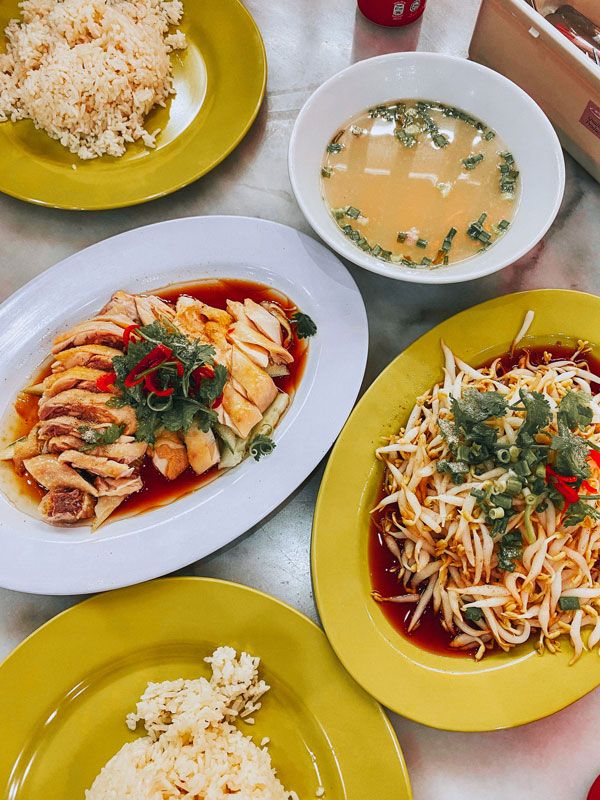
Malaysia is a country laden with flavour, owing to its diverse cultural mix of Malay, Chinese and Indian ethnic groups and spice-infused regional specialities. Each region has its own signature flavours, from the creamy laksas of Penang’s food stalls to the sweet white coffee of Ipoh.
Take a foodie Vespa tour with Vespalicious, zig-zagging through Kuala Lumpur to learn about the local foodie scene. You’ll sample satay skewers and the country’s most famous dish, nasi lemak at bustling hawker centres fragrant with spices. Cap it all off with a cocktail at the swanky level 51 sky bar at EQ Kuala Lumpur, taking in glittering views of the Petronas Twin Towers.
10. See Pakistan’s elaborately decorated trucks
Travelling with: Alexis Buxton-Collins
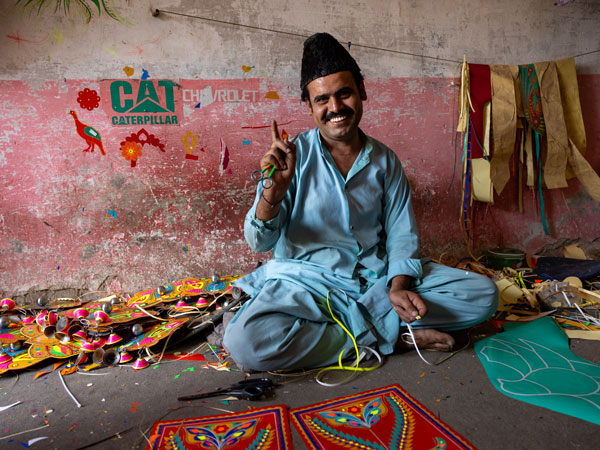
You’ve checked the pressure in the tyres, made a playlist and stocked up on snacks. There’s only one more essential ingredient for a successful road trip in Pakistan – making sure your ride is suitably decorated. Gawking at the elaborately decorated trucks that ply the mountainous highways is one of the delights of Intrepid Travel’s 10-day Trek Pakistan’s Karakorum Mountains adventure. But seeing them up close at a workshop completely overwhelms the senses.
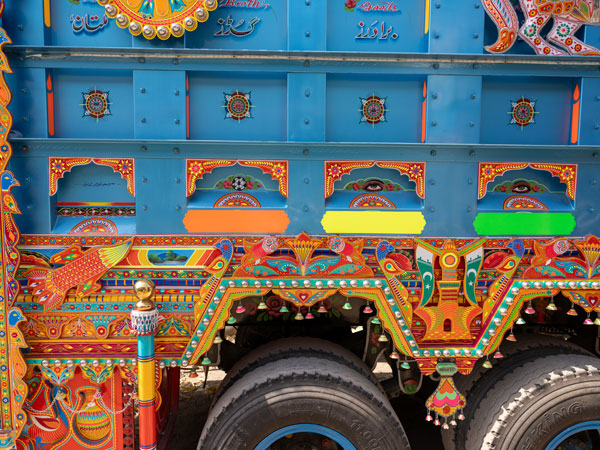
Teams of workers ensure that dazzling geometric patterns fill every surface of duco down to the fuel caps. They also add flourishes such as mirror mosaics, flashing lights and multicoloured tassels to further transform even the most humble of vehicles into bona fide head-turners.
11. Experience the cultural extravaganza of India’s Kumbh Mela
Travelling with: Catherine Marshall
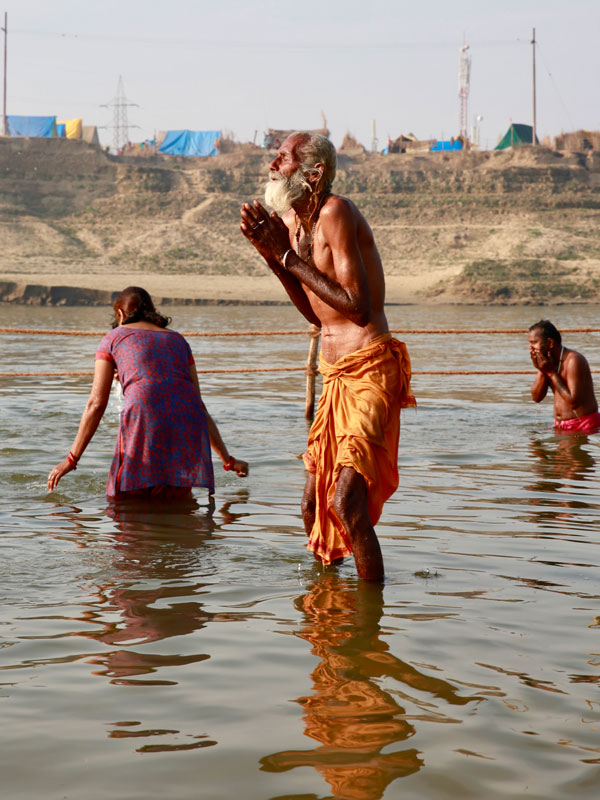
“Welcome to Mother Ganga, Mother Yamuna, Mother Saraswati," the Brahmin priest says as he dips his thumb into a pot of crimson puja powder and dabs it onto my forehead. “Everybody comes here to pray for the best future." From Allahabad’s river confluence I see millions of Hindu devotees converging on the shoreline and performing sun salutations in the shallows. They’ve come from near and far to attend the world’s biggest religious festival, Kumbh Mela. The six-week-long cultural extravaganza alternates every three years between Allahabad, Haridwar, Nashik and Ujjain – four cities upon which the droplet of immortality is said to have fallen during a fight between gods and demons.
12. Travel through India’s most colourful state of Rajasthan
Travelling with: Imogen Eveson
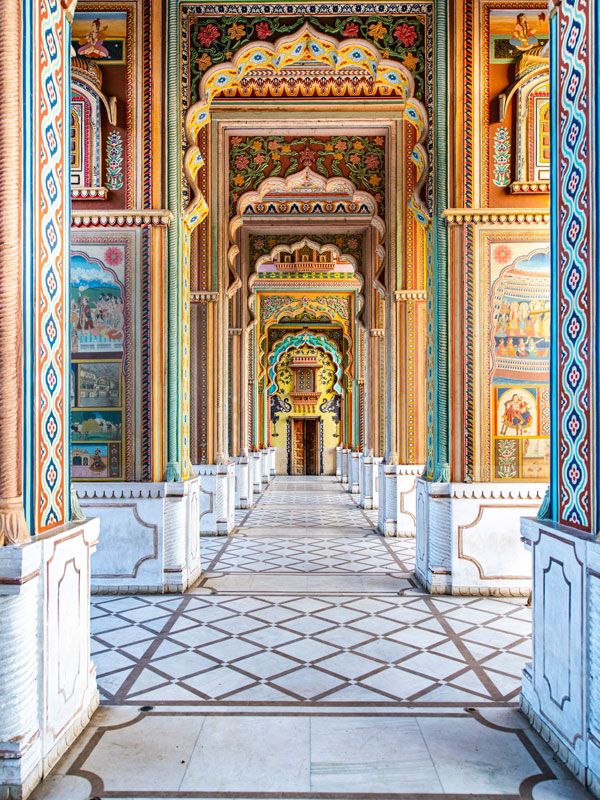
India’s north-western state of Rajasthan is known for its colour: a land of marigold and saffron, desert rose and lotus pink. Even its cities form a spectrum – from the Pink City of Jaipur to the Blue City of Jodhpur, the Golden City of Jaisalmer and the White City of Udaipur. And each one dazzles with richly layered architecture; its forts and palaces display proud Rajput heritage that speaks of kingdoms gone by.
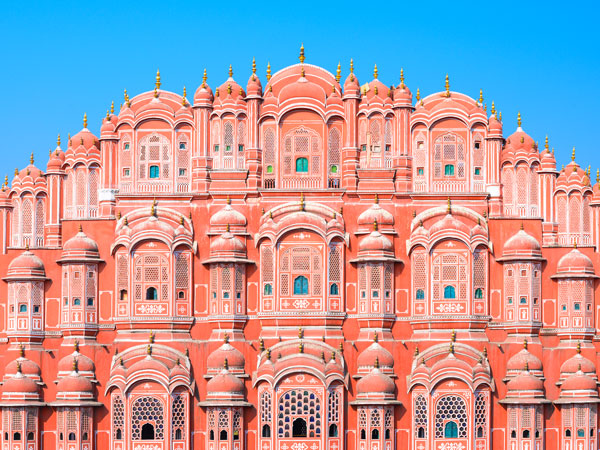
Travel in style with an operator such as Abercrombie & Kent to feel like a maharaja or maharani when checking into a palace hotel. A welcome shower of rose petals befits a place of so much colour.
13. Meet the barefoot booksellers of the Maldives
Travelling with: Carla Grossetti
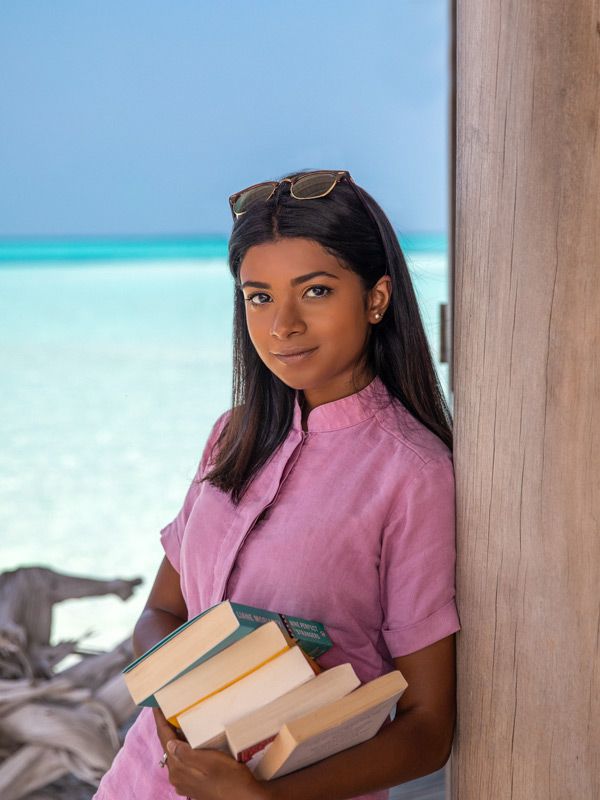
Malsa Maaz was the ideal candidate for the position of Barefoot Bookseller at Soneva Jani. The role was created by co-founder of Soneva luxury holiday resorts Sonu Shivdasani and CEO of Ultimate Library Philip Blackwell to curate bespoke lists of recommended reading for guests at the luxe brand.
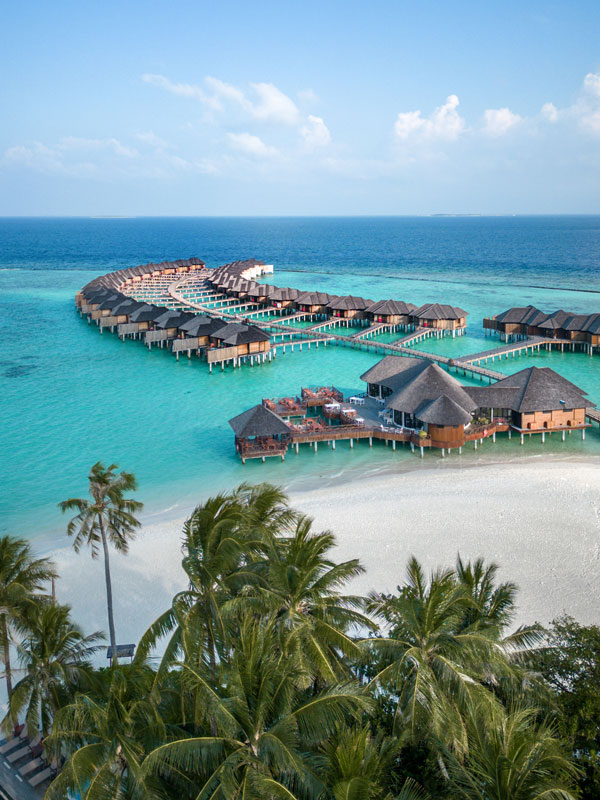
One of the aims of the beachside bookshops, now at Soneva Jani and Soneva Fushi, is to ‘inspire a love of the ocean and the local environment’. Malsa, who grew up on the nearby island of Male, feels well placed to do just that. Fall back into the rhythm of reading with titles such as Treasure Island or Moby Dick.
14. Sip a Singapore Sling at Raffles
Travelling with: Megan Arkinstall
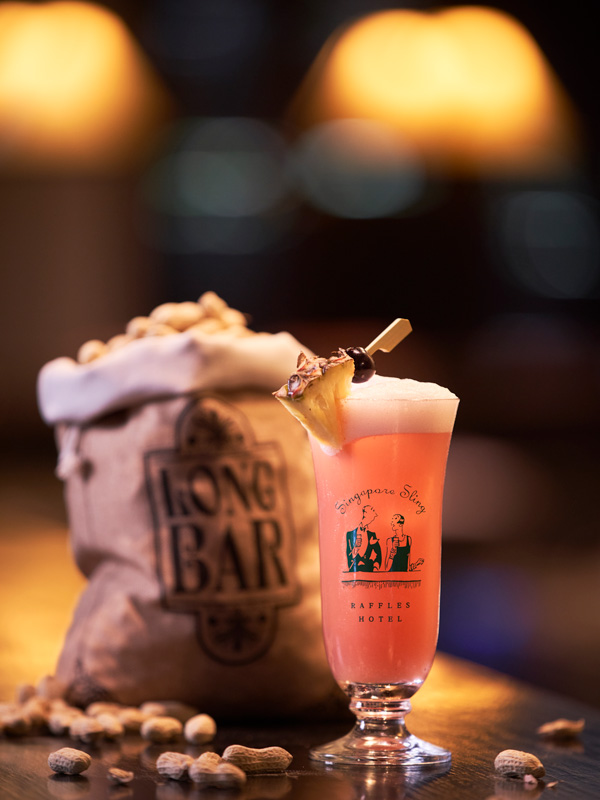
In 1915, Raffles bartender Ngiam Tong Boon set out to create a cocktail that was socially acceptable for ladies to drink in public. The resulting pink-hued beverage became an instant hit and made the Long Bar at Raffles Singapore a cultural institution.
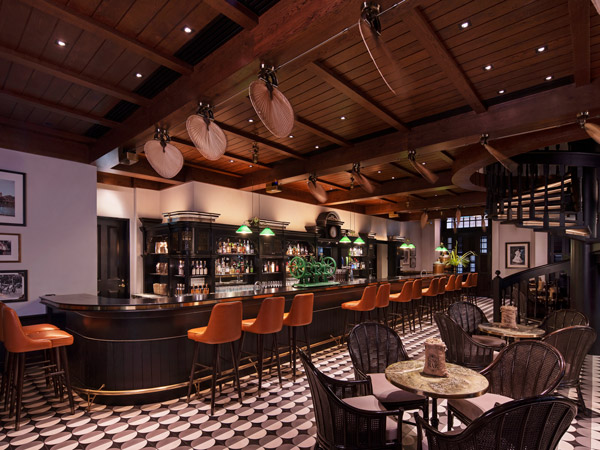
A sweet-and-sour mix of gin, pineapple and lime juice, curaçao, cherry liqueur and DOM Bénédictine, the Singapore Sling is poured across the country. But the 1920s-style bar is a nostalgic experience, ensconced in dark wood with rattan furniture, oscillating ceiling fans and a monochromatic tiled floor that is perpetually scattered with peanut shells.
15. Hike Bali’s Astungkara Way
Travelling with: Sarah Reid
Wahyu and Ayu mightn’t look like typical farmers. But this savvy young Balinese couple have successfully transformed a neglected plot of land into a thriving organic farm. They’re just two inspiring locals you’ll meet on the Astungkara Way, a 10-day, 135-kilometre traverse across Bali that’s designed to connect walkers with Balinese communities and low-impact farmers.
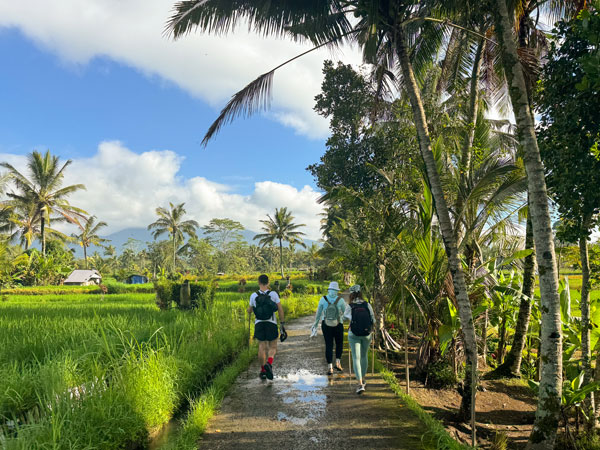
Named for a Balinese expression of hope, the guided hike can also be tackled in smaller chunks, including the three-day journey I sign up for. Along the way we camp in traditional family compounds, feast on fresh homegrown produce and hike deep into the beating heart of Bali.
Weekly travel news, experiences
insider tips, offers, and more.
16. Make ceramics in Uluwatu
Travelling with: Carla Grossetti
Hand-crafting clay into ceramics is one of Indonesia’s most ancient traditions. And while every island in the archipelago has its own distinct style, learning the centuries-old technique of shaping clay on a hand-spun wheel helps preserve the craft for future generations.
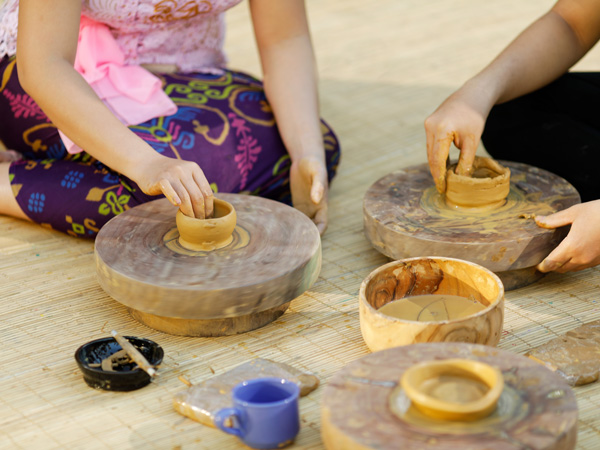
It’s one of the cultural activities on offer at Anantara Uluwatu, where guests sit with a local Balinese potter to learn how to craft the clay on a wooden wheel. What makes this tactile experience so special is the generosity of the staff who can take the ephemeral earthenware to the nearby temple and make an offering on your behalf.
17. A spiritual journey in Sri Lanka
Travelling with: Christine Aldred
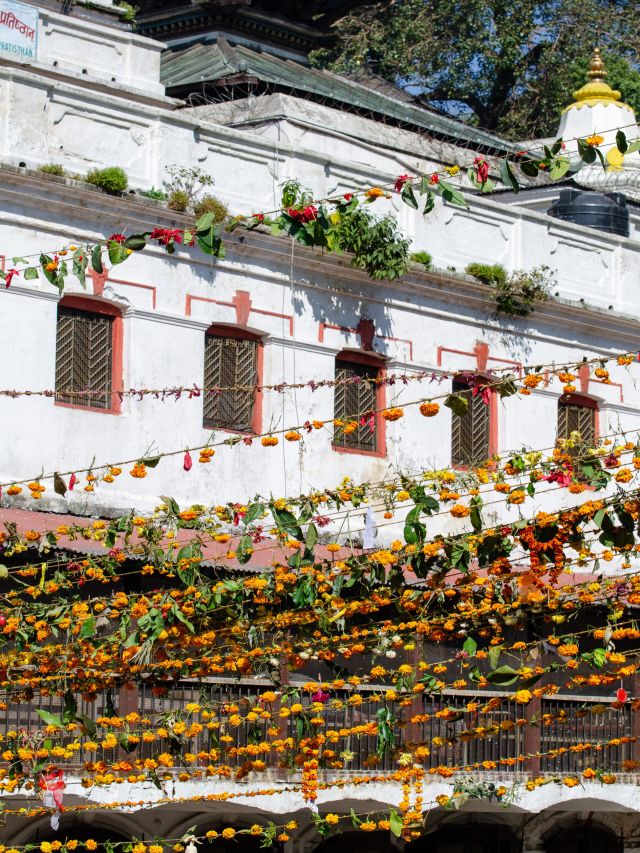
Dawn is breaking over Kandy, and I’m joining local devotees at the Temple of the Tooth, the nation’s most sacred site which houses a tooth relic of Buddha himself. It’s quiet as I approach the large temple, almost ethereal, its white form glowing in the soft morning light. Inside, the quiet is immediately replaced by a sporadic cacophony of drums and trumpets.
Even at this hour, the temple is heaving with people young and old bringing an endless sea of stunning floral offerings – tiny lotus and blue and hot pink lilies. The sheer volume of worshippers is a testament to the devotion of the people, many whom travel from far to visit this temple at least once in their lives.

18. See the balletic fishermen of Myanmar’s Lake Inle
Travelling with: Catherine Marshall
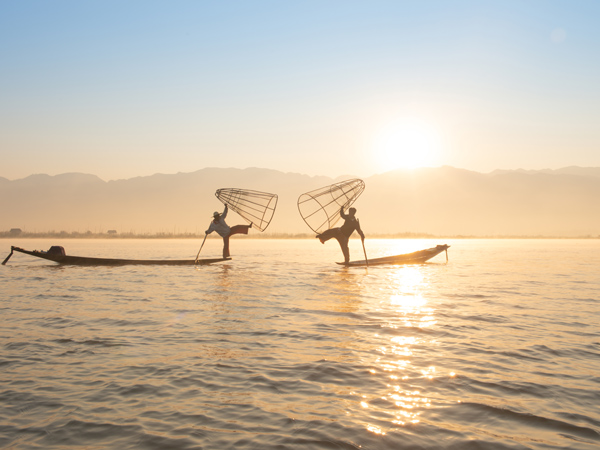
The stage is a sheet of polished silver, the prop a floating pagoda, the soundtrack a slap of shallow water and a ripple of duck song. I see an audience of stilted villages wading close to shore from my tour boat and the amphitheatre of Shan Mountains traced against the sky.
Now a dancer glides into the scene: an Intha fisherman balancing one-legged on the bow of his canoe. He pirouettes and pliés, his working leg steering the upright oar, his hands plucking from the water a bouffant tutu: a saung (conical fishing net), which has been used by his forefathers, it’s said, since the 12th century.
19. Explore Cambodia’s floating villages
Travelling with: Catherine Marshall
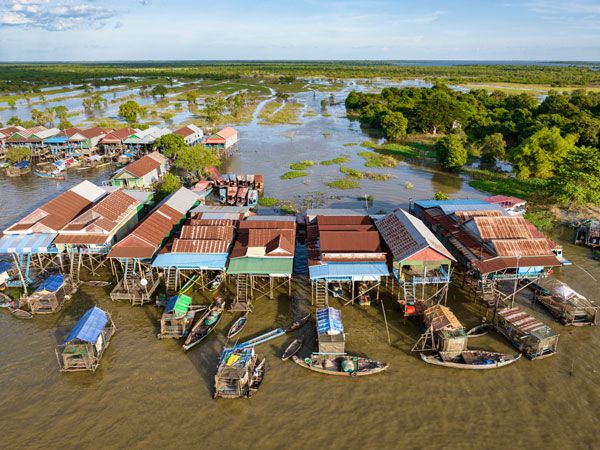
Cambodia’s ‘forgotten people’ shift with the tides on Southeast Asia’s largest freshwater lake, Tonle Sap. The swampy, forested shoreline to which their floating villages are tethered expands during the monsoon and shrinks when the clouds have wrung themselves dry.
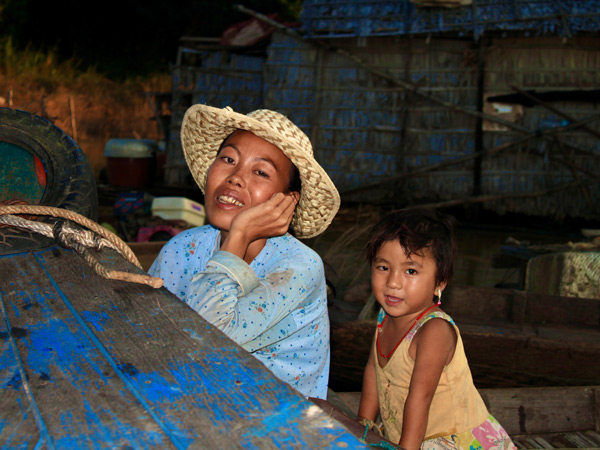
The villagers, who are mostly of Vietnamese heritage, remain landless despite having lived here for generations. Life drifts along in this UNESCO Biosphere Reserve: at dawn, the men sail to the lake’s deep centre to fish; the women paddle ashore and sell baskets of produce at the market. Grandparents tend the floating gardens and livestock pens and mind the children born on this ephemeral body of water.
20. An expedition in the Philippines’ pristine Palawan islands
Travelling with: Carla Grossetti
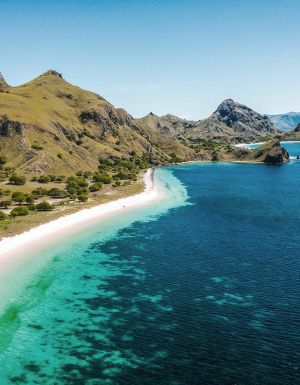
Tao Philippines is a socially conscious operator that guides guests around the pristine Palawan islands. Pinball between El Nido, Linapacan and Coron onboard colourful wooden paraws, traditional vessels that offer access to world-class dive and snorkel spots across the Philippines. Bomb off the boat to dive coral reefs or swim in sheltered coves.
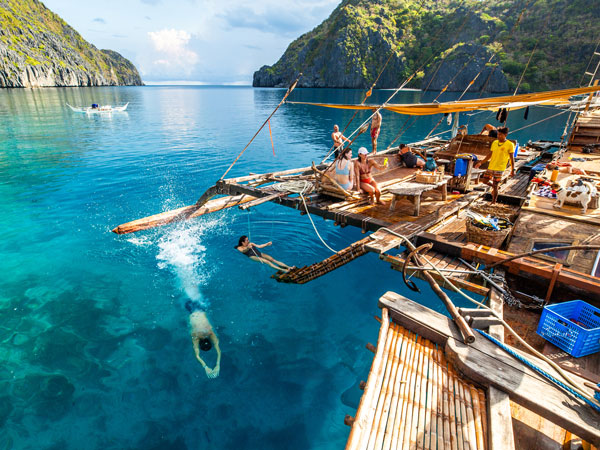
Curl up on a sun-drenched spot on the deck with a good book. And fall asleep to the sound of waves kissing the shore in off-grid bamboo base camps. In addition, all Tao Philippines tours offer opportunities to visit local communities and learn about their culture.
21. See the temples of Chiang Mai
Travelling with: Elizabeth Whitehead
The ornate temples of Chiang Mai are a legacy of the Lanna Kingdom that emerged in Northern Thailand in the 13th century. More than 300 Buddhist wats are scattered throughout the region, each a mesmerising example of Thailand’s unique temple architecture.
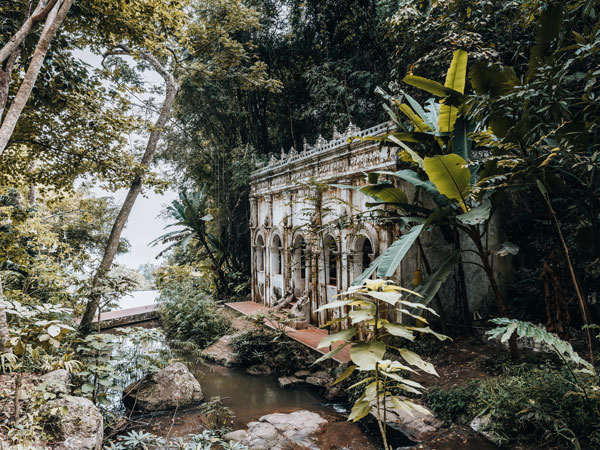
Many wats are full of legends, such as Wat Phra That Doi Suthep, a shimmering golden stupa said to contain the shoulder bone of the Buddha that arrived on the back of a white elephant. Visitors can make like the monks of yesteryear and follow an old pilgrimage trail up to Wat Pha Lat, a peaceful temple sequestered in the jungle.
22. Experience life on the Mekong
Travelling with: Kassia Byrnes
The sun is still low in the sky, but the humidity is already making my skin glisten. Close to shore, stilt houses cling to the banks. The occupants have taken to their sampans to get chores done before the heat makes it impossible. Already, a nón lá (conical leaf hat) is essential.
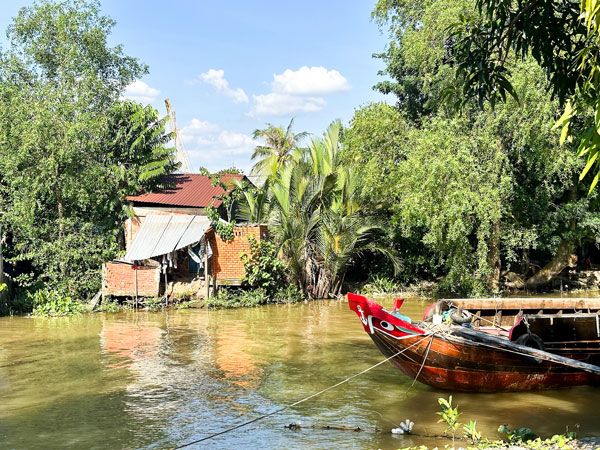
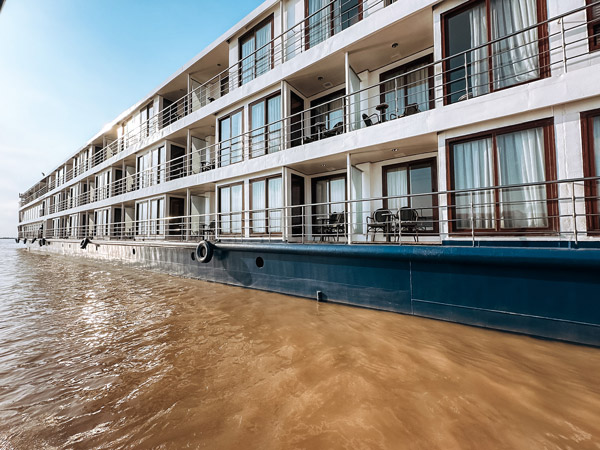
This is the Mekong Delta, and we’ve just crossed from the peaceful, almost empty river of Cambodia into a hotbed of life in Vietnam overnight. Cruising it with AmaWaterways is a whole new way to experience this fascinating part of Asia, stopping into tiny farming towns and larger cities alike, who all draw their vibrant livelihood from this river.
This round-up of cultural experiences is part of our curated list of 100 Cultural Experiences, explore the full list here.
Want to see more stories from International Traveller in your Google search results?
- Click here to set International Traveller as a preferred source.
- Tick the box next to "International Traveller". That's it.