hero media

Secret spot: It’s time we put Shenandoah National Park on your radar

The USA isn’t short of incredible national parks to visit, but if you’re looking for one without timed entries and queues of people Virginia’s Shenandoah National Park is waiting for you.

“Well, hey there! You doin’ alright today?" The beaming ranger at the park’s entry gate is straight out of central casting. If the assignment were to find the most rangery-looking ranger to prime a guest’s first impression of what a US National Park is, this guy is in the running for an Oscar. Khaki clad from foot to head, that felt hat with the dents in the crown, you know the one, right? It’s all so darn delightful.

Shenandoah National Park is in the US state of Virginia and lies only 100 ridiculously scenic kilometres from Washington Dulles International Airport – though it may as well be a world away. I’m warned to watch for deer “they’re out mostly at dusk, and they won’t always move when they hear a car comin’" and not to worry too much about the black bears, “they’re more scared of us than we are of them" which is certainly not how I feel about it. But, okay.

The perks of a national park without the crowds

Intriguingly, this bucolic bundle of wilderness isn’t cram-jammed with visitors like many of the nation’s national parks have been of late. There isn’t a snaking traffic queue to be found, no tussling tourists squawking over the last tee shirt in the gift shop and a resplendent lack of viral TikTok-Instagram-YouTube selfie stick insanity.
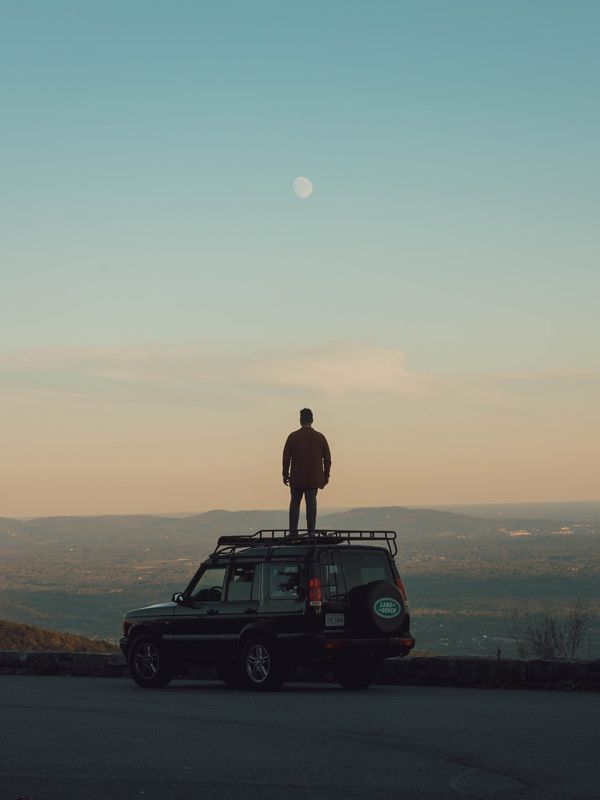
Views of Shenandoah National Park
You won’t find snaking traffic queues in Shenandoah National Park. (Image: Dave Herring)

Over 1.2 million guests come into Shenandoah National Park each year – certainly not a number to sneeze at. But, just right next door at the Great Smoky Mountains National Park in Tennessee, the visitor numbers are more than TEN TIMES that.

This is outdoors nirvana at its very best, a secret spot of genteel tranquillity where connecting with nature and appreciating the flora and fauna comes without a side of overtouristed guilt to contend with. Quell the ruckus, indeed.

A peaceful introduction

Travelling along Skyline Drive, the main artery of the park that stretches along the iconic Blue Ridge Mountains, it’s impossible not to feel tiny amongst the towering green chestnut oaks. They’re thinner than you’d expect them to be for their height, their shingle-like bark a right suitable backscratcher for those aforementioned bears.

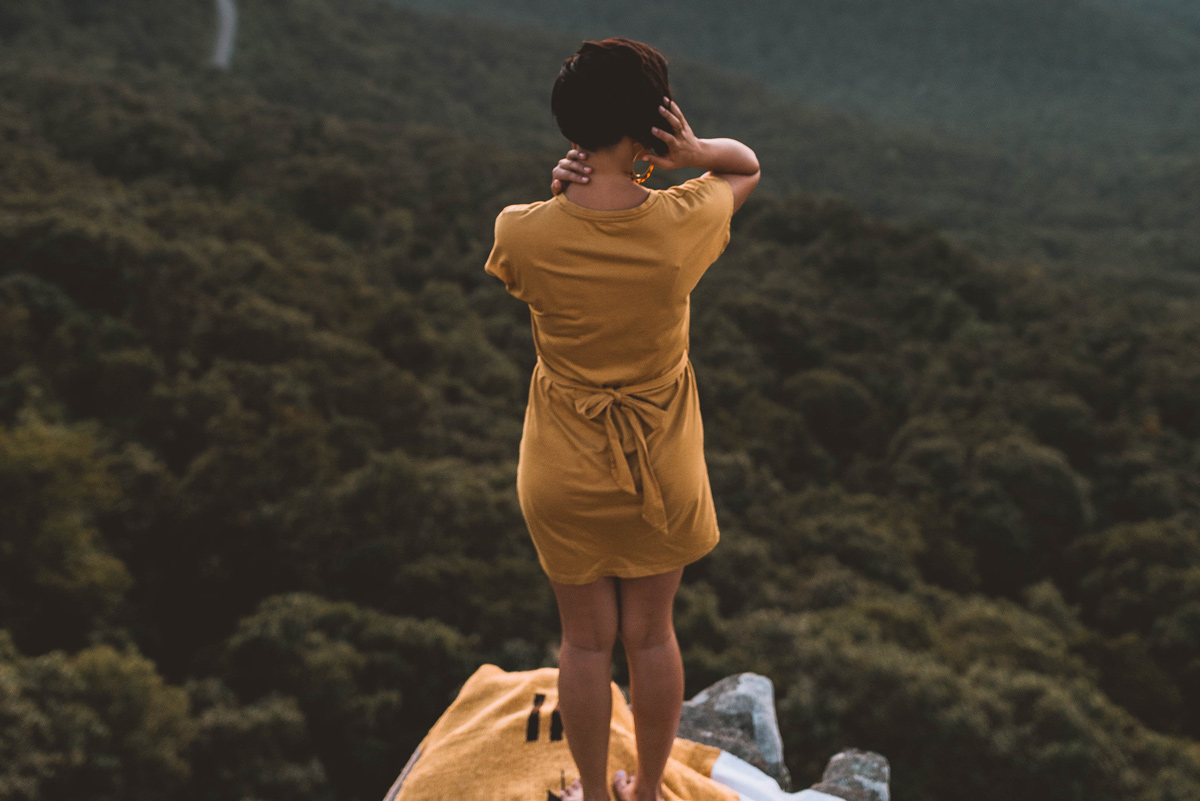
Several times I pull the car over and get out for a peek down the meandering trailheads leading into the wilderness and to soak in craggy vistas. It’s quiet, bar the birdsong and cracking forest noises; in almost 81,000 hectares, there are 800 kilometres of hiking trails (including part of the storied Appalachian Trail) and innumerable places to get lost and find yourself.
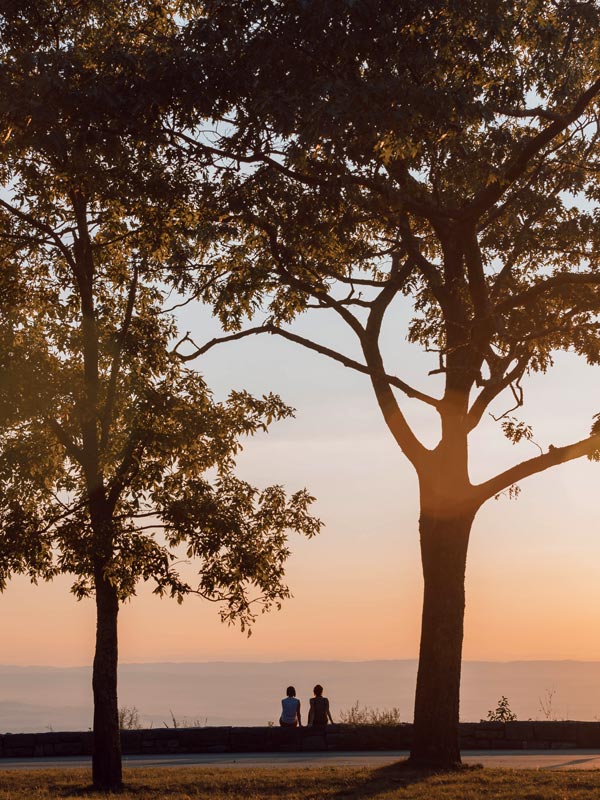
People sit inside Shenandoah National Park
Sit with the sounds of nature inside the uncrowded National Park. (Image: Dave Herring)

Shenandoah National Park accommodation

The accommodations here are in what I’ll call ‘national park natty’ style, with pine panel walls and floors, as well as modern amenities like a TV, air-con and coffee maker. It’s retro but oozes over with rustic charm. Overnighters can choose from individual cabins, a room in the lodge, motel-style rooms, and of course, camping under the wide-open shooting star sky.
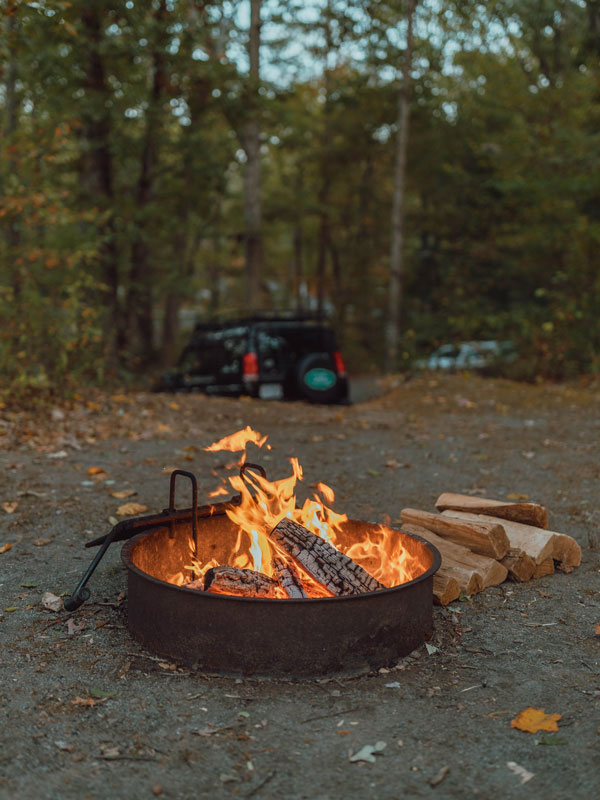
Campfire Shenandoah National Park
Camping is one of a handful of accommodation options available inside the park. (Image: Dave Herring)

I stayed at Skyland Lodge, and in the morning, opening my curtains that cover the entire back wall of windows, dusk isn’t yet breaking; the Blue Ridge Mountains are indeed blue. There are deer and their gangly fawns with still white spots (seriously, am I in a Disney movie?) on the dew-misted lawn munching down the grasses. Their tails are twitching, acutely aware with that sixth sense they have of anything around them that might convince them to bound into the safety of the thickly timbered national forest. It’s daybreak magic, and it’s yours to witness.

Local food and drink to try

Breakfast calls, and when coffee is at stake, my listening ears are on. Grabbing a quick cuppa from the coffee cart, I’m eyeing off the biscuits and gravy (soft savoury dough with gravy made from pork sausage drippings, flour, milk and scads of black pepper) on someone else’s plate at the Pollock Dining Room.

Close by the accommodations, the Dining Room and the Mountain Tap Room offer options that are unexpectedly sophisticated without being pretentious. You’ll not find foam-dusted anything here, but what you will find is a selection of local specialties and Southern staples that let you explore the typical foods of the region. Don’t miss your chance.

It’s hard to fathom anyone going past the pan-fried fresh rainbow trout, but the Brunswick Stew (tomato base with lima beans, corn, smoked pork and chicken in a BBQ broth) and the Virginia Shrimp and Grits (creamy, buttery, cheesy stone ground corn porridge, but don’t start thinking it’s the same as polenta) make a great case for themselves, too. Grab the fixings for s’mores and make your own gooey chocolatey dessert over a fire with flame-set marshmallows, Hershey bars and graham crackers.
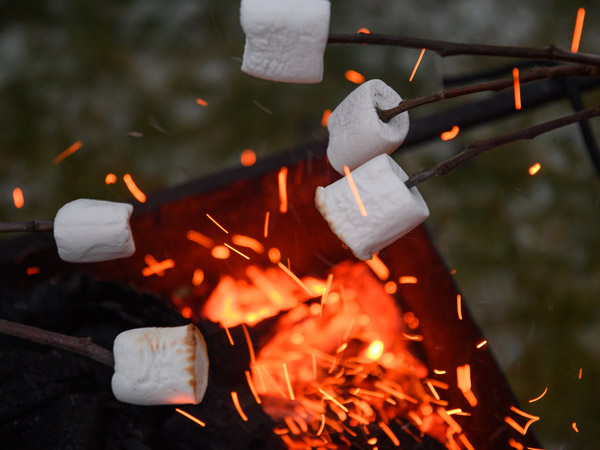
Toasting marshmallows
Toast marshmallows around the fire to make your own s’mores for dessert.

Things to do in Shenandoah National Park

With activities typical to National Park surrounds like bushwalking, fishing and chasing waterfalls (there are more than 70 in the park) there’s no shortage of things to do here. One of the most fun is simply enjoying the quiet while waiting and watching for local fauna. The ranger stations and the Skyline Lodge keep an observation book whereby guests can chronicle their wildlife sightings.

There are quite a few for deer (“8-pointer observed near mile-marker 54, huge!") and the smaller more common critters like squirrels, rabbits, skunks and even bears, though I never saw one. More elusive, but vocal especially at night are the bobcats and coyotes with their yipping barks and haunting howls – it’s quite an auditory experience. Both species’ conservation status is listed as ‘least concern’ under the International Union for Conservation of Nature, with thriving populations in these parts.
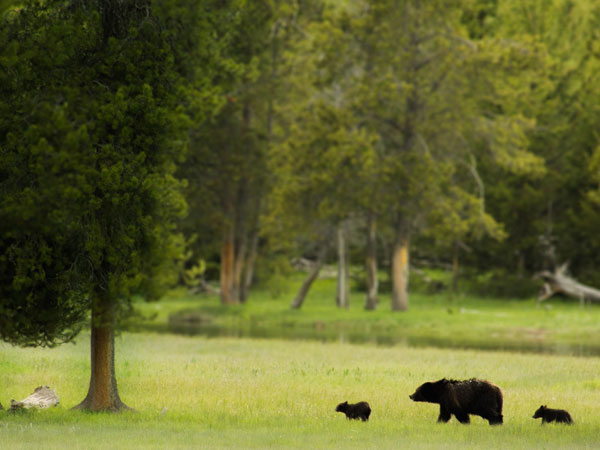
A family of black bears in Shenandoah National Park
Black bears big and small are a common sight. (Image: Delaney Van)

Ranger programs are enlightening and completely free. Go and learn about the opportunistic wasps that build their homes in abandoned woodpecker’s nests, and the umber shaded copperheads (one of two poisonous danger-noodles in the park) that make their dens amongst the rocky crevices and wooded hillsides.
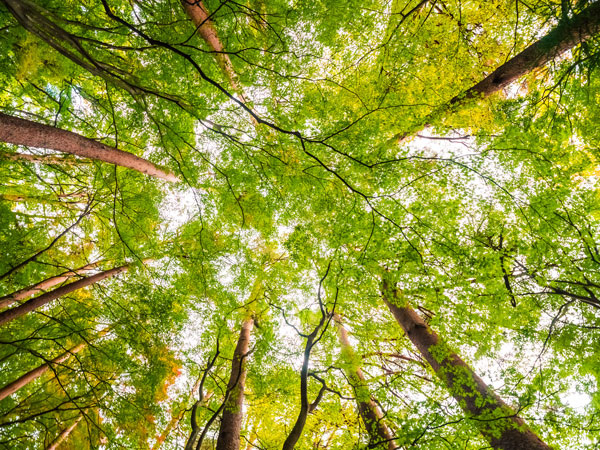
Looking up into the treetops of Shenandoah National Park
Creatures hide amongst both the canopy and the forest floor.

Weekly travel news, experiences
insider tips, offers,
and more.

Best time to visit

Shenandoah National Park is open year-round, but Skyline Drive will be closed when weather conditions make it impassable. The accommodations, dining and ranger talks are in operation in autumn, spring and summer, and closed for the winter from November/December reopening March/April; check the website for specifics and to make bookings.

Entry costs

Entry to the park is $30 for a seven-day pass per vehicle.
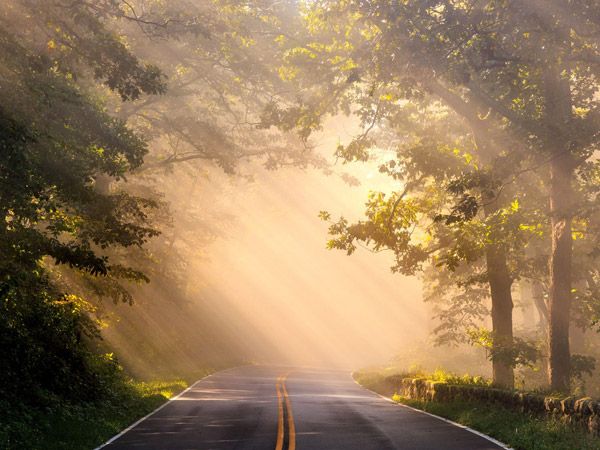
Driving to Shenandoah National Park
The drive is ridiculously scenic. (Image: Virginia Tourism)

Getting there

Entry via the Front Royal (North Entrance) is the best bet coming in from Dulles airport, at 20173 Skyline Drive, Front Royal, Virginia 22630

Want to see more stories from International Traveller in your Google search results?

  1. Click here to set International Traveller as a preferred source.
  2. Tick the box next to "International Traveller". That's it.
hero media

12 grand journeys throughout North America

    Discover North America’s epic adventures — from Route 66 and Alaska cruises to Hawai‘i road trips, NYC culture, Mexico trails and more.

    1. Route 66, the Main Street of America

    Travelling with: Ricky French

    Sunset on Route 66 in the California Mojave Desert.
    Hit the open road and trace America’s legendary highway. (Image: Getty/Der_Thomasa)

    Dubbed the Main Street of America, Route 66 radiates serious main character energy, cemented into popular culture through everything from John Steinbeck’s novel The Grapes of Wrath to the Disney Pixar film Cars. Spanning nearly 4000 kilometres from Chicago to Los Angeles, the historic highway celebrates its centenary next year, a timely invitation to take the mother of all road trips along the Mother Road. Allow two to three weeks to tackle the full length, or bite off a smaller chunk at either end, cruising the dramatic deserts of California or the more pastoral landscapes of Illinois, lined with neon-lit diners, retro gas stations and quirky roadside attractions.

    2. Mexico’s Día de los Muertos

    Travelling with: Carla Grossetti

    emblematic catrina of mexico with flowers and necklace with sempasuchil flowers
    Celebrate life and honour loved ones in vibrant style. (Image: Getty/Fabian Pacheco)

    You might know Oaxaca as the birthplace of mole and mezcal. But the state in southern Mexico is also where the Día de los Muertos (Day of the Dead) began. Time your visit to coincide with the colourful holiday, on 1–2 November, which honours and celebrates loved ones who have passed away. Oaxaca is also Mexico’s Michelin-starred culinary capital, with 18 restaurants and a humble taco stand listed in the 2025 guide.

    3. Museum-hop in New York City

    Travelling with: Carla Grossetti

    The Guggenheim Museum’s iconic spiralling exterior, a highlight of North America Epic Adventures.
    Step inside and marvel at bold, world-class art. (Image: Damiano Fiore)

    Your map app will look like it’s been scattered with confetti after you’ve dropped pins on all the museums you want to visit in New York City. Must-sees are the Solomon R. Guggenheim Museum, the Metropolitan Museum of Art aka the Met, and the Museum of Modern Art. The American Museum of Natural History is also a draw. It’s also worth venturing into the boroughs to browse institutions such as the Brooklyn Museum, which has a huge permanent collection categorised by culture.

    4. The USA’s music scene

    Travelling with: Elizabeth Whitehead

    The Seattle skyline at night, aglow with city lights on North America Epic Adventures.
    Soak up skyline views and dive into the city’s coffee culture. (Image: Abigail Boone)

    If you’re a muso, chances are you’ve wanted to make a pilgrimage to the United States, the epicentre of so many beloved genres. Whether you’re head-banging your way around the Grunge Circuit in Seattle, chasing the twang of the pedal steel through Tennessee or bouncing between blues bars in the Mississippi Delta, the USA’s rich music culture has something that’ll strike a chord.

    5. Road-tripping Hawai‘i

    Travelling with: Carla Grossetti

    A woman surfing in Hawaii, gliding across turquoise waves on North America Epic Adventures.
    Catch the waves and ride Hawaii’s iconic swells. (Image: Ben Ono)

    Hawai‘i is one of the most diverse US states to road trip around. Of the six major islands to visit, the Island of Hawai‘i packs in everything from the snowy summits of Mauna Kea and Mauna Loa to black-sand beaches and lava fields frozen in the act of flowing forward. Change down a few gears on the island of O‘ahu, too, where you can find your own patch of sand on Waimanalo Beach. Visit poi and pineapple plantations. And hang ten on beginner-friendly waves on the North Shore.

    6. Cruising Alaska

    Travelling with: Carla Grossetti

    Explora Journeys ship cruising in Alaska.
    Sail past glaciers and spot whales in pristine waters.

    Seeing Alaska from the sea allows you to cover a lot of distance quickly. This immersive frontier now beckons more than ever before with Explora Journeys adding the American state to its global destination portfolio. Best of all are the pre-and post-journey immersions that connect the luxury of a cruise onboard Explora III with the rugged grandeur of the Alaskan interior. UnCruise Adventures also weaves in access to remote national parks, legendary wildlife corridors and authentic cultural experiences on its Alaskan itineraries.

    7. The Wixárika Route in Mexico

    Travelling with: Elizabeth Whitehead

    People journeying through the Wixarika Route.
    Journey deep into sacred Huichol traditions and art.

    For generations, the Indigenous Wixárika People of Mexico have walked a sacred path known as Tatehuarí Huajuyé, or ‘The Path of Our Grandfather Fire’. The annual pilgrimage route spans 500 kilometres, taking in significant sites in Wixárika spirituality and cosmology. The route passes through the deserts, mountains and forests of northern Mexico before reaching Wirikuta, believed to be the place the sun first emerged. The route is a living cultural landscape of Indigenous culture pre-Columbian influence and, in July this year, was formally inscribed into UNESCO’s World Heritage List.

    8. Drive the Iceberg Coast in Canada

    Travelling with: Carla Grossetti

    Iceberg off the east coast of Canada
    Chase icebergs along Expedition 51 on Canada’s east coast. (Image: Canadian Tourism Commission/ Chris Hendrickson)

    Download the icebergfinder.com map to better plan your road trip along Canada’s Iceberg Coast. The new highway, which has been nearly 25 years and CAD$1.1 billion in the making, threads through the country’s pleated coastlines around Quebec, Newfoundland, Labrador, Nova Scotia and New Brunswick before looping in the French islands of St Pierre and Miquelon. As well as chasing icebergs along Expedition 51, travellers will have the opportunity to engage with cultures that have thrived in the pristine provinces for thousands of years.

    9. A foodie tour of Nova Scotia

    Travelling with: Katie Carlin

    Lunenberg Nova Scotia
    Try lobster rolls in Lunenburg on the east coast of Canada in Nova Scotia. (Image: Natalia Kvitovska/ Unsplash)

    World-famous for its lobster, Nova Scotia is a Canadian province best savoured through its culinary clout shaped by sea and terroir. Bite into lobster rolls at historic Lunenburg’s Salt Shaker Deli & Inn and sip maple rum at Ironworks Distillery. Winery-hop around Wolfville’s rising vineyards (don’t miss Lightfoot & Wolfville). Take a maple syrup tour at Sugar Moon Farm near Earltown. And pull up a seat at waterfront Bar Sofia in Halifax, where Nova Scotia oysters aguachile arrive bright with cucumber, lime and pickled onion.

    10. Soak up the sun in the Caribbean

    Travelling with: Carla Grossetti

    Overwater bungalows off a beach in the Caribbean
    Experience the white-sand beaches and cerulean seas of the Caribbean on board a cruise.

    The Caribbean is on the radar for seasoned cruisers. And it’s easy to see why, with white-sand beaches, cerulean seas and swaying palms so picture-perfect they look AI-generated. Cruise with Windstar, Royal Caribbean, and Celebrity on its inaugural Xcel season to the Caribbean to enjoy action-packed excursions such as snorkelling coral reefs and shopping for local trinkets. And those sea days? Spectacular.

    11. Red Chair Hikes of Canada

    Travelling with: Kassia Byrnes

    Red Adirondack chairs overlooking Lake Minnewanka in Canada
    Take a seat at Lake Minnewanka, one of more than 400 red Adirondack chairs scattered across Canada’s hiking routes. (Image: Getty Images/ Autumn Sky Photography)

    No one appreciates the great outdoors more than Canadians, emerging from snow-covered winters to tread glacial rivers and snowshoe through forests, or to hike mighty mountains and wildflower-strewn valleys come spring. Along popular hikes around the country, more than 400 red Adirondack chairs have been placed in peaceful, breathtaking locations. What started as a social media contest now sees hikers soaking in classic Canadian lake and mountain vistas, overlooking historic sites or gazing down on the mountainous path they just travelled.

    12. Ride the Rocky Mountaineer from Denver to Moab, USA

    Travelling with: Carla Grossetti

    Sweeping views from the Rocky Mountaineer.
    The Rocky Mountaineer will continue as the Canyon Spirit in 2026, seen here carving through Ruby Canyon.

    Sighting wild animals is one of many incredible thrills along the two-day luxury Rockies to the Red Rocks route onboard the Rocky Mountaineer across America’s Southwest between mid-April and mid-October. In addition to the lone bear, we spot bighorn sheep, elk, beavers, pronghorn antelope, bald eagles and ospreys. Riding the rails onboard the luxury train, which was founded in Canada in 1990 and has been awarded the prestigious World’s Leading Travel Experience by Train several times, has never been about just getting from A to B. Ride the train from Denver to Moab and you will see the scenery change from snow-capped peaks to meadows, red-rock canyons and soaring cliffs that resemble ornate Gaudí-esque cathedrals. But it’s not until you get off the train that you can produce the ultimate Venn diagram, with nature and adventure in the intersecting spheres.