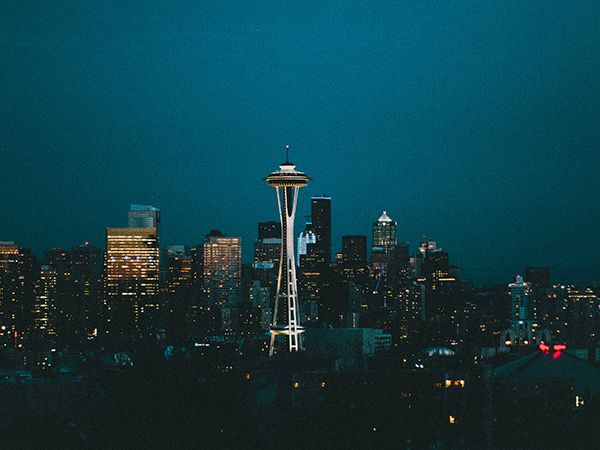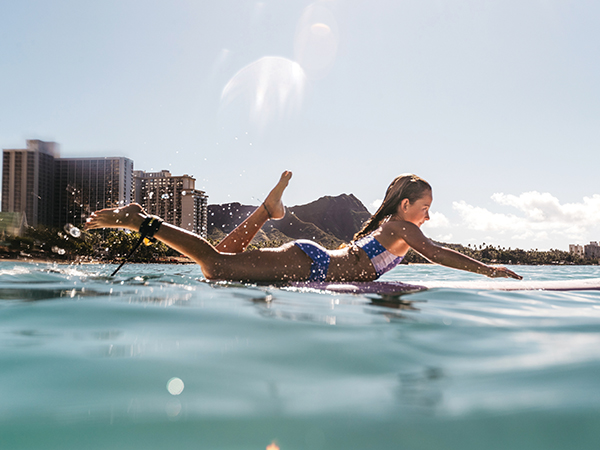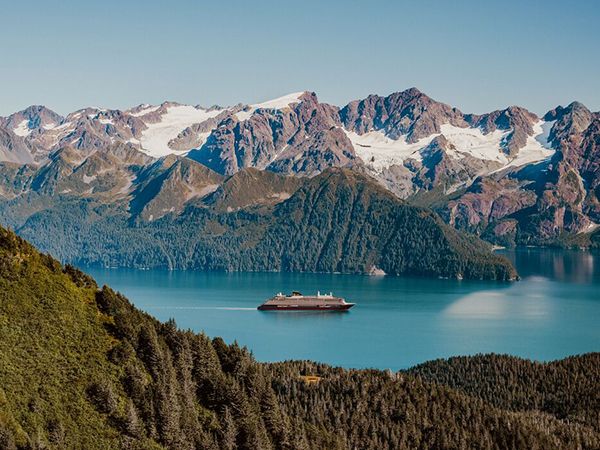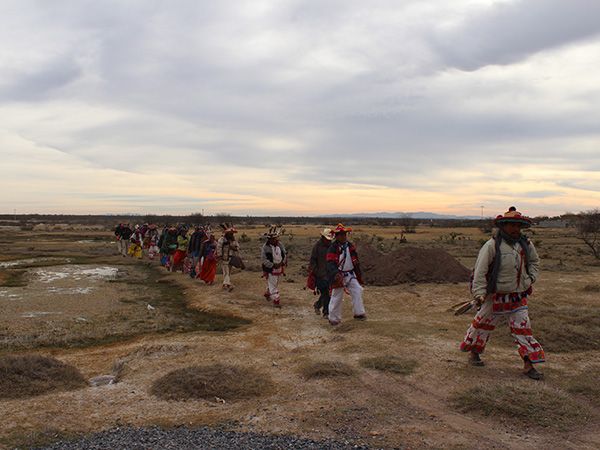
From black-sand beaches and jungle valleys to manta rays and the clearest night skies on Earth, the Island of Hawai‘i delivers more than any single trip can hold.
The Island of Hawai‘i goes by many names – the Big Island, the youngest island, the one still being made – and each tells you a little bit about this island in the Hawaiian chain. For starters, it is almost twice as big as all the other Hawaiian islands combined, wilder than its siblings, and so volcanically active that the land itself is unfinished business. This is an island of impossible contrasts, one that deals in extremes. See fresh coats of green on hillsides where lava cooled just decades ago. Hear the drawn-out thunder of waves crashing onto black-sand beaches. And sit in silence under the stars at the summit of Mauna Kea. Here’s where to begin when visiting the Island of Hawai‘i for the first time.
My top picks for every kind of traveller
Families: Snorkelling at Kealakekua Bay or a guided Waipi’o Valley shuttle tour
Couples: Manta ray moonlight snorkel at sunset, followed by dinner at The Inn at Kulaniapia Falls
Solo: A Mauna Kea Summit & Stars tour – go up alone, come back converted
Multi-gen: Kona Coffee Living History Farm, then Punaluʻu black-sand beach for turtle-watching
1. Float with manta rays at night
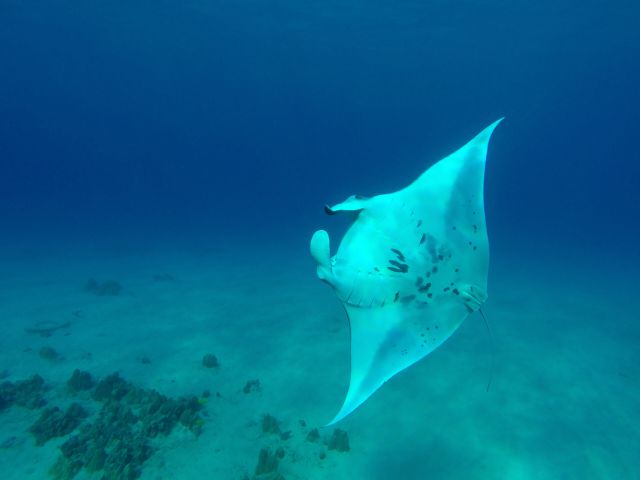
The sun has just sunk into the sea off the Kohala Coast, and I’m face-down in the velvety water, linking elbows with strangers. Below me, Jolene Ray – all two metres of her – somersaults in slow motion like a friendly ghost, her wingspan catching the beam of the floodlight as she hoovers up plankton. It’s hypnotic and balletic, entirely unlike anything else I’ve experienced while underwater in inky blackness.
The Manta Ray Moonlight Swim is run by researchers James and Martina Wing who have studied these gentle giants for almost three decades. And it is one of the most extraordinary experiences on the Island of Hawai‘i. The science is the magic here: manta rays are attracted by the light to feed on microscopic organisms and watching the feeding ritual up close is mesmerising. Leave the GoPro on the boat. Be in the moment. Tours depart Monday to Saturday from near Mauna Kea Beach Hotel. Book ahead, as spots are limited and tickets sell fast.
2. Sip Kona coffee where it grows
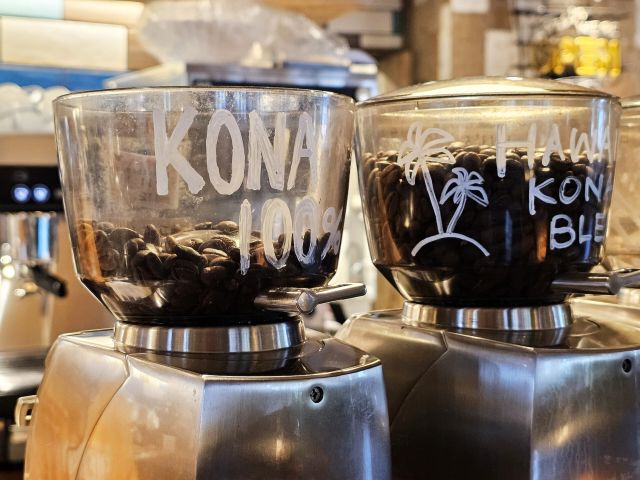
Kona coffee arrived on the Big Island via Christian missionaries in the early 19th century. It never left – and these days it’s as ubiquitous as the sweet, swirling scent of plumeria that follows you everywhere on the island’s west side. The mineral-rich volcanic slopes of the Kona district produce some of the most prized beans in the world and cafes on every corner roast them with gusto.
The best way to understand what’s in your cup is to visit the Kona Coffee Living History Farm, where the story of Japanese immigrant farm life in the early 1900s is told through the land, the tools, and a cup of the rich, medium-bodied brew at the end. Caffeine obsessives should plan around the Kona Coffee Festival in November – there are cupping competitions, cultural exhibits and parades that take over the town. Dunk a few Donkey Balls (chocolate-covered mac nuts, the island’s most unapologetically named snack) into your cup. It’s the Hawaiian equivalent of the TimTam slam.
3. Stand at the edge of Waipiʻo Valley
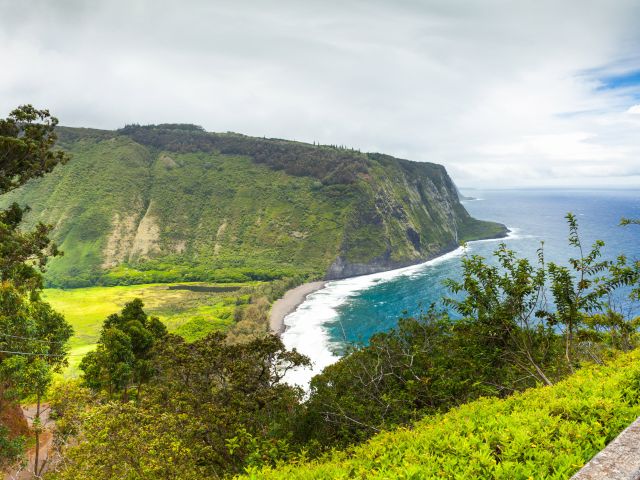
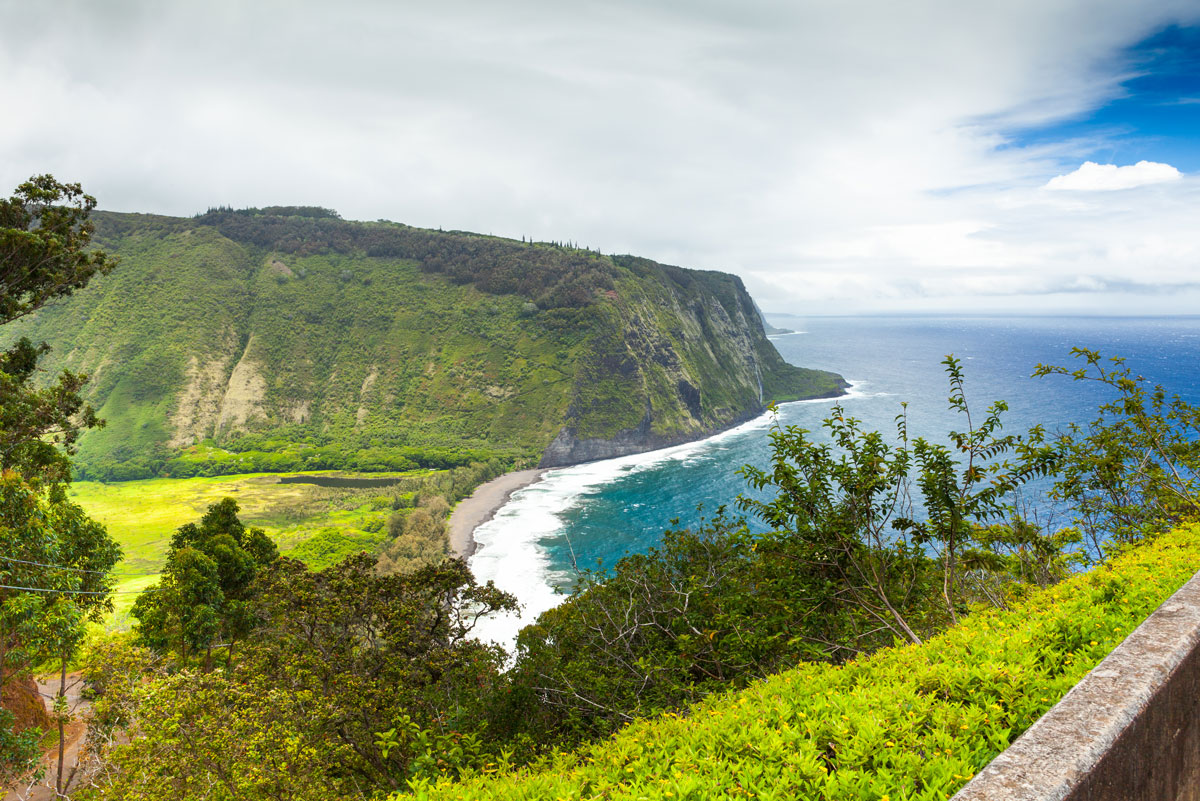
There’s a moment at the Waipiʻo Valley Lookout on the Hāmākua Coast when the scale of what you’re seeing doesn’t compute. Two-thousand-foot sea cliffs. A massive green rampage of jungle. A black-sand beach far below, cut in two by a river. Surf crashing onto the sand and the collapsing boom of heavy water. And somewhere down there, wild horses.
Known as the Valley of the Kings, Waipiʻo held deep spiritual and political significance in ancient Hawai‘i – this is where King Kamehameha received the war god that set him on the path to unifying the islands. The valley is considered wahi pana, a storied and sacred place, and visitors should observe all site boundaries and archaeological markers. Note that the valley road has been restricted to residents and permitted tour operators since 2022 due to landslide risk, so most visitors experience it from the lookout or via the Waipio Valley Shuttle Tour, run by local families who have operated it since the 1970s. Go at first light for the best chance of photographing the cliffs painted in pastel hues before the tour buses arrive.
4. Eat your way across the island

Food on the Big Island tells the whole story of its people. Poi – that purple-hued taro paste – has been a cornerstone of the Native Hawaiian diet for centuries. And while it is still at the heart of every luau, it’s also turning up in surprising ways across the island. Book a private tasting menu at The Inn at Kulaniapia Falls where the chefs send out light-as-air bread bruised purple from poi and farm-to-table fare in a setting that sits above a private waterfall.
For Hawaiian comfort food, the ‘mixed plate’ at rustic Hawaiian-style Café Hilo is a multicultural Big Island dish that nods directly to the plantation workers who came from the Philippines and China and brought their home cooking with them: meat, white rice, macaroni salad inflected with their heritage. Hilo Bay Cafe serves chirashizushi that celebrates the Japanese influence that shaped so much of the island’s culinary character. And for something on the sweeter end: Waimea’s Pâtisserie Nanako is a family-owned bakery known for Japanese-style pastries, cheesecakes and fruit tarts worth stopping for on any cross-island drive.
The Kamuela Farmers Market in Waimea runs on Saturdays at Pukalani Stables and is a top spot to pick up local produce.
5. Wade onto a black-sand beach
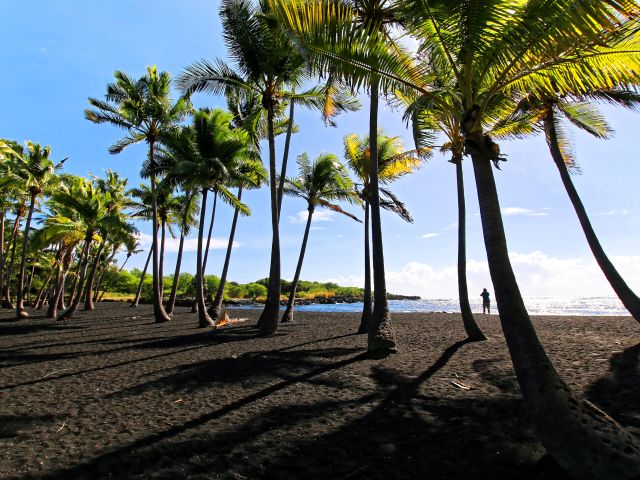
Punaluʻu is the most accessible black-sand beach on the Big Island, and the first time you see it, glimmering in the midday sun, it presents like a magician’s cape dusted in glitter. The sand – tiny fragments of lava that shattered when they hit the ocean – absorbs the heat, which is why the Hawaiian green sea turtles (and occasionally the endangered Hawksbill turtles) can be found here basking on the shore. Arrive early or late afternoon to avoid the crowds. Leleiwi Beach Park in South Hilo is another compelling option thanks to its natural lava rock pools: expect tropical fish and marine life in the water, with turtles a common sighting. A note of respect: honu (sea turtles) are protected under both state and federal law – keep a minimum of six metres distance.
6. Snorkel Kealakekua Bay
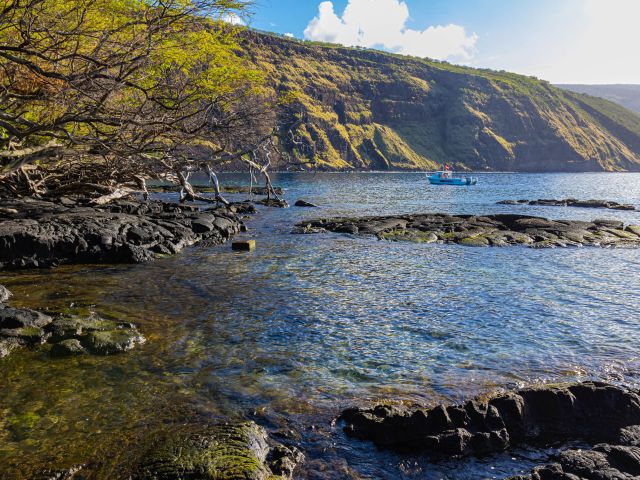
The water off the Kona coast is, depending on the time of year and the direction of the light, anywhere between deep sapphire and a green so vivid it seems implausible. At Kealakekua Bay, it runs crystal clear – the Big Island being the newest island in the chain, there’s less soil run-off, meaning better visibility and a better chance of catching spinner dolphins in the shallows.
Getting there demands a bit of effort – you can hike around an hour each way on a hot, largely unshaded trail, paddle in by kayak, or take a boat tour that brings you directly to the bay. Kona Boys rent kayaks and are a reliable option if you’d prefer to paddle in rather than hike. Arrive early if you’re driving yourself, as the car park fills before 9am on busy days. There are no drinking fountains on the trail, which is another reason to set off in the cool of the early morning.
Weekly travel news, experiences
insider tips, offers, and more.
7. Stargaze from Mauna Kea
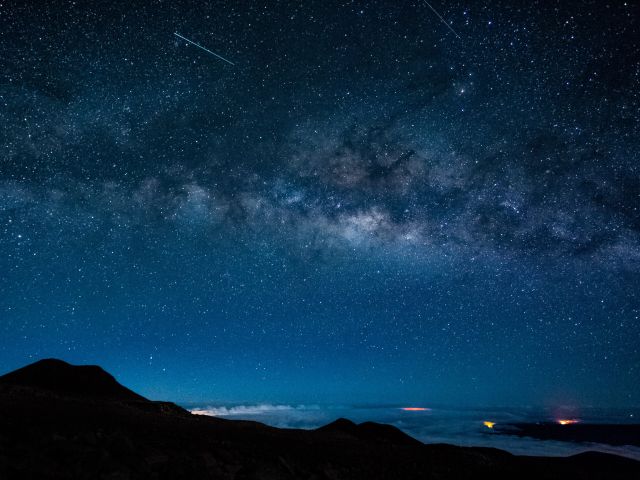
The Island of Hawai‘i is a different proposition when viewed from above. At 4,205 metres, the air is thin, the temperature drops to near-freezing even in summer, and the sky overhead is so densely packed with stars it looks like something is being shown off. From around 9,000 feet, there’s almost no light pollution, which is why astronomers from 11 different countries have established telescopes here.
The most straightforward way up for most visitors is a guided tour: Mauna Kea Summit Adventures has more than 50 years of experience on the mountain and runs 7.5–8.5 hour sunset-and-stargazing trips that include Arctic parkas, hot supper, gourmet beverages and transport in a custom 4WD. Hawaii Forest & Trail also operates a permitted summit tour with the option to visit an endangered dry forest on the way up – they run nightly, with the Wednesday Giveback Experience adding a forest detour to participate in a conservation project. Note: children under 13 are not permitted on summit tours, and altitude affects everyone differently; if you’re prone to headaches, drink plenty of water the day before.
Mauna Kea is deeply sacred to Native Hawaiians and the ongoing cultural significance of the mountain should be held in mind. Treat the summit with the same quiet respect you’d bring to any wahi pana.
8. Watch humpback whales breach
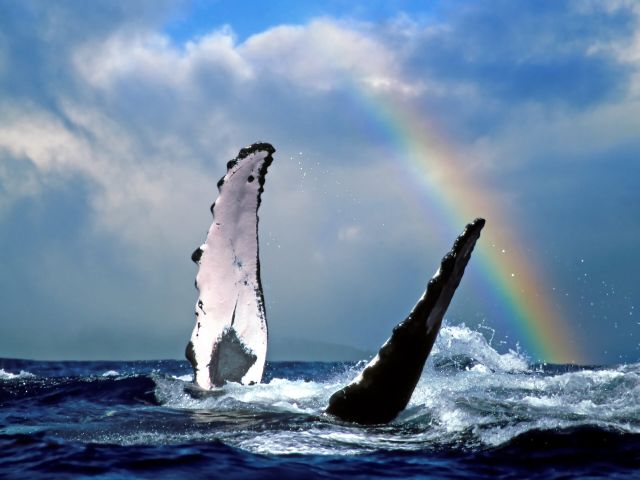
Humpback whales begin arriving to the Island of Hawai‘i in late November, peaking in January and February before departing again in late April or early May. That winter window is something else with these gentle giants of the sea seen breaching just off the Kohala Coast, tail-slapping, and singing songs that carry through the water in hypnotic, haunting sequences.
Captain Dan McSweeney’s Whale Watch Learning Adventures, departing from Honokohau Harbour on the Kona coast, is run by a marine mammal researcher with decades of field experience – his tours feel less like excursions and more like floating seminars, complete with hydrophone access so you can hear the whales underwater. Body Glove runs a 2.5-hour Kona cruise from December through March with sightings guaranteed or a return trip offered. Book the Big Island Whale Watching Tour (January–March) several weeks in advance in the peak season. Early morning departures give you the calmest water and the best light for photography.
9. Explore Hawai‘i Volcanoes National Park
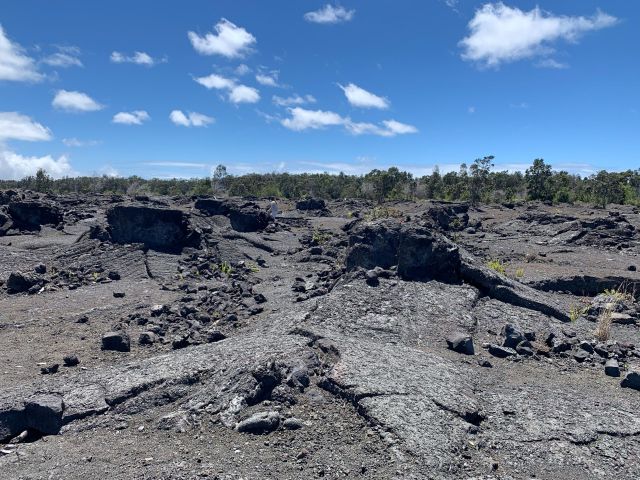
Kīlauea is one of the most active volcanoes on Earth – a geological marvel with its own mythology, its own goddess (Pelehonuamea, or Pele, whose fiery heart is said to live within the crater), and a landscape that shifts from lush rainforest to scorched moonscape within a few kilometres of walking. The park spans from sea level to the summit of Mauna Loa at 4,169 metres and encompasses an extraordinary range of terrain and native wildlife. Birds that flutter and screech through the canopy, native ferns reclaiming the lava fields, steam rising from vents as if being belched from the belly of a dragon.
A drive along Chain of Craters Road is one of the most dramatic routes in the Pacific. Walk the Nāhuku (formerly Thurston) Lava Tube, a short, stunning trail that drops from a dense rainforest into an underground tunnel carved by ancient lava flow. And don’t leave without walking to the Puʻu Loa Petroglyphs, a gallery of kiʻi pōhaku (images carved in stone) by Hawaiian elders that carry the weight of centuries. The Volcano House hotel sits at the crater rim – waking up with that view, and steam rising from the crater below, is worth the room rate alone.
Want to see more stories from International Traveller in your Google search results?
- Click here to set International Traveller as a preferred source.
- Tick the box next to "International Traveller". That's it.