hero media

The ultimate Grand Canyon travel guide

International Traveller
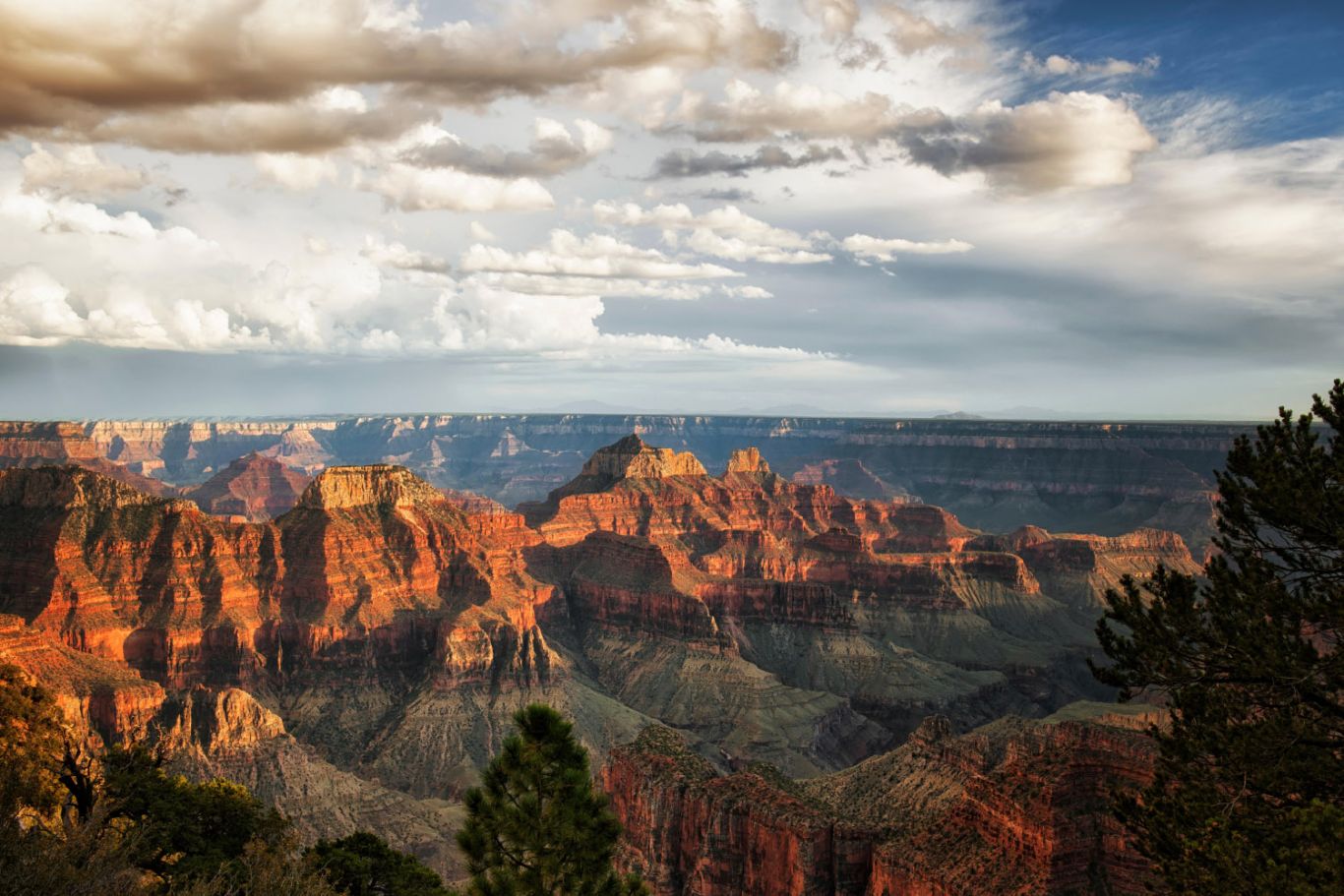
For many, Grand Canyon National Park is a sightseeing coach stop, a natural tonic for the lights of nearby Las Vegas and a ‘been there’ photo opportunity. But the world’s most famous canyon in Arizona, which is celebrating its 100th anniversary as a national park, deserves better.

As you’ll see here, it’s been home to people for thousands of years, and it took millions of years for the Colorado River to expose billions of years of geological history as it scoured a path down into the bedrock.


Bordered by several Native American reservations, the World Heritage site is steeped in Navajo, Havasupai and Hualapai culture and you can spend days walking trails with vistas of unparalleled scale. Perhaps you should pop to Vegas for a day and spend a week here instead…

Getting there

The Grand Canyon is split into two distinct zones, the North Rim and the South Rim.


It’s about a four-and-a-half-hour drive to get from one rim to the other, so ensure you  plan your trip accordingly.
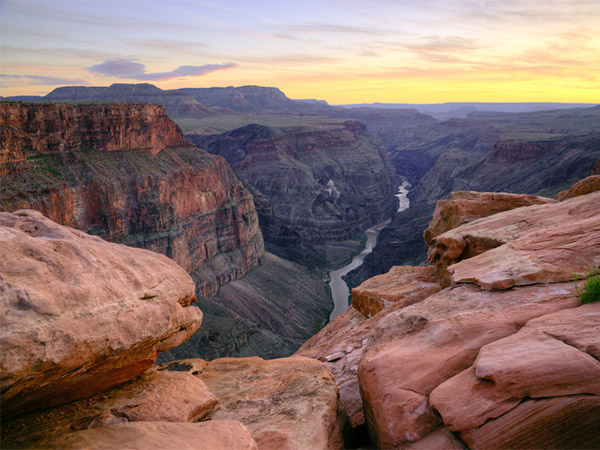
Toroweap Point – a jewel of the North Rim

If you’re keen to visit the North Rim, your best bet is to fly to Las Vegas, then drive the four and a half hours to the park.


If you’re heading to the South Rim, from Phoenix it’s a three-and-a-half-hour drive.


For those without a car, the Arizona Shuttle runs vans from Flagstaff to to the village three times a day.

When to visit

The best times to visit the Grand Canyon are March through May and September through November, when the crowds have shooed and daytime temperatures are predominantly cool.


If you decide to visit during the summer (the park’s peak season), be prepared for hordes of tourists and very limited lodging availability.

What to bring

When travelling through Grand Canyon National Park, it’s best to over prepare with your packing. We suggest sunscreen, a water bottle, optimum snacks, a camera, a small first-aid kit and a backpack to carry it all in.

What to see

Fit these natural and woman-made wonders into your Grand Canyon itinerary.

Havasu Falls

You’ll need to reserve a permit to hike to this natural spectacle in the Havasupai Indian Reservation.


A 30-metre waterfall cascades into a brilliant aqua-blue plunge pool that owes its colour to the high levels of calcium carbonate in the water, forming a stark contrast with the steep ochre cliffs of the creek.
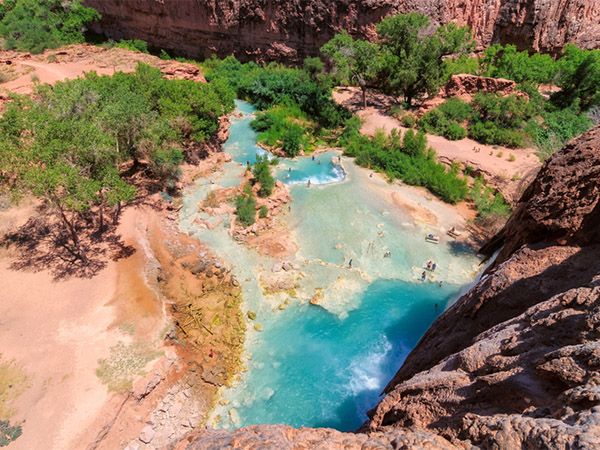
Havasu Falls – a view from the top

The 16-kilometre trail to the campground takes four to seven hours to hike, passing through the village of Supai.

Horseshoe Bend

See the Colorado River at its dramatic best from this vantage point on the rim of the Grand Canyon.


A view of the river carving a tight meander through the red rock, it’s perhaps the best spot to see how the power of water has hewn the steep sides of the Grand Canyon over millions of years.


Just outside the northern confines of the park, take a short walk from the highway to reach Horseshoe Bend and get snapping.

Mary Colter architecture

You wouldn’t think that architecture should be on your Grand Canyon agenda, but you’ll find the works of architect Mary Colter, who designed gift shops and other tourism structures sympathetic to the landscape here in the first half of the 20th century.


One of the few female architects of her day, she was the pioneer of a rustic style that incorporated Native American touches and traditional pueblo design. Make sure you head to Colter’s Hopi House and Desert View Watchtower.

Tusayan Ruins

Having marvelled at 20th-century faux Pueblo Indian architecture you can see the fascinating remains of the real thing at the 800-year-old Tusayan Ruins, a snapshot into the lives of people here before European settlement.


The low stone semi-circular walls of the main living area, storage rooms and a kiva, a ceremonial space, can be explored with a guide or by yourself on a short trail.


The Tusayan Museum here is a reconstruction of a Hopi Indian house.

Weekly travel news, experiences
insider tips, offers,
and more.

Whitewater Rafting

One of the most spectacular places on the planet to go rafting, the Colorado River surges and at times sedately pours past gargantuan cliffs. Take a multi-day trip with experts in the field like advantage.

Go Hiking

The South Kaibab Trail gives you a taste of the gradients that make this place so special, rewarding you with the best views for your efforts.


It winds down the canyon to a campsite on the Colorado River, taking about four to five hours each way.
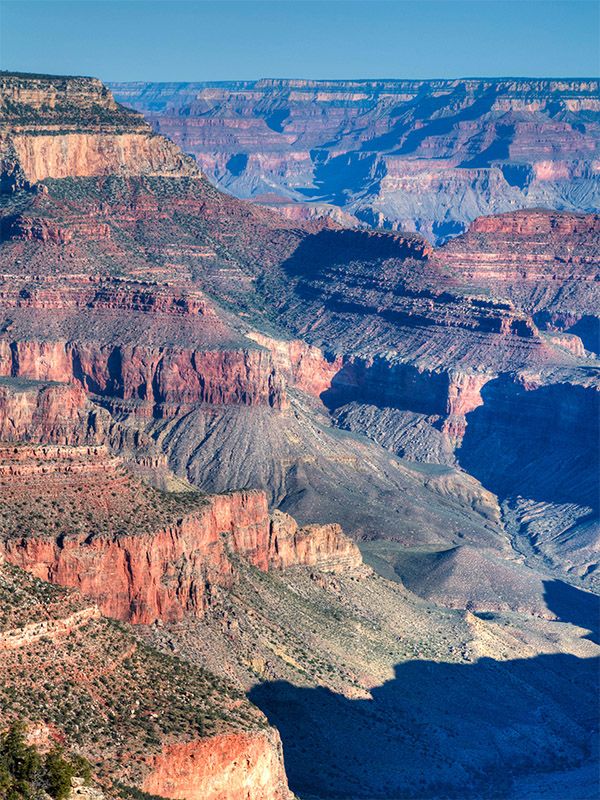
Views from a hike in the Grand Canyon National Park

Desert view drive

Rent a convertible for this one, a scenic drive that affords sweeping vistas of the Grand Canyon dotted with pull-over viewpoints along the way.


Plus it takes in the Tusayan Ruins and Museum, and Mary Colter’s Desert View Watchtower.

Animal spotting

Mountain lion

You’ll be fortunate to spot the biggest predator in the park, aka the cougar; don’t worry, they’re not interested in humans.

Tarantula

The Aphonopelma behlei, a species of the world’s biggest spiders, lives here. Watch you don’t step on the four-inch beasts.

Gila monster

Like miniature Godzillas, these lizards have orange and black blotchy scales and lounge around in the surrounding deserts.

Tiger salamander

Look out for this striking black and yellow amphibian in pools and creeks around the Grand Canyon’s rim.


Want to see more stories from International Traveller in your Google search results?

  1. Click here to set International Traveller as a preferred source.
  2. Tick the box next to "International Traveller". That's it.
hero media

5 things every hotel needs for a more restorative stay

    Kate Bettes Kate Bettes
    Wellbeing means different things to different travellers. Here’s how to pick a hotel that gets it right for you.

    The best wellness holidays aren’t necessarily spent wrapped in a spa robe. Sometimes they’re found around a dinner table in Cambodia, on a hiking trail in New Zealand or after finally beating jet lag on the other side of the world. The hotel you choose is what makes them happen.

    1. Easy access to good food

    meals from Novotel Bangkok Sukhumvit 20
    Taste delicious meals at Novotel Bangkok Sukhumvit 20.

    One of the quickest ways to derail healthy habits on holiday is to spend half of it working out where to eat instead of digging into the culture around you. Thankfully, Novotel has done much of the hard work already, with chefs building menus that lean into the flavours, ingredients and traditions of each destination.

    In Sihanoukville, Cambodia, Korkor soup – often dubbed ‘Cambodian ratatouille’ – sits alongside raw blue crab dressed with lime and chilli, best enjoyed with views across the Gulf of Thailand.

    In the lovingly chaotic city of Bangkok, the presence of food cranks up the sociability. At Novotel Bangkok Sukhumvit 20, you can settle in with mango sticky rice and stranger-turned-friends beside the pool at Sky on 20 rooftop bar, or bring them along to tackle river prawns and stir-fried crab with holy basil at the buzzing Crab Paradise Dinner Buffet.

    Then Novotel Dubai Al Barsha welcomes you with a laidback twist on the level of indulgence the Middle Eastern city is best known for up on Deck Se7en. Looking towards Burj Al Arab, the rooftop lounge has everything from Mediterranean-style dishes like seabass ceviche to Italian prosecco sundowners.

    At the other end of the scale, in the hills that surround the Novotel Bali Ubud Resort, calm comes from nature. At Siralada restaurant, Balinese traditions shape the menu while thunder rumbles over the surrounding jungle – proving the setting is as nourishing as the food itself.

    While at Novotel Nha Trang, chef Kieu Thi My Hanh and her team showcase Vietnam’s knack for balancing freshness, texture and fragrant herbs. Pho remains a favourite, while seafood salad with pomelo and mango brings those flavours together in one bright dish.

    It’s all an approach backed by partnerships with expert food creators such as Alfie Steiner, whose plant-forward recipes prove healthy food should never taste plain.

    2. Better sleep options

    Novotel Bali Ubud Resort room
    Sleep deeply with Novotel.

    There are few travel experiences more disappointing than arriving in a new country, determined to seize the day, only to fall asleep fully clothed by 3pm.

    For Australian travellers, jet lag is often an unavoidable part of the journey. That’s one reason Novotel runs sleep-focused initiatives that help guests adjust quickly without compromising on health. We’re talking partnerships with Sydney-based sleep specialist Olivia Arezzolo, known for her advice on everything from better sleep habits to beating jet lag, alongside features like pillow menus, in-room yoga content and tailored sleep guidance.

    The sooner you’re operating on local time, the sooner you can get back to more pressing matters – like deciding which spa treatment to book.

    3. More ways to move

    woman hiking around queenstown new zealand
    Stay at Novotel Queenstown Lakeside and explore local hiking trails. (Credit: GettyI mages/ naruedom)

    Every place in the world has its own way of getting you moving: whether that’s hiking up ice-bitten mountains before a sauna or gentle stretching by the pool before a facial. From fitness centres to spas, Novotel recognises that wellbeing rarely looks the same.

    At Novotel Queenstown Lakeside, activity is inescapable. Here, hiking trails, ski fields, bungee jumps, and white-water rafting have made the region famous. The hotel’s location on the shores of Lake Wakatipu means less time spent organising yourself and more time out there experiencing them. To top it all off, you can book a private hot tub for the evening before heading back into the wilderness tomorrow.

    Bali, of course, takes a softer approach. At Novotel Bali Ubud Resort or Novotel Bali Nusa Dua, movement is less about conquering a mountain and more about a dance class between the tropical gardens and lagoon pools. Afterwards, the spa takes over, with traditional treatments like a Lulur body scrub: a combination of rice, turmeric, sandalwood, ginger and jasmine that’ll soothe muscles already relaxed by the Balinese heat.

    4. Better connections

    Novotel Sharm El Sheikh
    Kids will love a stay at Novotel Sharm El Sheikh.

    One of the best things about travel is that it gives your family stories you’ll be telling for years. Novotel helps create them with activities that bring everyone together, whether that’s trying something new, learning a local skill, or simply spending more time together.

    Go for a distinctly Thai twist at Novotel Phuket Vintage Park, where many of the family activities draw on local culture. Kids can try everything from beginner Thai boxing and language lessons to umbrella painting and – a pastime beloved by children the world over – pool foam parties. Everyone is welcome to join in, whether that’s getting splashed, covered in paint, or simply watching their children discover a new side of Thailand during the dedicated Family & Kids Day.

    A different adventure awaits at Novotel Sharm El Sheikh. Kids could be perfectly content with discos, drawing classes and new holiday friends, but the Red Sea has other ideas. Sitting on the edge of Naama Bay, days here might involve snorkelling colourful reefs, taking a boat trip to Ras Mohammed National Park or heading into the desert by quad bike or camel for a Bedouin-style dinner beneath the stars.

    5. Location is everything

    Surin Beach, Choeng Thale, Thalang District, Phuket, Thaiföld
    Explore Phuket’s gorgeous beaches. (Credit: Bence Biczo)

    Everyone’s idea of wellness looks a little different. With more than 600 hotels across 65 countries, Novotel gives guests the freedom to choose the destination that suits them best. Whether that’s a beachside escape in Phuket, an alpine expedition in Queenstown or a city break in Bangkok, there’s a good chance a Novotel isn’t far away.

    All that’s left? Choosing your version of wellbeing.

    Discover stays to inspire your everyday at novotel.accor.com.