Malta might not be at the top of your European bucket list, but perhaps it should be. Discover the highlights of this under-the-radar archipelago here.
Malta, the underrated gem of the Mediterranean, is a hub of history, culture and pristine waters.
From its tiny UNESCO World Heritage capital of Valletta and time-warped hilltop city of Mdina to its traditional fishing villages, natural wonders and prehistoric temples, this small island nation is a microcosm of all Europe’s best bits. Here’s what not to miss while you’re there.
Explore Valletta: its streets, tunnels and St. John’s Co-Cathedral
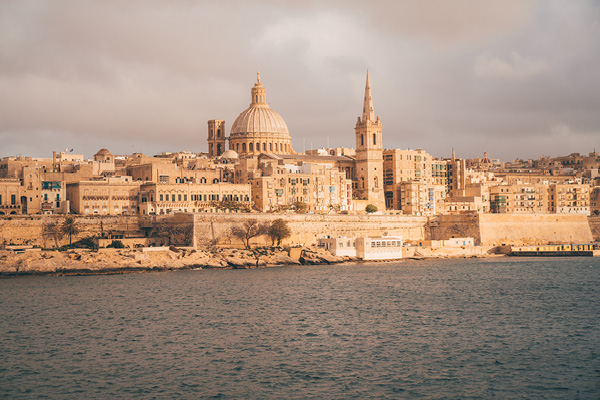
With narrow streets, made mostly of honey-coloured limestone and religious monuments on street corners, it’s clear that Valletta is the cultural centre of Malta as well as the capital. Just walking through the city feels artistically enriching.
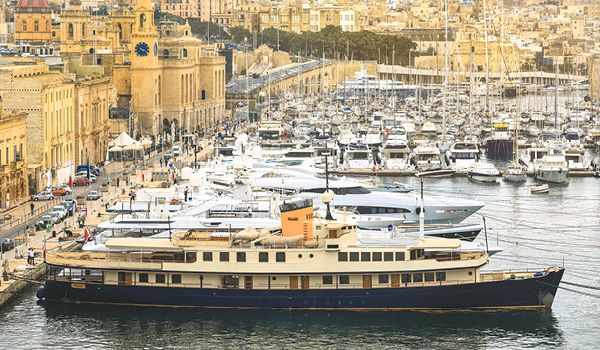
If you want to delve deep into the fascinating history of Valletta, take a tour of its tunnels. Initially dug by the Knights of Malta, in reaction to an invasion by the Ottoman Empire in 1565, the tunnels have been multifunctional in protecting their inhabitants ever since.
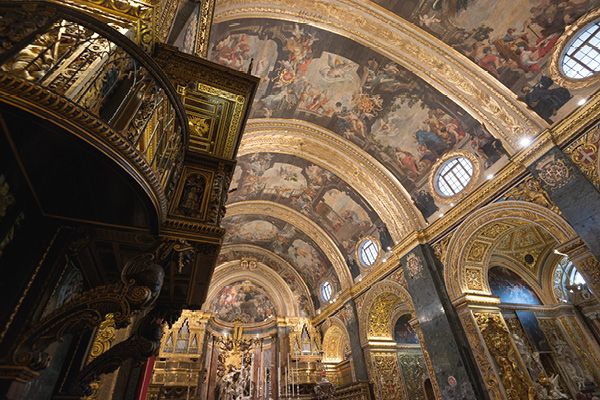
Another key component of Valletta’s history is St. John’s Co-Cathedral. Built by the Knights of Saint John, and in honour of John the Baptist, the Baroque cathedral is adorned with delicate stone carvings and gold-leafed ceilings. It’s worth a visit just for the famous Caravaggio painting, The Beheading of Saint John the Baptist.
Go snorkelling in the Blue Lagoon
Just a boat ride from the seaside resort of Sliema on Malta (the archipelago’s main island) is the small island of Comino. Here, you’ll find the Blue Lagoon – well worth a trip for its crystal clear, turquoise waters.
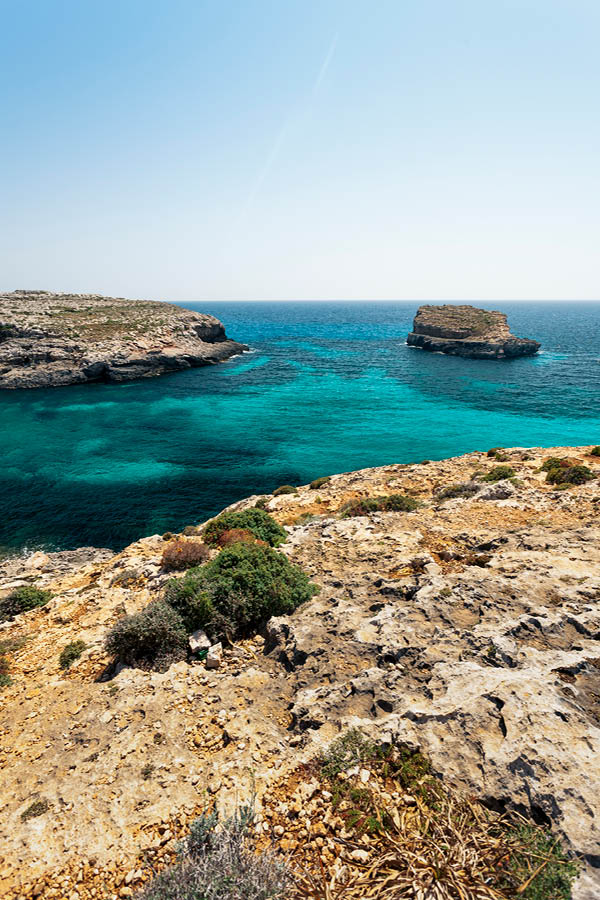
You could just position yourself on the rocks beside the water and sunbake the day away, but with an abundance of sea life under the water it’s worth grabbing some goggles and going for a snorkel.
An ice-cream boat is sure to be patrolling somewhere along the shore, so keep your eyes out for a sweet treat when you’re finished exploring the underwater realm.
If you’re looking for a more adrenaline-packed trip, consider a powerboat ride around the island, taking in its caves and Elephant Rock. The boat seems to jump over the choppy water, creating the sensation of being in flight. If you’re game, opt for the round trip from Sliema for around $70, which includes a four-hour stop for swimming, snorkelling and cruising the Crystal Lagoon.
Take a boat trip around the Blue Grotto
Another blue-themed activity is a visit to the Blue Grotto. Comprised of seven caves on the southern coast of Malta, it boasts the most luminous cobalt water thanks to the sun reflecting off the white seabed underneath.
The best way to see this phenomenon is on the water. Departing from the village of Wied iz-Żurrieq, a local Maltese guide can take you on a 20-minute tour through the caves on a traditional fishing boat.
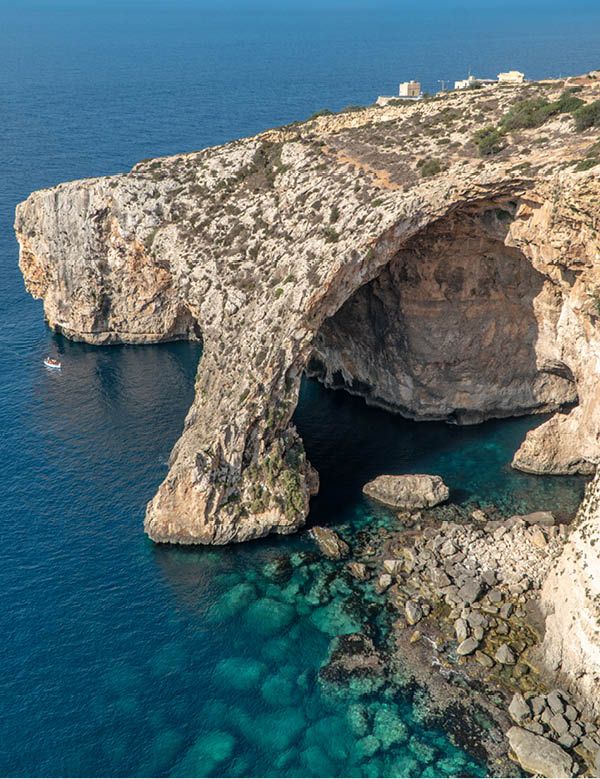
For a high-octane venture to the main arch, why not just abseil down it? Book with Malta Outdoors for a truly unforgettable way to see this landmark.
There are also some prime locations for a photo of the Blue Grotto from above, with the Blue Wall and Grotto viewpoint just a short walk from the main road above.
Meander through the Silent City
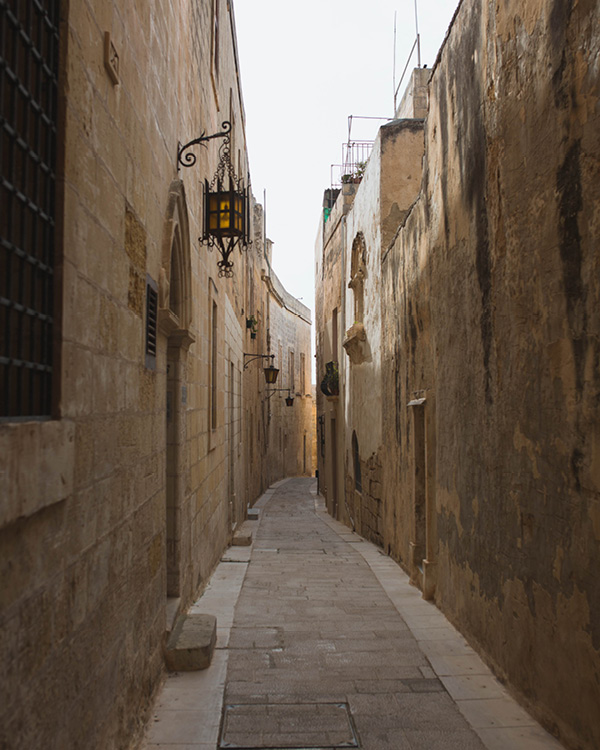
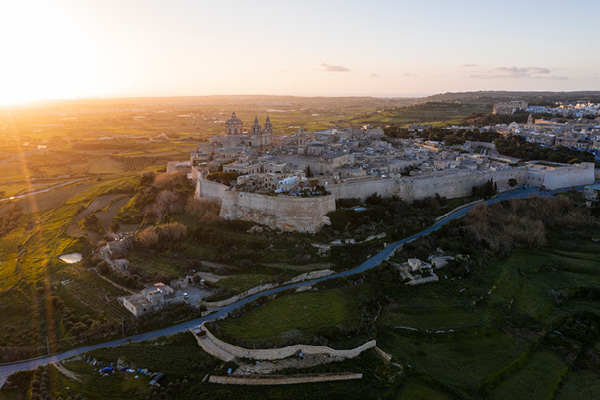
Mdina, the former capital of Malta, has a long history dating back 4000 years as a fortified city protecting the Maltese from invaders. The hilltop location, in those days of warfare, was perfect: with the view from the bastions, the inhabitants could see foreign ships approaching their kingdom.
With its wonderfully preserved medieval and Baroque architecture, the walled city makes you feel like time has stood still. Aside from the few cars owned by a limited number of residents, the only vehicles permitted to enter Mdina are horse-drawn carriages, creating a sense of calm that contributes to the nickname the Silent City.
While you’re here, make sure you visit the Mdina Glass Shop to buy some famous hand-blown glass. Although glass is a tricky souvenir, the attendants are more than helpful and bubble wrap (twice) the items for their international visitors.
Stop in at the Fontanella Tea Garden for a cup of tea or coffee and a piece of its famous chocolate cake.
Eat as much pastizzi as is humanly possible
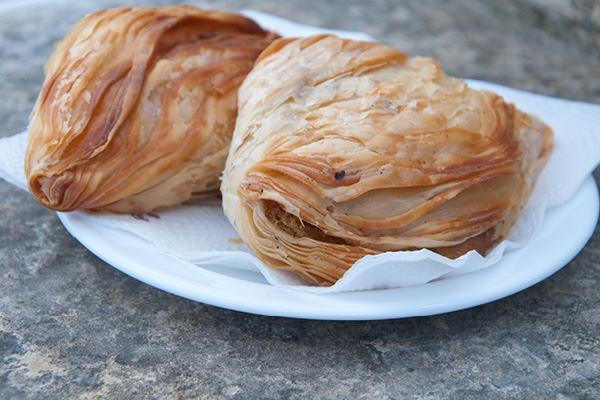
A traditional savoury Maltese pastry, the pastizzi is usually filled with ricotta cheese or mushy peas. This Maltese specialty costs a grand total of 60c each at your average pastizzi counter: they might be heavy on your stomach but they’re light on your pocket.
Discover Malta’s megalithic temples
If you think St. John’s Co-Cathedral is old, wait until you see one of Malta’s megalithic temples. Originating 6000 years ago, these temples were constructed by the earliest inhabitants of Malta and consist of upright slabs of rock, surmounted by horizontal blocks.
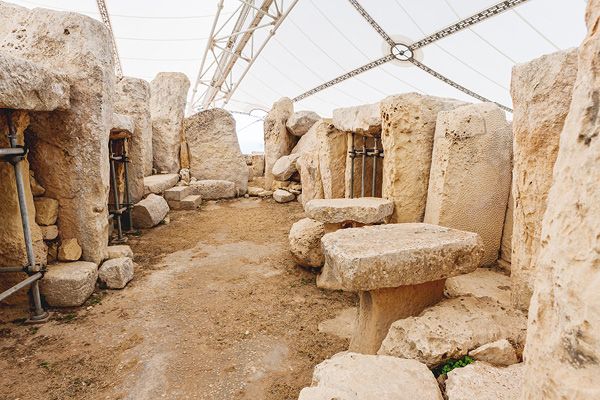
This structure suggests that the temples were once roofed, and tells a story of a civilisation that existed many lifetimes ago.
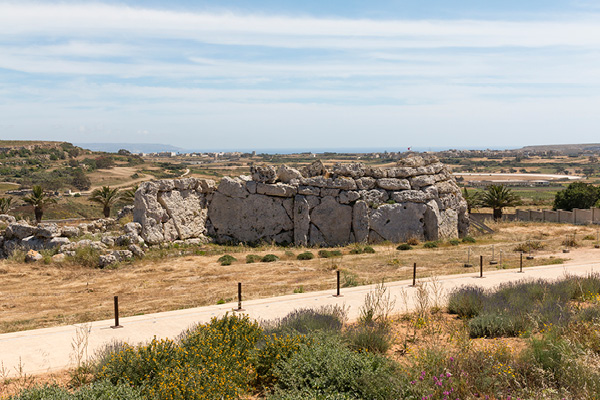
There are seven in total, but the main megalithic temple sites to visit are Hagar Qim, Skorba and Tarxien.
Take a trip out to Marsaxlokk Bay
A traditional fishing village on the south-east of the main island of Malta, Marsaxlokk Bay is characterised by a fleet of coloured fishing boats moored in the harbour.
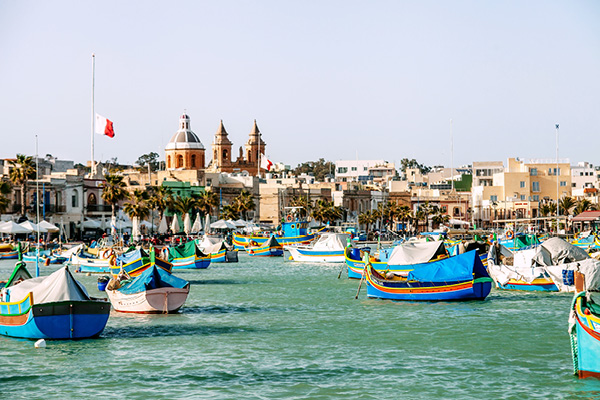
Visit its daily markets along the quay, where you’ll find a collection of locally made crafts: bags, fabrics and toys. Take the time to have a chat to some of the locals, even if it is in fragmented Maltese.
There’s also a daily fish market, where the local fishermen (Marsaxlokk has the highest volume of active fisherman in Malta) sell their produce. At this market you’ll also find other homemade treats, made by the local women of the village.
Enjoy the candy-coloured hues of the Popeye Village
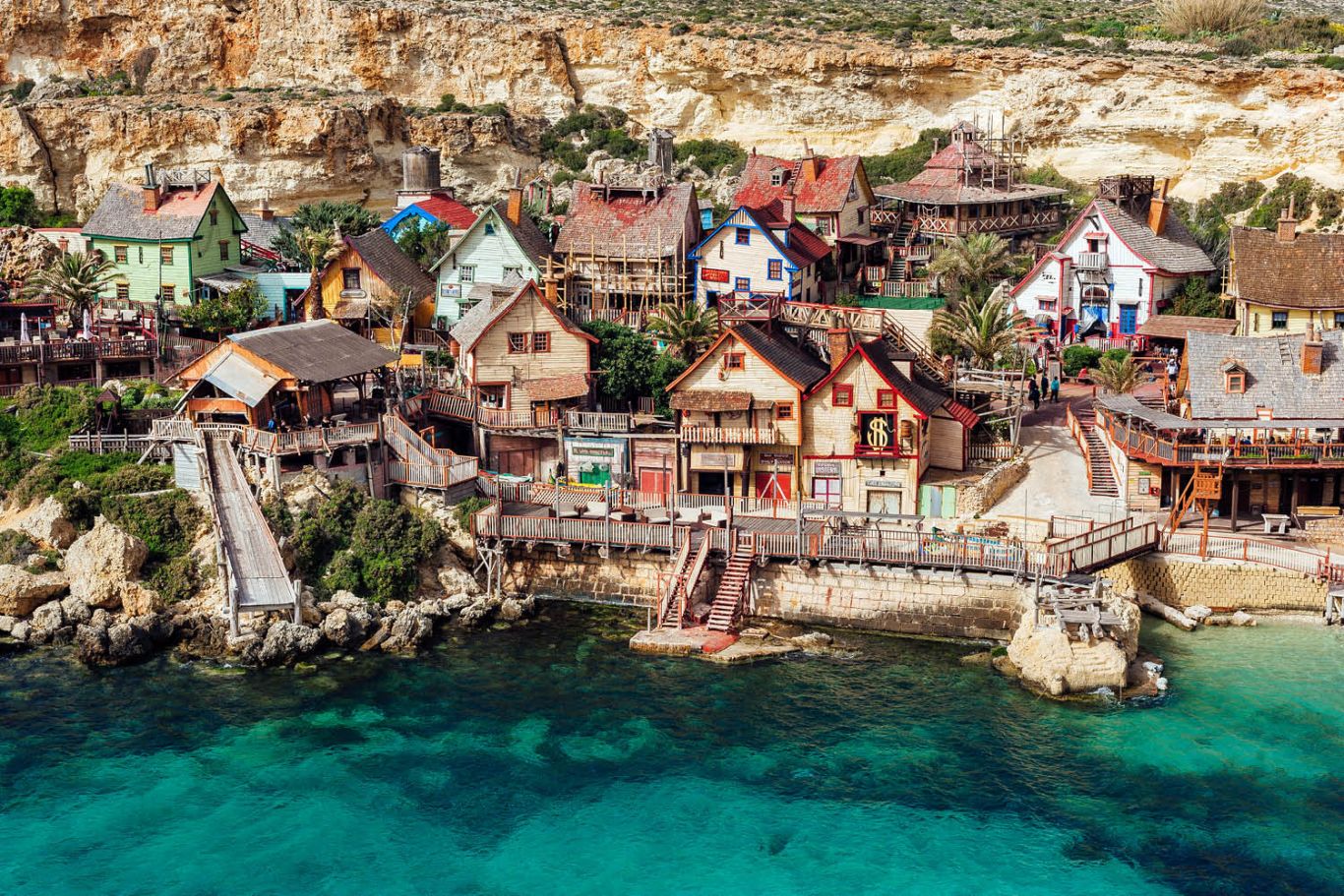
Originally built as the ramshackle fishing village film set of the 1980 musical production Popeye (starring Robin Williams), this charming pocket of Malta has been converted into a quirky adventure park themed around the cartoon sailor.
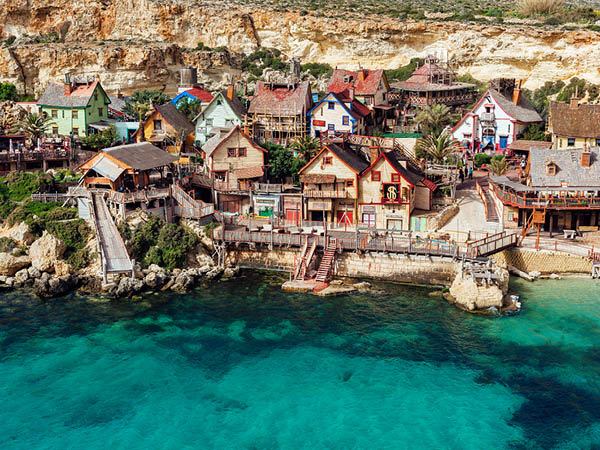
Perhaps the best part of Popeye Village is not the activities that take place here – which include meeting Popeye, of course – but actually the coloured wooden houses perched on the harbour. You can see them in their glory from a viewpoint across the water if you don’t want to pay to visit the fun park itself.
Weekly travel news, experiences
insider tips, offers, and more.
Have an adrenaline-filled day on the ocean
With cultural and epicurean delights in spades, it’s easy to get tied up in the easy life in Malta. To mix things up a little, try your hand at some water sports with a range of companies that deliver some seriously good aquatic activities.
Oh Yeah Malta will provide a day out on the ocean you’ll never forget. Offering jet skiing for €88 an hour, water skiing for €55, and parasailing for €80 an hour, these activities will definitely add some variety to your holiday.
See Saint Mary Magdalene Chapel on the Dingli Cliffs
While travelling through the barren landscape between Marsaxlokk and Mdina, a local guide took us to the chapel of Saint Mary Magdalene.
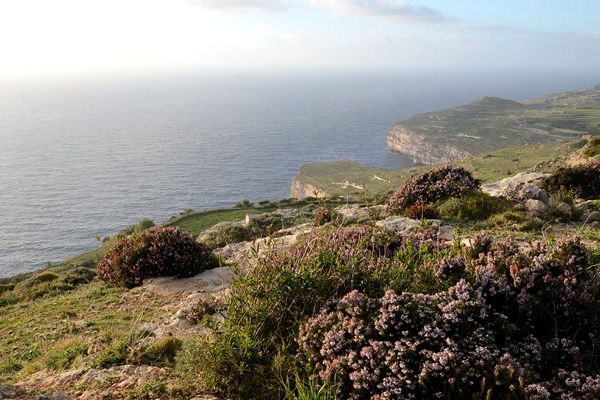
The chapel stands humbly on the edge of the famous Dingli Cliffs.
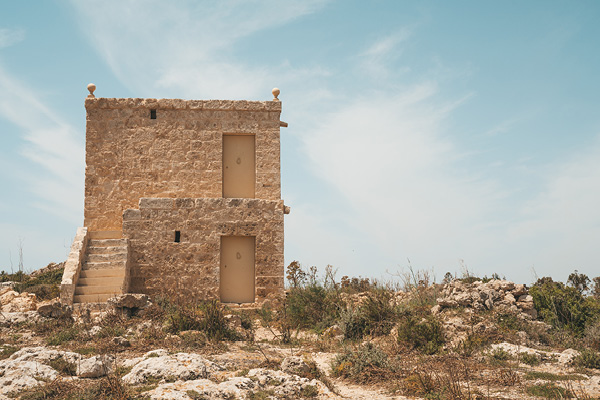
Characterised by only four limestone walls, a front door and a circular window above it, this chapel was built in the 1600s to honour the saint.
Looking beyond the chapel, to the ocean, offers a spectacular and uninterrupted view.
Lounge around at Ramla Bay on Gozo
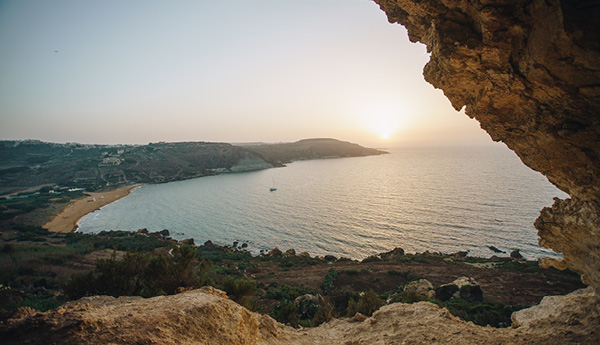
Arguably the best beach in Malta, Ramla Bay sports red sand and yellow sunshades. Perfect for snorkelling, swimming and sunbaking, you’ll find it on Gozo, the second largest island of the Maltese archipelago.
It’s fabled that Roman remains lie beneath the sand, but what is certainly known is that there was once three batteries to prevent enemies landing on the island. The remains of one such battery are still to one side of the beach.
Follow a path from the Ramla Bay car park to the viewing platform of Calypso’s Cave. This cave was reportedly referred to by Homer in The Odyssey, where Calypso entertained the shipwrecked Ulysses for seven years before he journeyed back home. The cave itself is closed and inaccessible currently but the walk affords a great view back to the bay.
Book yourself into the Hilton Malta
The Hilton, a modern five-star hotel in the seaside town of Saint Julian’s, is the perfect place to base yourself during a Maltese holiday.
With giant chandeliers adorning the ceilings, marble staircases and indoor fountains, the interiors of the Hilton are exquisite. Equally as impressive are the three pools that back onto the crystal clear ocean, and the five-star service from the concierge.
Also with great access to any part of the island (and the island’s islands), the Hilton is a great base for exploration: take a taxi to Mdina (20 minutes) or a taxi boat to Valletta (just across the pond). Jet skis are also for hire for a day of exploring via the water.
Want to see more stories from International Traveller in your Google search results?
- Click here to set International Traveller as a preferred source.
- Tick the box next to "International Traveller". That's it.