hero media

The first-ever train journey from Paris to the Amalfi Coast is pure romance

Idyllic coastal vistas, historical cityscapes, archaeological sites and Italian glamour await.

If you’ve ever dreamed of taking a luxurious train journey or living la dolce vita on the Amalfi Coast, now might be the time to book. Belmond has announced the first-ever train route from Paris to the Amalfi Coast as part of its Italian journey series, Villeggiatura by Train. The unique itinerary entails boarding the Venice Simplon-Orient-Express for one night and staying at the Caruso, A Belmond Hotel, Amalfi Coast for two nights.
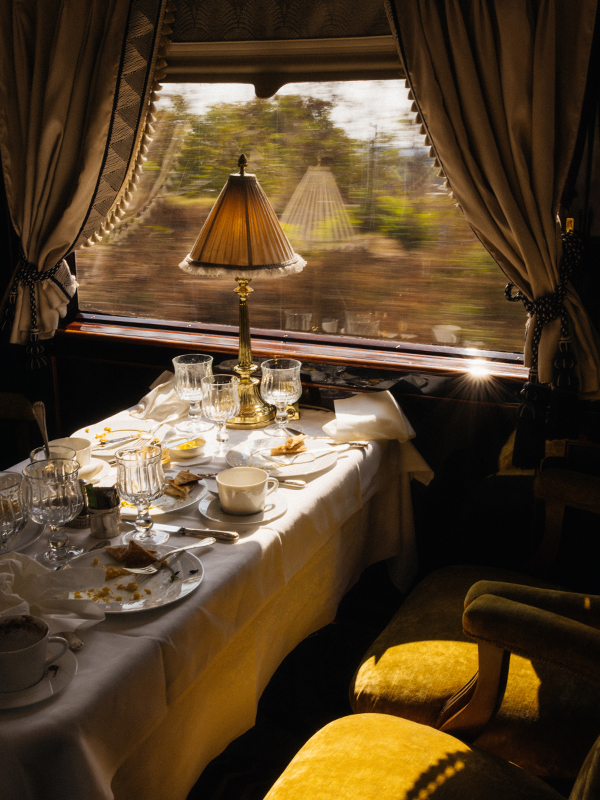
Venice Simplon-Orient-Express table setting
The three-night journey starts in Paris and finishes in Italy.

Departing from 4 May 2026, the three-night journey leaves from the chic streets of Paris, heading south through France toward Italy. Along the way, travellers will admire panoramic views of rolling hills and vineyards while enjoying breakfast served in the comfort of their luxurious cabins. 

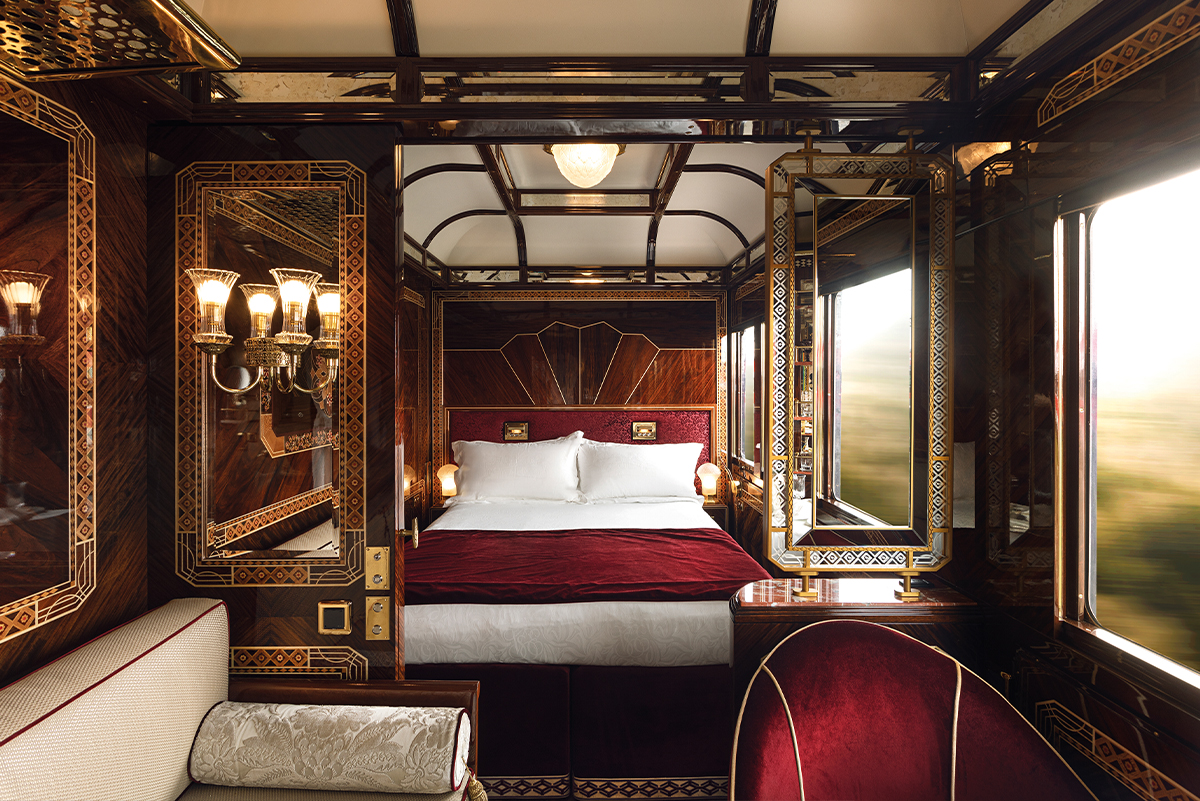
One of the most famous luxury train experiences today, the Venice Simplon-Orient-Express has been perfectly designed to preserve the historic charm of 1920s and 1930s Art Deco glamour with modern conveniences. Onboard, guests will relax in intimate bedrooms or in upgraded suites with lavish amenities, and enjoy refined plates, tipples and live music in the glamorous dining cars and iconic Bar Car 3674.
A cabin on the Venice Simplon-Orient-Express
Spend one glorious night aboard the iconic locomotive.

Disembarking in Pompeii, travellers will take a guided tour of the Roman City’s UNESCO World Heritage site (Grand Suite guests access Casa del Larario Regio V), exploring the remarkably preserved ancient ruins. This is followed by cooking classes guided by experts, using fresh local produce to create delicious Italian fare. 
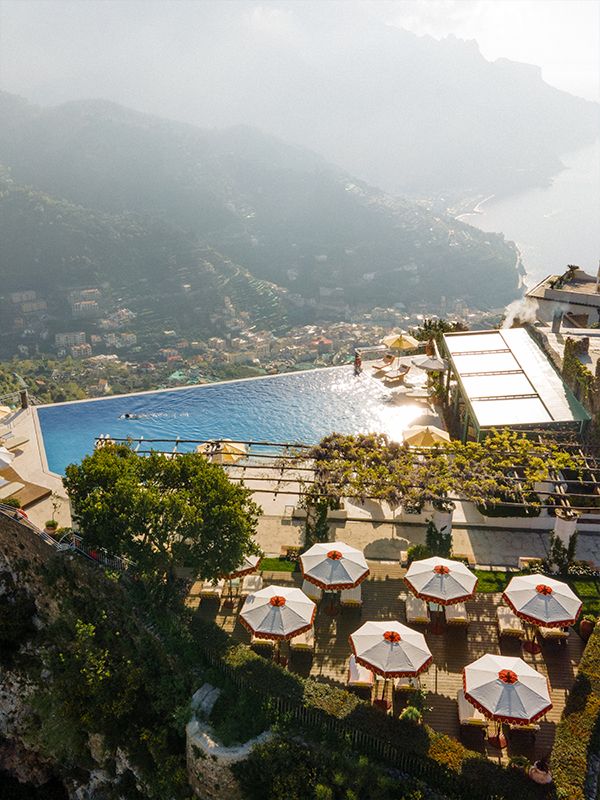
The swimming pool overlooking the sea at Caruso, A Belmond Hotel.
Enjoy two nights at the palatial Caruso, A Belmond Hotel.

Continuing onto the Amalfi Coast, travellers will stay at the iconic Caruso, A Belmond Hotel. Set in an 11th-century palace that sits on the cliffs of Ravello, the palatial Cauroso hotel features terraced gardens and a newly restyled infinity pool overlooking the sea. Each room is unique, having been elegantly decorated with antique furniture.
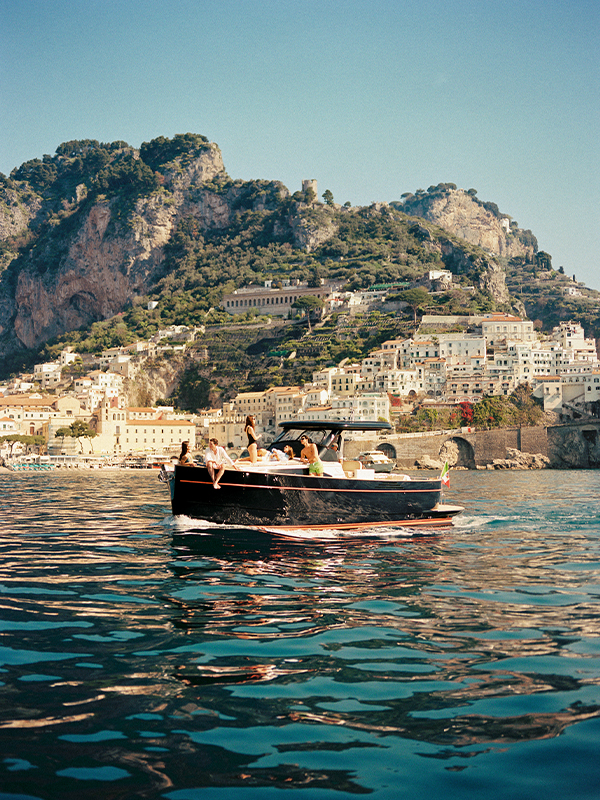
A boat on the Amalfi Coast
Bask in the warm weather on a scenic boat tour.

There are several culinary experiences to savour the region’s produce, including a cooking class at Caruso with Executive Chef Armando Aristarco, who uses local ingredients from sun-ripened vegetables to the region’s famous lemons,⁠ and an evening celebration showcasing Cilento artisan producers and traditional music. Other experiences include a scenic boat tour along the coast to enjoy the perfect balance of warm weather and spring scenery and a painting lesson with a local artist at Caruso’s Loggia terrace.

Prices start from £8,600 per person based on two guests.

Want to see more stories from International Traveller in your Google search results?

  1. Click here to set International Traveller as a preferred source.
  2. Tick the box next to "International Traveller". That's it.
Rachael Thompson
Rachael Thompson is a freelance travel journalist, editor and hotel addict based in the UK. She was formerly International Traveller's Evergreen Editor and was responsible for the foundational content ahead of its website relaunch, as well as managing and growing the brand’s destination guides. With a background in design and travel media, Rachael is dedicated to creating content that is as much informational as it is beautiful. She began her career at Belle magazine, before taking up editorial roles at Homes to Love and Bed Threads. Next on her travel wish list is Malta.
View profile and articles
hero media

What the European heatwave means for your summer travel plans

Temperatures are soaring this summer, breaking records across Europe and the UK. 

Euro summer is a feeling like no other. But when a heatwave hits? The dream trip quickly turns into a sweaty mess. Extreme heat is sweeping Europe and the UK this week, with record-high temperatures impacting travel plans across the continent.

And while Australian summers are typically hotter in absolute temperature, many European cities aren’t equipped for high temperatures, resulting in unbearable weather.

Why is it so hot in Europe?

Signs of a hot summer loomed in May, when the mercury hit unprecedented spring highs. Now, extreme high temperature warning alerts have been issued in countries such as Spain, Italy, France, England, the Netherlands and Germany.

France saw its hottest day on record on Wednesday, with an average temperature of 30°C across the day and night. This surpasses the average temperature for June, which is 15°C to 25°C. Dozens of people have died, including 40 from drowning.

In Spain, 212 deaths have been linked to the heatwave.

The UK recorded its hottest June day ever on Wednesday with temperatures soaring to 36.1°C. In an article published by the Met Office – the UK’s national meteorological service – Professor Stephen Belcher CBE, Met Office Chief Scientist, shared his concerns about June’s heat. “To see temperatures like this in the UK in June is sobering. Events like this bring home the implications of climate change, with very high temperatures and humidity bringing significant health implications from heat stress, as well as impacts to a range of sectors such as transport, energy and water supply,” he said.

Heatwaves are becoming increasingly common in Europe and the UK, neither of which is prepared for such extremes. The World Meteorological Organization reported that in 2025, at least 95% of Europe experienced above-average annual temperatures and that the continent was heating up twice as fast as the global average.

How travel is impacted

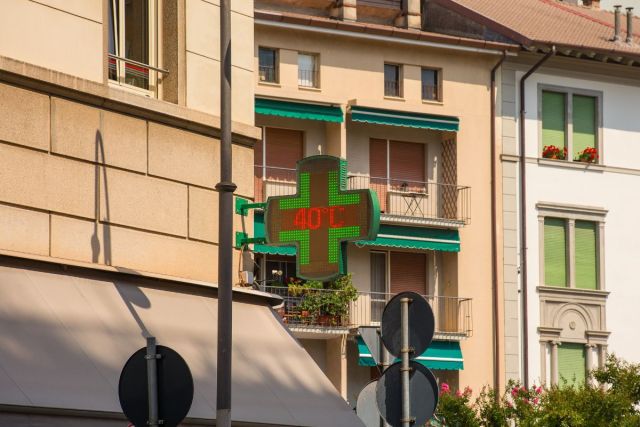
A pharmacy sign displaying 40 degrees Celcius
A pharmacy broadcasting local weather data. (Credit: Getty/Dragoncello)

During a heatwave, power grids, water systems and transport networks can be affected, resulting in disrupted itineraries for travellers. In France, power outages have left thousands without electricity and early closures have been implemented for two of Paris’s biggest attractions, the Eiffel Tower (early afternoon rather than late at night) and the Louvre (two hours early). Eurostar cancelled its London to Paris and Paris to London services from the 22nd to the 25th, and major UK rail companies have been advising travellers to avoid using trains where possible, or to travel during early hours.

If a heatwave is predicted, being flexible with your itinerary and having fully refundable/changeable tickets is key, as extreme heat can force the cancellation of outdoor activities, impact rail and flight services and change the opening hours of sites and eateries.

Why does summer in Europe often feel hotter than summer in Australia?

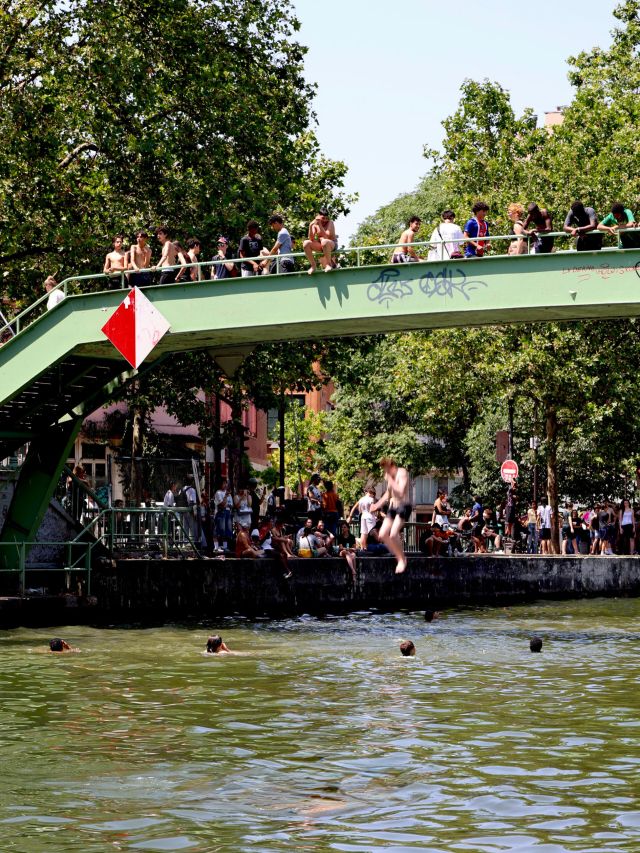
people swimming in the Canal Saint-Martin in Paris
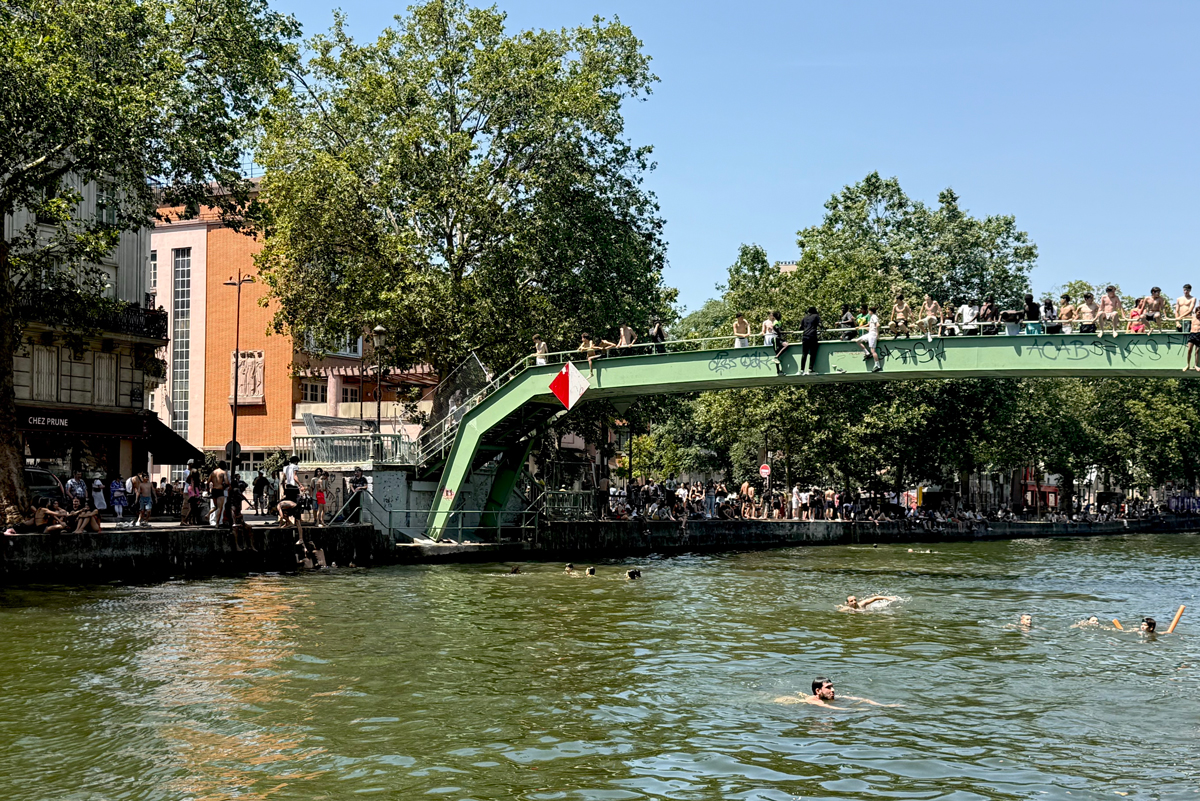
People swimming in the Canal Saint-Martin in Paris to cool off. (Credit: Rachael Thompson)

With some of the highest UV levels in the world, Australians are no strangers to the heat, adapting well to intense weather. But our infrastructure is largely equipped to withstand soaring temperatures with climate-responsive passive design, refrigerated air conditioning or evaporative coolers, as well as swimming spots aplenty.

Buildings in Northern and Western Europe and the UK, however, are constructed to retain heat and handle frosty winters. The lack of universal air conditioning means it generally feels hotter even though the temperature on your app might not look it. During a heatwave, it can feel like you’re in a sauna as cities act like heat traps.

How to stay cool and prepare for another heatwave

Relief is expected across Europe and the UK later this week, but more heatwaves are still possible in the coming months. Summer heat typically peaks in July and August.

Public transport often doesn’t have air conditioning, and buses in particular can be swelteringly hot. If you’re heading outside or your accommodation has no air conditioning, it’s worth buying a spray bottle and a handheld fan from a pharmacy or tourist stand. Check ahead of time if restaurants and cafes have air conditioning and make a booking in advance. The highest temperatures typically hit between 3pm and 6pm, so aim to head outdoors outside of these hours.

Rising temperatures invite travellers to enter a more intentional era of seeing the world. Now more than ever is the time to embrace lower-impact “coolcations” and off-season getaways.