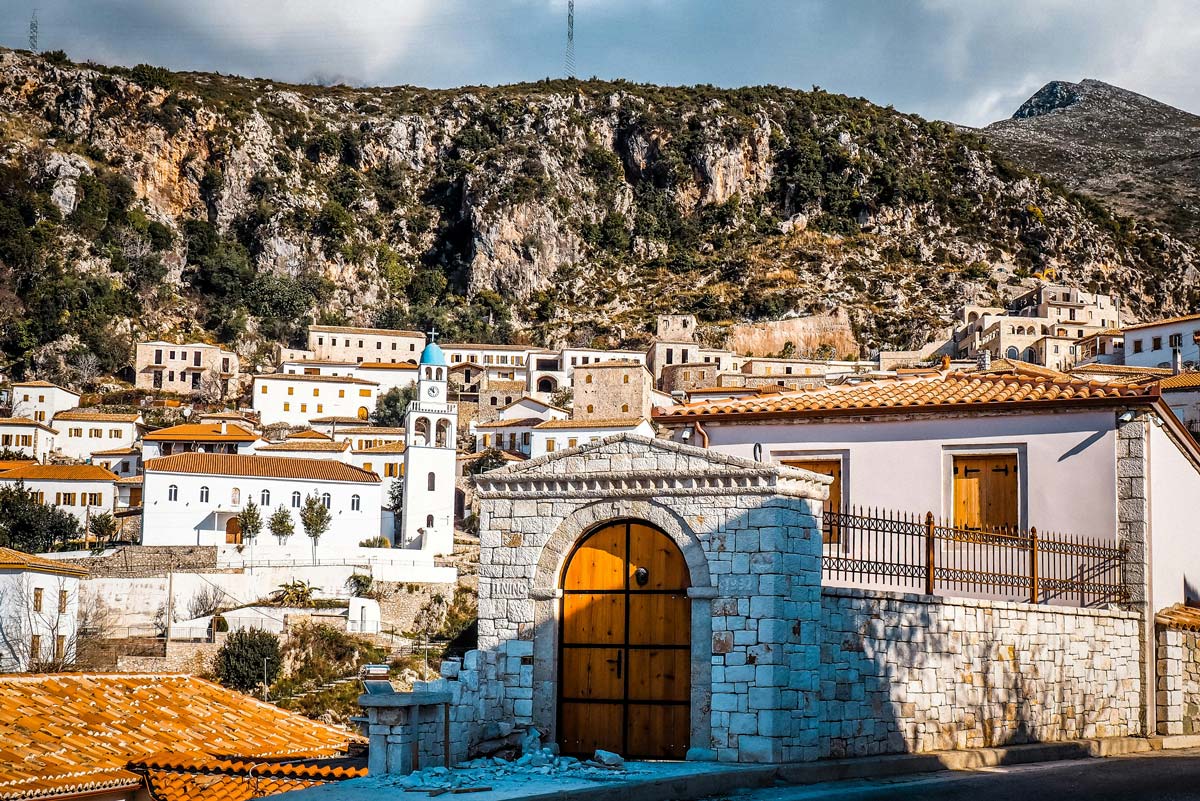
A Mediterranean holiday full of flavoursome food, wonderful wine and Riviera views – but make it unique, uncrowded and inexpensive. It might sound like a tall order, but not if you set your sights on Albania.
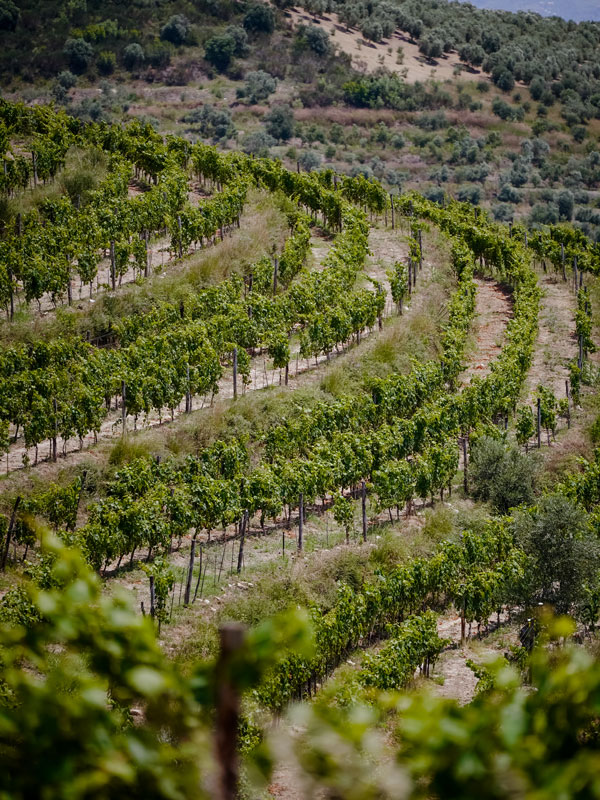
With Greece to its south, Montenegro to its north and Italy just across the pond, Albania is a culinary and cultural crossroads where Mediterranean freshness meets Balkan heartiness. Like nearby Italy, Spain and southern France, the country experiences mild winters and hot, dry summers, ideal for grape-ripening. The vineyards smattered along its coast experience similar conditions to those in Portugal’s Douro Valley, while its mountainous grape-growing regions have been likened to Italy’s Piedmont or France’s Rhône Valley.
If the food and wine aren’t enough to get you booking a trip, Albania has almost 500 kilometres of dramatic riviera, speckled with beach bars, seafood restaurants and crystal-clear coves to splash around in. So how has a destination that offers so much managed to quietly coast under the radar for so long?
A brief history
Up until the mid-1980s, Albania spent almost 50 years under the strict communist leadership of Enver Hoxha. Albanians were forbidden to travel, nothing was imported and taxpayer funds were pumped into building thousands of underground bunkers for an invasion the ever-paranoid Hoxha was certain would come – but never did.
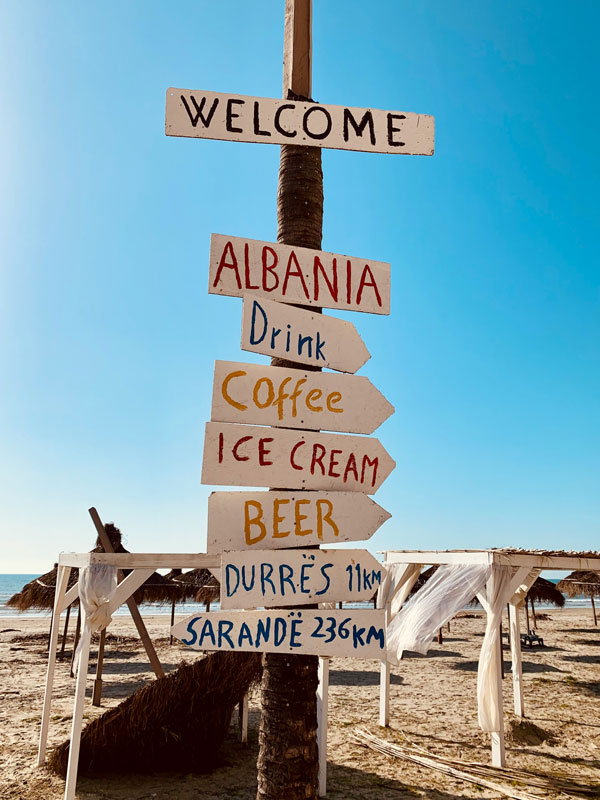
Cut to the late ’80s, and a new Albanian president was in power, forging trade ties with Western Europe, allowing Albanians to journey abroad, and – importantly for curious travellers – opening Albania up to the rest of the world. Independent political parties were formed after the collapse of communist rule in Eastern Europe, before the Democratic Party was voted into power in 1992. However, Albania’s freshly minted democratic system was young, fragile and led by inexperienced staff. These conditions made it all too easy for opportunistic criminal networks to emerge and thrive, creating the perception that Albania was a hotbed for mafia activity.
But Albania stepped up to create a safer environment for its people and visitors. It established an anti-corruption and organised crime investigatory body and joined the United Nations Convention Against Transnational Organised Crime. Today, visiting Albania requires no extra vigilance than travelling to any other European country. And its eventful past provides a thrilling experience for history buffs. This – along with its culture, cuisine and remarkable riviera – makes for an unforgettable experience.
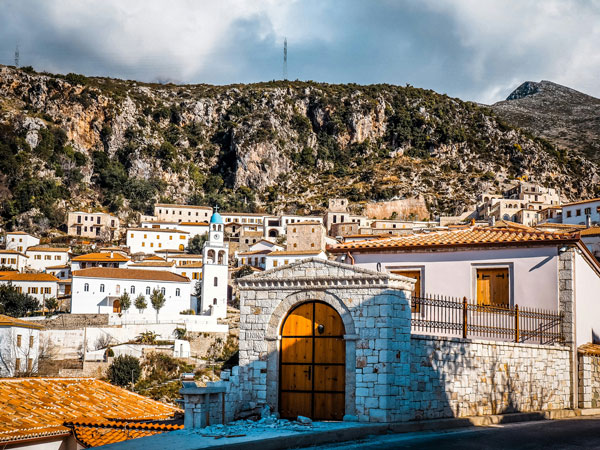
Tiranë
At first glimpse, the lively capital of Tiranë (or Tirana) seems like any other modern city in Europe – well-heeled professionals crossing the leafy Shëtitorja Murat Toptani Bulevardi, locals meeting for espresso in hip cafes and students congregating in sprawling plazas and parks. But then you turn a corner and see half a dozen torn-down communist statues being stored behind a building, or walk past a decrepit bunker that’s been transformed into a trendy bar, and you realise there is much more to this city than meets the eye.
The hip neighbourhood of Blloku – once restricted to only the communist elite – is peppered with chic cocktail lounges, coffee spots and restaurants (with prices so affordable you’ll do a double take at your bill).
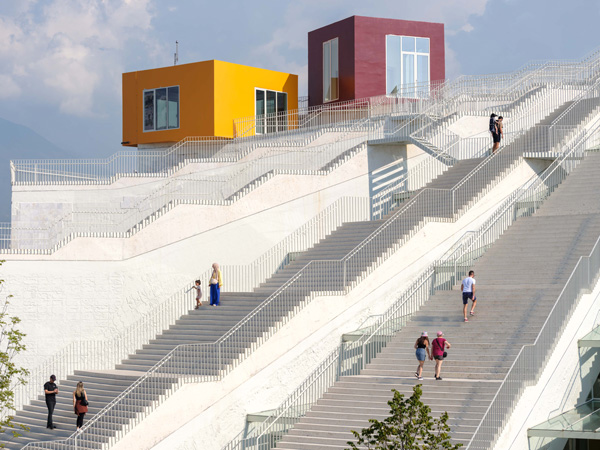
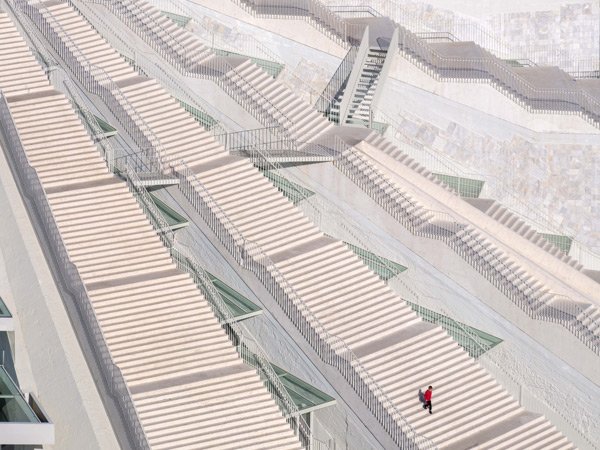
Blloku is also where you’ll find the Pyramid of Tirana, a symbol of the city and a popular spot for locals and tourists.
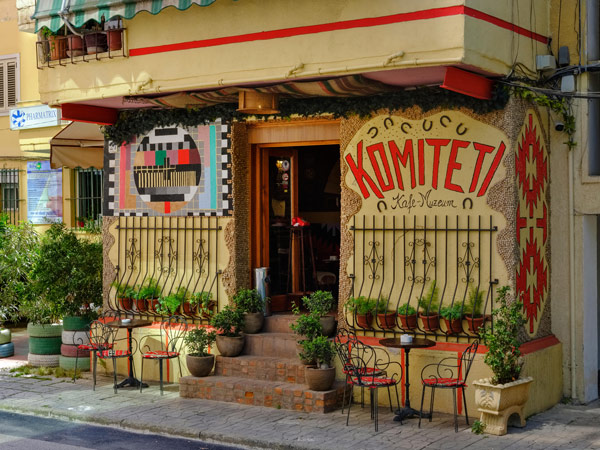
Right behind the Pyramid is Komiteti Kafe Muzeum, a quirky cafe meets museum with decor inspired by the communist era – the furniture, the walls and even the toilet. It serves almost 20 different types of Albanian raki liqueur, as well as karamele zana – a regional candy popular in Albania during its communist era.
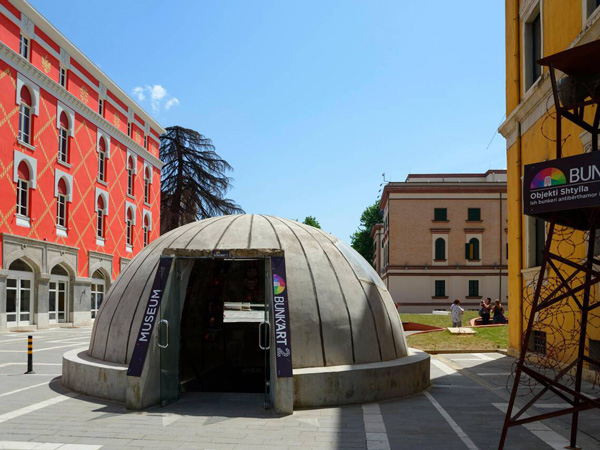
Another not-to-be-missed museum experience is Bunk’Art2, an ode to Albania’s history inside a preserved communist-era nuclear bunker. Bunk’Art2 is the offshoot to the hugely successful Bunk’Art1. While the latter is on the outskirts of the city, Bunk’Art2 is in the heart of Tirana.
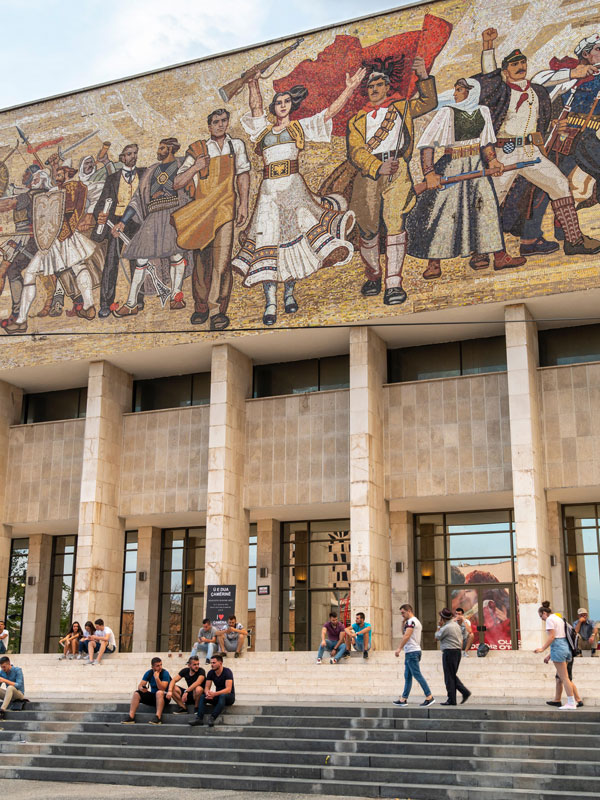
Not far is Skanderbeg Square, Tirana’s main plaza, which provides a fascinating glimpse into Albania’s mottled past. In the early 2000s, the Albanian government began erecting structures in vibrant hues of pink, orange and yellow to sit starkly alongside the old grey communist high-rises; it’s quite a sight to behold.
Berat
Albania’s second-biggest city Berat is about a two-hour drive from Tirana and is a compact place explorable within one or two days. The city itself is a UNESCO World Heritage site, and you’ll immediately understand why upon arrival.
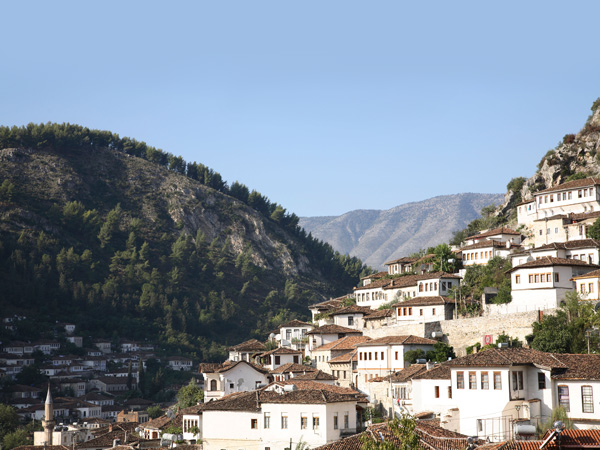
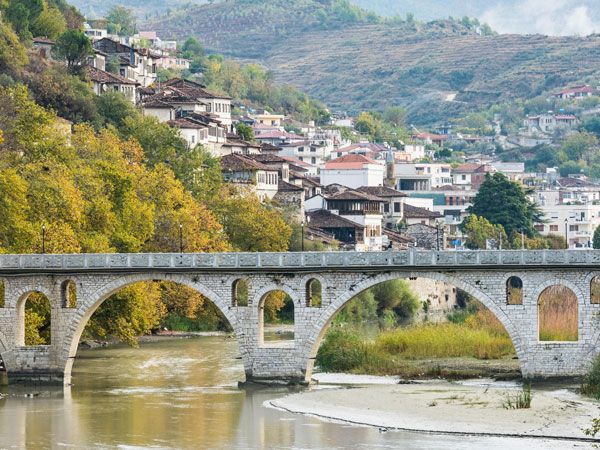
The elegant stone and alabaster city is fringed with verdant fig trees and earned its moniker, The City of a Thousand Windows, due to the dazzling view of old Ottoman houses that cascade down both sides of its gentle river valley.
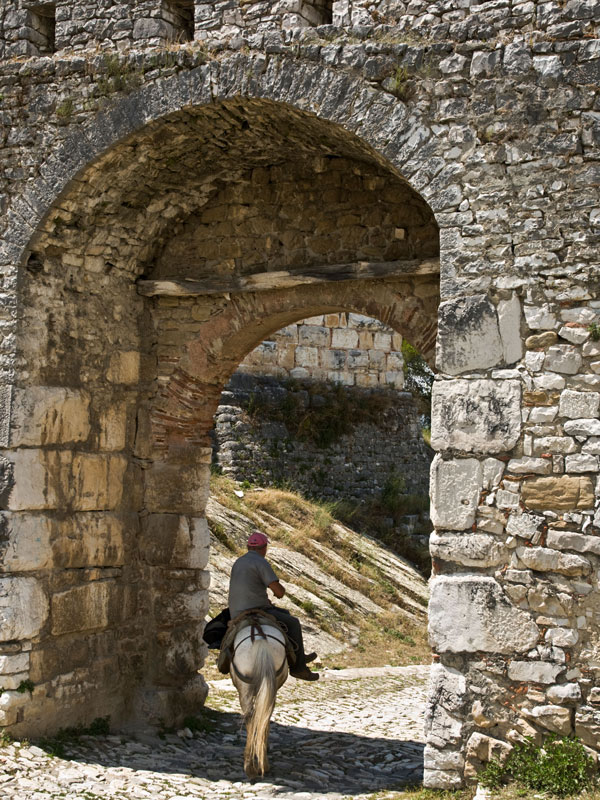
The 13th-century Berat Castle built at the top of a hill is a sprawling community of complex stone streets and houses. Many families still reside inside the castle walls, with some homes converted into guesthouses, restaurants or shops.
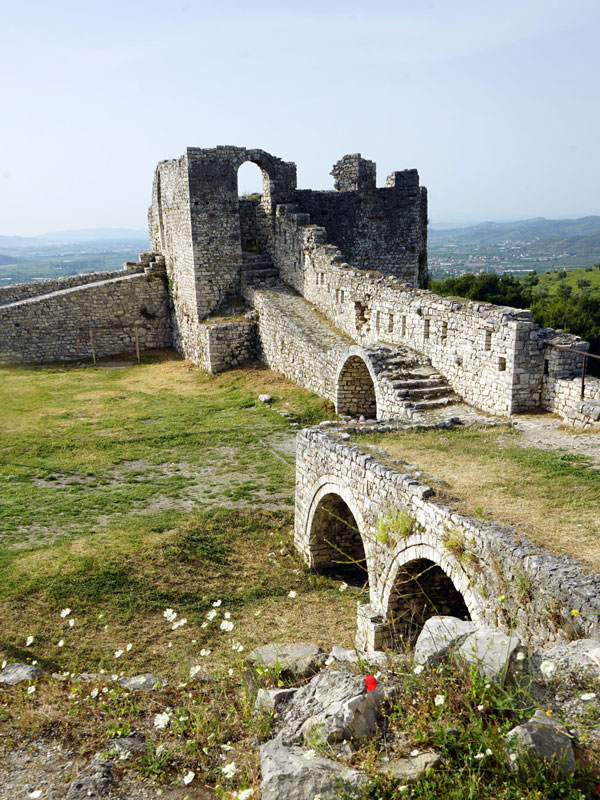
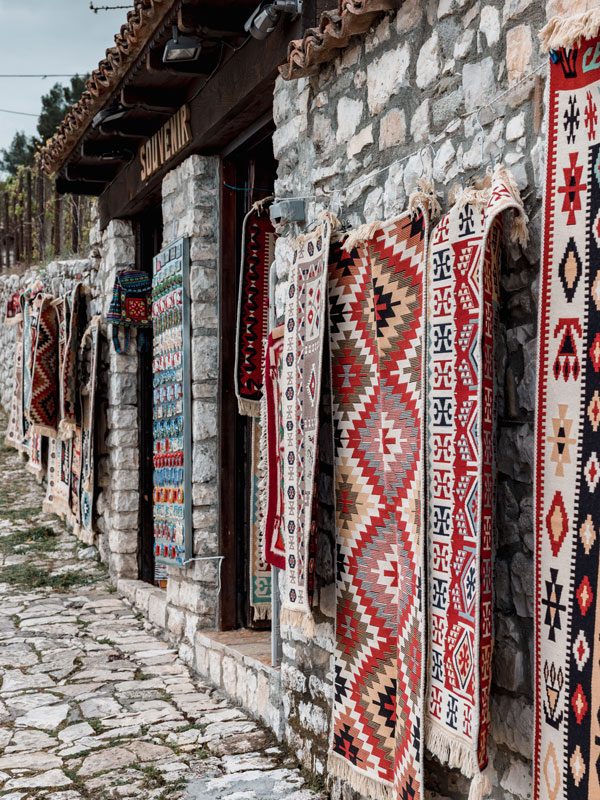
It’s not unusual to see locals herding sheep, kids kicking a ball down the stone alleyways or women selling lace and embroidery outside their homes as you make your way up to the Berat Viewing Platform that looks out over the city.
Stroll along Bulevardi Republika, a vast car-free street lined with cafes on one side and a park that serves as a buffer between pedestrians and the river on the other.
Cross over the Gorica Bridge to take in the view of the endless windows that Berat is famous for. Local restaurant Antigoni offers outdoor dining that provides a breathtaking vantage point.
The Riviera
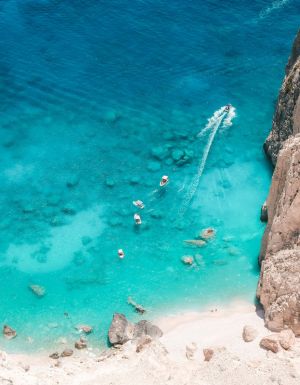
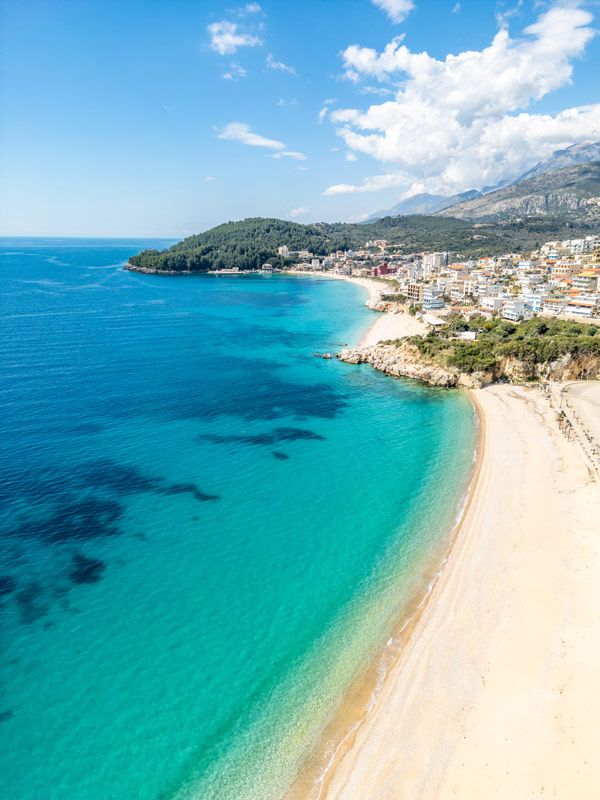
Upon catching your first glimpse of Albania’s striking riviera, you could be forgiven for thinking you’re on the coast of France or Italy. Yachts and fishing boats bob along the glimmering turquoise water. Beach bars and seafood restaurants pepper the endless white sand. And dramatic hills covered in olive groves tower overhead and into the distance.
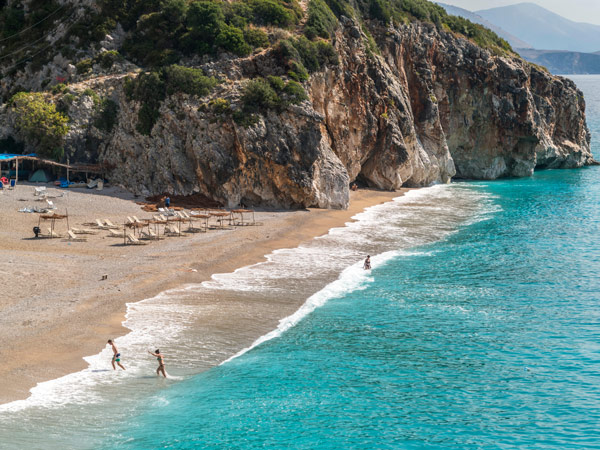
However, unlike its other European counterparts, the Albanian Riviera is uncrowded, inexpensive and far more laid-back. In fact, come closing time for the beachfront restaurants, it’s not uncommon for staff to bring out a pot of surplus seafood risotto and offer it to late-night beachgoers who may be in need of a snack.
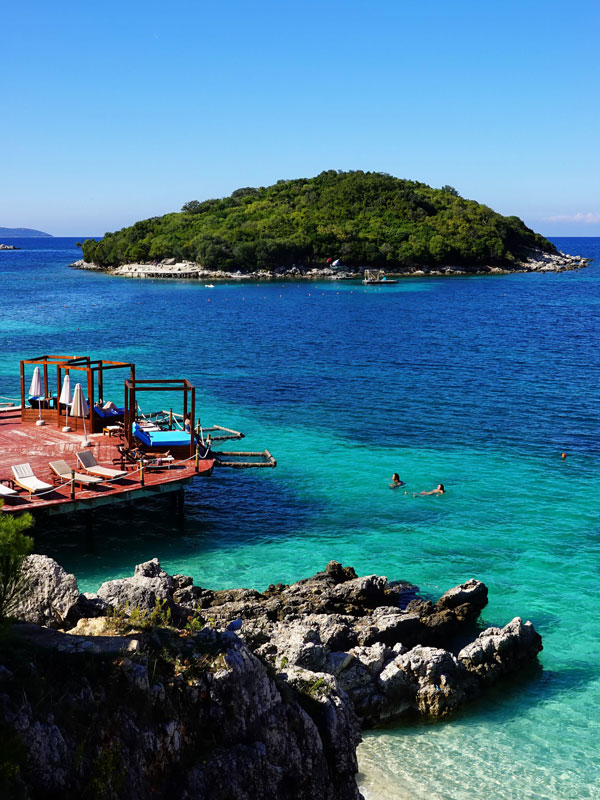
Plazhi Ksamilit, the unofficial beachside capital of the Albanian Riviera, lies in the south near the Greek border. It has a small bay with three tiny islands that are an easy swim or boat ride away, and offers plenty of accommodation and beachfront dining – Guvat Bar & Restaurant is worth a visit.
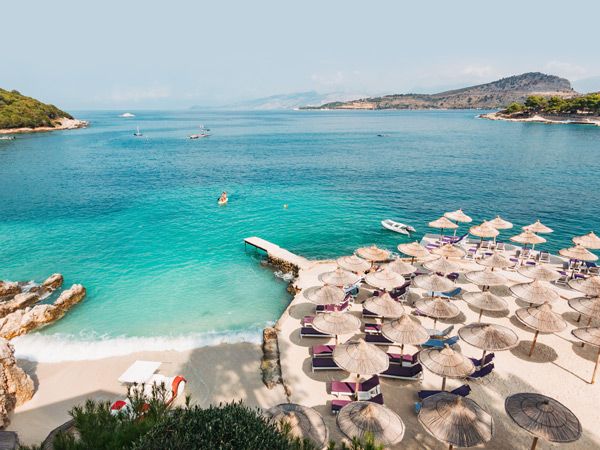
You’ll find endless coastal towns with their own jaw-dropping beaches and bays heading further north, where standouts include the beaches of Livadhi, Drymades and Jale. Restaurant Kapiteni in Jale is an unforgettable spot for dinner and a drink or a stay at its luxe hotel.
Weekly travel news, experiences
insider tips, offers, and more.
Food and wine
Mrizi i Zanave
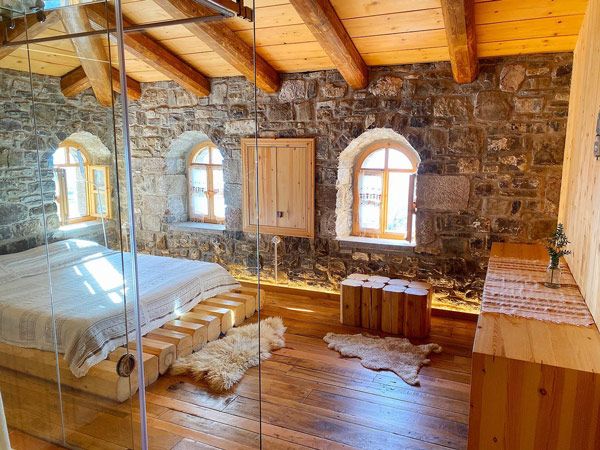
A car in Albania really is essential, because the famous Mrizi i Zanave, a restaurant, farm, winery and resort nestled in the Albanian countryside, is 90 minutes north of Tirana. The agritourism venture in the hills of Fishtë has made quite a name for itself with its farm-to-table cuisine and the fact it’s managed to achieve an ambience that is both unpretentious and opulent. Expect a gaggle of geese to greet you when you arrive at the rustic stone building before you’re taken inside for your six-course degustation.
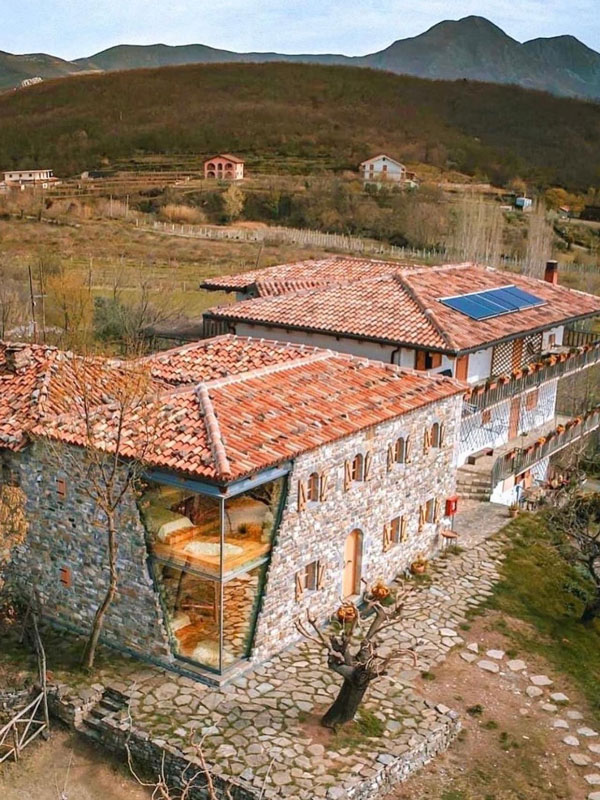
Each dish served at the restaurant is emblematic of the global Slow Food movement and a contemporary take on traditional Albanian cuisine, known for being a unique amalgamation of Mediterranean and Balkan flavours. It’s a cuisine that celebrates the country’s geographical diversity, with dishes that echo the freshness of the coast as well as the heartiness of the hillside. Expect vibrant seafood dishes like Albanian artisanal pasta tossed with prawns, cherry tomatoes and parsley from the farm, to hearty and traditional tavë dheu – a slow-cooked dish of veal, local vegetables and ricotta. Hospitality is deeply ingrained in Albanian culture, and serving food is an integral part of hosting guests and visitors. So, when you dive into your meal, you’re not just tasting food, you’re experiencing Albania’s generosity, warmth and shared sense of community.
Kantina Kallmeti
Not far from Mrizi is Kantina Kallmeti, one of Albania’s standout wineries. It has gained international recognition for its cultivation of the kallmet grape, an Albanian varietal known for its ability to produce spectacular red wine.
Çobo Winery
Çobo Winery, a family-run estate 20 minutes from Berat, is considered one of the best wineries in the country. It has been making wine for about a century and offers visitors intimate and detailed tastings in its homey cellar door.
Nurellari Winery
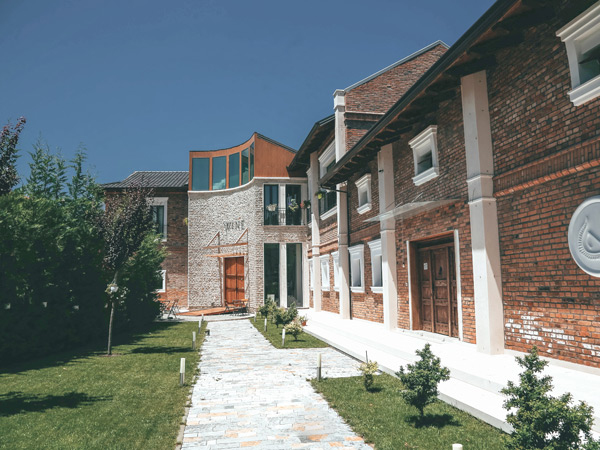
Nurellari Winery is another family-run affair just a 25-minute drive south of Berat.
While its cellar door is stately and sumptuous, the service is personal, warm and friendly. Don’t be surprised if, after your tasting, Mama Nurellari asks you to stay for dinner.
Want to see more stories from International Traveller in your Google search results?
- Click here to set International Traveller as a preferred source.
- Tick the box next to "International Traveller". That's it.