hero media

UK to Ireland: 6 must-have cultural experiences

Deep dive into the UK and Ireland with these epic experiences that will highlight this part of the world’s unique history and culture.

1. Have afternoon tea in London

Travelling with: Emma Ventura

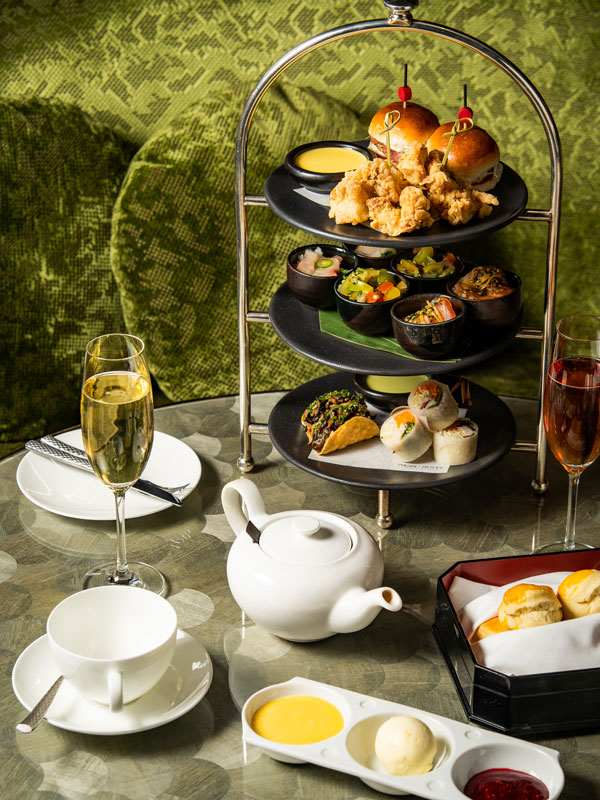
Leave it to the ever-inventive city of London to first refine the quintessentially English institution of afternoon tea – and then turn it on its head. For purists, a table at the opulent Palm Court at The Ritz London – with a flute of Barons de Rothschild Brut, of course – will always be unsurpassed. But if you like your tea ritual shaken and stirred, the UK capital now offers tons of alternatives; think Japanese-inspired bites at Nobu London, trompe-l’œil creations from French pastry chef Cédric Grolet at The Berkeley’s twist on the classic, Goûtea, and – curiouser and curiouser – Sanderson London’s Mad Hatters Afternoon Tea. White Rabbit pastries, anyone?
high tea at Nobu London
Partake in an afternoon tea at Nobu London. (Image: James Moyle)

2. Go wild swimming across the UK

Travelling with: Emma Ventura

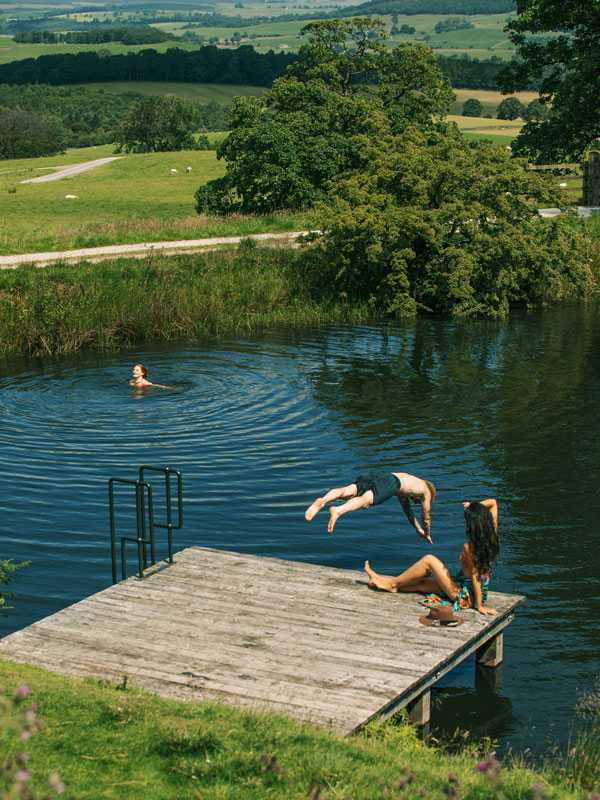
A bit chilly it may be, but the British are increasingly taking to their waters, thanks to a boom in wild swimming, as it’s known in the UK. Soak up the experience in the cooler months with added creature comforts at Yorkshire’s Broughton Sanctuary, where bracing lake swims in the beautiful grounds of the 16th-century estate are offset by its woodland sauna and fire temple experience. Or try Cornwall’s Three Mile Beach, where a cold-water package includes your own stunning pastel-hued beach house with sauna and hot tub, guided coasteering, surfing and ice baths – plus the chance to enjoy the county outside of the madding summer crowds.
wild swimming in Broughton Sanctuary
Go wild swimming in the UK. (Image: Broughton Sanctuary)

3. Party at Glastonbury Festival

Travelling with: Imogen Eveson

In the summer of 1970, Somerset dairy farmer Michael Eavis held an event in his fields near the small village of Pilton. The Pilton Pop, Folk & Blues Festival cost £1 to attend (the ticket price included free milk) and saw 1500 young hippies gather to see bands such as headliner Tyrannosaurus Rex. Fast-forward 54 years and the event that locals still call Pilton is going strong.

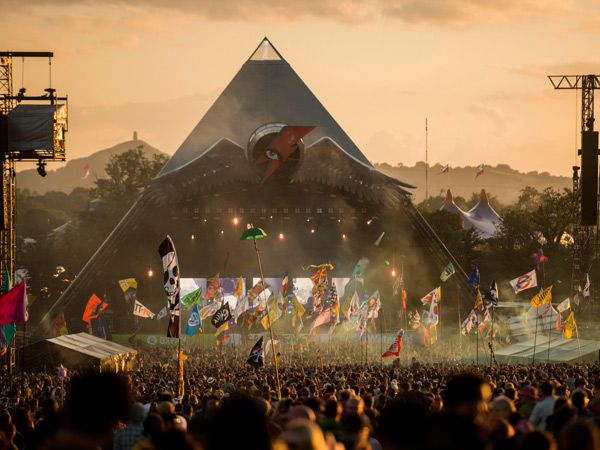
Glastonbury Festival has grown to be one of the biggest festivals of music and performing arts in the world – in numbers and reputation. Today, more than 200,000 people converge on 600 hectares of countryside in England’s bucolic South West in June to see headline acts storm the legendary Pyramid Stage – built on a ley line and in sight of nearby Glastonbury Tor – and to explore the weird, wild and wonderful of more than 100 other stages that encompass everything from music to dance, comedy, theatre, circus, cabaret and beyond.
the Glastonbury Festival, Pilton, Somerset, England
Glastonbury Festival is one of the biggest festivals of music and performing arts in the world. (Image: Alamy/Joanne Newman)

4. Uncover Scottish history at Perth’s new museum

Travelling with: Elizabeth Whitehead

Scotland’s culture is inflected by its wild landscapes, from the glittering lochs to the rugged Highlands. Housed in a heritage Edwardian building in the nation’s former capital, the newly opened Perth Museum pieces together Scotland’s cultural identity through a series of artefacts.
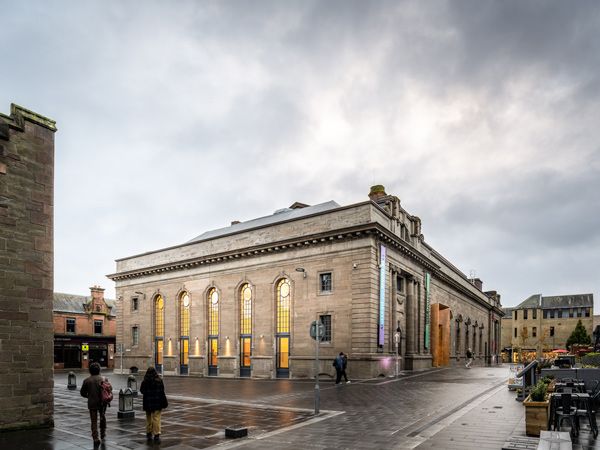
the exterior of Perth Museum
Unearth Scotland’s culture at Perth Museum. (Image: Greg Holmes)

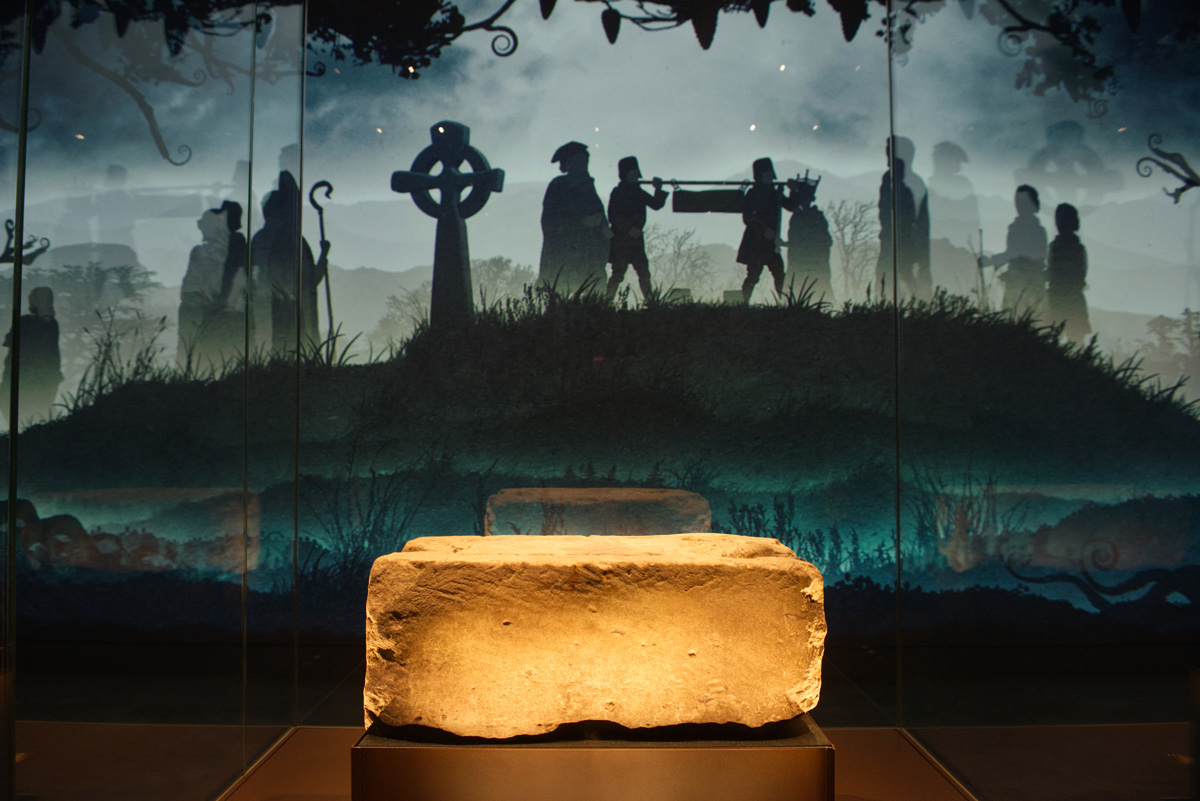
Think silver 16th-century swords, medieval stone sculptures and a 3000-year-old log boat. The central piece is the Stone of Destiny, a ritual stone that’s been used in the coronation of monarchs since 840 CE. The museum’s opening in March of this year marked the return of the stone to Perthshire for the first time in more than 700 years.
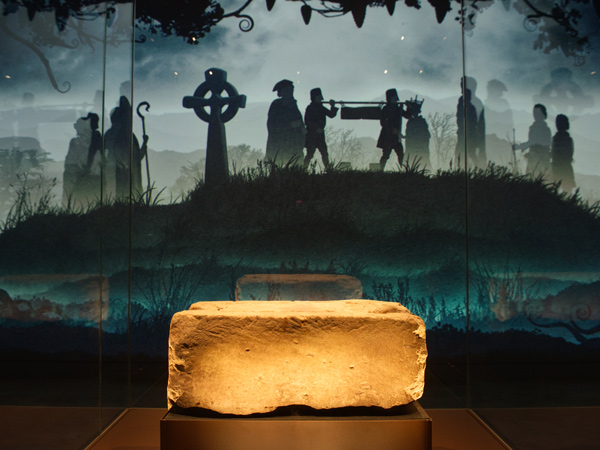
the Stone of Destiny
The Stone of Destiny has been used in the coronation of monarchs since 840 CE. (Image: Rob Mcdougall)

5. Rekindle your love of books in Hay-on-Wye

Travelling with: Taylah Darnell

As much as any bookworm loves their local library or bookshop, I’m betting many would happily renounce their membership if it meant a visit to Hay-on-Wye (myself included).
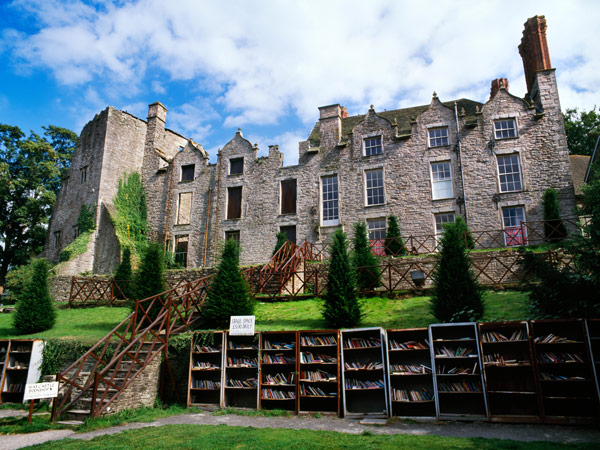
the Hay Castle Honesty Bookshop
This Honesty Bookshop runs on the grounds of Hay Castle. (Image: Alamy/Jeff Morgan 14)

Nestled in the historic county of Brecknockshire in Wales, this small community has been heralded the first ‘Booktown’ of the world thanks to the 20-plus bookshops that call it home – roughly one for every 100 of its population.

It’s impossible to stroll the streets without spotting a collection of paper spines, from shelves built into brick walls and a bibliotheca on almost every corner to the annual Hay Festival – one of the world’s biggest celebrations of literature.

shelves full of books at
Pick books from shelves built into brick walls. (Image: Alamy/Loop Images LTD)

Weekly travel news, experiences
insider tips, offers,
and more.

6. Trace your family roots in Ireland

Travelling with: Kassia Byrnes

I’ve just arrived in Cobh, a harbour town on the south coast of County Cork. This was the very last sight of Irish shores beholden by great-great-great grandfather, 18-year-old Thomas Byrnes, while he was “chained ankle-to-ankle" onboard a British naval ship in 1836.

an old photo of Thomas Byrnes (second from right)
Thomas Byrnes (second from right) arrived in Australia as a convict at the age of 18.

I’m hoping to trace his story at Cobh Heritage Centre, a museum that’s compiled resources to help guests search for their long-dead relatives. I’ve already started my search to connect the threads of my ancestral past at the EPIC The Irish Emigration Museum in Dublin. Through rental and land records dating back to 1858, I’m able locate to the exact plot of farmland that my great-great-grandfather lived on, and one week later, I’m standing there. I’ve never visited this place before. And yet, I feel so connected to it.
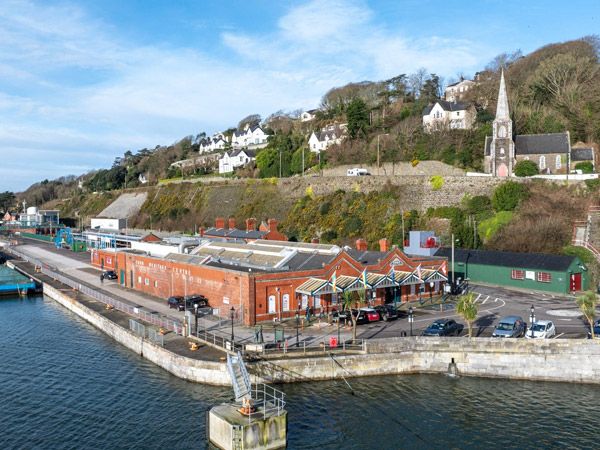
the Cobh Heritage Centre, Ireland
Cobh was the final glimpse of Ireland for many Irish convicts. (Image: Alamy/Geog Photos)


This round-up of cultural experiences is part of our curated list of 100 Cultural Experiences, explore the full list here.

Want to see more stories from International Traveller in your Google search results?

  1. Click here to set International Traveller as a preferred source.
  2. Tick the box next to "International Traveller". That's it.
hero media

What the European heatwave means for your summer travel plans

Temperatures are soaring this summer, breaking records across Europe and the UK. 

Euro summer is a feeling like no other. But when a heatwave hits? The dream trip quickly turns into a sweaty mess. Extreme heat is sweeping Europe and the UK this week, with record-high temperatures impacting travel plans across the continent.

And while Australian summers are typically hotter in absolute temperature, many European cities aren’t equipped for high temperatures, resulting in unbearable weather.

Why is it so hot in Europe?

Signs of a hot summer loomed in May, when the mercury hit unprecedented spring highs. Now, extreme high temperature warning alerts have been issued in countries such as Spain, Italy, France, England, the Netherlands and Germany.

France saw its hottest day on record on Wednesday, with an average temperature of 30°C across the day and night. This surpasses the average temperature for June, which is 15°C to 25°C. Dozens of people have died, including 40 from drowning.

In Spain, 212 deaths have been linked to the heatwave.

The UK recorded its hottest June day ever on Wednesday with temperatures soaring to 36.1°C. In an article published by the Met Office – the UK’s national meteorological service – Professor Stephen Belcher CBE, Met Office Chief Scientist, shared his concerns about June’s heat. “To see temperatures like this in the UK in June is sobering. Events like this bring home the implications of climate change, with very high temperatures and humidity bringing significant health implications from heat stress, as well as impacts to a range of sectors such as transport, energy and water supply,” he said.

Heatwaves are becoming increasingly common in Europe and the UK, neither of which is prepared for such extremes. The World Meteorological Organization reported that in 2025, at least 95% of Europe experienced above-average annual temperatures and that the continent was heating up twice as fast as the global average.

How travel is impacted

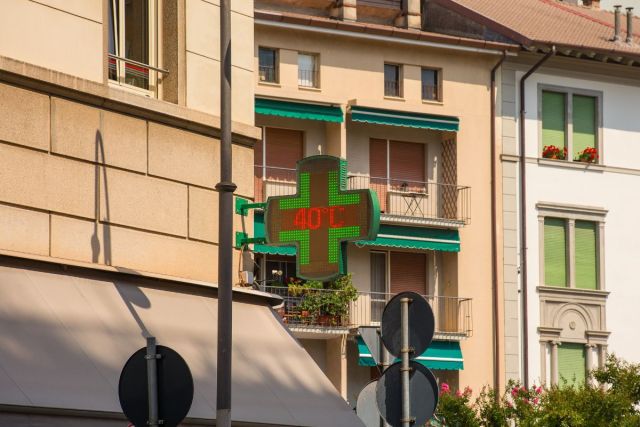
A pharmacy sign displaying 40 degrees Celcius
A pharmacy broadcasting local weather data. (Credit: Getty/Dragoncello)

During a heatwave, power grids, water systems and transport networks can be affected, resulting in disrupted itineraries for travellers. In France, power outages have left thousands without electricity and early closures have been implemented for two of Paris’s biggest attractions, the Eiffel Tower (early afternoon rather than late at night) and the Louvre (two hours early). Eurostar cancelled its London to Paris and Paris to London services from the 22nd to the 25th, and major UK rail companies have been advising travellers to avoid using trains where possible, or to travel during early hours.

If a heatwave is predicted, being flexible with your itinerary and having fully refundable/changeable tickets is key, as extreme heat can force the cancellation of outdoor activities, impact rail and flight services and change the opening hours of sites and eateries.

Why does summer in Europe often feel hotter than summer in Australia?

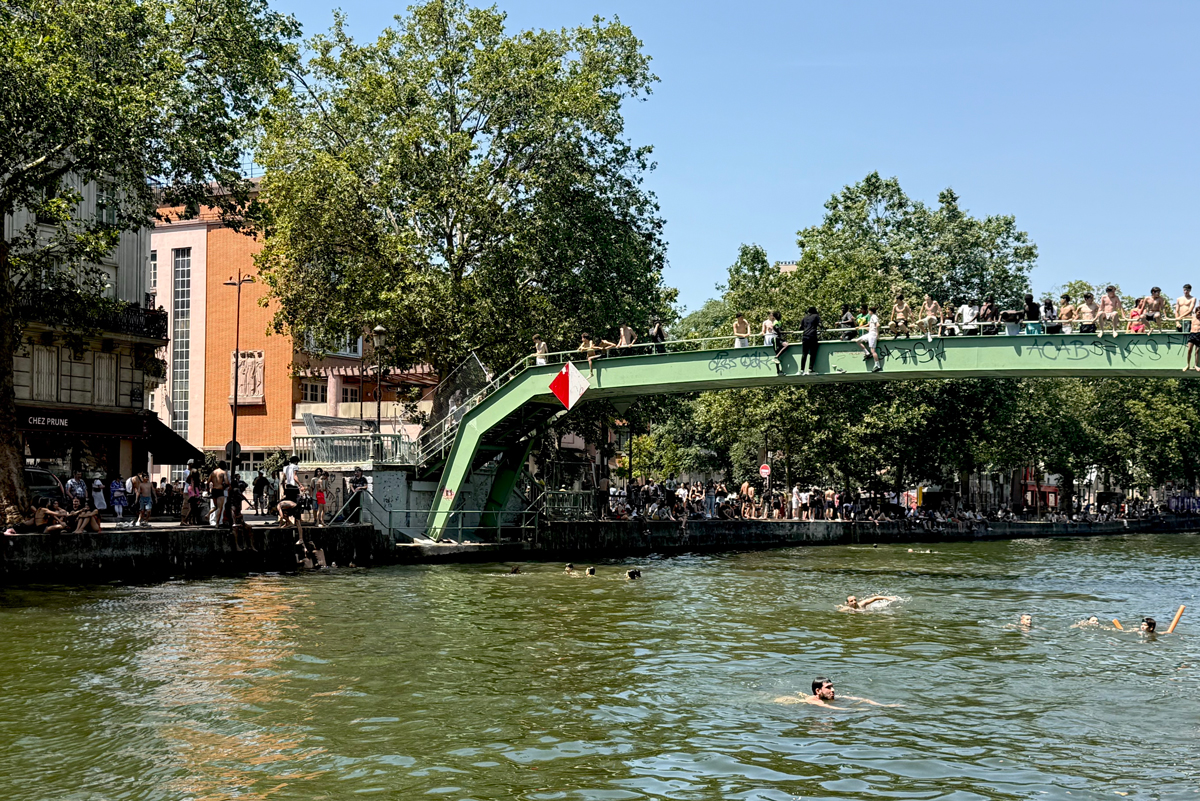
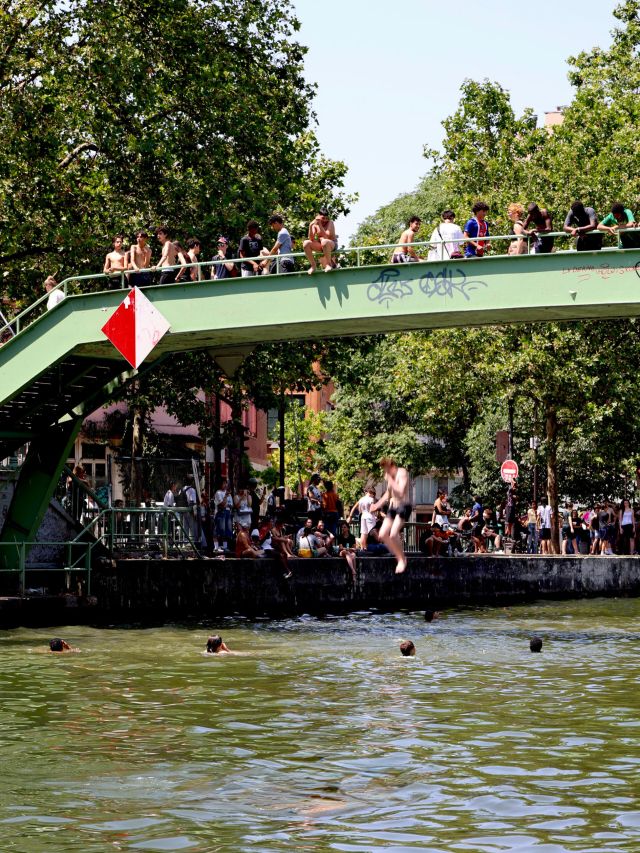
people swimming in the Canal Saint-Martin in Paris
People swimming in the Canal Saint-Martin in Paris to cool off. (Credit: Rachael Thompson)

With some of the highest UV levels in the world, Australians are no strangers to the heat, adapting well to intense weather. But our infrastructure is largely equipped to withstand soaring temperatures with climate-responsive passive design, refrigerated air conditioning or evaporative coolers, as well as swimming spots aplenty.

Buildings in Northern and Western Europe and the UK, however, are constructed to retain heat and handle frosty winters. The lack of universal air conditioning means it generally feels hotter even though the temperature on your app might not look it. During a heatwave, it can feel like you’re in a sauna as cities act like heat traps.

How to stay cool and prepare for another heatwave

Relief is expected across Europe and the UK later this week, but more heatwaves are still possible in the coming months. Summer heat typically peaks in July and August.

Public transport often doesn’t have air conditioning, and buses in particular can be swelteringly hot. If you’re heading outside or your accommodation has no air conditioning, it’s worth buying a spray bottle and a handheld fan from a pharmacy or tourist stand. Check ahead of time if restaurants and cafes have air conditioning and make a booking in advance. The highest temperatures typically hit between 3pm and 6pm, so aim to head outdoors outside of these hours.

Rising temperatures invite travellers to enter a more intentional era of seeing the world. Now more than ever is the time to embrace lower-impact “coolcations” and off-season getaways.