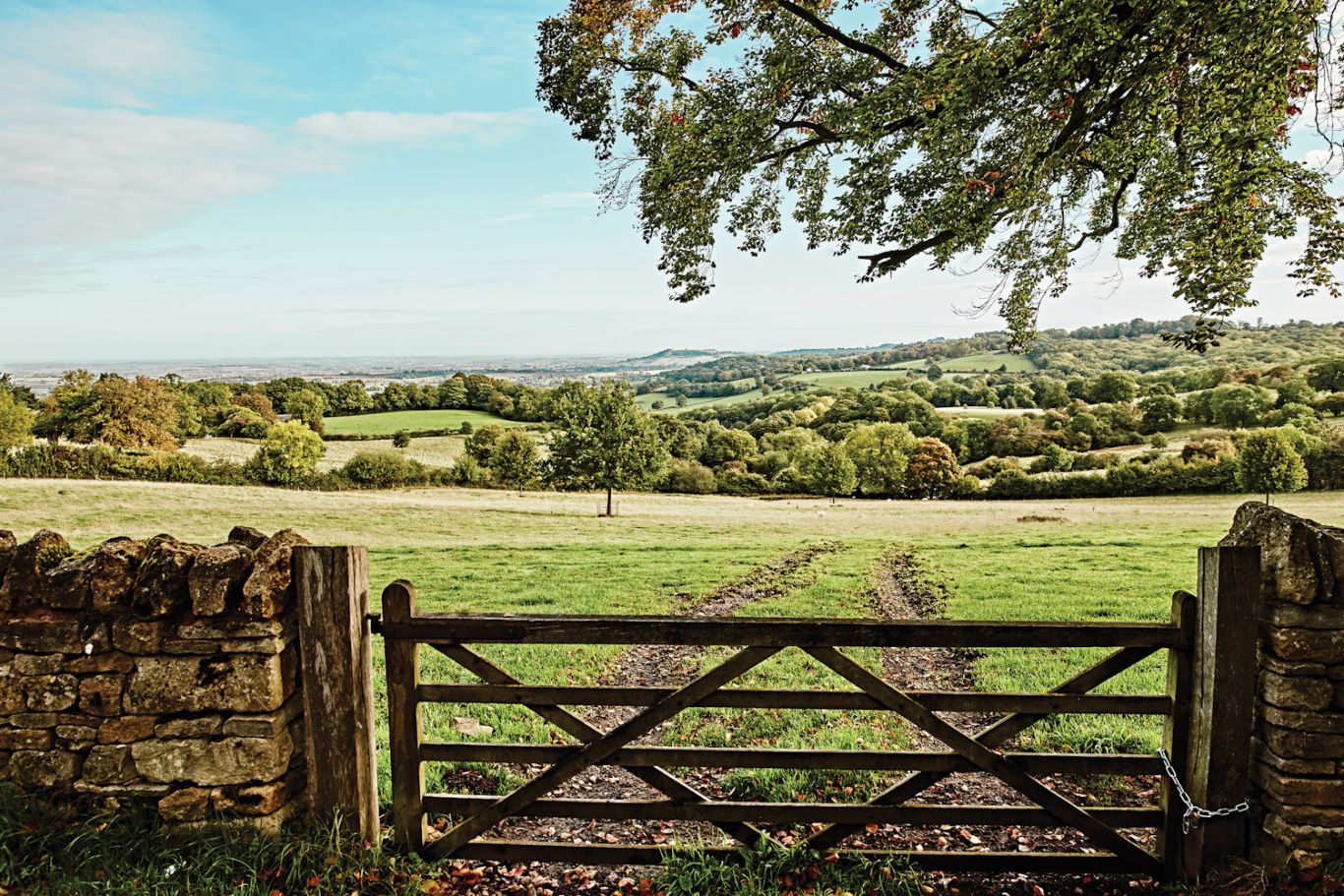
hero media

Costwolds charm: The quintessential English countryside

In its countryside is where the quintessential charm of England truly comes to the fore. Nowhere is this more illustrative of the point than the Cotswolds, a confection of green fields and ridiculously pretty villages, all basking in an idyllic pace of life. Words Leigh-Ann Pow.


Laconically stretching over six counties – Wiltshire, Gloucestershire, Oxfordshire, Warwickshire, Worcestershire and Somerset – the Cotswolds are the epitome of an English country idyll.
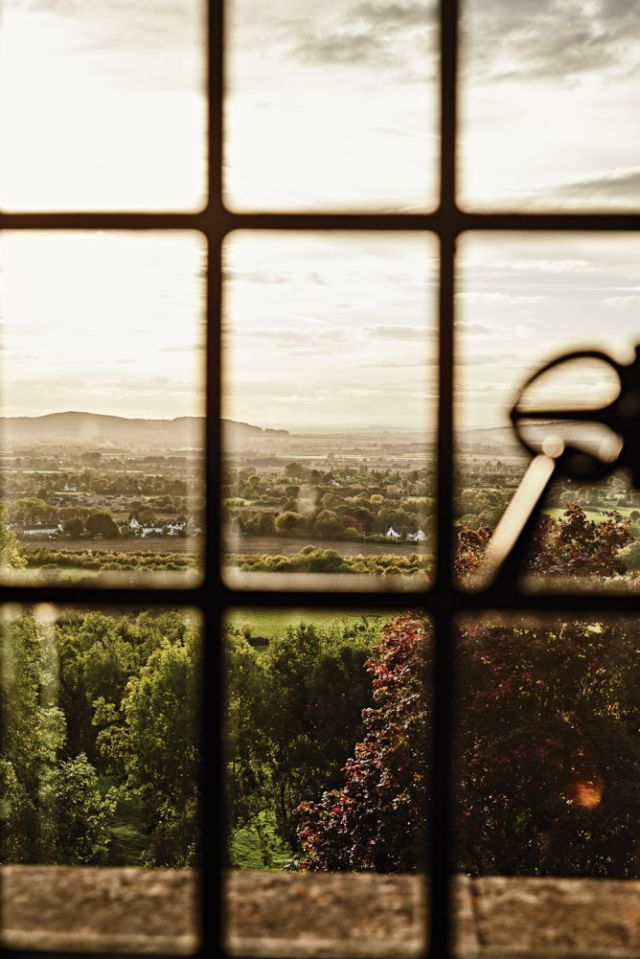
Looking out over the Cotswolds, England.
Looking out over the Cotswolds.


With vast expanses of patchwork green fields punctuated by some of the prettiest villages and towns you are ever likely to see, here in England or anywhere else for that matter, the whole place presents like some idealised dream of a rural utopia.

If the cities of England, the likes of London and Manchester, represent the brash face of the country, all colour and noise and movement, it is the countryside that is its true heart.
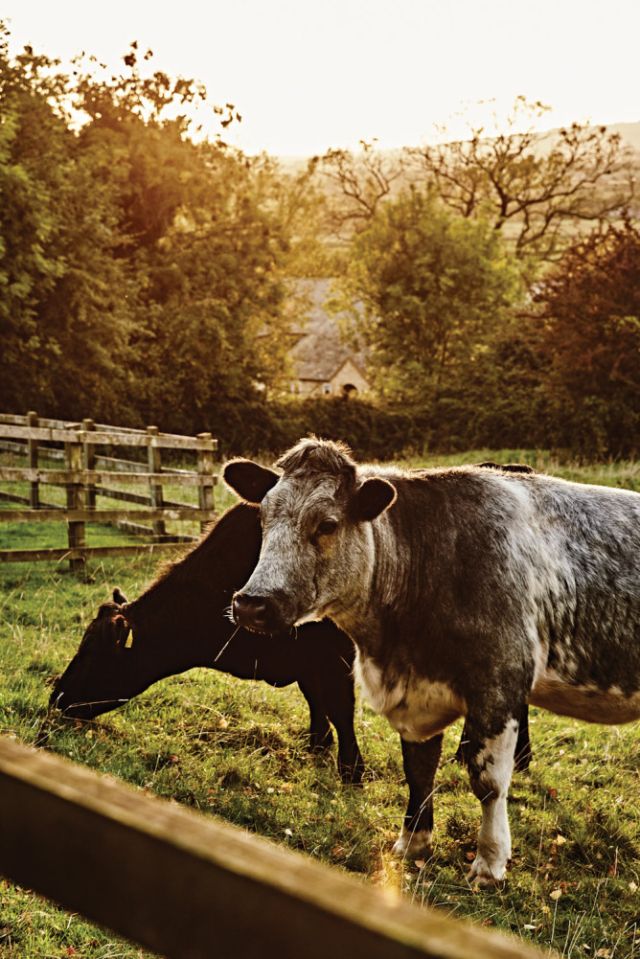
Some of the local Cotswolds residents.


This is where, save for a few modern concessions, you could almost believe that time has effectively stood still, as cattle graze in pastures that have remained unchanged for centuries, buildings of ancient stone sit resolute against change and locals go about their business at a more considered, deliberate pace.

Broadway and its surrounds, a honey-hued village in the Worcestershire area of the Cotswolds is perfectly illustrative of the point.
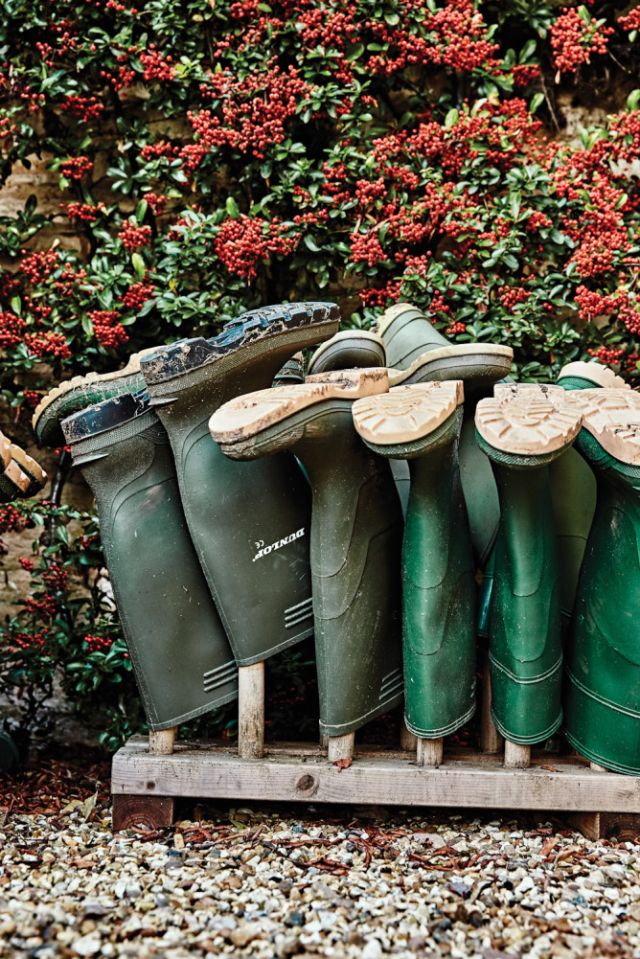
Gumboots are essential country attire in the Cotswolds.
Essential country attire.


With a delightful high street lined with horse-chestnut trees and period buildings rendered in the distinctive Cotswold stone, Broadway is steeped in history; during the English Civil Wars of the 17th century, Charles I rallied his supporters here while Oliver Cromwell spent the night at The Lygon Arms Hotel prior to the decisive Battle of Worcester in 1651.

The inn is still standing proud today.
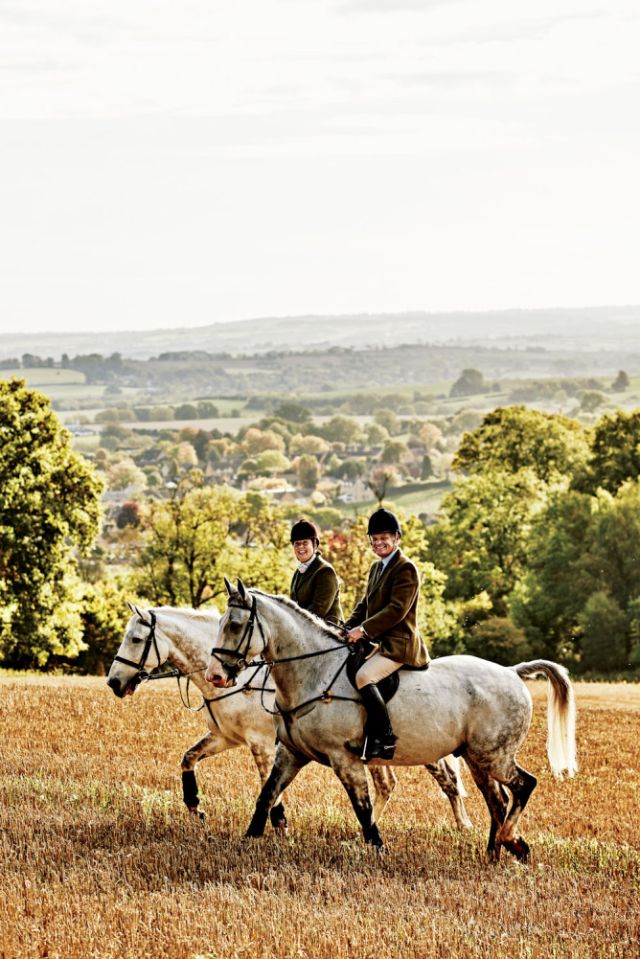
In the countryside around Farncombe Estate, England.
Riders take to the hunt in the countryside around Farncombe Estate, near the picture-postcard village of Broadway.


Sitting on a hill high above the village, Farncombe Estate provides an exquisite base, comprising three different properties, the award-winning boutique farmhouse hotel Dormy House, the stylish yet affordable The Fish Hotel, and the majestic Foxhill Manor, a 1909-built private house hotel, all of which nestle within 160 hectares-plus of estate grounds.
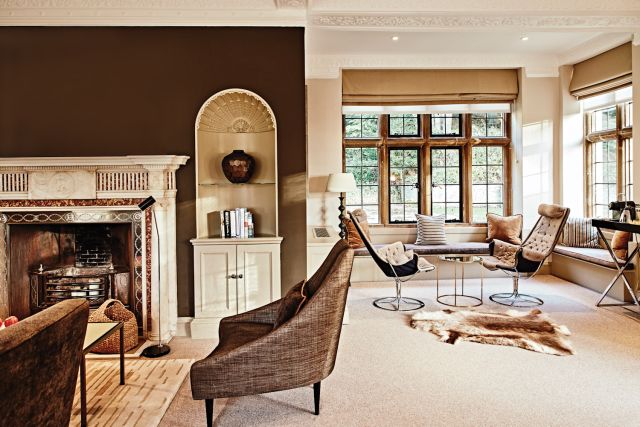
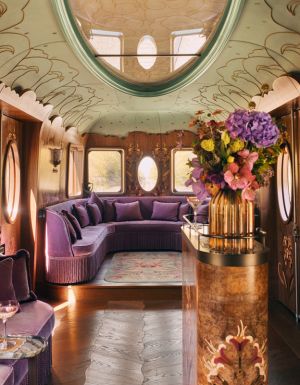
The luxe interiors at Foxhill Manor, one of three accommodation options at Farncombe Estate, outside the picturesque village of Broadway.


Exploring the Cotswolds should be done at a pared-back pace, criss-crossing invisible county borders and stopping to properly absorb its charm.
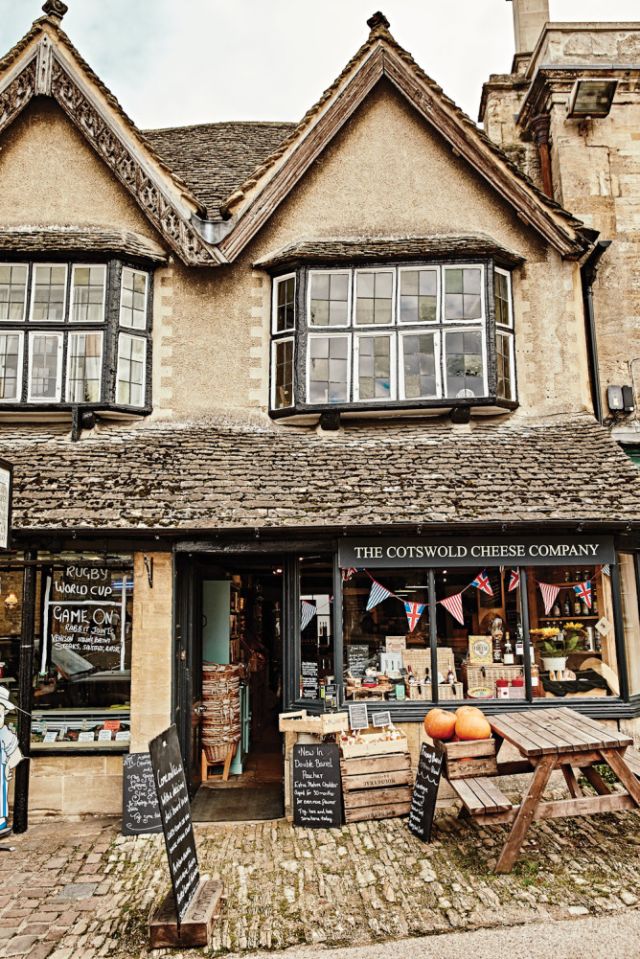
The Cotswold Cheese Company in Burford, England.
The Cotswold Cheese Company in Burford.


Ridiculously quaint villages like Burford in north Oxfordshire and the evocatively named Lower Slaughter in Gloucestershire encourage you to forget deadlines and schedules in favour of strolling in and out of little specialty shops, pausing over morning tea, or whiling away the afternoon in a sun-drenched beer garden, slowly working your way through a hearty ploughman’s lunch of local cheeses, meats and bread, and sipping on an ale.
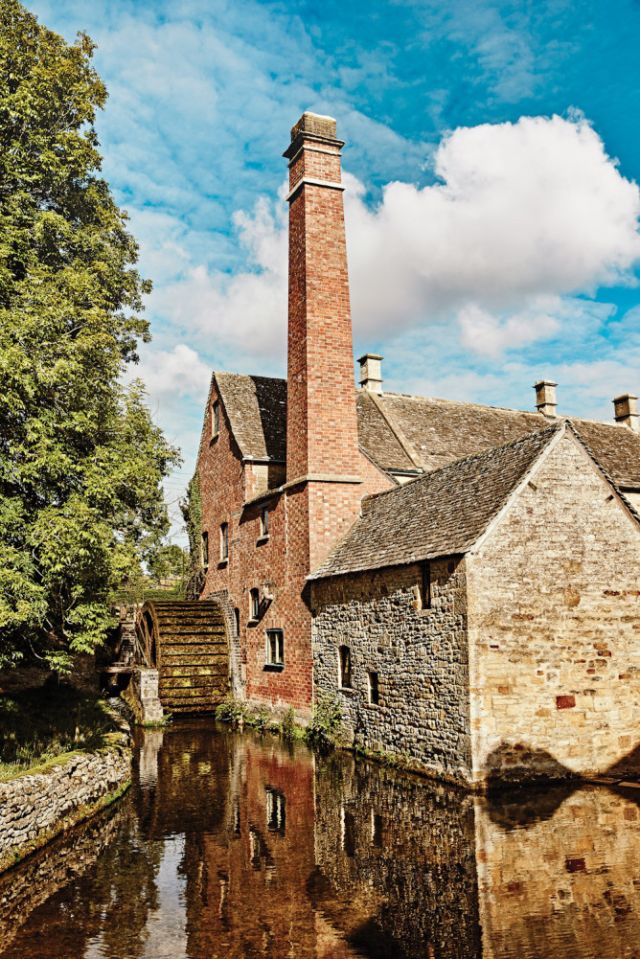
The Old Mill at Lower Slaughter, England.
The Old Mill at Lower Slaughter.

And when you have finished marvelling at the man-made beauty of the Cotswolds, the nature that surrounds it all comes to the fore again in all its captivating glory.

It can best be viewed from the imposing Broadway Tower, situated atop an ancient beacon site just outside of the village itself.
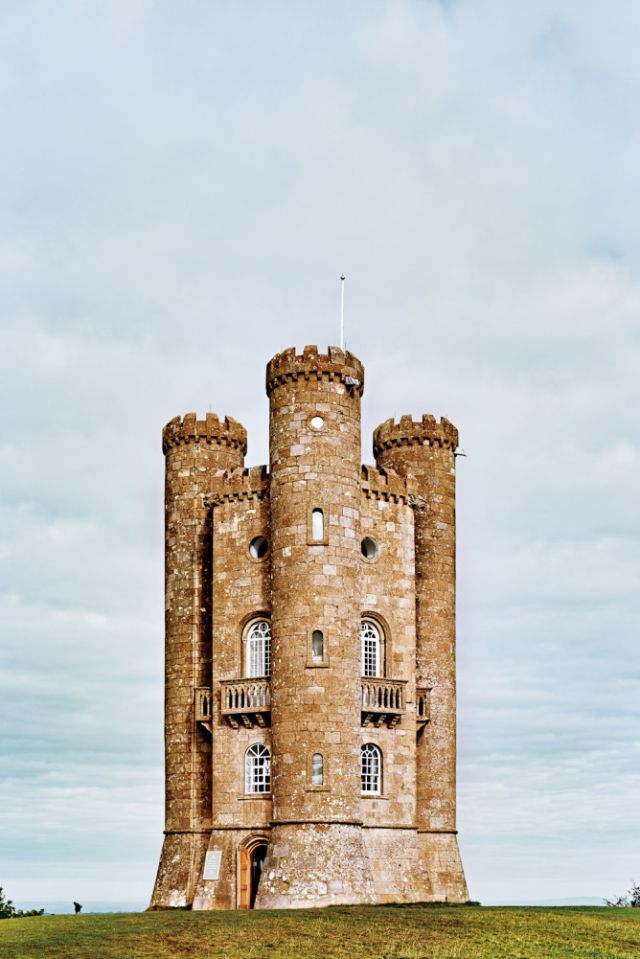
The imposing Broadway Tower, England.
The imposing Broadway Tower.


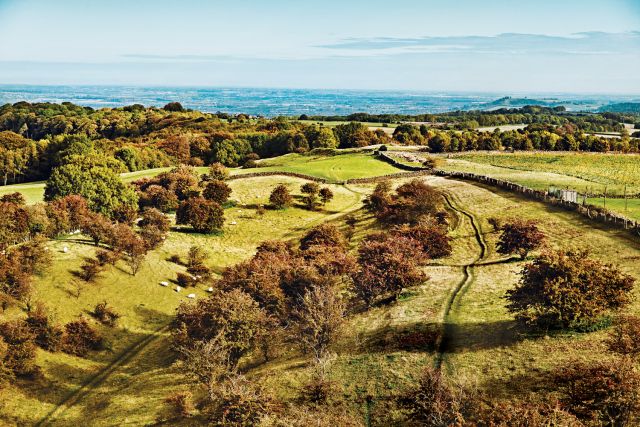
The view across the countryside from the top of Broadway Tower, Middle Hill, England.
The view across the countryside from the top of Broadway Tower, Middle Hill.


From its summit the view stretches endlessly to the horizon, a medley of varying shades of green during the summer months and autumnal hues as the seasons give way to each other; you can see up to 16 counties from here.

In the hubbub of modern life it is places like the Cotswolds that remind us to take a breath and open our eyes to the wonder of the world. And that is truly idyllic indeed.

The details

Getting there
The Cotswolds is just two hours’ drive north-west of London.

There is also a direct train line between London Paddington and Cheltenham Spa, which also takes two hours.
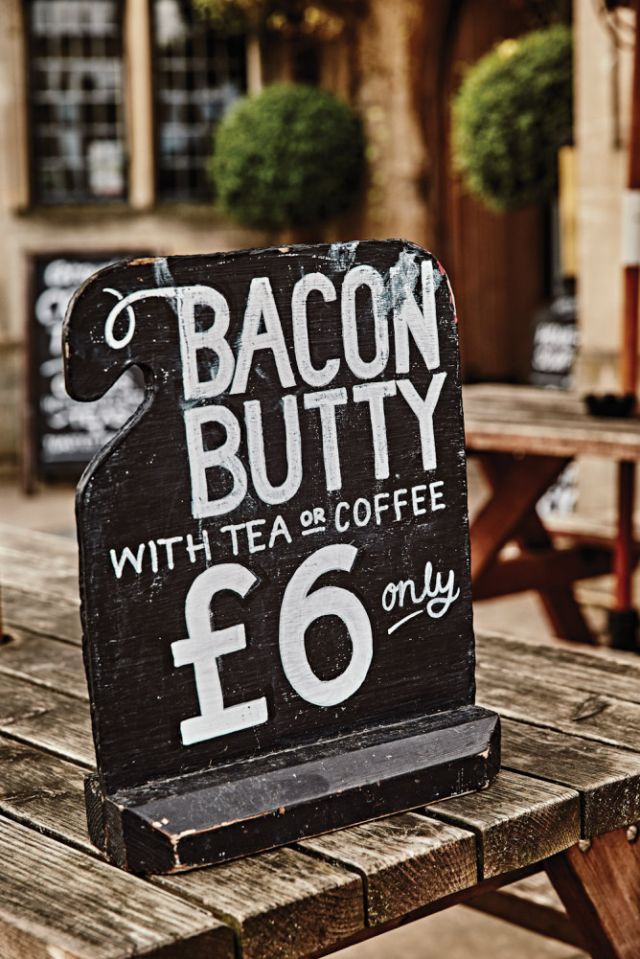
A typically English offering.

Playing there
Farncombe Estate consists of three properties, the hotel Dormy House (from $514 per night), the farmhouse setting of Foxhill Manor (from $594 per night), and the contemporary country feel of The Fish Hotel (from $170 per night), all including breakfast. farncombeestate.co.uk
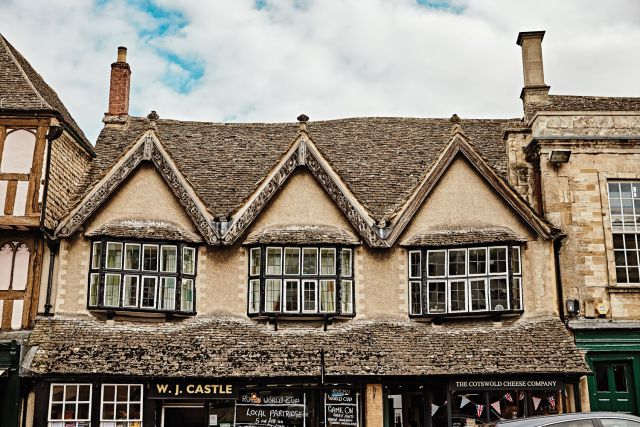
Village life in Burford, England.
Village life in Burford.

Want to see more stories from International Traveller in your Google search results?

  1. Click here to set International Traveller as a preferred source.
  2. Tick the box next to "International Traveller". That's it.
hero media

What the European heatwave means for your summer travel plans

Temperatures are soaring this summer, breaking records across Europe and the UK. 

Euro summer is a feeling like no other. But when a heatwave hits? The dream trip quickly turns into a sweaty mess. Extreme heat is sweeping Europe and the UK this week, with record-high temperatures impacting travel plans across the continent.

And while Australian summers are typically hotter in absolute temperature, many European cities aren’t equipped for high temperatures, resulting in unbearable weather.

Why is it so hot in Europe?

Signs of a hot summer loomed in May, when the mercury hit unprecedented spring highs. Now, extreme high temperature warning alerts have been issued in countries such as Spain, Italy, France, England, the Netherlands and Germany.

France saw its hottest day on record on Wednesday, with an average temperature of 30°C across the day and night. This surpasses the average temperature for June, which is 15°C to 25°C. Dozens of people have died, including 40 from drowning.

In Spain, 212 deaths have been linked to the heatwave.

The UK recorded its hottest June day ever on Wednesday with temperatures soaring to 36.1°C. In an article published by the Met Office – the UK’s national meteorological service – Professor Stephen Belcher CBE, Met Office Chief Scientist, shared his concerns about June’s heat. “To see temperatures like this in the UK in June is sobering. Events like this bring home the implications of climate change, with very high temperatures and humidity bringing significant health implications from heat stress, as well as impacts to a range of sectors such as transport, energy and water supply,” he said.

Heatwaves are becoming increasingly common in Europe and the UK, neither of which is prepared for such extremes. The World Meteorological Organization reported that in 2025, at least 95% of Europe experienced above-average annual temperatures and that the continent was heating up twice as fast as the global average.

How travel is impacted

A pharmacy sign displaying 40 degrees Celcius
A pharmacy broadcasting local weather data. (Credit: Getty/Dragoncello)

During a heatwave, power grids, water systems and transport networks can be affected, resulting in disrupted itineraries for travellers. In France, power outages have left thousands without electricity and early closures have been implemented for two of Paris’s biggest attractions, the Eiffel Tower (early afternoon rather than late at night) and the Louvre (two hours early). Eurostar cancelled its London to Paris and Paris to London services from the 22nd to the 25th, and major UK rail companies have been advising travellers to avoid using trains where possible, or to travel during early hours.

If a heatwave is predicted, being flexible with your itinerary and having fully refundable/changeable tickets is key, as extreme heat can force the cancellation of outdoor activities, impact rail and flight services and change the opening hours of sites and eateries.

Why does summer in Europe often feel hotter than summer in Australia?

people swimming in the Canal Saint-Martin in Paris
People swimming in the Canal Saint-Martin in Paris to cool off. (Credit: Rachael Thompson)

With some of the highest UV levels in the world, Australians are no strangers to the heat, adapting well to intense weather. But our infrastructure is largely equipped to withstand soaring temperatures with climate-responsive passive design, refrigerated air conditioning or evaporative coolers, as well as swimming spots aplenty.

Buildings in Northern and Western Europe and the UK, however, are constructed to retain heat and handle frosty winters. The lack of universal air conditioning means it generally feels hotter even though the temperature on your app might not look it. During a heatwave, it can feel like you’re in a sauna as cities act like heat traps.

How to stay cool and prepare for another heatwave

Relief is expected across Europe and the UK later this week, but more heatwaves are still possible in the coming months. Summer heat typically peaks in July and August.

Public transport often doesn’t have air conditioning, and buses in particular can be swelteringly hot. If you’re heading outside or your accommodation has no air conditioning, it’s worth buying a spray bottle and a handheld fan from a pharmacy or tourist stand. Check ahead of time if restaurants and cafes have air conditioning and make a booking in advance. The highest temperatures typically hit between 3pm and 6pm, so aim to head outdoors outside of these hours.

Rising temperatures invite travellers to enter a more intentional era of seeing the world. Now more than ever is the time to embrace lower-impact “coolcations” and off-season getaways.