hero media

Brighton: The coastal gem you need to get to know

From old-fashioned fish and chips to queer-friendly parties – the seaside town of Brighton packs a punch for any day-tripper.

Sitting in the seafront beer garden, the spring sunshine on my face a pint in hand, a dozen metres from the churning Channel Sea with a few friends, I didn’t have a care in the world. Well, almost.

A seagull sat on the opposite table of Fortune of War, one of the town’s most popular pubs, eyes glinting on the lookout for scraps. The Brighton gulls – rumoured by locals to be the biggest and most bad-tempered gulls in the UK – made me nervous. Luckily, I hadn’t yet ordered the vegan cheese, chorizo and Nduja pizza, off the menu.
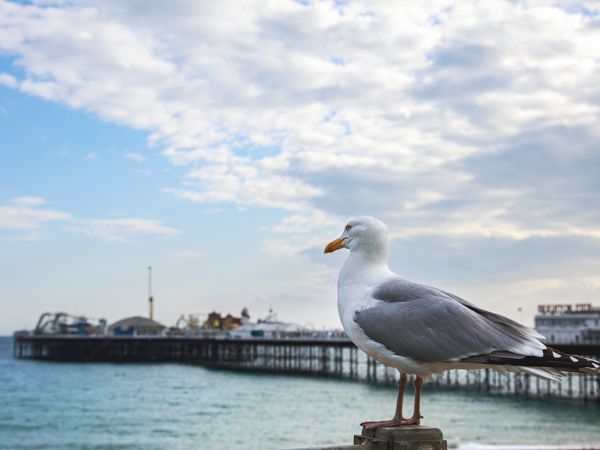
a seagull at the beach
Brighton gulls are rumoured to be the biggest and most bad-tempered in the UK.

But despite being home to birds, scary enough to make even Alfred Hitchcock blanch, nothing can really ruin a chill day down in Brighton. Why? Because the seaside resort is a veritable creative hub, drawing all sorts from across the UK, singing a siren song of incredible nightlife, strong arts and culture scene, and musical talent.

Here is why else you should visit Brighton.

1. Brighton is super close to London

Located on the south-eastern coast of the UK, Brighton is an easy distance from the capital.

From London, driving can be the best choice if you want to explore the British countryside afterwards and make a side trip to the nearby South Downs National Park. If that’s the case, it takes one-and-a-half to two hours on the M23 motorway south of London.
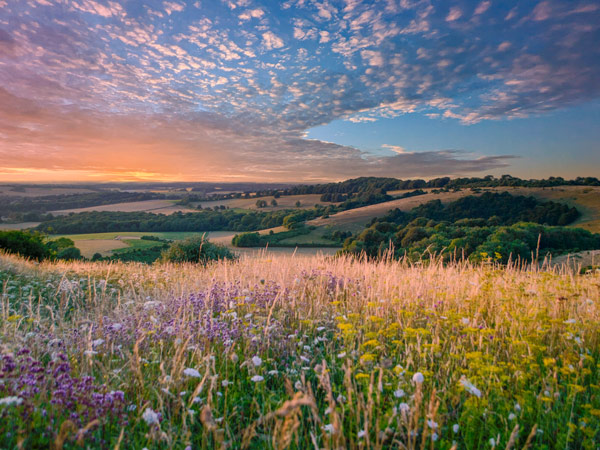
flowers bloom in South Downs National Park
Wildflowers beautifully paint a piece of land in South Downs National Park.

If you’re going public transport, trains to Brighton from London head out from stations like London Victoria, London Bridge, and London St Pancras International, and take about an hour, and can be bought from Southern Rail. A cheaper alternative might be the bus, with National Express or Megabus coach departing from the Victoria Coach Station, and taking two or three hours.
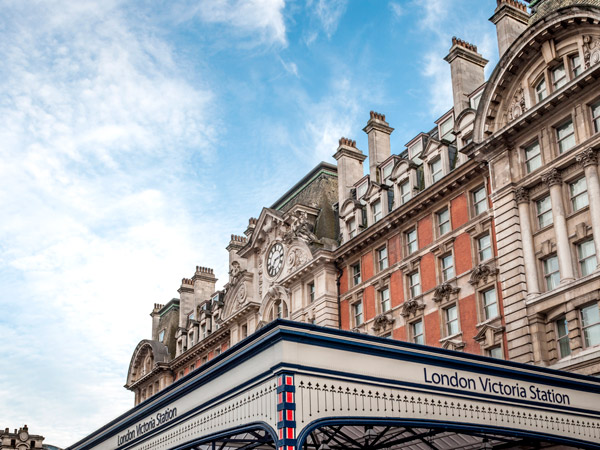
the London Victoria Station, Brighton
Hop on a train at London Victoria Station.

2. It is a British seaside town at its finest

In Brighton, you can find all the staples of a classic British seaside town. There are the shops selling rock, sickly-sweet ‘sticks’ of hard-boiled lolly, brightly coloured and flavoured like peppermint or fruit, and scoops of ice cream.
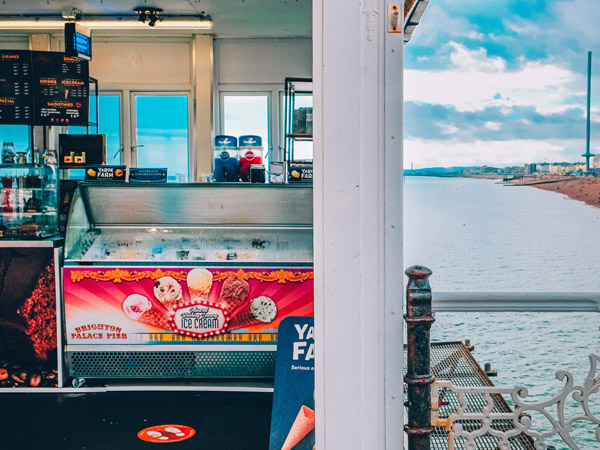
ice cream store at Brighton
Get a scoop or two of Brighton ice cream. (Image: Evgeny Klimenchenko)

Dozens of chippies, from which to pick up a hot little package of takeaway battered haddock and chips (which can demand careful guarding from the sky as you walk the seafront). But there is also plenty that makes Brighton stand out as a seaside mecca: starting with its royal past.
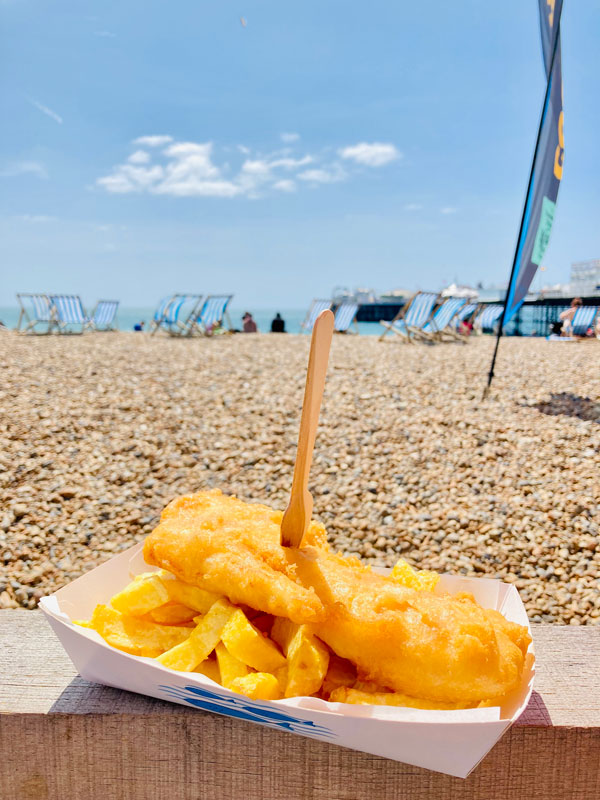
fish and chips at Brighton Beach
Feast on battered haddock and chips by the beach.

3. Brighton has a fascinating history

While locals have been here since ancient times, it wasn’t until the Georgian era that Brighton’s popularity really kicked off. It was then that the craze for ‘sea bathing’ as a way of getting fit and healthy grew in popularity, meaning well-to-do Londoners and other heeled types began coming down to the shores of Brighton.
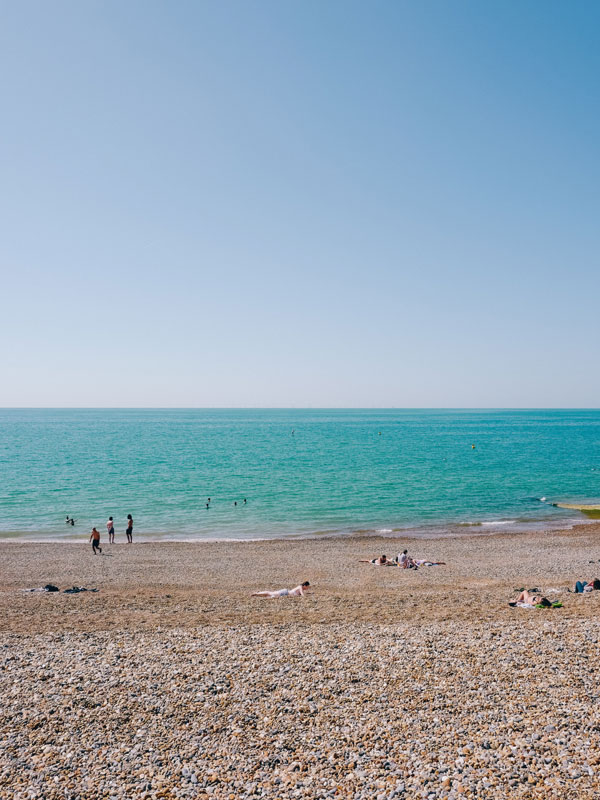
the beachfront in Brighton
Sea bathing is a popular thing to do in Brighton. (Image: James Kirkup)

Brighton’s fate as a holiday destination was sealed when King George (George IV, not the Bridgerton: Queen Charlotte one) ended up spending so much time here. To the degree, in fact, that he built Brighton’s Royal Pavilion. Today, you can still visit the former royal residence and its surrounding gardens, modelled in a charismatic Indo-Saracenic style.
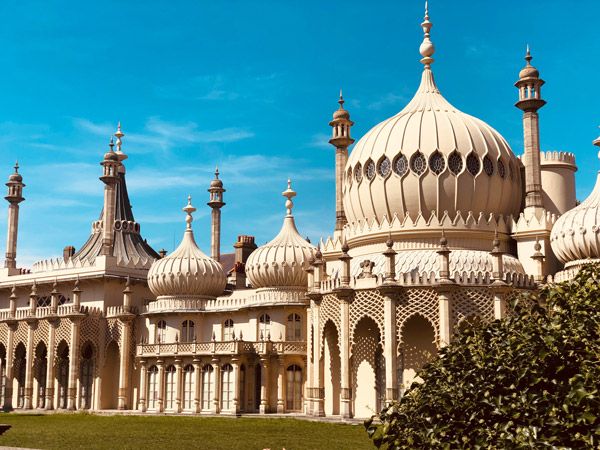
the exterior of Brighton Pavilion
Step into Brighton Pavilion and immerse in its fascinating history. (Image: Ana Simon)

Along with the Palace Pier, a Victorian-era construction whose eccentric arcades, fairground rides and fabulously greasy takeaway food juts into the water, the Pavilion is one of Brighton’s most famous historical sights.
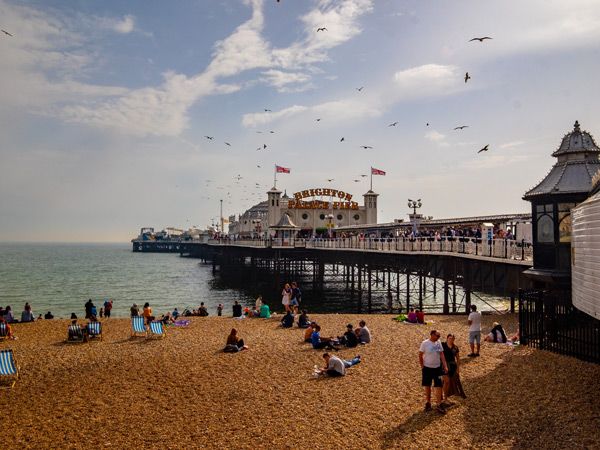
people enjoying at the seaside Brighton Pier
Brighton Pier is home to seaside rides and attractions. (Image: Ben Guerin)

4. It’s queer-friendly

Brighton is often dubbed the ‘unofficial gay capital of the UK’, with a big LGBTQIA+ population. If you come here on a regular weekend, head to Kemptown for bars like Arcobaleno for regular LGBTQIA+ events, that span the gambit from brunch and cocktails to slap-up Sunday roasts. You can also go to Club Revenge, where you can participate in anything from wild and fun dance nights to Drag Race viewing parties.

Here in early August? The country’s largest Pride is held here, making it one not to miss, with open-air concerts, a Pride Parade and an oh-so-cute dog show.
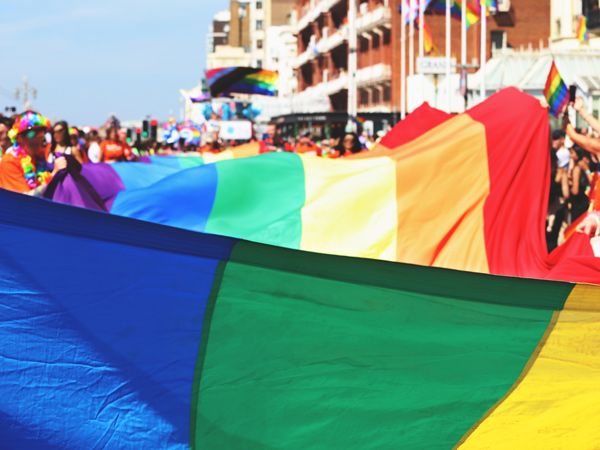
people laying down the pride flag during the event at Brighton
Don’t miss out on attending Brighton’s annual pride event.

5. The vintage and independent shops here are *chef’s kiss*

Love history? Go to The Lanes. Love shopping? Go to The Lanes.

the Lanes Cafe in Brighton
Make a pit stop at a cafe in The Lanes. (Image: Matt Seymour)

Known today for an overwhelming array of independent sellers, little cafes, galleries, record stores, bric-and-brac, antique shops and an all-together good vibe just behind the seafront, The Lanes are a maze of open-air corridors have sections that date all the way back to the 16th century.
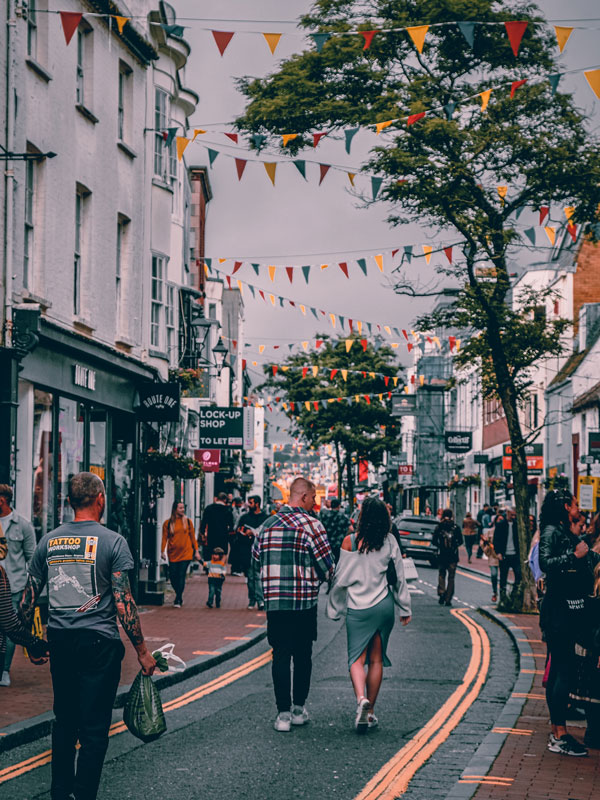
people strolling along the shops in Brighton
Stroll through vintage shops in Brighton. (Image: Evgeny Klimenchenko)

Into second-hand buys and only have time to go to one place? Make sure it is the vintage emporium of Snoopers Paradise. Case in point: I went in a few years ago for ‘a quick look’.
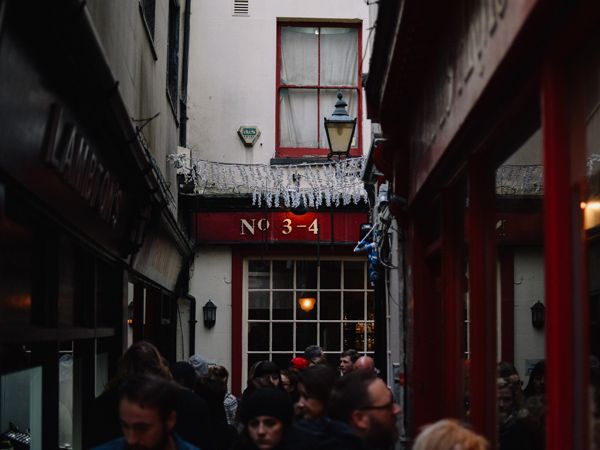
people shopping at The Lanes Brighton
Shop your way around The Lanes. (Image: Benjamin Grant)

The next minute, I’d ended up spending over an hour getting lost in between rows of buttons, fake fur coats, old books, quirky British collectibles, faded paintings and much more than my poor brain, or my small suitcase, could take in.
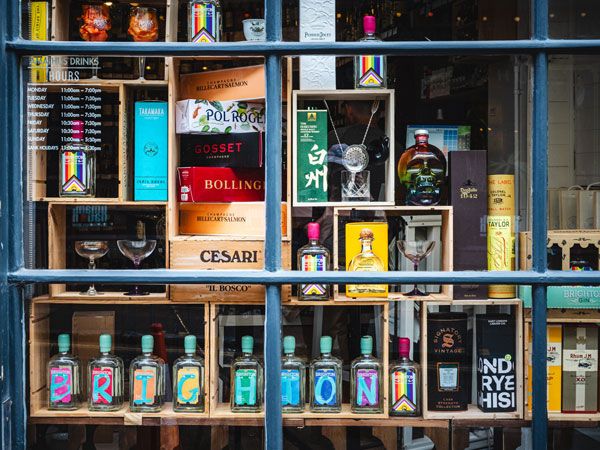
a shop display at The Lanes Brighton
The Lanes are the go-to place for everything vintage.

Alternatively, stop by the covered Brighton Open Market. It has dozens of stores run by local producers, with produce, craft jewellery and specialty vegan food.

shopping at Brighton Open Market
Swing by Brighton Open Market to shop for local produce. 

Weekly travel news, experiences
insider tips, offers,
and more.

6. It has an impressive art scene

With independent artisans and gorgeous murals around every corner, it’s not hard to find creativity here. But if you want more – and are already going to The Pavilion – you should make time for The Brighton Museum and Art Gallery.
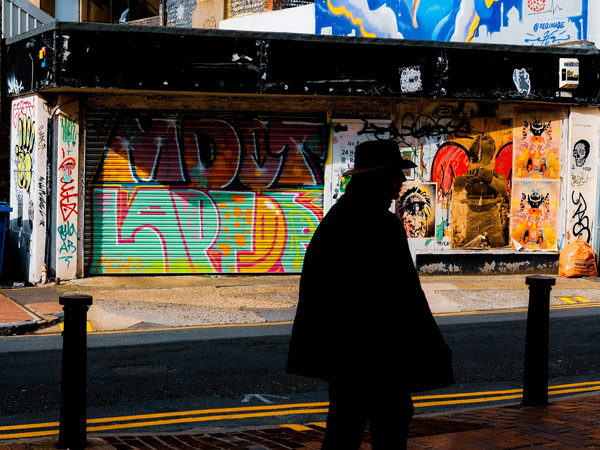
street art in Brighton
Appreciate local art in Brighton.

Home to exhibitions as diverse as delicate, you’ll find precious objects at ‘Finding Faberge’, current community collection ‘Queer the Pier’ and ancient Egyptian artefacts.
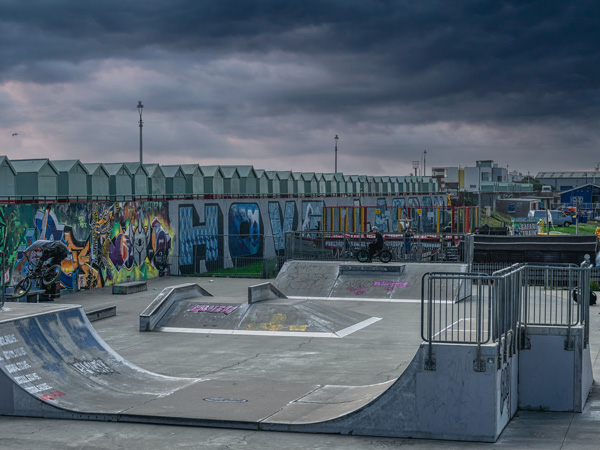
the skate park with beach huts and street art at Hove Lagoon
Brighton is filled with street art. (Image: Anthony Wade)

Over at the Hove Museum of Creativity, you will find playful exhibits that are fascinating, as well as family-friendly. Adults can look at the early days of filmmaking in the gallery, while cute details like a wizard’s attic filled with toys that need mending are great for kids. Currently, they are even showing a temporary exhibit of Japanese woodcut prints!

a shark painted onto a wall in Brighton
Join a guided street art tour in Brighton. (Image: Nick Page)

If you’re more into your art when it’s on outside walls, Enter Gallery runs a two-hour guided street art tour. As well as discovering artworks and details you might not have noticed in your previous day’s ramblings, the guide will give you the inside scoop on the graffiti artist who created them.

the graphic art of Elvis Presley on the wall, Brighton
Spot this Elvis Presley graphic art on the streets of Brighton. (Image: Michele Eckert)

7. It’s really close to the South Downs National Park

While it’s really close to London and even closer to Brighton, South Downs National Park is a literal breath of fresh air. And with chalk grasslands, wild heathlands and ancient hillforts, there is plenty to discover. You can take rambling walks along tranquil paths in the day, with the mile-long Devil’s Dyke walk taking in an Iron Age fort as you traverse the landscape, formed in the last Ice Age.
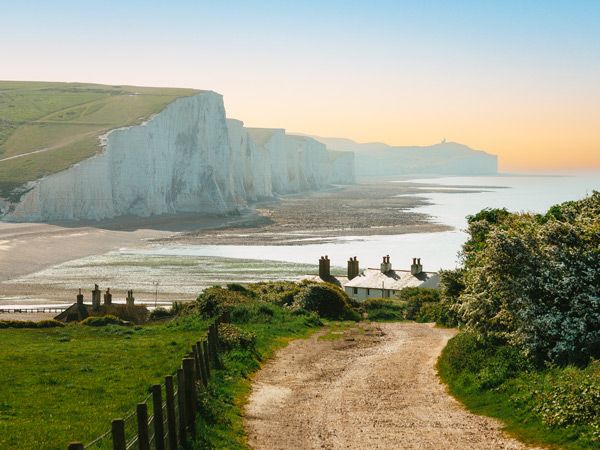
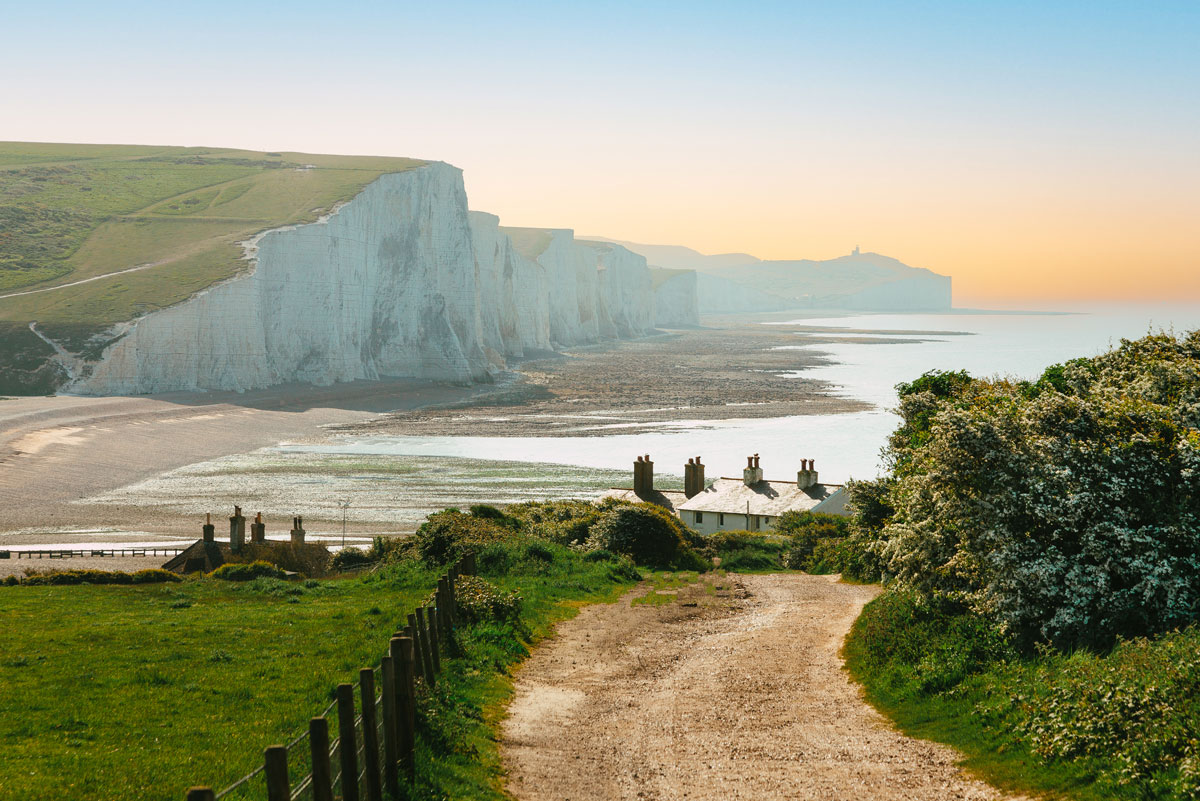
South Downs National Park Seven Sisters Cliffs at Cuckmere Haven
The Seven Sisters Cliffs are in South Downs National Park.

Alternatively, you might want to visit at night to discover one of its hidden beauties: the night sky. An officially designated International Dark Sky Reserve, the South Downs is perfect for stargazing.

a beautiful flower field in South Downs National Park
Gush over flower fields in South Downs National Park. (Image: Ben Collins)

Want to see more stories from International Traveller in your Google search results?

  1. Click here to set International Traveller as a preferred source.
  2. Tick the box next to "International Traveller". That's it.
hero media

What the European heatwave means for your summer travel plans

Temperatures are soaring this summer, breaking records across Europe and the UK. 

Euro summer is a feeling like no other. But when a heatwave hits? The dream trip quickly turns into a sweaty mess. Extreme heat is sweeping Europe and the UK this week, with record-high temperatures impacting travel plans across the continent.

And while Australian summers are typically hotter in absolute temperature, many European cities aren’t equipped for high temperatures, resulting in unbearable weather.

Why is it so hot in Europe?

Signs of a hot summer loomed in May, when the mercury hit unprecedented spring highs. Now, extreme high temperature warning alerts have been issued in countries such as Spain, Italy, France, England, the Netherlands and Germany.

France saw its hottest day on record on Wednesday, with an average temperature of 30°C across the day and night. This surpasses the average temperature for June, which is 15°C to 25°C. Dozens of people have died, including 40 from drowning.

In Spain, 212 deaths have been linked to the heatwave.

The UK recorded its hottest June day ever on Wednesday with temperatures soaring to 36.1°C. In an article published by the Met Office – the UK’s national meteorological service – Professor Stephen Belcher CBE, Met Office Chief Scientist, shared his concerns about June’s heat. “To see temperatures like this in the UK in June is sobering. Events like this bring home the implications of climate change, with very high temperatures and humidity bringing significant health implications from heat stress, as well as impacts to a range of sectors such as transport, energy and water supply,” he said.

Heatwaves are becoming increasingly common in Europe and the UK, neither of which is prepared for such extremes. The World Meteorological Organization reported that in 2025, at least 95% of Europe experienced above-average annual temperatures and that the continent was heating up twice as fast as the global average.

How travel is impacted

A pharmacy sign displaying 40 degrees Celcius
A pharmacy broadcasting local weather data. (Credit: Getty/Dragoncello)

During a heatwave, power grids, water systems and transport networks can be affected, resulting in disrupted itineraries for travellers. In France, power outages have left thousands without electricity and early closures have been implemented for two of Paris’s biggest attractions, the Eiffel Tower (early afternoon rather than late at night) and the Louvre (two hours early). Eurostar cancelled its London to Paris and Paris to London services from the 22nd to the 25th, and major UK rail companies have been advising travellers to avoid using trains where possible, or to travel during early hours.

If a heatwave is predicted, being flexible with your itinerary and having fully refundable/changeable tickets is key, as extreme heat can force the cancellation of outdoor activities, impact rail and flight services and change the opening hours of sites and eateries.

Why does summer in Europe often feel hotter than summer in Australia?

people swimming in the Canal Saint-Martin in Paris
People swimming in the Canal Saint-Martin in Paris to cool off. (Credit: Rachael Thompson)

With some of the highest UV levels in the world, Australians are no strangers to the heat, adapting well to intense weather. But our infrastructure is largely equipped to withstand soaring temperatures with climate-responsive passive design, refrigerated air conditioning or evaporative coolers, as well as swimming spots aplenty.

Buildings in Northern and Western Europe and the UK, however, are constructed to retain heat and handle frosty winters. The lack of universal air conditioning means it generally feels hotter even though the temperature on your app might not look it. During a heatwave, it can feel like you’re in a sauna as cities act like heat traps.

How to stay cool and prepare for another heatwave

Relief is expected across Europe and the UK later this week, but more heatwaves are still possible in the coming months. Summer heat typically peaks in July and August.

Public transport often doesn’t have air conditioning, and buses in particular can be swelteringly hot. If you’re heading outside or your accommodation has no air conditioning, it’s worth buying a spray bottle and a handheld fan from a pharmacy or tourist stand. Check ahead of time if restaurants and cafes have air conditioning and make a booking in advance. The highest temperatures typically hit between 3pm and 6pm, so aim to head outdoors outside of these hours.

Rising temperatures invite travellers to enter a more intentional era of seeing the world. Now more than ever is the time to embrace lower-impact “coolcations” and off-season getaways.