hero media

The best travel experiences to have in your 50s

If 50 is the new 40 then it follows that the destination birthday celebration now belongs to the quinquagenarian too.

Here, a few suggestions on where to go to celebrate your semi-centenary.

Bali

What it says about you

The good times just keep rolling

What to do

With well-priced flights and a multitude of accommodation options, you can decide to go small and luxurious with that special someone (try Alila Villas Uluwatu with its luxurious private pool villas and stunning sunset pavilion for Champagne supping) or hire the biggest villa you can find (browse Bali Villa Escapes or Bali Villas) for a party for the ages.

Make a wish

Organise a traditional sky lantern ceremony to bring the celebrations to a spectacular end.
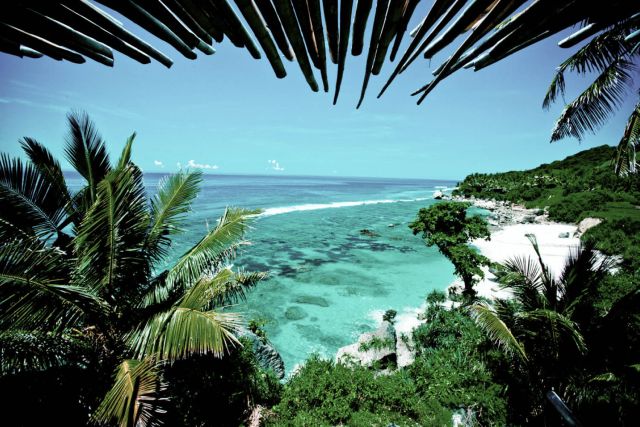
Bali surfing paradise beach Nihi Sumba Island
Stunning views of the Bali surf.

The Himalayas

What it says about you

You’re not letting another birthday slow you down

What to do

One for the adventurous semi-centenarians, heading to The Himalayas (which are most accessible in Nepal, India and Bhutan) means you literally get to celebrate your big day on top of the world. If you have spent a good part of your life hiking you can attempt a climb, or you could just indulge in the peace and remove of the destinations.

Make a wish

Attend morning puja at a Buddhist monastery and request a prayer be made in your name.
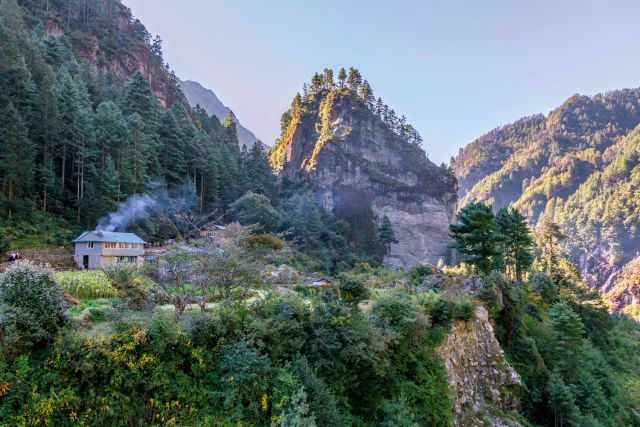
Valley on the way from Monjo to Namche Bazaar in the Himalayas.

New York City

What it says about you

Sleep is for 60-year-olds!

What to do

If the aim of the birthday game is to be spoilt, then the Big Apple is going to do just that with choice: award-winning shows, endless bars and restaurants, shopping to make your head spin, world-class museums and special occasion experiences that just keep on coming.

Make a wish

Have breakfast at Tiffany’s by booking a table at the Blue Box Cafe in Tiffany’s flagship Fifth Avenue store, and then head downstairs for a spot of present shopping.
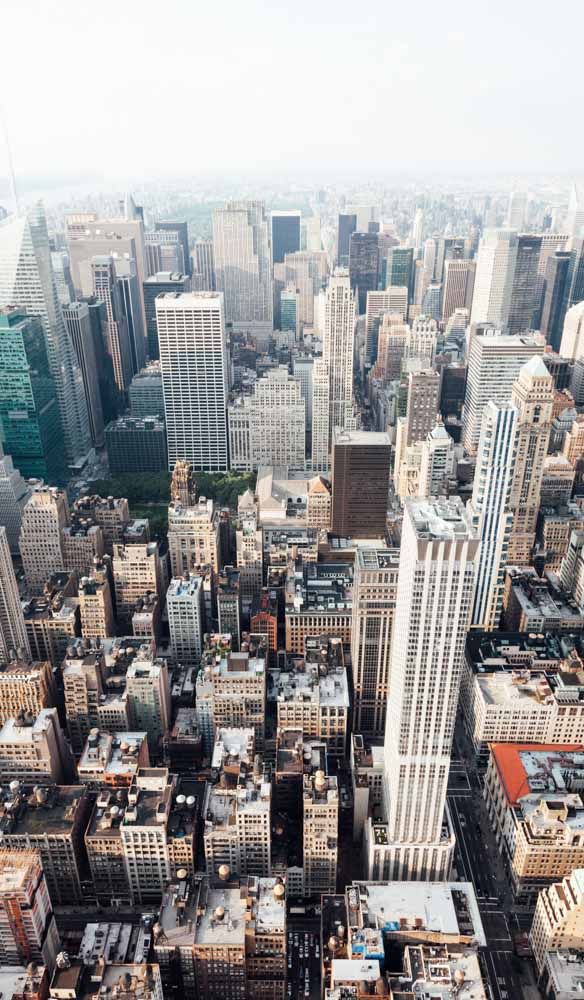
New York best city Readers choice 2017
New York

Italy

What it says about you

Only the best will do

What to do

Where do we start? Eat, drink and be merry would be our best advice, and given Italy’s culinary reputation, winemaking prowess and stunning beaches/islands/countryside/historic sights, it’s a definite can do, from taking an after-hours tour of the Sistine Chapel to sipping Chianti over a long lunch in the Tuscan wine region of the same name.

Make a wish

Hire a villa – try Tuscany (of course), Sicily, Umbria or the Amalfi Coast – and live the dolce vita for a while.
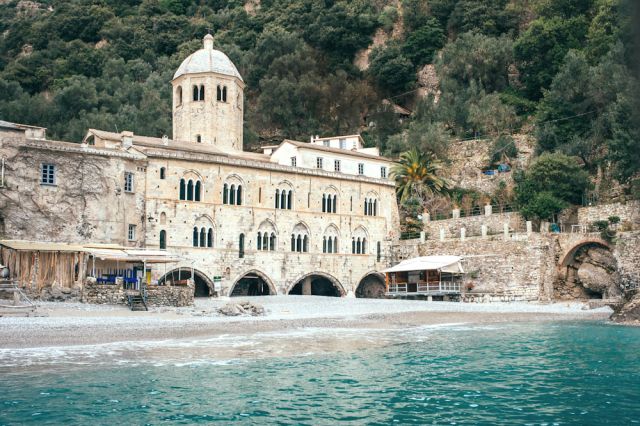
Camogli, Italy
Towering palazzi sits along the beach of Camogli in Italy.

Antarctica

What it says about you

Good things come to those who wait

What to do

With every cruise company worth its salt launching luxury expedition ships into this awe-inspiring destination (Silversea, Lindblad Expeditions and Crystal Cruises to name a few), finding the perfect option is easy. What all have in common though is the once-in-a-lifetime access they offer to the world’s last real frontier, a wintery wonderland of breathtaking scenery and wildlife.

Make a wish

Book on Scenic and you can see Antarctica from above by helicopter and below via submarine!
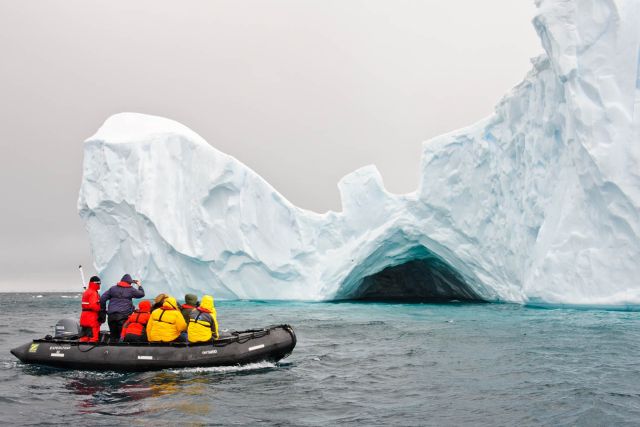
Antarctica
Exploring Antarctica is an experience like no other.

Japan

What it says about you

Old meets new is right up your alley

What to do

Stay in a traditional inn, or ryokan – an essential shortcut to experiencing Japanese culture at its most charming and hospitable. As for food, from a tempting tempura bar in an old Kyoto geisha district to bustling markets and barbecue joints in the ‘nation’s kitchen’, Osaka, there’s plenty to choose from here.

Weekly travel news, experiences
insider tips, offers,
and more.

Make a wish

Atop the mountain at Izunokuni Panorama Park , you can not only gaze across an incredible vista that stretches from bay to hills to forests to the star of the show, Mt Fuji.
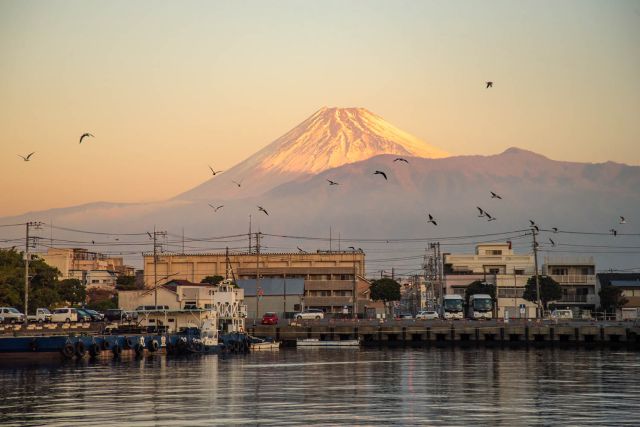
Sunrise over Mt Fuji and Numazu fish market (photo: Jac Taylor)

Marrakesh

What it says about you

You’re ready to feel seduced by Morocco’s ‘Jewel of the South’

What to do

Morocco’s fabled ‘Rose City’ is a mesmerising metropolis fringed by rolling desert, oasis-like palmeries and the snow-capped Atlas Mountains.


Undoubtedly one of the most mesmerising cities in the world, filled with sights, scents and colour, work your way through its fascinating neighbourhoods, past its breathtaking architecture, sampling its culinary wonders and discovering its must-do attractions.

Make a wish

Secure yourself a spot on the terrace of Le Grand Balcon du Café Glacier as the sun begins to set. Order a pot of Moroccan mint tea (a sweet amber-coloured tea made with fresh mint and sugar) and sit back to watch the open-air theatre unfold in the famous square below.
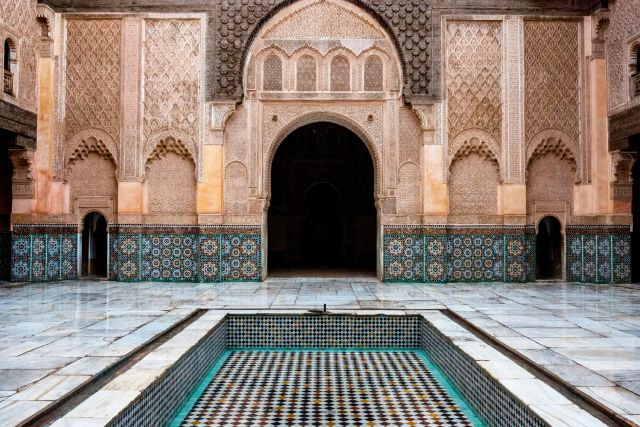
The Ben Youssef Madrasa was once the largest Islamic college in Morocco and remains one of the finest examples of Arabic architecture in the country

Malta

What it says about you

You’re a trendsetter

What to do

Malta, the underrated gem of the Mediterranean, is a hub of history, culture and pristine waters.


From its tiny UNESCO World Heritage capital of Valletta and time-warped hilltop city of Mdina to its traditional fishing villages, natural wonders and prehistoric temples, this small island nation is a microcosm of all Europe’s best bits.

Make a wish

Just a boat ride from the seaside resort of Sliema on Malta (the archipelago’s main island) is the small island of Comino. Here, you’ll find the Blue Lagoon – well worth a trip for its crystal clear, turquoise waters.
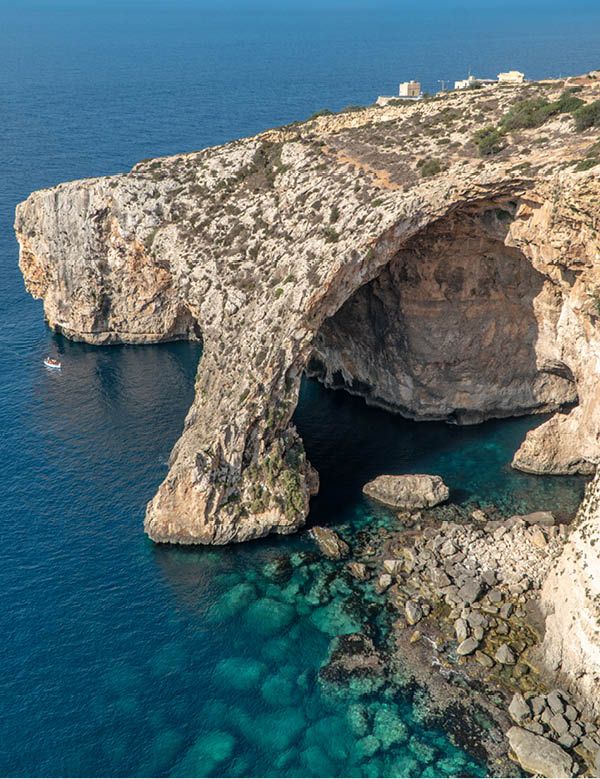
Summer in Malta

Want to see more stories from International Traveller in your Google search results?

  1. Click here to set International Traveller as a preferred source.
  2. Tick the box next to "International Traveller". That's it.
hero media

What the European heatwave means for your summer travel plans

Temperatures are soaring this summer, breaking records across Europe and the UK. 

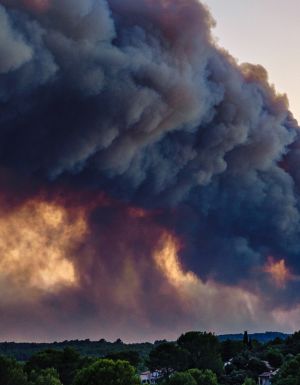
Euro summer is a feeling like no other. But when a heatwave hits? The dream trip quickly turns into a sweaty mess. Extreme heat is sweeping Europe and the UK this week, with record-high temperatures impacting travel plans across the continent.

And while Australian summers are typically hotter in absolute temperature, many European cities aren’t equipped for high temperatures, resulting in unbearable weather.

Why is it so hot in Europe?

Signs of a hot summer loomed in May, when the mercury hit unprecedented spring highs. Now, extreme high temperature warning alerts have been issued in countries such as Spain, Italy, France, England, the Netherlands and Germany.

France saw its hottest day on record on Wednesday, with an average temperature of 30°C across the day and night. This surpasses the average temperature for June, which is 15°C to 25°C. Dozens of people have died, including 40 from drowning.

In Spain, 212 deaths have been linked to the heatwave.

The UK recorded its hottest June day ever on Wednesday with temperatures soaring to 36.1°C. In an article published by the Met Office – the UK’s national meteorological service – Professor Stephen Belcher CBE, Met Office Chief Scientist, shared his concerns about June’s heat. “To see temperatures like this in the UK in June is sobering. Events like this bring home the implications of climate change, with very high temperatures and humidity bringing significant health implications from heat stress, as well as impacts to a range of sectors such as transport, energy and water supply,” he said.

Heatwaves are becoming increasingly common in Europe and the UK, neither of which is prepared for such extremes. The World Meteorological Organization reported that in 2025, at least 95% of Europe experienced above-average annual temperatures and that the continent was heating up twice as fast as the global average.

How travel is impacted

A pharmacy sign displaying 40 degrees Celcius
A pharmacy broadcasting local weather data. (Credit: Getty/Dragoncello)

During a heatwave, power grids, water systems and transport networks can be affected, resulting in disrupted itineraries for travellers. In France, power outages have left thousands without electricity and early closures have been implemented for two of Paris’s biggest attractions, the Eiffel Tower (early afternoon rather than late at night) and the Louvre (two hours early). Eurostar cancelled its London to Paris and Paris to London services from the 22nd to the 25th, and major UK rail companies have been advising travellers to avoid using trains where possible, or to travel during early hours.

If a heatwave is predicted, being flexible with your itinerary and having fully refundable/changeable tickets is key, as extreme heat can force the cancellation of outdoor activities, impact rail and flight services and change the opening hours of sites and eateries.

Why does summer in Europe often feel hotter than summer in Australia?

people swimming in the Canal Saint-Martin in Paris
People swimming in the Canal Saint-Martin in Paris to cool off. (Credit: Rachael Thompson)

With some of the highest UV levels in the world, Australians are no strangers to the heat, adapting well to intense weather. But our infrastructure is largely equipped to withstand soaring temperatures with climate-responsive passive design, refrigerated air conditioning or evaporative coolers, as well as swimming spots aplenty.

Buildings in Northern and Western Europe and the UK, however, are constructed to retain heat and handle frosty winters. The lack of universal air conditioning means it generally feels hotter even though the temperature on your app might not look it. During a heatwave, it can feel like you’re in a sauna as cities act like heat traps.

How to stay cool and prepare for another heatwave

Relief is expected across Europe and the UK later this week, but more heatwaves are still possible in the coming months. Summer heat typically peaks in July and August.

Public transport often doesn’t have air conditioning, and buses in particular can be swelteringly hot. If you’re heading outside or your accommodation has no air conditioning, it’s worth buying a spray bottle and a handheld fan from a pharmacy or tourist stand. Check ahead of time if restaurants and cafes have air conditioning and make a booking in advance. The highest temperatures typically hit between 3pm and 6pm, so aim to head outdoors outside of these hours.

Rising temperatures invite travellers to enter a more intentional era of seeing the world. Now more than ever is the time to embrace lower-impact “coolcations” and off-season getaways.