hero media

8 ridiculously beautiful places to see in Switzerland

Sometimes you think Switzerland must be a preview of heaven. Snow-dusted mountains, lush meadows full of happy cows, tumbling waterfalls and blue lakes all combine in stunning landscapes. Then there are the towns: pastel-painted, trim and tidy, cascading with geraniums and gnarly with the passing centuries.

Switzerland has so many famously lovely places that Switzerland Tourism has only recently gotten around to nominating 50 beautiful villages that are often overlooked by visitors. Each offers new discoveries and delights beyond more crowded destinations, and all are easily found along the Grand Tour of Switzerland route.
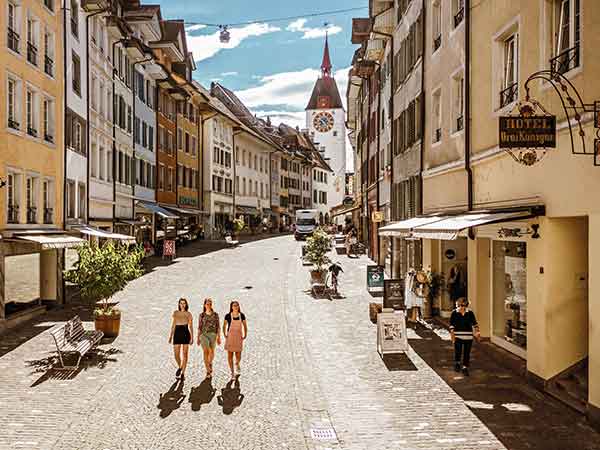
Marktgasse, Bremgarten, Switzerland
We have chosen just eight of the 50 spectacularly beautiful villages of the Grand Tour of Switzerland which leaves many (like Bremgarten above) for you to find on your own. (Image: Switzerland Tourism)

These destinations aren’t just beautiful, but are also rich in history and culture. Delve into Roman ruins, medieval abbeys and quirky museums as you experience more of this small but varied nation’s multilingual traditions, festivals, architecture and proud regional differences. You’ll be seduced by lovely looks and fabulous settings, but the history and culture of these villages draw you in as well. That’s the magic of Switzerland.
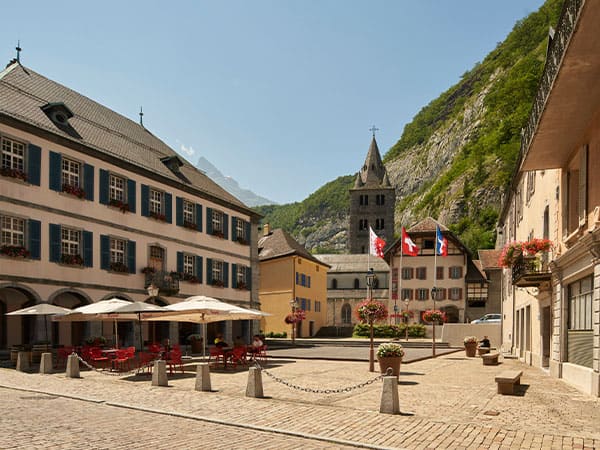
Place du Parvis, St Maurice Village, Switzerland
These destinations aren’t just beautiful, but are also rich in history and culture.

1. Bauen

Not one inch of sinuous Lake Lucerne isn’t lovely, so hop on a lake steamer and lap up the alpine landscapes. The fishing and farming village of Bauen is crammed with lovely old wooden houses and inns fronted by beautiful gardens where surprisingly Mediterranean plants grow. Walk into the flower-studded meadows beyond St Idda Church and rejoice.
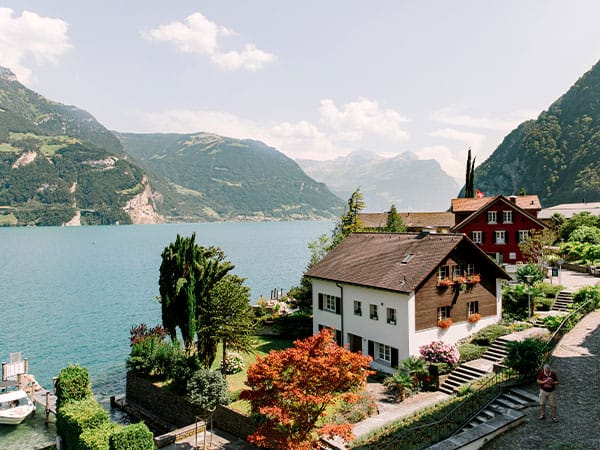
Lake view of Bauen, Switzerland
The fishing and farming village of Bauen is crammed with lovely old wooden houses and inns.

Location:

On Lake Lucerne in central Switzerland, 49 kilometres from Lucerne and 82 kilometres south of Zurich.
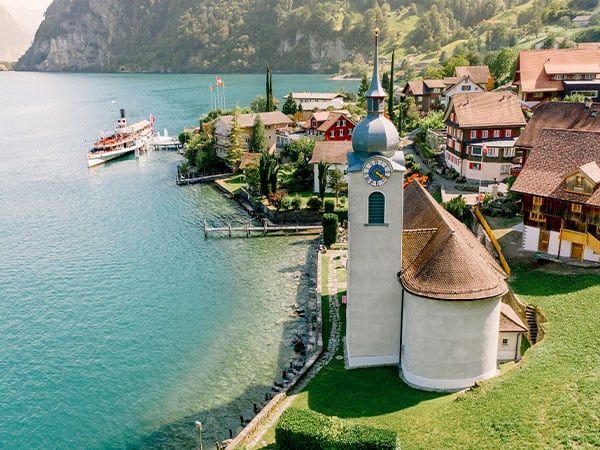
Paddle Steamship Aerial view, Bauen, Switzerland
Bauen is on on Lake Lucerne in central Switzerland.

Don’t miss:

The 2.5-hour walk to Flüelen along part of the Swiss Path. The path skirts cliffs with wonderful outlooks over southern Lake Lucerne and surrounding peaks.
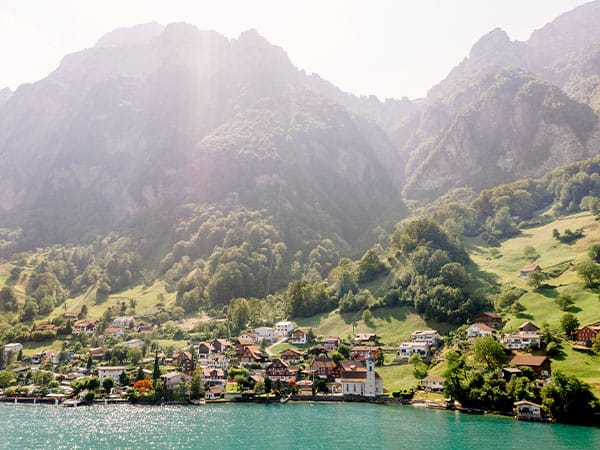
Aerial village view of Bauen, Switzerland
The path skirts cliffs with wonderful outlooks over southern Lake Lucerne and surrounding peaks.

2. Saint-Maurice

This austere medieval town, squeezed between cliffs and the Rhône, is topped by a castle and abbey. Its strategic location on alpine pass routes has given it a rich history and cultural heritage dating back to Roman times. The abbey treasury is crammed with astonishing bejewelled treasures, while a clamber over the fortifications provides magnificent views of the plunging valley.
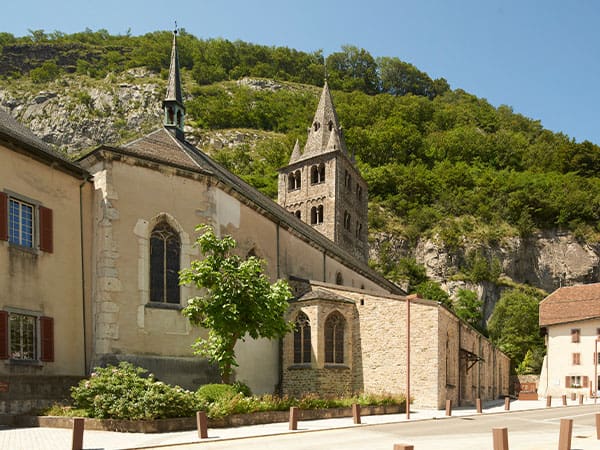
Abbey at St Maurice village, Switzerland
This austere medieval town is topped by a castle and abbey.

Location:

In western Switzerland’s Rhone Valley, 121 kilometres from Geneva and 30 kilometres from Montreux.
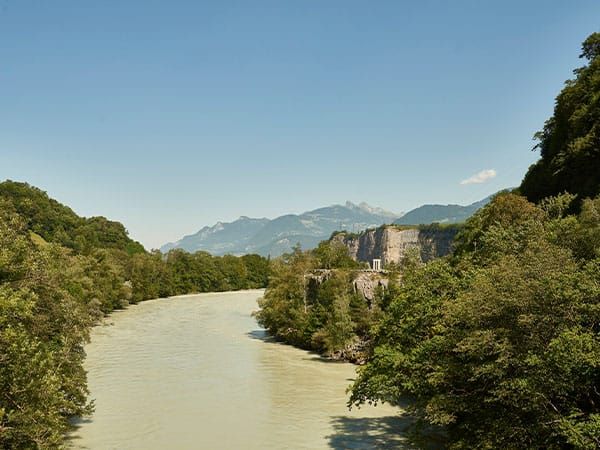
Rhone Valley, St Maurice Village, Switzerland
The village of St Maurice is in Western Switzerland’s Rhone Valley.

Don’t miss:

Fairies’ Grotto, reached by a tunnel that runs deep into the mountainside and into a cave, where a small lake is fed by an extraordinary underground waterfall.
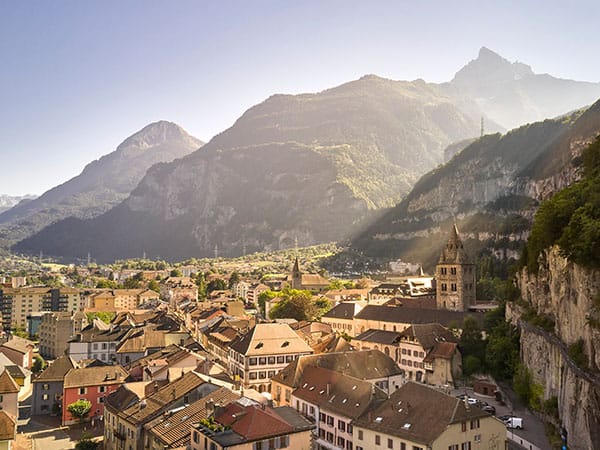
Aerial view of St Maurice Village, Switzerland
The village of St Maurice has a strategic location on alpine pass routes which has given it a rich history and cultural heritage dating back to Roman times.

3. Appenzell

Appenzell’s multi-coloured houses – painted with bucolic frescoes of parading cows and ladies in elaborate traditional costume – are ridiculously delightful, and so is the surrounding scenery. This is also Switzerland’s most traditional corner, famous for preserving its festivals, rustic music, dance and food (which includes honey cakes, fat sausages and, of course, its famous cheese).
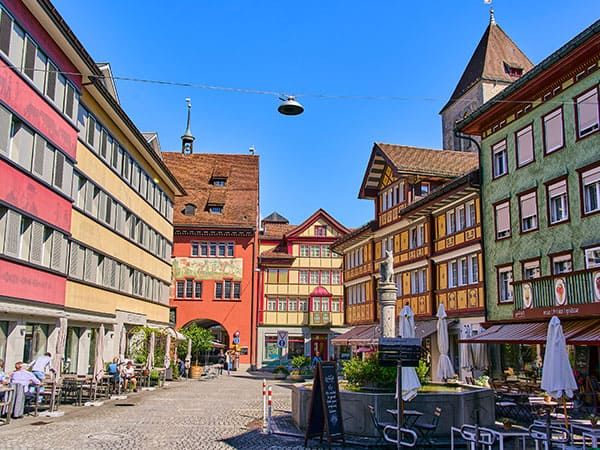
Hauptgasse, Appenzell, Switzerland
See Appenzell’s multi-coloured houses.

Location:

In north-east Switzerland near the borders of Austria and Liechtenstein, only 95 kilometres from Zurich.
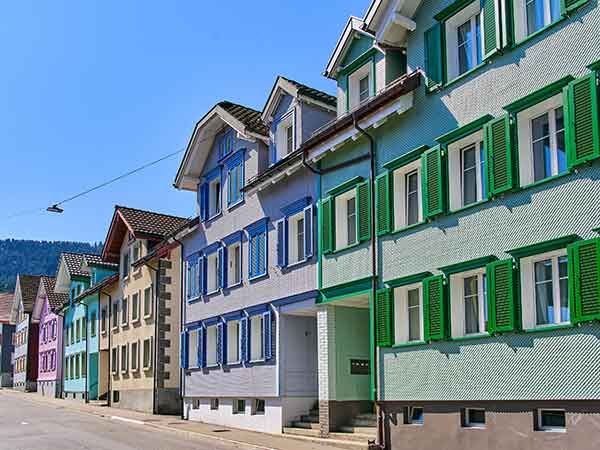
Colourful houses, Appenzell, Switzerland
Appenzell and its colourful streetscape is found in the north-western corner of Switzerland with magnificent views over the Rhine Valley.

Don’t miss:

Panoramas over mountains and the Rhine Valley from Hoher Kasten. Meadows are dense with wildflowers, and it’s hard to resist lunch in the revolving restaurant.
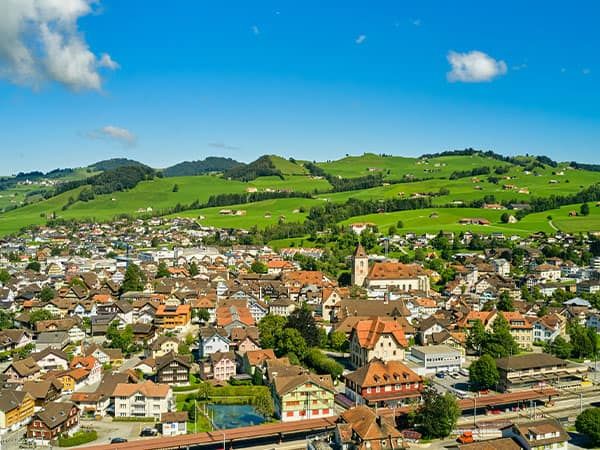
Aerial view of Appenzell, Switzerland
Marvel at panoramas over mountains and the Rhine Valley from Hoher Kasten.

4. Morcote

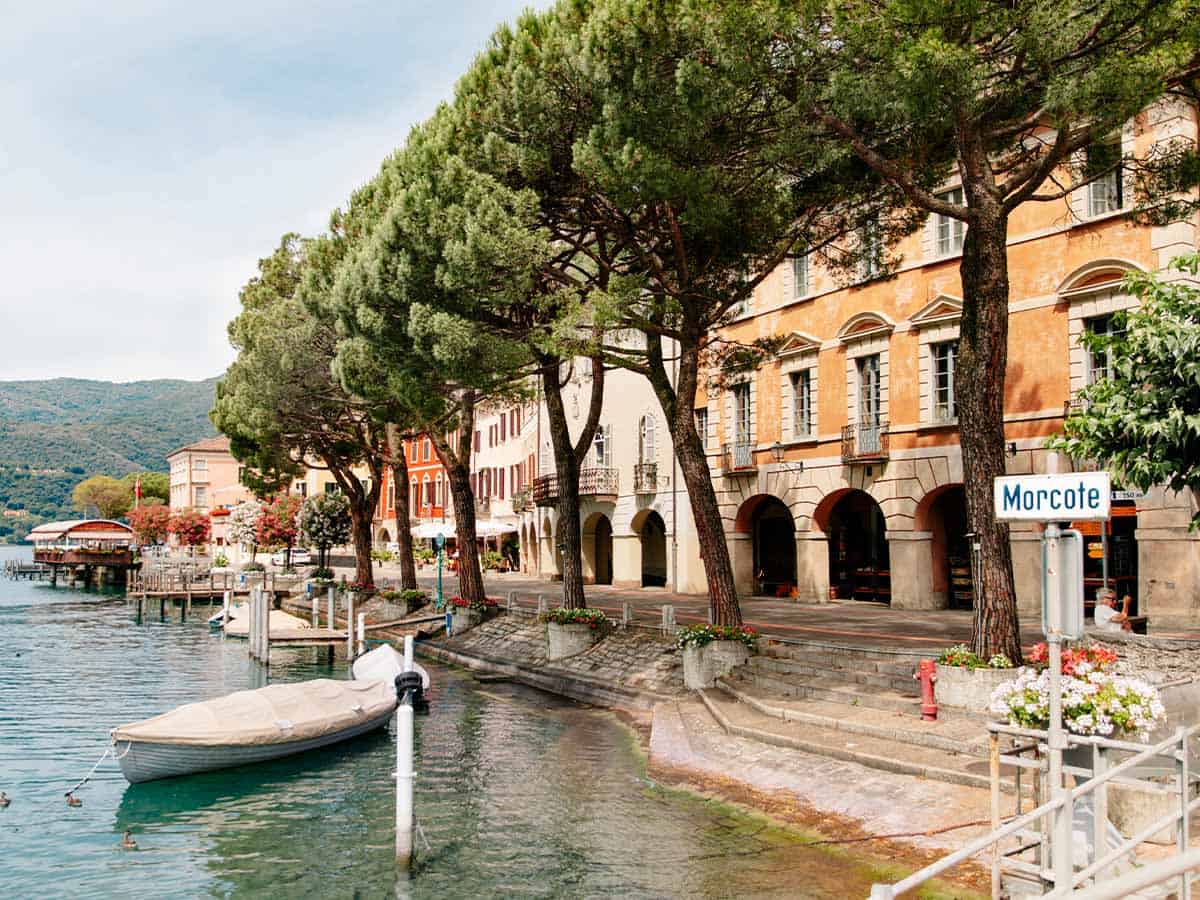
This Italian-speaking town on Lake Lugano grew rich on trade with Milan, as attested by its medieval arcades, fresco-decorated buildings and manor houses. It has a waterfront setting, palm and lemon trees, cobbled squares and pastel villas bathed in sunlight. Clamber 400 steps to the 13th-century pilgrim church Santa Maria del Sasso for a bird’s eye view.
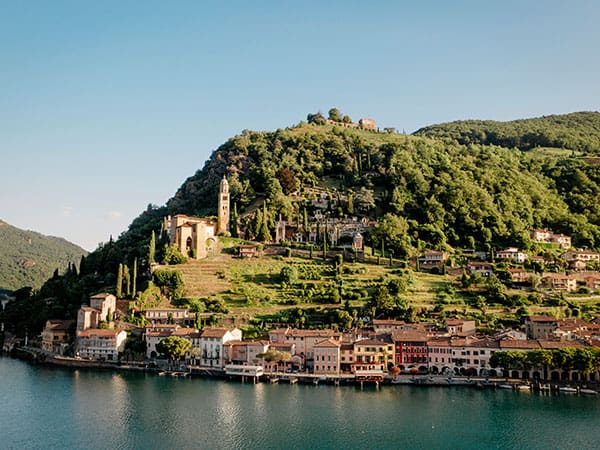
Lake view of Morcote Village, Switzerland
This Italian-speaking town on Lake Lugano grew rich on trade with Milan.

Location:

In Ticino, Switzerland’s southernmost and only Italian-speaking canton, 12 kilometres from Lugano and 214 kilometres south of Zurich.
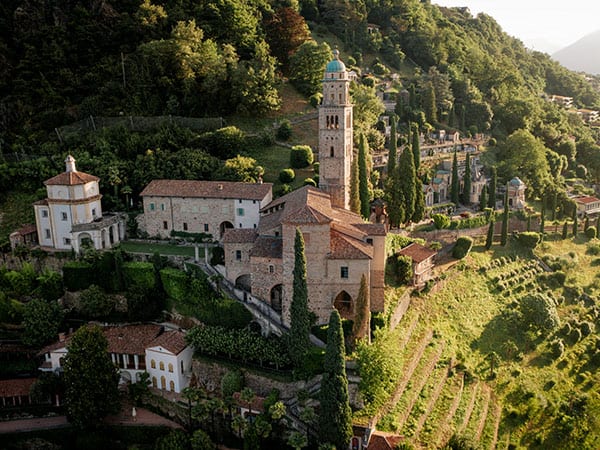
Chiesa Santa Maria, Morcote Village, Switzerland
Clamber 400 steps to the 13th-century pilgrim church Santa Maria del Sasso for a bird’s eye view.

Don’t miss:

Parco Scherrer, a botanical and art park set among cedar and magnolia trees. Formal garden terraces teeter high above the sparkling lake.
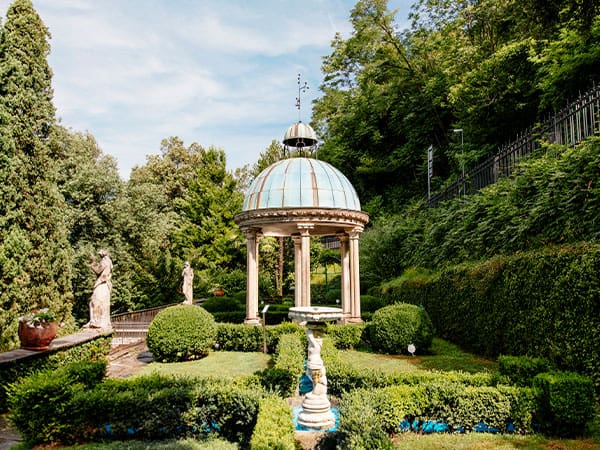
Parco Scherrer Pavillion, Morcote Village, Switzerland
Head to Parco Scherrer, a botanical and art park set among cedar and magnolia trees.

5. Erlenbach Im Simmental

You can see 200 peaks from the Simmental Valley in the alpine foothills. If that isn’t enough, Erlenbach, which dates to the 16th century, preserves gorgeous traditional architecture that traces evolving styles while showing the wealth of its former cattle and cheese traders. There’s no better showcase of chalets, and you can learn more about local history at the Agensteinhaus museum.
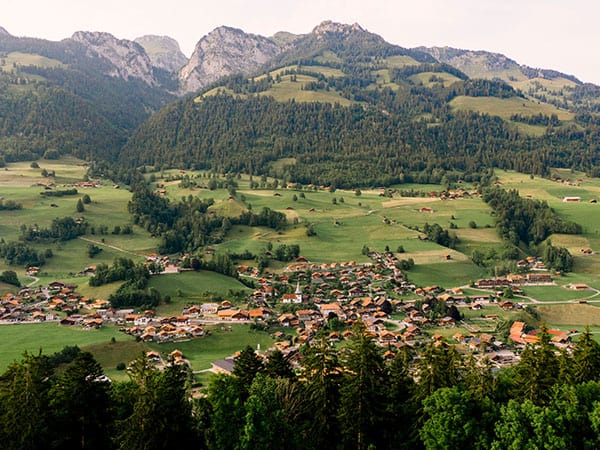
Erlenbach im Simmental, Switzerland
You can see 200 peaks from the Simmental Valley in the alpine foothills.

Location:

On Switzerland’s central plateau, 45 kilometres south of the capital, Bern, and 30 kilometres west of alpine resort Interlaken.
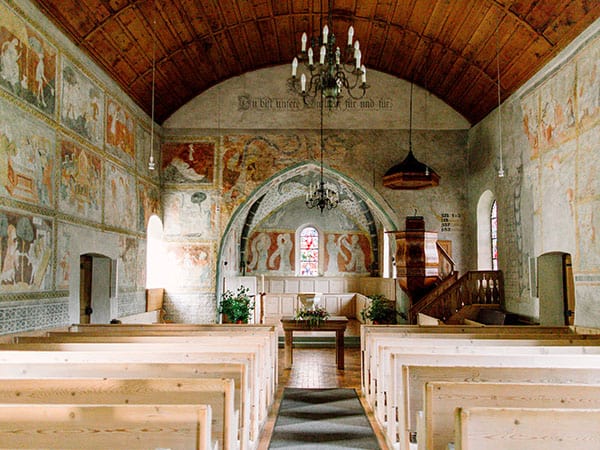
Church interiors and architecture, Erlenbach im Simmental, Switzerland
Dating back to the 16th century, Erlenbach preserves gorgeous traditional architecture.

Don’t miss:

Simmental House Trail through cow-chewed countryside. Grand farmhouses are magnificently decorated with ornamental woodwork, paintings and flowerboxes.
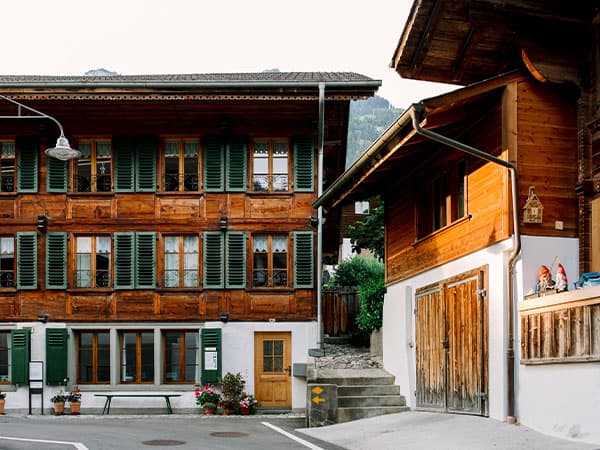
Gassenraum, Erlenbach-im-Simmental, Switzerland
See how houses are magnificently decorated with ornamental woodwork.

6. Saint-Saphorin

This venerable fortified village of cobbled lanes and rustic houses has long been a wine centre; now, thanks to resident artists, it’s become a cultural centre too. It faces Lake Geneva and is backed by the World Heritage-listed vineyards of Lavaux, where dizzying terraces climb to ever-better views of snow-studded mountains.
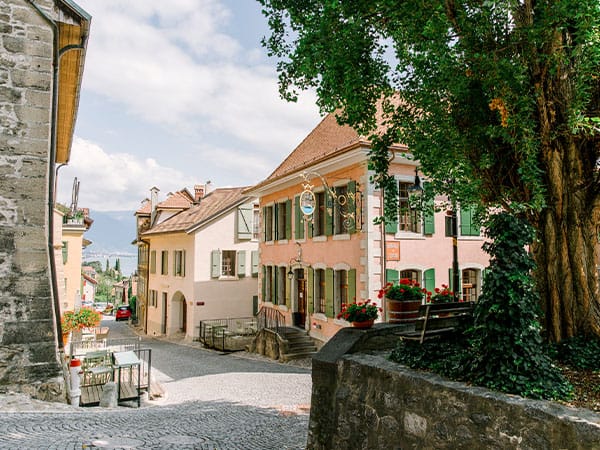
Auberge, Saint Saphorin Village, Switzerland
This venerable fortified village of cobbled lanes and rustic houses has long been a wine centre.

Weekly travel news, experiences
insider tips, offers,
and more.

Location:

On Lake Geneva in western Switzerland, between Lausanne (14 kilometres) and Montreux (13 kilometres), 82 kilometres from Geneva.
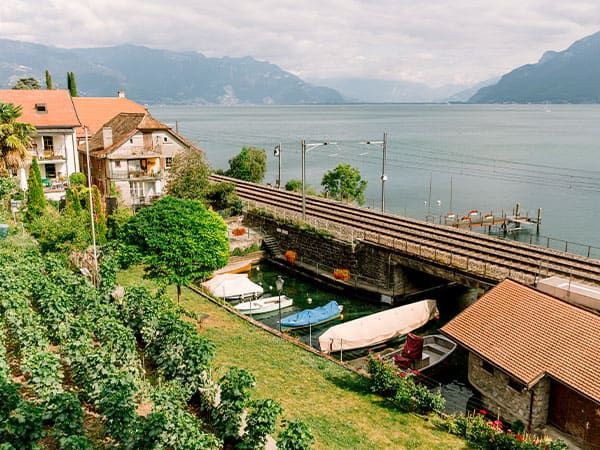
Port at Saint Saphorin Villages, Switzerland
Saint Saphorin is located on Lake Geneva in western Switzerland.

Don’t miss:

Lavaux Vinorama, where you can learn more about regional wines, sample the produce from numerous cellar doors, and watch a splendid film about the vineyards.
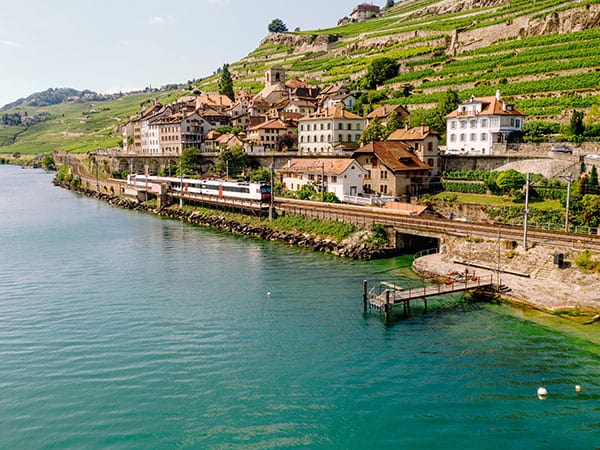
Aerial view showing vineyards, Saint Saphorin village, Switzerland
Sample the produce from numerous cellar doors.

7. Schwyz

The town that gave its name, flag and army penknives to Switzerland lies high above Lake Lucerne, sitting in a wide valley of cherry orchards surrounded by snow peaks. Its medieval mercenaries were famed across Europe and built impressive townhouses exuberant with frescoes depicting battle scenes. The Museum of the Swiss Charters of Confederation displays Switzerland’s ornately decorated founding documents.
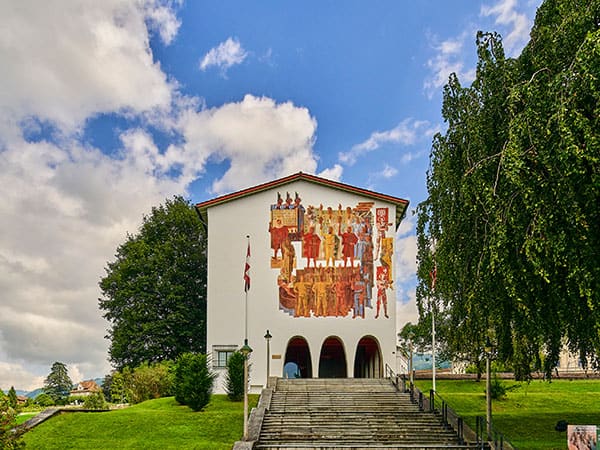
Museum of the Federal Charters, Schwyz Village, Switzerland
The Museum of the Swiss Charters of Confederation displays Switzerland’s ornately decorated founding documents.

Location:

In central Switzerland’s alpine lake country, 60 kilometres south of Zurich and 45 kilometres from Lucerne.
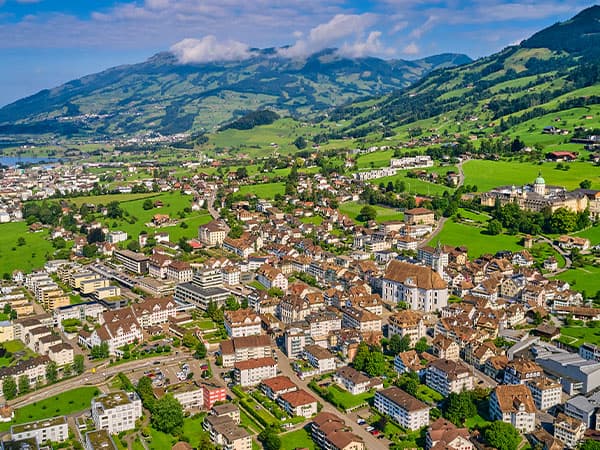
Aerial view of the village of Schwyz, Switzerland
Schwyz gave its name, flag and army penknives to Switzerland.

Don’t miss:

The Forum of Swiss History Schwyz, which uses innovative multimedia presentations to explain how the Swiss confederation emerged in the Middle Ages.
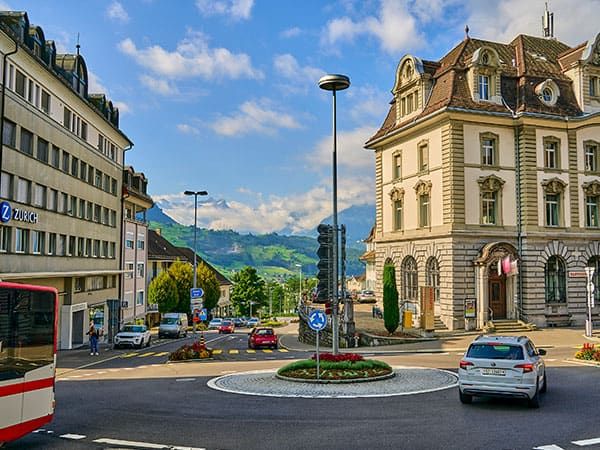
Roundabout at Schwyz, Switzerland
See the impressive architecture at Schwyz.

8. La Chaux-de-Fonds

This prosperous World Heritage-listed town has been the capital of Swiss watchmaking since the 17th century. A 1794 fire bequeathed it a revamped chequerboard layout and elegant architecture, to which notable architect Le Corbusier added striking additions in the 20th century. Visit the headquarters of famous watch brands in the town and surrounding villages.
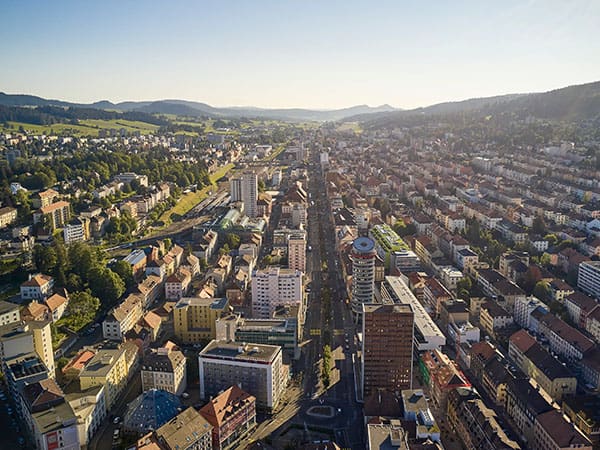
Aerial view of La Chaux de Fonds, Switzerland
This prosperous World Heritage-listed town has been the capital of Swiss watchmaking since the 17th century.

Location:

In north-east Switzerland’s Jura Mountains, 71 kilometres from Bern and 90 kilometres north of Lausanne.
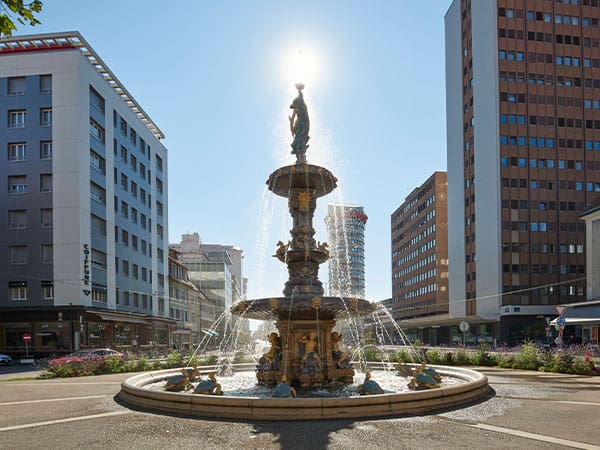
Fontaine Monumental, La Chaux de Fonds, Switzerland
Visit the Fontaine Monumental in La Chaux de Fonds.

Don’t miss:

International Horology Museum’s fascinating and eye-catching collection, which traces the history of timekeeping from early sundials to modern atomic clocks.

For more information on these villages and the magic of 42 other beautiful places, and to plan your travel route on the Grand Tour of Switzerland, visit myswitzerland.com.

Want to see more stories from International Traveller in your Google search results?

  1. Click here to set International Traveller as a preferred source.
  2. Tick the box next to "International Traveller". That's it.
hero media

What the European heatwave means for your summer travel plans

Temperatures are soaring this summer, breaking records across Europe and the UK. 

Euro summer is a feeling like no other. But when a heatwave hits? The dream trip quickly turns into a sweaty mess. Extreme heat is sweeping Europe and the UK this week, with record-high temperatures impacting travel plans across the continent.

And while Australian summers are typically hotter in absolute temperature, many European cities aren’t equipped for high temperatures, resulting in unbearable weather.

Why is it so hot in Europe?

Signs of a hot summer loomed in May, when the mercury hit unprecedented spring highs. Now, extreme high temperature warning alerts have been issued in countries such as Spain, Italy, France, England, the Netherlands and Germany.

France saw its hottest day on record on Wednesday, with an average temperature of 30°C across the day and night. This surpasses the average temperature for June, which is 15°C to 25°C. Dozens of people have died, including 40 from drowning.

In Spain, 212 deaths have been linked to the heatwave.

The UK recorded its hottest June day ever on Wednesday with temperatures soaring to 36.1°C. In an article published by the Met Office – the UK’s national meteorological service – Professor Stephen Belcher CBE, Met Office Chief Scientist, shared his concerns about June’s heat. “To see temperatures like this in the UK in June is sobering. Events like this bring home the implications of climate change, with very high temperatures and humidity bringing significant health implications from heat stress, as well as impacts to a range of sectors such as transport, energy and water supply,” he said.

Heatwaves are becoming increasingly common in Europe and the UK, neither of which is prepared for such extremes. The World Meteorological Organization reported that in 2025, at least 95% of Europe experienced above-average annual temperatures and that the continent was heating up twice as fast as the global average.

How travel is impacted

A pharmacy sign displaying 40 degrees Celcius
A pharmacy broadcasting local weather data. (Credit: Getty/Dragoncello)

During a heatwave, power grids, water systems and transport networks can be affected, resulting in disrupted itineraries for travellers. In France, power outages have left thousands without electricity and early closures have been implemented for two of Paris’s biggest attractions, the Eiffel Tower (early afternoon rather than late at night) and the Louvre (two hours early). Eurostar cancelled its London to Paris and Paris to London services from the 22nd to the 25th, and major UK rail companies have been advising travellers to avoid using trains where possible, or to travel during early hours.

If a heatwave is predicted, being flexible with your itinerary and having fully refundable/changeable tickets is key, as extreme heat can force the cancellation of outdoor activities, impact rail and flight services and change the opening hours of sites and eateries.

Why does summer in Europe often feel hotter than summer in Australia?

people swimming in the Canal Saint-Martin in Paris
People swimming in the Canal Saint-Martin in Paris to cool off. (Credit: Rachael Thompson)

With some of the highest UV levels in the world, Australians are no strangers to the heat, adapting well to intense weather. But our infrastructure is largely equipped to withstand soaring temperatures with climate-responsive passive design, refrigerated air conditioning or evaporative coolers, as well as swimming spots aplenty.

Buildings in Northern and Western Europe and the UK, however, are constructed to retain heat and handle frosty winters. The lack of universal air conditioning means it generally feels hotter even though the temperature on your app might not look it. During a heatwave, it can feel like you’re in a sauna as cities act like heat traps.

How to stay cool and prepare for another heatwave

Relief is expected across Europe and the UK later this week, but more heatwaves are still possible in the coming months. Summer heat typically peaks in July and August.

Public transport often doesn’t have air conditioning, and buses in particular can be swelteringly hot. If you’re heading outside or your accommodation has no air conditioning, it’s worth buying a spray bottle and a handheld fan from a pharmacy or tourist stand. Check ahead of time if restaurants and cafes have air conditioning and make a booking in advance. The highest temperatures typically hit between 3pm and 6pm, so aim to head outdoors outside of these hours.

Rising temperatures invite travellers to enter a more intentional era of seeing the world. Now more than ever is the time to embrace lower-impact “coolcations” and off-season getaways.