hero media

This unexpected island is being hailed as the ‘Hawai‘i of Europe’

From world-class surf conditions to its very own Stairway to Heaven hike, the Portuguese island of Madeira is quickly being hailed as the Hawai’i of Europe.

While we all love the island paradise of Hawai’i, increasing flight prices, resort rates and recoveries from natural disasters are making more people look for an alternative destination.

Enter Madeira, Portugal, an island chain in the Atlantic Ocean off the coast of northern Africa. Quickly growing in popularity with hikers, digital nomads and adventurers, it’s little wonder that it’s being hailed as the Hawai’i of Europe. Let’s dive in.

It has great weather year-round

Being off the coast of North Africa, the weather conditions in Madeira are pretty great. Even in January, you can see highs of 19 degrees Celsius, so it’s the perfect spot for a bit of winter sun.

In fact, if you’re looking for the ideal hiking and surfing conditions, the winter and autumnal months tend to be the best as the temperatures and humidity aren’t insane, but they’re still largely warm and dry.
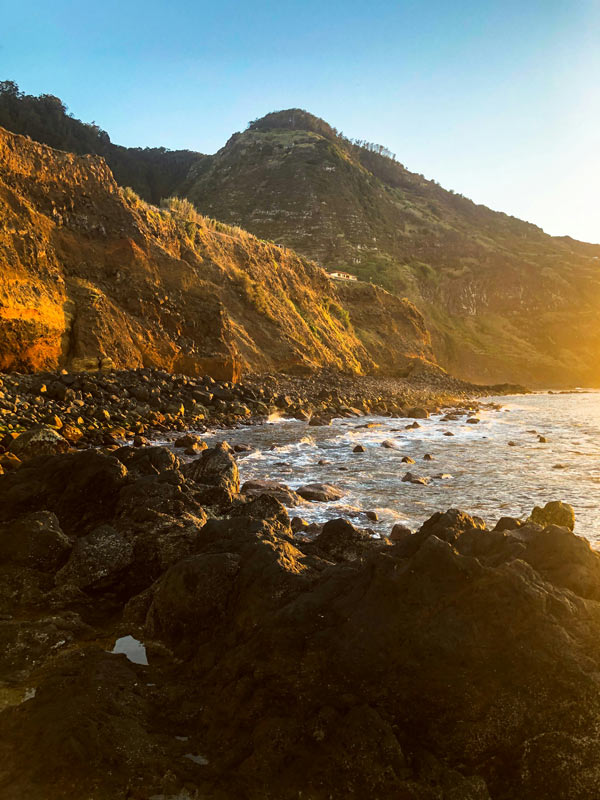
Beach in Madeira
The weather conditions in Madeira are always pretty great. (Image: Francisco Sousa)

The surf conditions are epic

You can’t compare an island to Hawai’i if the surfing isn’t up to standard. On Madeira’s southwest coast, you’ll find Jardim do Mar, a town that’s become famous among surfers after big wave specialist, Nico Von Rupp, released an insane surf video from that location.

Unlike the popular breaks around Hawai’i which are rightfully always busy, Madeira’s wave scene is a lot calmer with fewer surfers at each break. With the Atlantic swell directly hitting the island, there’s normally at least one wave working somewhere in Madeira.
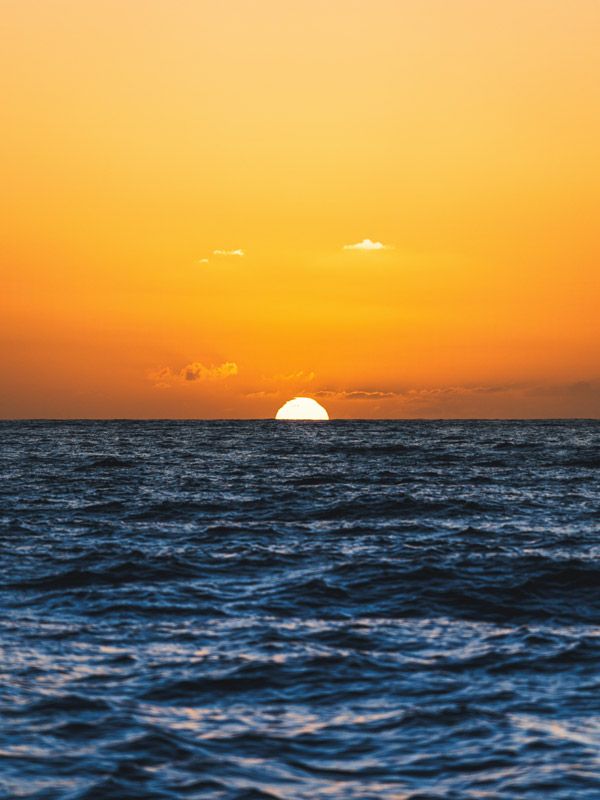
Sunset in Madeira
Jardim do Mar is famous among surfers. (Image: David Becker)

It’s a hiking haven

One of the major draws for Madeira, Portugal has to be its extensive network of hiking trails, known as the PR network. There are 23 designated hiking routes on the island from waterfall hikes to coastal wonders to the island’s unique Levada routes, which run alongside winding freshwater irrigation channels down the imposing hillside.

When we talk about Hawai’i’s hiking scene, it’s impossible not to think of the iconic Stairway to Heaven in Oahu. However, Madeira has its own Stairway to Heaven hike in the shape of PR1 (Vereda do Areeiro), which is probably the most popular hike on the whole island and takes you through the clouds to the highest point in Madeira.
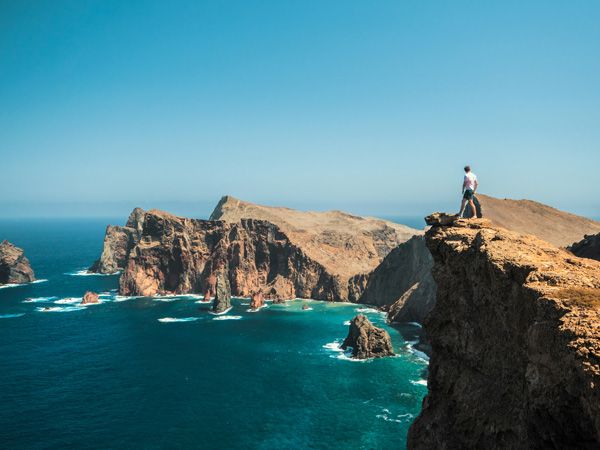
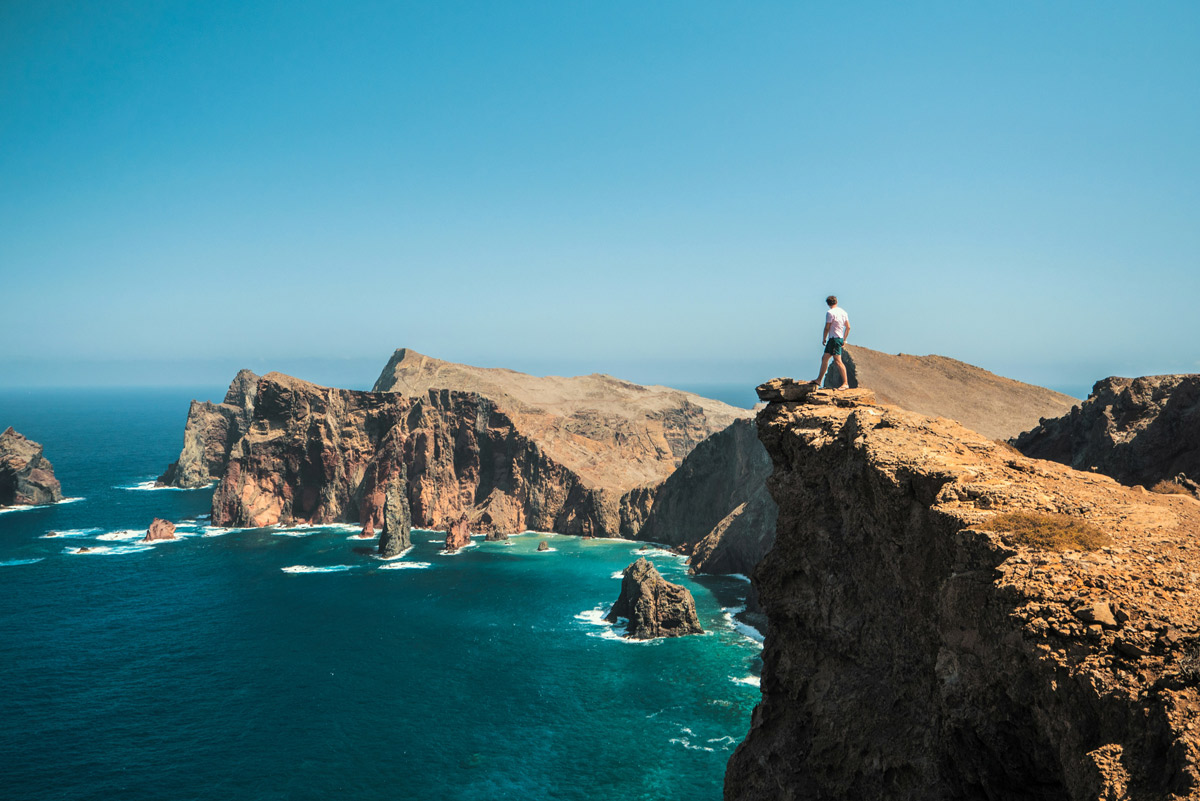
Man standing on cliff in Madeira
Madeira has an extensive network of hiking trails. (Image: Tim Roosjen)

There’s beautiful nature everywhere

From ancient cloud forests in Fanal to the beaches of Santa Cruz to the lush greenery of the island’s centre, Madeira is a naturally beautiful island. Like Hawai’i, Madeira is a volcanic island – although Madeira’s underwater volcano is thought to be dormant. It’s because of this geology that there are lava pools, amazing rock formations and volcanic soil that keeps all the plant life flourishing year after year.
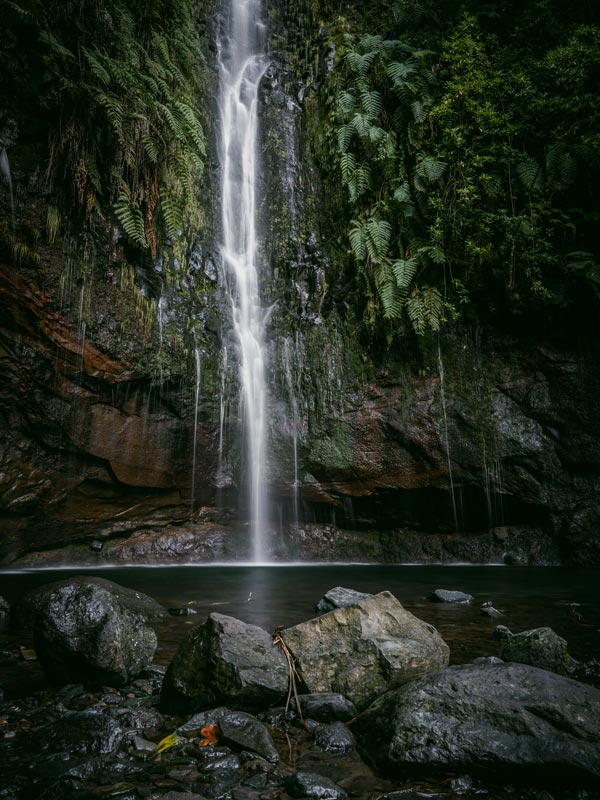
Waterfall in Madeira
Madeira is a naturally beautiful island. (Image: Artem Zhukov)

It has amazing natural saltwater swimming pools

Want to bathe in the ocean but don’t want to risk the tides? Natural swimming pools are a beautiful way to feel like you’re in the open water while being sheltered by natural rock formations. In Hawai’i, you’ve got Queen’s Bath, which can be risky to get to in the first place.
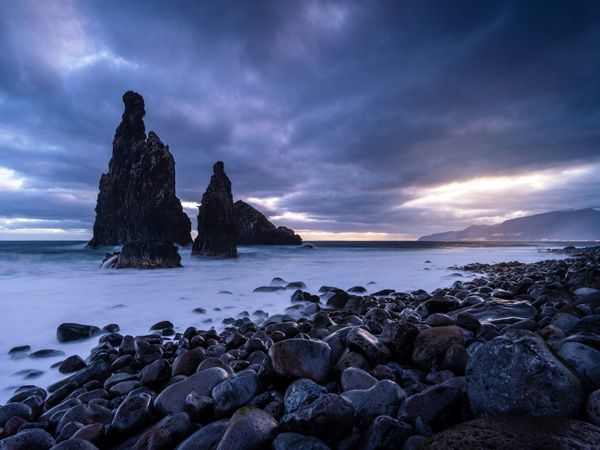
Rock formations in Madeira
Natural swimming pools are a beautiful way to feel like you’re in the open water while being sheltered by natural rock formations. (Image: David Becker)

Meanwhile, most of Madeira’s stunning Atlantic-facing natural swimming pools lie on the island’s north shore, in Porto Moniz. Walk a few steps into these easy-to-reach pools and relax surrounded by nothing but beautiful ocean.
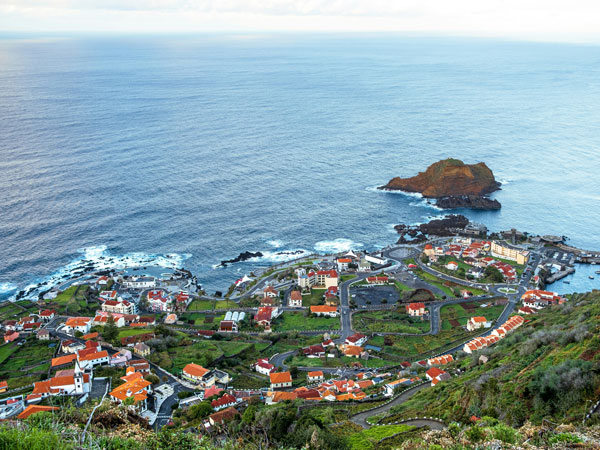
Porto Moniz in Madeira
Porto Moniz has most of Madeira’s stunning Atlantic-facing natural swimming pools. (Image: Dimitry B)

It’s a rum-loving island

While the most well-known drink in Hawai’i might be a Mai Tai, Madeira has been making its own rum and fortified wine (and namesake) for centuries. In fact, the official drink of Madeira is poncha, a drink that takes sugar cane rum, specific to the island, and blends it with fresh fruit juice and sugar.
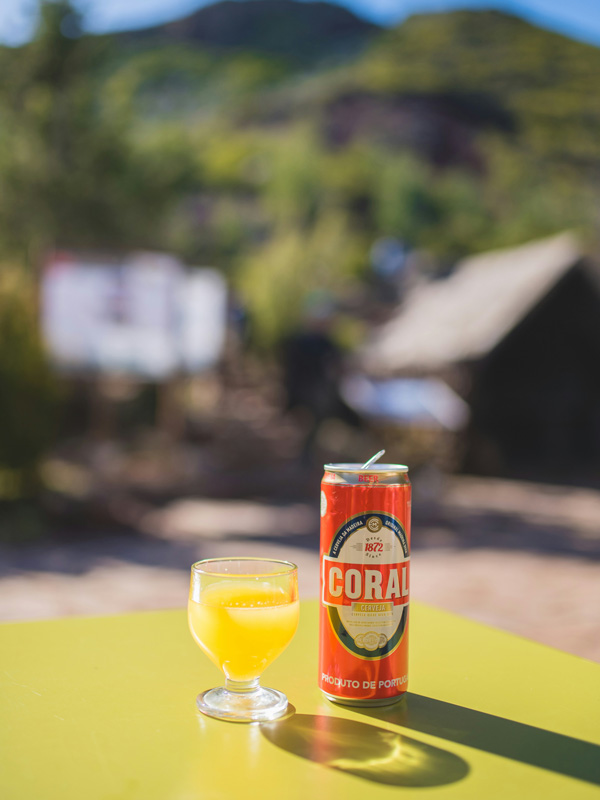
Poncha in Madeira
The official drink of Madeira is poncha. (Image: Monika Guzikowska)

Traditionally, this is with fresh orange or lemon juice to pack a citrus punch. This is because the drink was designed to keep farmers and fishermen warm in the early mornings. Poncha isn’t for the fate-hearted though – these short, sharp drinks have a huge hit of booze behind them!

If rum isn’t your thing, Madeira also has a huge wine-growing heritage from the strong, sweet Madeira dessert wines to your regular table wines. So much so, that they hold a giant Wine Festival in the capital, Funchal, every September.
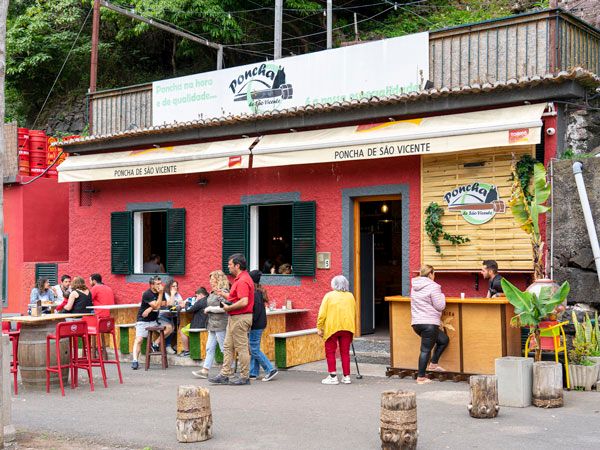
Commercial catering establishment selling the typical poncha de são vicente on the island of Madeira
Head to a Poncha bar in Madeira. (Image: Pedro Emanuel Pereira via Getty Images)

Weekly travel news, experiences
insider tips, offers,
and more.

It has the humble Malasada

Interestingly enough, one of the most popular snacks in Hawai’i is the Malasada, which is a lot like a doughnut. This was actually brought to Hawai’i by Portuguese immigrants from Madeira and the neighbouring Azores Island chain back in the 19th century.

If you’re in Madeira for the carnival season, you’ll find malasadas around every corner, as it’s a popular treat for festivals and celebrations.

Malasadas in Madeira
Malasadas are a popular treat. (Image: Cristiano Pinto)

There are top-tier botanical gardens

One of the biggest attractions in Madeira, Portugal is their botanical gardens, especially in the springtime when they’re in full bloom. In fact, the annual flower festival in May is arguably the biggest event in the island’s tourism calendar.

For 2024’s flower festival, hotels in the capital reported being at 95 per cent capacity, making it one of the busiest times of the year to visit Madeira.

With the island’s great year-round weather and volcanic soil, it’s little wonder that there are amazing botanical gardens and flower festivals. This is really similar to Hawai’i which has a few tropical botanical gardens across different islands.
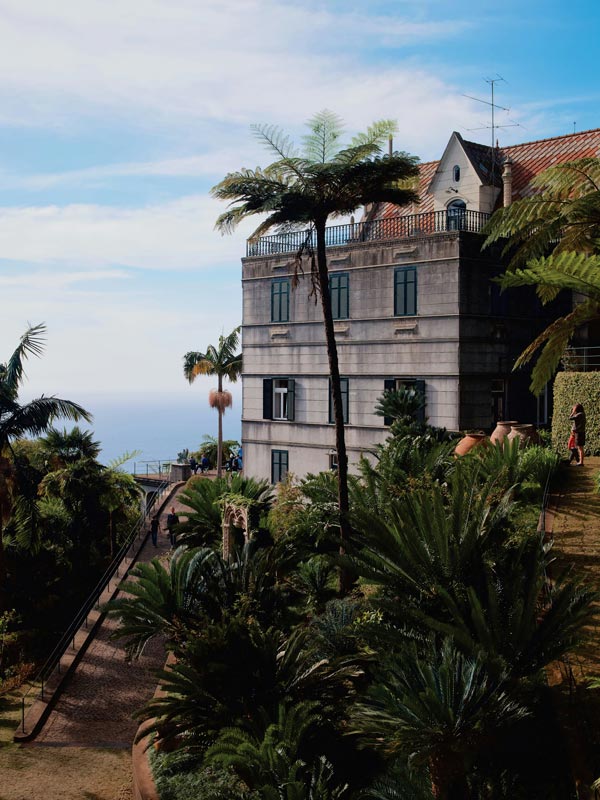
Madeira gardens
One of the biggest attractions in Madeira is their botanical gardens. (Image: Rumman Amin)

Want to see more stories from International Traveller in your Google search results?

  1. Click here to set International Traveller as a preferred source.
  2. Tick the box next to "International Traveller". That's it.
hero media

What the European heatwave means for your summer travel plans

Temperatures are soaring this summer, breaking records across Europe and the UK. 

Euro summer is a feeling like no other. But when a heatwave hits? The dream trip quickly turns into a sweaty mess. Extreme heat is sweeping Europe and the UK this week, with record-high temperatures impacting travel plans across the continent.

And while Australian summers are typically hotter in absolute temperature, many European cities aren’t equipped for high temperatures, resulting in unbearable weather.

Why is it so hot in Europe?

Signs of a hot summer loomed in May, when the mercury hit unprecedented spring highs. Now, extreme high temperature warning alerts have been issued in countries such as Spain, Italy, France, England, the Netherlands and Germany.

France saw its hottest day on record on Wednesday, with an average temperature of 30°C across the day and night. This surpasses the average temperature for June, which is 15°C to 25°C. Dozens of people have died, including 40 from drowning.

In Spain, 212 deaths have been linked to the heatwave.

The UK recorded its hottest June day ever on Wednesday with temperatures soaring to 36.1°C. In an article published by the Met Office – the UK’s national meteorological service – Professor Stephen Belcher CBE, Met Office Chief Scientist, shared his concerns about June’s heat. “To see temperatures like this in the UK in June is sobering. Events like this bring home the implications of climate change, with very high temperatures and humidity bringing significant health implications from heat stress, as well as impacts to a range of sectors such as transport, energy and water supply,” he said.

Heatwaves are becoming increasingly common in Europe and the UK, neither of which is prepared for such extremes. The World Meteorological Organization reported that in 2025, at least 95% of Europe experienced above-average annual temperatures and that the continent was heating up twice as fast as the global average.

How travel is impacted

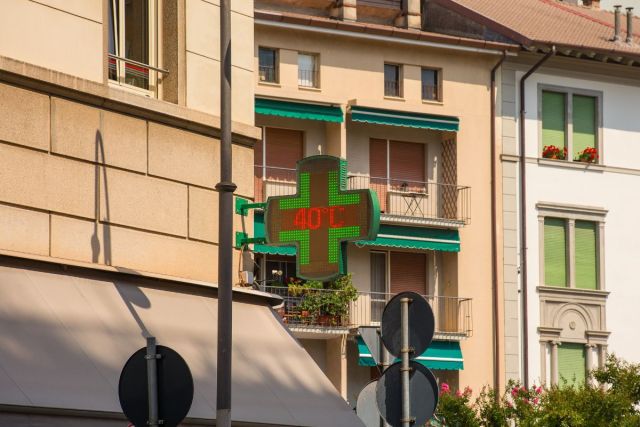
A pharmacy sign displaying 40 degrees Celcius
A pharmacy broadcasting local weather data. (Credit: Getty/Dragoncello)

During a heatwave, power grids, water systems and transport networks can be affected, resulting in disrupted itineraries for travellers. In France, power outages have left thousands without electricity and early closures have been implemented for two of Paris’s biggest attractions, the Eiffel Tower (early afternoon rather than late at night) and the Louvre (two hours early). Eurostar cancelled its London to Paris and Paris to London services from the 22nd to the 25th, and major UK rail companies have been advising travellers to avoid using trains where possible, or to travel during early hours.

If a heatwave is predicted, being flexible with your itinerary and having fully refundable/changeable tickets is key, as extreme heat can force the cancellation of outdoor activities, impact rail and flight services and change the opening hours of sites and eateries.

Why does summer in Europe often feel hotter than summer in Australia?

people swimming in the Canal Saint-Martin in Paris
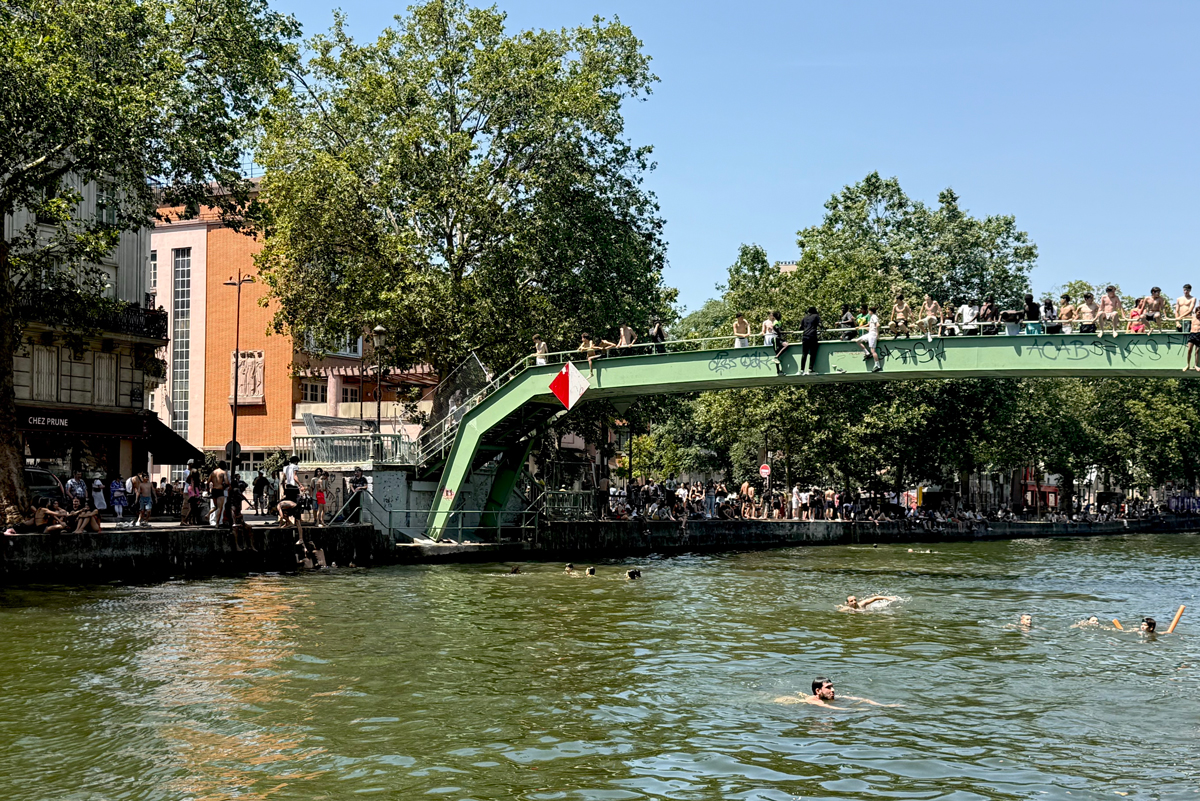
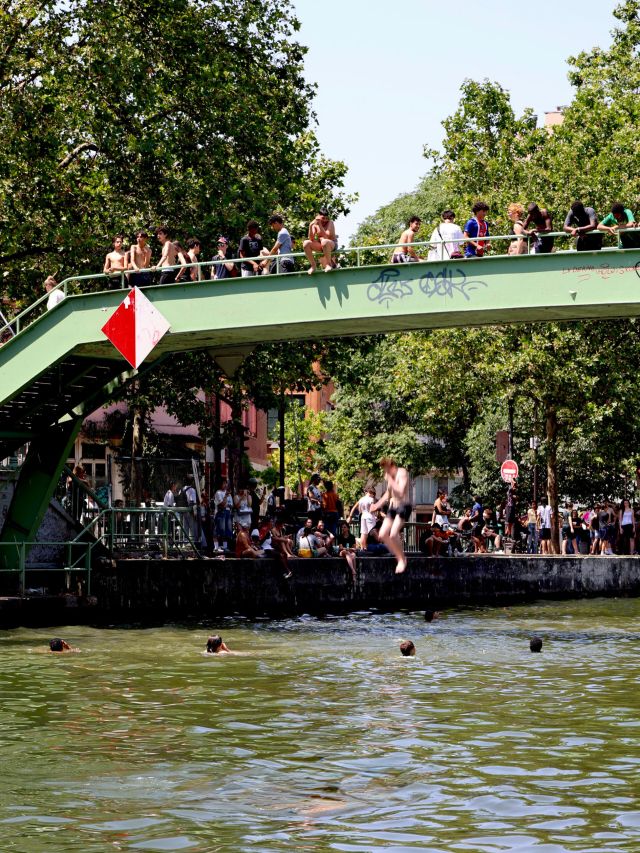
People swimming in the Canal Saint-Martin in Paris to cool off. (Credit: Rachael Thompson)

With some of the highest UV levels in the world, Australians are no strangers to the heat, adapting well to intense weather. But our infrastructure is largely equipped to withstand soaring temperatures with climate-responsive passive design, refrigerated air conditioning or evaporative coolers, as well as swimming spots aplenty.

Buildings in Northern and Western Europe and the UK, however, are constructed to retain heat and handle frosty winters. The lack of universal air conditioning means it generally feels hotter even though the temperature on your app might not look it. During a heatwave, it can feel like you’re in a sauna as cities act like heat traps.

How to stay cool and prepare for another heatwave

Relief is expected across Europe and the UK later this week, but more heatwaves are still possible in the coming months. Summer heat typically peaks in July and August.

Public transport often doesn’t have air conditioning, and buses in particular can be swelteringly hot. If you’re heading outside or your accommodation has no air conditioning, it’s worth buying a spray bottle and a handheld fan from a pharmacy or tourist stand. Check ahead of time if restaurants and cafes have air conditioning and make a booking in advance. The highest temperatures typically hit between 3pm and 6pm, so aim to head outdoors outside of these hours.

Rising temperatures invite travellers to enter a more intentional era of seeing the world. Now more than ever is the time to embrace lower-impact “coolcations” and off-season getaways.

This Unexpected Island Is Being Hailed As The ‘Hawai‘i of Europe’