The lyrical streets of Lisbon have undergone a feverish reinvention over the last decade, with a new wave of revitalised urban spaces to eat, sleep and play in.
A renaissance has swept the steep, cobblestone streets of Lisbon, heralding a new golden age. Countless European cities exude old-world charm, but few can claim the cool factor. The Portuguese capital does both in spades.
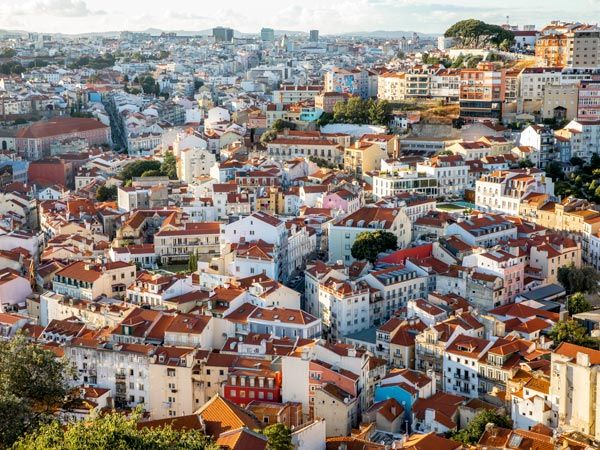
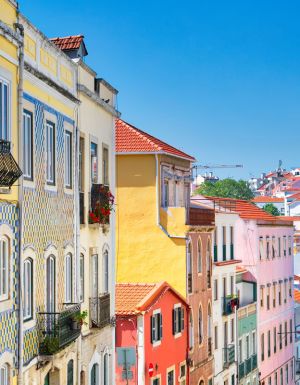
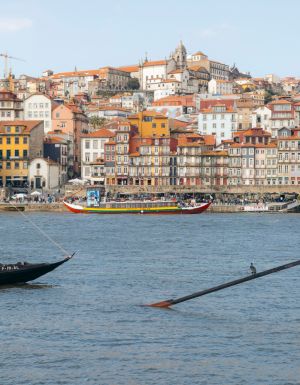
Lisbon is one of Europe’s oldest and most lyrical cities, scattered across seven hills on the banks of the Tagus River. Climb up to any one of the many miradouros (viewpoints) to reveal a mélange of mosaic pavements, castle ramparts, terracotta rooftops and brightly painted neoclassical buildings cascading down to the waterfront.
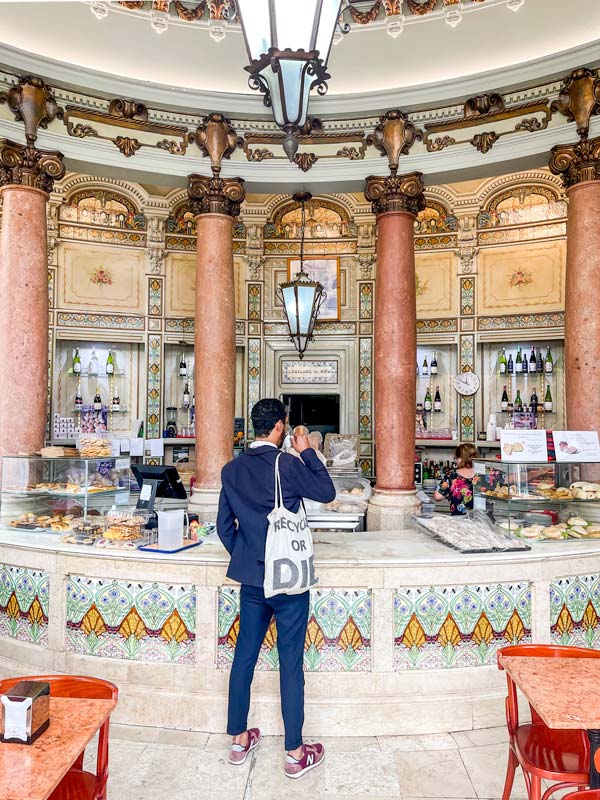
The last decade has seen a period of feverish reinvention – everything old is new again with a wave of revitalised urban spaces that look both to the past and the future. The untranslatable word saudade is a poetic Portuguese sentiment that encapsulates a deep sense of wistfulness or a bittersweet longing.
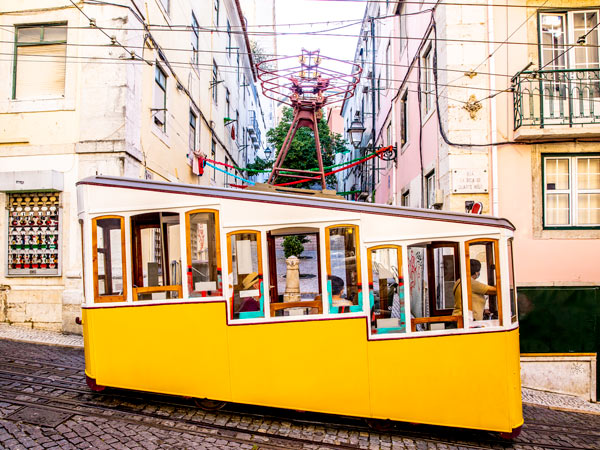
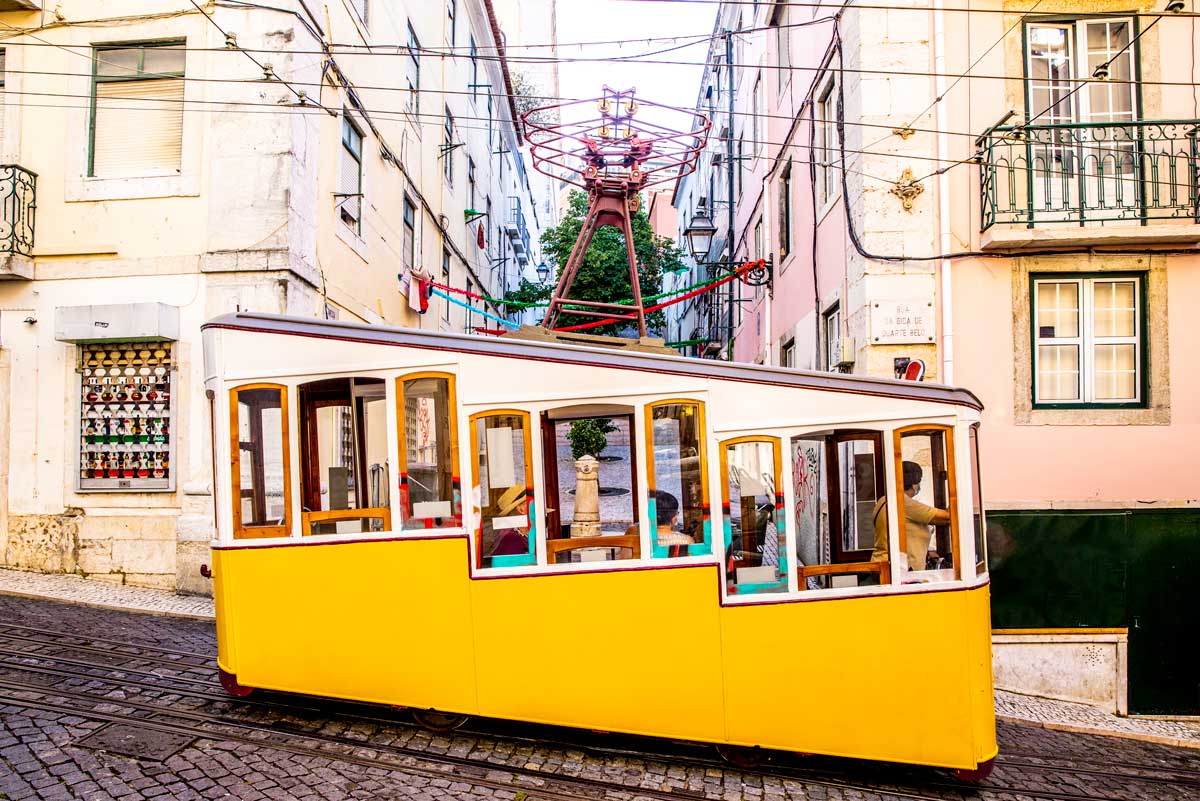
Traces of this nostalgia can be felt in the vignettes of vintage canary-yellow trams rattling through historic neighbourhoods, azulejo-clad townhouses (glazed ceramic tiles) and melancholic fado music spilling out of tascas (bars).
There’s never been a more exciting time to soak up some cutting-edge culture, with a recent crop of design-led hotels, a vibrant nightlife and one of the fastest-evolving food scenes on the continent.
Where to eat in Lisbon
Time Out Market
You can find some of the tastiest dishes the city has to offer under a hangar-like roof in one of the world’s largest gourmet food markets. Since opening in 2014, it’s turned the once-seedy Cais do Sodré neighbourhood into a hotspot.
The vendors, personally vetted by Time Out Market critics, include some of Lisbon’s top chefs. Look out for the multitiered francesinha (a local version of a croque-madame) by veteran chef Miguel Castro e Silva and traditional dishes from Michelin-starred chef Henrique Sá Pessoa.
Pastéis de Belém
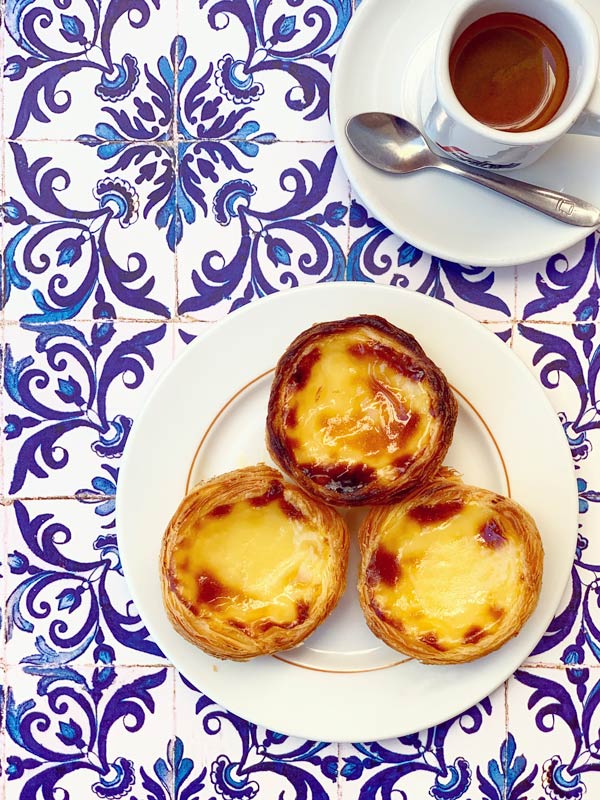
A trip to Lisbon wouldn’t be complete without taking the tram to Belém to sample the legendary pastéis de nata.
Pastéis de Belem are the finest purveyors of Portuguese custard tarts, thanks to a tightly held recipe that dates back to 1837, passed down by monks who hailed from the magnificent Jerónimos Monastery across the road. Enjoy these time-honoured treats still warm from the oven with a sprinkle of cinnamon and sugar.
Prado
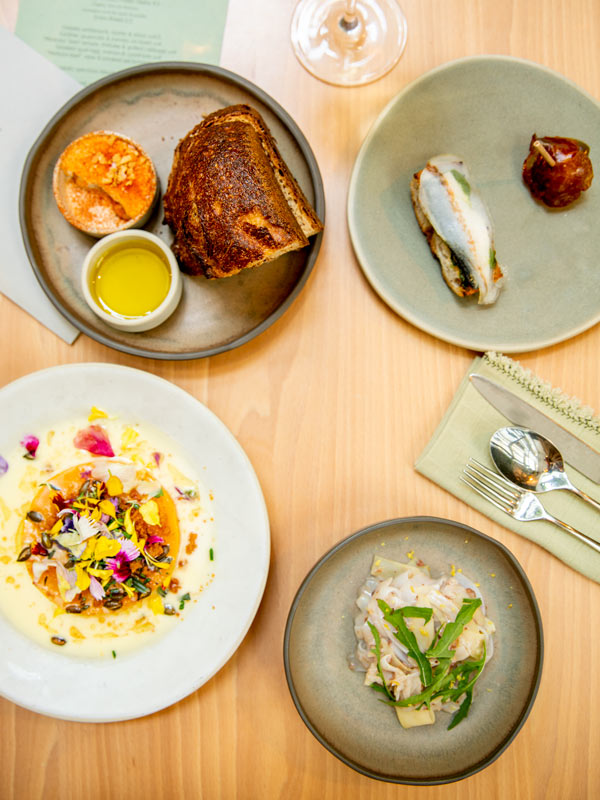
Prado means ‘meadow’ in Portuguese, fitting for the fancy farm-to-table fare at this trendy spot in the Baixa quarter. Originally a 19th-century cannery, the abandoned building has been completely transformed with a sage-green colour palette, natural timber and high ceilings draped with ferns and ivy.
Prado is one of the city’s gastronomic gems, the sophisticated creations of chef António Galapito showcase micro-seasonal, local produce. Save room for the mushroom ice cream with pearl barley, dulse (sea lettuce flakes) and caramel – a sweet, umami-rich stroke of genius.
A Cevicheria
Despite the high density of excellent eateries in Príncipe Real, A Cevicheria stands out with an eye-catching giant sculpted octopus hanging above the counter.
Brazilian-born Francisco Martins, known as chef Kiko, selects the freshest fish from the markets each morning for his twist on Peruvian ceviche, such as the Portuguese-flavoured codfish, octopus, textured potatoes, slow-cooked egg yolk and parsley. Wash down with a signature citrusy pisco sour.
Marquise da Mobler
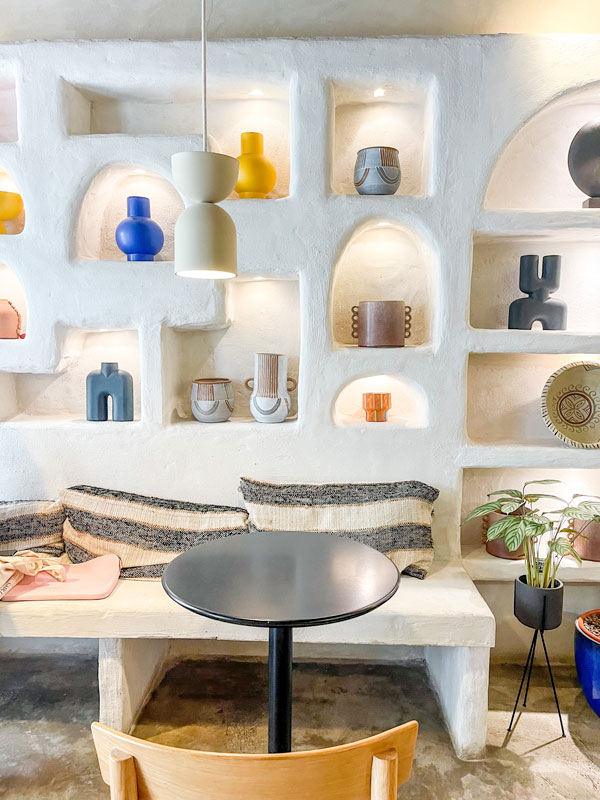
Combine your breakfast with browsing stylish homewares at this mid-century furniture store, the Marquise da Mobler, which has evolved into a cosy café with irresistible baked goods. Order the cloudy puffs of coconut-topped buns known as Pão de Deus (‘Bread of God’) to savour with your coffee.
Where to drink in Lisbon
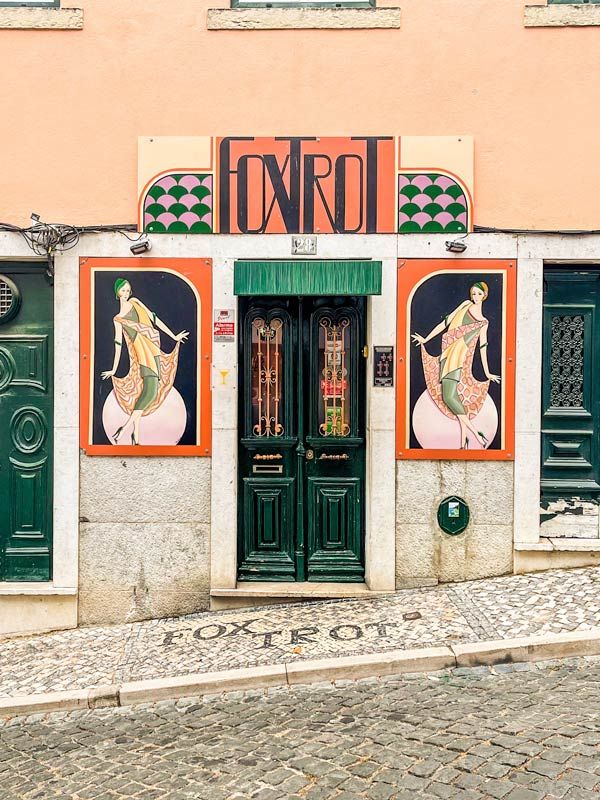
When it comes to bars, Lisboetas are spoilt for choice. Don’t miss the eccentric Pavilhão Chinês (‘Chinese Pavilion’), a bar that looks like an old-fashioned curiosity shop. Speakeasies have been popping up all over town: ring the doorbell of Foxtrot and you’ll be whisked away into the glamour of the Art Deco era.
Meanwhile, Park Lisboa wouldn’t be out of place in NYC’s Brooklyn. Situated on the sixth floor of a carpark in the bohemian enclave of Bairro Alto, this buzzy joint boasts 180-degree views.
Top things to do in Lisbon
Lx Factory
What started out as a 19th-century industrial complex is now Lisbon’s leading creative hub, LX Factory. Explore the design stores, artist studios and trendy cafes. The venue hosts a regular roster of events from music gigs to fashion shows and art exhibitions. Check out the ultra-urban bookstore Ler Devagar in the former newspaper print workshop.
MAAT
When MAAT (The Museum of Art, Architecture and Technology) launched in 2016, it was a major addition to both Belém’s sparkling waterfront and Portugal’s art sphere. The futuristic architectural masterpiece comprises a repurposed 1908 power station and a newly built section by prize-winning British architect Amanda Levete.
Palácio dos Marqueses de Fronteira
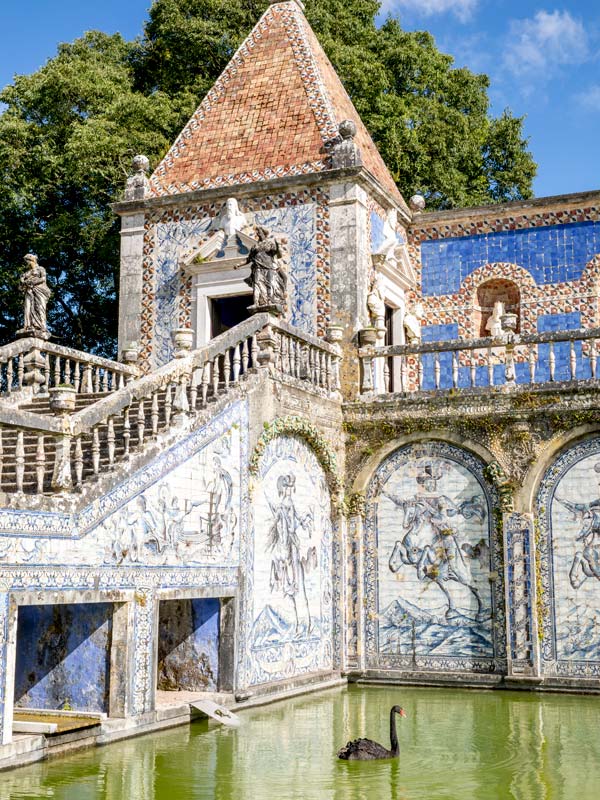
This 17th-century former hunting pavilion has long been one of Lisbon’s best-kept secrets, hidden away in a quiet forested suburb. Book a tour of the palace or just wander the whimsical garden to admire the fountains, maze-like hedges and black swans gracefully paddling in the pond. You might even bump into the current Marqueses de Fronteira, who resides there.
Shopping
There’s no shortage of high-quality specialty stores to spend your euros. Firstly, for some variety, A Vida Portuguesa is a one-stop shop for gorgeous gifts made in Portugal. There’s also the concept store Embaixada, housed in a neo-Moorish palace, worth dropping by for the building alone.
Foodies flock to Conserveira de Lisboa, a 92-year-old institution known for its retro tinned sardines. One of Portugal’s internationally recognised brands, Claus Porto sells luxury soaps and fragrances wrapped in pretty Belle Époque packaging.
Follow your nose to the fragrant Casa de Velas Loreto (House of Candles) which opened in 1789 before electricity arrived in the city – the handmade beeswax candles remain sought-after today.
Weekly travel news, experiences
insider tips, offers, and more.
Where to stay in Lisbon
The Ivens
An iconic radio broadcasting building in the upmarket Chiado neighbourhood has been wildly reimagined into The Ivens, the city’s first Autograph Collection Hotel.
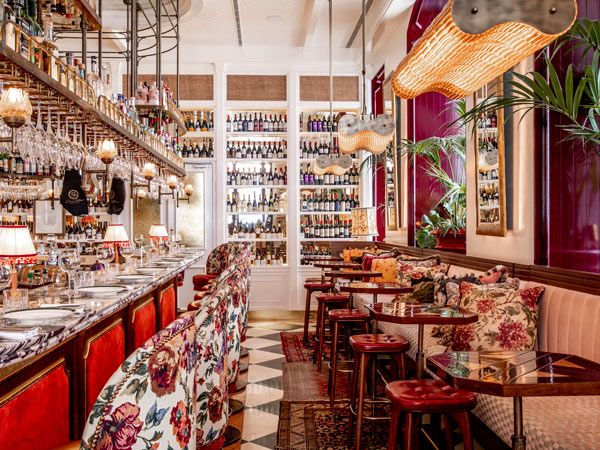
The 87-room, five-star hotel recently opened on the crossroads of two streets, each named after early Portuguese explorers Roberto Ivens and Hermenegildo Capelo – inspiring an explorer-themed motif.
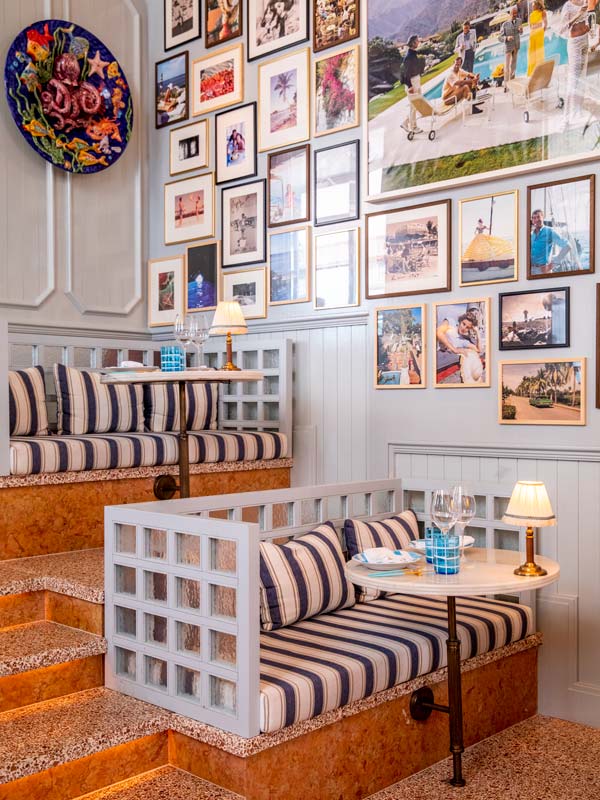
The treasure trove of interiors pays homage to Portugal’s Golden Age of Discovery and the duo’s intrepid travels on the African continent. Think leather armchairs, touches of velvet, tropical plants, exotic parrots, beetles, animal prints and maps.
Palácio Príncipe Real
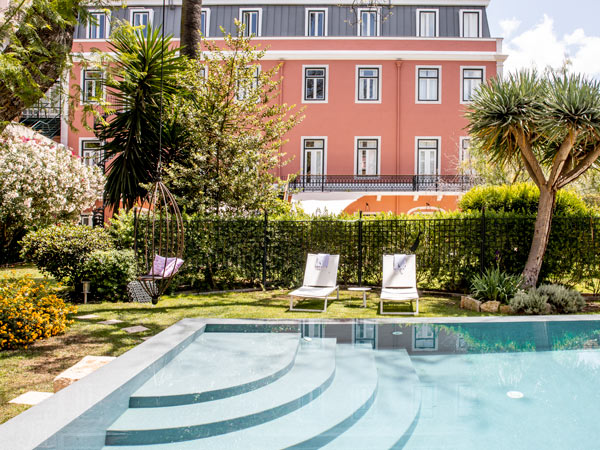
A playful, rose-pink palácio in the fashionable Príncipe Real postcode has caught the attention of design lovers. Built in 1877, the elegant palace was a family home for more than a century.
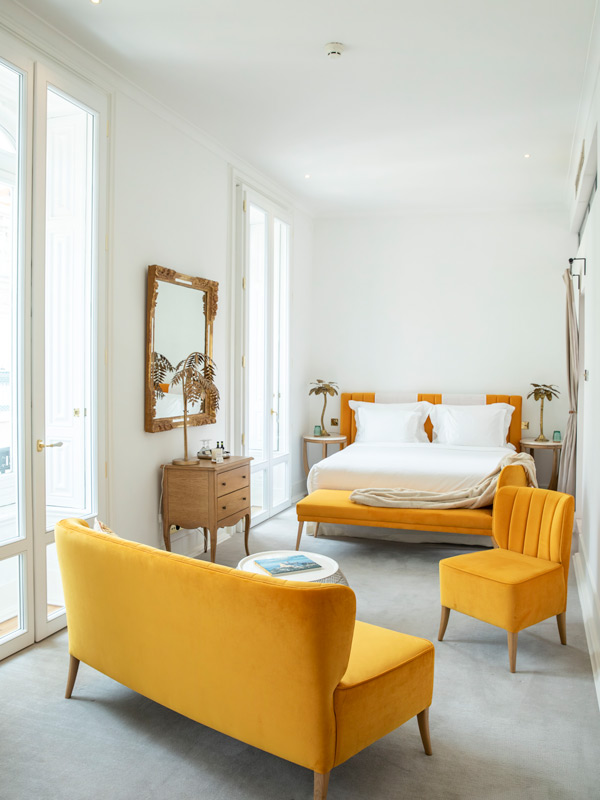
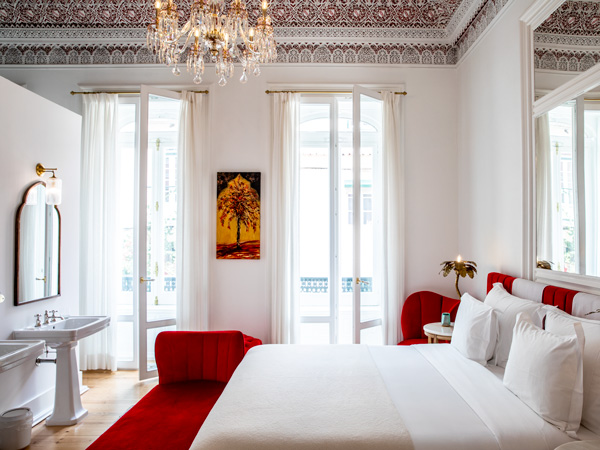
Its new owners, British couple Gail and Miles Curley, dreamt up the luxurious 28-room boutique hotel and restored the original 19th-century design details, including the hand-painted Arabesque stucco ceilings and blue-and-white ceramic tiles.
The pool is arguably the loveliest in Lisbon, surrounded by cloistered gardens dotted with lemon trees, towering palms and a jacaranda tree that blossoms into a riot of purple petals. BYO rubber ducky; you’ll be hard-pressed to find a hotel with a more beautiful collection of roller-top bathtubs.
HOTEL HOTEL
The sleek, minimalistic Hotel Hotel is an ideal launchpad for exploring Lisbon’s labyrinth of colourful streets. Located Downtown, the boutique 40-room hotel is tucked away off the luxury store-lined Avenida da Liberdade; Lisbon’s answer to Paris’s Champs-Élysées.
Step outside into a verdant sanctuary with a swimming pool and vertical garden, complete with cascading greenery. If you feel like working off those flaky Portuguese pastries, there’s a yoga studio.
Want to see more stories from International Traveller in your Google search results?
- Click here to set International Traveller as a preferred source.
- Tick the box next to "International Traveller". That's it.