It’s been a while since we’ve been out there, but the world hasn’t stopped moving. From the latest hotels to new retreats in far-flung destinations to museum openings and what’s trending, here is all the inspiration you need to inform your travel plans to Europe this year and beyond.
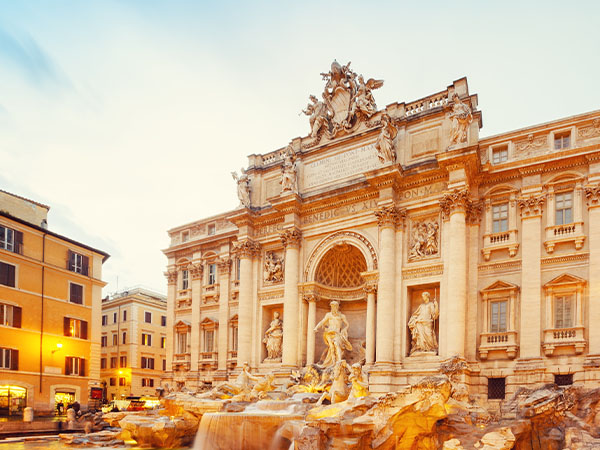
Stay at the new Six Senses Rome
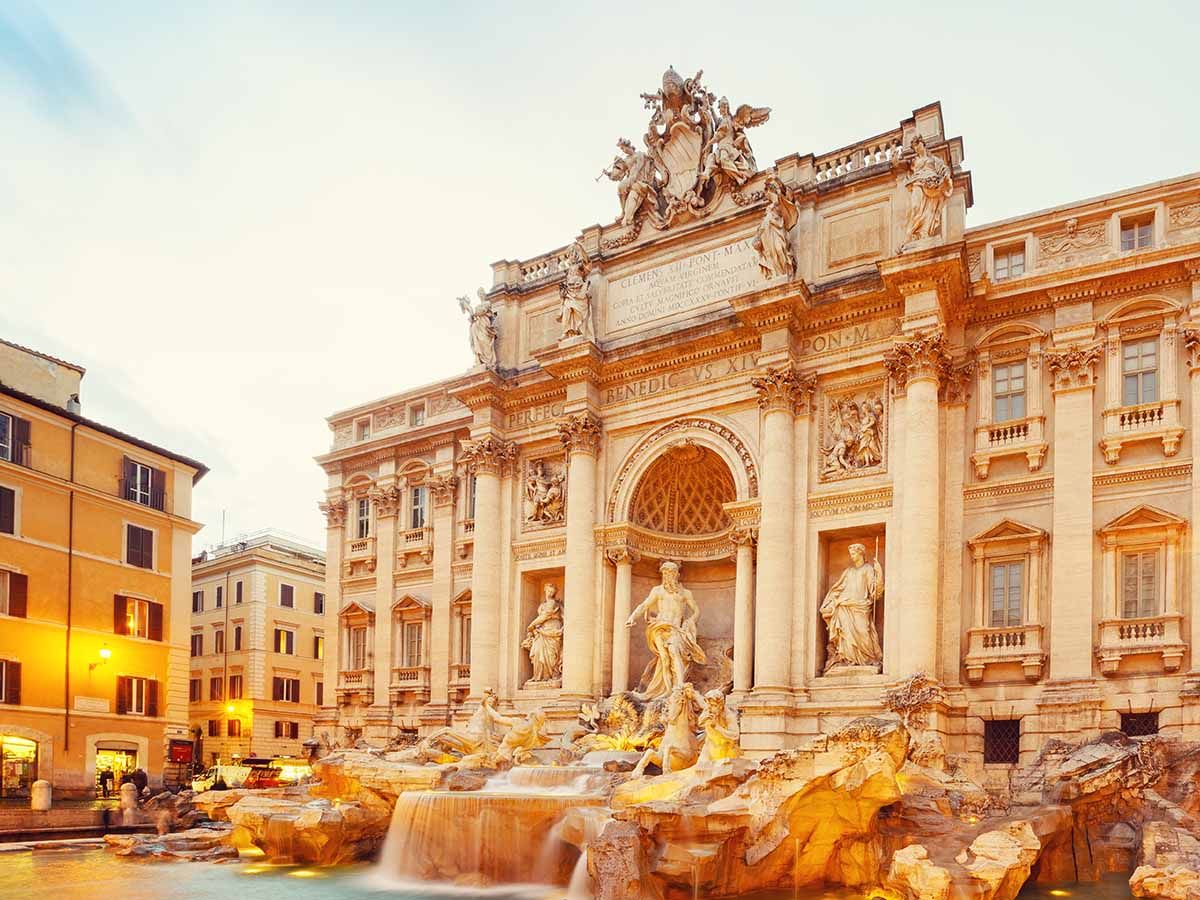
Choose to stay at the luxe Six Senses Rome, set to open by the end of 2022. With an enviable position within the 18th-century Palazzo Salviati Cesi Mellini on Piazza di San Marcello, within striking distance of the Fontana di Trevi and Pantheon, the property will have 95 guest rooms and suites, as well as a signature Six Senses spa, restaurant, outdoor courtyard garden and an utterly delightful rooftop terrace with views across the terracotta roofs of the city.

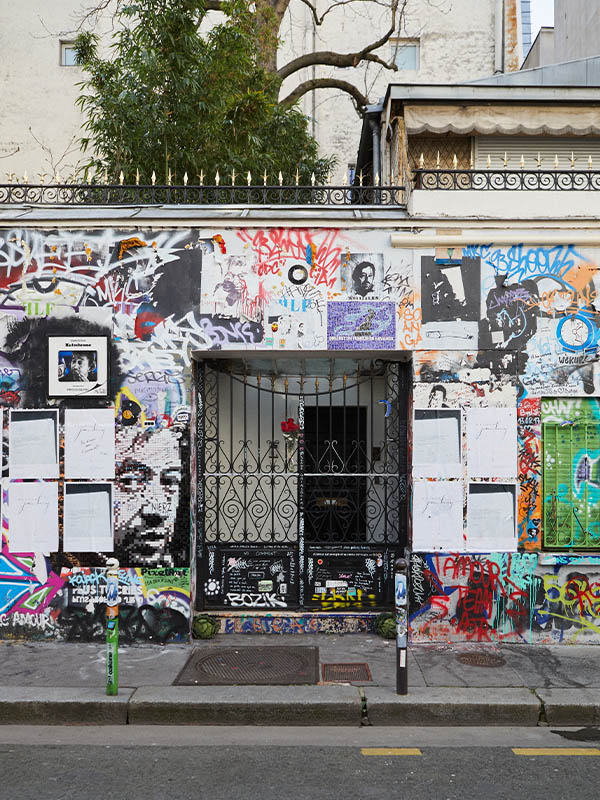
Visit the new Maison Gainsbourg, Paris
Serge Gainsbourg epitomised French insouciance, with his hooded eyes, laconic delivery and ever-present cigarette dangling from his full lips. Add the irresistible élan of an equally transfixing partner in British actress Jane Birkin and you have the stuff of legend. Now, some 30 years after the death of the celebrated singer, songwriter, author, filmmaker and actor, his former Paris home is set to become one of the city’s newest museums. Encompassing the graffiti-daubed 5 bis rue de Verneuil, Gainsbourg’s home from 1969 to 1991, and 14 rue de Verneuil, which will house a museum, bookstore and the suitably louche Le Gainsbarre, Maison Gainsbourg will see visitors weaving their way from one building to the other to take in private interiors, an immersive audio experience and museum exhibits from his life and career.
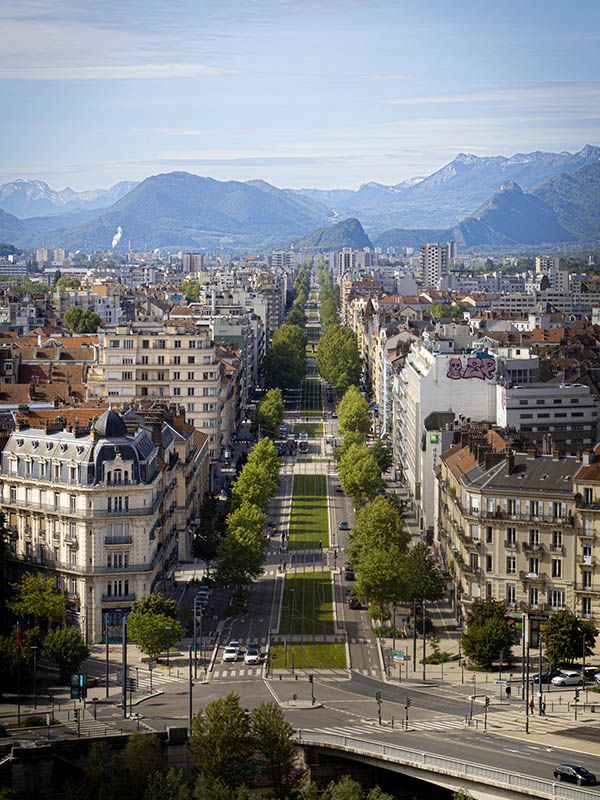
Grenoble crowned European Green Capital for 2022
The French city of Grenoble, sitting at the base of the French Alps, is basking in the title of European Green Capital during 2022. It is a well-earned honorific, considering that the gracious city of historic buildings, wide boulevards and verdant public spaces (5500 trees have been planted there since 2014) was the first French authority to adopt a climate plan way back in 2005, and is the country’s top city for bicycle commuting. But the city isn’t done yet: during its tenure as Green Capital it will produce the equivalent of its inhabitants’ consumption in renewable, zero-carbon, zero-nuclear energy.
Europe’s night train network adds new destinations
Europe’s night-train network is expanding with new sleeper trains ready to whiz travellers from Prague to Brussels via Dresden, Berlin and Amsterdam under the cloak of darkness. Efficient, climate-friendly and wildly romantic.
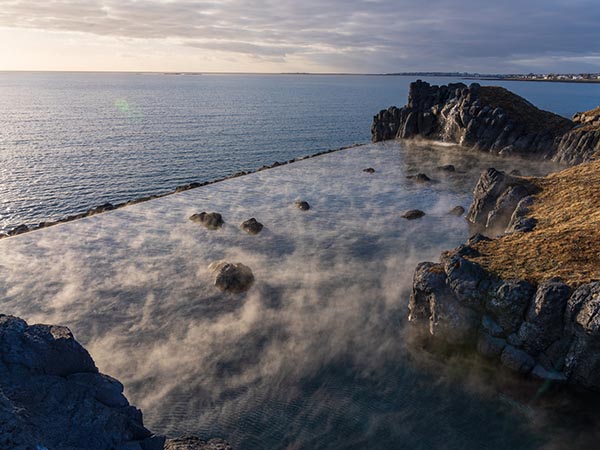
Soak in the new cliff-top Sky Lagoon, Iceland
You could be excused for thinking that Iceland got in line twice when they were handing out scenery, so dramatic and infinite are the vistas contained within this Nordic country. And its people certainly make the most of all they have been given; case in point being Sky Lagoon, a geothermal cliff-top lagoon that looks out to the roiling waters and corpulent skies of the North Atlantic Ocean. An instant Instagram favourite, the ritual of Sky Lagoon starts by soaking in the warm, healing waters of the lagoon before indulging in a combination of cold water therapy, sauna, steam, scrubs and cool mist. Complement such impeccable natural beauty with the man-made: The Reyjavik Edition is a sleek five-star stay that embraces clean, crisp Nordic style all the better to let its surroundings shine.
Nice added to UNESCO’s World Heritage list
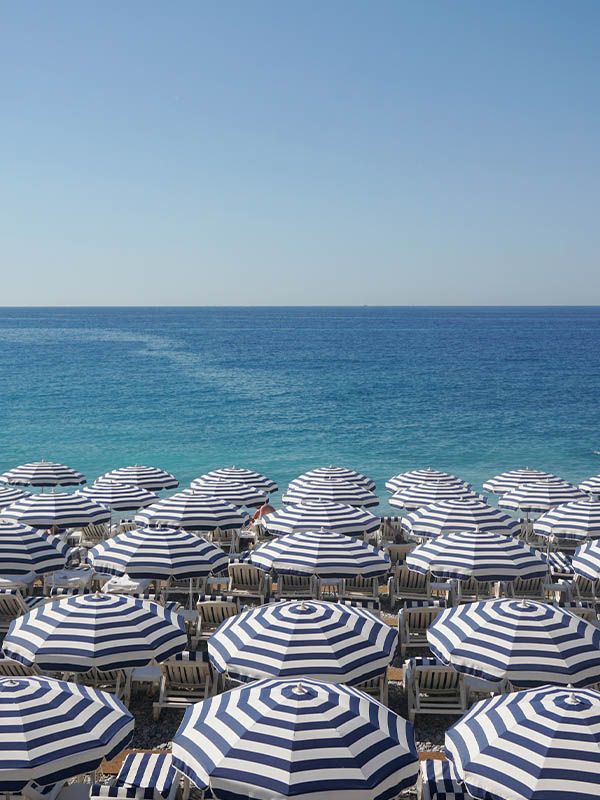
From its enviable position on Europe’s Mediterranean coastline, the French city of Nice has long lured the great and the good to its beaches and grand hotels to indulge in its temperate climate and delicious diversions. Such off-season allure has recently earned the city a coveted spot on UNESCO’s World Heritage list as a Winter Resort Town of the French Riviera. Visit to stay in its sumptuous suites (including at the famed Le Negresco), recline on its umbrella-embellished beaches and appreciate its sorbet-hued architecture.
Visit Oslo’s new museums: Munch & Nasjonalmuseet
There’s been a busy period of industry in the Norwegian capital over the last few years, which will culminate with the city laying claim to two sparkling new museums. The first creative cab off the ranks was Munch, which opened its door in October last year. The delightfully off-kilter 13-storey building, executed by Spanish architect Estudio Herreros, is dedicated to the works of the equally off-kilter Norwegian artist Edvard Munch. Crouching on the Oslo waterfront at Bjørvika, the 11 galleries contained within are filled with over 200 of the artist’s works, as well as complementary works by other Modernist and contemporary artists. In addition, there’s the Munch deli & café, Bistro Tolvte, cocktail bar Kranen, a research library and a seriously good museum shop.
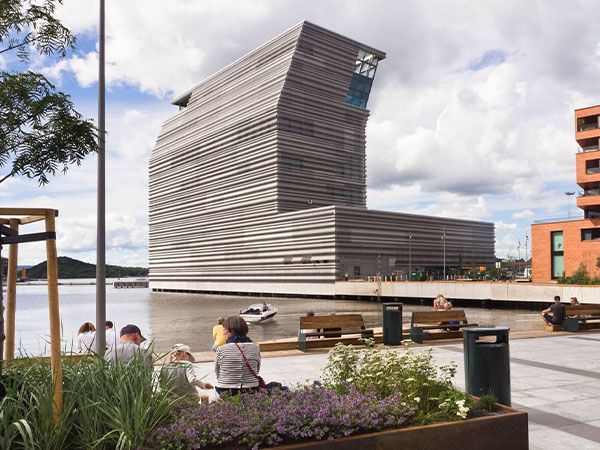
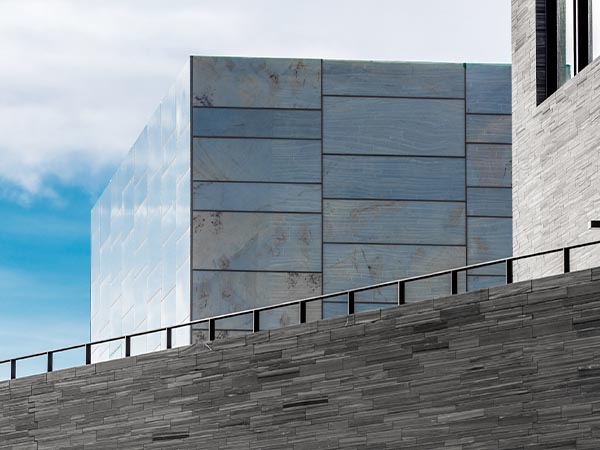
But Munch will only have the city to itself for a little while longer, with the opening of the expansive new Nasjonalmuseet, or National Museum, the second cab off the rank, locked in for midway through the year. Once finished this will be the largest museum in the Nordic region and house an impressive collection, including the earliest versions of Edvard Munch’s most iconic and haunting art piece, The Scream.
Explore the newly renovated Musee de Cluny, Paris
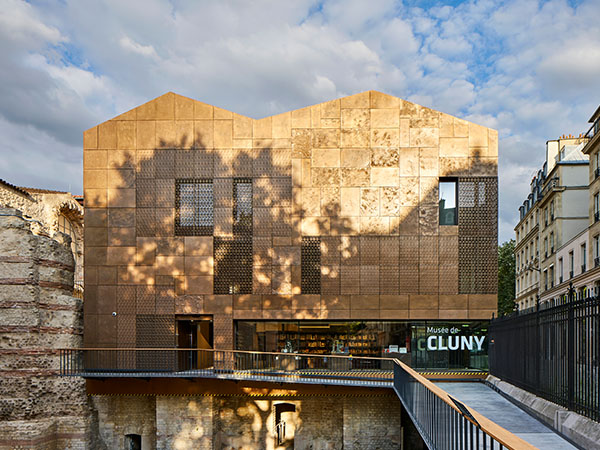
It has taken seven years (and over $32 million) to realise the renovation of the Musee de Cluny, France’s National Museum of the Middle Ages, in Paris’s 5th arrondissement. Starting with the restoration of a Gothic chapel and ancient Gallo-Roman Thermes de Cluny (thermal baths) on the grounds, the focus moved on to creating the startlingly modern Bernard Desmoulin-designed reception hall. The final stage leading up to this year’s unveiling has seen the museum’s exquisite collection of art, objects and tapestries arranged in chronological order, which will lead guests from the Byzantine and Gothic periods to the 1500s, where the famous Lady and the Unicorn tapestries now reside.
New Design Hotels in Europe
Why settle for one, when two is twice as nice? This seems to be the ethos guiding Design Hotels, with sleek new properties opening in two compelling locations this year.
Italy: Rastrello & Vocabolo Moscatelli
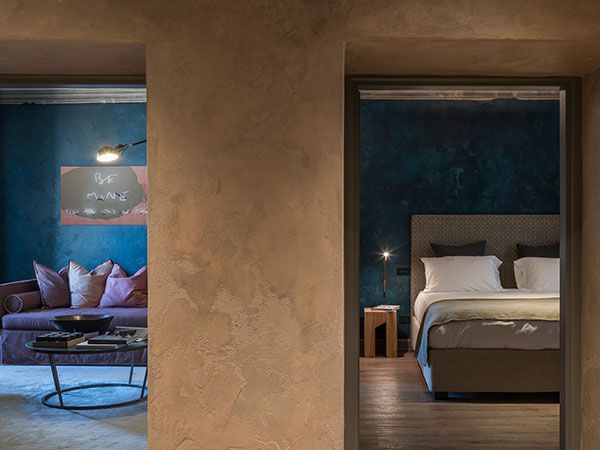
Rastrello, in the sun-kissed, olive-grove-dotted Italian region of Umbria, is housed in a 500-year-old building within the medieval walled town of Panicale, and will offer guests rotating local art, singular experiences and food created from the property’s biodynamic garden. Meanwhile, Vocabolo Moscatelli in the Umbrian province of Perugia marries the bones of a former monastery with steel, wood and linen across 12 rooms.
Weekly travel news, experiences
insider tips, offers, and more.
Portugal: The Curator & Hotel Hotel
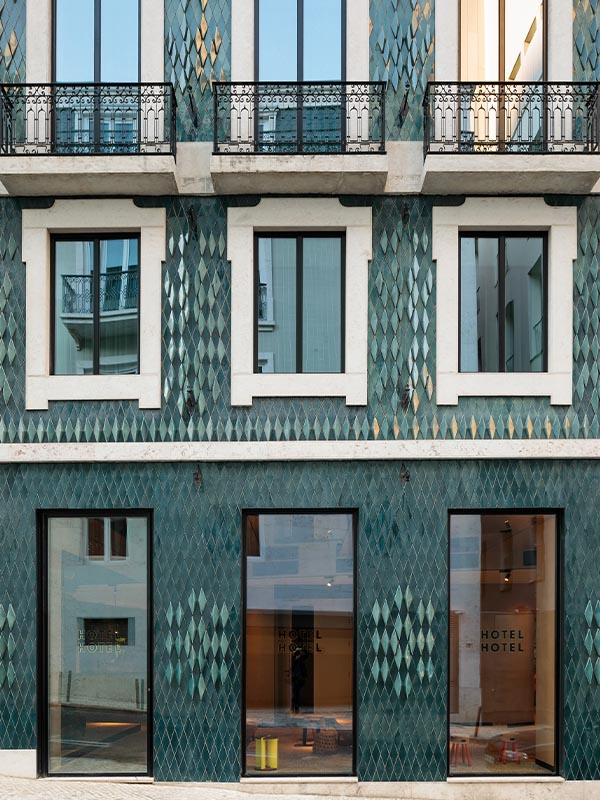
In Lisbon, The Curator, located in the creative Belém-Alcântara area of the city, will include a contemporary museum and a cultural program dedicated to the performing arts and literature, while the new 40-room Hotel Hotel offers guests immersive dinners, meditation workshops and live music.
Plateforme 10: the new arts district in Lausanne, Switzerland
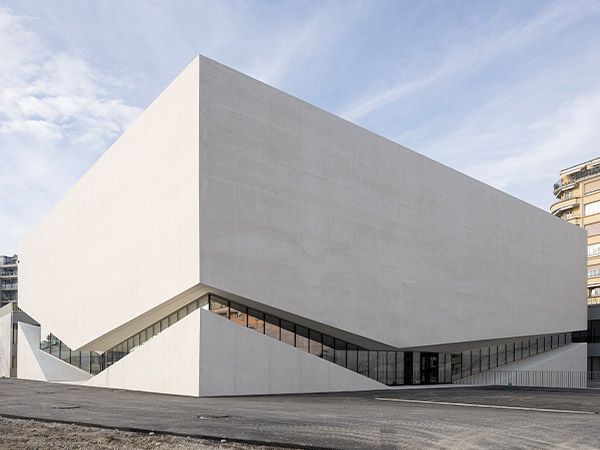
Set to open in June, Plateforme 10 in the Swiss city of Lausanne will debut as a dedicated arts district that unifies the Musée cantonal des Beaux-arts (MCBA), the Musée de l’Elysée, a leading photography museum, and the MUDAC (Museum of Contemporary Design and Applied Arts), devoted to design and contemporary applied arts. Situated next to the city’s train station, the space will be dominated by a trio of arresting new builds that will be attractions in their own right.
Immerse yourself in fairytales at HC Andersens Hus in Odense, Denmark
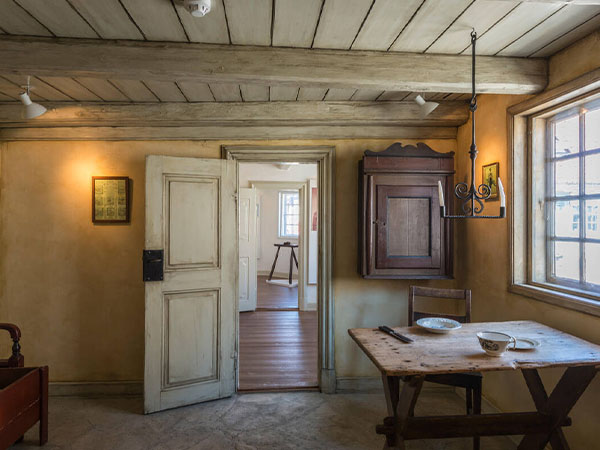
The Danish city of Odense has much to recommend it, from a zoo to charming historical architecture. But its ultimate claim to fame is being the birthplace of one Hans Christian Andersen, the conjurer of countless childhood fantasies of snow queens and diminutive mermaids. With the recent opening of the HC Andersens Hus, it now also has a world-class museum worth the 90-minute train ride from Copenhagen. Designed by Japanese architect Kengo Kuma, the expansive space incorporates the modest house where the fairy-tale author was born in 1805 with a modern exhibition space that brings his fanciful world to life through vivid, colour-drenched, interactive exhibits and artworks, linked by a garden that incites wonder. For the young and the young at heart.
Dine at Le Relais Plaza – a culinary institution in Paris
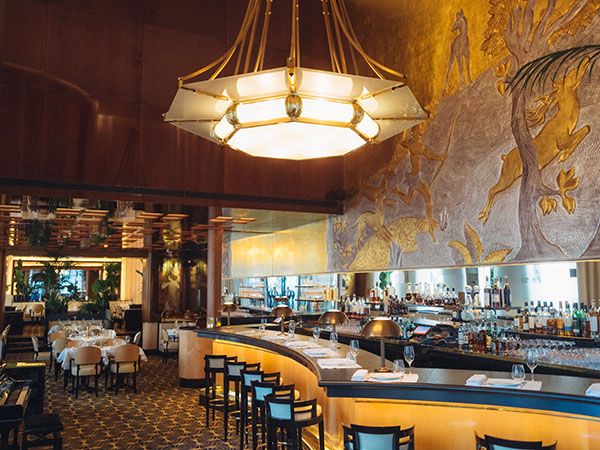
Le Relais Plaza, a Paris culinary institution within the five-star Hôtel Plaza Athénée, has a new chef in Jean Imbert. Recognised as one of the most influential chefs in France today, Imbert has adapted traditional recipes, some over 250 years old, along with his own inventions that earned his reputation and dishes from his grandmother’s repertoire, to present a menu that innovatively references classic Parisian brasserie cuisine. With elements sourced from trusted producers, the menu includes Lobster Mayonnaise & Thermidor and My Grandmother’s Pâté 1951. And while its listed Art Deco interior remains, the space has been made dazzlingly new by Bruno Moinard and Claire Bétaille.
Want to see more stories from International Traveller in your Google search results?
- Click here to set International Traveller as a preferred source.
- Tick the box next to "International Traveller". That's it.