Just like a good wine, some cities are better the older they are.
It was Polish poet Stanisław Jerzy Lec who once said, “Youth is the gift of nature, but age is a work of art." Like most wordsmiths, Lec knew what he was talking about.
But it’s not just the human race that ages graciously. While travelling somewhere fresh and new is always exciting, head to Europe and you’ll discover that the oldest parts of a city can be just as magical. In fact, these old towns across the continent will leave you speechless.
1. Prague, Czech Republic
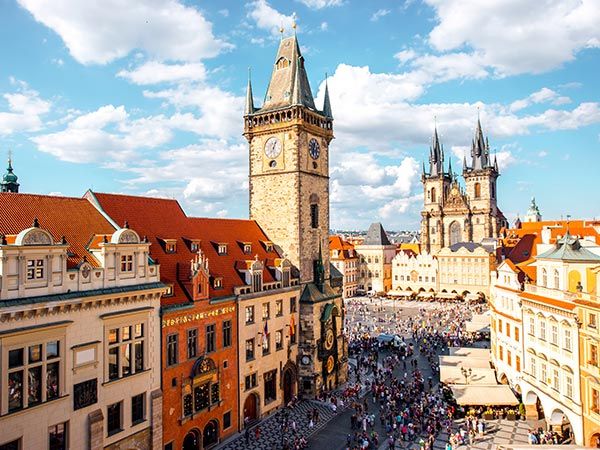
Prague’s old town is one of the most popular areas among tourists in the Czech Republic’s capital city for good reason. Staré Město (literally translating to old town) sits on a bend in the Vltava River and is a maze of winding alleyways and Gothic spires atop looming churches.
But beneath its architecturally bewitching façade, the neighbourhood is brimming with colour and heritage. Think classical concert halls, traditional eateries, art museums and even guided ghost tours. From the golden hands of Prague Orloj, installed in 1410, to the historic Jewish Museum, holding over 100,000 books relating to Judaica, there’s more to this medieval city than meets the eye.
2. Bruges, Belgium
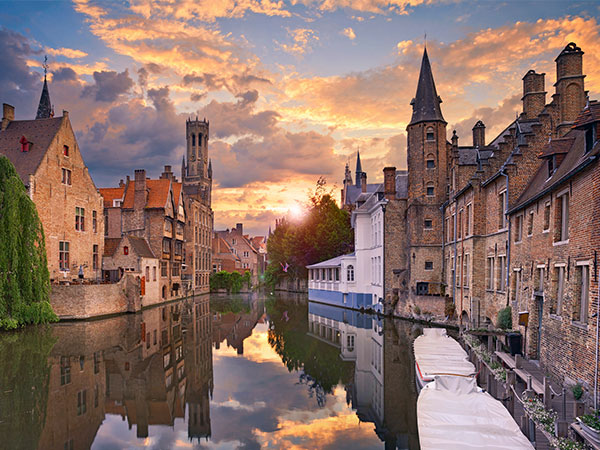
So fabled is the historic centre of Bruges in Belgium, that it’s classified as a UNESCO World Heritage site. Distinguished by predominantly Gothic facades that ripple across the surface of the ancient arterial canals they flank, it’s a city that draws no comparisons.
A major trade hub in the Middle Ages, Bruges has maintained its commercial and cultural appeal since its fortifications were built in the first century BCE. Simply wandering the city’s cobblestoned streets is one of the best ways to experience its charm. Be sure to visit the art galleries, too – Bruges is known as the birthplace of Flemish primitives, the artists responsible for the 15th century’s proliferation of fine art across Belgium.
3. Toledo, Spain
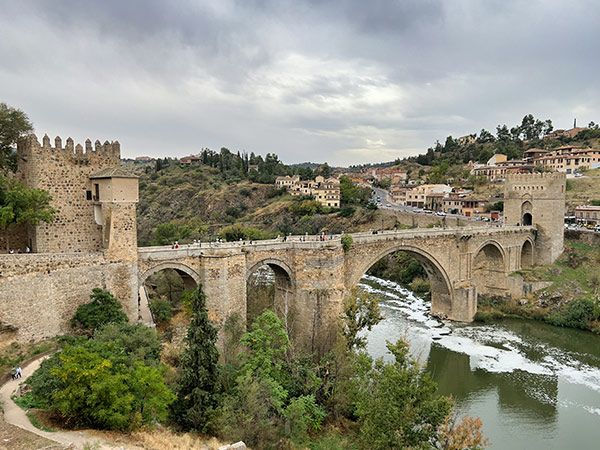
Another UNESCO World Heritage site, the Spanish city of Toledo is built into a dramatic gorge overlooking the Río Tajo – the Iberian Peninsula’s longest river. While the municipality might be considered more pastoral than some of Europe’s other old towns, it’s just as alluring.
After the Islamic invasion of Spain in 711 CE, Toledo became known as ‘the City of Three Cultures’ – a place where Christian, Muslim and Jewish communities allegedly coexisted in peace. This remains a major drawcard for tourists today, as mosques, synagogues and cathedrals weave together to make up the city’s architectural fabric. Yet there’s plenty more on offer in Toledo, such as historic castles, peaceful monasteries, museums and even a zipline adventure across the rushing Río Tajo.
4. Lucca, Italy
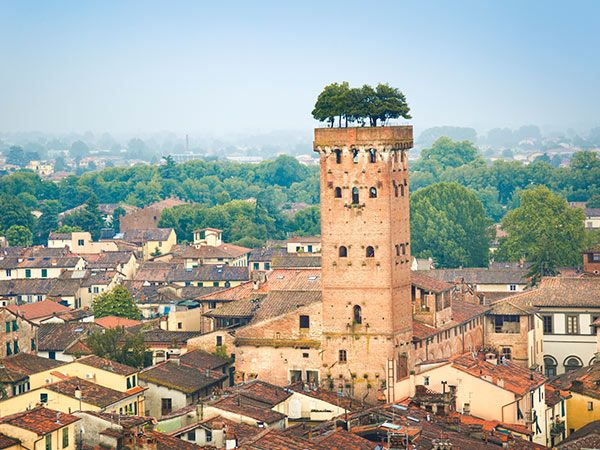
Nestled into Italy’s renowned wine-growing region of Tuscany, the ancient city of Lucca is the perfect destination for wine lovers with a taste for history. In its cultural heart, you’ll find the old town, easily spotted thanks to the Renaissance-era walls that encompass it.
The historic centre of Lucca was built by the Romans around 180 BCE and is surrounded by the Orto Botanico Comunale di Lucca (Botanic Garden of Lucca). The bucolic grounds feature two acres of native and exotic plant species, as well as ponds, greenhouses and arboretums. After exploring the old town’s amphitheatres and piazzas, settle into a gorgeous Tuscan villa to unwind in style.
5. Kraków, Poland
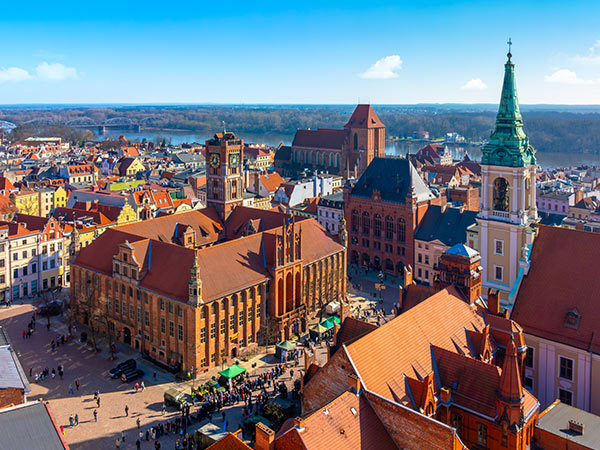
Known as one of the oldest towns in Poland, the bustling city of Kraków is home to a well-preserved medieval core and historic Jewish quarter, making it one of Europe’s best old towns to visit. Medieval and Renaissance architecture mixed with Baroque flourishes on every corner, an homage to the city’s diverse history.
While the museums and basilicas are key to any itinerary, there’s plenty more to this old town than meets the eye. Linger longer and you’ll discover a plethora of underground bars, hidden shopping arcades and boutique hotels. An afternoon spent lazing in the sun at Planty Park for a lunch of traditional pierogis is also a classic Kraków experience.
6. Edinburgh, Scotland
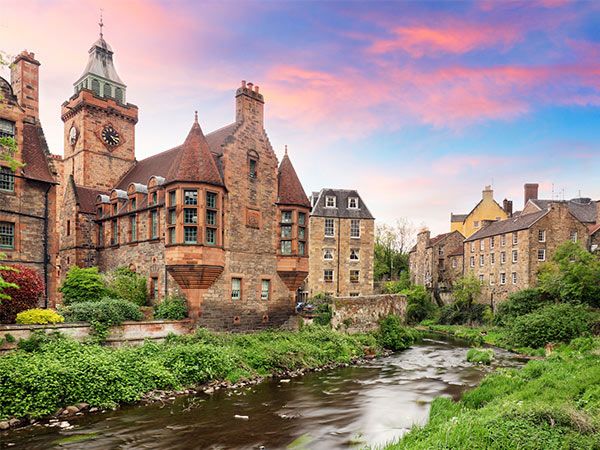
While technically no longer in Europe, Edinburgh in Scotland is a must-visit old town, made particularly unique due to its Reformation-era architecture, when the country broke away from its Catholic roots and established the Protestant Church of Scotland. Reformation rejected ornamentation and embraced simplicity, reflected in the city’s many churches.
But that’s not the only drawcard. In the heart of the old town, Edinburgh Castle is a portal to the past that remains one of the city’s best tourist attractions. And it’s a city that can do all seasons, too – from autumn’s spellbinding charm to spring in Princes Street Gardens, wild-swimming summers and winters full of Christmas market magic.
Weekly travel news, experiences
insider tips, offers, and more.
7. Mont Saint-Michel, France
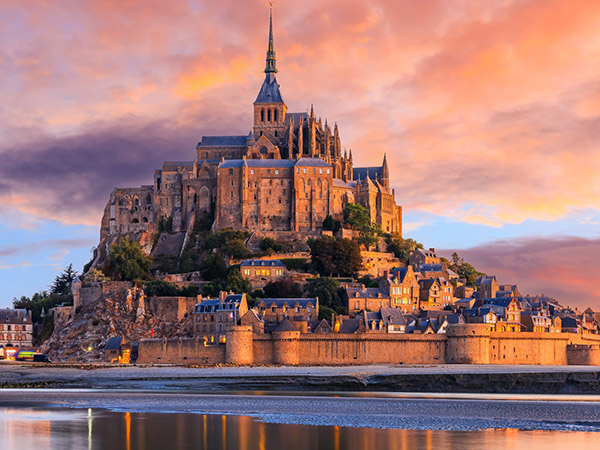
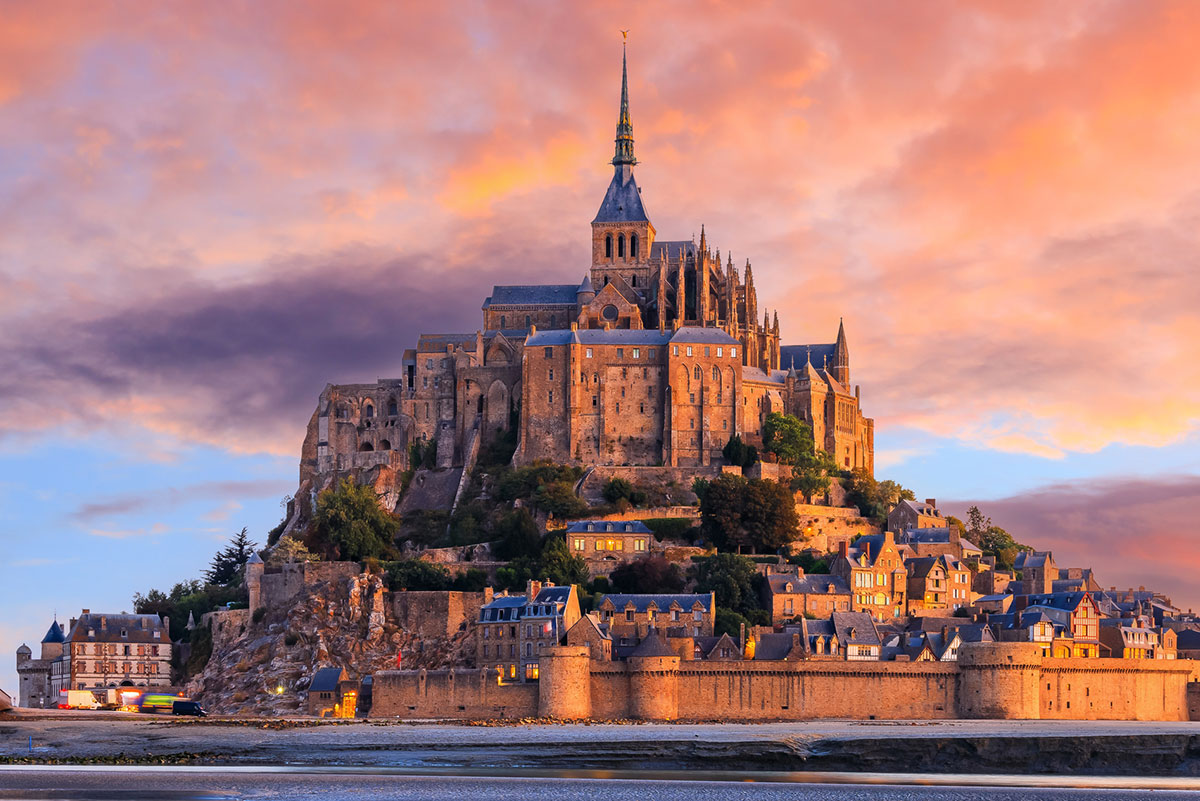
The commune of Mont Saint-Michel off the coast of Normandy in France is the quintessential European old town. The city seems straight out of a movie; a Euro-style imitation of the castle that appears at the beginning of a Disney film. Built in the 8th century, the streets of Mont Saint-Michel ascend the leucogranite rock like wild ivy, perfect for a day of exploring.
Romanesque with a Gothic flair, the city’s architecture is worthy of a trip in itself, showcasing Mont Saint-Michel’s masterful landscaping and design. Be sure to take a tour of Mont Saint-Michel Abbey, wander La Grand Rue, visit the city’s historic ramparts and catch a sunset over the surrounding bay.
8. Gamla Stan, Stockholm
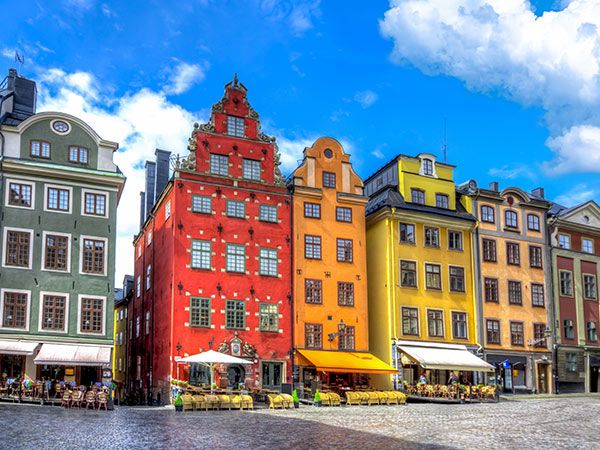
Stockholm’s old town spreads seamlessly across the tiny islands of Riddarholmen, Helgeandsholmen and Strömsborg in the Swedish capital. Home to the king’s official residence, Gamla Stan holds major historic and cultural significance for the small country and is slated as one of International Traveller’s best places to visit in 2025.
It may be small, but this old town definitely packs a punch. There’s plenty to marvel at, from cobblestoned streets and secret alleyways to colourful 18th-century buildings and quirky boutiques. Follow up vintage shopping with a tour of the Nobel Prize Museum before hitting up Barrels restaurant for the best burger and beer combo in the city.
Want to see more stories from International Traveller in your Google search results?
- Click here to set International Traveller as a preferred source.
- Tick the box next to "International Traveller". That's it.