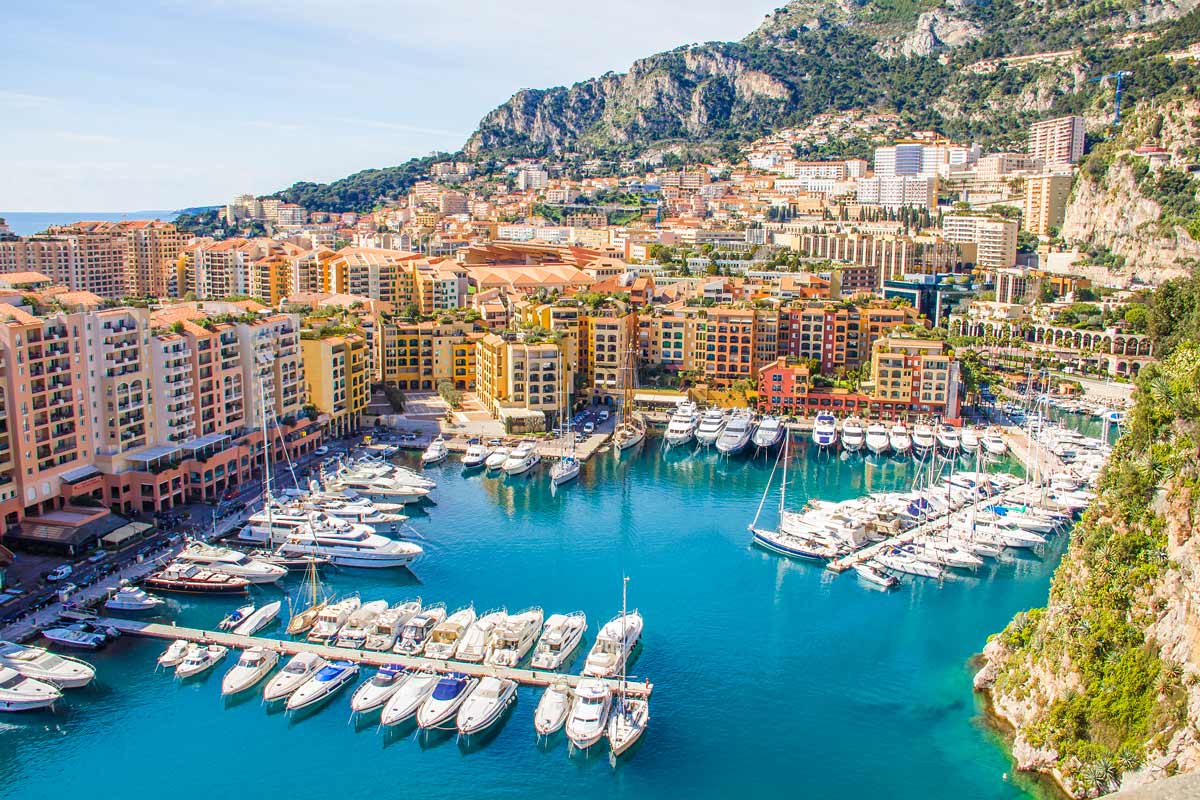

Monaco is famed for its glamour and opulence, but its seriously impressive green scene is where it truly shines. We discover a different side to the tiny principality on the glittering Côte d’Azur.
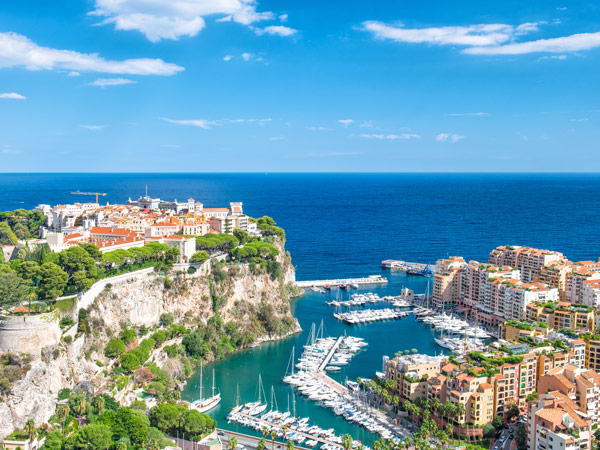
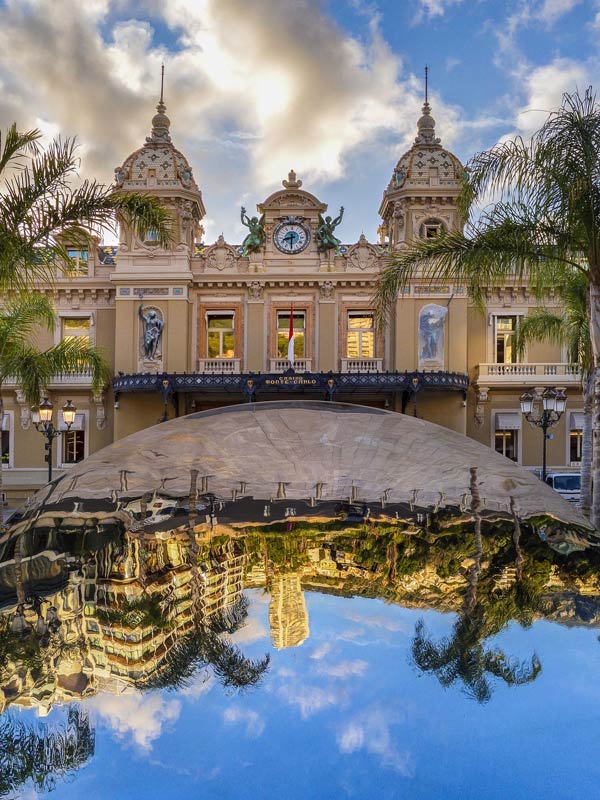
With its opulent Belle Époque architecture in profile against the shimmering Mediterranean Sea, the Casino de Monte-Carlo has long been enticing visitors to Monaco. It was opened in 1863 in a bid to revitalise the newly sovereign principality’s economy after it ceded around 95 per cent of its territory – including most of its agricultural land – to neighbouring France.
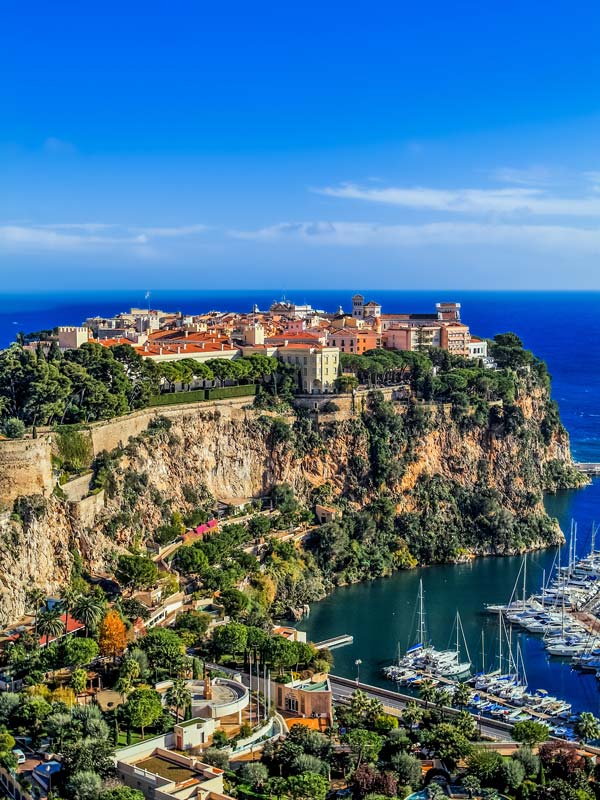
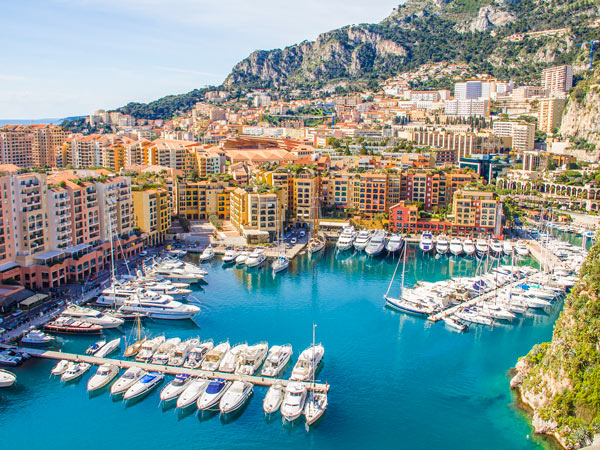
In the years that followed, the casino transformed the tiny locale into a luxurious playground synonymous today with the superyachts that gleam in the port beneath Le Rocher (the Rock of Monaco).
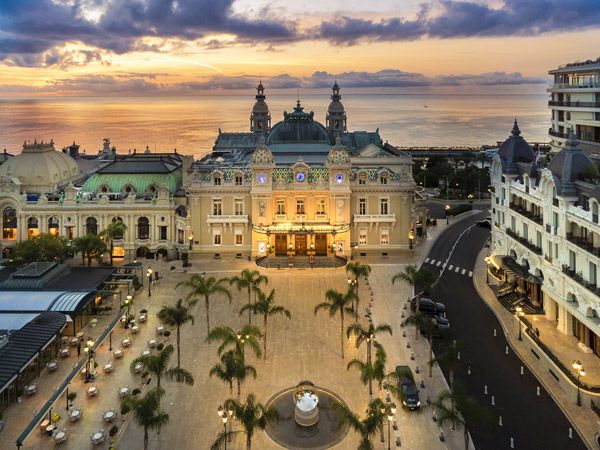
The dramatic promontory sets the scene for the legends of the rich and famous that have unfolded here throughout the ages. Yet the star attraction when I visit on a few blue-sky days in spring is the truly impressive green scene that underpins everyday life here. This is a place where e-bikes, e-cars and even e-boats are the way to get around. And that’s when Monégasques aren’t nimbly navigating the hilly streets on foot, hopping on and off a network of public elevators and escalators to crisscross the principality with mountain-goat ease.
Why visit Monaco?
Lush and expansive green spaces
Monaco is the world’s most densely populated country and its high rises crowd out the Belle Époque villas that gleam like architectural gems from Monaco’s early development. But so too do its green spaces: packed as they are into every spare inch of the two square kilometres that hug the Côte d’Azur. In fact, more than 20 per cent of the principality is parkland, not to mention the urban farms sprouting from rooftops.
Since launching her company Terrae in 2016, urban agriculture pioneer Jessica Sbaraglia has carved – out of concrete – 1640 square metres of market gardens in Monaco. They service, among other things, the world’s first 100 per cent organic Michelin-starred restaurant, Elsa.
Focus on sustainable travel
Reducing food waste is of paramount importance here; even the finest establishments give food boxes to diners to take away leftovers.
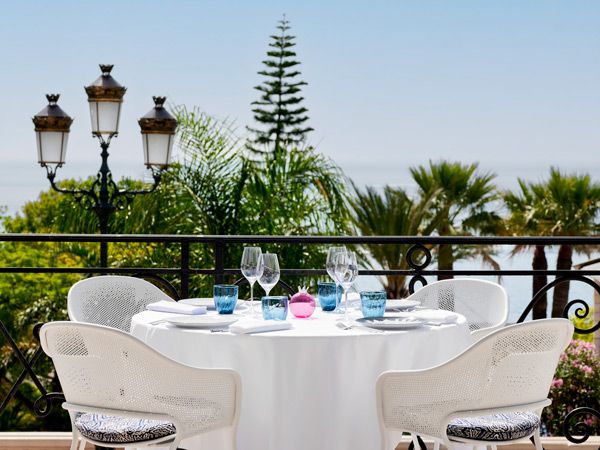
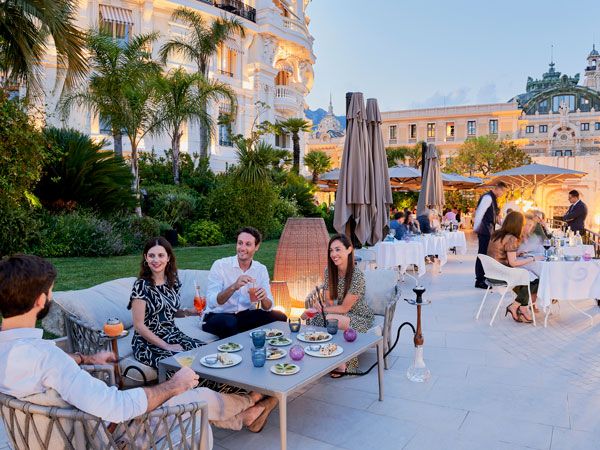
At Em Sherif Monte-Carlo within the gilded Hôtel de Paris Monte-Carlo, where the discreet but unmistakable bustle of security personnel tells us we’re dining in VIP company, my travel companions and I are offered boxes to take away the sumptuous Lebanese feast we haven’t quite been able to finish.
Sustainability is stamped on the prestigious motorsport calendar, too. First held in 2015, the Monaco E-Prix is now a fixture of the scene today and races the same legendary circuit as Formula One.
In Fontvieille, the boutique Columbus Hotel gives guests a taste of real Monégasque life. Here, eco-friendly initiatives are second nature: from soap recycling to a restaurant committed to local supply chains, and energy needs supplied by a waste-to-energy district heating and seawater pumping plant.
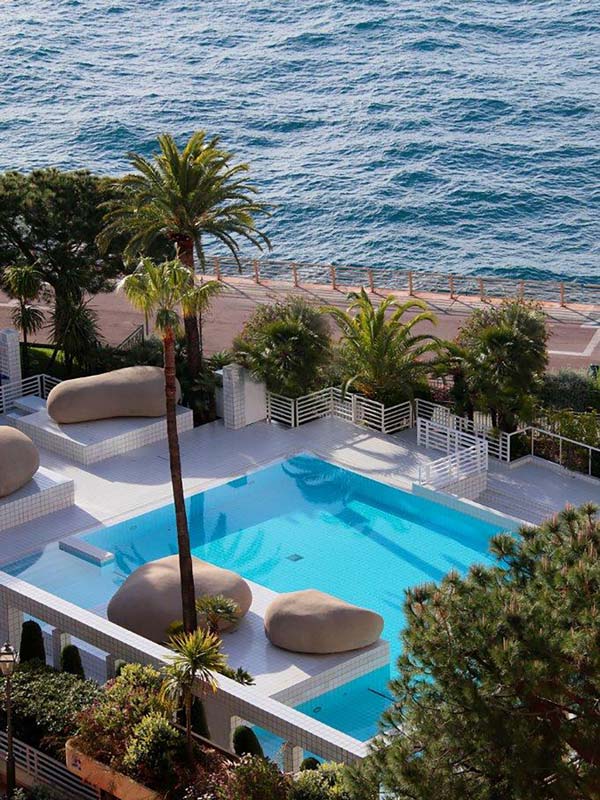
“Monaco exists thanks to tourism and we have to be careful how we do that," says director of sales and proud Monégasque Nancy Ricozzi over breakfast one morning. Staying here in this neighbourhood hotel reveals a relaxed scene; around the corner families gather and friends share after-work drinks along a buzzy strip of restaurants and bars.
Modern-day green Monaco
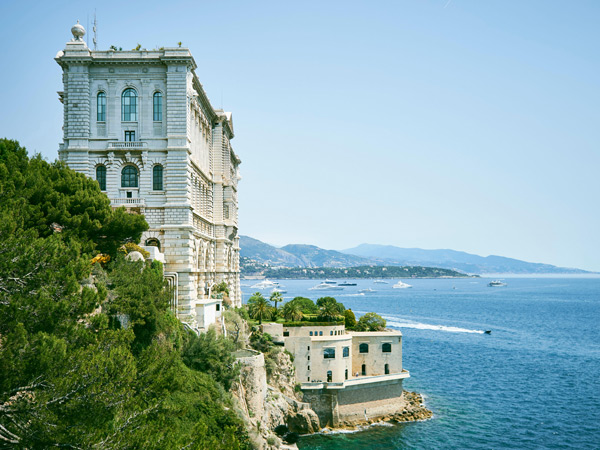
You can find the seeds of modern-day green Monaco in the bricks and mortar of the Oceanographic Museum. This monumental temple to the sea is built into the side of Le Rocher, watching over the water with its facade rendered exuberantly in Baroque Revival style. Today it serves as a natural history museum and aquarium as well as the nexus for the Oceanographic Institute, Foundation Albert I, Prince of Monaco’s far-reaching research.
Created in 1906, it was the vision of Prince Albert I. The sailor turned scientist turned environmentalist devoted himself to the ocean, explains CEO of the institute and director of the museum, Robert Calcagno. “What is really amazing is that the mission statement of the Oceanographic Institute has not changed since its creation more than 115 years ago," says Calcagno. “To know, love and protect the ocean, which sounds very contemporary. So maybe Prince Albert I was the first activist for the protection of the ocean."
Flourishing marine reserves
Later in 1976, Prince Rainier III created the world’s first protected marine reserve in Monaco. Today, Prince Albert I’s great-great grandson has picked up the environmental baton. Albert II, Prince of Monaco is well known as a staunch environmentalist who has long used his voice to raise awareness of climate change around the world.
With a focus on biodiversity, climate, the ocean and water resources, the foundation he established in 2006 has donated more than $100 million to causes around the world. Professor Tim Flannery, one of Australia’s leading writers on climate change, is on the board of directors along with Calcagno.
Meaningful ocean and community connections
The connection between Monaco and Australia runs deep. Having once lived and worked in Sydney, Calcagno himself has been instrumental in fostering a close relationship between the Oceanographic Institute and our own shores, a world away but bound by the seas.
In 2016, Torres Strait Islander artist and activist Alick Tipoti contributed to the Oceanographic Museum’s major exhibition Taba Naba: Australia, Oceania and the Art of the Peoples of the Sea. Two years later, after the artist reciprocated the invitation, Prince Albert – accompanied by Calcagno – travelled to Badu Island in the Torres Strait, the first head of state to do so. There, they spent time with the Badulgal people, learning about the community’s symbiosis with the ocean and the pressures that threaten it.
“We stayed there and enjoyed a simple life, speaking about the ocean and understanding [that] relationship," says Calcagno. “It was a relaxing time for us, but we learnt a lot." The journey is documented in an affecting and thought-provoking film, Alick and Albert, released in 2021 and available to watch on Stan.
Passion for environmentalism
The Prince’s popularity among his fellow Monégasques means his passion for environmentalism trickles down to the streets – from his choice of car – electric of course – to what you’ll find on your plate; after he made a stand against the overfishing of Atlantic bluefin tuna in 2008, all restaurants across Monaco removed it from their menus until fisheries were regulated and the species was no longer facing imminent extinction.
Careful use of resources is being considered in all corners. We pull up a stool at the hole-in-the-wall La Distillerie de Monaco in the elegant Condamine district to sample a taste of the principality – literally. Monégasque Philip Culazzo, a Dubliner with Italian heritage, was inspired to create Monaco’s first and only distillery after stumbling on a spark of inspiration through exploring its agricultural history.
Preservation of local livelihood
Long before tourism, citrus production was the mainstay of the economy, traded for rum with sailors on merchant ships looking to stave off scurvy on long trips to the Americas. “I realised here in Monaco there are still 600 bitter orange trees that grow inside the principality, owned by the Crown, and they were producing between 10 to 15 tonnes of fruit every year which was being thrown away," he says.
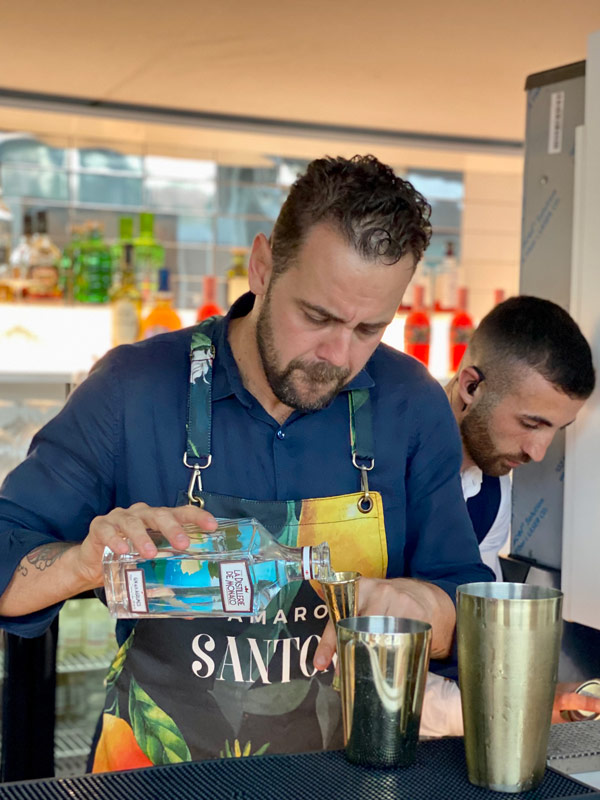
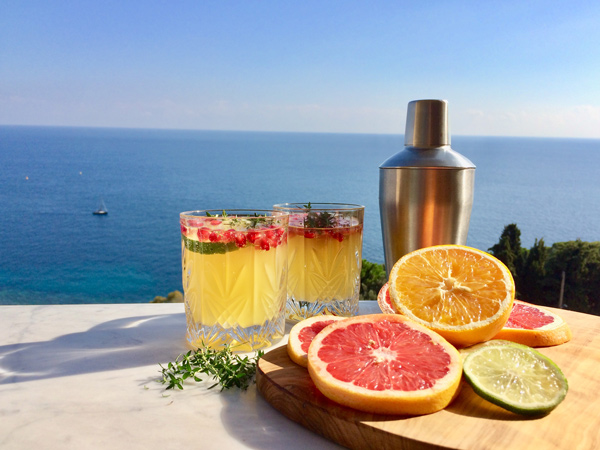
This resulted in the distillery opening in 2017 with its signature product L’Orangerie, a bitter orange liqueur handmade using the oranges that grow on Monaco’s boulevards and otherwise go to waste when they drop from the trees. The suite of spirited souvenirs is complemented by a clean and citrusy Gin Aux Agrumes and a carob liqueur, Carruba, crafted using the fruit from the national tree of Monaco.
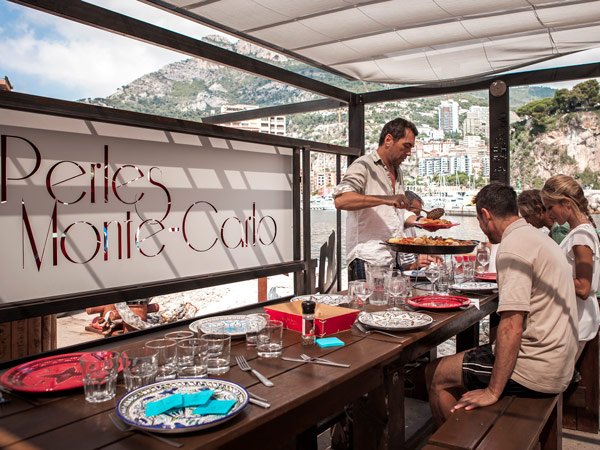
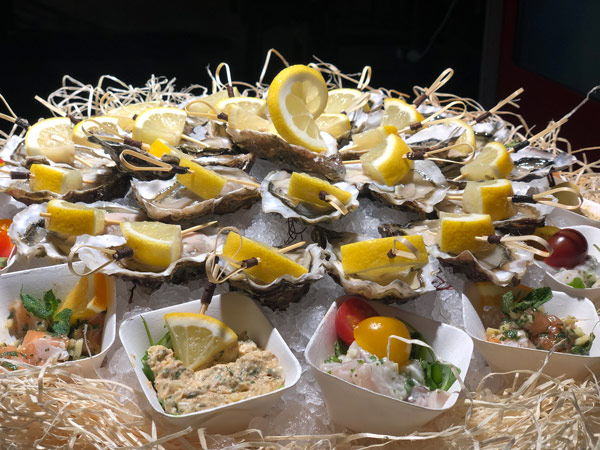
We get a taste of the sea at Les Perles de Monte-Carlo, where diners sit on wooden tables at the tip of a pier to eat sustainably farmed oysters washed down with a clean Côtes de Provence white under the Riviera sun.
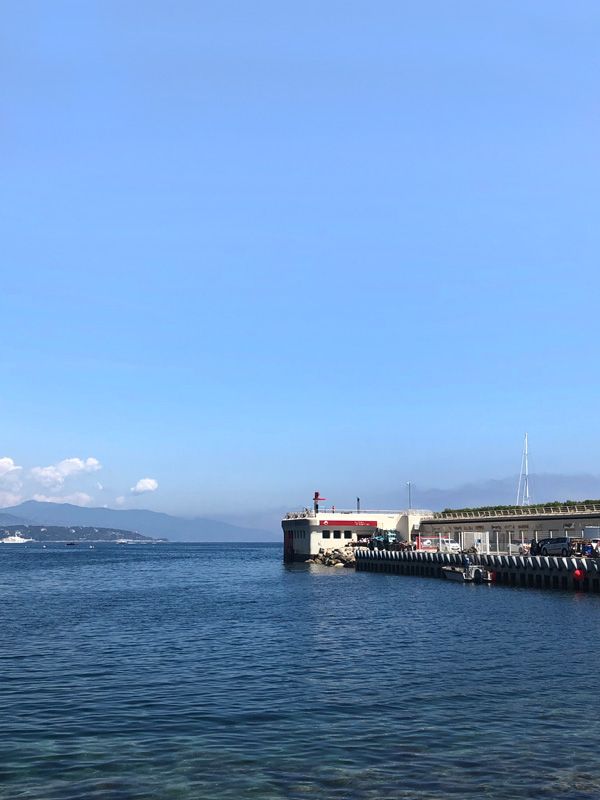
This hidden gem, founded by certified marine biologists Brice Cachia and Frédéric Rouxeville in 2011, sits alongside an oyster nursery and ripening centre – unique in a region where traditional oyster farming is almost non-existent.
Weekly travel news, experiences
insider tips, offers, and more.
What makes the city unique?
“This is where the real Monégasques live. You have to take the time to get lost in the city to discover what it really is." I delight in uncovering Monaco’s threads of interest and leave with a list of things I still want to do; I didn’t make it to the lofty Exotic Garden, with its succulents and views across the whole principality, or to the Francis Bacon institute, which offers insight into the period the artist lived and worked here.
The intriguing story goes that, broke after losing his money at the casino and unable to buy new canvases, he developed his signature technique of painting on the raw side of the canvas. “When you say Monaco, straightaway people think supercars and James Bond," says Ricozzi. “But if you take the time to discover the real Monaco, it will give you so much."
A Traveller’s Checklist
Getting there
Monaco is a 30-minute drive from Nice Côte d’Azur Airport.
Staying there
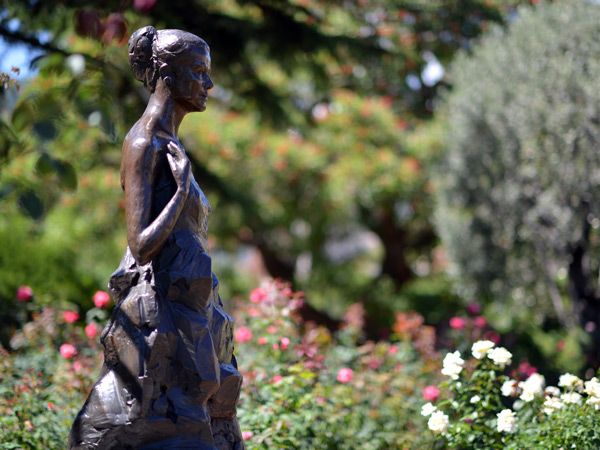
Columbus Monte-Carlo is a boutique neighbourhood hotel in the Fontvieille district with rooms overlooking the Princess Grace Rose Garden and a suite of sustainability initiatives to its name.
Eating there
Located in the low-key district of Fontvieille, Les Perles de Monte-Carlo is also the key to unlocking another side of the destination altogether. Monaco’s glamour is undeniably seductive – the rooftop cocktails at Fairmont Monte-Carlo, the lunch with sparkling sea views at Le Méridien Beach Plaza’s L’intempo restaurant and the spa treatments at grand Thermes Marins Monte-Carlo all serve to make you forget yourself for a moment. But you don’t have to scratch far beneath the surface to discover the principality’s most authentic side.
Playing there
Climb to Monaco-Ville, popularly known as Le Rocher, to explore the oldest of Monaco’s four quarters and where the royal family lives. Wander narrow alleyways that date to the Middle Ages and head to the Place du Palais at 11.55am to watch the changing of the guard in front of the Prince’s Palace.
Take in the Roman-Byzantinestyle Cathédrale de Monaco, wander the winding paths of St Martin Gardens, where you can stare out to sea like the statue of Prince Albert I does, before losing yourself in the aquariums and exhibition displays of the Oceanographic Museum of Monaco.
Head to Monte-Carlo, Monaco’s most emblematic district, to encounter the grandeur and history of Monte-Carlo Casino, wander the parks and gardens and simply soak in the glam atmosphere.
Take a day trip to dreamy locales on the French Riviera, including the medieval hilltop town of Èze – just 15 minutes’ drive or a short bus trip away. While the Exotic Garden is closed for renovations until 2024, the botanical centre remains open.
Tour the Francis Bacon mb art foundation by appointment. See visitmonaco.com for more.
Want to see more stories from International Traveller in your Google search results?
- Click here to set International Traveller as a preferred source.
- Tick the box next to "International Traveller". That's it.