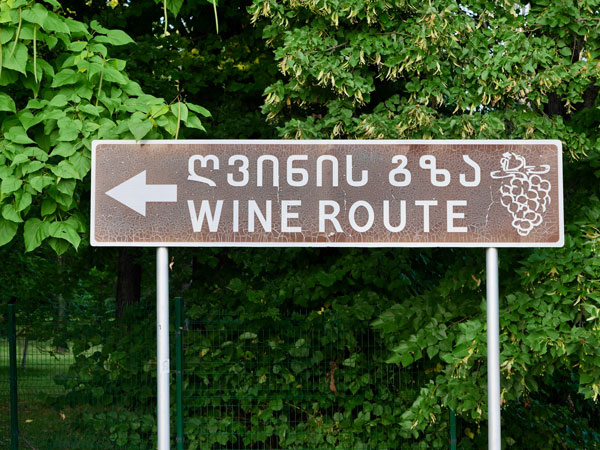
We head to Georgia’s Kakheti region, said to be the birthplace of wine, to sample the fruits of its age-old traditions.
As long as the singer’s voice floats up from the hole, the new vintage is underway and on track, like thousands before it. If the singing unexpectedly stops, however, the rescue mission kicks in and the process must begin again.
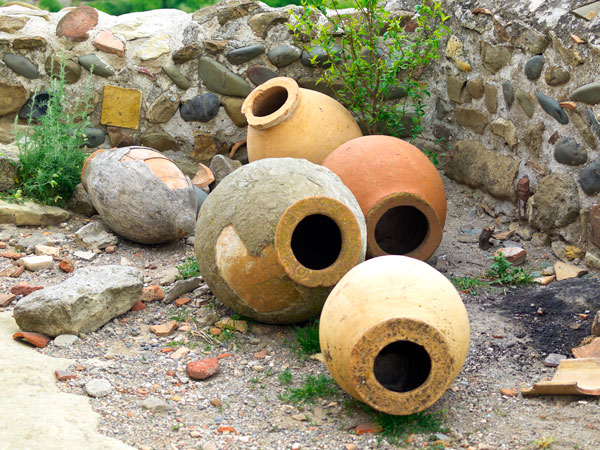
The hole in question is the opening of the qvevri, an egg-shaped earthenware vessel buried into the earth, used to ferment, store and age the ‘natural’ or ‘unfiltered’ wines of Georgia. Natural because this Caucasus country doesn’t remove grape skins, pips and stalks during fermentation, or add unnatural preservatives, yeast or extra sugar during wine production (sometimes sulphides are added at bottling).
A traditional wine-making process
Cleaning the qvevri is crucial. The larger ones are metres deep, holding thousands of litres, so winemakers climb down inside to scrub them with brushes made from the naturally antiseptic roots of St John’s wort and pressed cherry tree bark. Georgian wine is unpasteurised, so the cleaning process is a balancing act. Rogue noxious bacteria can spell curtains for a vintage, but because qvevris are re-used, the wine also benefits from ‘good’ bacteria and moulds trapped in the porous clay, which act like a natural yeast.
Why the singing? It tells those above ground that the winemaker hasn’t passed out from the overpowering alcohol fumes from past vintages. Conversely, if they are bad singers, the lid is slammed shut anyway – so goes the local joke.
This robust backstory is arguably wine’s origin story. Around 6000 BC, Georgians are said to have been the first to realise that if you bury grape juice over winter, it will transform into an intoxicating nectar (neighbours Armenia and others may disagree).
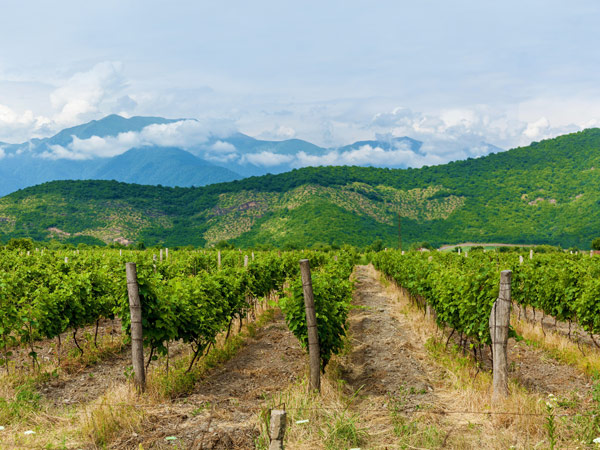
While the precise place of vinous conception in the ‘cradle of wine’ is unknown, the eastern region of Kakheti is widely considered Georgia’s viticultural nexus. Its vineyard-dense Alazani Valley produces around three-quarters of the country’s grapes.
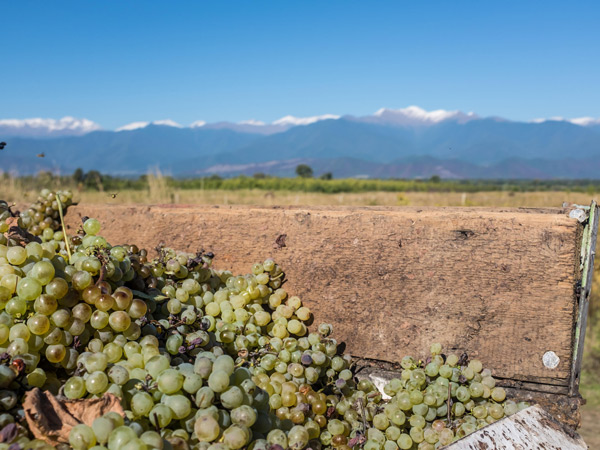
While some big producers have been shifting focus to high-demand European varietals, the bulk of Kakheti’s small wineries and omnipresent family concerns are committed to the traditions of making natural wines. Hand-bottling of the sweet, semi-sweet and dry wines is commonplace. Local grape varieties – such as rkatsiteli (white) and saperavi (red) – are used religiously and celebrated thusly.
Exploring Telavi
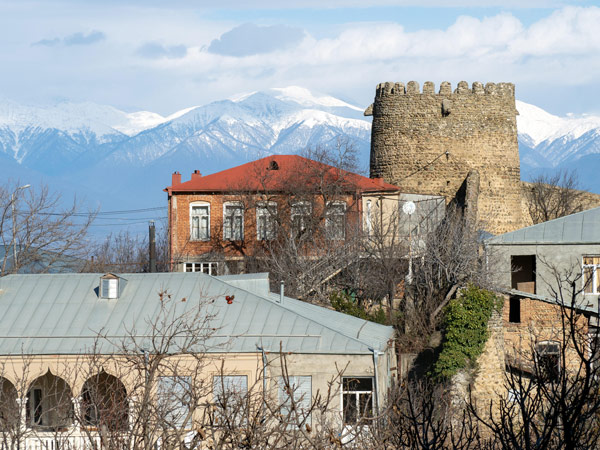
Kakheti’s largest city, Telavi, is horizoned by the snow-capped Caucasus Mountains and a logical base for explorations. But hilltop Sighnaghi is the poster child, trickling a rarified almost Tuscan ambience that naturally graces wine labels. Sighnaghi’s atmospheric town centre, busy with daytrippers from the capital city Tbilisi on the weekends, is a strolling nirvana. Its 18th-century defensive walls – dotted with tower gates named after tiny villages – offer soul-quenching vistas over the wine-scape.
Family street stalls sell ridiculously good value cleanskin wines and other Georgian goodies such as churchkhela – strings of walnut halves dipped in grape juice thickened with flour, then sun-dried, with the texture and taste of an under-sugared jelly baby. And grappa-like chacha, whose ‘kick’ ranges from 50 to 85 per cent alcohol.
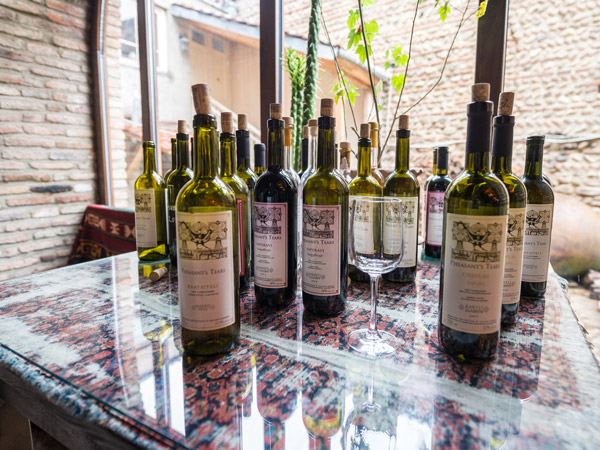
Inevitably, you’ll be offered this clear, made-from-wine-pulp brandy when entering homes or just to celebrate life. Sighnaghi’s cobbled streets are ripe with wonderful eateries, too. The pick of the bunch is Pheasant’s Tears; home to the best qvevri wine I tasted and wholesome organic fare served in a cosy courtyard frequented by pattable pooches.
Countryside tours in Kakheti
Kakheti’s countryside is intoxicating. An undulating, deep-green, wild-flowered landscape speckled with bygone churches, castles, mansions and monasteries. On single-street hamlets that retain residual Sovietness, stern-faced but friendly locals run a roadside economy stocked with produce from their gardens, fields and orchards.
Accommodation providers often offer personal car tours, preferable to group tours because they cover the ‘obvious’ sights and drop into friends’ vineyards, too. Even Kakheti’s most pious-looking tourist sites have a wine angle.
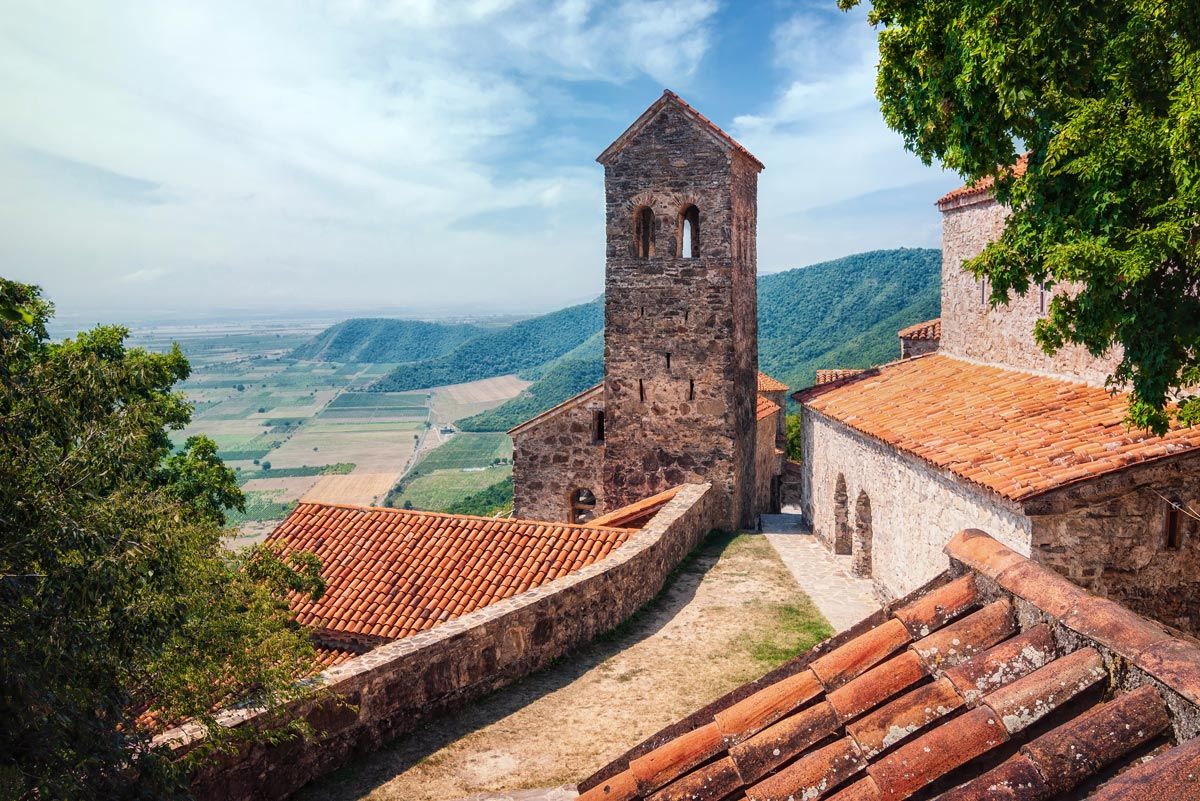
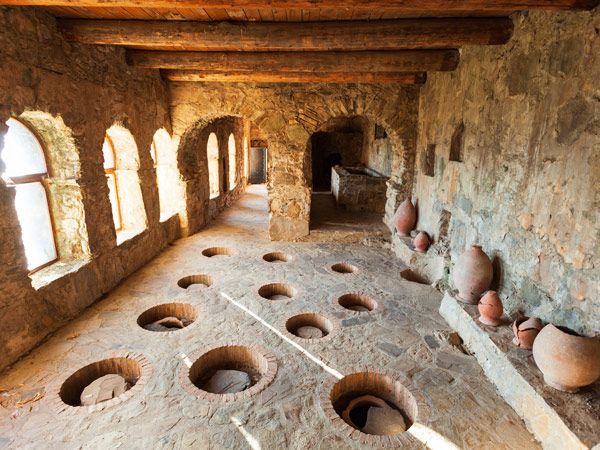
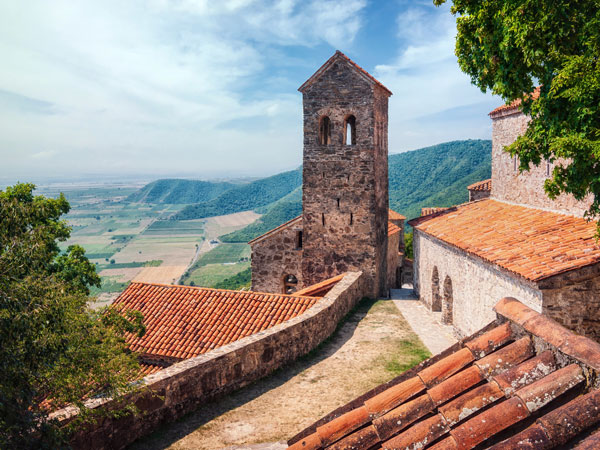
Fans of early Georgian architecture should check out the 8th-century wine press and used-qvevri-strewn lawn of Cyprus-grove-shaded Ikalto Monastery. Forest-ensconced Nekresi Monastery features a tiny 4th-century church and bishop’s palace with antique qvevris built into the wine cellar’s terracotta floor.
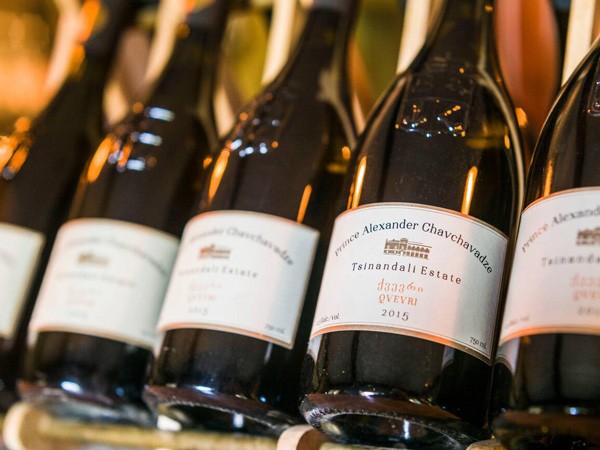
The Kvareli Wine Cave is a subterranean adult jamboree, with some 26,000 bottles stashed in 7.7 kilometres of its human-made caverns. 19th-century Chavchavadze Estate is worth a couple of hours for its palatial buildings, sprawling English-style gardens and museum. Kakheti is not the place to book into a chain hotel because Caucasus wine culture should be experienced at its roots. Check into a homestay for the chance to be treated to a supra, a feast where you’ll sip family wine from a clay bowl, listening to typically dramatic toasts.
Weekly travel news, experiences
insider tips, offers, and more.
The best time to visit Kakheti
Some say the best time to visit Kakheti is during harvest time, but actually, each season here has its charm. Ensure you give yourself enough time to drink in the culture and get used to natural wine, which is often ‘fresher’ with less body than those you may be used to. In Georgia, a good drop is not necessarily judged by its lari (dollar) value but by its ability to bring people together, a song that has been sung loudly and proudly for eight millennia, give or take.
Want to see more stories from International Traveller in your Google search results?
- Click here to set International Traveller as a preferred source.
- Tick the box next to "International Traveller". That's it.