Five-star Il Mezzatorre Hotel & Thermal Spa on the volcanic island of Ischia is the most perfect example of elegance without pretence.
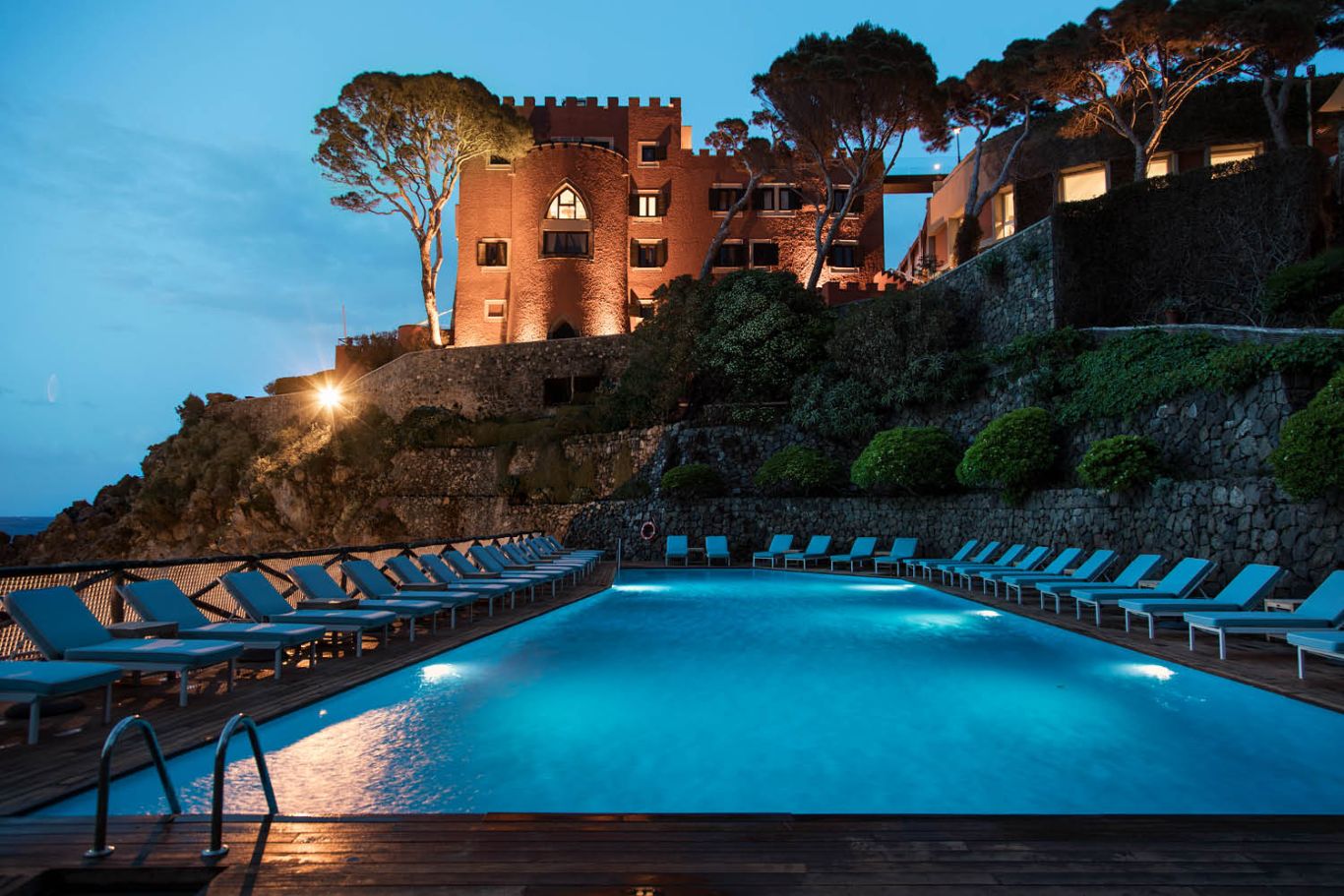
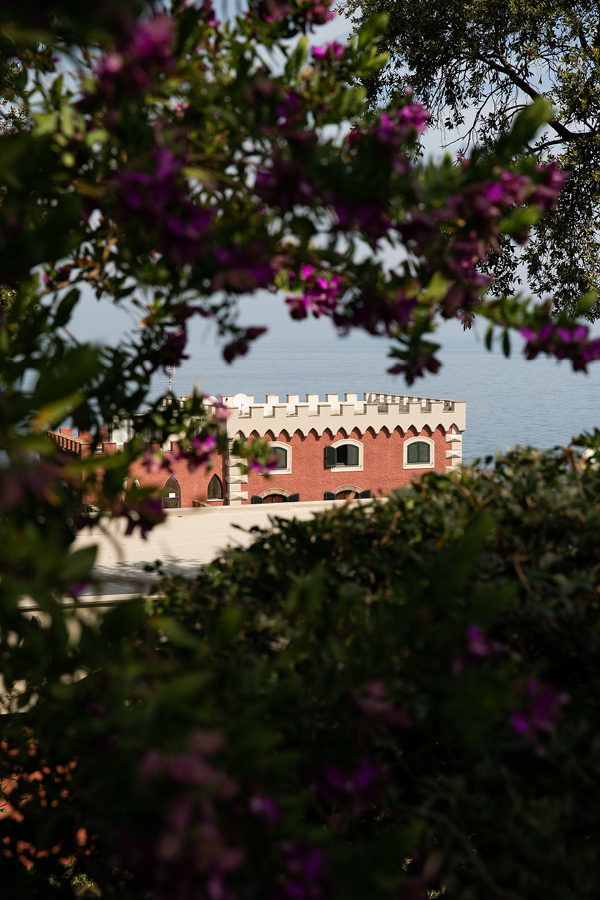
Capturing the best of Italian enchantment, the Il Mezzatorre Hotel & Thermal Spa on the beautiful island of Ischia is home to a charming 16th-century coral-coloured watchtower perched on the edge of a cliff, overlooking the sparkling Bay of Naples.
Details
Il Mezzatorre Hotel & Thermal Spa, Ischia, Italy.
First impressions
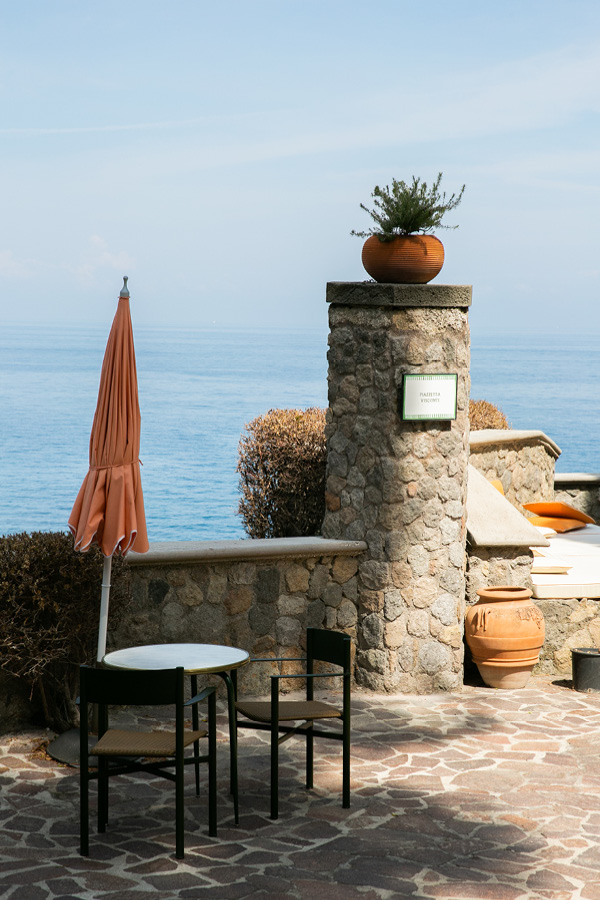
Il Mezzatorre Hotel & Thermal Spa is buried deep in a forest of pine wood, on the edge of a rocky promontory, so you feel a wonderful sense of seclusion as you arrive down its long entrance way. A totally private and peaceful oasis, the striking architecture of its watchtower, plus the incredible thermal pool overlooking its turquoise bay will immediately take your breath away.
Marie-Louise Sciò, of the famed Il Pellicano, has done a magnificent job in breathing new life into this majestic gem that reopened in May, and the feeling here is one of laid-back elegance and luxury.
The suites
With 57 rooms and nine different categories to choose from, there is certainly something here to suit everyone’s taste.
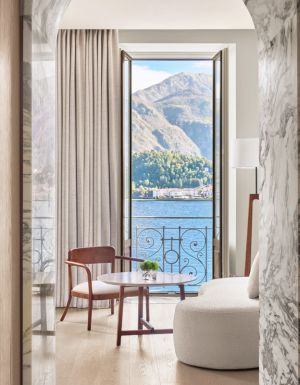
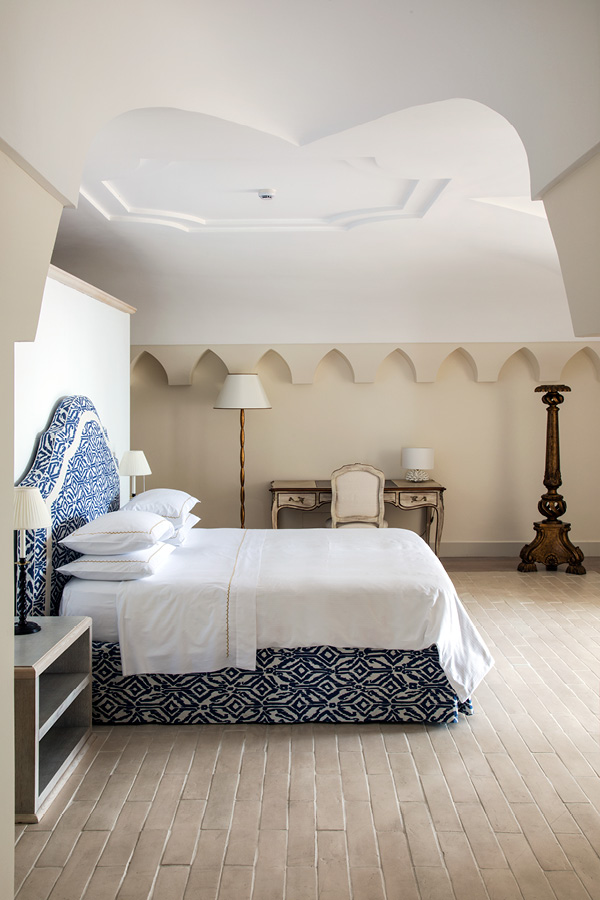
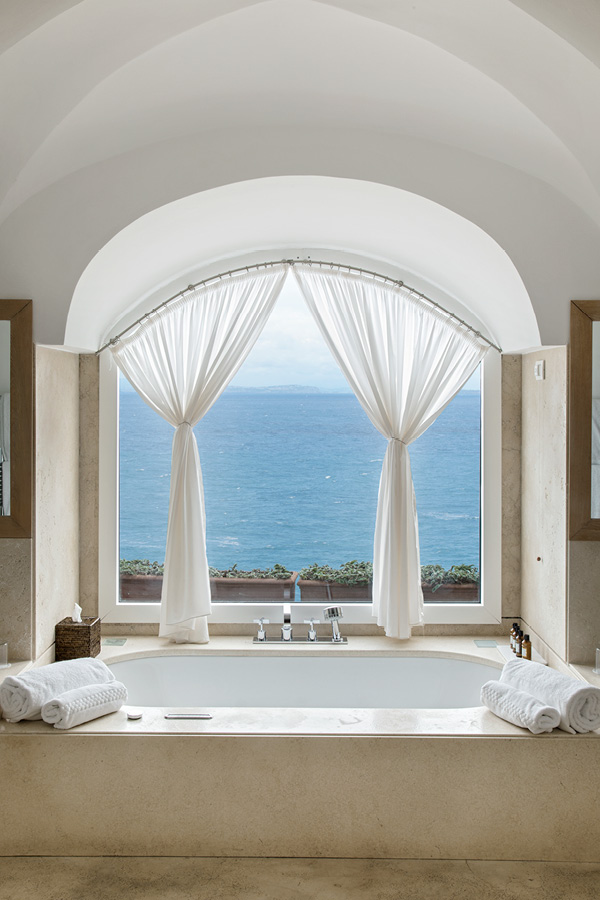
Rooms and suites are scattered throughout the property, from the ancient tower to private cottages dotted along the hillside, all of which offer striking views back over the Tyrrhenian Sea. To best capture the essence and magic of the property, we recommend paying that little bit extra for one of the larger suites (the Bellevue Suite, for example) housed in the ancient tower, on one of the higher floors, which offer panoramic views and come complete with their own private terrace with sun lounges and umbrellas. We love the Italian tilework and classic furnishings throughout.
The food
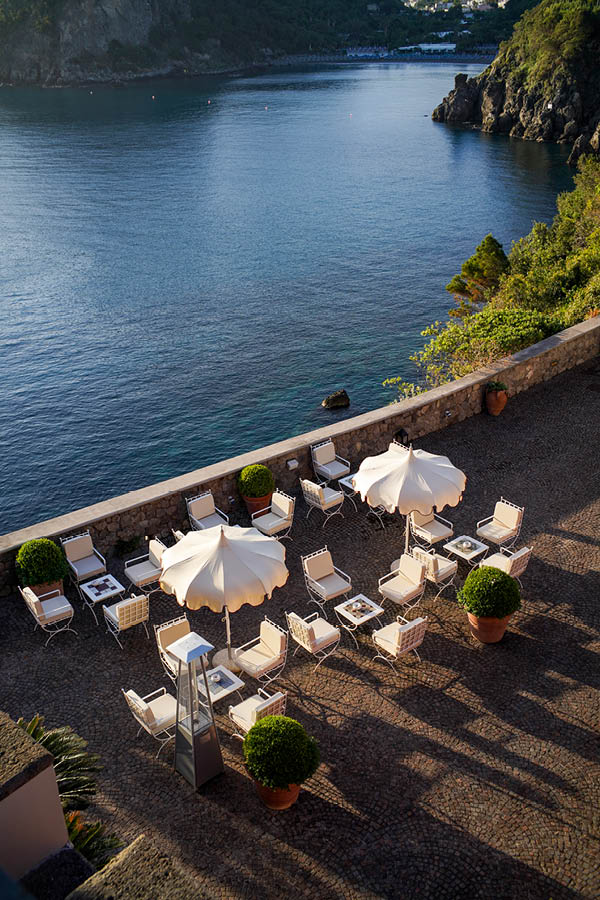
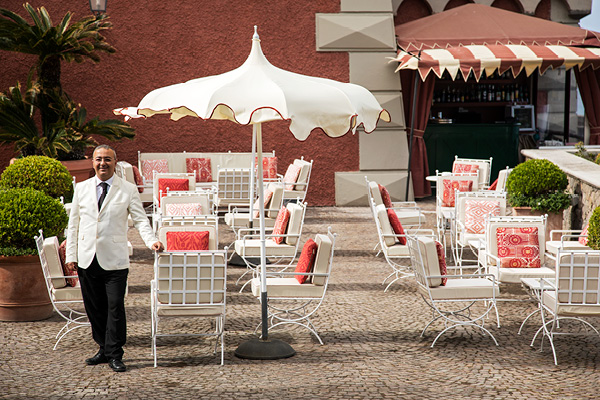
There are two dining options at Il Mezzatorre. La Baia, the more causal offering, overlooks the pool and the little bay beach, and focuses on fresh captures from the sea. Open for lunch and dinner, La Baia prides itself on featuring all the very best local and seasonal produce. Its San Marzano tomatoes and fresh buffalo mozzarella were mind-blowing.
Other favourites included penne with four different types of tomatoes, and ‘limone salad’, made with Ischia’s famed ‘bread’ lemons (lemons as big as your head) with a salad of rucola and anchovies. La Torre Restaurant is the more formal option, and draws its inspiration from regional gastronomic favourites. Begin your evening with an aperitivo at Bar La Torre while watching the sun go down, before moving across to the restaurant for dinner.
Services
The Spa
Il Mezzatorre’s Spa and Wellness Centre makes the best use of the island’s precious thermal waters, with its own private spring that flows directly into three hydrotherapy pools.
Housed in the watchtower building, the spa offers mind and body treatments – including mud therapies using the mud made from these thermal waters, which is perfect for healing and curing various diseases such as respiratory diseases, rheumatism and dermatitis. The spa features both Santa Maria Novella products from Florence, one of the oldest pharmacies in the world, and Biologique Recherche.
The pools
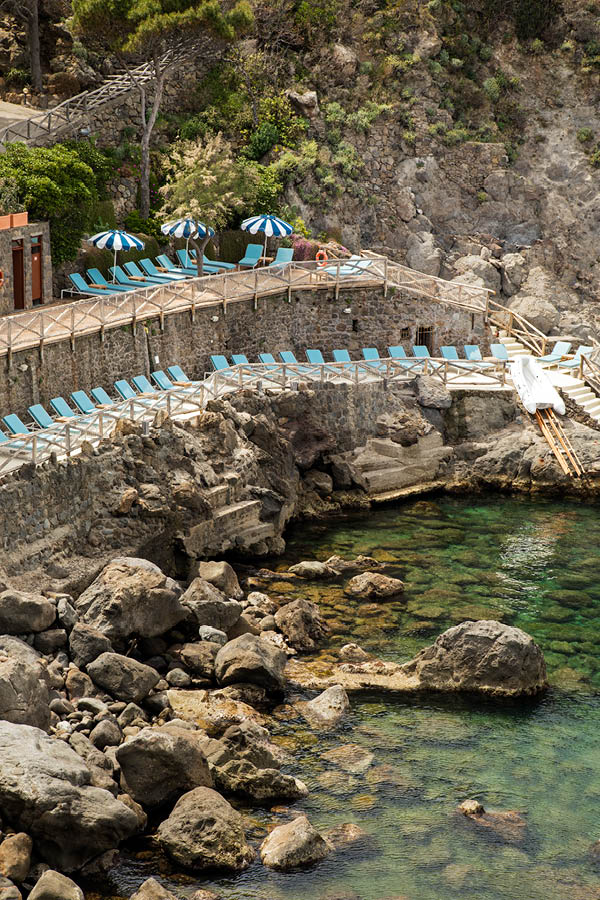
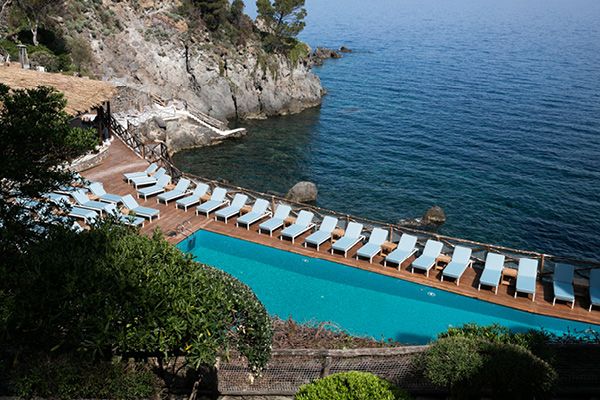
There are four pools within the hotel – three indoor pools and a stunning outdoor one, which is heated with seawater, and has steps down to a private bay beach. With an array of sun lounges to choose from, and drinks and snacks available from La Baia next door, you could easily spend an entire day here. The warm thermal waters of the indoor pools are superb for relaxation.
Gym facilities
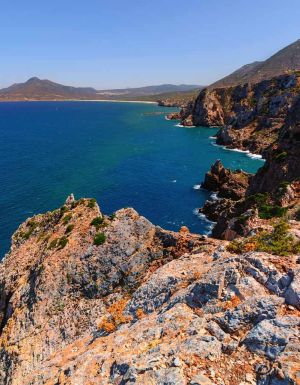
There might not be any gym facilities as such, but the beautiful walking and jogging paths that snake around the Il Mezzatorre property offer an incredible workout through a heavenly nature setting, amidst lush Mediterranean scrub and breathtaking views.
Nearby activities/tours available
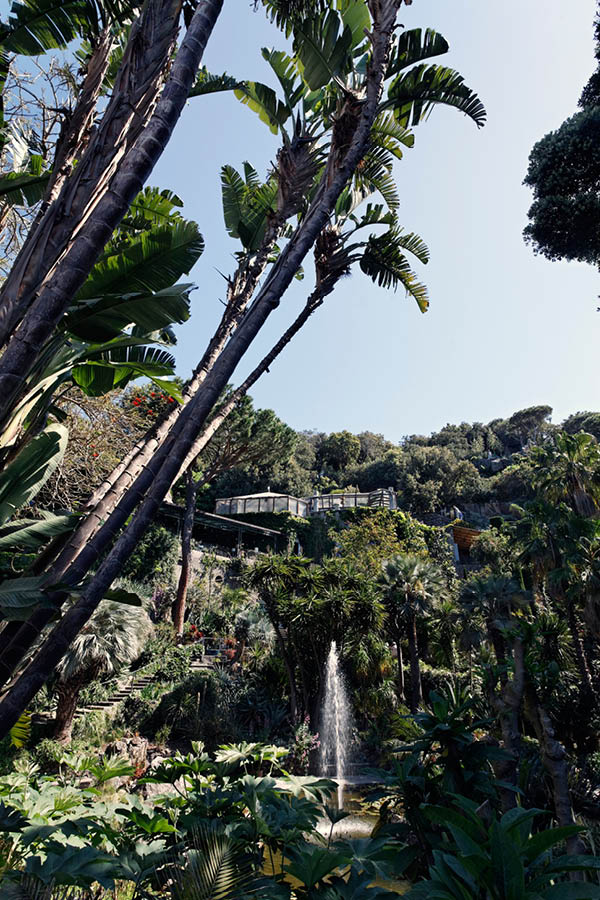
Take some time to wander through the nearby La Mortella Gardens. One of the world’s greatest botanic gardens, designed by Lady Susana Walton for her husband, the British composer Sir William Walton, and opened to the public almost 30 years ago.
We also suggest hiking to the top of Mt Epomeo (start from the little village of Fontana) for its knockout 360-degree views of the island and beyond.
Weekly travel news, experiences
insider tips, offers, and more.
The IT Verdict:
For privacy and seclusion, Il Mezzatorre Hotel & Thermal Spa offers the best and most romantic option from which to enjoy the wild beauty of Ischia and its famed natural thermal springs.
Location: 10/10
Perfectly secluded and enchanting, the charm of this hotel is that there’s nothing much else around.
Style/character: 10/10
The interiors here are perfect – warm, delicate and terribly inviting – coupled with beautiful Italian tilework, providing the perfect amount of luxury and elegance.
Service: 10/10
Rooms: 10/10
Food and Drink: 10/10
Value for Money: 9/10
While the location, food and private rocky cove themselves are certainly worth paying for, some of the rooms could be considered a little small, unless you are willing to splurge for a higher room category.
Price: (per night)
Double rooms start from $712 per night.
Best thing:
The attentive service, the exceptional food offering, and the wildly romantic location make this an exceptional hotel experience.
Getting there:
Private transfers, via ferry or speed boat, can be arranged from Naples airport or train station.
Want to see more stories from International Traveller in your Google search results?
- Click here to set International Traveller as a preferred source.
- Tick the box next to "International Traveller". That's it.