In Europe, the coolest cities are delivering fresh new takes on everything from music and food to art and architecture.
In Europe, the continent of dazzling diversity, some cities are perennially synonymous with what they do best: Berlin its nightlife, Paris its haute couture, Madrid its Movida. But ‘cool’? That’s the nebulous ‘it’ factor, with a constantly shifting centre of gravity that tugs at the zeitgeist of any given year.
In turbulent 2025, we see cool as a certain insouciance, a defiant taste for the good life, artistic bravery, a social and environmental conscience. By that measure, the following European cities stand as bonafide capitals of cool – leading lights of their own unique paths, offering alternative forms of exploration, and worthy of visiting right now.
1. Amsterdam, The Netherlands
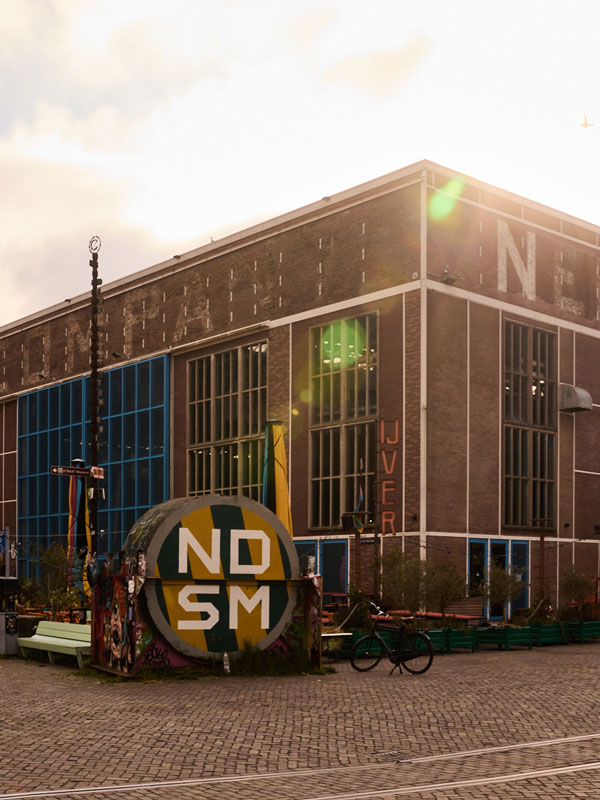
In Amsterdam, life, it seems, is increasingly best lived on the edge. Not at society’s dingy fringes, but in the city’s newly invigorated outer districts, of which Noord has been steadily establishing itself as the brightest light on the harbour. The Venice of the North might be celebrating its 750th birthday in style this year, with a huge street party and the opening of the hotly anticipated Suriname and Drift museums, but just across the IJ river is where savvy locals know to go.
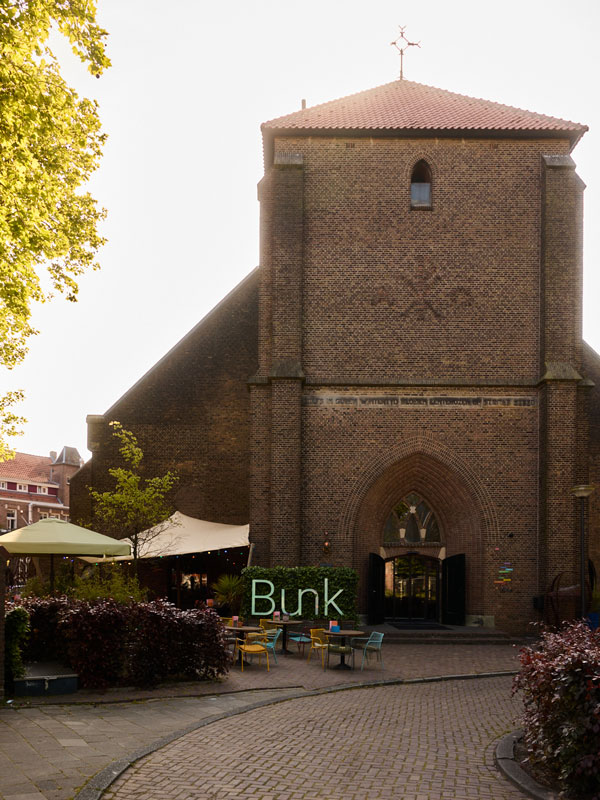
“Noord has a creative edge that a lot of the city centre is missing," says Robin Hagedoorn, founder of Bunk, a hotel-hostel hybrid with a serious wow factor (a giant purple dinosaur dominates the lobby) that opened last year in a converted church. “The music and nightlife scene is thriving in old warehouses and garages, restaurants are innovative and buzzing, and the street art scene at NDSM is not to be missed."
For those looking to expand their Amsterdam horizons, an eye-opening day might start in Noord, at the minimalist YUSU for caffeine kicks, followed by a visit to urban winery Chateau Amsterdam, and then a few hours at the aforementioned NDSM, where a former shipyard now houses artists, bars and restaurants, stirred up with a mix of festivals and cultural events. There’s plenty more for those with artistic tastes, including STRAAT for street art, and the striking Eye Filmmuseum, perched low on the waterfront like some kind of spacecraft.
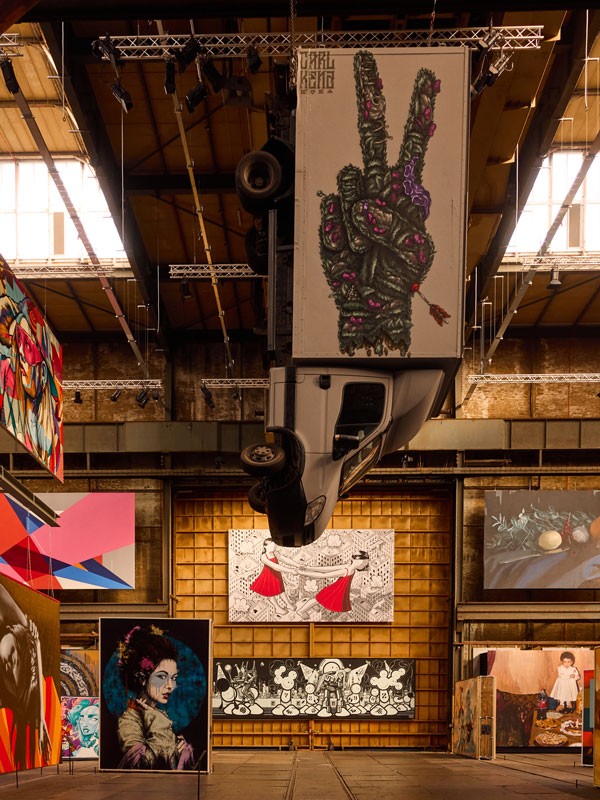
A different kind of action is in order at Skatecafe, a fun casual dining spot with a skate ramp, while coffee or cocktails are a great option at Polly Goudvisch (Goldfish), which offers an atmospheric bar, plus terrace dining when the weather allows. Vinyl is spun at popular pizza and pasta hangout Klaproos and at Cornerstore, where the mellow beats provide the soundtrack to natural wines and Asian flavours.
At Bunk, alongside Noord’s new wave of tourists, elderly locals often drop in to enjoy all-day dining or one of the not-for-profit cultural events that Hagedoorn’s team organises as a way of giving back to the community. “I’m proud every time an older person walks in and reminisces about attending service here," he says. “Or when a young family new to the neighbourhood stops by regularly for a coffee and pie … If you like to visit a city and really get a taste of what being a local is like, Noord is perfect."
2. Tbilisi, Georgia
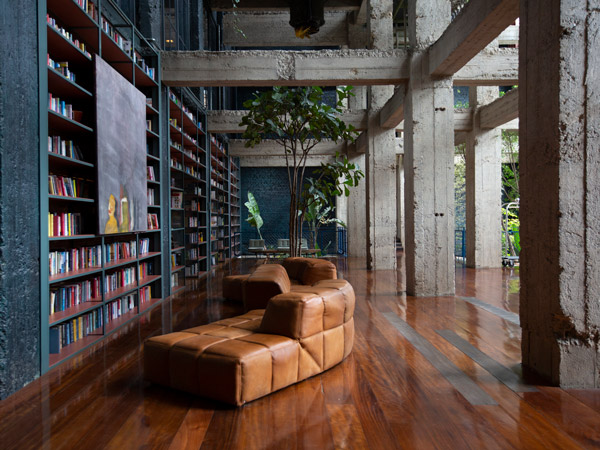
If there’s one place that epitomises the energy of the Georgian capital’s creative scene, it’s Stamba – the former communist publishing house transformed into a hotel, also a fulcrum of artistry, sustainability and networking. Behind its foliage-draped Brutalist facade are bold, elegant rooms that fuse nostalgia and industrial chic, events spaces, a vertical farm, and the influential Tbilisi Photography & Multimedia Museum, run by Nestan Nijaradze, co-founder and artistic director of the Tbilisi Photo Festival.
“For the last few years, Tbilisi has become the most artistically vibrant city in the region," she asserts. “New galleries, new festivals, fashion, photography, contemporary art … it all started as a kind of attempt to cry out that we are here, we have something to share, and we have things to say."
Given Georgia’s pro-Russian government and regular street protests of late, this feels like a moment of cultural significance in Tbilisi. Outside Stamba, amid a city famous for its East-West mashup of architectural styles that run from intricately tiled Islamic bathhouses to great Soviet-era chunks of concrete, a similarly eclectic array of creative spaces has sprung up. There’s Window Project, which focuses on supporting young Georgian artists; Gallery Artbeat, showcasing mid-career and emerging talents; and the more established LC Queisser, which has had a presence at both Frieze and Art Basel.
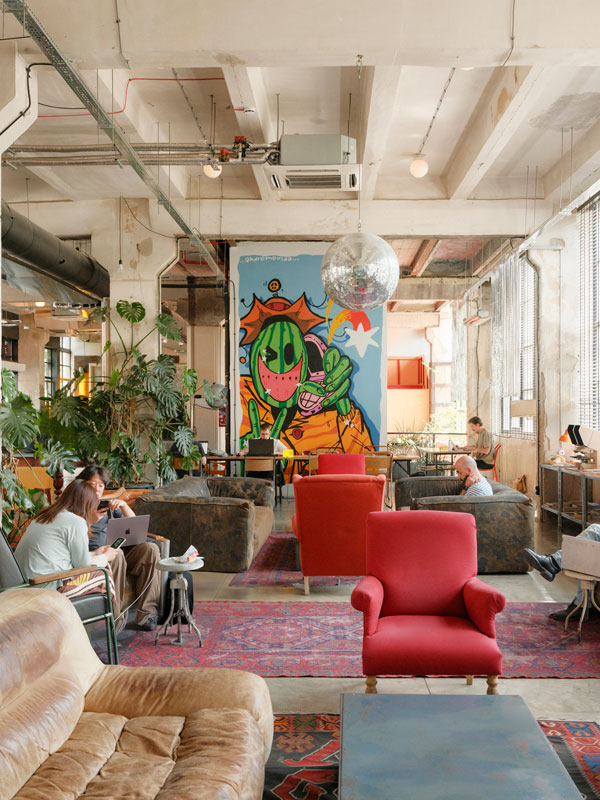
At Fabrika Hostel – a multifunctional space set in a blocky former-Soviet sewing factory now daubed with splashy street art – there are dorm and apartment-style suites, as well as exhibitions and events on constant rotation. Tbilisi also has a vibrant club scene, and one of the best venues is the riverside Mtkvarze, which regularly hosts international DJs and events beyond music, including art exhibitions and film screenings.
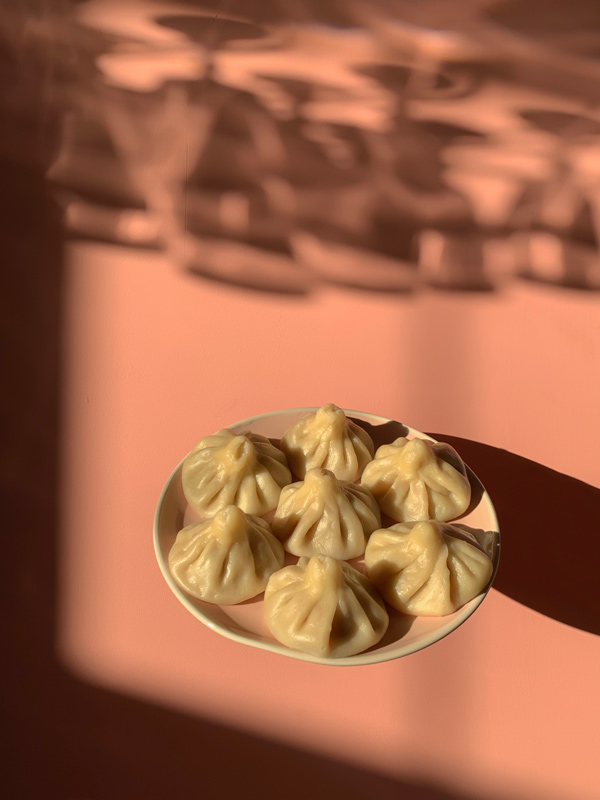
Feeding all this creativity is Georgia’s famous cuisine, and for the iconic dumplings known as khinkali, you can’t go past local favourite Shemomechama in the Old Town, or the recently opened pastel-hued Cafe Daphna. Meanwhile, there are new takes on traditional dishes at Craft Wine Restaurant – quaint in atmosphere and set in a lovely old townhouse once occupied by French novelist Alexandre Dumas.
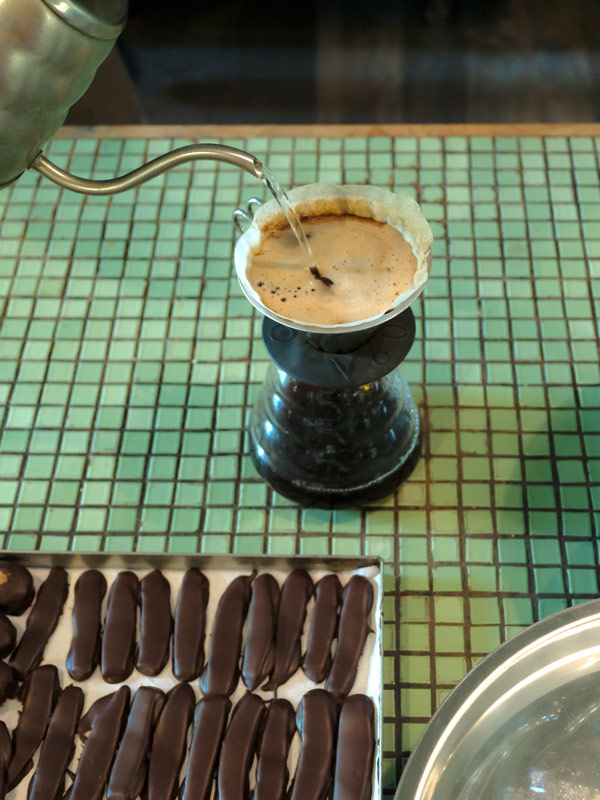
For Nijaradze, there’s no going past a cappuccino at Café Stamba. It’s an ideal spot for her to consider the work of her photography museum – the first in Georgia dedicated to contemporary images. “We use the power of the visual arts to somehow initiate the very important changes we consider vital for the development of our country," she says. “Now visitors who know this country through its heritage, architecture or nature are also discovering a modern Georgia – through its art and creative scene."
3. Thessaloniki, Greece
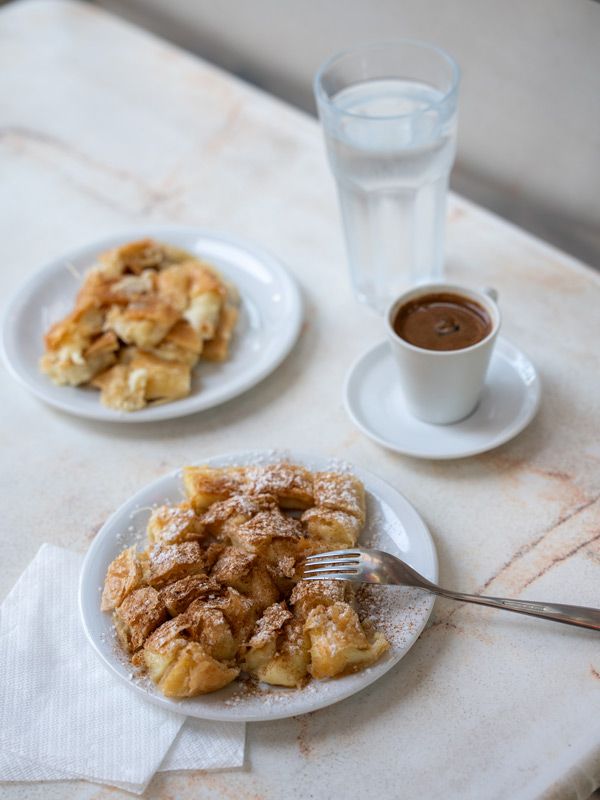
If you’re hungry and lost in a city, make it Thessaloniki. In the capital of the Macedonia region, where culinary aromas and the cool kids converge, there are no wrong turns. Over here is Bougatsa Giannis, where locals queue for golden squares of traditional custard-filled filo pastry, shovelled off hotplates and cut into oozing squares. Over there is Estrella World Street Food, which, with its brunch-focused menu – think Greek-style breakfast carbonara, and patisserie made with tahini and mountain tea – has revolutionised what all-day dining means to the city’s one million ever-hungry inhabitants.
Maybe they’re hungry because they’re young – Thessaloniki is home to Greece’s largest university and student population. Or maybe it’s down to the city’s gastronomic history, seasoned with Ottoman, Byzantine and Ancient Roman influences, and as richly layered as your yiayia’s moussaka. Whatever the reason, Thessaloniki is buzzing, known for its packed summer calendar of outdoor events, cultural institutions such as MOMus Museum of Contemporary Art and International Film Festival in November, when the city turns into one long, 10-day party. It was also, in 2021, declared Greece’s first UNESCO Creative City of Gastronomy.
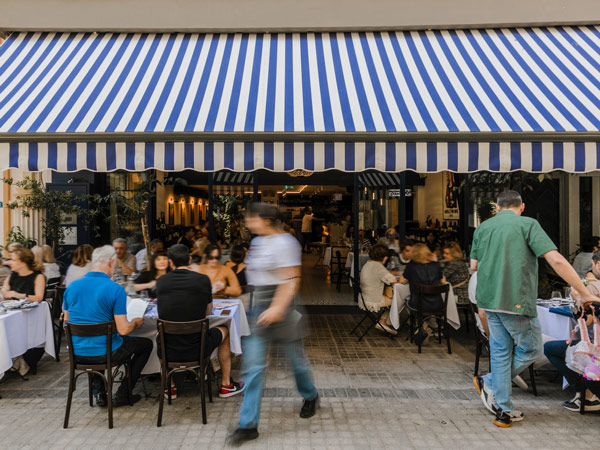
“It’s a complete destination," declares Nikos Nyfoudis, a Thessalonian and London restaurateur who last year opened Cretan-inspired hotspot Tiffanys x 1905, in what was previously one of the city’s old-school dining institutions.“It has so much history, amazing food and wine, the sea and beautiful beaches half an hour’s drive away."
It’s also, says Nyfoudis, the best place in Greece for coffee – at places such as pastry and sourdough specialist 72H Artisanal Bakery, and Estet, where expertly pulled brews are made with Costa Rican beans and an award-winning blend from Athenian roastery Taf.
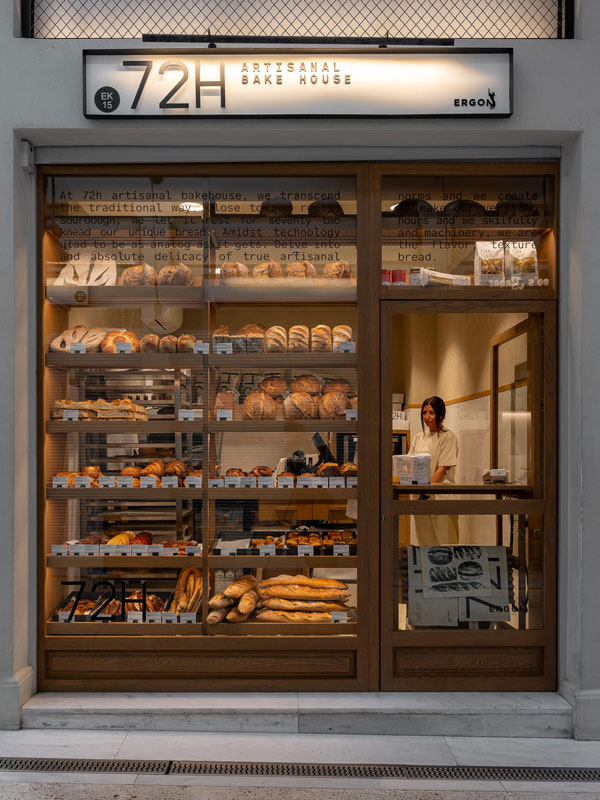
There’s more coffee and brunch – plus coworking, cocktails and DJ sets – at Ypsilon, an arty space set in a renovated neoclassical mansion in the lively neighbourhood of Valaoritou, while the sundowners are hard to beat at Tribeca, a capacious waterfront cocktail bar and Japanese grill with views across the Thermaic Gulf to distant Mount Olympus.
But for one of the best curated drinks lists in town, it’s back to Tiffanys x 1905, where the wines number more than 700 by the bottle, from Greece and abroad. Evenings here see groups, mature and otherwise, gathered at white-clothed tables that nod to the old taverna, while dining on a fully organic menu beneath playful illustrations that bring the restaurant experience back up to date.
“This is my vision," muses Nyfoudis. “To have an old couple on one table, just like the old days, and on the other, students with tattoos and pink hair, enjoying natural wines."
4. Rome, Italy
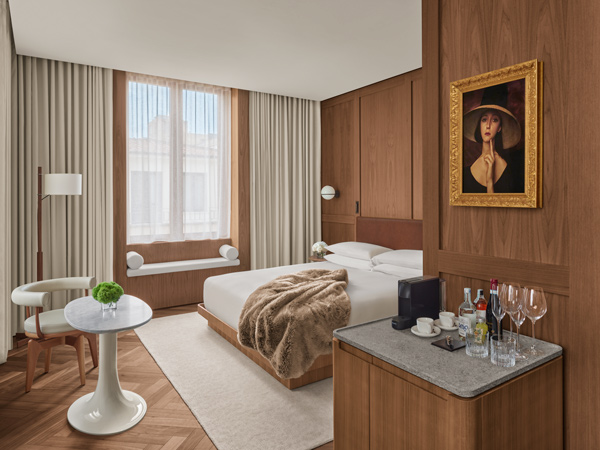
Designer hotels amping up the staying power here in recent years include Ian Schrager’s Rome EDITION, with its soaring 1940s rationalist lines and sumptuous saturated colour, and the exuberantly eclectic Zaha Hadid’s ROMEO Roma.
This being a Catholic Jubilee Year, beds are in hot demand, so keep tabs on the next rooms off the rank: Orient Express Minerva, Rosewood and Nobu. While you’re waiting, tap into Rome’s playful new aperitivo hour at clubby, futuristic Drink Kong, and a polpette al sugo from street food specialist Trapizzino.
5. Basel, Switzerland
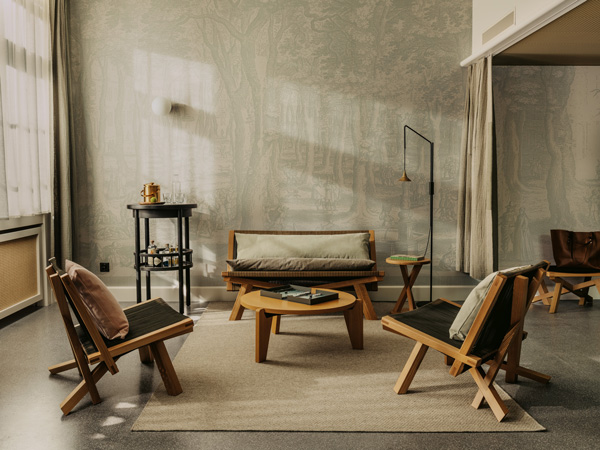
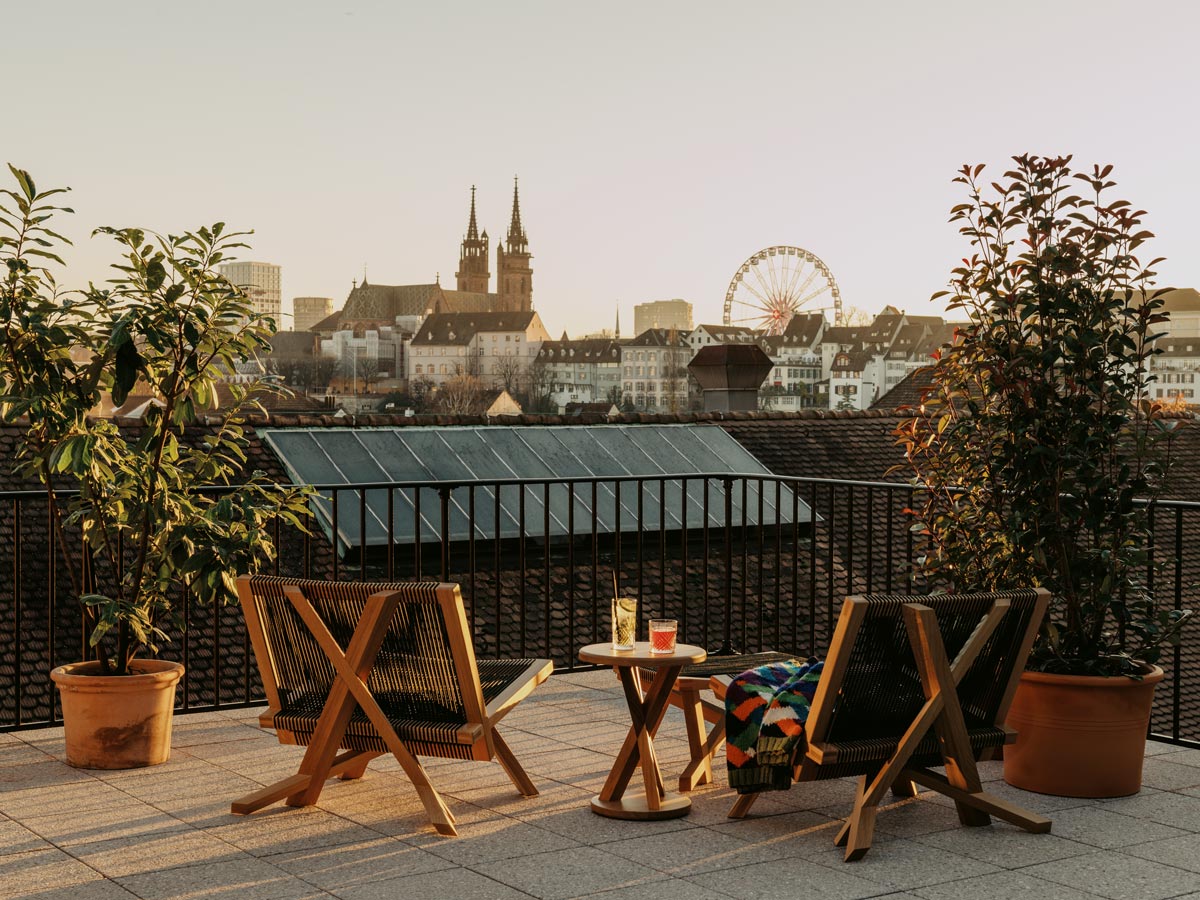
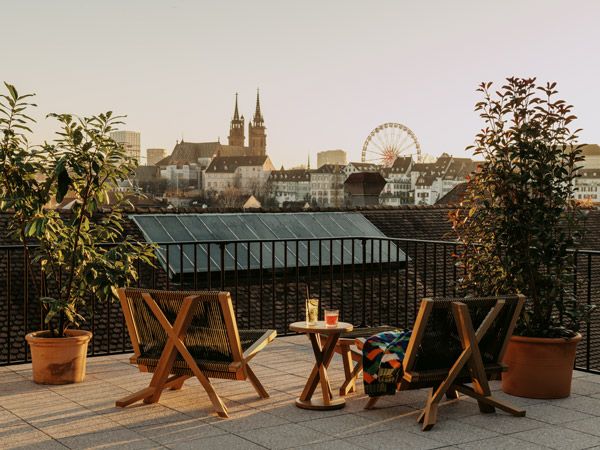
Home of the world’s most famous art fair and the cool-to-be-kitsch Eurovision, this compact, student-packed city is 40 museums strong – including Museum Tinguely, with its mighty kinetic sculptures, and the Renzo Piano-designed Fondation Beyeler.
Industrial Klybeck is the city’s bohemian heart, with offbeat art installations, cafes, bars, theatre and music. Basel also has a growing reputation for techno, best experienced at Nordstern nightclub, or check into the Herzog & de Meuron-designed Volkshaus Basel, which has its own program of concerts and cultural events.
Weekly travel news, experiences
insider tips, offers, and more.
6. Hamburg, Germany
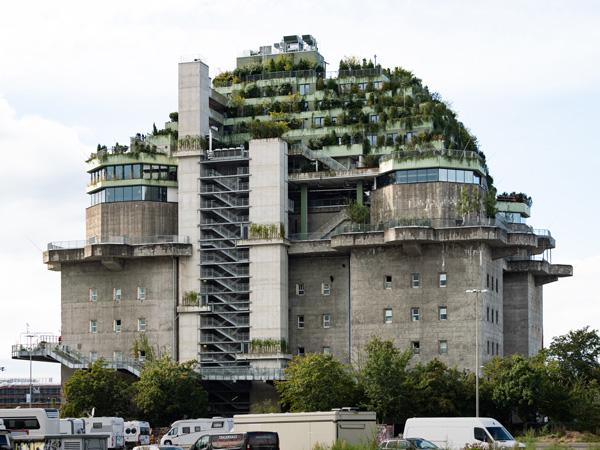
Germany’s media capital has sharpened its creative thinking of late with the reimagining of St Pauli Bunker, a monumental Second World War flak tower offering restaurants, a hotel and a sprawling rooftop park.
Add it to the Kunstmeile and its six galleries and museums for a cultural break, and earmark Borderless – a futuristic digital museum from influential art collective teamLab – for 2026. For more visual drama, stay at SIDE Design Hotel, with its computerised light installation by theatre director Robert Wilson.
7. Toulouse, France
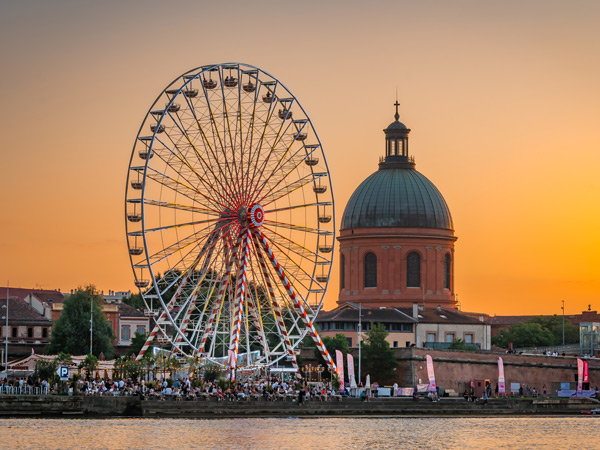
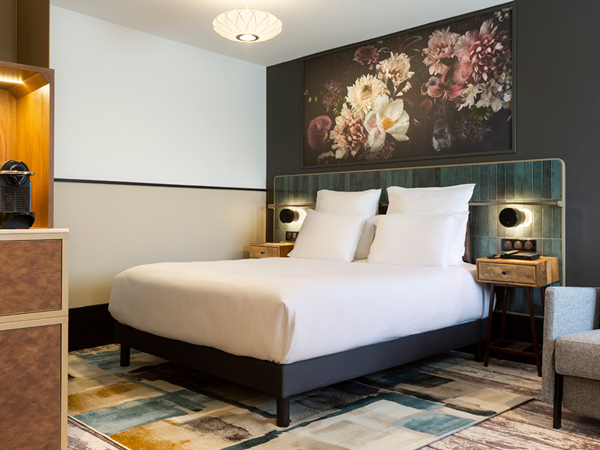
The Pink City dances to its own beat, with music festivals such as Rio Loco – think Afro-punk or Cuban disco – vibing alongside institutions such as Theatre du Capitole, one of the best operas in France. Dubbed a mini Paris, its other cultural highlights include Halle de la Machine, dedicated to eye-popping mechanical creations, and Les Halles de la Cartoucherie, a blended food, sports, coworking and events space. Drop your dancing shoes at Hotel Les Capitouls, which pays tribute to the 1980s Manchester music scene.
8. Vilnius, Lithuania
Europe’s Green Capital for 2025 is proving fertile ground for artistic talent as a new wave of creators take root, drawn to neighbourhoods such as Užupis – a (tongue-in-cheek) self-declared republic and home to a major art incubator – and Lukiškės Prison 2.0, now an arts and cultural hub.
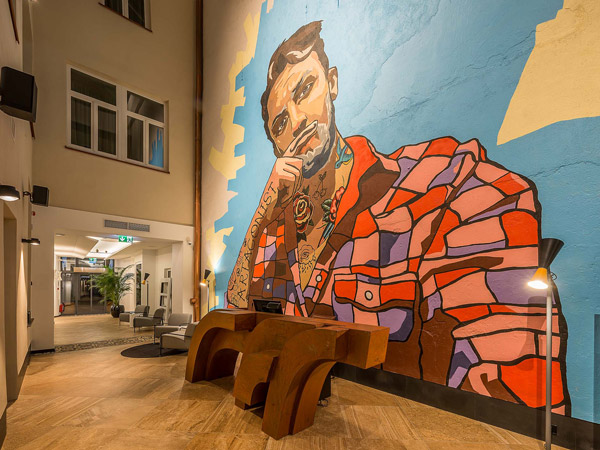
Gems in the cobbled Old Town include Terra Recognita Gallery, specialising in works of stone and metal, and Artagonist hotel, where textiles, street art and sculptures by local talents are all part of the scenery.
Want to see more stories from International Traveller in your Google search results?
- Click here to set International Traveller as a preferred source.
- Tick the box next to "International Traveller". That's it.