hero media

5 design hotspots to visit in Helsinki

Finland punches way above its weight and size when it comes to producing iconic designers and design brands.

Known as some of the happiest people on Earth, with a love of living life at full tilt, often in the great outdoors (in spite of their long, harsh winters), the Finns strive to surround themselves with impeccable design on a daily basis, as anyone who has visited its gloriously compact capital of Helsinki knows.

At the heart of the Nordic aesthetic that pervades is a love of impeccable, clean lines, an appreciation of subtle, natural materials and a delight in pure, vibrant colour and pattern. Here, our top five Finnish design icons you need to know.

Artek

In 1935 Helsinki, designer and architect Alvar Aalto along with his wife Aino Aalto and colleagues Maire Gullichsen and Nils-Gustav Hahl, started a company called Artek (a combination of art and technology).

Their collective goal was “to sell furniture and to promote a modern culture of living by exhibitions and other educational means", and the designs they produced, from furniture to architecture, put Finland at the forefront of mid-20th century design. Drop into the flagship Artek store on Keskuskatu, or visit the wonderful Academic Bookstore (on Pohjoisesplanadi), designed by Aalto in 1969.

Marimekko

Founded in 1951 by Armi Ratia, who had a vision of producing clothes from the bright, bold fabrics she and her husband were producing at their small Helsinki-based textile printing company.
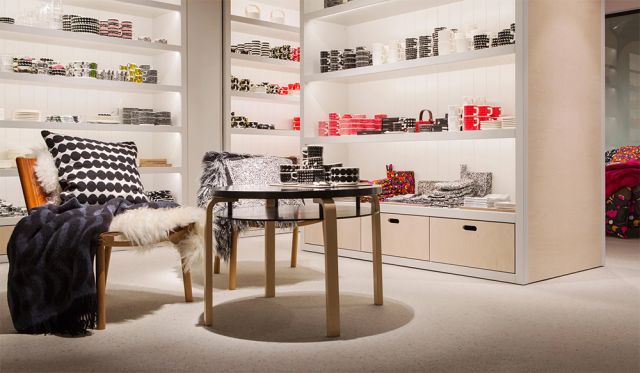
With artists like Maija Isola producing patterns and Vuokko Eskolin-Nurmesniemi designing bright and breezy fashion pieces, the label became a Finnish institution (the national carrier, Finnair, features its tablewear and fabrics on its flights); the rest of the world caught on when the then Jacqueline Kennedy started wearing its designs in the early 1960s.

Since then Marimekko’s prints have become iconic around the world.

iittala

While Iittala dates back to 1881, when a glass factory was established in the village of the same name in southern Finland, it flourished and grew during the early years of modernism and functionalism when the likes of Kaj Franck and Alvar and Aino Aalto started designing pieces that are still relevant and sought after today, such as Alvar’s instantly recognisable Savoy vase.
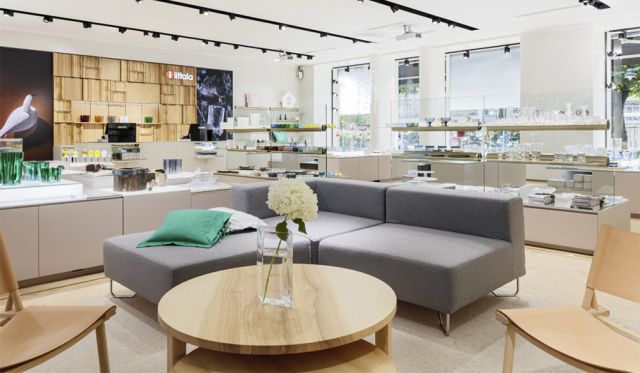
Visit its store on Esplanadi.

The Design Museum

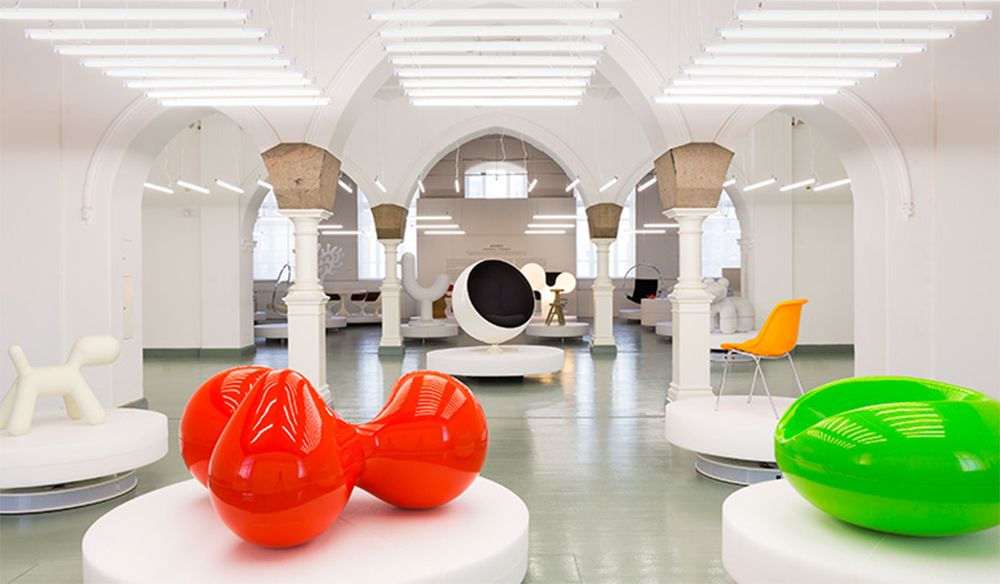
Housed in a former high school building dating back to 1895 in Helsinki’s buzzing design district, the Design Museum features pieces by some of Finland’s most famous designers and design brands, including the likes of Eero Aarnio, whose funky Ball Chair all but defined 1960s design.
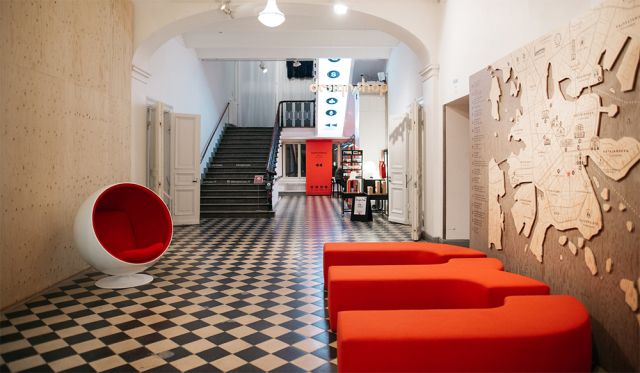
Moomin

Tove Jansson wrote and illustrated her whimsical tales of the Moomins from 1945 to 1977, during which time the family of white and roundish trolls with large hippopotamus-like snouts, and their friends, captured the hearts of the entire country. Moomin-emblazoned products are everywhere in Finland.

Want to see more stories from International Traveller in your Google search results?

  1. Click here to set International Traveller as a preferred source.
  2. Tick the box next to "International Traveller". That's it.
hero media

What the European heatwave means for your summer travel plans

Temperatures are soaring this summer, breaking records across Europe and the UK. 

Euro summer is a feeling like no other. But when a heatwave hits? The dream trip quickly turns into a sweaty mess. Extreme heat is sweeping Europe and the UK this week, with record-high temperatures impacting travel plans across the continent.

And while Australian summers are typically hotter in absolute temperature, many European cities aren’t equipped for high temperatures, resulting in unbearable weather.

Why is it so hot in Europe?

Signs of a hot summer loomed in May, when the mercury hit unprecedented spring highs. Now, extreme high temperature warning alerts have been issued in countries such as Spain, Italy, France, England, the Netherlands and Germany.

France saw its hottest day on record on Wednesday, with an average temperature of 30°C across the day and night. This surpasses the average temperature for June, which is 15°C to 25°C. Dozens of people have died, including 40 from drowning.

In Spain, 212 deaths have been linked to the heatwave.

The UK recorded its hottest June day ever on Wednesday with temperatures soaring to 36.1°C. In an article published by the Met Office – the UK’s national meteorological service – Professor Stephen Belcher CBE, Met Office Chief Scientist, shared his concerns about June’s heat. “To see temperatures like this in the UK in June is sobering. Events like this bring home the implications of climate change, with very high temperatures and humidity bringing significant health implications from heat stress, as well as impacts to a range of sectors such as transport, energy and water supply,” he said.

Heatwaves are becoming increasingly common in Europe and the UK, neither of which is prepared for such extremes. The World Meteorological Organization reported that in 2025, at least 95% of Europe experienced above-average annual temperatures and that the continent was heating up twice as fast as the global average.

How travel is impacted

A pharmacy sign displaying 40 degrees Celcius
A pharmacy broadcasting local weather data. (Credit: Getty/Dragoncello)

During a heatwave, power grids, water systems and transport networks can be affected, resulting in disrupted itineraries for travellers. In France, power outages have left thousands without electricity and early closures have been implemented for two of Paris’s biggest attractions, the Eiffel Tower (early afternoon rather than late at night) and the Louvre (two hours early). Eurostar cancelled its London to Paris and Paris to London services from the 22nd to the 25th, and major UK rail companies have been advising travellers to avoid using trains where possible, or to travel during early hours.

If a heatwave is predicted, being flexible with your itinerary and having fully refundable/changeable tickets is key, as extreme heat can force the cancellation of outdoor activities, impact rail and flight services and change the opening hours of sites and eateries.

Why does summer in Europe often feel hotter than summer in Australia?

people swimming in the Canal Saint-Martin in Paris
People swimming in the Canal Saint-Martin in Paris to cool off. (Credit: Rachael Thompson)

With some of the highest UV levels in the world, Australians are no strangers to the heat, adapting well to intense weather. But our infrastructure is largely equipped to withstand soaring temperatures with climate-responsive passive design, refrigerated air conditioning or evaporative coolers, as well as swimming spots aplenty.

Buildings in Northern and Western Europe and the UK, however, are constructed to retain heat and handle frosty winters. The lack of universal air conditioning means it generally feels hotter even though the temperature on your app might not look it. During a heatwave, it can feel like you’re in a sauna as cities act like heat traps.

How to stay cool and prepare for another heatwave

Relief is expected across Europe and the UK later this week, but more heatwaves are still possible in the coming months. Summer heat typically peaks in July and August.

Public transport often doesn’t have air conditioning, and buses in particular can be swelteringly hot. If you’re heading outside or your accommodation has no air conditioning, it’s worth buying a spray bottle and a handheld fan from a pharmacy or tourist stand. Check ahead of time if restaurants and cafes have air conditioning and make a booking in advance. The highest temperatures typically hit between 3pm and 6pm, so aim to head outdoors outside of these hours.

Rising temperatures invite travellers to enter a more intentional era of seeing the world. Now more than ever is the time to embrace lower-impact “coolcations” and off-season getaways.

5 Design Hotspots To Visit In Helsinki