hero media

A stay at this Japanese hotel will nurture your mind and spirit

In a traditional inn at the foot of a sacred mountain, find serenity and a luxurious reset on the outskirts of Kyoto.

Grey gravel paths crunch underfoot as I follow their curves through a garden carpeted in moss. I walk past spongy mounds, stone walls and pagodas encrusted with green growth, huddled bushes and grand trees. Little wooden bridges with handrails of bamboo cross over a pond studded with rocks. Fed by a stream diverted from a nearby river, it’s brought alive by pockets of gold and dappled koi gifted from monks who reside in the nearby hills.

It’s between seasons, so while birdsong fills the air, the trees are largely bereft of leaves. Still, the garden is a work of beauty, serene and carefully planned as if to appear nonchalant, with pockets of loveliness hiding around corners.

Ancient traditions

I’m on the north-eastern outskirts of Kyoto, a 20-minute drive from the city, ensconced at a peaceful riverside hotel called Moksa. As the rampant moss suggests, its garden was here long before this modern ryokan was built, a recent reinvention of the previous building. It’s in the village of Yase, which lies at the base of one of two sacred mountains that gave birth to Japanese Buddhism – a village that is rumoured to boast one of the oldest steam bath cultures in Japan.
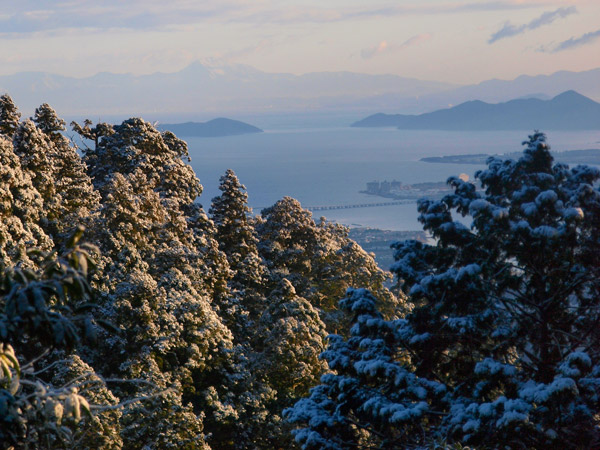
the sunrise over Lake Biwa from Mt Hiei
Soak up the sunrise over Lake Biwa from Mt Hiei. (Image: Tsuyoshi_Kaneko via Getty Images)

Since ancient times, the villagers have used a steam sauna called kamaburo, a rounded earthen kiln, to cure various ailments. It’s said that when a prince was wounded by an arrow in 672AD during the Jinshin War, the villagers offered him a kamaburo bath to heal his back. That prince went on to become the revered Emperor Tenmu, clear evidence the proffered remedy was successful. The area has been favoured since by aristocrats and samurai as a place of healing for body and mind, and today Moksa continues that history.
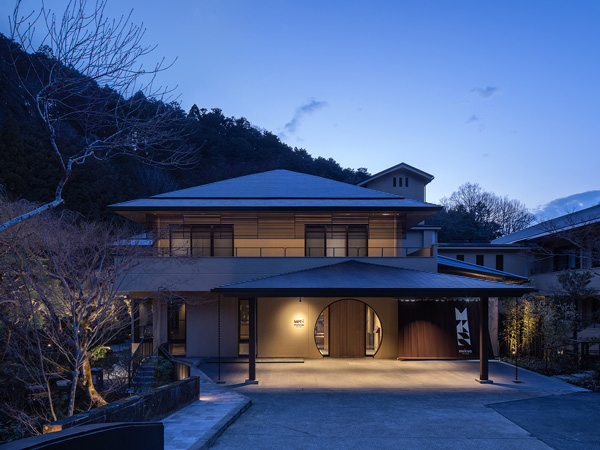
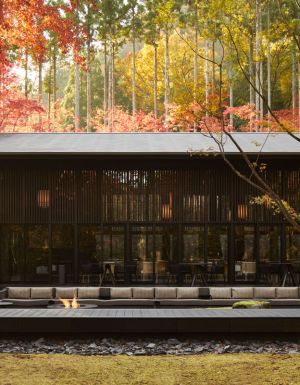
the accommodation exterior of Moksa
A stay at Moksa, which is surrounded by forest, is all about temples and nature. (Image: Blitz Studio Co.)

The hotel

I’d imagined ryokans to be small spaces, but Moksa ends that preconception. The oversized foyer is a feast of earthy tones and textures – blond timbers, slabs of natural stone and clean lines.

It showcases the works of local artisans: sculptures from twisted vines, abstract paintings and stone artworks. Throughout, massive windows frame the magic of the garden, which is well worth displaying.
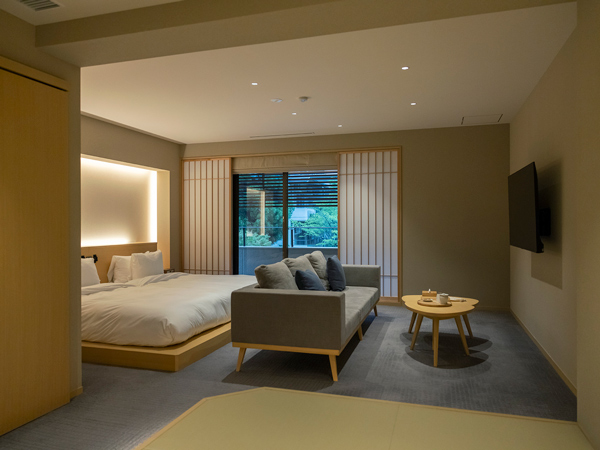
a guestroom in Moksa
Moksa offers 31 guestrooms surrounded by the nature of Yase in the north of Kyoto. (Image: Blitz Studio Co.)

The rooms are equally delightful and my Deluxe Twin Room surprises with its spaciousness. Japanese snippets – ceramic tea sets and his-and-hers pyjamas folded neatly at the foot of the beds – are offset with a thoroughly modern vibe. Simple and elegant, it features a separate bedroom, both a sofa and coffee table, a traditional tatami lounge and a large charcoal-tiled bathroom. The translucent shoji paper screen slides across to reveal a balcony running the length of the room that peers over that same garden, while others overlook the Takano River.
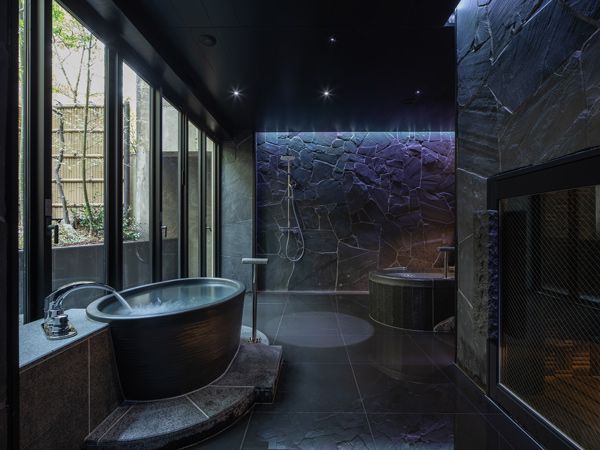
the bathroom at Moksa
Wash away the cares of modern life at Moksa. (Image: Blitz Studio Co.)

Taking its name from the Sanskrit word moksha, which means ‘liberation from earthly care’, the hotel promises a rebirth for those who stay. It’s not just the surroundings designed to provide a reset. Three key elements combine to nurture mind and spirit: nourishment from food, purification from private steam baths and a variety of tea traditions to stimulate the circulation of qi energy.
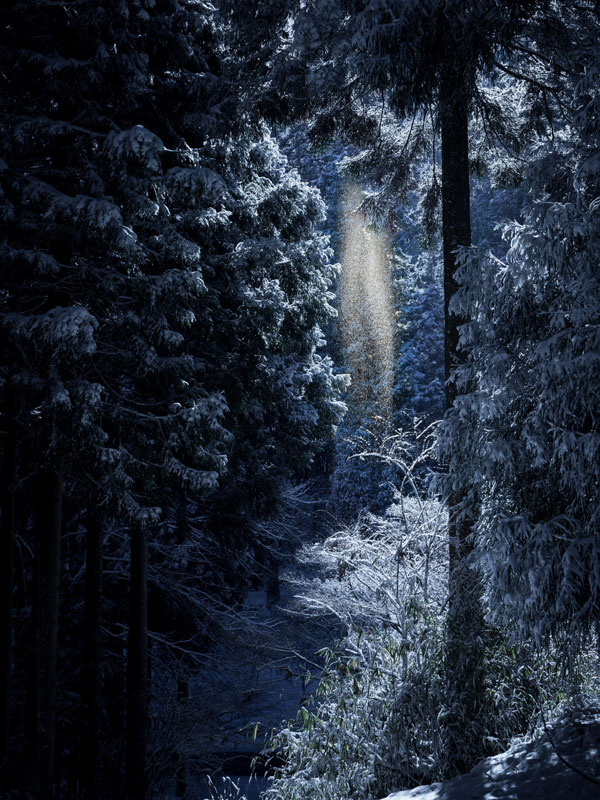
a snow-filled forest in Moksa, Japan
The name derives from a Sanskrit word meaning ‘liberation from earthly care’. (Image: Amana Images Inc./ Alamy)

Dining

With cuisine integral to the Moksa experience, breakfasts and dinners are part of any stay. The philosophy of being nourished through food is celebrated at Malamakibi, its restaurant featuring vegetables and herbs from the nearby village of Ohara.
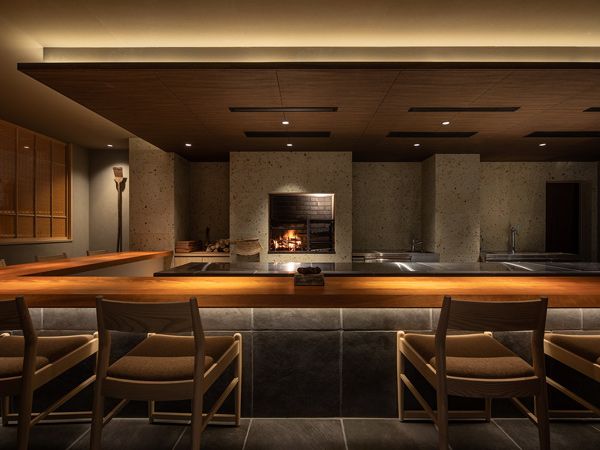
the dimly lit dining interior of Malamakibi restaurant
Malamakibi restaurant specialises in woodfired cuisine sourced from Ohara. (Image: Blitz Studio Co.)

It’s a treat to sit gazing directly into the kitchen and watch the chef and sous chef assiduously prepare the ingredients for dinner before us and grill them over woodfired coals. He also presents the dishes and explains their components. The meals are exquisite: everything from the flavours to the ingredients, attention to detail in presentation and the plates on which they’re served. Seafood features highly, each course of six an exercise in beauty and precision, ingredients matched to the turning season: sea urchin, cherry salmon, snippets of canola flower and butterbur sprout.

We finish at the bar with fresh strawberries, a macaron and a sliver of nutty tart washed down with the hotel’s signature smoked tea gin and tonic. It’s perfect.

Breakfast is equally finessed, with Japanese and Western choices including a ‘healing breakfast’ with rice porridge and five-coloured side dishes inspired by the five elements of yin-yang. Everything has a reason.
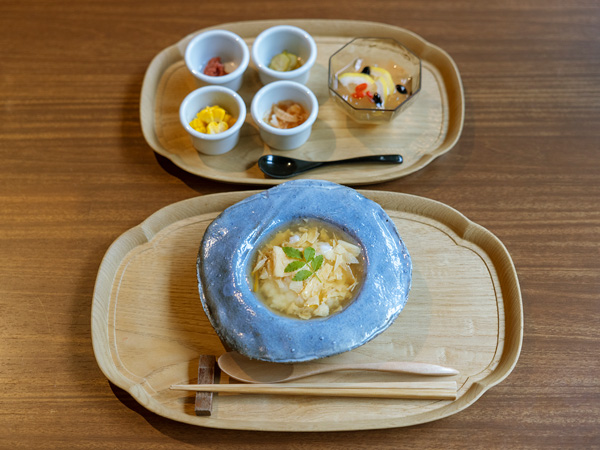
in-house dining at Moksa
Enjoy elevated in-house dining at Moksa. (Image: Blitz Studio Co.)

The saunas

Drawing inspiration from the local history and using the groundwater from Mt Hiei, Moksa offers three uniquely themed sauna and spa rooms designed for wellness and rejuvenation, available for private 90-minute sessions. Not being a great decision-maker, I try them all.

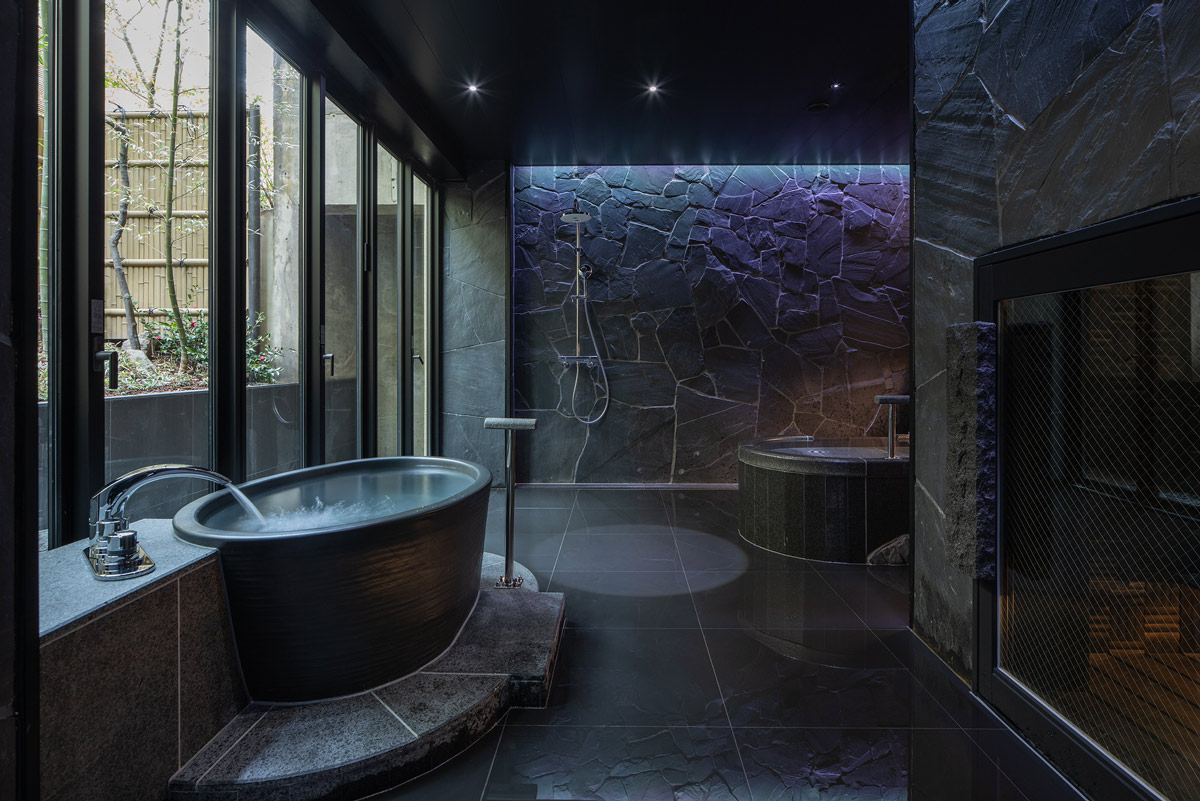
Each suite is beautifully appointed. Hijo is themed around Japanese cypress, considered sacred, with timber tubs and a scent of pine. A pink and taupe Bijo mist sauna features a special light to activate collagen in the body. Tanjo is all blacks and inky greys with deep, dark tubs and a private bamboo courtyard garden that glows at night.

I’m grateful for the fresh berries and cold drinks provided because, unsurprisingly, it’s hot in the saunas. Very hot. I’m told sauna steamers build up heat resilience, but I’m mindful of my untrained state and opt for a shorter sauna and a longer water bath soak to compensate. A cold tub provides the option of an invigorating post-sauna dip, said to increase lymphatic circulation, but I like my water warm and have no wounds to heal so I skip that part without regret and still feel thoroughly cleansed.

Tea culture

We’re offered tea at the Kikyorai tea counter to rejuvenate mind and body. In a Taiwanese ritual, a choice of blends is presented, each with a healing purpose, served deftly with contemporary tea utensils and ceramics crafted by artisans. It’s time to slow down and savour the detail.

Another tea ceremony awaits in the garden in a 100-year-old freestanding teahouse, lovingly restored in recent years. Inside, we’re privileged to be hosted by an octogenarian tea master, a sensei who’s been studying and teaching the art of the tea ceremony for more than 50 years. Dressed in a blush-pink kimono embroidered with sakura blossoms, Moriya Michiko explains her considered actions and their intent, from the turn of the bowl to the wipe of silk and the swish of the split-bamboo whisk.
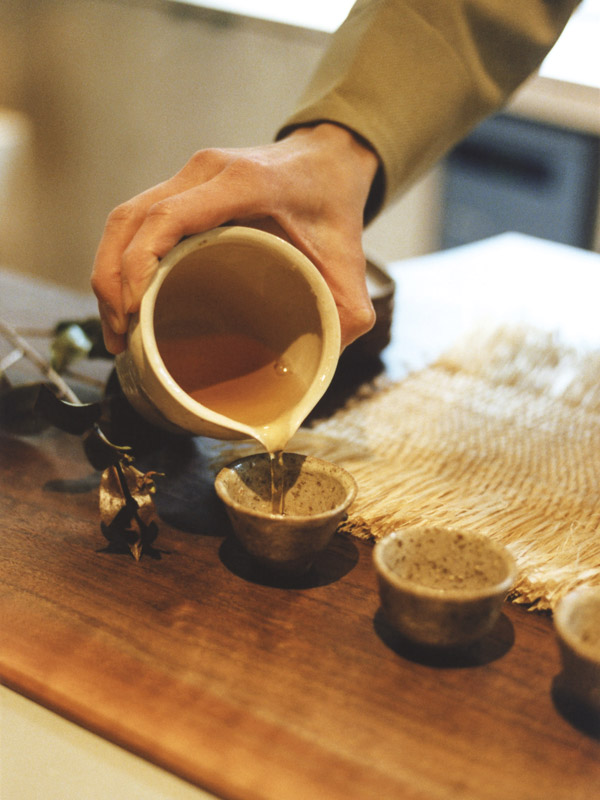
pouring tea into a cup at Malamakibi restaurant
The food at Malamakibi restaurant is paired with tea, a nod to the teahouses that have welcomed travellers since ancient times. (Image: Blitz Studio Co.)

Weekly travel news, experiences
insider tips, offers,
and more.

Beyond Moksa

There’s more to soothe the soul beyond the gates of Moksa, with forests to wander, a village to explore, shrines to visit and a mountain to hike. Mt Hiei, considered one of the three holiest places in Japan, is the home of heritage-listed Enryaku-ji Temple (that’s the collective name for the hundred-plus temple halls scattered on the mountain), founded in 788AD.
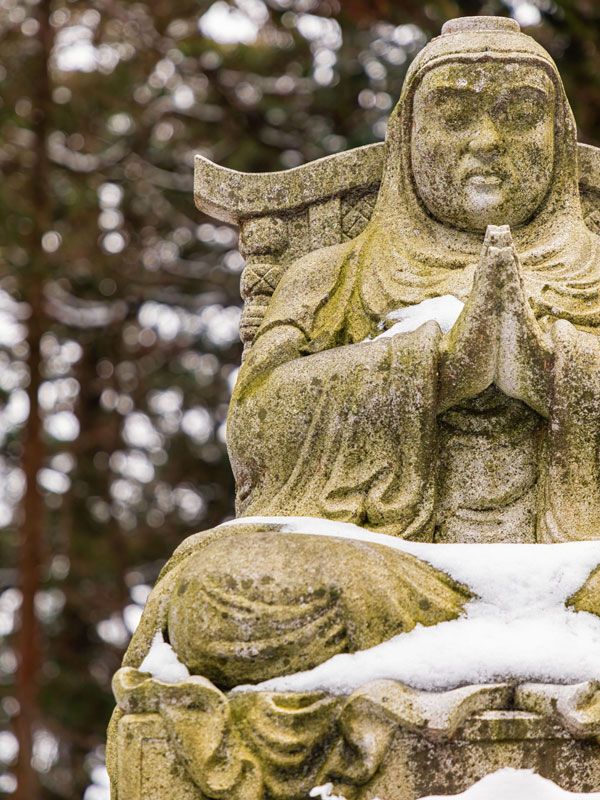
the statue of Priest Saicho at Enryaku-ji Temple
Priest Saicho was a Japanese Buddhist monk who established the Tendai sect of Buddhism in Japan. (Image: Alec Gibson/Alamy)

A cable car from Yase-Hieizan-guchi Station can deliver you to the top but timing is key as it closes in winter. Otherwise, it’s a long but peaceful walk.
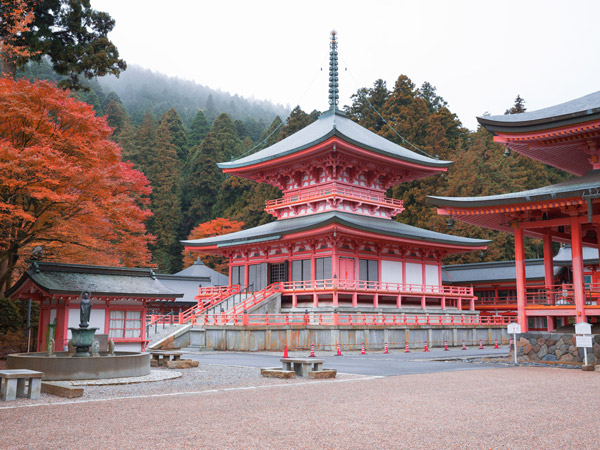
the Hokke Soji-in east hall at Enryaku-ji Temple
Visit Hokke Soji-in east hall at Enryaku-ji Temple. (Image: Amana Images Inc./ Alamy)

I’m learning the importance of timing. My mid-season visit also means the grounds of the Ruriko-in Temple in Yase – where the original kiln bath that cured an emperor can still be seen – won’t open either until a few weeks’ time in spring.
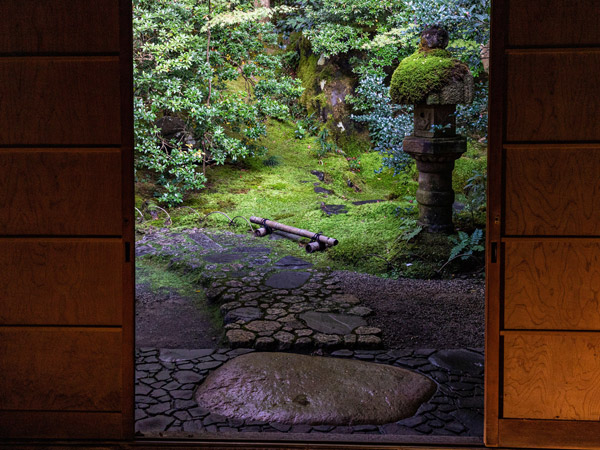
Rurikoin in Yase, Kyoto
Rurikoin in Yase, Kyoto, has been attracting people since ancient times. (Image: John Lander/ Alamy)

Regardless, I’ve bathed in steam and water and forests, sipped teas and been pampered with food, and witnessed the beauty of nature in refined surrounds. It seems ancient traditions are still providing salves for our modern lives.
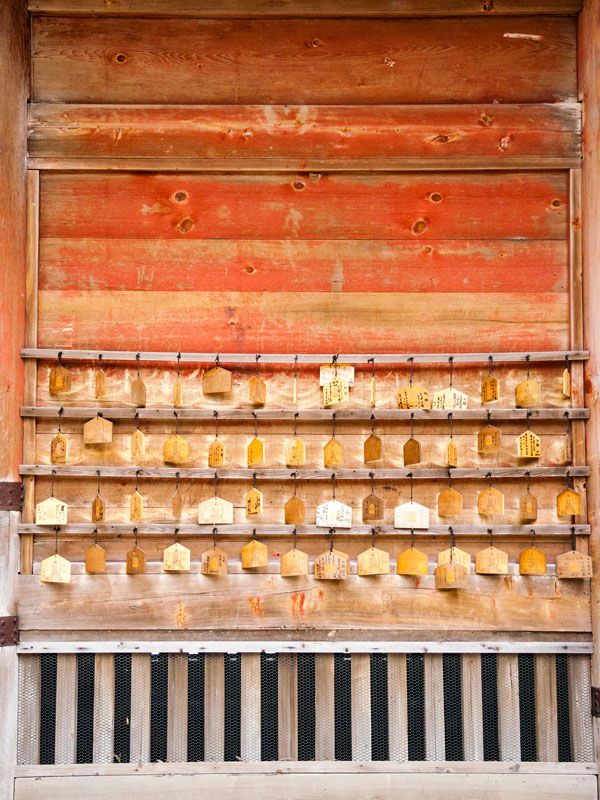
Ema prayer boards at Enryaku-ji Temple in Kyoto
Ema prayer boards hanging on the Monju-ro gate at Enryaku-ji Temple in Kyoto. (Image: Malcolm Fairman/Alamy)

Want to see more stories from International Traveller in your Google search results?

  1. Click here to set International Traveller as a preferred source.
  2. Tick the box next to "International Traveller". That's it.
hero media

These community homestays are changing how travellers experience Nepal

    After youth-led protests in 2025, this year Nepal elected a 35-year-old former rapper as Prime Minister. In a country where tourism is its biggest industry, what’s next for travellers? 

    In 1986, Nepal changed its clock. It had used India Standard Time since 1920 so, to differentiate, it wound its clock 15 minutes ahead of, not behind, its big-brother neighbour. Boss move. “Nepal is strongly opposed to the idea that our identity is connected to India,” says Community Homestay Network (CHN) guide Bikal Khanal.  

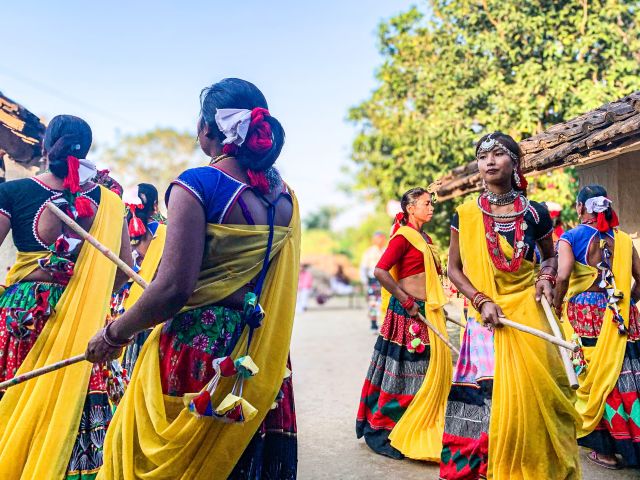
    Tharu dance
    Tharu dance is traditionally set to hand drums. (Credit: Kate Lewis)

    Today, Nepal is the only independent country with a 45-minute deviation to universal time; an oddity that’s become a symbol of national pride. The quirk is nearly as endearing as Kathmandu’s Tribhuvan airport where carved varnished wood and shiny red bricks rule. One sign points to a ‘Travelator’ and another to a ‘Grievance Handling Desk’ while visas are noisily stamped at customs for US dollars, cash only. When am I?  

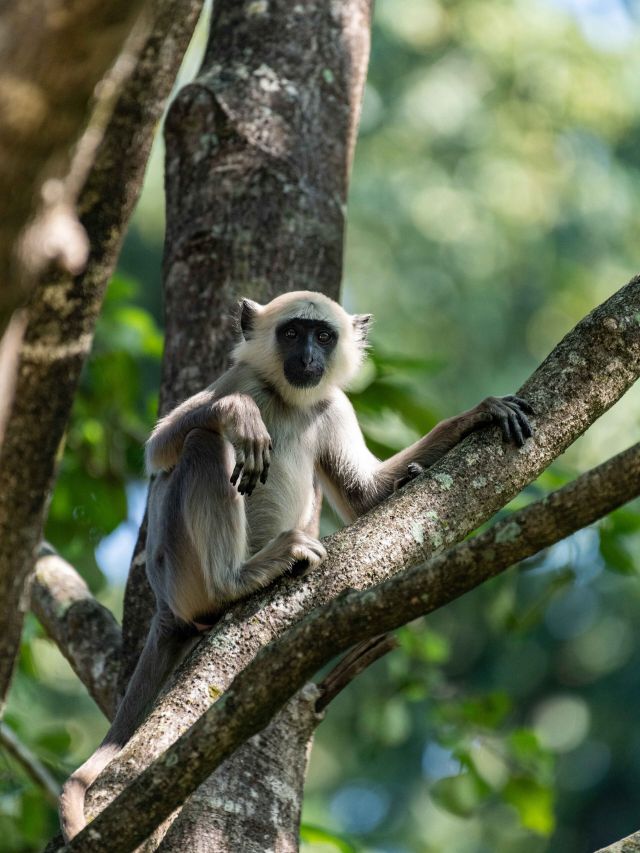
    Nepal gray langur
    Spot the endemic Nepal gray langur. (Credit: Simon Urwin)

    The 15 or 45 minute anomaly sees me tap out completely on timezone calculations. Why bend my brain calculating if it’s quarter to or quarter past elsewhere when I’m in the honking here and now of Kathmandu where the air is high-altitude crisp, the prayer flags flutter and the street dogs howl?  

    How tourism is changing in Nepal

    Bardiya National Park
    Bardiya National Park is rich with wildlife. (Credit: Simon Urwin)

    India is not the only association many Nepalis would like to shake. With eight of the world’s 10 tallest mountains, including Mount Everest and Annapurna, Nepal has long attracted mountaineers and trekkers, and expedition numbers are continuing to rise.  

    Tourism is one of the country’s biggest sources of foreign currency, so this growth is not negative, per se. But according to Ang Tshering Lama, who co-founded Phaplu Mountain Bike Club, being reduced to a mere trekking destination is limiting.  

    “Trekking is just one layer of our identity,” says Ang. “When it becomes the dominant narrative, it limits how we’re seen and how we see ourselves.” Nepal’s recent success, however, in diverting trekkers to less-trafficked areas such as Manaslu mofuntain, where visitor numbers rose by 117 per cent last year, offers hope that tourism can diversify even more radically.   

    Local men in Bhada village
    Local men in Bhada village. (Credit: Simon Urwin)

    The founder of CHN, Shiva Dhakal, wants that change. “The whole idea of the Community Homestay Network is to promote experiences outside of trekking,” he says. “Community tourism changes lives and helps kids stay home instead of coming to the city or migrating to the Middle East.”  

    Ang grew up seeing people leave, “not because they wanted to but because there weren’t enough opportunities to stay”, he states. Yet from remote villages to living traditions; food, art, music and emerging subcultures, “there’s so much that’s not being seen.” 

    CHN is opening some of those doors. It doesn’t own, or fund, any homes. Rather, it promotes homestays to travellers on a single, slick platform, while fostering entrepreneurship in places where women, marginalised castes, Indigenous people and the youth stand to benefit the most.  

    A new generation demanding more

    Dalla Town Hall
    Dalla Town Hall, where volunteers discuss anti-poaching tactics. (Credit: Bheem Thapa)

    The future prospects of next-gen Nepalis can no longer be ignored. On a Kathmandu tour with 33-year-old guide Monica K.C, we pass buildings torched in the September 2025 ‘Gen Z protests’, including the Supreme Court and Parliament House. Seventy-two people died. “They were anti-corruption protests,” says Monica. “Politicians’ children are living a lavish life but the airports are crowded with youngsters leaving to find work.”  

    We stop in ‘little Tibet’ at the wondrous sixth-century Boudha Stupa. “The wheel of life is Buddhism in a nutshell,” says Monica. “Things such as hate, ignorance and anger keep you rotating around the wheel, so you must follow the principles of Buddhism to detach. If you can’t, there’s no nirvana for you.”  

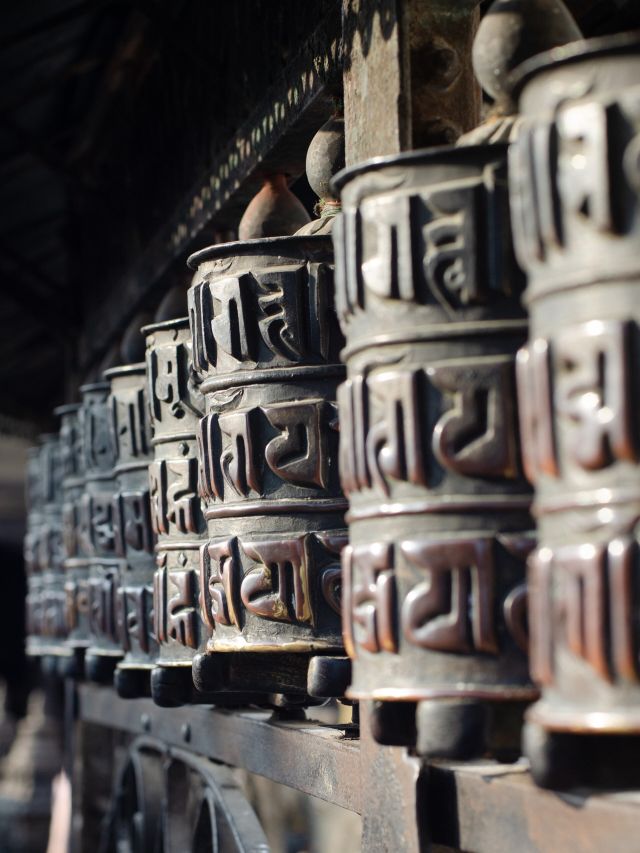
    Boudha Stupa's prayer wheels
    Boudha Stupa’s prayer wheels are used to recite Buddhist prayers. (Credit: Kate Lewis)

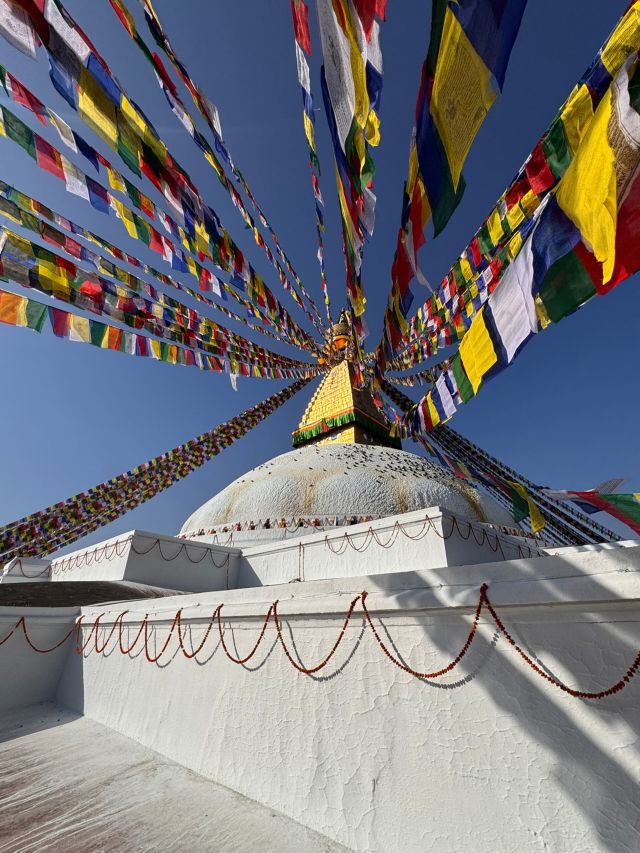
    In a sun-drenched twist to the usual temple visit, we ascend the stupa’s sloping plinth and roam its whitewashed dome. Tendrils of diaphanous prayer flags stream from a steeple-like structure where the Buddha’s unblinking eyes stare out. No nirvana for you… 

    bouda stupa prayer flags
    Tibetan-style prayer flags embellish the whitewashed dome of Bouda Stupa, a Buddhist temple. (Credit: Kate Hennessy)

    The dome is delightfully free of guard rails or chiding from security. There is, however, a stern ‘No TikTok’ sign, perhaps in response to the youth’s newly flexed power. The booted-out Prime Minister, K.P. Sharma Oli, was replaced in a resounding election victory in March by 35-year-old Balendra Shah of the Rastriya Swatantra Party (RSP) – a former rapper and mayor of Kathmandu. The RSP’s manifesto indicates tourism is a priority, and that Nepal’s cultural identity in areas such as gastronomy will be strengthened.  

    Boudha Stupa vendors
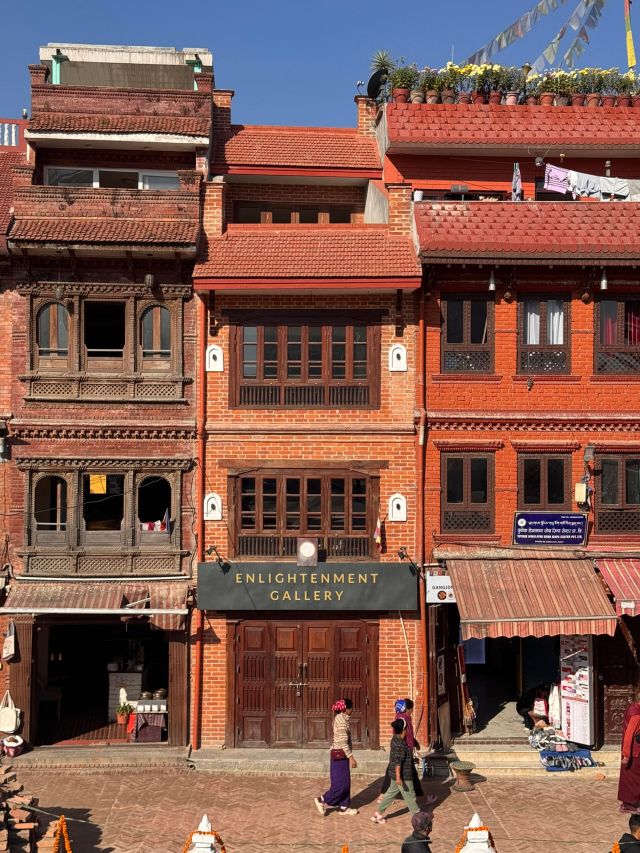
    Vibrant souvenir shops and cafes around Boudha Stupa. (Credit: Kate Hennessy)

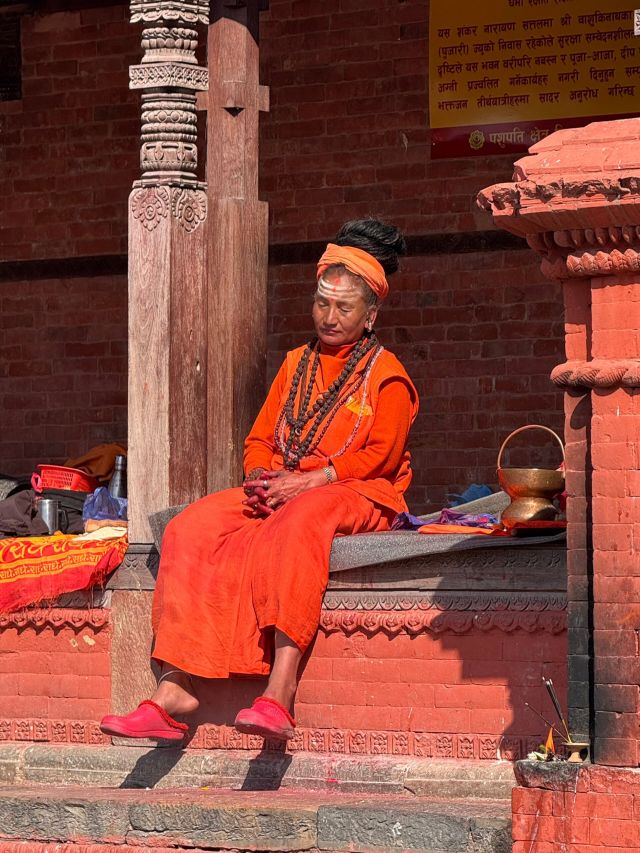
    A more confronting stop awaits at Pashupatinath Temple. Today is Bala Chaturdashi, a Hindu festival where thousands of devotees gather to honour their dead ancestors. Vendors hauling foam mattresses do a lucrative trade as people set up for a night of vigil. This includes burning the bodies of recently deceased relatives on bamboo pyres in the Bagmati River, which flows into the sacred Ganges.  

    A woman at annual Hindu festival Bala Chaturdashi
    A woman at annual Hindu festival Bala Chaturdashi, in Kathmandu. (Credit: Kate Hennessy)

    Wrapped in a shroud, the bodies are positioned with their heads facing north to the Himalayas where Lord Shiva resides. They’re covered with flowers and straw and set alight by male family members.  

    Hours later, the ashes are swept into the river where devotees will take a holy dip the next day. As much as Monica assures us it’s not voyeuristic to watch, I struggle to do so. “Here you see the reality of life because everyone ends up there,” she says, gesturing to the river.  

    Life unfiltered in the Terai region

    tharu woman
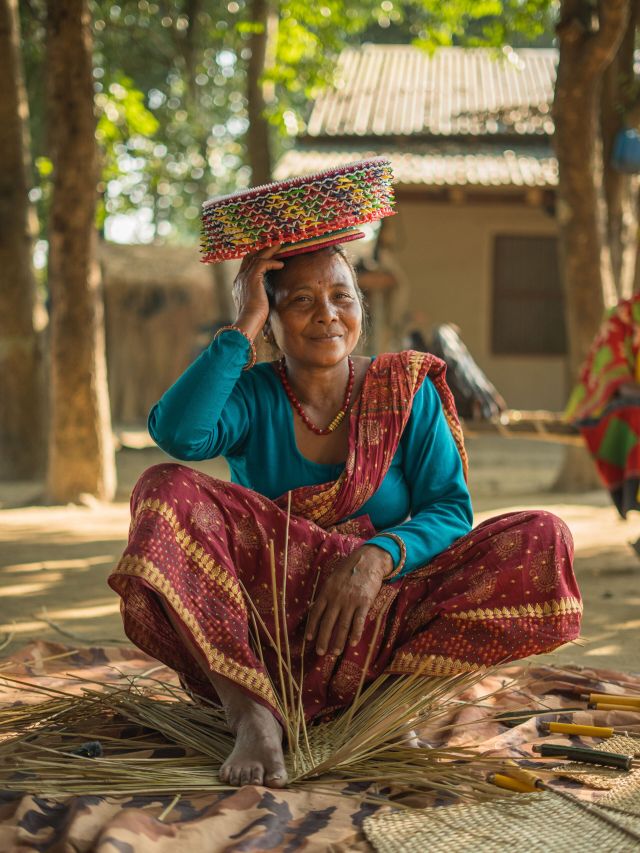
    Tharu woman and master weaver Parbati Chaudhary in Bhada Village. (Credit: Bheem Thapa)

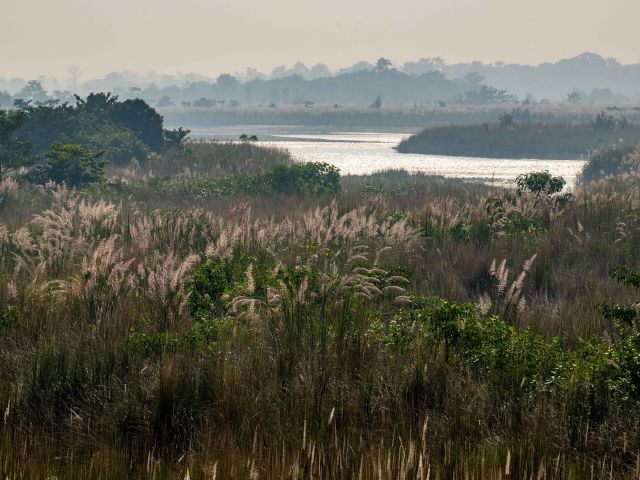
    The reality of life needs processing time, which the western Terai region delivers in spades. The Terai is largely separated from India by the Karnali River and Bardiya National Park, where elephants, rhinos and the elusive Bengal tiger roam.  

    Once a nomadic tribe, the Indigenous Tharu people are now the largest ethnic group here. “They didn’t know their daily life was interesting for international travellers but they’re starting to understand now,” says CHN founder Shiva.  

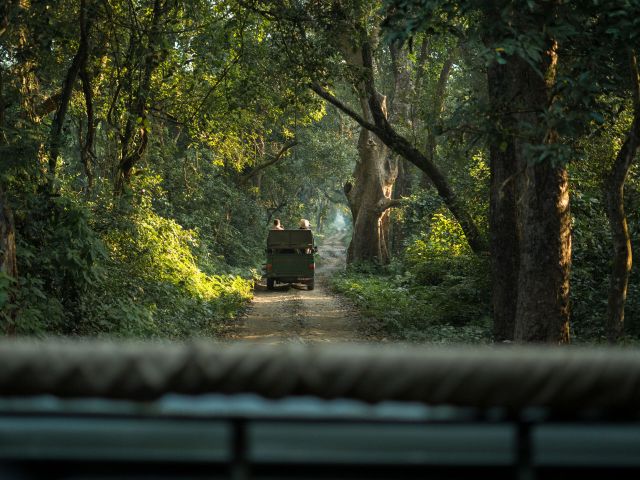
    safari through Bardiya National Park
    Take a Jeep safari through Bardiya National Park. (Credit: Bheem Thapa)

    We fly Buddha Air to Dhangadhi airport and drive five hours to stay in Tharu homes. The journey to Bhada village is a blur of roadside fruit stalls, traffic-stopping sacred cows and fields sown with wheat, rice, mustard, spinach, cauliflower and potatoes. Nepal’s agriculture feeds only Nepal.  

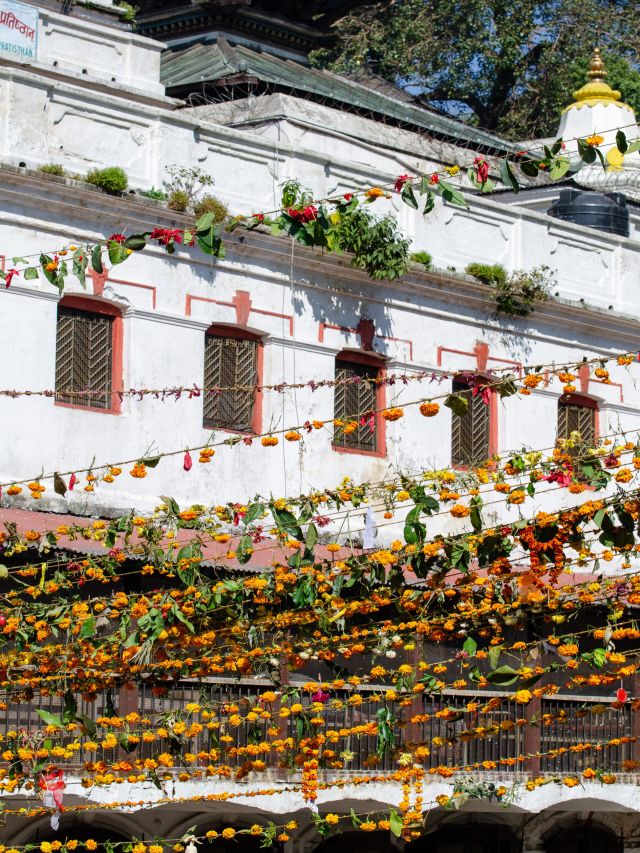
    Marigolds
    Marigolds are an important part of Hindu rituals. (Credit: Simon Urwin)

    “The only thing we export is young people,” says our guide Bikal. As the light dims and we plunge evermore rural, mysterious mounds of compacted hay – some house-sized – loom like the creatures from Where The Wild Things Are. Even our trusty driver gets flummoxed by a dirt road that abruptly ends and we find ourselves hurtling across a paddock.  

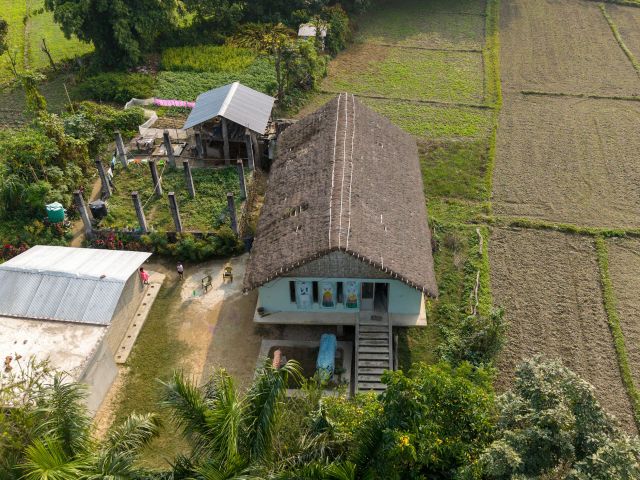
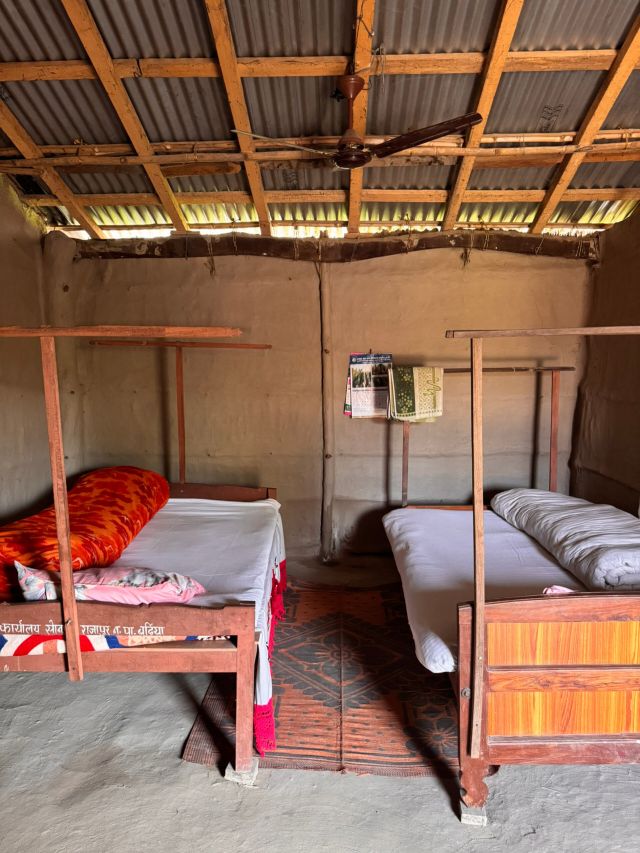
    On arrival, some are ferried to mud-walled cottages greened by gourd creepers, with thatched roofs and rustic-chic mosquito nets. Myself and two others are ushered to the home of corner store owner, mechanic and mushroom farmer Man Kumar Chilaruwa and his wife Rajkumari.  

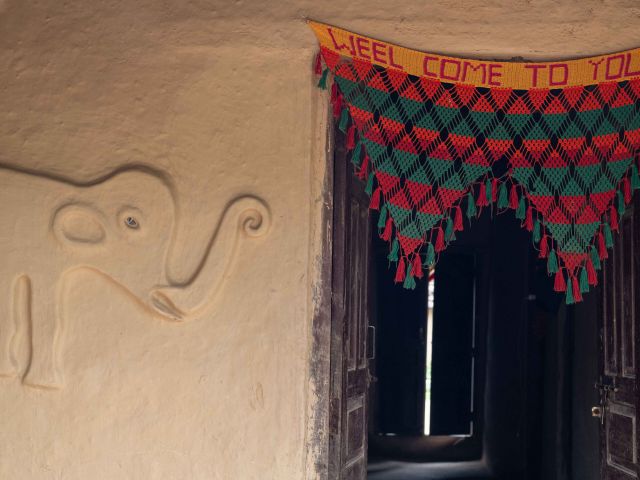
    community homestay entrance
    A warm welcome at a community homestay. (Credit: Simon Urwin)

    They escort us to a bunker-esque back building with steel doors and a folding security gate, behind which is gleaming linoleum, dolphin-printed tiles and a shower cavity that must be gingerly stepped through to reach the toilet.  

    The ceiling lights emit a rainbow of colours (the bathroom light gets stuck in, frankly, a quite frightening red). We’re nevertheless touched that our hosts invested in all this bling when the average salary is around $275 a month.  

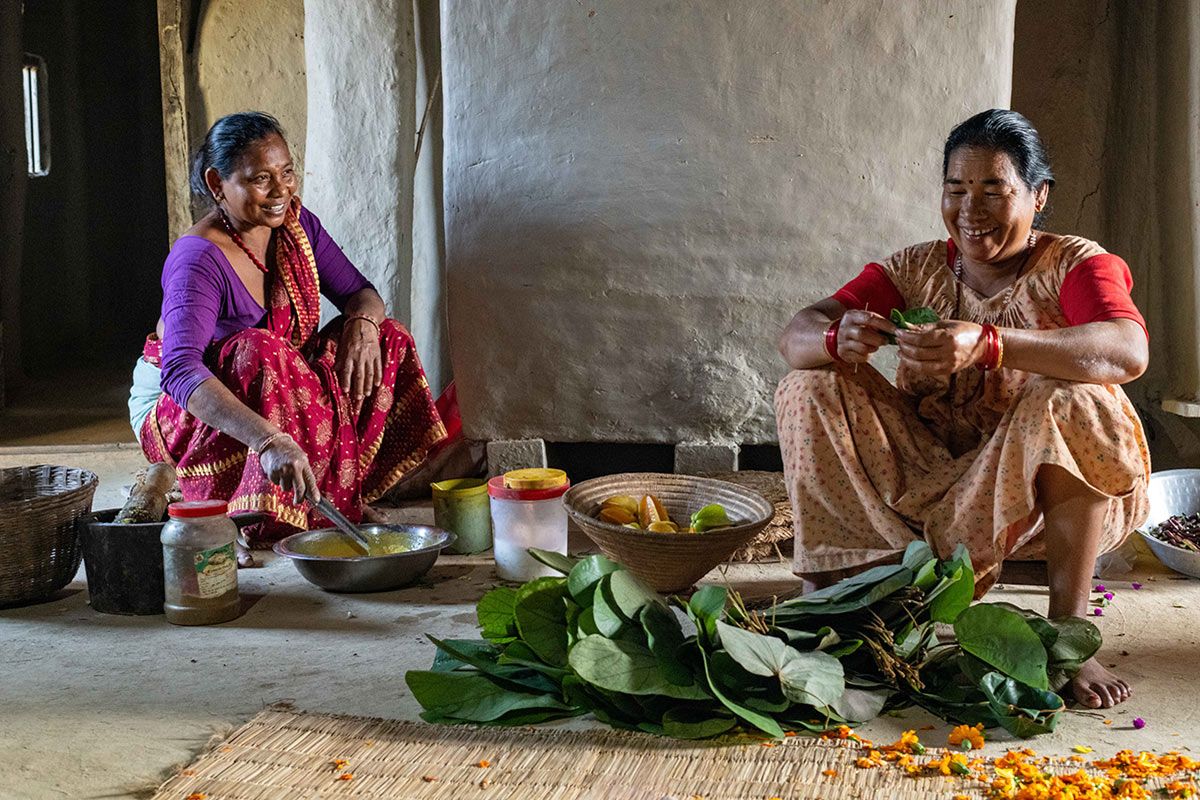
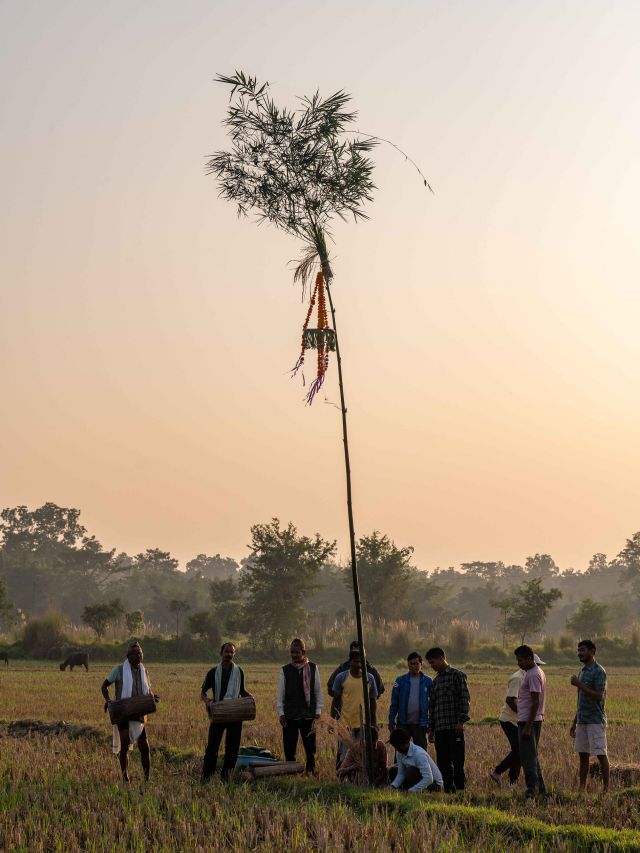
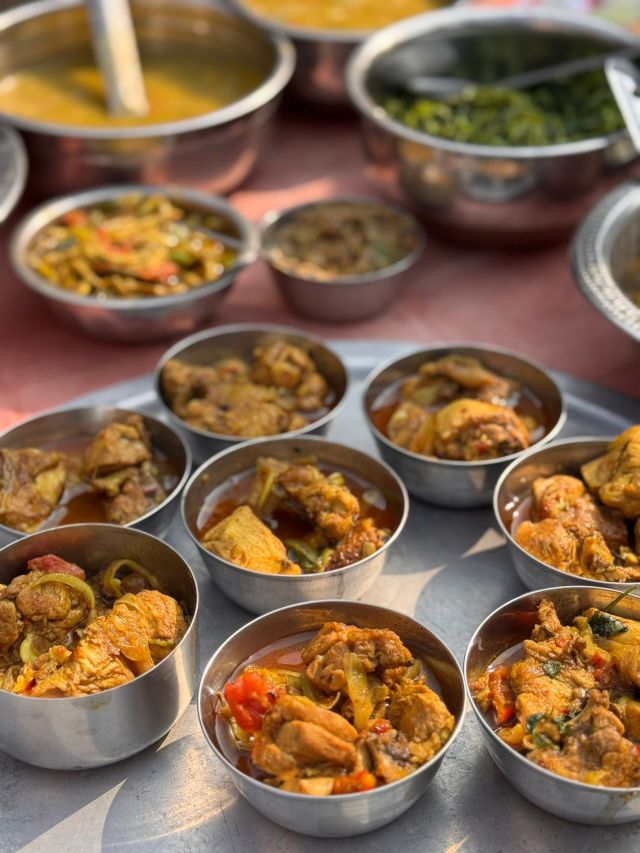
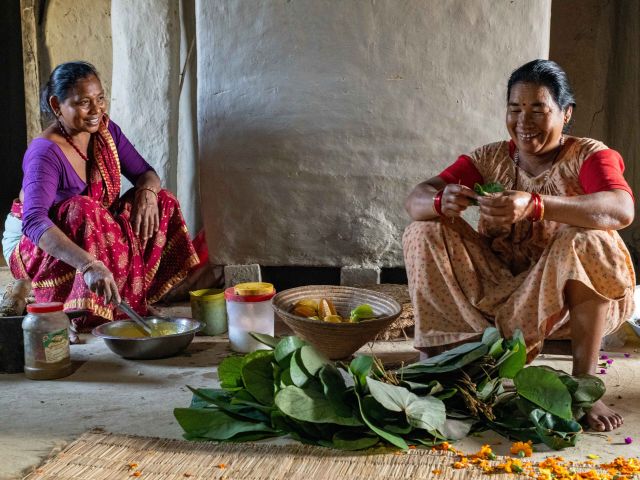
    In the coming days, we participate in Tharu traditions such as making moonshine, dancing, weaving straw handicrafts and gold-panning. We’re fed well with staples of rice, mustard greens, lentil pancakes, daal, curried chicken and tomato chutney served on antibacterial saal leaves.  

    food at community homestay
    Dig in. (Credit: Kate Hennessy)

    Sonara community homestay president Indradevi Tharu tells us river snails are often served, and the boiled and pickled flesh of rats hunted in the rice fields. “Perhaps next time?” we say and all have a laugh.  

    The power of community homestays 

    community homestay owners in Nepal
    Barda community homestay owners Parbati Chaudhary and Ram Krishni Devi Chaudhary. (Credit: Simon Urwin)

    Immersing Western visitors in foreign cultural practices is not new. But with the Tharu, I never get that uneasy sensation that I’m being performed for. Despite being the only tourists, there’s no ‘othering’; just warm, composed and ultra-dignified welcomes. Like we’ve always been here.  

    “I love to have travellers in my village so I can see the world,” says local woman Parbati Chaudhary. “Why would I travel the world when the world comes to me?” 

    The graceful acceptance the Tharu offer, as well as the slow pace, works miracles on my frazzled nervous system. One day I even take a nap on a vacant homestay bed. 

    Sonara community room
    An authentic stay in the Sonara community. (Credit: Kate Hennessy)

    Roosters strut and goats bray as we sit on the ground in al fresco kitchens, rolling rice flour into cylinders steamed to make dhikri (dumplings). When water is needed, we fetch it using a hand-operated pump as a family of ducks strolls by, side-eying us like curious neighbours.  

    Animal lovers will delight in Tharu villages. Kind and resourceful inventions are everywhere, such as snacking stations where two posts lean together, with leafy boughs dangling on rope for baby goats to forage from.  

    CHN’s CEO, Aayusha Prasain, nods knowingly when one in our group says she cried when she left her host, Shayam Chaudhary, in Bhada. Shayam’s 17-year-old son, Prashant, had translated, which deepened the connection.  

    “Community tourism turns travel into a relationship, not a transaction,” says Aayusha. “It places decision-making power in the hands of local communities, especially women and youth.” Since 2018, CHN has hosted more than 4000 travellers from 52 countries in 408 households, and estimates women’s participation has increased by 381 per cent.  

    Elephant watch
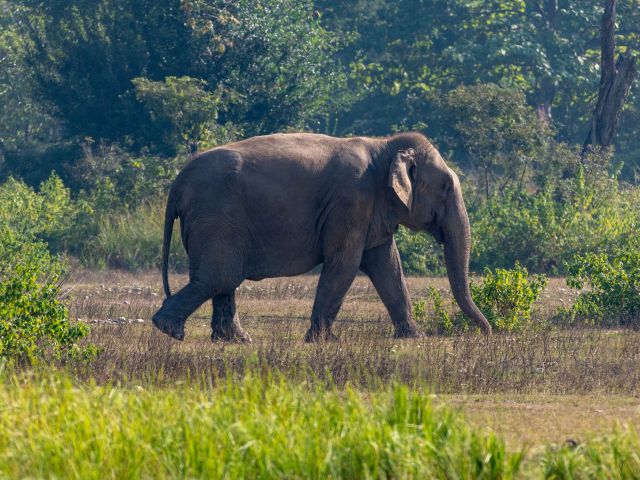
    Elephant watch. (Credit: Simon Urwin)

    In the Bardiya community, where vexing human-animal conflict has been a balancing act for decades due to elephants raiding crops, long-time homestay operator Salik Ram Chaudhary says young people keep the older ones on their toes.  

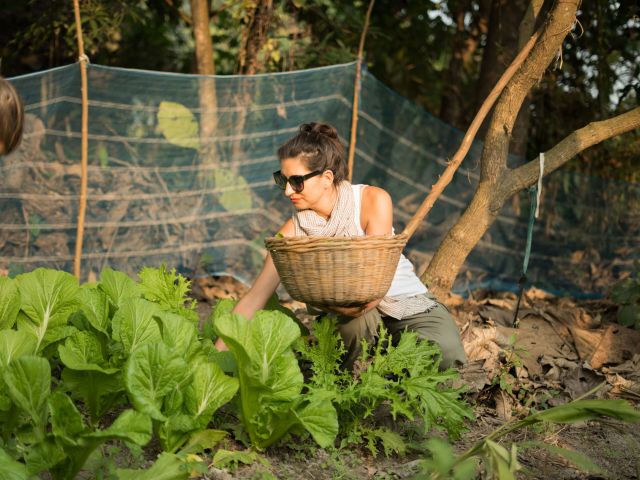
    Gathering greens
    Gathering greens. (Credit: Bheem Thapa)

    “We can’t keep homestays stagnant,” he says. “We have to upgrade our service and redefine our product or young people won’t see it as an attractive business. If we can keep evolving with this travelling trend we’re confident the youths will stay and continue it.” 

    Back in Kathmandu, Monica explains that after the deaths of young protestors in September, a determination had spread to not let their sacrifice be in vain. “We want to keep holding the government accountable,” she says. “We don’t know what situation we’re facing, but we’re ready to face it.”  

    Interested in Nepal but prefer to experience it in total comfort? Read our guide to luxury travel in Nepal

    A Stay At This Japanese Hotel Will Nurture Your Mind And Spirit