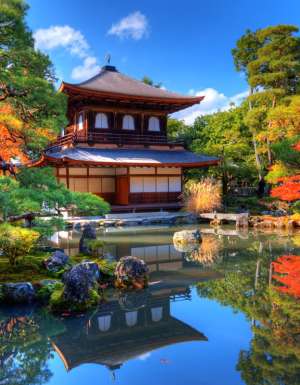
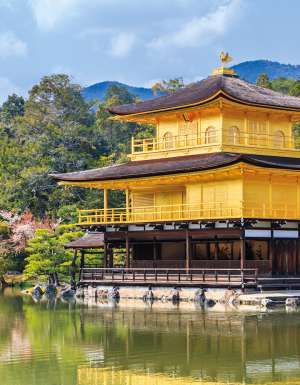
Known as the city of 10,000 shrines, Kyoto is rich in history and culture. Spared from heavy bombing during the Second World War, the city is dotted with heritage-listed buildings. The temples, castles and gardens of Kyoto will fascinate you almost as much as the geisha performances you shouldn’t miss while you’re in what was once Japan’s imperial capital.
Things to see in Kyoto
Every city in Japan has intricate buildings, temples, gardens and onsens to visit, but Kyoto has all this and more. The Manga Museum, home to over 300,000 comic books from around the world, offers both Japanese and English exhibitions, while the quirky Kaleidoscope Museum is a small but memorable stop.
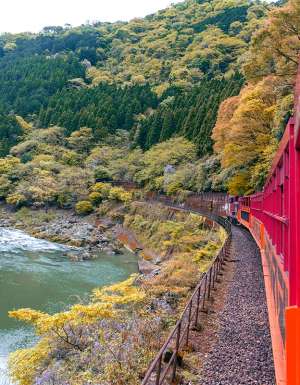
The Bamboo Forest in Arashiyama, just outside the city limits, was once a retreat for the imperial family and is now a Japanese icon – go early in the morning to beat the crowds, and combine it with a visit to Tenryu-ji temple. For temples, palaces and shrines, don’t miss the UNESCO heritage-listed Nijo Castle and its famous “nightingale floor," designed in Samurai times to chirp underfoot and alert residents to intruders.
Best places to visit in Kyoto
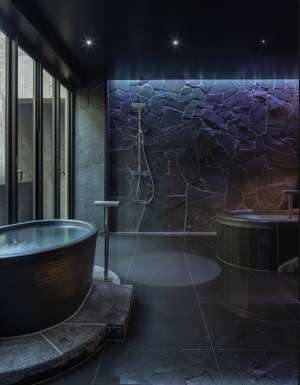
Kyoto rewards slow exploration, but a few areas stand out. Arashiyama, home to the Bamboo Forest and Tenryu-ji, is best visited early in the day; you can rent a bicycle to explore the forest paths and the surrounding town. For onsen culture, head just out of town to Kurama Onsen or Tenzan-no-yu near Arashiyama for a true natural hot spring experience – remember, onsens are for soaking, not washing, so shower and rinse before you get in, and no clothing (or, in most cases, swimwear) is worn, though small modesty towels are provided.
Best time to visit
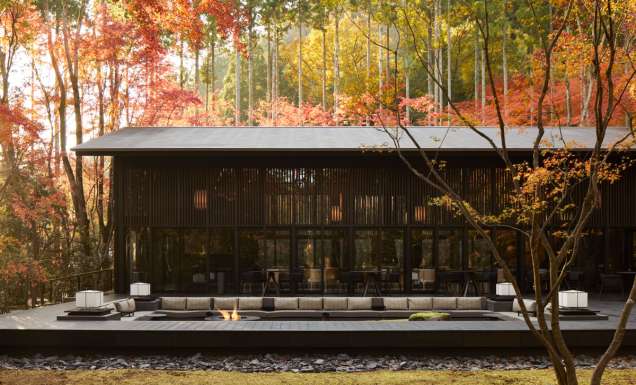
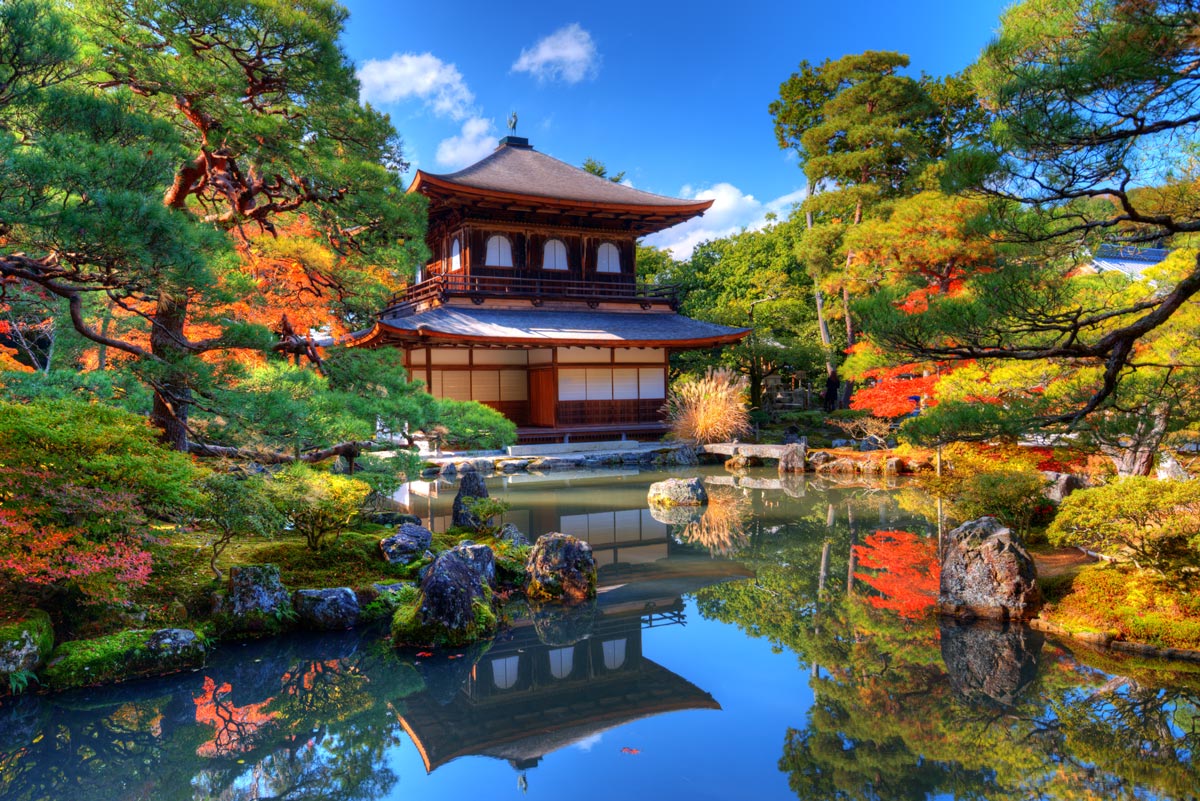
The two best times to visit Kyoto are spring, when the cherry blossoms burst into flower, and autumn, when the maple leaves turn a deep red before falling.
Where to stay in Kyoto
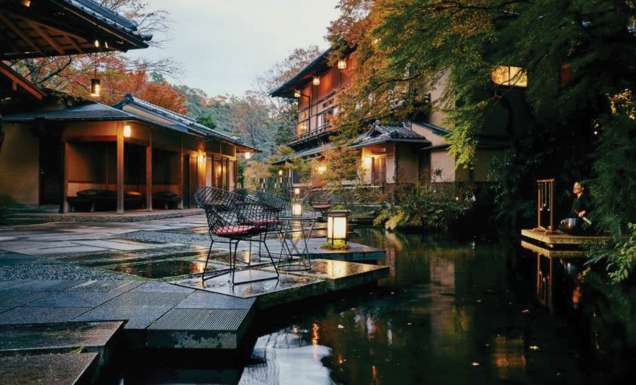
Whether you prefer a hostel, a minimalist family inn or a luxurious hotel, there’s something to suit every budget in Kyoto. A stay at a Ryokan – a traditional Japanese inn with tatami floor mats, futon bedding and rice-paper walls – is one of the most memorable ways to experience Kyoto, thanks to the simplicity and intimate innkeeper care these stays are known for.
Best places to eat in Kyoto
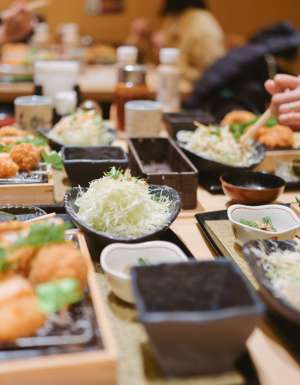
For three-Michelin-star dining, Hyotei is unmissable – this tea house and restaurant has maintained a tradition of culinary excellence across fourteen generations of ownership, with refined food and a genuinely sophisticated dining experience. Kyoto is also known for obanzai, a Japanese take on tapas built from lots of small bowls of fresh, seasonal dishes – it’s a great city for vegetarians thanks to the abundance of fresh vegetables.
Cultural experiences in Kyoto
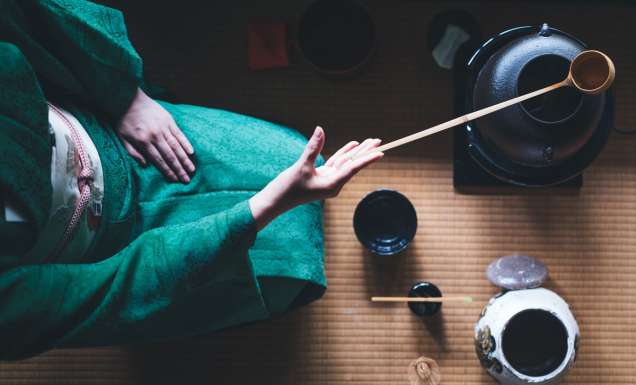
Geisha performances are one of Kyoto’s most iconic cultural experiences and shouldn’t be missed while you’re in the city. A tour of the Imperial Palace gardens is another highlight, though you’ll need your passport for security clearance when booking – go early in your trip to secure a place. Walking tours of Arashiyama village and the Bamboo Forest are widely available, as are shorter experiences like a traditional tea ceremony or full-day trips combining Kyoto and Nara.
Places to shop in Kyoto
From flea markets to handicrafts to high-end retailers, Kyoto won’t disappoint. Find a treasure at the Toji Temple market, or browse pottery, kimonos, dolls, folding fans and Shinto objects across the seven floors of the Kyoto Handicraft Centre, which stocks everything from inexpensive keyrings to samurai swords. Don’t miss Teramachi Street, one of the oldest shopping streets in Japan, lined with artisan ateliers, little boutiques, cafes and restaurants.
Getting to Kyoto
The easiest way to reach Kyoto is by bullet train, roughly 90 minutes from Kansai International Airport. Alternatively, fly into Osaka Airport and catch a shuttle bus, which takes about 55 minutes. If you’re travelling between Tokyo and Kyoto, the Shinkansen bullet train is the way to go – the fastest service, the Nozomi, takes around two hours and fifteen minutes. It’s also the only train in Japan where eating is the norm, with most passengers bringing food and drinks aboard; stations sell bento boxes and beverages for the journey.