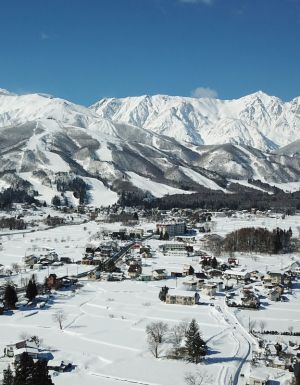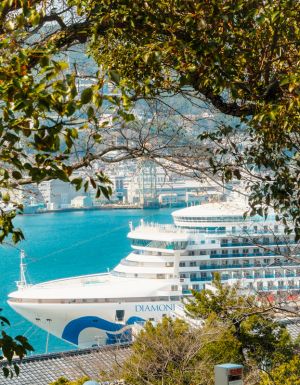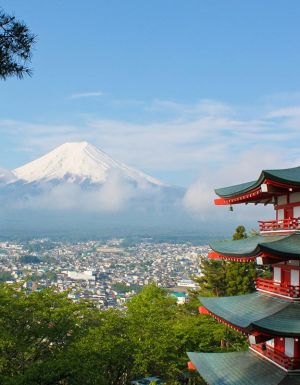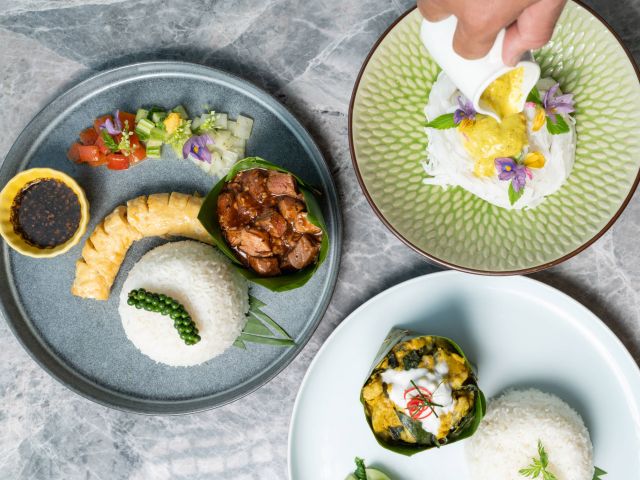
In a land where ancient traditions, time-honoured cultural practices and the spiritual beauty of nature are respected and celebrated, acting consciously is at the very heart of Japanese society.
Japan‘s sustainability practices are rooted in many aspects of its culture; evident in its appreciation of nature, with everything from mountains to trees to waterways viewed as objects of worship (kami); the belief that elements in nature are inhabited by deities and should therefore be respected and protected is a guiding principle of the Shinto religion. They are at the heart of the philosophy of wabi-sabi, which encourages finding beauty in the imperfect, impermanent and incomplete in nature and in life.
This means when it comes to adventures, plenty of earth-friendly options are readily available and offered with pride. Propel yourself through sacred islands and floating torii gates by paddle power, hike thousands of metres above sea level on dramatic mountainscapes, or get your hands dirty picking and planting.
Here are some to sample.
1. Learn pottery making in Arita
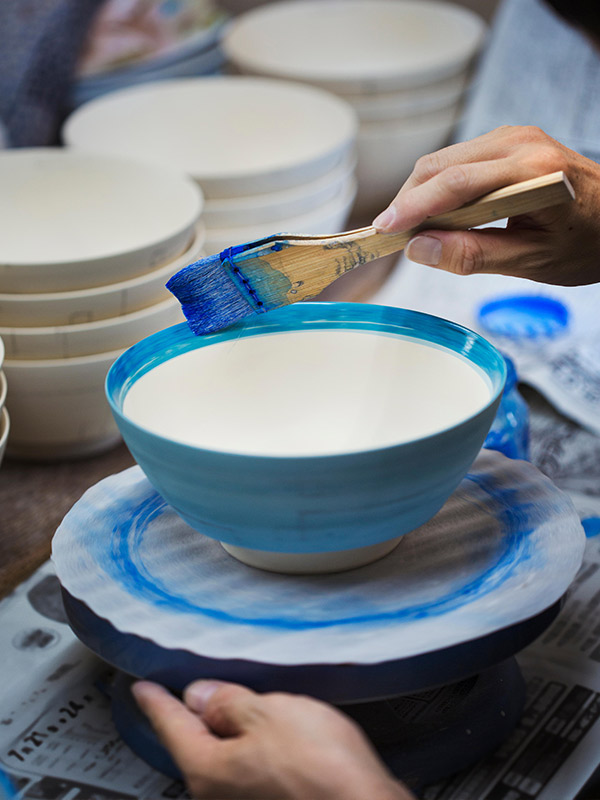
The tradition of ceramic making stretches back over 400 years in the town of Arita, located in Saga Prefecture on the island of Kyushu.
Visiting here not only allows you to learn the history of the craft, but you can also experience it first-hand by creating your own original piece as part of a local workshop.
2. Stay at a Buddhist temple in Koyasan
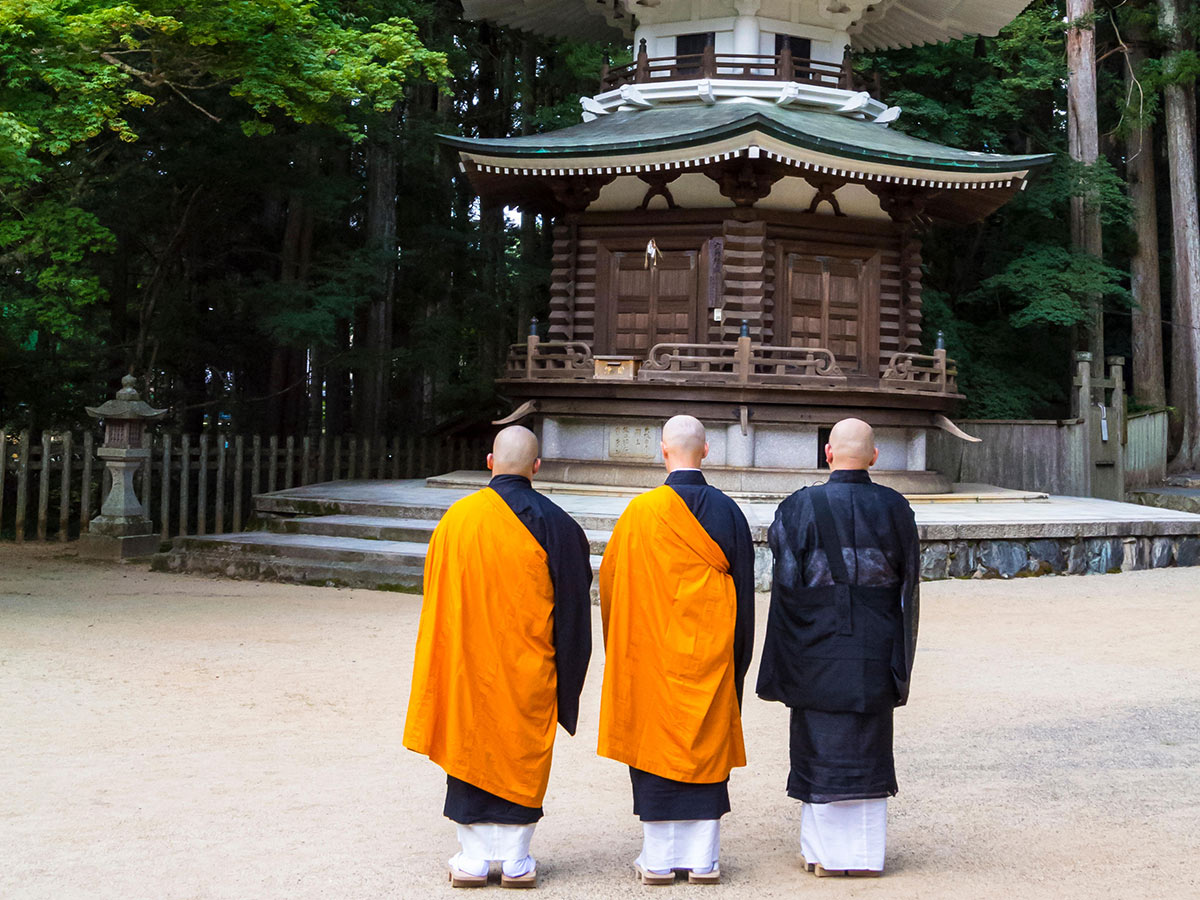
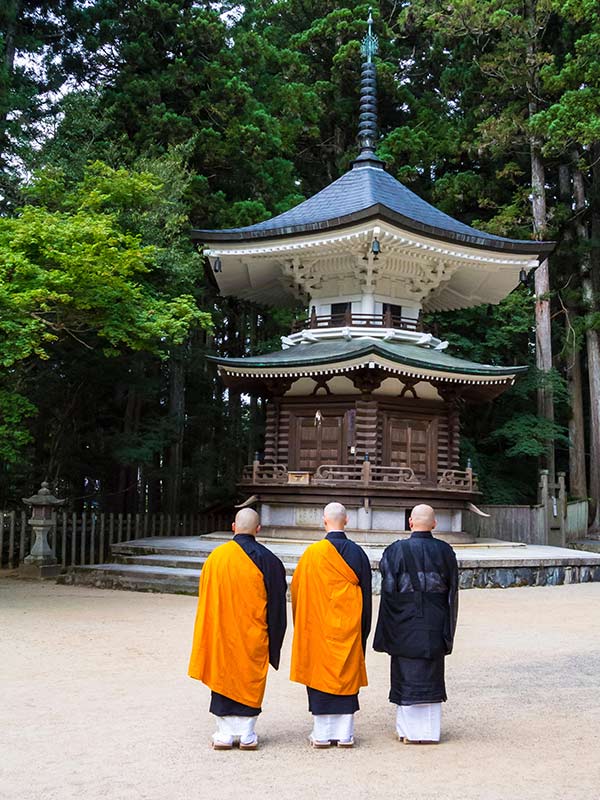
The mountain settlement of Koyasan in Wakayama Prefecture is one of the spiritual homes of esoteric Buddhism in Japan, with over 100 temples scattered throughout its UNESCO World Heritage-listed temple complex.
The ultimate way to truly immerse yourself in the tranquillity of this exquisite location is with a temple stay; over 50 temples offer accommodation options to visitors which includes the chance to enjoy shojin ryori (traditional vegetarian Buddhist cuisine) and wake early to witness the morning prayer ritual of the resident monks through a thick, fragrant haze of incense smoke.
3. Walk with Japan’s indigenous peoples, the Ainu
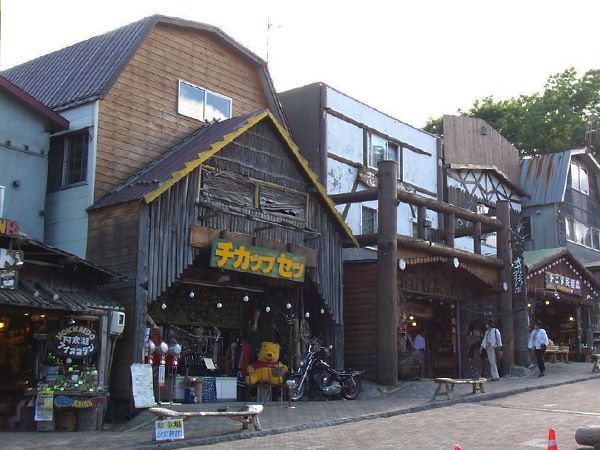
Japan’s indigenous Ainu people have lived in harmony with nature for millennia, and still honour their ancient ways on the island of Hokkaido.
The settlement of Akanko Ainu Kotan, within Akan-Mashu National Park, is the perfect place to learn about the history and stories of these proud people, while taking part in an Asahikawa Hiking and Ainu Culture Tour offers the chance to experience the wonders of the natural landscape through their pure and respectful filter.
4. Discover the art of indigo dyeing in Nagara River Basin
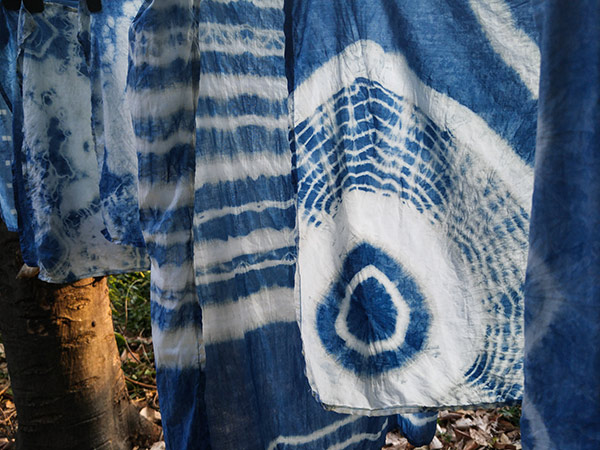
For centuries, indigo dyeing has been undertaken in the Nagara River Basin of Gifu Prefecture.
Visiting a traditional dye house in the town of Gujo Hachiman is a vivid way to indulge in this history, watching as artisans at Watanabe Somemono Dyehouse – who have had knowledge passed to them through a staggering 15 generations – practise aizome indigo dyeing techniques and share their skills to help you produce your own piece.
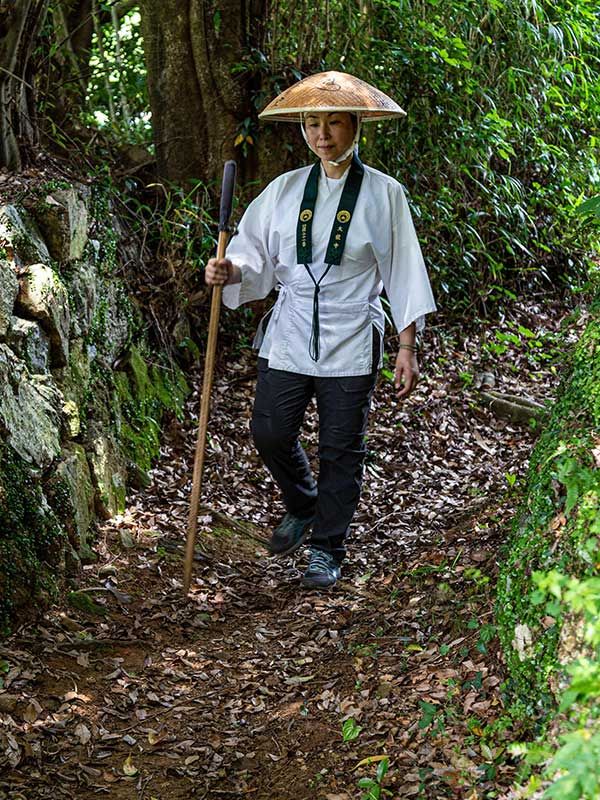
5. Take the Shikoku 88 Temple Pilgrimage
The Shikoku 88 Temple Pilgrimage, or Shikoku Henro, laces its way from the top of the island of Shikoku along a 1400-kilometre track, passing 88 sacred temples in the process.
Pilgrims have been undertaking this journey in silent reverence for some 1200 years, immersing themselves in the pristine natural landscape that surrounds them as they go.
The entire journey can take over a month to complete, depending on the pace you set, but it is possible to walk parts of it over a few days or a few weeks.
6. Become a kurabito (sake brewer) at Saku
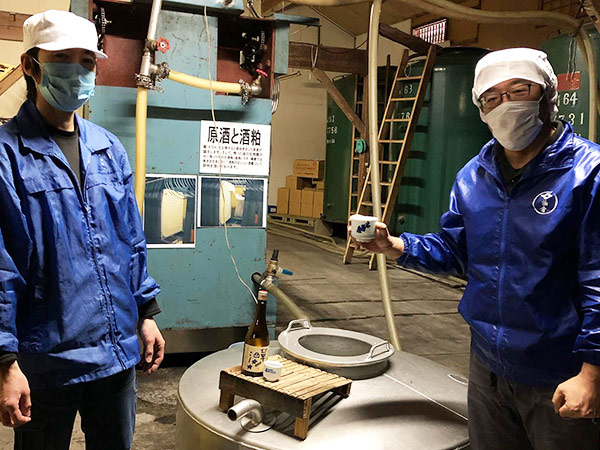
The brewing of sake is another time-honoured practice in Japan, and the Saku area of Nagano Prefecture is famed for the quality of the clear, crisp beverage made there.
You can learn the ways of a kurabito (sake brewer) at Kitsukura Shuzo, a traditional sake brewery utilising sustainable, small-batch production methods for over 300 years. A three-day stay allows you to join master brewers to learn how sake is made, before retiring to accommodation in an on-site building where the brewers once lived.
7. Visit a historic tea house in Kanazawa
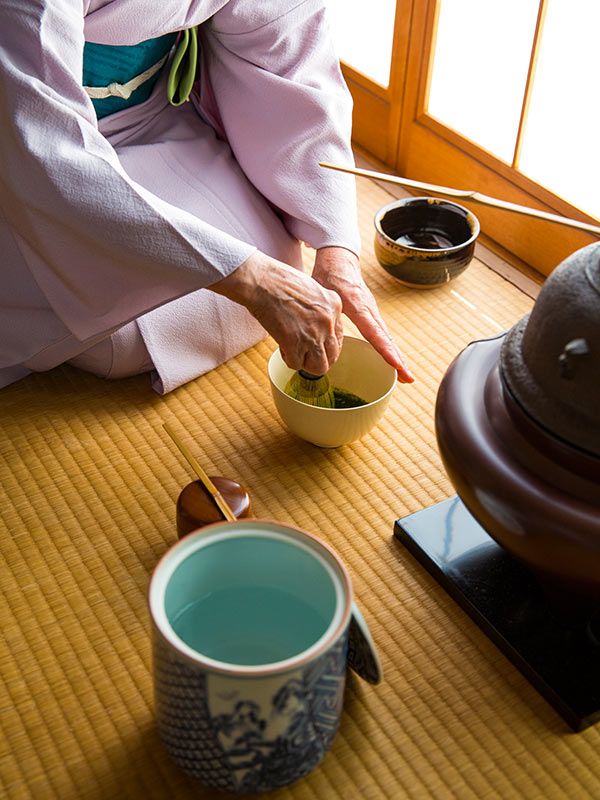
Kanazawa in Ishikawa Prefecture is renowned for the traditional hospitality afforded by its geisha, also known as ‘geigi’.
At Kaikaro in the Higashi Chaya District, the town’s historic tea-house district, you can witness the performance of traditional dances and songs and gain an insight into the elegance of geisha culture, while enjoying refreshing Japanese tea and sweets.
8. Bike ride Japan’s National Cycle Routes
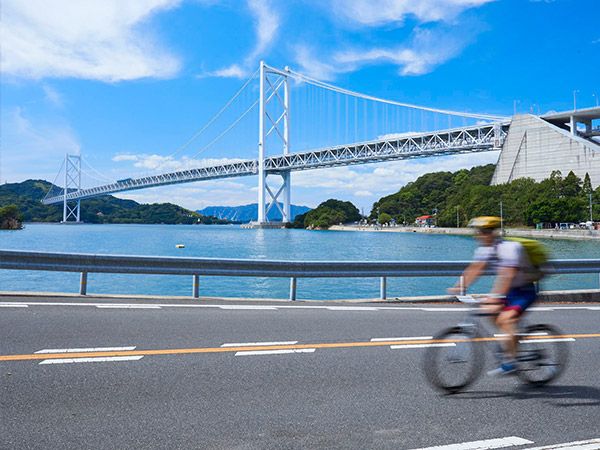
Japan is the perfect place to saddle up and explore by bike. The National Cycle Routes are the ultimate reference point for planning a cycling adventure because they include a range of route lengths and difficulty levels.
For beginners, the 70-kilometre Shimanani Kaido stretches from Onomichi in Hiroshima Prefecture across the bridges and islands of the Seto Inland Sea to its official finish in Imabari on the island of Shikoku.
For more advanced long-distance riders, the 1400-kilometre Pacific Cycling Road passes through a total of six prefectures (Wakayama, Mie, Aichi, Shizuoka, Kanagawa and Chiba), as it tracks a join-the-dots journey from vibrant cities to charming villages to secluded beaches along ruggedly scenic coastal roads (and via a few ferry transfers).
There are a number of jaw-dropping attractions along the way, including Meoto-Iwa (Wedded Rocks), a pair of sacred rocks joined by rope (the larger one represents the husband, the smaller one the wife) sitting in the ocean off Ise City in Mie Prefecture.
Weekly travel news, experiences
insider tips, offers, and more.
9. SUP board through a floating torii gate
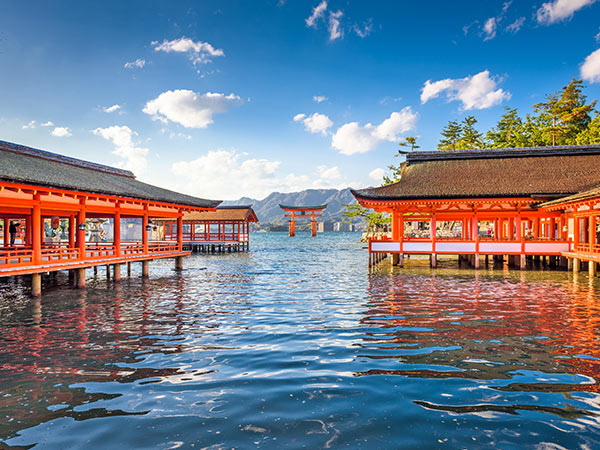
For stand-up paddle boarding, things don’t get more magical than navigating yourself through the waters of the Seto Inland Sea towards Hiroshima’s UNESCO World Heritage-listed floating torii gate and onto the sacred island of Miyajima, home of the evocative Itsukushima Shrine.
10. Raft down the Yoshino River
Propel yourself across Japan’s abundant aquatic and marine landscapes, with adventures ranging from leisurely kayaking tours to white-knuckle rafting expeditions.
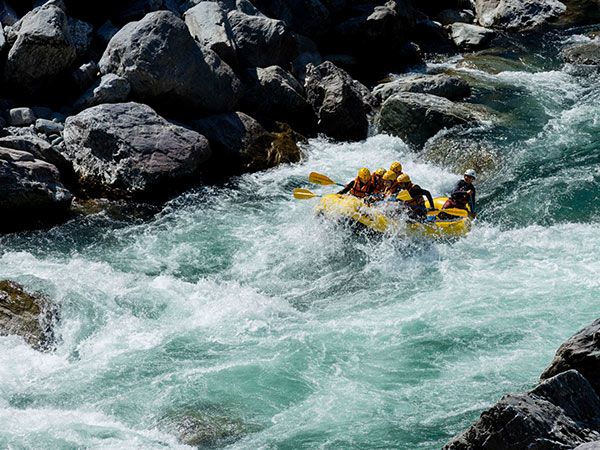
Get your heart pumping on the 194-kilometre Yoshino River, which flows from Kochi Prefecture to Tokushima Prefecture on the island of Shikoku. Known as Japan’s wildest river, it has some of the best rapids in the country.
If you’d rather your adventure at a leisurely pace, kayak the still waters of Lake Biwa in Shiga Prefecture – Japan’s largest freshwater lake. Take in the shrines, temples and beaches that line it, as well as the delightful cherry blossoms that erupt during spring.
Stay relaxed while canoeing in Hokkaido’s Kushiro Shitsugen National Park wetlands, revered for stunning landscapes and abundant wildlife, from iconic red-crowned cranes to sweet-faced Ezo deer. In Niseko, Hokkaido, the melting of the winter snows that the area is famed for results in the Shiribetsu River rising by metres and creating the perfect seasonal rafting conditions.
11. Paraglide over Tottori Sand Dunes
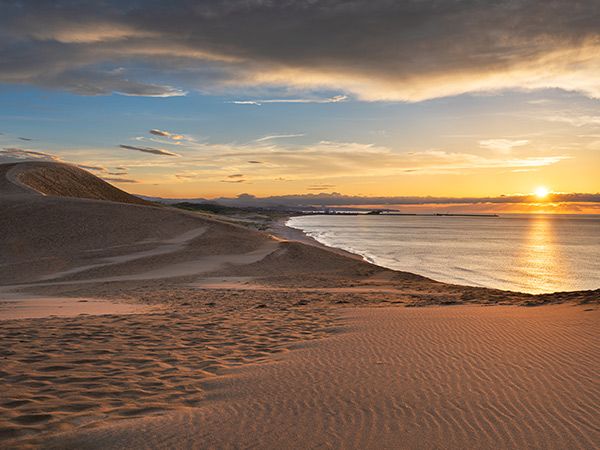
Take to the skies for a drone-like survey of the landscape, powered only by the whim of the wind. Paragliding expeditions are available over the otherworldly sweep of the Tottori Sand Dunes, bordering the blue waters of the Sea of Japan and part of San’inkaigan National Park in Tottori Prefecture, and the vivid, green patchwork of Aso in Kyushu’s Kumamoto Prefecture.
Or try a tandem hang-gliding flight in Oshino, Yamanashi Prefecture, to wonder at jaw-dropping views of Mt Fuji in the distance as you float weightlessly through the sky.
Want to see more stories from International Traveller in your Google search results?
- Click here to set International Traveller as a preferred source.
- Tick the box next to "International Traveller". That's it.