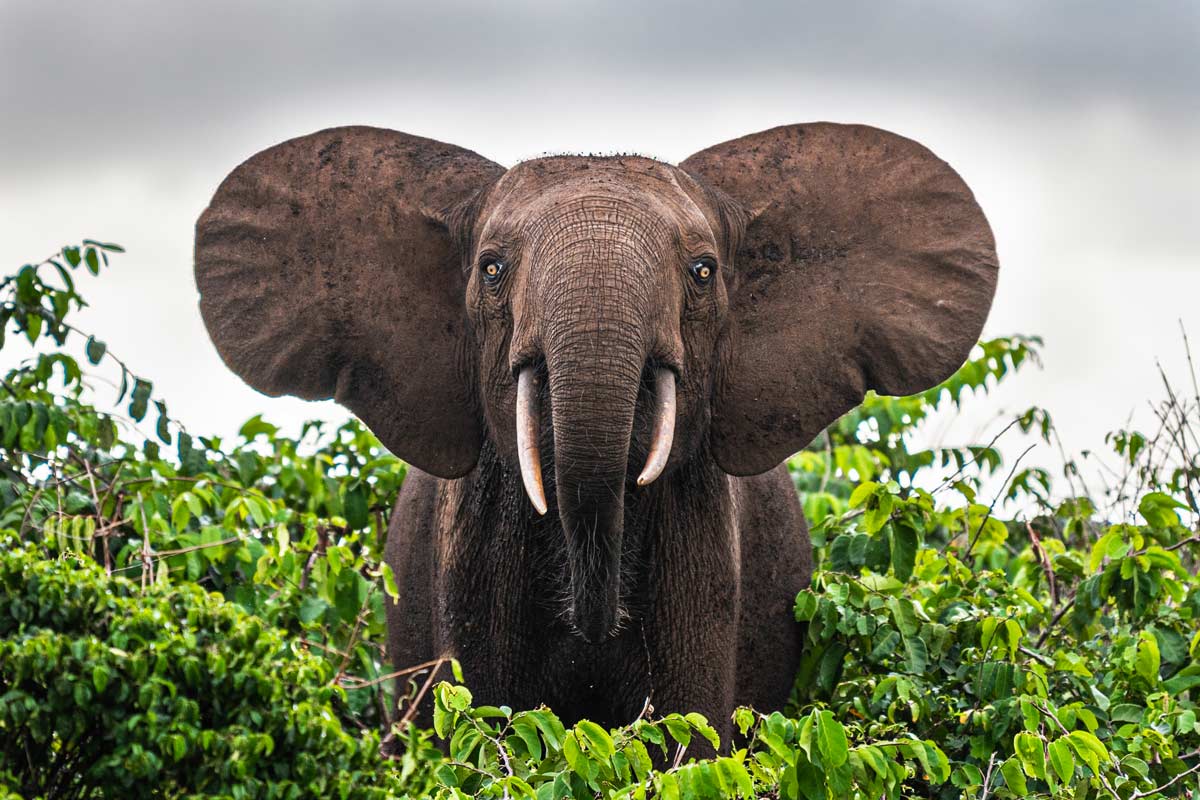

Gabon is the most carbon-positive country on the planet, making it a dream destination for conscious travellers.
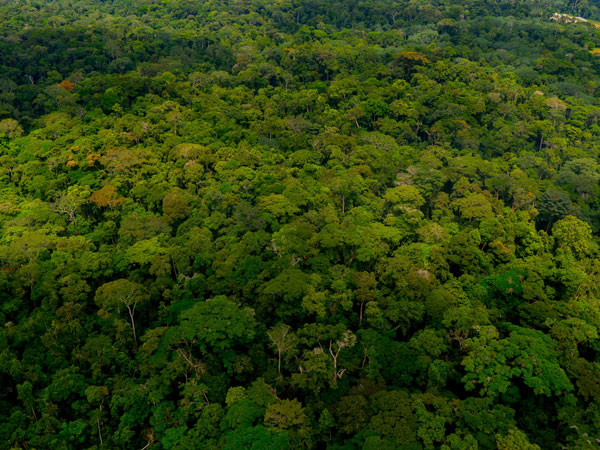
Gabon is being described as The Last Eden, the next big place for ecotourism and adventure. Around 88 per cent of the country on the west coast of Central Africa is blanketed in verdant, equatorial rainforest. And it’s the country’s commitment to preserving this untouched environment that has seen it earmarked by adventure travellers, nature lovers and environmental preservationists.
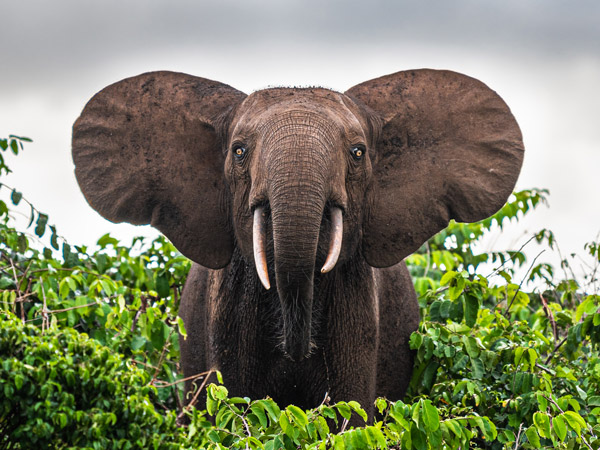
Within this green, shady habitat is the largest population of forest elephants in the world, numbered at about 95,000, and an estimated 30,000 gorillas and chimpanzees. Gabon is, according to the United Nations Framework Convention on Climate Change, the most carbon-positive country in the world.
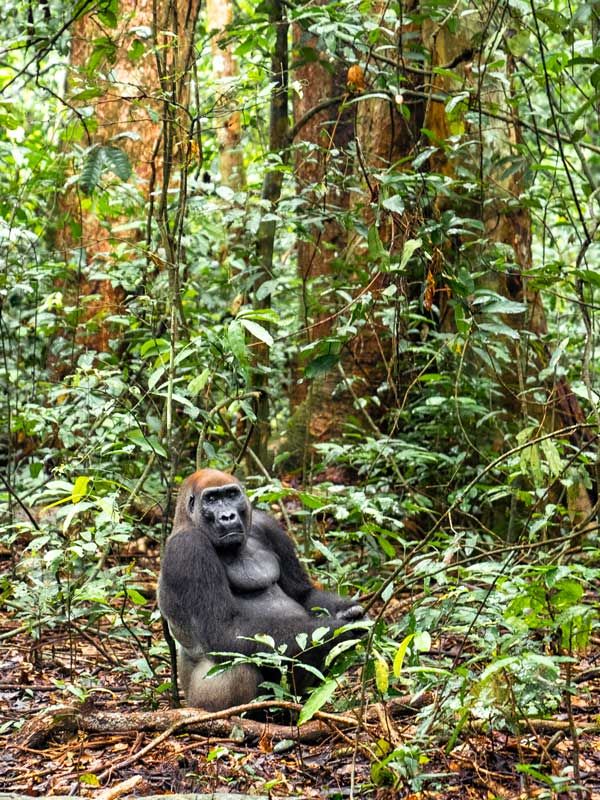
The UN says it is also the first country in Africa to be awarded results-based payments for reducing emissions from deforestation. Go Gabon. In some ways, this magical landscape tells a tale about hope over despair and is a reminder that we take the Earth for granted at our peril.
The Gabon government’s dedication to sustainability, biodiversity and conservation has seen the country internationally recognised for the role it has taken in combating climate change globally.
For the past decade or so, there has been a concerted effort to promote the conservation of marine habitats through the Gabon Bleu initiative, which has led to the declaration of a whopping 27 per cent of Gabon’s marine waters as protected areas.
Lovers of wildlife are lured to Gabon to see the southern hemisphere’s largest population of humpback whales, which nurse their young off the Atlantic Coast before migrating south. The world’s largest population of leatherback turtles and a regionally significant population of olive ridley turtles also go to Gabon to nest.
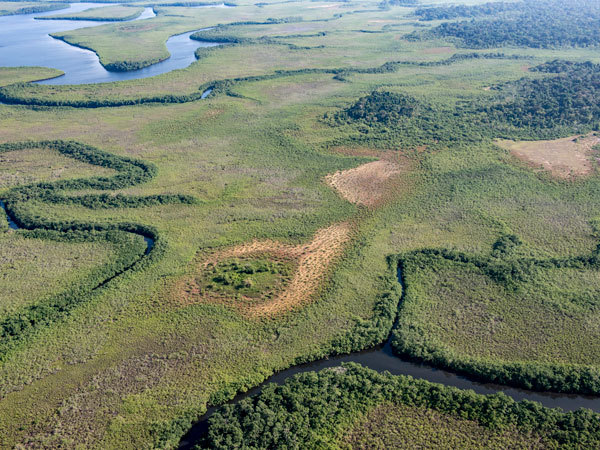
Hold up a mirror to Gabon and it will reflect a template our world leaders need to follow. Gabon has gazetted 13 national parks, with a total of 22 per cent of Gabon’s land falling within protected areas.
Using its giant lungs, Gabon removes just over 100 million more tonnes of CO2 from the atmosphere per annum than it emits. In addition to forests brimming with wildlife, there are beautiful beaches and cultural experiences to be had.
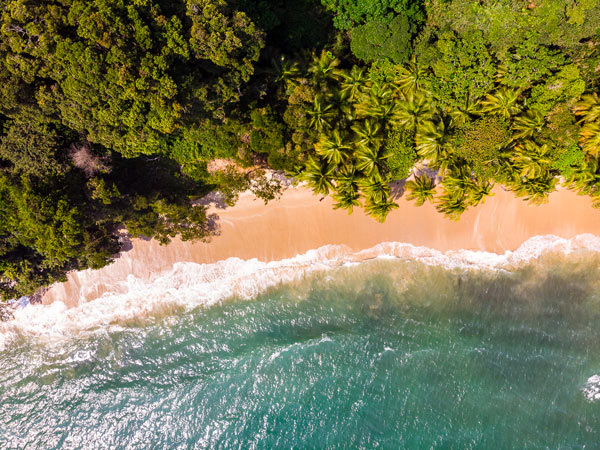
Best eco tours in Gabon
It seems only right to tread lightly in Gabon. Here are three eco tours worth taking.
Gabon Adventure Tours
Enjoy an 11-day small group adventure through Loanga and Lopé national parks.
You’ll witness Gabon’s native flora and fauna – some of the most diversifed in the world. Tour activities include following the flank of mountains while tracking mandrills, gorillas and chimpanzees. There are opportunities to spot forest elephants, red forest buffalo and red river hogs. Watch for birds as the skies turn mauve.
Birding Ecotours
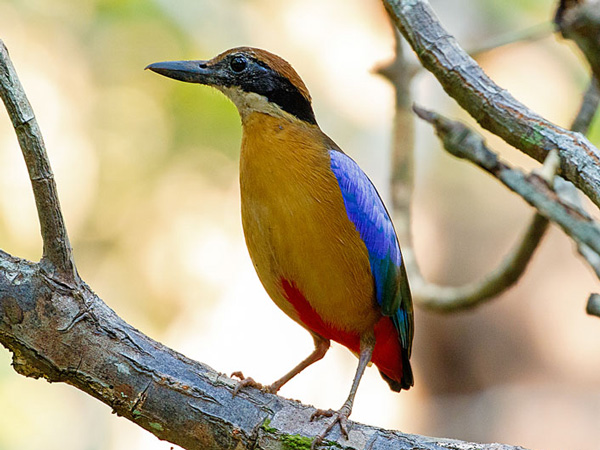
Gabon is crossed by the equator and borders Equatorial Guinea, Cameroon and the Republic of the Congo; it has this ideal location to thank for its biodiversity. It’s also on the flight path for a range of exotic bird species, so twitchers will delight in keeping a scorecard on an excursion with Birding Ecotours. There’s the African skimmer, the palm-nut vulture and the great blue turaco, which has a penchant for peacocking.
Gabon Travel and Tours
Loango National Park was put on the map when Sir David Attenborough featured footage of surfing hippos in his BBC series, Africa: Eye to Eye with the Unknown. Perhaps you’re witnessing the evolution of the species?
Depending on the season, you can also see humpback and killer whales on The Surfing Hippos of Loango National Park tour. Settle into your jungle camp of an afternoon to hear the evening orchestra of birds and beasts under the stars.
Weekly travel news, experiences
insider tips, offers, and more.
Best things to do
Fare go in Gabon
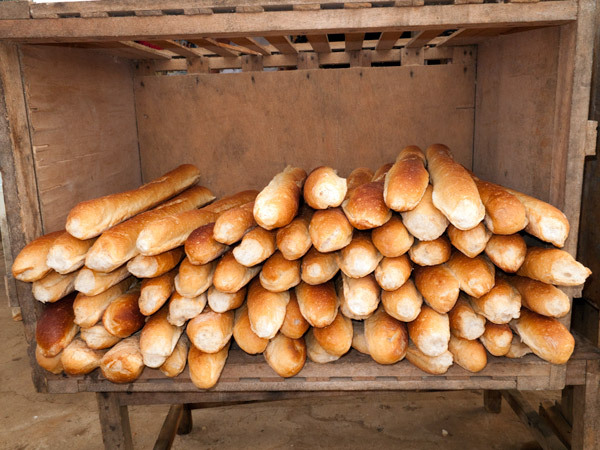
Scratch the surface of Gabon, a former French colony, and you will find the country maintains strong ties to French language and culture. The flavours of France can be found in Gabonese cuisine, and it’s common to see everything from beignets to baguettes on the menu. But instead of slathering butter onto baguettes, the Gabonese bite off bits of bread with boiled atanga fruit.
They also serve the baguette stuffed with spit-roasted meat, peppers, onions and hot sauce. Head to Plage de la Sablière in Libreville, the nation’s capital, to find restaurants serving regional specialties.
Marvel at The National Museum of Arts and Traditions
The Musée National des Arts, Rites et Traditions du Gabon is located in Libreville and is considered a cultural treasure. The museum has indexed its exhibitions into categories: traditional life and musical arts, prehistory and history, plastic arts and traditional crafts.
It also widens the lens to focus on precious Gabonese objects such as masks, sculptures and works of art. Take a guided tour of the museum to learn all about the Gabonese and how their cultural identity centres around dance, songs, myths and poetry.
Laze around Pointe-Denis Beach
Fall in step with the rhythm of local life at Pointe-Denis Beach, located on a finger of land that separates the Atlantic Ocean and the mouth of the Komo River. Linger at one of the beachside restaurants, sunbathe on a patch of sand, join in a friendly game of soccer or drift along to live music.
Follow the winter sun and visit Gabon between June and September, which is the drier season, as the country’s proximity to the equator means it is prone to rainfall. Find out more about green Gabon here.
Want to see more stories from International Traveller in your Google search results?
- Click here to set International Traveller as a preferred source.
- Tick the box next to "International Traveller". That's it.