When it comes to travel, Africa is one place on many people’s must-visit list. Here are 10 reasons to get yourself to South Africa that you may not have even considered…
To go on safari in search of the Big Five
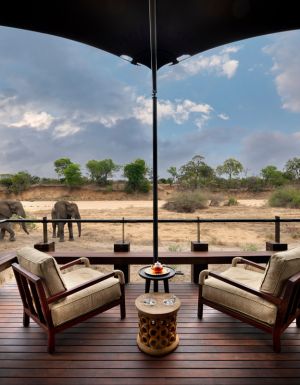
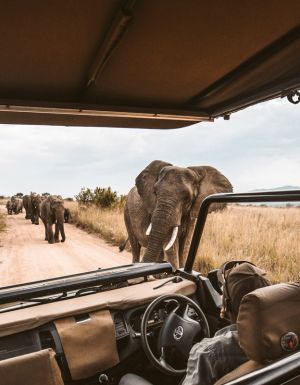
Going on your first African safari feels like being on a hushed film set waiting for the key cast members [read: the big five] to arrive. And when they do, it’s with all the drama, tension and romance that is implicit on a game drive. What’s surprising is how much the bit players – dik-diks, kudu, impalas – steal the spotlight as they scramble for survival.
A crash course in astronomy
Receiving a crash course in astronomy while standing under a night sky swirling with stars in the middle of the Greater Makalali Private Game Reserve is to marvel at the magnificence of the universe. Astrotourism has become a popular safari ritual in South Africa and Ben Coley, of Celestial Events, has a seriously powerful telescope to enhance the experience.
To caper up the Cape of Good Hope
Geography lessons come to life at the Cape of Good Hope on the Cape Peninsula, a long spindly finger of land pointing south toward Antarctica. Climb to the top of the Old Cape Point Lighthouse where you can marvel up close at the rippling sandstone and swirling blue-green sea below. Be warned: baboons are everywhere so keep your car locked when you pose for that selfie near the Cape of Good Hope sign.
Explore SA’s largest art museum
The Zeitz Museum of Contemporary Art Africa – Zeitz MOCAA – is one of the world’s most important exhibition spaces for contemporary African art. It’s a great echoing cavern of steel and concrete and glass located inside a grain silo built on the waterfront in the 1920s. Huge sections of the building’s interior have been carved out to create a complex warren of more than 100 gallery spaces.
Visit the rainbow-bright neighbourhood of Bo Kaap
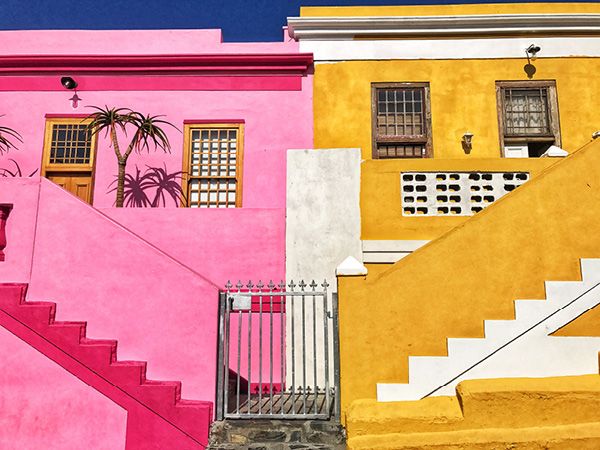
The boxy buildings of Bo Kaap present like a bag of Liquorice Allsorts coloured everything from indigo and fuschia to tangerine and mint green and brightening up the Cape Malay community. Turn your back on the camera-toting crowds and head up the hill to Bo Kaap Kombuis, a restaurant serving traditional Cape Malay cuisine.
Coo over the penguins at Boulders Beach
The waddling African penguins are not the only reason to make a pilgrimage to Boulders Beach, as the area is strewn with rounded boulders looming like giant sculptures. As well as providing ideal nesting territory for the endangered species, the tumbled rock formations are every bit as photogenic as the resident penguins.
Enjoy an African sunset
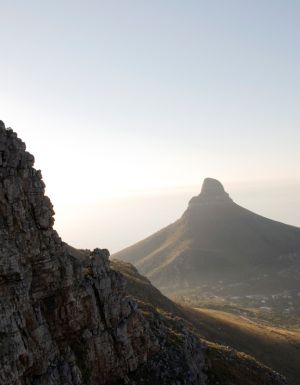
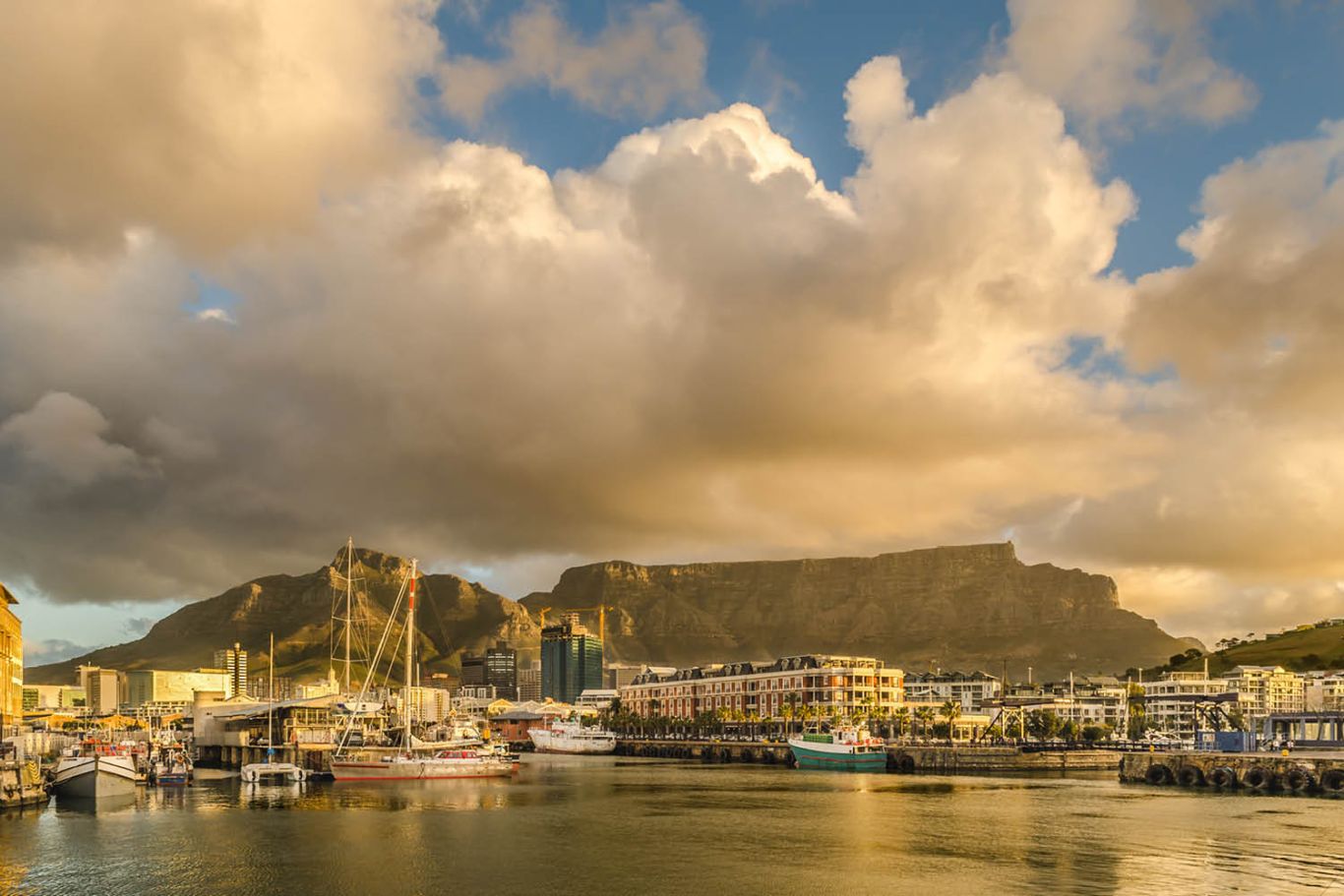
Table Mountain is one of the New 7 Wonders of Nature and, if there’s a defining landmark that shapes Cape Town’s skyline it is this. The Table Mountain Aerial Cableway has revolving floors so visitors get 360-degree views of the mountain and city from the top of the towering escarpment.
Experience Steampunk at Truth Coffee, Capetown
If you are a fan of steampunk, this is the cafe for you. Steampunk informs the philosophy behind Truth Coffee while paying homage to the movement with its centrepiece: a vintage espresso machine dubbed Professor Jones’ Fabulous Coffee Bean Contraption. Truth is equal parts cafe and cult and the steampunk aesthetic filters down to the fashions favoured by the staff. truth.coffee
Weekly travel news, experiences
insider tips, offers, and more.
To surf world-class waves
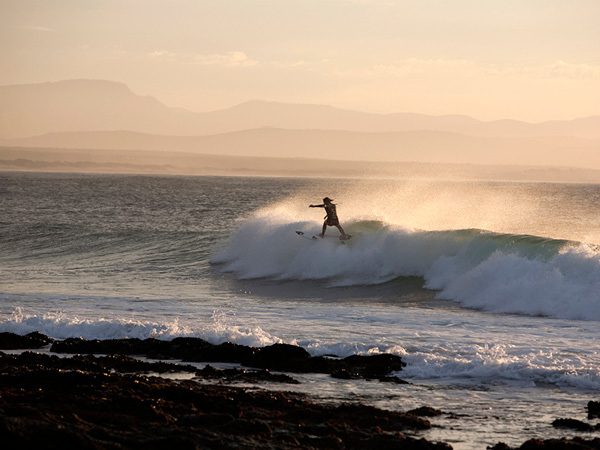
Jeffrey’s Bay is ranked as one of the best surfing destinations in the world. Located in the Eastern Cape province of South Africa, J-Bay offers rides of up to 800-metres long and includes breaks dubbed Salad Bowls, Coins, Tubes, Kitchen Windows and Impossibles. The best time to surf here is dawn, when the sky is indigo and the seas are stretched like blue denim over the curves of the coast. Yes, it’s where Mick Fanning punched a great white during the J-Bay Open surf event, so BYO shark repellent.
The grape and the good
The Cape Town bar scene is cool and contemporary and includes a range of bars, some more dog-eared than others. The Outrage of Modesty serves cutting-edge cocktails in an old frame theatre with wacky wall art and tiered seating. Nearby, The Gin Bar is aimed squarely at gin geeks. The bar, which is hidden behind the Honest Chocolate Cafe in the CBD, has a charming sand-blasted courtyard and beautifully backlit drinks selection.
GETTING THERE
Africa Travel specialist Bench Africa has a 13-day Luxury Signature Safari Special that focuses on South Africa. Visit benchafrica.com
There is a SAA flight daily from Perth to Johannesburg operating an A340-300 and A340-600 (connecting with codeshare partner Virgin Australia from Sydney, Melbourne, Brisbane and Adelaide.) Visit flysaa.com
Want to see more stories from International Traveller in your Google search results?
- Click here to set International Traveller as a preferred source.
- Tick the box next to "International Traveller". That's it.