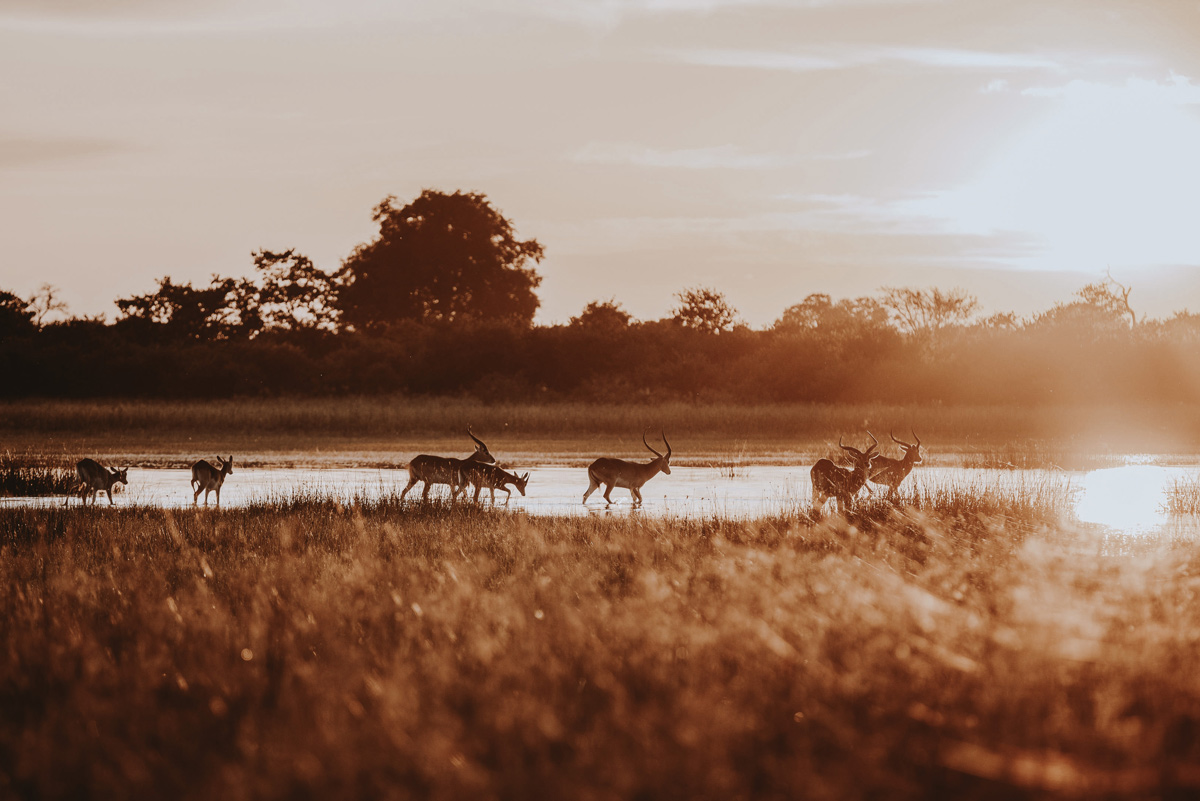
Change is inevitable in the Okavango Delta, a UNESCO World Heritage site reshaped by the annual flood. But amid the transformation, Botswana’s commitment to conservation remains steadfast.
The Okavango Delta is ripe for the quenching. It scrolls beneath me like parchment, a mouth greedy for drink, a palm cupped for the flood.
“You notice how dry it is?" says a guide I meet on the flight from Maun to Vumbura Plains.
“Keep watching. You’ll see as we go north how green it’ll get." Yes, the northern delta has sipped its first drafts of the season. Sunlight bounces off water undergirding the vegetation; termite mounds drift like breadcrumbs in a festering petri dish. We’re travelling against the flow.
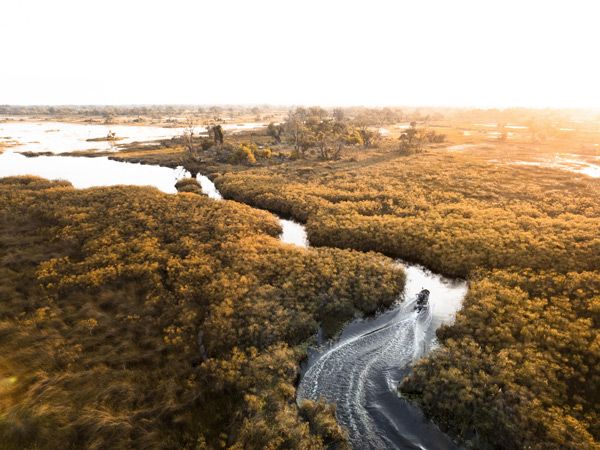
Rain that began falling on the Angolan Highlands last November has sluiced southwards to Namibia’s Caprivi Strip; it seeps across Botswana’s alluvial fan, collides with fault lines, backfills the interstices. On and on it goes, reshaping the landscape with impermanent islets, veined swamps and tannin-stained pools. So laborious is its journey, the flood will only reach Maun by mid-year.
“[There’s] no real dry season," says Wesley Hartmann, head of conservation and environment – Botswana at Wilderness. “When the rains stop, the flood comes in, when the flood goes away, the rains start. So there’s always water in some form."
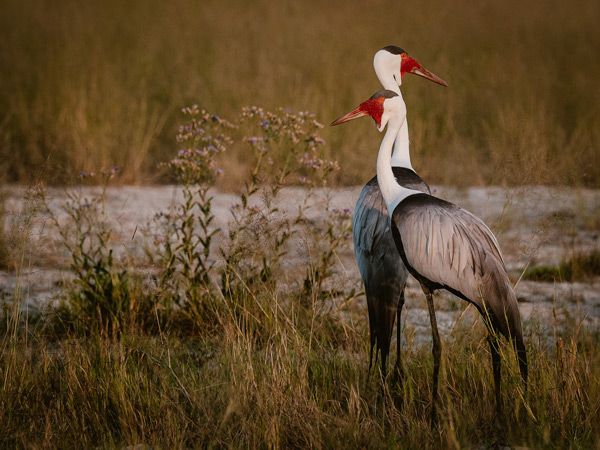
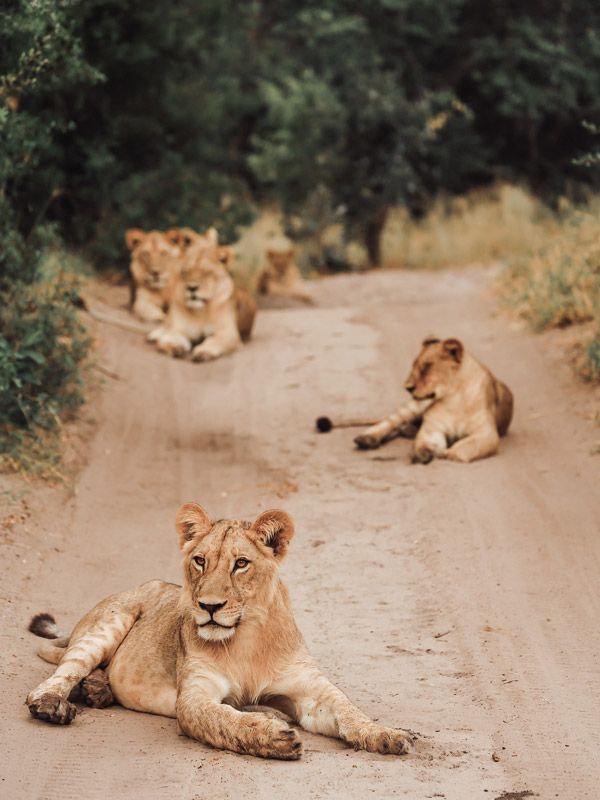
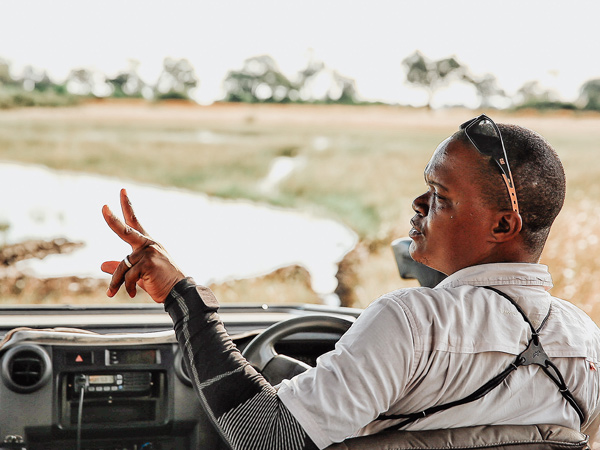
This year’s rainfall is the lowest in 40 years, but to the untrained eye, the northern delta appears inundated. The tapestry I’d seen from above shrinks to a pastiche of wild sage, mopane scrub and yellow thatching grass as Vumbura Plains guide Dennis Smith weaves a path through it. The road disappears into a limpid swamp; a pride of lions slouches beside the bounty. Their lifeblood is our luxury; water, after all, lures the wildlife we’ve come to see.
“These [sub-adult] males, their future hangs in the balance," Dennis says.“They will be pushed out by a big adult male."
This thought jars with the youngsters’ joviality – paws raised in mock aggression, tails tapping the puddle, kitty whiskers skimming the stream. But change is braided into every fibre of this canvas. Just as water swells and recedes, male cubs will grow up and be booted from the family.
Such laws of nature are honoured by this country’s enduring conservation ethos. When Botswana’s community-based resource management program was implemented in the early 1970s, protected land adjacent to national parks was separated into concessions and leased to communities.
The program still prevails: communities sub-lease concessions to safari companies such as Wilderness, and benefit in turn from employment opportunities, skills development and assistance with the mitigation of human-wildlife conflict.
Bed and vehicle thresholds ensure low-impact tourism – and exclusivity for visitors. It’s an increasingly important distinction for Australian visitors, says Lara Behrens, marketing and communications director at Bench Africa.
“Many of our Australian clients reach out seeking enriching, one-of-a-kind experiences. They’re not only looking for unforgettable memories to carry back home, but a sense of contributing positively to the destinations they visit."
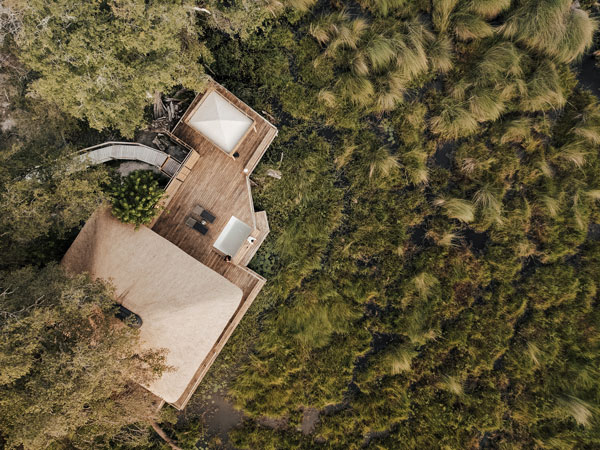
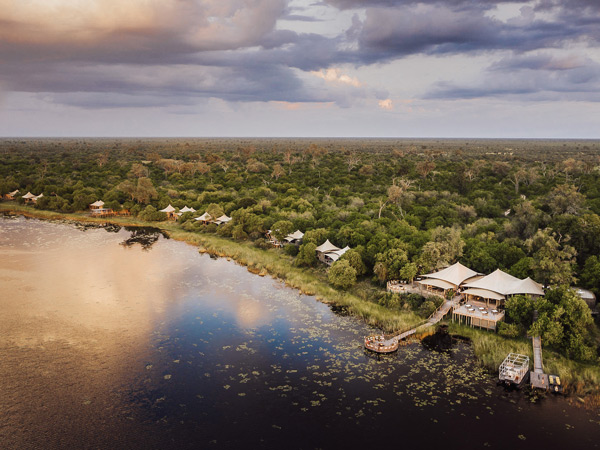
Such expectations are exceeded at Vumbura Plains. The lodge is staffed almost entirely by residents of five villages comprising the Okavango Community Trust (OCT), which encompasses a range of people-focused programs. The staff are unfailingly warm, but our arrival is not entirely melodious; complaints emanate from hippos inhabiting the fringing lagoon. The channels they’ve carved on nightly foraging incursions disappear beneath the stilted, wood-and-canvas pavilions. When the flood comes, the lodge will drift above it.
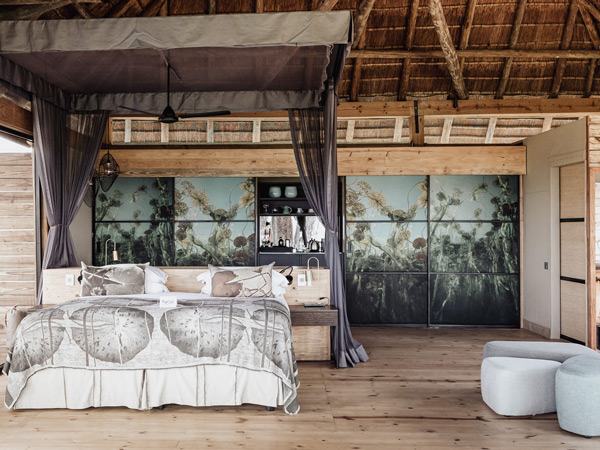
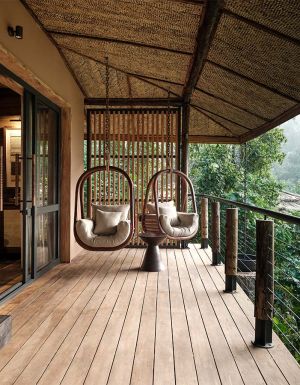
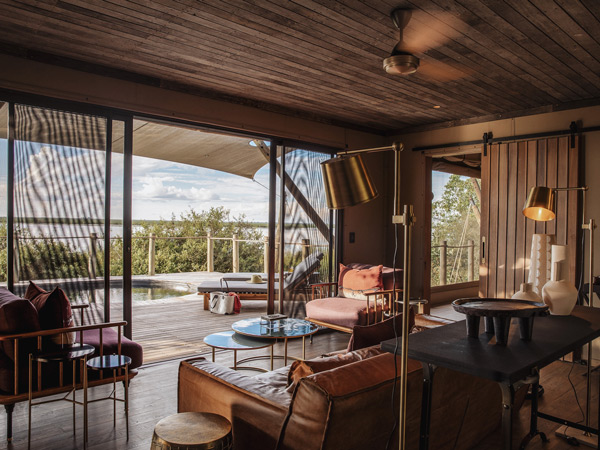
This proximity to nature is amplified in my private suite. After wallowing in the plunge pool in full view of those obstreperous hippos, the delta seemingly follows me inside. It’s framed by mosquito-screen walls, embossed on bathroom and wardrobe panels in underwater whorls, imprinted on bed linen in the form of those water lilies blooming out on the channels.
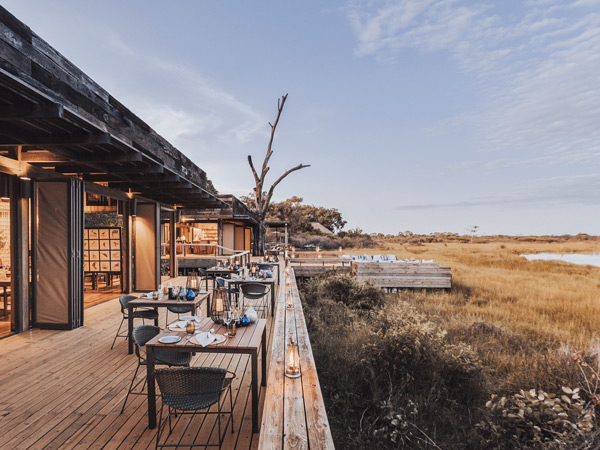
Their bulbs – tswii – are on tomorrow’s lunch menu: ground into a paste and pounded into ribbons of pasta. At dawn, a roar surges through those diaphanous mosquito screens. We find the probable culprit lounging on an alabaster pan during our morning game drive.
“Look at the scars on his face, the torn ear," Dennis says. “You don’t want guys called ‘Pretty Boy’ or ‘Smiling Boy’ – these are cowards. You want something like ‘Tom Boy’ or ‘Scarface’. This shows you that they can protect the females."
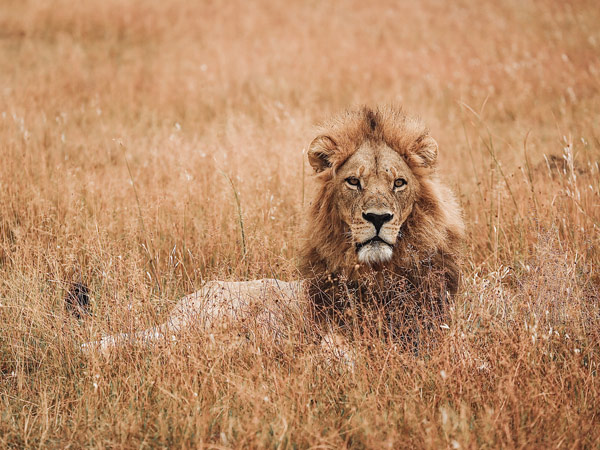
But we humans pose the greatest threat to lions. Poisoning as a response to livestock predation was once rife hereabouts. Today, naming rights are one of a suite of defences used by CLAWS (Communities Living Among Wildlife Sustainably), an NGO working to mitigate human-wildlife conflict. Names like ‘Sneaky Boy’ or ‘Beautiful One’ nurture connection between farmers and the predators hungry for their livelihood.
“It’s difficult for us … to comprehend the value of one cow to these farmers. It can be anywhere between three months and two years’ worth of a salary for a farmer," Wesley says. “That’s something that I often have to work quite hard to communicate with guests … because they immediately want to vilify the farmers."
The resolution to such conflict also involves collaring problematic lions, monitoring their activity on the geo-fences ringing OCT villages and training eco-rangers to safeguard livestock. Plans are afoot at Wilderness lodges to source the farmers’ wildlife-friendly beef at a price that acknowledges their conservation efforts.
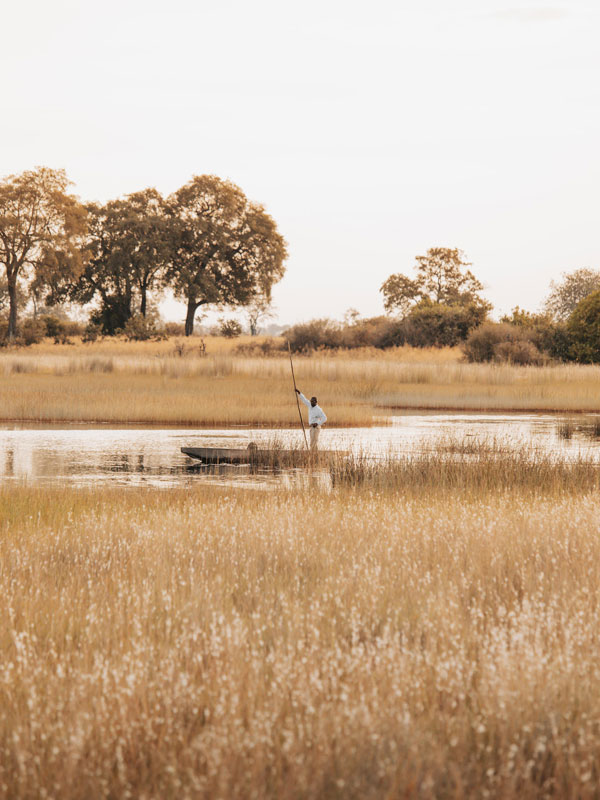
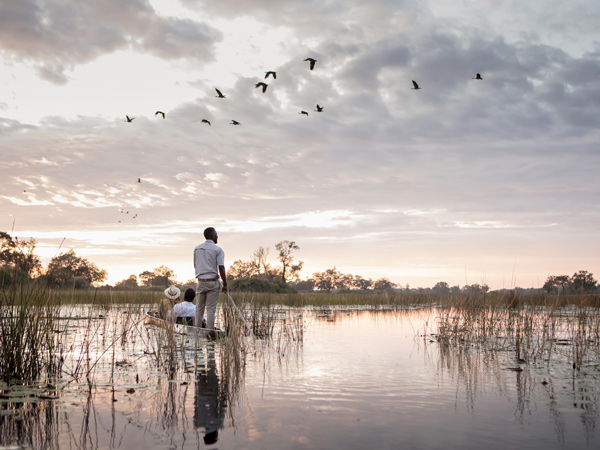
There are no lions or hippos about as guide Sticky Mohera poles his mokoro (canoe) through the twilight-struck marsh. Water skaters tread a dimpled path upon the inky surface; dragonflies hover atop spears of sedge grass; bream, which appears on DumaTau Camp’s dinner menu, glides unseen beneath us.
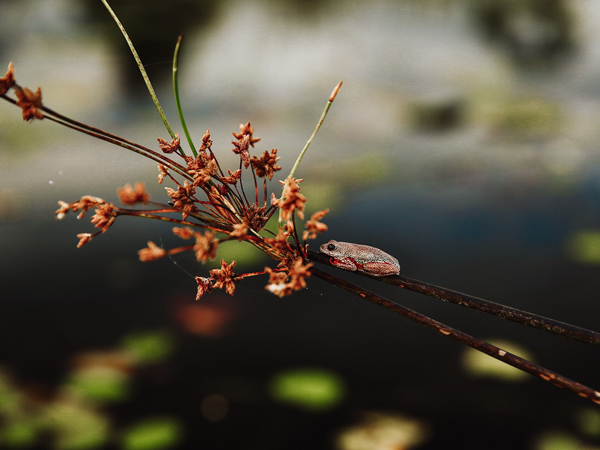
Sticky points out a tiny limpet attached to the reeds: a painted reed frog. Her back is metallic, her belly blood red.
“The stomach confuses their enemy when they jump," he says.“Egret, heron, malachite kingfisher, fish, snakes – they eat them."
I ponder this treachery as we glide into a sunset mirroring the frog’s duplicitous palette: streaks of rose pink flawlessly echoed on sheet-metal water.
This braided waterscape makes sense the next morning as we fly north-east to Linyanti Wildlife Reserve. Only now can I unpick the swampland from the mopane and Kalahari apple leaf trees, the clay pans from the towering termite mounds and restless drifts of sand.
“We are planning to inject this," says bar manager Monks Ntshwarang, handing me a fruit drink on arrival at DumaTau. “Let’s edit it. Should we add gin or vodka?"
The obvious choice is Okavango Gin – distilled sustainably in Maun and infused with marula fruit and mopane seeds.
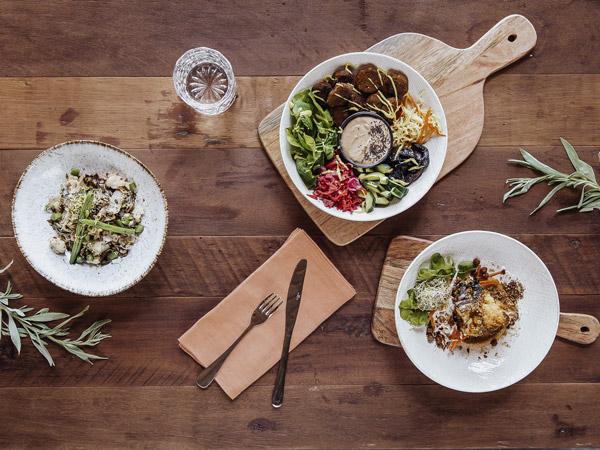
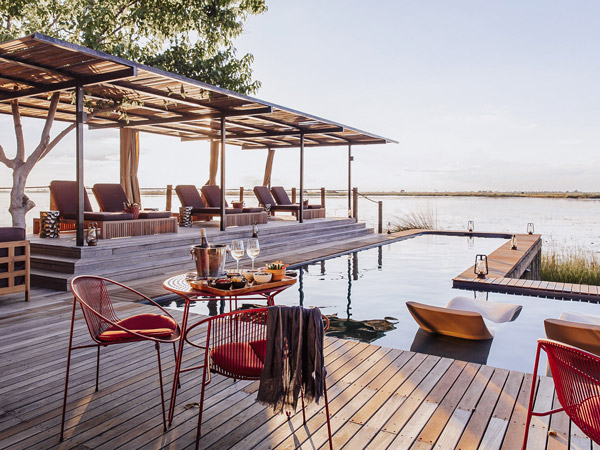
I can sip this hyperlocal tipple on the floating deck and “say goodnight to Africa," suggests Martin Nkala, DumaTau’s general manager.
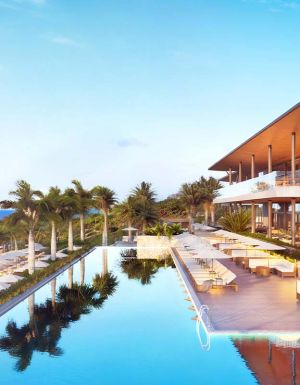
But I’m drawn to my capacious suite with its sunset-pink interior and deck overlooking Linyanti Swamps. Wallowing again in my plunge pool, I’m visited by an elephant and her calf; they’ve waded across the swamp to browse the trees that shade me.
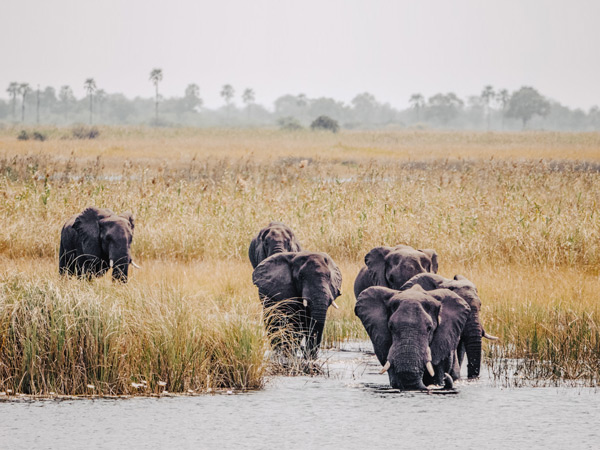
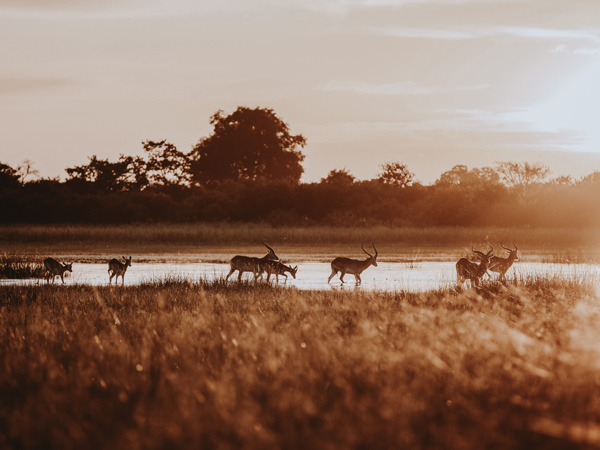
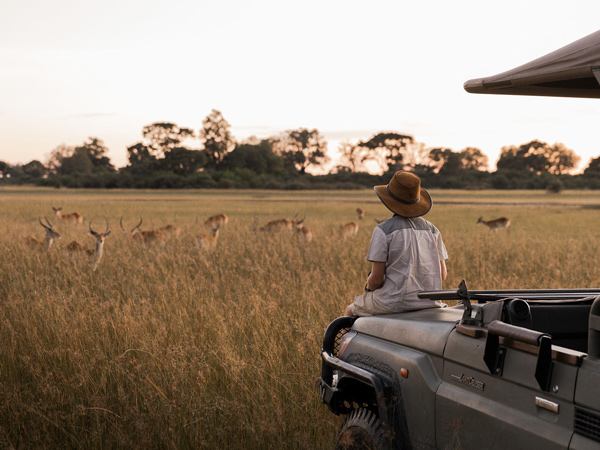
This confluence of waterways – the Savuti Channel and Linyanti and Kwando rivers – is home to Africa’s biggest concentration of elephants. Herds crisscross the swamp, the littlest members hanging onto their mothers’ tails. But an evening game drive reveals unsung wonders: zebra swaggering through feathery grasses; buffalo dissolving in the simmering haze; red lechwe splashing through the mire. It’s positively bucolic – until guide Tapologo ‘Taps’ Gaothobogwe is alerted by radio to an improbable sighting: an African rock python constricting an impala.
We find the antelope rigid and glassy-eyed in the snake’s embrace. With agonising deliberation, the mighty serpent – Africa’s largest snake – uncoils, appraises his sizeable prey and drags it with clenched jaws towards the bush’s cover. It is growing dark now; alerted by the bloody snakebite on the impala’s throat, predators and scavengers will be circling.
“There’s a high chance he’ll lose the carcass," Taps says.
“We’ll pass by in the morning and complete the story." The story’s ending is unfortunate. Dawn illuminates only the impala’s innards and the contents of its gut, which dung beetles are industriously repurposing as nests for their eggs. The python has vanished; as for its prey, hyena spoor indict the likely thieves.
“It was maybe two or three hyenas, looking at the tracks," Taps says. “Probably after opening it, they ate a little bit … and then they carried the whole carcass somewhere else to feed on it."
Winter is coming; soon the python must hibernate. Much like the flood, no one can say whether sustenance will be forthcoming. “You know, [the delta] is a paradise," Taps says as we glide along the Linyanti Swamp that evening. “But nobody knows what is going to happen."
For now, all signs point to this: the python escaped with his life; and the delta’s thirst is sufficiently sated. Water spills eastward and westward without disruption – bar the eyes of those disgruntled hippos. They protrude like marbles from the swamp’s silken surface and glower with light from the setting sun.
Getting to Botswana
Qantas flies to Johannesburg from Sydney and Melbourne. Airlink connects daily to Maun.
Playing in Botswana
Bench Africa’s luxury five-day Wilderness Botswana: Sustainability in Style safari costs from $19,090 per person sharing and includes two nights each at Vumbura Plains and DumaTau, flight transfers, meals, local drinks, conservation fees and activities such as game drives and mokoro excursions. Travel to Botswana is visa-free for stays of up to 90 days. Malaria medication is recommended at certain times of year; consult your travel doctor for advice.
Want to see more stories from International Traveller in your Google search results?
- Click here to set International Traveller as a preferred source.
- Tick the box next to "International Traveller". That's it.